
When contemplating the art of Chinese stir-frying, one question frequently arises among culinary enthusiasts and professional chefs alike: Why is wok cooking essential for Chinese stir-fries? The answer goes beyond mere tradition; it encompasses the design, material, and technique associated with the wok, all of which culminate in achieving authentic flavors, textures, and cooking efficiency. The wok’s ability to deliver high heat, facilitate rapid tosses, and impart distinctive smoky flavors makes it a cornerstone in Chinese cuisine that cannot be easily replicated with conventional cookware. This article explores the multifaceted reasons that underscore the wok’s pivotal role in creating authentic Chinese stir-fries.
The Wok’s Unique Design: Optimizing Stir-Fry Performance
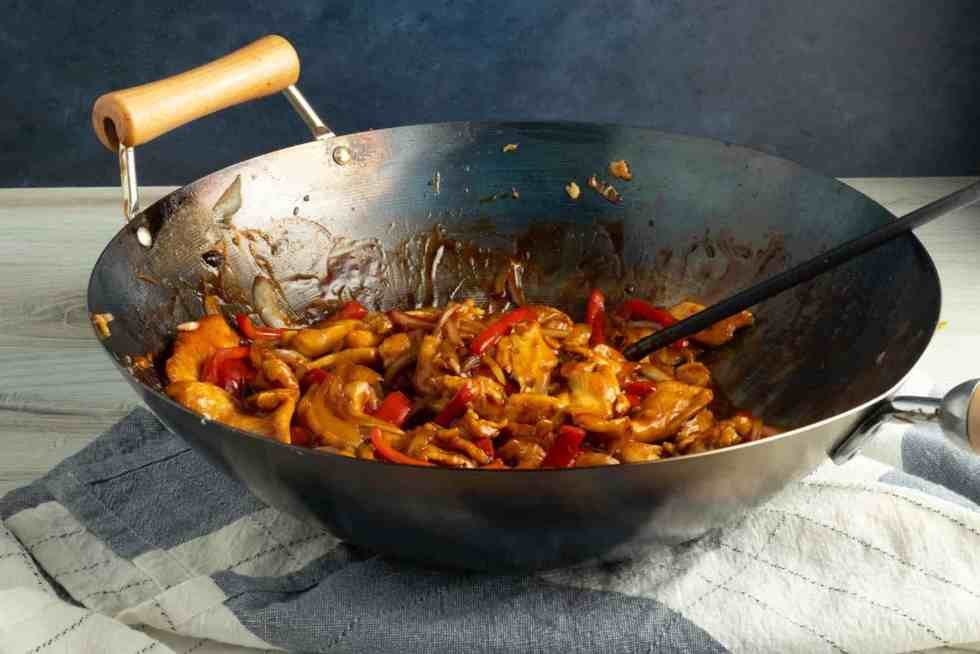
The defining feature of a wok is its uniquely rounded, sloped sides, which aren’t merely aesthetic but serve a critical functional purpose. This design creates a large, gently curved cooking surface that allows food to be cooked quickly and evenly using high heat. The shape is ingeniously suited for stir-frying, as it enables the cook to easily toss ingredients in the center of the pan, causing hot oil and ingredients to circulate uniformly. Consequently, the wok’s design reduces the risk of ingredients sticking or burning, helping achieve the perfect balance between high heat and crispy, tender textures.
Moreover, the concave shape makes it easier to manipulate ingredients with quick, continuous tossing rather than frequent stirring with a spatula. This dynamic movement is essential in Chinese stir-fries, fostering even heat distribution and preventing overcooking or burning one part of the dish while other parts remain undercooked. The tactical design of the wok, therefore, directly contributes to a more efficient and flavorful culinary process, reinforcing why is wok cooking essential for Chinese stir-fries? Its geometry maximizes both control and performance, essential for authentic results.


High Heat Retention: Achieving ‘Wok Hei’ for Authentic Flavor
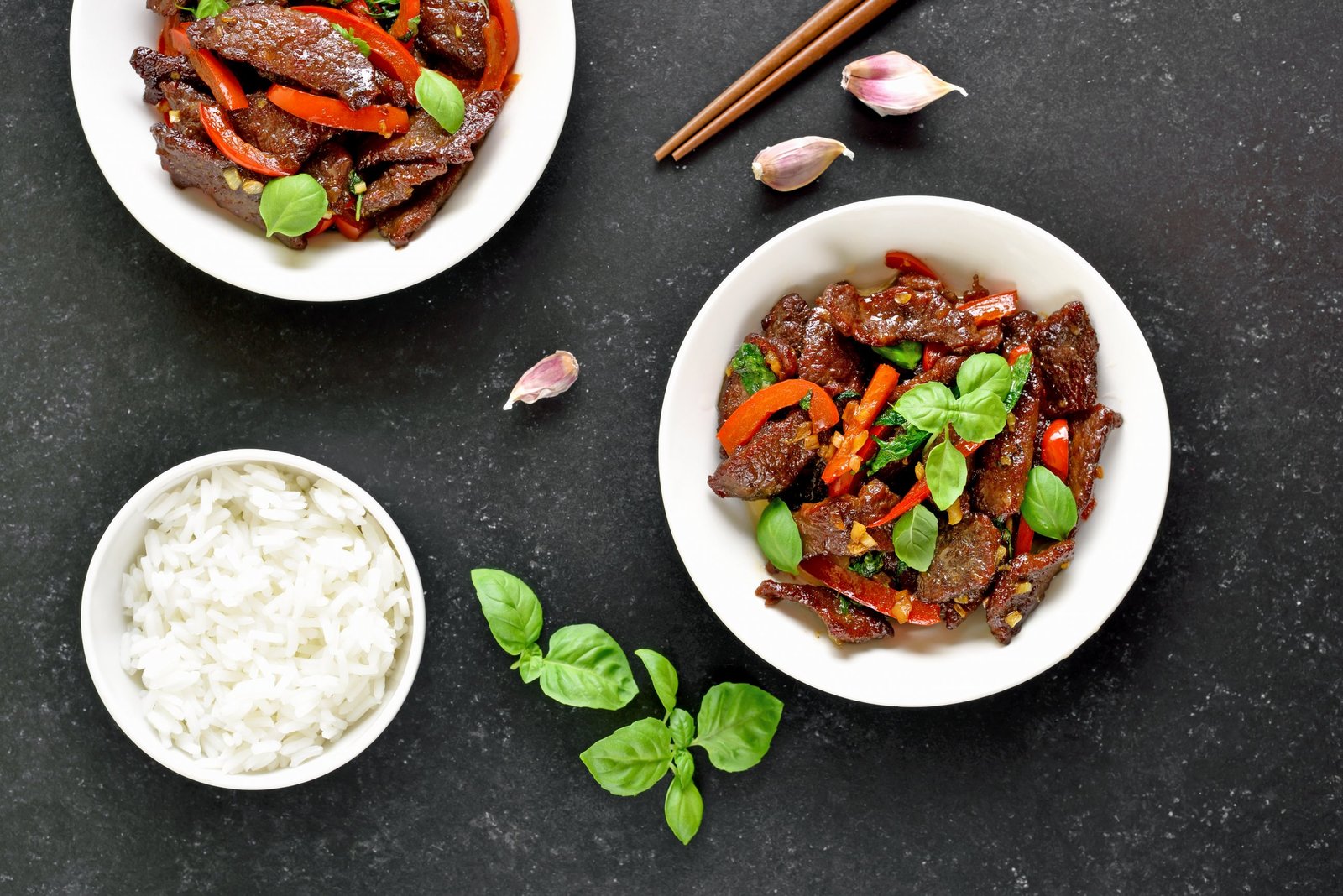
One of the most revered qualities of a good Chinese stir-fry is the smoky aroma known as wok hei, often translated as “breath of the wok.” This complex flavor, emblematic of authentic Chinese cuisine, is produced mainly from high-heat cooking that causes food to develop a slight charring and smoky scent. A wok’s ability to retain heat after being heated to high temperatures is instrumental in developing this signature flavor. Unlike flat pans which often lose heat quickly, a properly seasoned or high-quality wok remains hot enough to sear ingredients instantly, sealing in juices and imparting that characteristic smoky depth.
Achieving wok hei requires a combination of the right temperature, oil, and rapid movement—the very conditions a wok facilitates. Its thick material and design allow it to withstand the intense heat without warping, creating a perfect environment for flash-frying ingredients and building complex flavors. This flavor layer distinguishes Chinese stir-fries from other quick-cook dishes and is why many chefs emphasize the importance of wok cooking. The high heat retention core of the wok thus directly contributes to the dish’s depth, richness, and authenticity, underscoring why is wok cooking essential for Chinese stir-fries?
Sloped Sides: Facilitating Efficient Tossing and Cooking
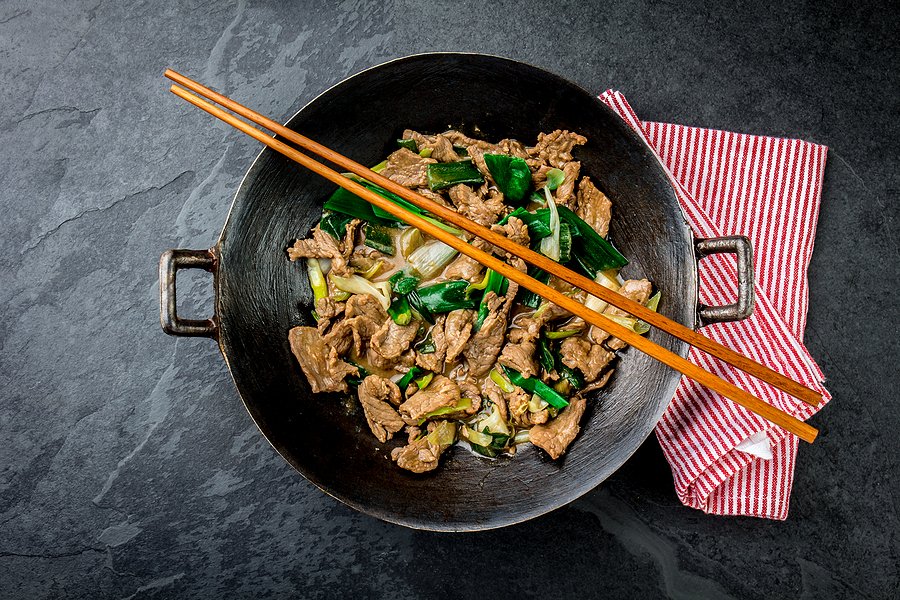
The distinctive sloped sides of the wok serve as an ergonomic advantage for stirring, tossing, and stir-frying. This shape allows chefs to effortlessly lift ingredients from the hot oil and spin them in gentle or vigorous motions, distributing heat uniformly. The curved walls create a natural working space that encourages the rapid movement of ingredients from the center to the sides and back, mimicking the motion of a dance that enhances flavor melding and texture development. Such ease of tossing reduces the need for multiple tools or cumbersome stirring techniques, making the process more efficient and enjoyable.
Furthermore, the sloped sides enable the cook to handle different cooking stages within the same vessel—starting with searing at the bottom, then quickly tossing to coat ingredients with sauce or to cool down as needed. The design also minimizes splattering, keeping the cooking area cleaner and promoting safety. This practicality is vital in fast-paced kitchen environments, especially when timing is essential to prevent overcooking or loss of texture. That’s why why is wok cooking essential for Chinese stir-fries — its design not only improves efficiency but also enriches each stir-fry with layers of flavor and texture, achievable through effortless tossing and heat management.


Material Matters: The Impact of Wok Material on Stir-Fry Results
The material composition of a wok has a profound influence on heat conduction, durability, and overall cooking quality. Traditional carbon steel woks are favored because they heat up quickly, respond rapidly to temperature changes, and develop a natural non-stick patina over time—ideal for achieving high-temperature cooking. Cast iron woks, on the other hand, excel at retaining heat for longer periods, ensuring consistent heat distribution during prolonged cooking. Carbon steel’s lightweight nature also allows for swift maneuvering, critical in the fast-paced environment of stir-frying, where timing is everything.
Modern materials, such as non-stick coatings or stainless steel, are often less suitable for high-temperature stir-frying because they either can’t withstand intense heat or fail to develop the flavor-enhancing seasoning that traditional woks provide. The material choices ultimately determine the quality of the final dish, impacting everything from crispness to flavor depth. When mastering why is wok cooking essential for Chinese stir-fries, understanding the material’s role becomes clear—it ensures that high heat is delivered efficiently, ingredients are cooked evenly, and flavors meld authentically. The material’s critical role underscores the importance of selecting a wok suited to high-temperature, quick-cook methods central to Chinese cuisine.
Beyond Stir-Frying: The Wok’s Versatility in Chinese Cuisine
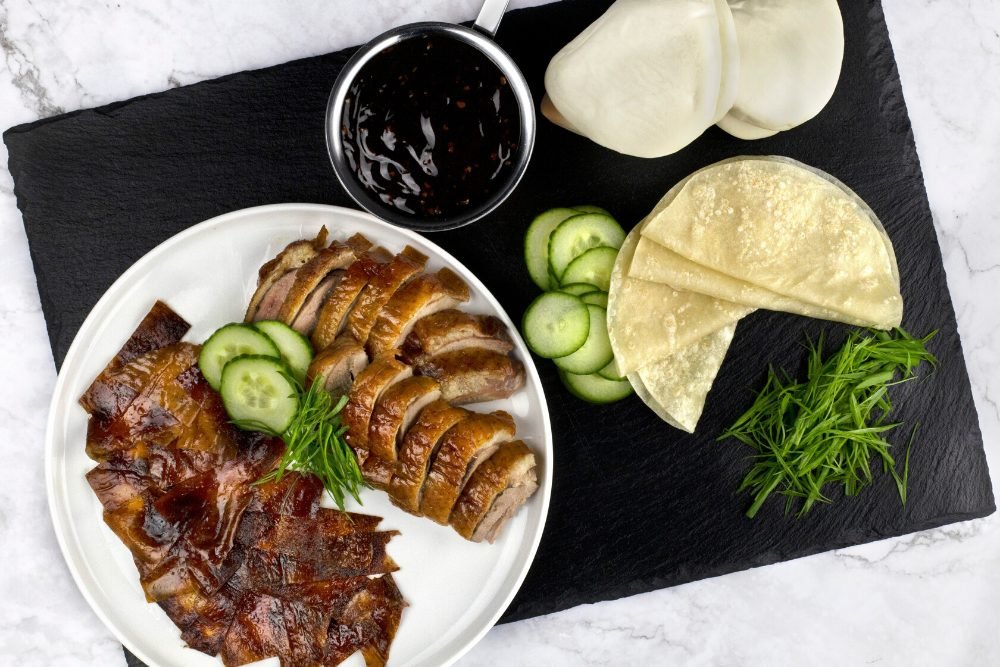
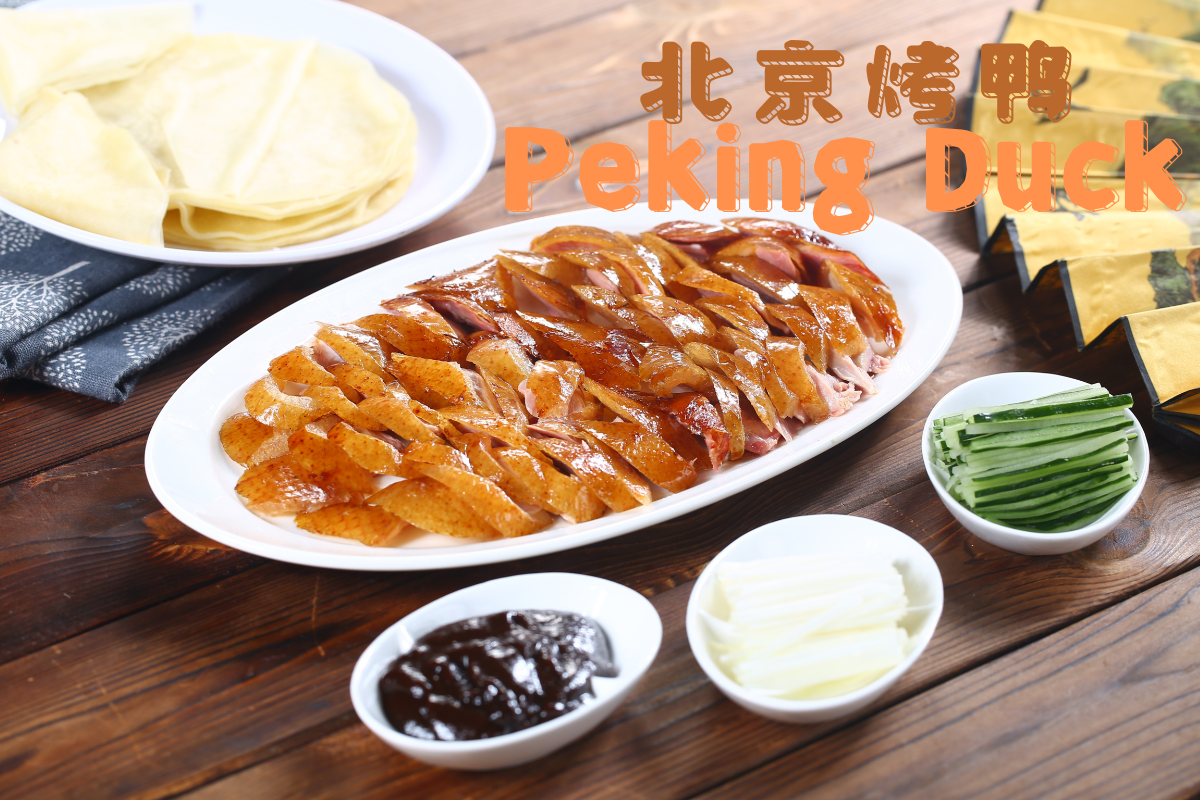
While stir-frying is the most iconic use of the wok, its versatility extends to a broad spectrum of Chinese culinary techniques. It is equally effective for deep-frying, steaming, braising, and even boiling, given its large capacity and heat-retentive qualities. Woks allow chefs to prepare complex dishes like poached fish, steamed buns, or crispy Peking duck with ease, illustrating their adaptability. This multi-functionality makes the wok a valuable culinary tool not just for stir-fries but for the entire repertoire of Chinese cooking methods, all of which rely on precise heat control, efficient cooking surfaces, and rapid adaptation.
Moreover, the wok’s versatility encourages innovation within Chinese cuisine. Chefs can experiment with fusion dishes or adapt traditional recipes using different cooking methods within the same vessel. The ability to switch between techniques without having to change cookware saves time and maintains flavor profiles, which is essential for authentic culinary expression. Hence, why is wok cooking essential for Chinese stir-fries also ties into its broader role as a multi-purpose, adaptable vessel that complements the diversity and depth of Chinese culinary traditions.


Mastering Wok Technique: Elevating Your Chinese Cooking
Achieving mastery in wok cooking requires more than just owning a good wok—it involves technique, timing, and understanding the nuances of high-temperature stir-frying. One must learn how to properly heat the wok before adding oil, ensuring it reaches the right temperature for quick searing and flavor development. Constant tossing and stirring techniques are vital for distributing heat and preventing sticking or burning. Developing a rhythm and understanding the behavior of ingredients in the wok allows chefs to produce consistently high-quality dishes, elevating Chinese cuisine from simple replicate to true culinary artistry.
Furthermore, seasoned wok users understand the importance of managing oil quantities, controlling heat, and timing ingredient additions precisely. Their familiarity with wok characteristics and movement translates into dishes with perfect texture, bright flavors, and an authentic wok hei. For home cooks and professionals alike, honing these techniques deepens the appreciation of what makes wok cooking indispensable. Ultimately, mastery of wok techniques underscores why is wok cooking essential for Chinese stir-fries, transforming a basic stir-fry into an art form that captures the soul of Chinese culinary tradition.
Conclusion
In summary, the significance of wok cooking in Chinese stir-fries lies in its uniquely designed shape and material, which optimize heat retention, facilitate effortless tossing, and impart complex smoky flavors fundamental to authentic dishes. The wok’s sloped sides allow for efficient movement and even cooking, while its broad application across various cooking techniques showcases its indispensability in Chinese cuisine. Mastering wok techniques enhances flavor, texture, and authenticity, making it clear why is wok cooking essential for Chinese stir-fries. As a versatile, durable, and performance-driven tool, the wok embodies the spirit of Chinese culinary excellence and remains an essential vessel for achieving the rich, vibrant flavors that define Chinese stir-fries.