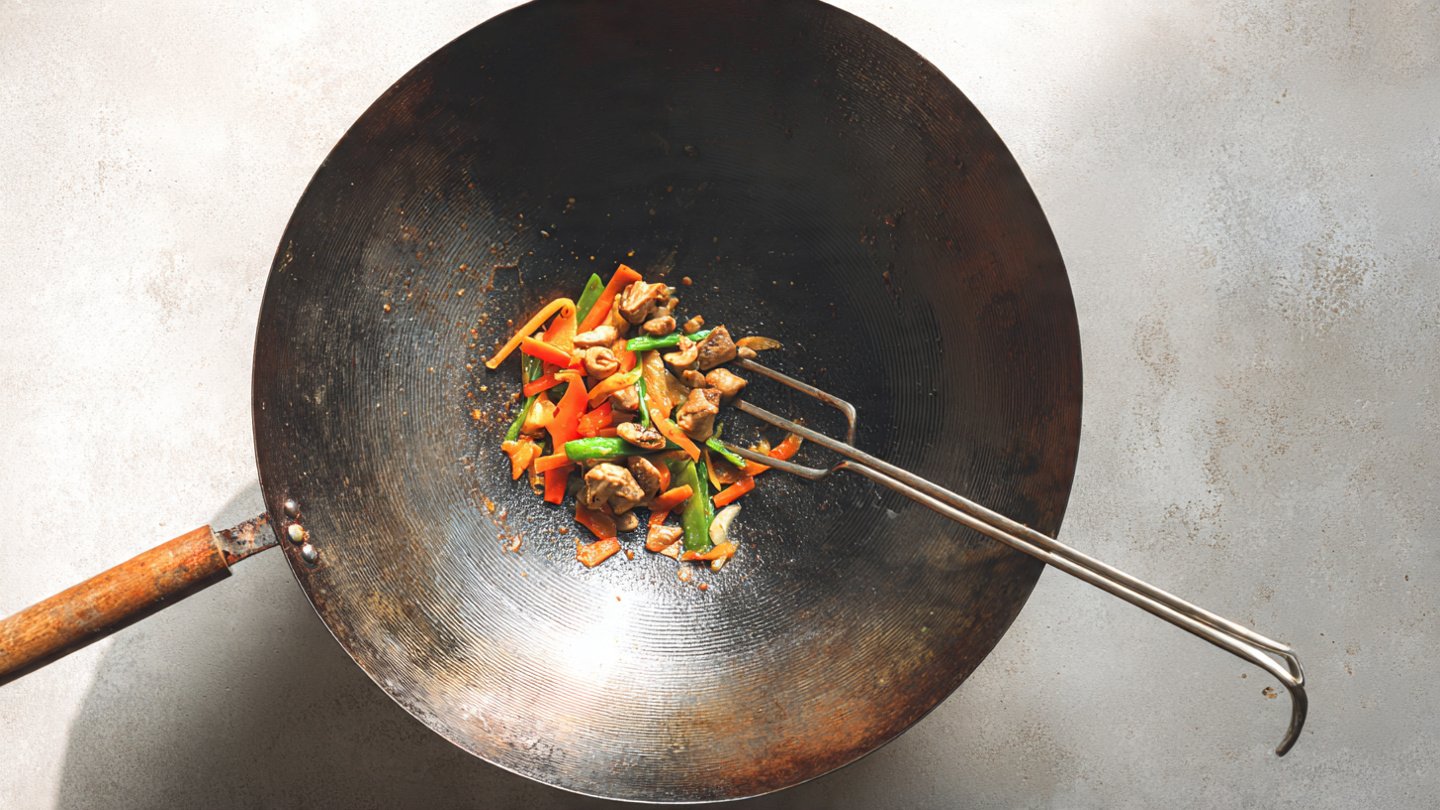



You’ll notice the difference the moment ingredients hit a hot wok: intense, even heat and rapid movement lock in texture and flavor in ways a flat pan can’t. Wok cooking concentrates high heat, curved-surface tossing, and quick timing to create the characteristic textures and the elusive wok hei that define authentic Chinese stir-fries.
This article will show how the wok’s shape, material, and techniques work together so you can reproduce those restaurant-quality results at home. Expect clear guidance on essential tools, heat control, seasoning, and common mistakes to avoid so your next stir-fry actually tastes like the real thing.
The Role of Wok Cooking in Authentic Chinese Stir-Fries

Wok cooking delivers rapid, high-heat searing, precise heat zones, and the distinct smoky flavors prized in many Chinese stir-fries. These elements shape ingredient texture, timing, and flavor layering in ways a flat pan cannot easily reproduce.
Recommended Products

PRE SEASONED & NONSTICK: Tired of rusty woks? SUMEIGUAN carbon steel wok is pre-cured and engineered with advanced Nitriding technology. This treatment fundamentally transforms the steel, creating a dense, molecular-level shield against rust. The result is a wok with exceptional resistance to rust, scratches, and corrosion—ready to cook right out of the box. Built to last up to 3 times longer than ordinary wok pans, this is the only wok you’ll need in your kitchen.

TRADITIONAL COOKING WOK: 12.6 in. diameter wok for stir-frying, sautéing, and searing a wide variety of cuisines and ingredients
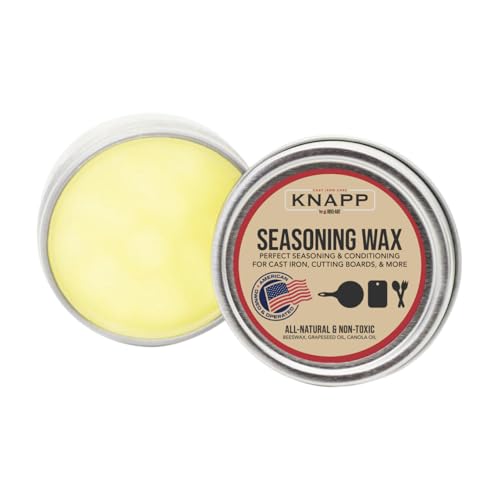
Perfect Seasoning and Conditioning: Cast Iron Seasoning Blend of Oil and Beeswax. Perfectly Seasons and Conditions Cast Iron Pans, Skillets, and Other Cookware. Our Formula Protects and Maintains Your Cast Iron Better Than Any Other Product on the Market.
Defining Wok Cooking
Wok cooking relies on three technical features: concentrated heat at the bottom, sloping sides for tossing, and very high temperatures that trigger fast Maillard reactions. You use a small amount of oil and keep food moving so protein browns without overcooking and vegetables stay crisp-tender.
A seasoned carbon-steel wok conducts heat quickly and builds a natural nonstick patina that contributes subtle flavor over time. You control cooking by moving food up the sides to cool briefly or back to the center for searing, creating distinct temperature zones within one vessel.
Historical Significance of the Wok
The wok evolved in China for fuel-efficient, quick cooking on open fires and later on stoves. Its shape and material matched charcoal and gas heat sources, enabling chefs to cook large volumes rapidly while conserving fuel—critical in dense urban kitchens.
As regional cuisines developed, the wok adapted to local styles: stir-frying in Cantonese and high-heat searing in Sichuan. You can trace many classic techniques—chao (stir-fry), zha (deep-fry), and dun (braise)—to wok versatility, which made it central to household and restaurant practice.
Cultural Importance in Chinese Cuisine
The wok functions as both a practical tool and a cultural symbol of Chinese home cooking and restaurant skill. Mastering wok technique signals culinary competence; achieving “wok hei” (the characteristic smoky aroma) often determines a dish’s authenticity in Cantonese contexts.
In everyday life, the wok’s speed suits family meals and market rhythms. You’ll find it used for tasks beyond stir-fry—steaming, smoking, and even baking—making it integral to how ingredients, timing, and communal eating traditions align in Chinese food culture.


Fundamental Features of the Wok

The wok’s design, how it conducts and holds heat, and the way its surface transforms with use determine how well you can stir-fry. These three characteristics work together to let you cook quickly, control texture, and develop flavorful browning.
Recommended Products

Helen’s Asian Kitchen Bamboo Wok Tool for stirring, mixing, dividing, tasting, turning, and serving foods

100% CAREFREE COOKING EXPERIENCE Our FAAY Teak Stir Fry Spatulas / Turners are made of 100% golden brown teak. They are moist resistant, yet lightweight and handy. They will not bend or break easily, so we assure you can stir large quantity of ingredients. Our handy handle, wide and thin wooden blade, and the curve that easily gets to the angle allow you to flip everything effortlessly. Moreover, our ergonomic design creates curved edges protecting your precious cookware.

Your go-to wok utensils for easy and epic stir fry dishes and more
Distinctive Shape and Materials
The deep, rounded profile concentrates food and oil toward the center, so you can toss ingredients quickly and keep items moving between hot and cooler zones. The sloped sides give you a large usable surface for searing while a smaller hot base reaches high temperatures fast.
Woks come in carbon steel, cast iron, stainless steel, and nonstick-coated variants. Carbon steel balances light weight with excellent heat response; it’s the traditional choice for responsive toss-cooking. Cast iron holds heat longer but is heavier and slower to change temperature. Nonstick woks heat unevenly and limit wok hei (the smoky sear), so they suit gentle stir-fry or beginners, not high-heat wok techniques.
Choose a flat-bottom wok for home stovetops that don’t accept round bottoms. If you use a high-BTU range or wok ring, a round-bottom carbon-steel wok gives the best contact and heat circulation.
Heat Distribution and Control
The wok’s small, thick base heats rapidly to very high temperatures, creating the intense sear you need for quick stir-frying. The wide flared sides stay cooler, so you can push finished ingredients up the slope to rest without overcooking them.
You control cooking by moving food between zones: sear at the base, then slide items up the side to finish or add sauces. This zoning lets you cook different ingredients at their ideal rates while minimizing moisture loss. High, direct heat is essential for developing caramelization and wok hei; without it, you won’t get the characteristic flavor and texture.
Use a powerful burner and preheat the wok until a few drops of water dance and evaporate. Adjust your gestures—tossing, stirring, and scraping—to keep ingredients in the right temperature band.
Seasoning and Nonstick Qualities
Seasoning a carbon-steel or cast-iron wok builds a polymerized oil layer that provides natural nonstick properties and protects metal from rust. With repeated high-heat use and oiling, this layer darkens and bonds to the metal, improving release and adding subtle flavor over time.
To season: heat the wok until smoking, coat thinly with high-smoke-point oil, and repeat short heating cycles until a dark, even patina forms. Avoid abrasive soaps that strip the seasoning; clean with hot water and a soft scrub, then dry and oil lightly.
Nonstick-coated woks offer immediate convenience but degrade under high heat and metal utensils. They prevent food from sticking but also limit the browning reactions central to authentic stir-fry. For serious wok-cooking, build and maintain seasoning on carbon steel for the best balance of release, durability, and flavor contribution.


Key Techniques in Wok Cooking
You must control very high heat, constant motion, and rapid seasoning so ingredients cook quickly and develop a clear, balanced texture and flavor. Focus on temperature, timing, and the order you add ingredients.
Recommended Products

Durable Cast Iron Construction: Made from high-grade cast iron for lasting strength and heat retention. The 9.37-inch outer diameter fits most standard gas burners, providing a stable base for round-bottom woks during high-heat cooking. Precision-engineered 0.36-inch (9.15mm) grooves on the bottom lock securely onto your stove grate. This anti-slip design prevents wobbling, tilting, or sliding, so you can stir-fry with confidence and no accidental spills

PRE-SEASONED FOR IMMEDIATE USE - Sizzling stir frys, crispy deep frys, pan-searing to perfection.... while also able to make soups and stews!
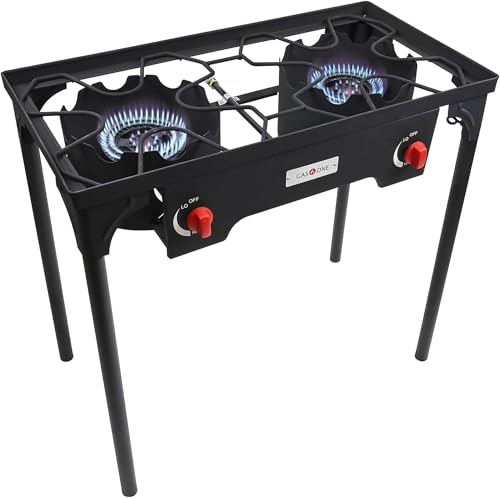
PROPANE DOUBLE BURNER FOR OUTDOOR COOKING - Equipped with two burner heads, Gas One’s Double Burner provides extreme heat for various different cooking scenarios. From tailgating to catering, this burner stands out for those looking for a little more range in their heat
High-Heat Stir-Frying
Set your burner to the highest safe setting and let the wok heat until a drop of water skitters and evaporates almost instantly. Use a flat-bottom wok on electric or an ideally rounded carbon-steel wok on gas; either way, preheat at least 1–3 minutes so oil reaches 350–425°F (175–220°C) before you add food.
Work in small batches to avoid crowding. Crowding lowers surface temperature, creates steam, and prevents browning. Add oil with a high smoke point (peanut, canola, or refined sunflower) and move proteins or vegetables through the hottest zone briefly to get quick sear and slight charring without overcooking.
Tossing and Agitating Ingredients
Keep food moving with a spatula and controlled wrist flicks or short tosses to expose pieces evenly to heat. Use a metal spatula for carbon-steel woks and long-handled tools to avoid burns.
Stir constantly but deliberately: lift and fold ingredients toward the center, then push them up the sides to the cooler zones to control doneness. This prevents sticking and allows you to return items to the hot base for finishing. For delicate items, reduce motion and use a gentler fold.
Layering Flavors Rapidly
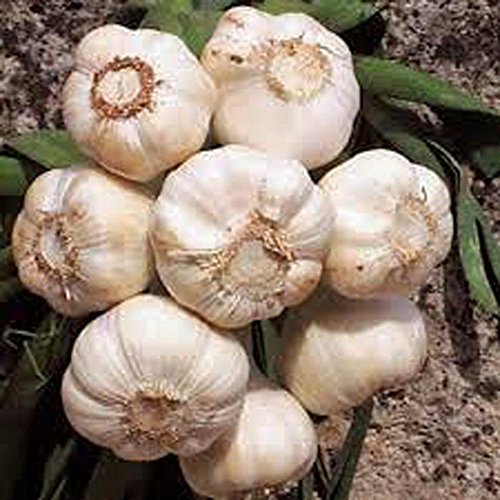
Add aromatics in stages: start with whole spices or garlic in hot oil, then add proteins for searing, followed by vegetables ordered by cooking time. This sequence builds depth without long simmering.
Use sauces sparingly and finish with a quick deglaze of stock, wine, or a splash of soy to bind flavors. Toss in finishing elements—fresh herbs, toasted sesame oil, or a pinch of sugar—at the end so they remain bright. Adjust seasoning at the last minute; high heat concentrates flavors fast, so small changes have immediate effect.


Achieving Wok Hei: The Essence of Stir-Fries
Wok hei combines high heat, rapid contact with hot metal, and quick moisture exchange to create a distinct smoky, charred, and savory note. It affects flavor, texture, and aroma in ways that simple pan-frying cannot replicate.
Recommended Products

[PROFESSIONAL TRI-PLY CONSTRUCTION] Elevate your everyday cooking. This 13 inch stainless steel wok with lid is built with a premium aluminum core entirely sandwiched between two layers of high-grade steel. This advanced tri-ply bottom design guarantees ultra-fast, edge-to-edge heat conductivity. Say goodbye to frustrating hot spots—your meats will sear beautifully and your Asian noodles will be tossed to perfection every single time.

WHAT'S IN THE BOX: One 14-inch stainless steel wok with wood handles

【PURE FLAVOR, ZERO TOXINS】: Serve your family with absolute peace of mind. Crafted without chemical coatings, PFOA, or PTFE, this premium cooking wok safeguards your health, bringing out the rich, authentic taste of every home-cooked meal.
Understanding Wok Hei
Wok hei (镬气) literally means the “breath of the wok.” You get it when food briefly touches a very hot wok surface, triggering rapid Maillard reactions and limited surface charring without overcooking the interior. Those reactions form dozens of volatile compounds—some smoky, some savory—that your nose reads as complex, restaurant-style flavor.
Achieving wok hei requires extremely high, consistent heat and quick handling. You must work in small batches, keep ingredients dry, and add items in the order that manages moisture and temperature. Timing matters: a few seconds too long destroys the effect; a few seconds too short leaves it flat.
How a Wok Delivers Unique Flavor
A carbon-steel wok heats quickly and concentrates heat at the thin metal surface, so oil and food hit temperatures far higher than in a heavy skillet. That concentrated heat promotes intense browning and partial charring on small contact points, producing those desirable smoky and grilled notes.
The wok’s curved shape helps you move food between the hottest spot and cooler sides, giving you precise control over searing versus carrying gentle residual heat. Tossing does more than mix; it repeatedly exposes new surfaces to the hot metal, increasing the number of Maillard-reaction sites. Seasoning layers on the wok also contribute subtle aromatic complexity over time.
Impact on Texture and Aroma
Wok hei delivers crisp-tender textures by searing surfaces rapidly while preserving internal moisture. Vegetables stay brightly colored and snappy because the hot wok vaporizes surface moisture fast, preventing sogginess and overcooking.
Aromatically, wok hei creates fleeting volatile compounds that linger on the food without overwhelming it. You’ll notice a combination of smoky, slightly charred, and savory allium or grilled notes. To maximize this, control oil temperature, avoid overcrowding, and finish with high-heat aromatics like scallion, garlic, or a splash of rice wine to lift those compounds right before serving.


Versatility of the Wok in Chinese Stir-Fries
A wok’s shape and heat response let you handle delicate leaves, dense root vegetables, thin proteins, and sauces without switching pans. You gain control over texture and timing by moving food between hot and cooler zones.
Recommended Products

PREMIUM 18/10 STEEL: Our wok spatula is crafted from thickened 18/10 stainless steel, the same grade used in high-end cutlery. Designed for durability, it resists bending, rust, and staining even after frequent dishwasher use. A reliable kitchen tool built to last.


LARGE STAINLESS STEEL SPATULA: Crafted from premium, food-grade stainless steel with a polished mirror finish for long-lasting durability. This wok spatula is built to handle high-heat cooking and stir-frying without bending, warping, or rusting.
Adaptability to Various Ingredients
The wok’s sloped sides create distinct temperature zones: a very hot base for searing and cooler upper walls for gentle finishing. You can sear beef strips at the center, then push them up the sides to rest while you flash-cook bok choy and sliced shiitake. That lets you match cooking time to ingredient density so nothing overcooks.
The large surface area and shallow oil depth support quick evaporation, so crisp-tender vegetables keep vibrant color and bite. For battered or sticky items, the high sides prevent splatter and give room to toss without spilling. You control doneness by moving ingredients, not by changing cookware.
Multiple Cooking Methods
A wok functions as more than a stir-fry pan: you can deep-fry, steam, braise, and smoke in the same vessel. Use a metal rack and lid to steam dumplings over a simmering liquid, then remove the rack and sear the dumplings’ bottoms for guo tie-style texture. For braises, brown aromatics at high heat, add liquid, and let the wok’s curvature concentrate flavors while simmering.
You can shallow-fry quick batches, deep-fry small items with minimal oil, or use the wok for rapid smoking—toss tea leaves and oil, cover briefly, and let the dome trap smoke. That range reduces cleanup and lets you execute multi-technique dishes without transferring food between pans.


Choosing the Right Wok for Stir-Fries
Pick a wok that heats quickly, responds well to high heat, and matches your stove and cooking style. Focus on material and size so you can achieve quick searing, easy tossing, and even heat distribution.
Recommended Products
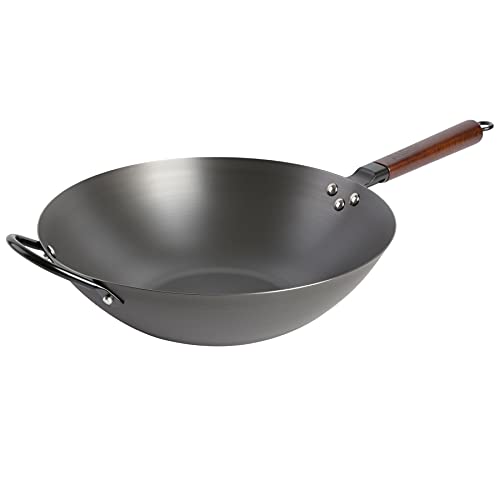
Consumer Reports Top Rated Wok 26': Babish 14 Inch Carbon Steel Wok (6" Flat Bottom)

GENUINE TASTE: Bring rich, traditional Asian flavors to your kitchen or campsite. The YOSUKATA 14-inch carbon steel authentic wok with round bottom is specially crafted to lock in moisture and flavor. Ideal for Chinese and Japanese cuisine, this xl wok is designed for use as a camping wok, open fire cookware and BBQ wok

Material Choices: Carbon Steel, Cast Iron, Stainless Steel
Carbon steel is the most practical choice for stir-frying. It heats fast, creates the high temperatures needed for wok hei, and seasons into a natural nonstick surface with use. Thin-gauge carbon steel (1.2–1.5 mm) offers rapid heat response; thicker pieces retain heat but slow your temperature changes.
Cast iron holds heat exceptionally well, which helps when cooking large batches or maintaining steady sear after adding ingredients. It’s heavier and takes longer to respond to heat changes, and it requires careful seasoning to prevent sticking and rust.
Stainless steel resists corrosion and is low maintenance, but it doesn’t conduct heat as evenly and won’t develop the same seasoned surface. Choose stainless only if you value low upkeep or plan to use it for braising and steaming more than high-heat stir-frying.
Selecting the Proper Size and Shape
Choose a 12–14 inch (30–36 cm) wok for most home cooks; it gives enough surface area to toss and a shallow rim for tongs or a spatula. Smaller woks (10 inches) suit single cooks or compact stovetops. Larger woks (16+ inches) work for family-sized batches but need a powerful burner to reach high heat.
Decide between round-bottom and flat-bottom designs based on your stove. Round-bottom woks concentrate heat at the center and excel on gas wok rings. Flat-bottom woks sit evenly on electric or induction stovetops and still allow good tossing motion.
Consider handle style: a single long handle makes tosses easier and suits one-handed control, while two small loop handles help when lifting heavy, full woks. Weight matters—lighter woks let you stir fast; heavier ones retain heat but tire your wrist.


Essential Practices for Successful Wok Cooking
You need fast prep, correct sequencing, and very high, controlled heat to get authentic texture and flavor. Focus on ingredient size and order, oil choice, pan readiness, and confident wrist motion.
Recommended Products

Designed for use with Joyce Chen 14 Inch Woks

Carbon steel construction - Provides even heat distribution for cooking

COOK LIKE A PRO - Get inspired and confidently create your own masterpieces. The Induction Wok is engineered to out-perform your expectations. Whether you’re cooking breakfast, lunch, dinner, or dessert, we have the perfect chef-inspired recipes for you!
Preparation and Mise en Place
Cut all ingredients to uniform sizes so they cook in the same short time—match stir-fry vegetables to the thickness of your protein (e.g., 1/4-inch slices for chicken, 1/8-inch for snap peas). Pat proteins dry and season lightly; excess moisture causes steaming instead of searing. Arrange ingredients in small, labeled bowls or a large baking sheet in the order you’ll add them to the wok.
Have aromatics (garlic, ginger, scallion) minced and sauces measured and mixed into a single bowl. Use oils with high smoke points like peanut, vegetable, or avocado for the initial sear. Keep a spatula or wok shovel and a heatproof ladle within reach so you don’t interrupt the cooking rhythm.
Proper Temperature Management
Preheat the wok until it’s smoking hot, then add oil and swirl to coat. The wok surface must be hotter than the oil’s smoke point to produce wok hei and a rapid Maillard reaction; test heat by flicking a drop of water—tiny dancing beads indicate readiness.
Work in small batches to avoid crowding; overcrowding drops surface temperature and yields soggy, steamed food. Move ingredients between the hottest center and cooler upper sides—sear proteins in the center, then push up the sides to finish without overcooking. Finish with a quick toss and a final high-heat flash to evaporate excess sauce and lock in savory aroma.


Common Mistakes to Avoid With Wok Stir-Fries
You must preheat the wok until it’s very hot. A cold or lukewarm wok causes ingredients to steam and turn soggy instead of searing quickly. High heat gives you the Maillard reaction and the characteristic wok aroma.
Do not overcrowd the wok. Crowding lowers the pan temperature and produces steam; cook in batches when needed. Use a wide wok and move food quickly between the hot center and cooler sides.
Prep everything before you start. Stir-frying is fast-paced, so have ingredients measured, sliced, and sauces ready. If you stop to chop or measure mid-cook, items will overcook.
Avoid using too much oil or the wrong oil. Use a neutral, high-smoke-point oil sparingly to coat the wok, not drown the food. Excess oil leads to greasy, limp results.
Don’t ignore ingredient size and moisture. Cut pieces uniformly for even cooking and pat wet items dry to prevent splatter and steaming. Tough proteins benefit from thin slicing or a brief marinade.
Overcooking vegetables kills texture and color. Toss them in toward the end and keep bite-sized pieces crisp-tender. Remember timing varies by vegetable—leafy greens cook in seconds; root vegetables take longer.
Common practical fixes:
- Cook protein and vegetables separately, then combine.
- Keep heat high and move food constantly.
- Use proper oil and dry ingredients before frying.
Follow these steps and your stir-fries will have better texture, cleaner flavors, and a more authentic wok-fired character.
Recommended Products

[Upgrade Modern Non-Stick Technology] After a long time of research and development, we have developed a new non-stick wok technology to bring you a brand new cooking experience. NOTE: The rough and granular effect on the surface of the wok is a natural non-stick layer formed by the state-of-the-art non-stick technology, which prevents food from sticking to the pan, burning, rusting and is easy to clean

PORTABLE: This mini size can easily carried and gives your cooking area more space to operate, very suitable for camping, outdoor cooking, RV travel, etc.


Conclusion
You gain speed, flavor, and control when you use a wok for Chinese stir-fries. Its shape and responsive heat let you sear, toss, and finish ingredients in ways that a flat pan cannot match.
You keep textures bright and sauces concentrated because high heat and quick cooking reduce moisture loss. That produces distinct contrasts between tender proteins and crisp vegetables.
You also benefit from the wok’s versatility. Beyond stir-frying, you can steam, deep-fry, braise, and smoke in the same vessel, making it a practical, space-saving tool.
Maintain your wok and practice basic techniques to get consistent results. Proper seasoning, temperature control, and the “breath of the wok” wrist motion will improve your efficiency and the dish’s aroma.
Key practical tips:
- Choose carbon steel for quick heat response and easier seasoning.
- Preheat thoroughly, cook in small batches, and keep ingredients dry.
- Use a long-handled spatula to move food across heat zones.
These habits and the wok’s design work together to preserve ingredient integrity and create the layered flavors central to Chinese stir-fries. Apply them and your home stir-fries will better reflect the technique’s purpose and traditions.
Recommended Products
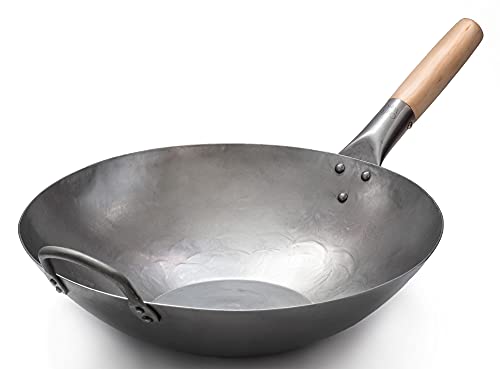
Flat Bottom Heavy 14 Inch 15 gauge (1.8mm) carbon steel wok, commercial grade. Original design by Craft Wok since 2014, proven quality over the years. Chinese wok pan with a flat bottom for electric and gas stoves.

【Your Reliable Cookware Partner】Woks & Stir-fry Pans From Delarlo are Made Of Tri-Ply Stainless Steel. Delarlo Wok Pan (12inch) Heats Quickly and Spreads Heat Evenly Because of Our High-Control Level of Materials. The Special Material of The Pot Body is Resistant to High Temperature Up to 600℉,Glass Lids Up to 300℉. Ensures The Durability of The Woks

【High-Quality Steel】 The Delarlo Stainless Steel Non Toxic Pan 14inch Offers High-Quality and Healthy Stainless Steel Cooking and Fast Heating Performance with Everyday Convenience. The Tri-Ply Stainless Steel Base and High Side Precisely Deliver Even Heat for Consistent and Delicious Cooking