


You rely on rice vinegar in sweet and sour dishes because it delivers the precise balance of bright acidity and gentle sweetness that defines the sauce’s profile. Rice vinegar cuts through oily, savory flavors without overpowering them, lifts other ingredients with a clean tang, and helps create the glossy, slightly tart sauce that makes sweet and sour dishes sing.
As you explore the chemistry, history, and practical swaps later in the article, you’ll see how rice vinegar’s acidity, color, and subtle rice-derived sweetness shape texture, presentation, and flavor balance—whether you’re pickling vegetables, glazing proteins, or tuning a classic Cantonese sweet-and-sour sauce.
Role of Rice Vinegar in Chinese Sweet and Sour Dishes
Rice vinegar gives dishes a precise acidic lift that brightens flavors, cleans the palate, and helps textures—like battered coatings and quick-pickled vegetables—remain crisp. It shapes the sauce’s profile more than other common vinegars because of its mild acidity and subtle sweetness.
Recommended Products

WHAT IS CHINKIANG VINEGAR: Zhengjiang vinegar is a type of Chinese black vinegar also known as Black Rice Vinegar. Made from fermented various grains such as black sticky rice or regular glutinous rice.

Make the Food Authentic - The key for you to copy the Authentic Chinese restaurant at home. Our Gold Plum Chinkiang Vinegar offer the unique flavor that cannot be achieved by other vinegars.

Genuine Brewed Rice Vinegar: With depth and richness, this vinegar heightens the flavor of any recipe. Its delicate acidity is versatile and excellent as an addition to Japanese, Chinese, European and American dishes
Balance of Flavors
Rice vinegar provides the acid that balances sugar without overwhelming other ingredients.
When you add 2–4 tablespoons of rice vinegar to a cup of sauce, it cuts the cloying sweetness and prevents the sauce from tasting flat. The acidity enhances savory components—soy, garlic, ginger—so each note registers more clearly on your palate.
Its lower acetic strength compared with white distilled vinegar lets you use enough acid to brighten the dish without adding harshness.
That makes it effective in both hot stir-fry sauces and cool dipping mixtures where you need a gentle, rounded sourness rather than a bite.
Contrast With Sweet Elements
Rice vinegar creates a clean counterpoint to sugar and sweet vegetables.
In sweet-and-sour sauces, that contrast keeps the sauce lively: sugar provides body and glossy texture, while vinegar lifts the finish so it doesn’t cling heavy on the tongue.
You can tweak the ratio to emphasize contrast.
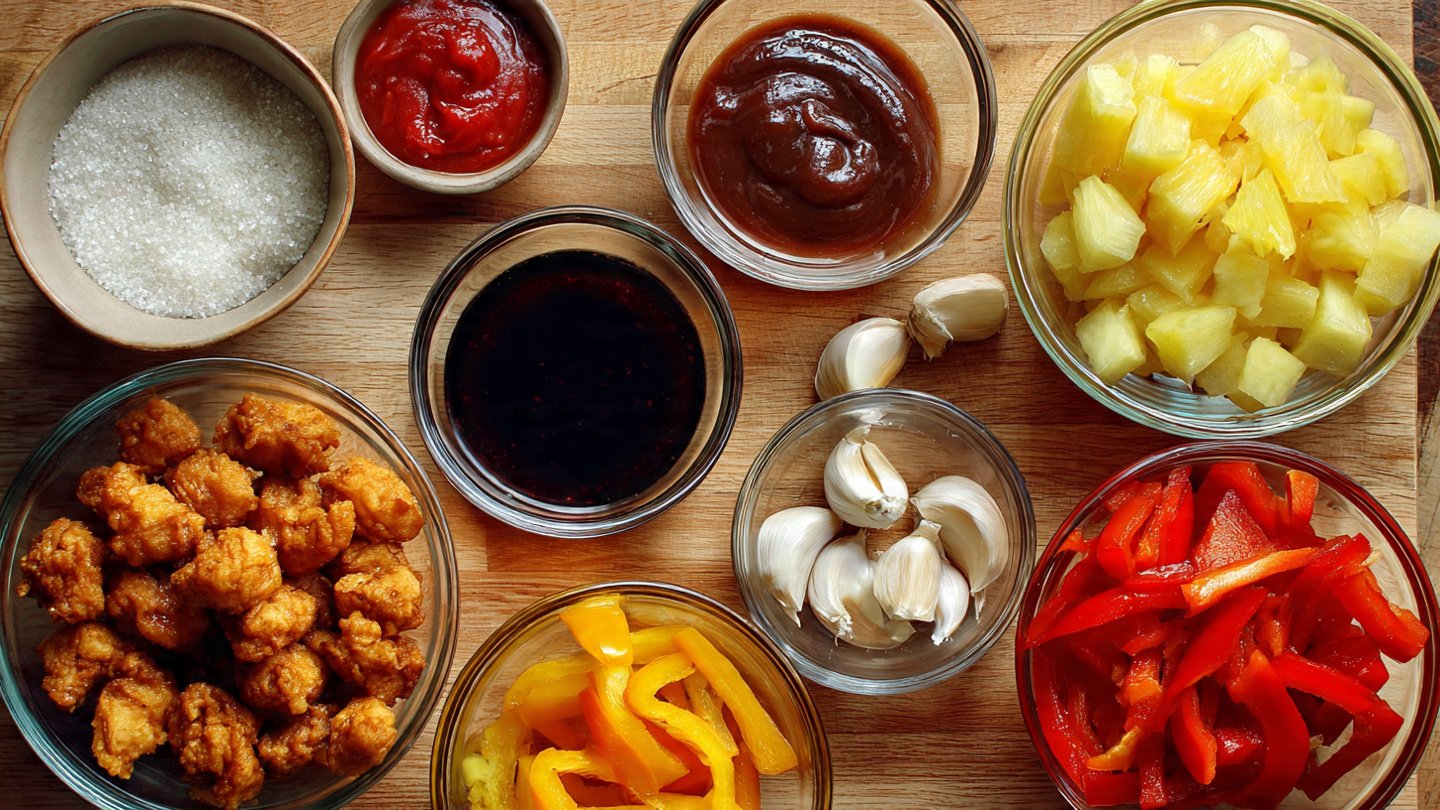
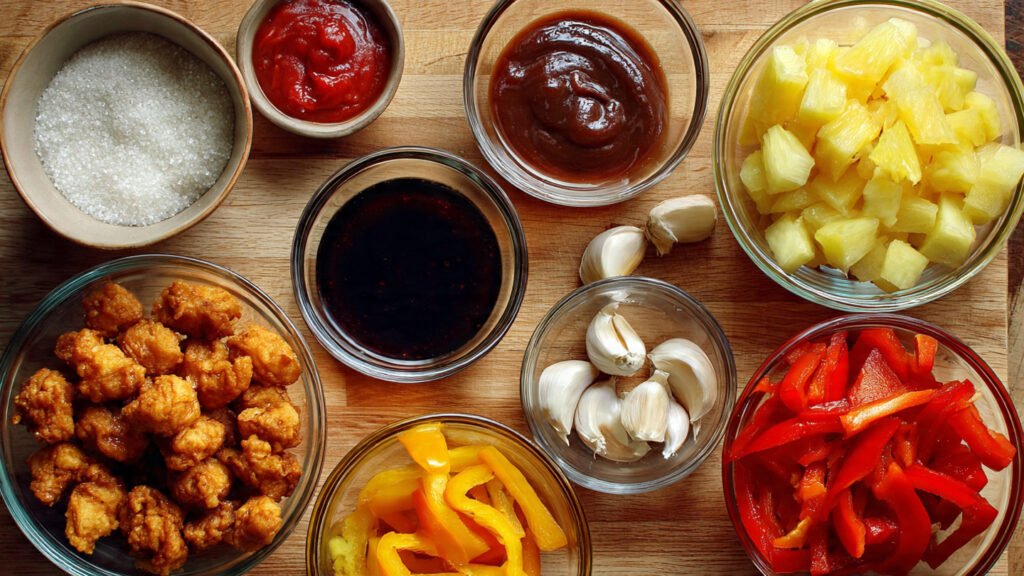
Use a higher vinegar proportion for sharper finish (good with fried fish), or a lower proportion if you want a sweeter, more glazed result (good with pineapple and bell peppers). This control lets you match sauce character to the main ingredient.
Traditional Culinary Purpose
Historically, rice vinegar functions beyond flavor: it preserves, tenderizes, and harmonizes dishes.
You use it to quick-pickle cucumbers or radish for texture and acidity that complements fried or rich proteins in a meal.
In classic recipes like Sweet and Sour Fish, rice vinegar also cuts oiliness and highlights freshness.
Its mild, slightly sweet profile aligns with Chinese pantry staples (soy, sugar, starch), so it integrates seamlessly rather than dominating the dish.


Essential Chemical Properties of Rice Vinegar
Rice vinegar brings measurable acidity, volatile aroma compounds, and components that influence texture and mouthfeel. These chemical properties determine how the vinegar balances sugar, penetrates proteins, and brightens the final sweet-and-sour sauce.
Recommended Products


Acidity and Its Impact on Taste
Rice vinegar typically contains 4–6% acetic acid by volume, though traditional Chinese rice vinegars can vary. That acid concentration provides a sharp, clean sourness that cuts through the high sugar content of sweet-and-sour sauces without overwhelming other flavors.
You can adjust the perceived balance by changing vinegar volume: more vinegar increases tartness and reduces cloying sweetness; less vinegar yields a rounder, sweeter finish.
Acetic acid also affects pH-sensitive taste receptors. Lowering pH enhances perception of salt and suppresses bitterness, which is why a splash of rice vinegar makes vegetables and proteins taste brighter.
If you need a milder note, use a lighter rice vinegar or reduce quantity and compensate with a small pinch of salt to maintain overall flavor balance.
Volatile Aromatic Compounds
Rice vinegar contains esters, aldehydes, and trace alcohols formed during fermentation that create subtle fruity, floral, or nutty top notes. These volatiles evaporate quickly when heated, so adding vinegar late in cooking preserves aroma and freshness.
You should reserve a portion for finishing to capture those delicate scents that distinguish Chinese rice vinegar from harsher white vinegars.
Aged Chinese black rice vinegars develop Maillard-derived compounds and deeper caramel-like aromatics. Those larger, less volatile molecules add complexity and pair well with brown sauces and fried proteins.
Select the vinegar type based on whether you want bright, volatile lift (young rice vinegar) or deeper, savory aroma (aged/dark rice vinegar).
Influence on Texture
Acidity from rice vinegar influences protein structure in meats and seafood by mildly denaturing surface proteins. This helps marinades penetrate and produces a firmer, slightly more compact bite after cooking.
In batters and coatings, acid reacts with baking agents (if present) and affects crispness by modifying starch gelatinization and surface pH.
Vinegar also interacts with polysaccharides in fruits and vegetables, slowing enzymatic browning and helping maintain color in pineapple or peeled vegetables used in sweet-and-sour dishes.
When you make a sauce, vinegar affects viscosity: it can thin a syrupy glaze slightly, so you may need to reduce sauce longer after adding vinegar or adjust cornstarch proportions for the desired sheen and cling.


Historical Significance in Chinese Cuisine
Rice vinegar traces back to ancient fermentation practices and long-standing culinary priorities in China. You’ll see its importance in both daily meals and formal court cuisine, and how regional tastes shaped distinct vinegar styles that drive sweet-and-sour profiles today.
Recommended Products

AUTHENTIC GYOZA DIPPING SAUCE – Traditional Japanese-style sauce crafted to complement gyoza, potstickers, shumai, and other dumplings

One 12 ounce bottle of Thai Style Sweet Chili Sauce

TRUE TASTE OF JAPAN: Made from select California-grown rice, Marukan's rice vinegar is slowly brewed using traditional methods honed over three centuries for rich, unmatched flavor.
Origins of Rice Vinegar Usage
Archaeological and textual evidence shows vinegar production in China for millennia, often from fermented grains and rice. You find early references in pre-imperial texts and ritual records that indicate vinegar was a household staple and a managed commodity at court.
Rice vinegar’s acidic balance made it useful beyond seasoning. People used it to preserve vegetables, temper rich flavors, and provide a clean, bright counterpoint in sauces. Production methods evolved locally, with controlled fermentation and aging giving rise to milder, slightly sweet rice vinegars suited to delicate sauces and marinades.
Evolution in Regional Cooking
Regional cuisines adapted rice vinegar to local ingredients and flavor preferences. In southern China, cooks favored lighter, slightly sweet rice vinegars for Cantonese sweet-and-sour sauces and pickles. You’ll see these vinegars used to lift seafood and stir-fries without overpowering them.
In northern and central regions, rice vinegar blended with stronger black or Shanxi vinegars for deeper color and complexity in braises and glazes. This mixing created the layered sweet-and-sour profiles you encounter in regional specialties, where acidity, sugar, and soy interact differently depending on local palate and available rice varieties.


Rice Vinegar Versus Other Vinegars in Sweet and Sour Recipes
Rice vinegar brings a mild, slightly sweet acidity that balances sugar without overwhelming other flavors. Choosing a different vinegar changes both taste and texture, and can make your dish taste noticeably different.
Recommended Products
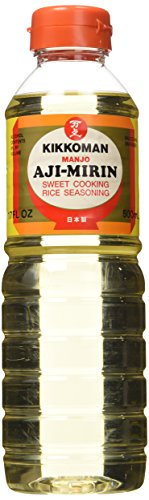

No hydrogenated fats or high fructose corn syrup allowed in any food

Crafted to perfection, this seasoning mix brings together soy sauce, ginger, garlic, and spices in a delightful symphony of flavors that enhance any stir-fry dish.
Distinct Flavor Profiles
Rice vinegar tastes mild, clean, and subtly sweet because it’s made from fermented rice; this lets you use less sugar to reach the same perceived balance. You’ll notice a gentle tang that complements soy, garlic, and ginger rather than competing with them.
Distilled white vinegar is much sharper and more acetic; it can make the sauce taste harsh unless you dilute it or add extra sugar. Apple cider vinegar adds fruity, tannic notes that shift the profile away from traditional Chinese flavors. Black (Chinkiang) vinegar gives a deeper, malty, almost smoky complexity that suits darker sauces but alters the bright, glossy finish typical of classic sweet and sour.
Substitution Effects on Authenticity
If you swap rice vinegar for distilled white, expect to increase sugar and possibly dilute the vinegar to avoid an overly biting sauce. That adjustment helps, but the resulting flavor still leans less balanced and less authentic.
Using seasoned rice vinegar adds salt and sugar upfront; it can simplify seasoning but risks making the final sauce too sweet or salty if you don’t reduce added sugar and salt. Apple cider or white wine vinegar will produce acceptable results in a pinch, yet they impart fruitiness or wine-like acidity that signals a departure from traditional Chinese sweet and sour. Black vinegar creates a regional variation rather than a true classic—use it intentionally for depth, not as a straight swap.


Impact on Color and Presentation

Rice vinegar shapes the visual outcome of sweet and sour dishes by brightening glazes and helping ingredients keep a fresh, appetizing look. It also slows unwanted browning and keeps sauces clear rather than cloudy.
Recommended Products
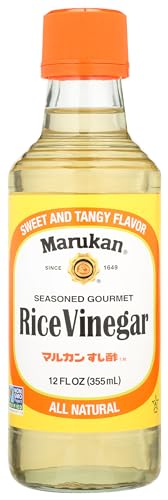
The package length of the product is 9.5 inches

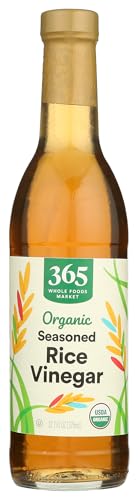
Organic Rice Vinegar: Made from certified organic rice from California’s Northern Central Valley, this vinegar heightens the flavor of any recipe. Its mild acidity will enrich your favorite dishes

The higher vinegar content of white rice vinegar makes it the best choice for sweet and/or tangy dishes, for salad dressings and for pickling vegetables.
Enhancing Visual Appeal
You use rice vinegar to create a glossy, translucent glaze that clings to proteins and vegetables. The mild acidity helps sugar dissolve evenly, which yields a smooth, shiny coating instead of a grainy or matte finish.
For example, when you finish battered pork or chicken in a sweet-and-sour sauce, a tablespoon of rice vinegar balances sweetness and prevents crystallized sugar from dulling the surface.
Rice vinegar’s light color—especially white or clear rice vinegar—preserves the intended hue of ingredients. It won’t stain pale vegetables or turn sauces brown the way darker vinegars can.
If you need a deeper color for Cantonese-style sweet vinegar, choose a darker rice or black vinegar intentionally; otherwise stick with clear rice vinegar to keep colors vivid.
Preventing Color Degradation
You control enzymatic browning on cut fruits and vegetables by using rice vinegar’s acid. A quick toss of cabbage, apple, or pear in rice vinegar reduces oxidation and keeps edges from turning dull during prep and plating.
This is especially useful for cold components and salads that sit briefly before serving.
Rice vinegar also prevents Maillard-related over-darkening during stir-frying and finishing. A small splash added off heat reharmonizes sauce pH and can stop meats from taking on an overly dark, caramelized crust that masks the dish’s bright presentation.
Use measured amounts—too much acid will mute color by drawing moisture—so add vinegar incrementally and taste as you go.


Nutritional and Health Considerations
Rice vinegar adds acidity and subtle sweetness without adding significant calories or fat, and it contains trace minerals and organic acids that can influence digestion and flavor balance. You can use it to cut richness in fried dishes and to add bright acidity without overpowering other ingredients.
Recommended Products

WHAT IS CHINKIANG VINEGAR: Is a type of Chinese black vinegar also known as Black Rice Vinegar. Made from fermented various grains such as black sticky rice or regular glutinous rice.

BITTER BLISS MEETS SWEET TANGY GOODNESS: Experience the crisp, bright, distinctive flavor of authentic Seasoned Rice Vinegar! This delectable fermented rice dressing, condiment, and marinade infuses food with a pungent pucker of tart acidity followed by notes of mellow sugar. Delicate, mild, and seasoned to salty-sweet perfection.

Authentic Flavor Naturally aged 3 years via traditional brewing, this black rice vinegar develop a deep, rich flavor and a inky black color. It delivers a well-balanced taste of tanginess, subtle sweetness and aromatic depth, capturing the genuine character of premium Chinkiang and Zhenjiang vinegars.
Digestive Benefits
Rice vinegar contains acetic acid, which can help regulate stomach pH and support digestion when used in modest amounts. You may notice reduced post-meal heaviness and less bloating after using rice vinegar in dressings or marinades because acidity encourages gastric enzyme activity.
If you ferment rice vinegar traditionally, it can also contain small amounts of beneficial compounds such as amino acids and organic acids that may support gut function. Those benefits are modest; vinegar is not a probiotic food in the same way as yogurt or kefir, so don’t rely on it as your primary gut-health strategy.
Avoid consuming large quantities undiluted. Acetic acid can irritate the esophagus, worsen reflux for some people, and interact with certain medications like diuretics or insulin-sensitizing drugs. If you have a medical condition, consult your healthcare provider before making rice vinegar a daily habit.
Low Calorie Alternative
Rice vinegar typically provides about 0–5 calories per tablespoon, making it an effective way to add flavor without adding significant energy. You can replace oil-heavy dressings or sugar-heavy glazes with a vinegar-based vinaigrette to lower the calorie density of a meal while keeping a lively sweet-and-sour profile.
Because it adds acidity and perceived sweetness, rice vinegar helps you use less sugar and less oil in recipes like sweet and sour pork or stir-fry glazes. Measure your swaps: one tablespoon of rice vinegar plus a teaspoon of sweetener often reduces calories compared with a tablespoon of sugar or a tablespoon of oil, depending on the exact ingredients you replace.


Modern Adaptations and Usage Trends
You’ll find rice vinegar moving beyond traditional sweet-and-sour recipes into contemporary home and restaurant kitchens. Chefs use it to brighten glazes, dressings, and finishing sauces because its mild acidity complements sugar without overwhelming delicate flavors.
Many cooks now favor lighter or flavored rice vinegars to tweak sweetness and aroma. Infused varieties (ginger, citrus, chili) let you adjust profiles without extra sugar, so you control balance while keeping the dish clean and nuanced.
You can substitute rice vinegar for harsher vinegars in quick pickles and condiments to maintain a gentle tang. This trend supports lighter versions of classic dishes and caters to diners who prefer subtler acidity.
Consider these practical uses:
- Glazes and reductions: Adds shine and lift to sweet coatings.
- Dressings and vinaigrettes: Balances oil and sugar with low volatility.
- Quick pickles: Preserves texture while adding mild acidity.
You’ll also notice rice vinegar in fusion cuisine where sweet-and-sour elements meet Western techniques. Chefs combine it with fruit purées, mustards, or wine reductions to create hybrid sauces that keep the core sweet-sour interplay intact.
If you cook at home, experiment by adjusting vinegar quantity in 10–20% increments to match sweetness levels. Small changes preserve harmony and let you personalize the classic sweet-and-sour balance without losing authenticity.
Recommended Products

ONLY ONE INGREDIENT: Mrs. Wages Vinegar is just vinegar, versatile for canning, cooking and more.

The higher vinegar content of white rice vinegar makes it the best choice for sweet and/or tangy dishes, for salad dressings and for pickling vegetables.

Country of origin is United States