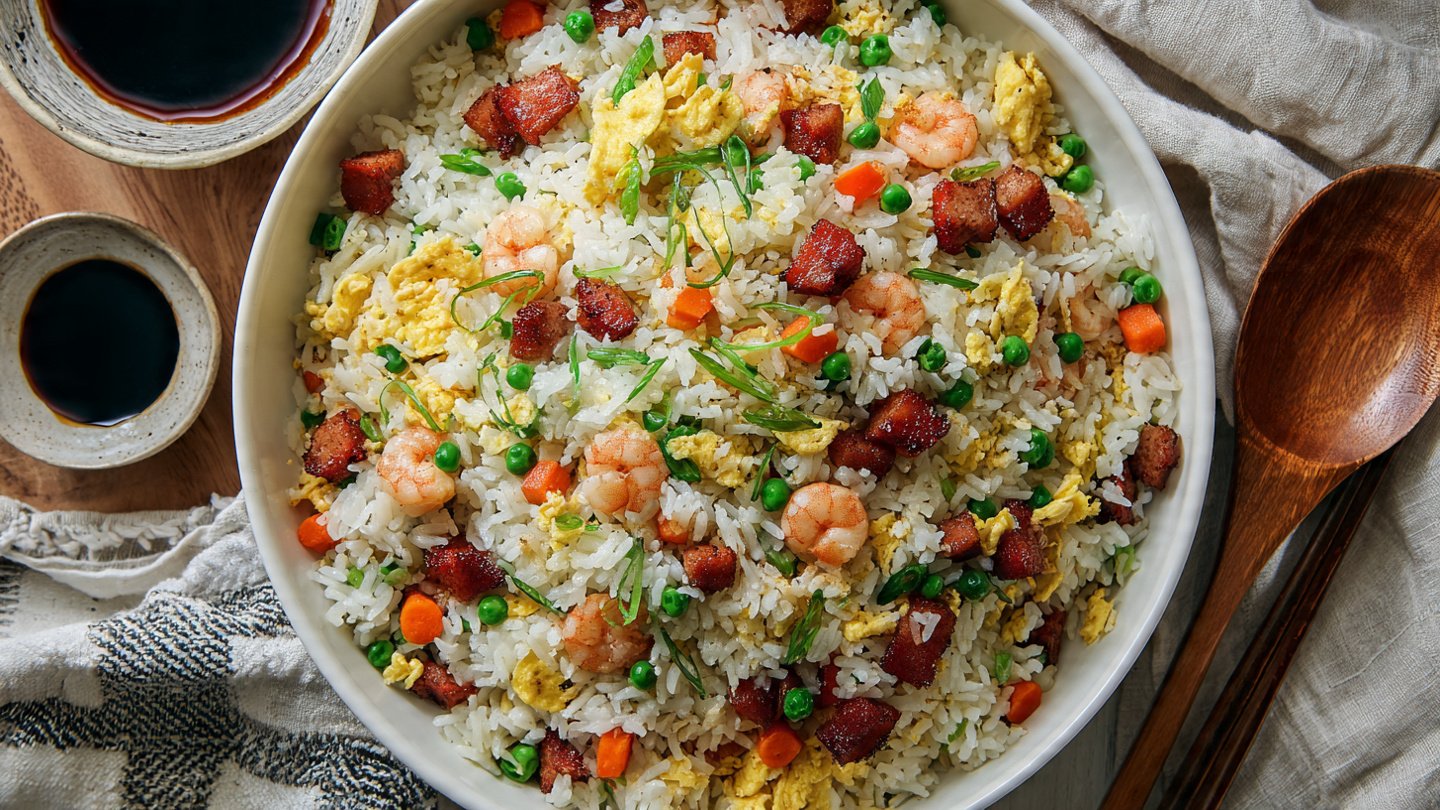

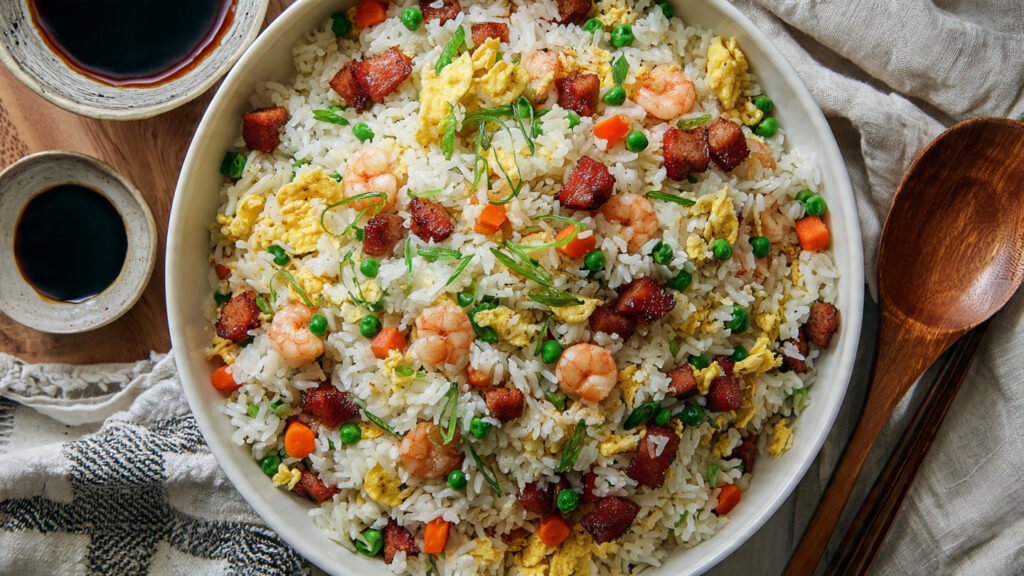


You want soy sauce to season the rice while it fries so the grains pick up color and flavor without becoming soggy. Add soy sauce toward the end of the stir-fry, after the rice has heated through and any eggs or mix-ins are mostly cooked, and toss quickly over high heat so the sauce coats each grain.
This approach gives you consistent color and balanced seasoning while allowing you to adjust saltiness and aroma from different soy sauce types. The rest of the article will show timing options, stirring techniques, sauce combinations, how much to use, and small health and storage considerations to help you nail it every time.
Optimal Timing for Adding Soy Sauce to Chinese Fried Rice
Adding soy sauce at the right moment controls color, moisture, and savory balance. Timing affects how the sauce distributes, how much the rice darkens, and whether the grains remain separate or clump.
Recommended Products

10 oz organic reduced sodium shoyu soy sauce

Unique savory-sweet flavor ideal for a variety of dishes.

When to Add Soy Sauce During Cooking
Add soy sauce after the rice has been spread in the wok and heated through, just before you finish tossing in the eggs and scallions. Heat the wok until it’s very hot, add oil, aromatics, and pre-cooked proteins first, then push them to the side and add rice. Once the rice is hot and loose, drizzle soy sauce in a thin stream across the rice while stirring quickly.
If you use a dark soy sauce for color, add a small amount slightly earlier so it can caramelize briefly on the hot surface. For light or low-sodium soy sauce, add it later to preserve seasoning control. Use 1–2 tablespoons per 4 cups of day-old cooked rice as a starting guideline and adjust to taste.
Effects of Timing on Flavor and Texture
Adding soy sauce too early lets excess moisture penetrate the rice and can produce sticky, soggy grains. Add it when the rice is already drying on high heat and the grains separate; that helps the sauce coat each grain without steaming it.
Adding soy sauce too late can limit flavor integration, leaving concentrated patches rather than a uniform savory profile. Proper timing promotes even browning and slight caramelization, boosting umami without overwhelming the dish. The amount, type (light vs. dark), and moment you add it together determine both visual color and mouthfeel.
Common Mistakes with Soy Sauce Timing
A common mistake is pouring soy sauce in a single spot and letting it pool; this creates uneven seasoning and dark streaks. Instead, drizzle while stirring so the sauce disperses quickly.
Another error is relying on fresh, hot rice; it releases steam that dilutes soy sauce, making the dish soggy. Use day-old, refrigerated rice for drier grains and add soy sauce while stirring over high heat. Overusing dark soy sauce to correct late seasoning also masks salt balance and can make the rice overly dark without adding more flavor.


Techniques for Incorporating Soy Sauce
Control timing, quantity, and contact with hot pan surfaces to achieve even color, balanced saltiness, and minimal sogginess. Use measured amounts, taste as you go, and choose light or dark soy sauce depending on desired color and umami.
Recommended Products

Naturally Brewed – Made from Non-GM soybeans, this premium dark soy sauce offers a rich, mellow taste with subtle sweetness and less saltiness than light soy sauce. Its umami depth, making it ideal for recipes that require a rounder, more developed flavor profile without overwhelming the dish.
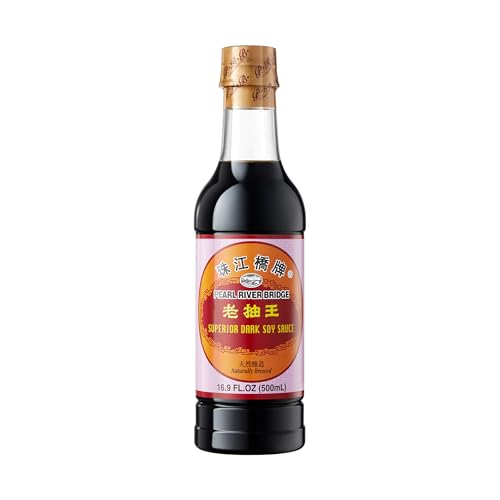

Rich Color & Savory Depth – Made from quality soybeans, this dark soy sauce delivers a deep brown hue and full-bodied flavor that enhances both the taste and visual appeal of your dishes.
Even Distribution Methods
Heat the wok or pan until very hot; this prevents rice from steaming and helps soy sauce caramelize on contact. Add oil and toss ingredients briefly before adding soy sauce so the sauce hits already-oiled surfaces, spreading more evenly.
Use a small bowl or squeeze bottle to pre-mix soy sauce with a splash of oil or stock. This thins the sauce slightly and helps it coat grains instead of pooling. For quick, consistent coverage, drizzle in a circular motion while continuously tossing rice with a spatula or by shaking the pan.
If you prefer a darker finish, blend dark soy sauce with light soy sauce (2:1 light is a good starting point). Measure: roughly 1–1.5 teaspoons soy sauce per cup of cooked rice, then adjust to taste.
Mixing Strategies for Home Cooks
Work with cold, day-old rice to keep grains separate; refrigeration dries the surface and reduces clumping. Break up any cold clumps with your hands or a fork before heating to expose individual grains to soy sauce.
Add soy sauce late in the stir-fry cycle—after eggs and aromatics—so it flavors without making the rice soggy. Pour a measured amount around the edge of the pan so it flashes in the heat; then immediately mix to distribute. Taste and add a second, smaller splash if needed.
Use tools that give control: a flat metal spatula for scraping and folding, or a silicone scraper for gentler mixing. If you over-salt, balance with a small pinch of sugar or a splash of rice vinegar to brighten the dish.
Culinary Tips for Professional Results
Maintain high, consistent heat and avoid overcrowding the pan; steam is the enemy of crispness and even sauce absorption. Work in batches for large quantities to keep each grain exposed to the wok’s surface.
Combine soy sauce with a bit of sesame oil only at the end for aroma, not as the primary coating—sesame oil burns easily. For glossy, restaurant-style rice, add a teaspoon of neutral oil (canola or peanut) to your soy-sauce mix so the sauce adheres and the rice separates.
Always finish with a quick toss and immediate plating to preserve texture. Keep measured ratios handy: 1–1.5 tsp soy sauce per cup cooked rice, adjust depending on saltiness of the soy sauce you use.


Types of Soy Sauce Used in Fried Rice

Choose soy sauce based on color, saltiness, and the visual effect you want on the rice. Light soy sauce seasons and salts; dark soy sauce colors and adds depth.
Recommended Products

Pack of 2 - Get more for your money with our convenient pack of 2 Kikkoman Less Sodium Soy Sauce Bottles.


LESS SODIUM CONTENT: The Kikkoman Soy Sauce contains less sodium compared to regular soy sauce, making it a healthier option for those watching their salt intake.
Light vs. Dark Soy Sauce
Light soy sauce (薄/jiang you) is thin, salty, and ferment-forward. Use about 1–2 teaspoons per 2–3 cups of cooked rice when you want clear seasoning without changing the rice’s color. It mixes quickly, so add it near the end of high-heat stir-frying to avoid burning and to let the flavor distribute evenly.
Dark soy sauce is thicker, slightly sweeter, and less salty than light soy. Use it sparingly—often a teaspoon for color—when you want a caramelized brown hue and richer mouthfeel. Add dark soy earlier or mix it with a small splash of water so it disperses without leaving dark streaks. Many cooks combine both: light for seasoning, dark for color.
Regional Preferences in China
In Cantonese-style fried rice you’ll find moderate light soy for seasoning and a touch of dark soy for color. Cantonese cooks favor a glossy brown finish, plus some use oyster sauce for umami; you should add sauces late in the cook to retain wok heat and texture.
In northern and Sichuan regions, saltier or fermented soy sauces and tamer dark soy use are common. Northern styles may rely more on light soy and lard or oil for flavor, so you should add soy sparingly. In home-style Yangzhou (扬州) fried rice, minimal dark soy keeps grains separate and pale; you’ll add light soy mainly at the end to adjust seasoning.


Seasoning Fried Rice with Multiple Sauces

Use small amounts, taste as you go, and layer sauces in stages so each flavor remains distinct. Prioritize salt level, sweetness, and umami when combining soy sauce with other condiments.
Recommended Products

No hydrogenated fats or high fructose corn syrup allowed in any food
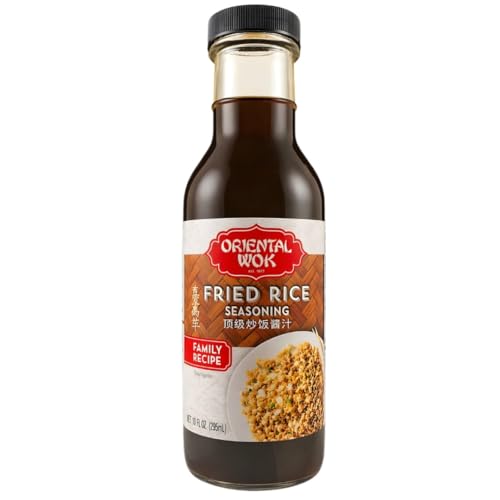
🍚 ELEVATE THE RICE GAME: Transform your rice dishes into culinary delights with Oriental Wok's Fried Rice Seasoning sauce. Ideal for traditional fried rice, shrimp fried rice, chicken fried rice, and more. Our seasoning sauce is meticulously crafted to infuse your dishes with irresistible flavor, turning every bite into a savory sensation. Say goodbye to bland rice and hello to a world of taste exploration!

Balancing Soy Sauce with Other Condiments
When you use multiple sauces, start with a base: light soy for salt and umami, dark soy for color and a touch of sweetness. Measure—try 1 tablespoon light soy and 1 teaspoon dark soy for four servings—then adjust by tasting.
Add sesame oil sparingly at the end (1/2–1 tsp) for aroma; it’s potent when heated. For acidity, use rice vinegar in small amounts (1 tsp) to brighten the dish without thinning the rice.
If you include oyster or fish sauce, cut the light soy in half because those add concentrated umami and salt. Sugar or mirin can balance bitterness from dark soy; add 1/2 tsp only if the mix tastes flat. Mix sauces in a small bowl before adding to the wok to ensure even distribution.
Avoiding Overpowering Flavors
Add strong condiments incrementally. Taste after each addition rather than dumping full quantities into the pan. This prevents the dish from becoming too salty, sweet, or fishy.
Resist pouring soy sauce directly onto the finished rice; instead drizzle a measured amount while tossing so the liquid coats grains evenly without making them soggy. If one flavor dominates, correct it: dilute saltiness with a pinch of cooked rice or a splash of unsalted stock; reduce excessive sweetness by adding a small squeeze of rice vinegar.
Keep aromatic oils and fermented sauces as finishing touches. Use them to enhance, not replace, the foundational soy flavor.

Adjusting Soy Sauce Quantity for Desired Taste
Dial in salt and umami by starting small, tasting frequently, and adjusting based on the rice type and how much cooked rice you have. Measure, add in steps, and remember that stronger soy sauces need less volume.
Recommended Products

Two flow speeds let you drizzle or pour oil or vinegar with precision

Soy Sauce Dispenser with 3 modes: Sealed and two flowing speed which lets you drizzle or pour soy sauce or vinegar with precision.
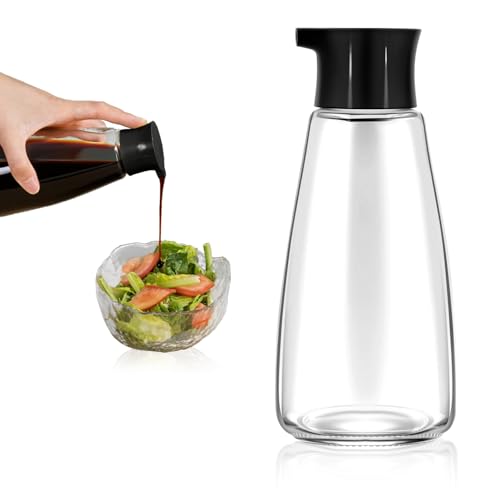
1、Generous 9.6 oz (285ml) Capacity – This large soy sauce dispenser holds ample liquid (6.3" x 2.76" x 2.76"), reducing refills while fitting perfectly in kitchens, restaurants, or BBQ setups.
Taste Testing and Gradual Addition
Start with 1 teaspoon of soy sauce per cup of cooked rice for lightly seasoned fried rice; use 1 tablespoon per cup for a more pronounced flavor. Add soy sauce in increments—about 1/2 teaspoon at a time—stir each addition through the rice and taste before adding more.
Taste both for salt and umami. If the dish tastes flat, a splash more soy sauce can help, but if it tastes salty too quickly, stop and add a neutral binder like a beaten egg or a small splash of water to redistribute flavor.
Use a measuring spoon or small ladle so you don’t over-pour. Keep a separate small bowl for reserved soy sauce if you need to finish plates individually rather than seasoning the whole wok at once.
Accounting for Rice Type and Volume
Short-grain and medium-grain rice absorb sauces more readily than long-grain rice, so reduce soy sauce by about 25% when using stickier rice. For one large wok (about 6 cups cooked rice), plan on 3–4 tablespoons total if you want moderate seasoning; scale down proportionally for smaller batches.
Consider moisture in the rice: very dry, day-old rice will need slightly more soy sauce to coat grains evenly. Conversely, recently steamed rice holds more surface moisture and can make soy sauce seem stronger, so add less and taste.
Also factor in other salty ingredients—char siu, preserved vegetables, or oyster sauce—by reducing soy sauce accordingly to avoid over-salting.
Health Considerations When Adding Soy Sauce
Soy sauce adds savory depth but also brings concentrated sodium. If you watch your salt intake, measure the amount you add and prefer low-sodium versions to reduce sodium per serving.
Soy sauce can contain gluten unless labeled gluten-free. Choose a tamari or certified gluten-free soy sauce if you or your guests have celiac disease or gluten sensitivity.
Some commercial soy sauces include added sugars, caramel coloring, or preservatives. Read labels if you want to limit added ingredients, or use naturally brewed varieties for a cleaner ingredient list.
Use soy sauce sparingly to control overall sodium and calorie density. You can stretch flavor by combining a small amount of soy sauce with aromatics like green onions, garlic, or a splash of sesame oil.
Allergens beyond gluten are uncommon, but soy is a major allergen. Make sure anyone eating your fried rice knows soy is present to avoid allergic reactions.
Quick reference:
- Reduce sodium: choose low-sodium soy sauce or use less.
- Gluten-free option: use tamari or labeled gluten-free soy sauce.
- Watch additives: check for sugars, colors, and preservatives.
- Allergy: soy is a common allergen—label accordingly.
Adjust technique instead of pouring more soy sauce: finish with a light drizzle after frying, or season individual portions at the table to keep each serving’s sodium and flavor balanced.
Recommended Products

Lobster Fried Rice

Simple Ingredients: Made with water, soybeans, wheat, salt, and caramel, with no added preservatives or fillers. Vegan and Non-GMO. Contains soy and wheat.


Storage and Serving Recommendations
Store leftover fried rice in airtight containers and refrigerate within two hours of cooking. Keep the fridge at or below 40°F (4°C) and use the rice within 3–4 days to minimize foodborne risk.
When freezing, portion the rice into meal-sized containers or heavy-duty freezer bags. Freeze for up to 2–3 months for best quality; label with the date so you can track storage time.
Reheat thoroughly until steaming hot throughout — ideally to 165°F (74°C). Reheat in a hot skillet with a splash of oil or water for better texture, or use the microwave in short bursts, stirring between intervals.
If the rice smells off, shows mold, or has an unusual texture, discard it. Do not taste-test questionable leftovers; foodborne bacteria don’t always change flavor or odor.
Serve fried rice immediately after reheating to preserve texture and flavor. Add any final seasonings—soy sauce, sesame oil, or fresh scallions—just before serving to keep flavors bright.
Quick reference:
- Refrigerate: 3–4 days
- Freeze: 2–3 months
- Reheat target: 165°F (74°C)
- Best practices: airtight storage, label dates, reheat fast and hot
Follow these steps to keep your fried rice safe and enjoyable every time.
Recommended Products

One Sauce, Two Superpowers: Color & Flavor. This is where your favorite takeout dishes get their magic. Our dark soy sauce is a double-threat: it delivers that signature reddish-brown glaze AND builds a deep, savory backbone for your sauce. Think of it as your secret weapon for stir-fries, braises, and marinades that look and taste like they came from a pro kitchen. No more bland, pale food! 🥡✨

【GLUTEN FREE DARK SOY SAUCE】Naturally brewed without wheat using non-GMO soybeans and real straw mushrooms. Vegan and crafted to bring deep color and rounded mushroom umami to everyday Asian cooking.

10 oz organic teriyaki sauce