
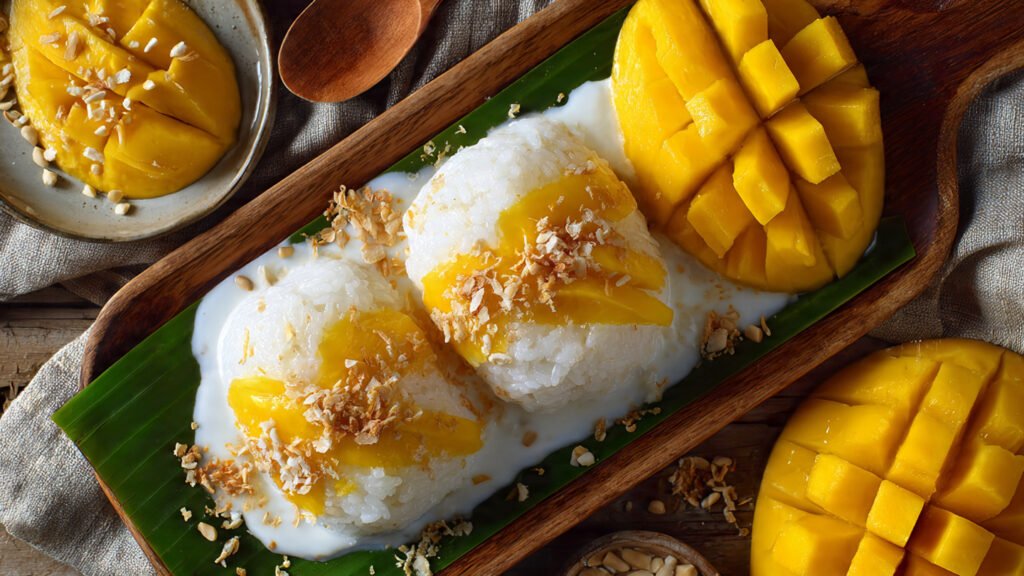


You want mango sticky rice when the mangoes are ripe, the rice is freshly coconut‑infused and warm, and the moment calls for a sweet, balanced finish—typically during mango season (roughly February–June) or on warm afternoons and evenings when its contrast of warm rice and cool fruit feels most satisfying. Serve it fresh, with warm coconut sticky rice and ripe, fragrant mangoes, for the best texture and flavor.
You’ll explore when tradition and seasonality intersect, how time of day affects serving temperature, what to pair it with, and how modern trends and cultural etiquette shape presentation. Keep this as your guide when planning a summer dessert, a festival offering, or a restaurant menu item.
Traditional Occasions for Serving Thai Mango Sticky Rice

Mango sticky rice appears at events where ripe mangoes are plentiful and guests expect a sweet, shareable finish. You’ll find it on tables for festivals, temple holidays, and family meals, often served warm rice with chilled mango and coconut sauce.
Recommended Products


Product Type:Cereal

AUTHENTIC THAI STICKY RICE: Premium Thai sticky rice sourced from Thailand, made from high-quality glutinous rice. This sweet rice delivers the soft, chewy texture essential for traditional Thai dishes and everyday cooking.
Festive Celebrations
You’ll see mango sticky rice at Songkran and Loy Krathong stalls and banquet tables during local town festivals. Vendors sell the dessert by the plate at night markets and fairgrounds, making it a convenient treat after activities and parades.
At organized festivals, restaurants and catering teams plate the dessert to feed crowds; portions are typically prepped for quick service. You can expect the rice to be portioned in small mounds, mango slices arranged for visual appeal, and coconut sauce served either drizzled or in a small cup.
The dessert’s peak appears during April–June when mangoes are sweetest, so festival menus often highlight it then. If you attend a seasonal festival, choose vendors who steam the rice fresh and slice mangoes on demand for the best texture and flavor.
Religious Holidays
You’ll encounter mango sticky rice at temple fairs and merit-making ceremonies where food offerings and communal meals follow ritual activities. People bring plates of sticky rice and fruit to share with monks and neighbors; mango sticky rice serves both as an offering and a shared dessert afterward.
Temples usually accept commercially prepared or home-made plates; presentation matters less than freshness and respect. You should avoid overly flashy garnishes at religious events—simple, neat plating aligns with traditional expectations and makes distribution easier.
When attending, bring portions that are easy to share—individual trays or small bowls work well. If you prepare the dish yourself for a holiday, steam the glutinous rice the morning of the event and keep mangoes chilled until serving.
Family Gatherings
You’ll find mango sticky rice at birthdays, housewarmings, and Sunday family lunches where you want a familiar, crowd-pleasing dessert. Families often serve it after a savory main course; the combination of warm rice and cool mangoes refreshes the palate.
Home cooks typically cook the rice fresh and assemble plates just before guests arrive to preserve texture. You can portion servings on small plates, adding roasted sesame or mung beans for crunch if you want a traditional touch.
For intimate gatherings, you can prepare extra coconut sauce for guests who prefer more creaminess. Plan timing so the rice stays slightly warm and mangoes remain cold—this contrast is what family members expect and enjoy.


Best Seasonal Timing for Mango Sticky Rice
Peak mango availability, fruit ripeness, and temperature contrast between warm rice and cool mangoes determine when the dish shines. Planning around local harvest windows and avoiding imported, underripe fruit will give you the best texture and flavor.
Recommended Products

The set including Sticky rice bamboo steamer basket (HUAD) and Aluminum cooker pot.

The set including Sticky rice bamboo steamer basket (HUAD) and Aluminum cooker pot.

✅ AUTHENTIC THAI COOKWARE: Making the best sticky rice requires the correct kit. This time tested, village original is just the right equipment for the job and is absolutely imperative for creating the renown jasmine rice texture and aroma for authentic Thai cuisine.
Mango Harvest Season
In Thailand, the main mango harvest runs from February through June, with the heaviest yields in March–May. You should aim to make mango sticky rice during this window because fruit is freshest, sweetest, and has ideal flesh texture for slicing.
Choose varieties like Nam Dok Mai or Keo Savoy when available; they offer the proper sweetness and buttery texture. Buy mangoes that yield slightly to gentle pressure and have a fragrant aroma at the stem end. If you must use imported mangoes outside the season, select fruit with consistent ripeness and flavor rather than large, green supermarket mangoes that will remain starchy.
Regional Ripening Periods
Different growing regions shift the peak by weeks. In southern Thailand and parts of Malaysia, mangoes can ripen earlier, often starting in February. Northern Thailand and higher-altitude orchards may peak later, into May and June.
Check local farmers’ markets or ask suppliers for variety and harvest timing so you can match rice preparations to fruit readiness. If you source mangoes from multiple regions, stagger cooking: prepare rice closer to when each batch of mangoes reaches full ripeness to maintain the ideal warm-rice/cool-fruit contrast.
Avoiding Off-Season Serving
Serving mango sticky rice in late fall or winter often means using underripe or imported fruit with muted flavor. You should avoid offering the dish if mangoes taste starchy, lack aroma, or are fibrous; those qualities undermine the dessert’s balance.
If off-season demand requires you to serve it anyway, consider alternatives: use preserved ripe mango with syrup sparingly, or highlight complementary tropical fruits that are in season. Always taste a sample mango before scaling production to ensure the final dish meets your quality standard.


Optimal Serving Times During the Day
Serve mango sticky rice when ripe mangoes are available and when temperature contrast—warm rice and cool mango—will be appreciated most. Timing choices depend on meal structure, the day’s heat, and the type of event you host.
Recommended Products

100% Natural: Soeos Sweet Sticky Rice is made from pure natural components, ensuring that every bite is healthy and delicious; Our sticky rice is gluten-free and free from preservatives, making it a perfect choice for vegans and vegetarians

Versatile Dipping Sauce: Elevate any appetizer with Blue Dragon Thai Mango Sweet Chili Sauce, use it as a sweet and spicy dip

Enjoy classic Thai sticky rice paired with rich coconut cream, inspired by traditional mango sticky rice flavor with a soft, naturally sweet texture
As a Dessert After Meals
Serve mango sticky rice about 10–20 minutes after a main course that’s spicy or oil-rich. The coconut cream and sticky rice soothe palate heat and provide a gentle, sweet finish that contrasts spicy Thai dishes without overwhelming them.
Keep the rice warm (around 40–50°C / 104–122°F) and the mango chilled; that temperature contrast enhances texture and flavor balance.
Portion control matters. Offer 100–150 g rice plus one medium mango slice per person for a satisfying single-serving dessert. If you expect slower dining, hold rice in a low oven or warm box and keep mango covered and refrigerated until plating.
Afternoon Refreshment
Pick late afternoon, when temperatures peak and people want a cooling, mildly sweet snack. The chilled mango provides refreshment while the rice supplies slow-release energy—useful for post-work or post-market moments.
Serve smaller portions (50–80 g rice) as a lighter option, and present the coconut sauce on the side so guests can adjust sweetness.
Pairing suggestions: strong black tea or iced jasmine tea cuts richness; a spritz of lime adds brightness. For outdoor settings, plate right before serving to prevent rice from drying and mango from warming too much.
Special Event Highlight
Use mango sticky rice as a featured item during seasonal events—mango season (roughly late March–June) offers the best fruit quality and appearance. Present it as a plated course or as part of a dessert table with clear signage about mango variety (e.g., Nam Dok Mai) to signal quality.
For large events, pre-portion rice into warm holding trays and slice mangoes just before service to avoid oxidation and juice loss. Keep coconut sauce warm and drizzle at serving to maintain the warm–cool contrast that defines the dish.
For formal plating, garnish with toasted mung beans or sesame for texture and include a small spoon for saucing. For buffet service, use tasting spoons or mini ramekins to control portions and keep the presentation tidy.


Pairing Mango Sticky Rice with Other Dishes
Mango sticky rice works best when it balances texture and flavor: creamy, sweet coconut rice paired with bright, juicy mango. Choose companions that contrast its sweetness, add savory depth, or echo coconut and tropical fruit notes.
Recommended Products


HEALTHY MATERIAL: The bowl set is made of ceramic, non-toxic and safe to serve food everyday, the smooth, chip-resistant glazed surface is easy to clean

The sticky rice basket/pot is use for keeping the sticky rice after steaming.
Ideal Meal Combinations
Pair mango sticky rice with dishes that provide savory contrast or light, fresh flavors. Examples: grilled chicken satay served with peanut sauce cuts the dessert’s sweetness with savory, nutty richness. Spicy salads like green papaya salad (som tam) refresh the palate and keep the meal from feeling heavy.
If you prefer seafood, grilled shrimp or a mild fish curry (coconut-based) keeps the menu cohesive through similar coconut notes without competing sweetness. For a casual spread, include spring rolls or steamed dumplings to add textural variety and neutral savory bites between dessert portions.
Traditional Thai Menu Pairings
In Thai tradition, mango sticky rice follows lighter mains and balances strong flavors. Common pairings include coconut-based curries (gaeng keow wan or massaman) where the dessert’s coconut rice echoes the curry’s richness while mango provides a clean finish.
On street-food style menus, you’ll often see mango sticky rice served after fried snacks—egg rolls or fried tofu—so the dessert’s creaminess soothes the palate. For a market-style meal, pair it with sweet coconut ice cream or Thai custard (sangkaya) to layer coconut and eggy textures without introducing competing spices.

Modern Trends in Serving Thai Mango Sticky Rice
You’ll find chefs and home cooks balancing tradition with innovation, pairing sticky rice and mango with new textures, temperatures, and presentation styles. Expect creative plating, cross-cultural flavor pairings, and flexible service timing that suit contemporary dining settings.
Recommended Products


Premium Quality: Our sweet rice is carefully selected and processed to deliver the best flavor and texture, ideal for both traditional and modern recipes

QUALITY SWEET RICE GRAINS - Our sweet sticky rice is grown and sustainably harvested by expert growers and local farmers in Thailand, where the best sticky/glutinous rice grows. The sticky rice 2.2 lb pack comes with premium, well-milled rice grains that when cooked becomes shiny, sticky and transluscent.
Fusion Cuisine Inspiration
You can pair mango sticky rice with nontraditional elements to create memorable plates. Chefs often add a crunchy component — toasted sesame seeds, crushed pandan brittle, or caramelized coconut flakes — to contrast the rice’s chewiness.
Savory accents appear too: a light sprinkle of flaky sea salt, a drizzle of tamarind reduction, or a smear of mascarpone can heighten sweetness without overpowering it.
Restaurants blend techniques across cuisines. Think coconut panna cotta topped with sticky rice, or mango sticky rice reimagined as a deconstructed tart with coconut custard and crisp pastry.
If you try these at home, keep proportions simple: preserve ripe mango, maintain warm rice and cool toppings, and add one bold fusion element rather than several.
Contemporary Dining Occasions
You should consider temperature and timing for different settings. Serve warm sticky rice with chilled mango at casual markets or family meals; that contrast works best when mangoes are at peak ripeness.
For plated dessert courses in restaurants, present smaller portions with refined garnishes — toasted mung beans, micro herbs, or a controlled coconut cream foam — so the dessert reads modern yet recognizably Thai.
For events and catering, use modular formats: mini jars layered with rice and coconut cream, bite-size rice cakes topped with mango, or spoons of sticky rice with a single mango cube.
These formats keep the dish fresh-looking and easy to eat while preserving the essential balance of creamy coconut, sticky rice texture, and ripe mango sweetness.


Cultural Etiquette for Presenting Thai Mango Sticky Rice
Serve mango sticky rice with attention to timing, presentation, and polite sharing. Respect ripeness, portioning, and how you invite others to eat.
Recommended Products
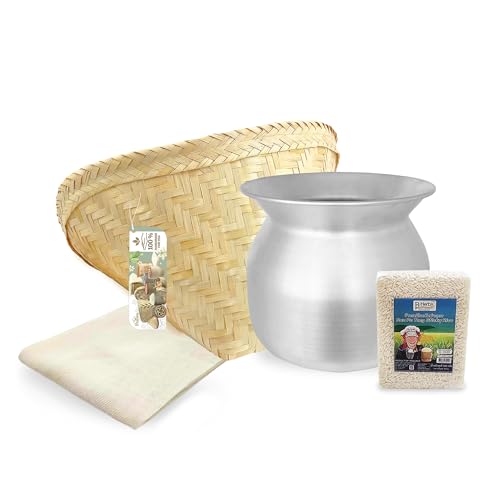
✅ AUTHENTIC THAI COOKWARE: Making the best sticky rice requires the correct kit. This time tested, village original is just the right equipment for the job and is absolutely imperative for creating the renown jasmine rice texture and aroma for authentic Thai cuisine. This set includes 500g of premium Sun Pa Tong sticky rice, a beloved staple of Thai cuisine.

Authentic Design: Woven from natural wicker, this steamer lid adds an authentic touch to your rice cooking experience.

Serving Protocols
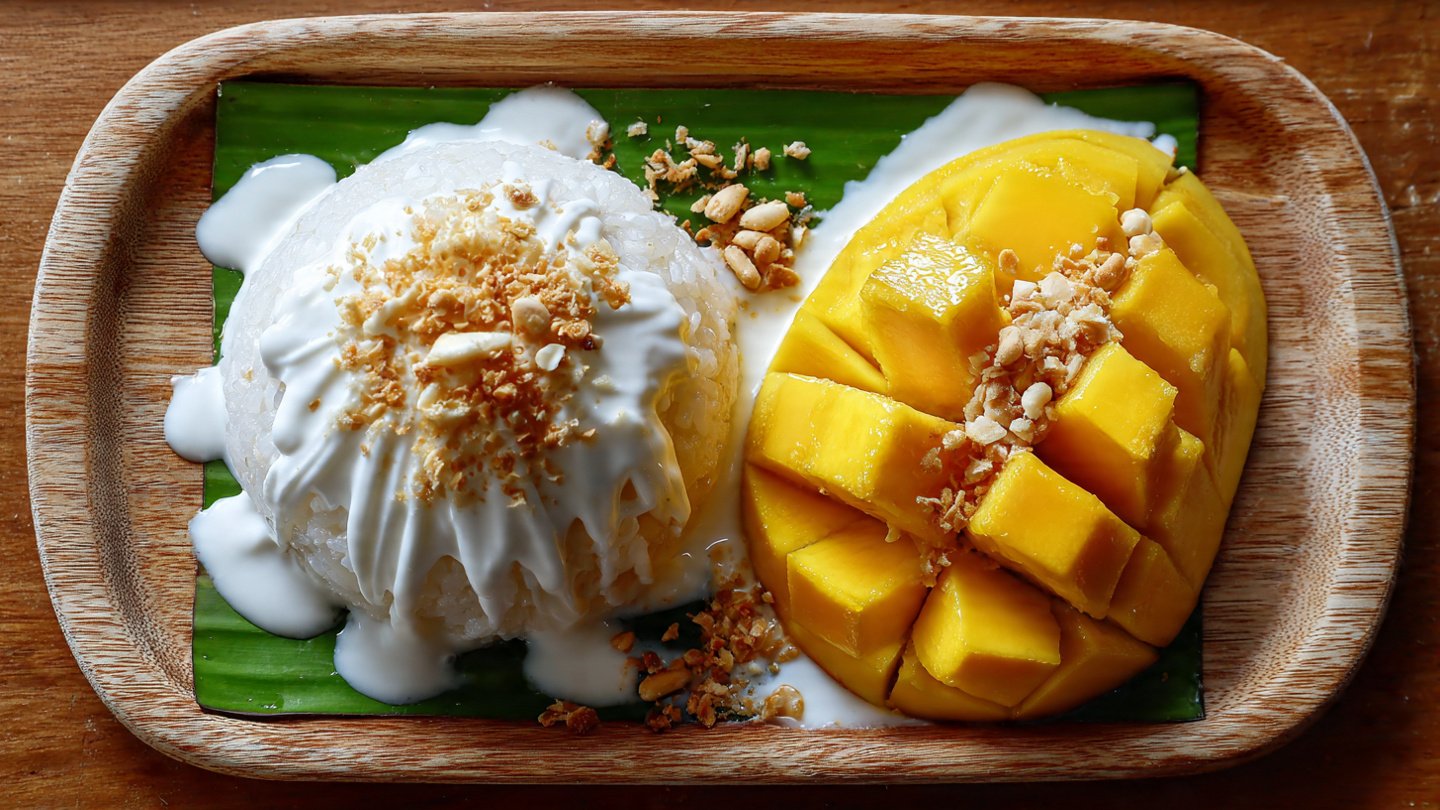
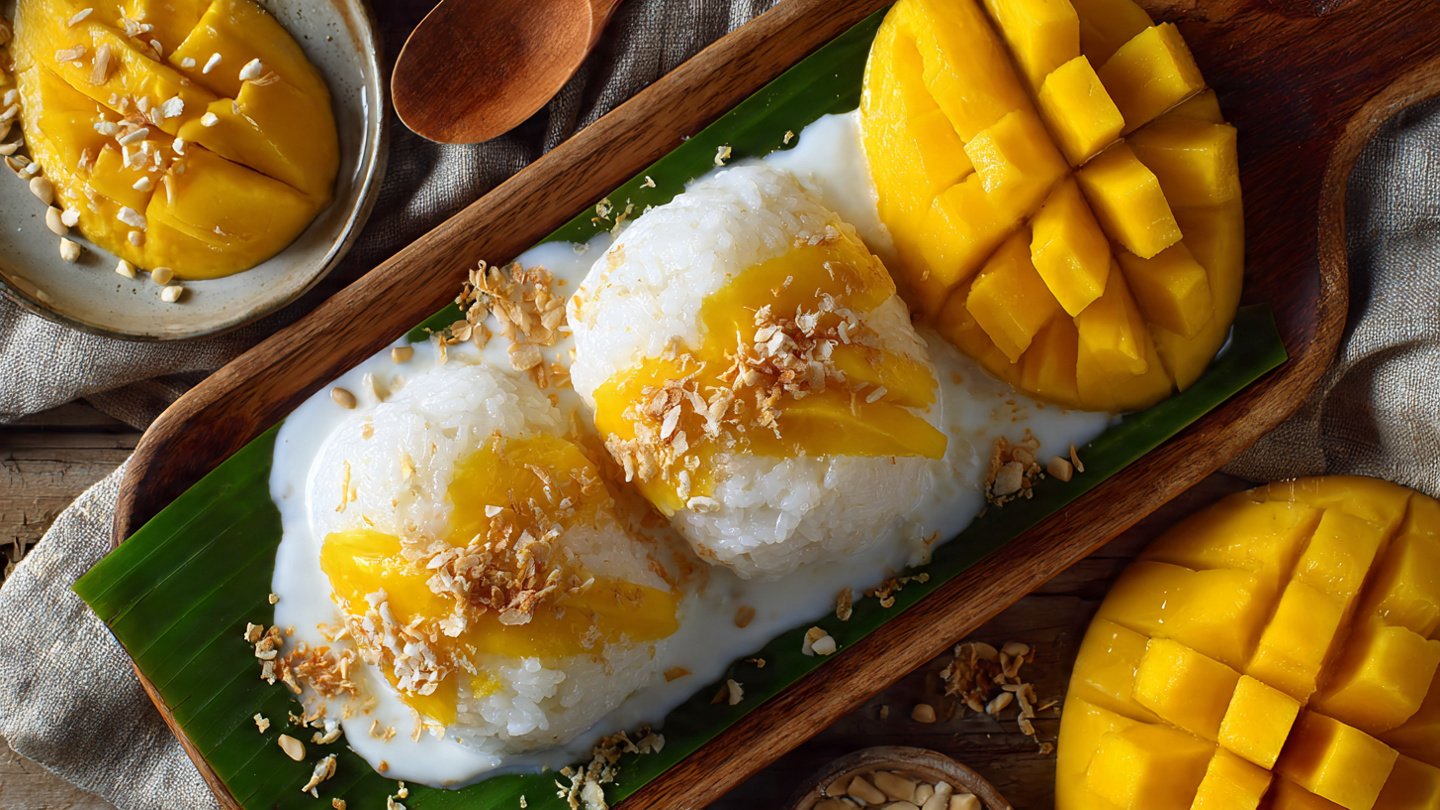
Place sticky rice on a small plate or banana leaf to prevent sticking and to echo traditional presentation. Keep the rice warm (not hot) and spoon coconut sauce over the rice just before serving so it stays glossy and not soaked through.
Arrange mango slices neatly beside or atop the rice; use ripe, fragrant mangoes cut into even pieces for easy eating. Provide a small spoon or fork and, when appropriate, a communal serving spoon so guests can portion their own servings without touching the main pile.
If serving at a buffet or festival, label the dish and note any dietary details (coconut, glutinous rice). For plated service, present one portion per person and avoid overfilling plates; mango sticky rice is meant to be enjoyed as a balanced sweet finish.
Host and Guest Expectations
As the host, offer mango sticky rice soon after the main meal or during dessert time; don’t leave it exposed to heat or sun, which speeds spoilage. Reheat only briefly if the rice has cooled; avoid microwaving the mango.
As a guest, wait until the host indicates dessert time or invites you to take a portion. Accept a modest serving first; you may request seconds rather than take a large portion initially. Use the provided utensils rather than your fingers, and compliment the host politely if you enjoy the dish.
If you have allergies or dietary restrictions, mention them before dessert is served so the host can adjust portions or offer alternatives.


Special Considerations for Different Audiences
Adjust serving temperature, portion size, and presentation to match the setting and the guests’ familiarity with Thai flavors. Keep allergens and textural preferences in mind while choosing mango ripeness, sweetness level, and toppings.
Recommended Products

Popular with gourmet cooks because of its versatility

Pad Thai is Thailand’s iconic stir-fried noodle dish. Rice noodles are soaked until soft, then stir-fried with garlic, shrimp or tofu, and scrambled eggs. The signature flavor comes from a sauce made of tamarind paste, fish sauce, and Thai palm sugar, which adds a deep, slightly caramelized sweetness that balances the tanginess and saltiness. The dish is finished with bean sprouts, crushed peanuts, and lime wedges.

Premium Quality Sweet Rice: 52USA sweet sticky rice is carefully selected for plump grains and consistent quality, delivering authentic texture perfect for traditional Asian desserts and savory dishes.
Children’s Events
Children favor simple flavors and familiar textures, so choose ripe Nam Dok Mai or Ataulfo mangoes for their sweet, non-fibrous flesh. Serve small portions—about 1/3 to 1/2 cup of sticky rice with 2–3 slices of mango—to limit sugar intake and avoid waste.
Present the dish in a playful, safe way. Cut mango into easy-to-hold strips or small cubes and spoon the coconut sauce on the rice instead of drenching it. Offer toppings separately (toasted mung beans, sesame) so children with allergies or dislikes can opt out.
Keep temperature kid-friendly: warm rice with cool mango works well, but if serving outdoors on hot days, slightly chilled rice reduces stickiness and mess. Supervise serving to prevent choking on sticky clumps and label ingredients for caregivers.
Tourist Experiences
Tourists often expect authenticity and a visually appealing presentation. Use fragrant sticky rice, properly seasoned coconut milk, and a fragrant, sweet mango variety like Nam Dok Mai to meet those expectations. Serve the rice warm with mango chilled to showcase the traditional contrast.
Highlight immediate freshness: prepare rice shortly before plating and slice mangoes when serving to avoid oxidation. Offer a brief note on eating method—rice next to mango with a drizzle of sauce—to help guests unfamiliar with the dessert.
Consider portions that encourage sharing, such as a medium plate for two, and provide utensils and napkins. If you serve on the street or at markets, keep the dish cool and covered between servings and use single-serve packaging for tourists on the move.