


You can build a lively, balanced Thai red curry by pairing vegetables that hold texture, soak up coconut-curry flavors, and contrast the sauce’s creaminess. Bell peppers, green beans, zucchini, bamboo shoots, and Thai eggplant are the best picks because they keep their shape, absorb spice, and deliver the classic flavors you expect.
Expect guidance on authentic choices, heartier options like cauliflower or potatoes, crisp additions for contrast, and a few unexpected pairings for variety. You’ll also get quick prep tips and swaps for vegetarian, vegan, or low-carb meals to make the curry fit your kitchen and appetite.
Best Vegetables for Thai Red Curry

Choose vegetables that hold texture, absorb coconut-curry flavors, and balance heat and sweetness. Focus on items that cook evenly in simmering coconut milk and provide color, crunch, or creaminess to complement the sauce.
Recommended Products
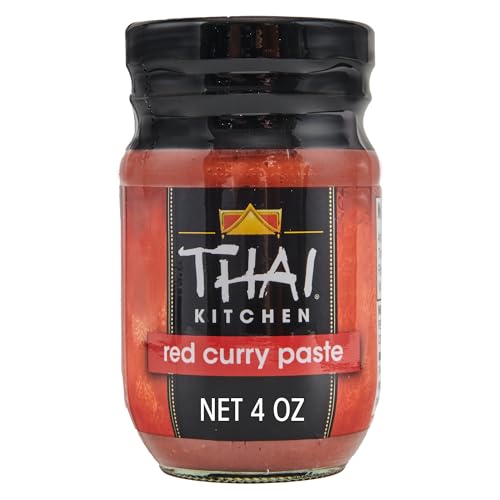
MADE FOR HOME COOKS: Bring Thai-inspired flavor to your table with red curry paste made with ingredients including red chili pepper, garlic, lemongrass, salt, shallot, coriander root, and makrut lime peel

Maesri Red Curry Paste 14oz

Authentic Red Thai Curry Sauce Kit: Blue Dragon 3 Step Thai Red Curry Kit helps you create a creamy curry with authentic thai flavors; Fry the red curry paste, stir in the rich coconut milk, then add your choice of chicken, shrimp, or vegetables along with the dried herbs to finish; Ready in just 15 minutes, this kit brings restaurant-quality thai red curry to your home with ease
Bell Peppers
Bell peppers add bright color and a sweet, crisp bite that contrasts creamy coconut milk. Use red, yellow, or orange for sweetness; green peppers give a sharper, slightly bitter note. Slice them into 1/2-inch strips so they cook through in the 8–12 minutes most curries simmer, retaining some crunch.
Bell peppers also absorb the curry paste flavor without falling apart. Add them midway through simmering to prevent mushiness. If you prefer softer peppers, cook them a few minutes longer; for more texture, stir them in during the last 5 minutes.
Bamboo Shoots
Bamboo shoots provide a firm, slightly fibrous texture and a mild earthy flavor that cuts richness. Use canned or pre-cooked fresh shoots for convenience; drain and rinse canned shoots to remove excess brine. Slice them thinly or into matchsticks so they integrate with other vegetables.
They pair especially well with seafood or tofu in red curry because they soak up flavors while staying toothsome. Add bamboo shoots early in the simmer so they warm through and meld with the coconut base without losing bite.
Eggplant
Thai eggplants (or small Asian eggplants) and regular globe eggplant both offer a creamy, silky texture when cooked in curry. Cut into 1-inch pieces to ensure even cooking. Asian varieties tend to hold shape and become tender without disintegrating; globe eggplant becomes silky and richer as it breaks down.
Salt eggplant pieces briefly and pat dry to reduce bitterness and excess moisture. Add them early to allow the flesh to absorb coconut milk and curry paste, creating a luscious, sauce-thickening element. For less oil absorption, do not over-fry before simmering.
Green Beans
Green beans contribute a fresh snap and a bright green color that lightens a heavy curry. Trim and cut into 1½–2 inch lengths so they stay crisp-tender. Blanching for 1–2 minutes before adding to the curry preserves color and shortens simmer time.
Add green beans with about 6–8 minutes left of cooking to keep a pleasant bite. They pair well with proteins like chicken or tofu and with sweeter vegetables such as bell peppers, providing contrast in both texture and flavor.


Classic Thai Vegetables for Authentic Flavor

These ingredients contribute bright aromatics, crunchy texture, and tangy citrus notes that define traditional Thai red curry. Use them to lift the sauce, balance richness, and keep texture contrast.
Recommended Products

Native Forest Bamboo Shoots Org .The Freezing/chilling Temperatures is Ambient: Room Temperature .Made of good quality ingredient .

ORGANIC SLICED BAMBOO SHOOTS - Native Forest Organic Sliced Bamboo Shoots are tasty Asian vegetables that characterize popular regional dishes such as soup and stir fry

Thai Basil
Thai basil adds a peppery, anise-like lift that cuts through coconut milk richness. Tear the leaves rather than chop them so they release oil without turning bitter; add most of the leaves in the final 1–2 minutes of cooking to preserve fragrance.
If you grow or source Thai basil (bai horapa), choose glossy, deep-green leaves and avoid woody stems. For a quick swap, holy basil will change the flavor profile toward clove and pepper, so only use it intentionally.
Use quantity guidelines: 1/4–1/2 cup packed leaves for a curry serving 3–4 people. Reserve a small handful of whole leaves for garnish to highlight the herb’s aroma at the table.
Baby Corn
Baby corn gives a firm, sweet crunch and holds shape during simmering, making it ideal for both home cooks and restaurants. Slice lengthwise or leave whole; either way, add it early enough (about 6–8 minutes) to heat through but not so long that it softens completely.
Drain from a jar or use fresh baby corn—fresh has more bite and a slightly grassy sweetness. Use about 8–12 baby corns (halved) for a 4-serving curry, or substitute tender young corn cut into 1–2 inch pieces if you can’t find baby corn.
Baby corn pairs well with bell peppers and bamboo shoots; it soaks up sauce while maintaining contrasting texture.
Kaffir Lime Leaves
Kaffir lime leaves provide concentrated citrus perfume essential to authentic Thai curry. Remove the central vein and finely slice (chiffonade) or bruise the leaves to release oils; add them early in the simmering stage for steady infusion or drop a couple whole into the pot and remove before serving.
If using frozen or dried leaves, increase quantity slightly because flavor concentrates differently; roughly 2–3 fresh leaves (or 1–2 frozen) suit a 4-person curry. Avoid substituting plain lime zest—its aroma is brighter but lacks the complex floral-lime character of the leaves.
Store leftover leaves in the freezer; they keep aroma far better than refrigerated storage.


Hearty and Filling Vegetable Options
Choose vegetables that hold texture when simmered and absorb the curry sauce without falling apart. Focus on varieties that roast or simmer well, offer natural sweetness, and provide substance to make the dish satisfying.
Recommended Products

High Yield Heirloom Variety: These heirloom seeds produce 4+ dark purple fruits per plant, each up to 9 inches long. These eggplants planting seeds thrive in USDA zones 5–12 with strong summer growth.


Produces small, round, vibrant purple fruits that add color to any dish
Pumpkin
Pumpkin adds sweet, creamy body that balances the heat and richness of red curry. Cut into 1–2 inch cubes so pieces cook through evenly without disintegrating; varieties like kabocha or sugar pumpkin keep their shape best. Sear cubes briefly in the pan before adding coconut milk to develop a light caramelized flavor and prevent mushiness.
Adjust cooking time based on density: denser pumpkins need 10–15 minutes simmering, while softer types finish in 8–10 minutes. Season with a pinch of salt and a splash of lime juice at the end to brighten the natural sweetness. Pumpkin also pairs well with Thai basil and a scattering of toasted peanuts for textural contrast.
Potatoes
Use waxy or all-purpose potatoes to maintain structure in the curry. Baby potatoes or Yukon Gold stay intact and develop a creamy interior that soaks up the sauce. Cut larger potatoes into uniform 1-inch pieces to ensure even cooking.
Parboil potatoes for 6–8 minutes before adding them to the curry if you want to shorten simmer time and avoid overcooking other vegetables. For extra flavor, toss parboiled pieces in a little oil and fry until edges are golden before simmering. Finish with a small amount of fish sauce or soy sauce for umami and a squeeze of lime to lift the starchiness.


Crunchy and Fresh Vegetable Additions
Choose vegetables that keep a bite after quick cooking and add color and texture to the curry. Focus on items that absorb the coconut-milk sauce but remain crisp enough to contrast softer ingredients.
Recommended Products

★ UNLIKE OTHER SPICES & SEASONINGS that are either TOO SALTY or TASTELESS, a pinch of The Gourmet Collection's Thai Green Curry Blend with RICH, AUTHENTIC FLAVOR adds extraordinary flavor with a BLEND OF 19 SPICES.

🌟 DELICIOUS AND AUTHENTIC: This world famous Thai style curry paste is made up of fresh green chillies and herbs. This organic paste brings you a delicious Thai curry, and can be a savory marinade for all types of grilled or barbecued vegetables, seafood and meat. Add your favourite ingredients, coconut or nut milk and simmer. Expect Thai-style HEAT too, as we make no compromise there in authenticity.

Versatile Thai flavoring paste; flavorful blend of lemongrass, spice (including galangal) and fresh green chili
Carrots
Carrots offer sweet, firm texture and bright color that stand up well to simmering in red curry. Slice them on the bias into 1/8–1/4-inch pieces so they cook through in about 5–8 minutes while retaining a pleasant crunch. Thicker rounds or chunks take longer; parboil those for 3 minutes before adding to the curry to avoid overcooking other ingredients.
Use orange, purple, or baby carrots for visual variety. Their natural sweetness balances the curry’s heat, so add them early in the simmer stage. If you prefer more bite, add toward the end and simmer just 3–4 minutes.
Quick tips:
- Cut uniformly for even cooking.
- Baby carrots or matchsticks cook fastest.
- Add with denser vegetables like potatoes to sync cook times.
Snow Peas
Snow peas bring a clean, vegetal snap and a mild, sweet flavor that contrasts the rich coconut base. Trim the stringed edge and add whole or halved pods during the final 2–3 minutes of simmering to preserve color and crunch. Overcooked snow peas turn dull and limp, so watch the clock.
They also accept herbs and acid well—toss with fresh lime juice or Thai basil just before serving for brightness. Snow peas fit especially well when you want a lighter mouthfeel alongside eggplant or tofu.
Quick tips:
- Add at the end for crispness.
- No need to peel; just trim ends.
- Halve larger pods for easier eating.
Zucchini
Zucchini softens quickly and soaks up curry flavors while offering mild sweetness and a tender-crisp texture when cooked carefully. Cut into 1/2-inch half-moons or thick sticks; add during the last 4–6 minutes of simmering to keep them from turning mushy. If you prefer firmer pieces, sauté briefly in oil before adding to the sauce.
Skinless or skin-on both work, but leaving the skin adds color and helps pieces hold together. Zucchini pairs particularly well with mushrooms and bell peppers in mixed-vegetable curries.
Quick tips:
- Use uniform pieces for even doneness.
- Avoid overcooking to prevent excess water release.
- Sautéing first gives a slightly caramelized edge and firmer texture.


Alternative and Unique Vegetable Pairings
These choices add texture and absorb curry flavors well while standing up to coconut milk and heat. They bring contrast in bite, sweetness, or starch that complements red curry’s spice and aromatics.
Recommended Products

Selected and stored fresh

100% USDA CERTIFIED ORGANIC WHOLE BLACK PEPPERCORNS: Our 100% USDA Certified Organic black peppercorns are responsibly sourced from India and kept whole to preserve the pepper's natural character. Whole peppercorns give you the flexibility to grind them fresh for cooking, finishing or your favorite pepper grinder.
Broccoli
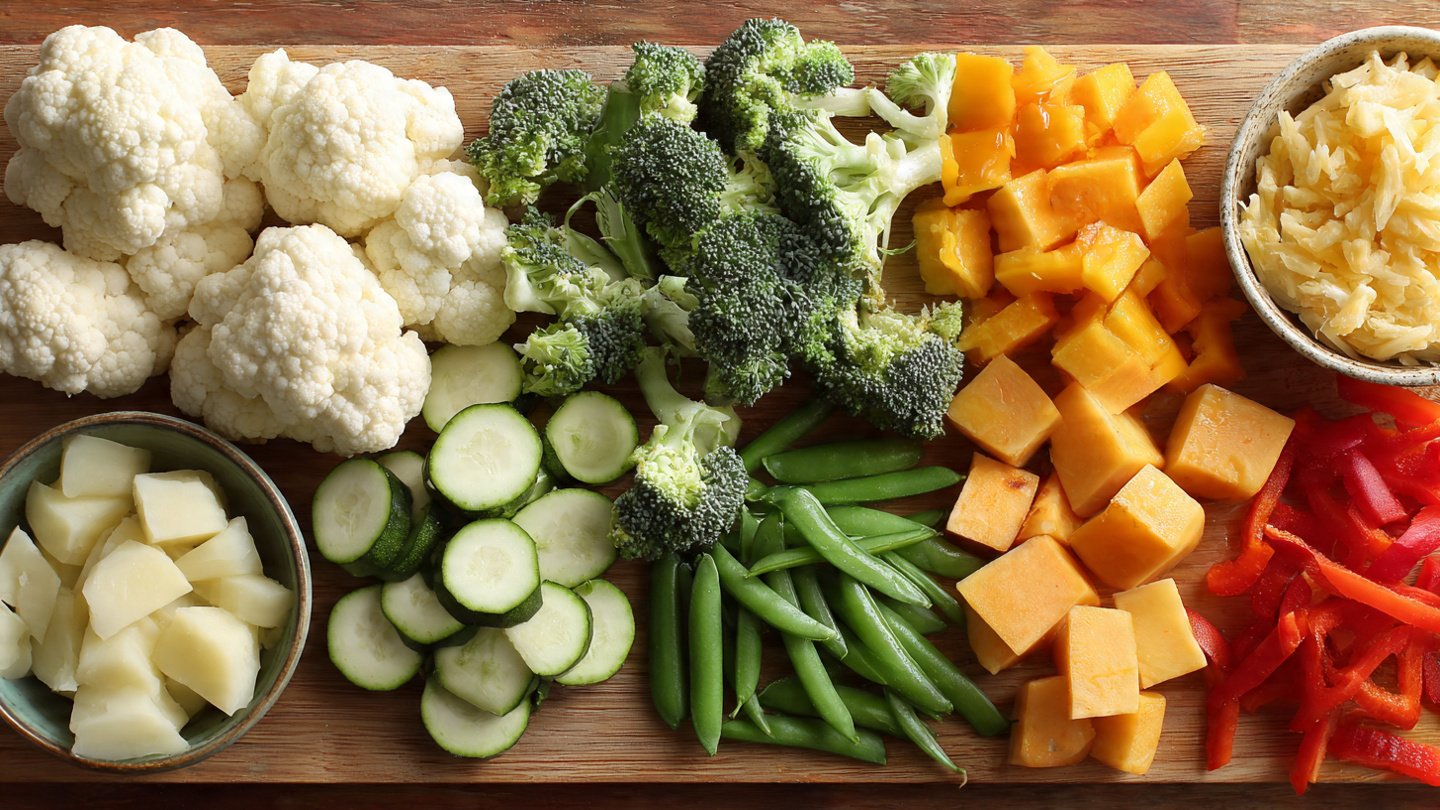
Broccoli holds texture when simmered, so it won’t turn mushy if you finish the curry over low heat. Cut florets into bite-sized pieces and add them about 6–8 minutes before the end of cooking so they stay crisp-tender and retain a bright color.
The stems also work: peel the tough outer layer, slice thin, and sauté with the curry paste at the start to soften and add mild sweetness. Broccoli soaks up coconut curry without losing its own flavor, and the crunchy florets give a pleasant contrast to softer vegetables like eggplant or squash.
For serving, toss broccoli with a squeeze of lime and fresh Thai basil right before plating to boost freshness. If you want extra char, briefly roast or stir-fry the florets at high heat and then fold them into the finished curry for smoky depth.
Cauliflower
Cauliflower’s neutral, slightly nutty flavor lets it pick up red curry spices and coconut milk readily. Use medium florets and add them earlier than broccoli—about 10–12 minutes before finishing—so they become tender but keep some bite.
Roasting cauliflower first concentrates its flavor and adds caramelized notes that play well with the curry’s sweetness and chili heat. Alternatively, pulse cauliflower into rice-sized bits for a low-carb base that soaks up sauce; cook those bits directly in the curry for 4–6 minutes until they soften.
Season cauliflower with a pinch of turmeric or cumin when you sauté the paste to deepen the color and aroma. Finish with chopped cilantro or a few toasted peanuts for texture contrast and a savory lift.


Tips for Preparing Vegetables for Thai Red Curry
Trim and cut vegetables into uniform pieces so they cook evenly. Aim for bite-sized chunks — roughly 1–2 cm for firm veg, slightly larger for softer items.
Start with vegetables that take longest to cook. Sauté onions, carrots, and potatoes first to develop sweetness and color before adding quicker-cooking ingredients like bell peppers or snap peas.
Use high heat for a short time when stir-frying to preserve texture and color. This also helps the curry paste bloom in oil and release its aroma before adding coconut milk.
Par-cook dense vegetables when needed. Roast or steam cauliflower, broccoli, or sweet potato briefly so they finish tender in the simmering curry without overcooking delicate greens.
Layer vegetables by adding them in stages. Add firm roots early, medium-density veg next, and leafy herbs or soft beans last to keep everything at the right doneness.
Salt and acid balance flavors during cooking. Lightly season your vegetables as they cook, and finish with a splash of lime juice or a teaspoon of rice vinegar to brighten the curry.
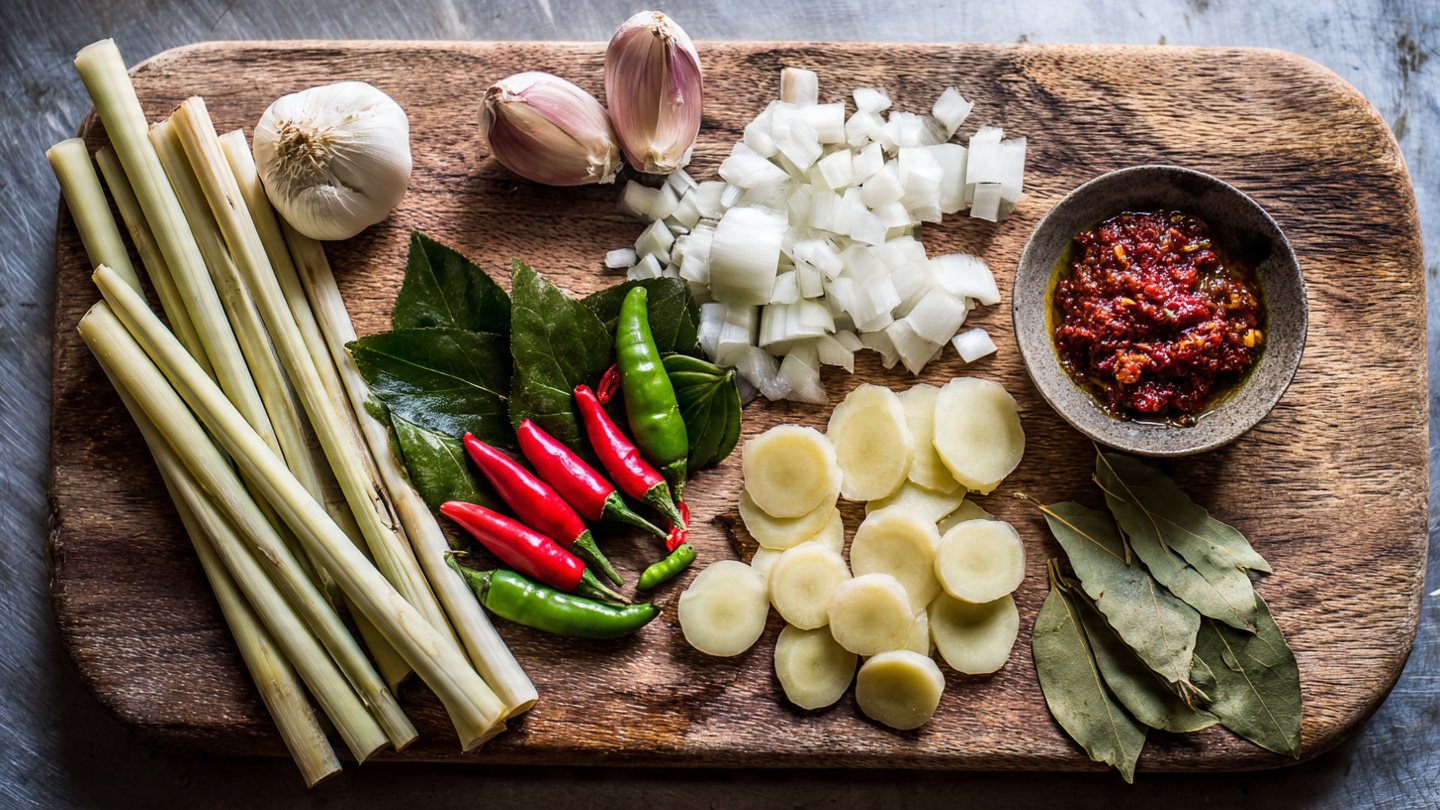
Consider texture contrasts for interest. Combine creamy (eggplant), crunchy (bell pepper), and leafy (Thai basil or spinach) elements so each bite feels balanced and satisfying.
Quick reference — common veg and prep:
- Bell peppers: seeded, sliced into strips
- Carrots: diagonal slices or matchsticks
- Eggplant: 2–3 cm cubes, soak briefly if bitter
- Broccoli/cauliflower: small florets, par-steamed
- Greens: add in the last 1–2 minutes
Recommended Products

💥 DELICIOUS AND AUTHENTIC: Cook delicious curry in minutes with Mekhala's BEST SELLING Red Curry Paste, made with dried red chilies. Smoky & savory. Heat levels match Thai standards! Choose yellow curry if you prefer a milder curry.

Authentic Red Thai Curry Sauce Kit: Blue Dragon 3 Step Thai Red Curry Kit helps you create a creamy curry with authentic thai flavors; Fry the red curry paste, stir in the rich coconut milk, then add your choice of chicken, shrimp, or vegetables along with the dried herbs to finish; Ready in just 15 minutes, this kit brings restaurant-quality thai red curry to your home with ease

Authentic Red Thai Curry Sauce Kit: Blue Dragon 3 Step Thai Red Curry Kit helps you create a creamy curry with authentic thai flavors; Fry the red curry paste, stir in the rich coconut milk, then add your choice of chicken, shrimp, or vegetables along with the dried herbs to finish; Ready in just 15 minutes, this kit brings restaurant-quality thai red curry to your home with ease


Vegetable Pairing Suggestions for Special Diets
Choose vegetables that keep texture and absorb Thai red curry flavors well, while matching your dietary goals. Focus on low-oxalate, high-fiber, or low-carb choices depending on whether you follow vegan or ketogenic guidelines.
Recommended Products

Bamboo Shoots are cut from young bamboo shoots, tender yet crisp in texture, and ivory in color

Perfect Texture - Only the best quality bamboo shoots are selected, sliced and boiled in water. The texture is crispy, with a hint of sweetness, and goes perfectly with stir-fried dishes

FRESH BAMBOO SHOOTS:choose the freshest mountain shoots at high altitude to ensure the taste of the finished product, and use multiple fine crafts to maintain the most natural taste of fresh bamboo shoots
Plant-Based and Vegan Options
Pick firm vegetables that won’t disintegrate in coconut milk and curry paste. Bell peppers, zucchini, eggplant, bamboo shoots, snap peas, and cauliflower all hold texture and soak up the sauce well.
Add leafy greens like bok choy or Thai basil near the end of cooking so they wilt but stay bright; they add aroma without thinning the curry.
For protein and mouthfeel, include cubed extra-firm tofu, tempeh, or roasted chickpeas. Toasted cashews or crushed peanuts add fat and crunch if you aren’t nut-restricted.
If you want more umami, stir in a tablespoon of tamari or a small amount of miso dissolved in warm broth; it boosts savory depth without animal products.
Tips:
- Chop vegetables into uniform sizes for even cooking.
- Add dense roots (carrots, sweet potato) earlier; quick-cook items (peas, baby corn) go in last.
- Reserve fresh herbs and lime juice to brighten the finished dish.
Low-Carb and Keto Choices
Select non-starchy vegetables that minimize carbs while keeping satisfaction. Broccoli, cauliflower, green beans, zucchini, bell peppers (moderate amount), and spinach work well and provide fiber.
Use mushrooms and bamboo shoots to increase volume without many carbs; they also lend texture similar to meat.
Keep higher-carb items like sweet potato, carrot, and peas out or use sparingly. Replace rice with cauliflower rice or shredded cabbage for serving to cut net carbs.
Increase healthy fats—coconut milk, a drizzle of sesame oil, or extra coconut cream—to maintain richness on a low-carb plan. Season with fish sauce or anchovy paste if you tolerate it for depth without added carbs.
Practical notes:
- Steam-dry cauliflower rice briefly to avoid sogginess under the curry.
- Sear vegetables in batches to preserve caramelization and reduce wateriness.
- Track portion sizes of bell pepper and carrot to stay within daily carb limits.