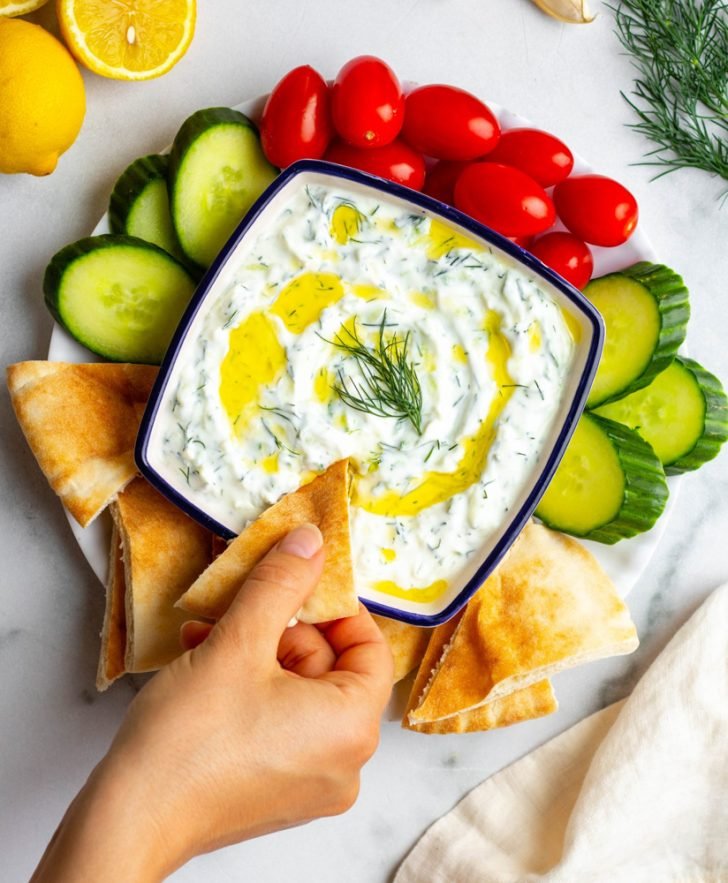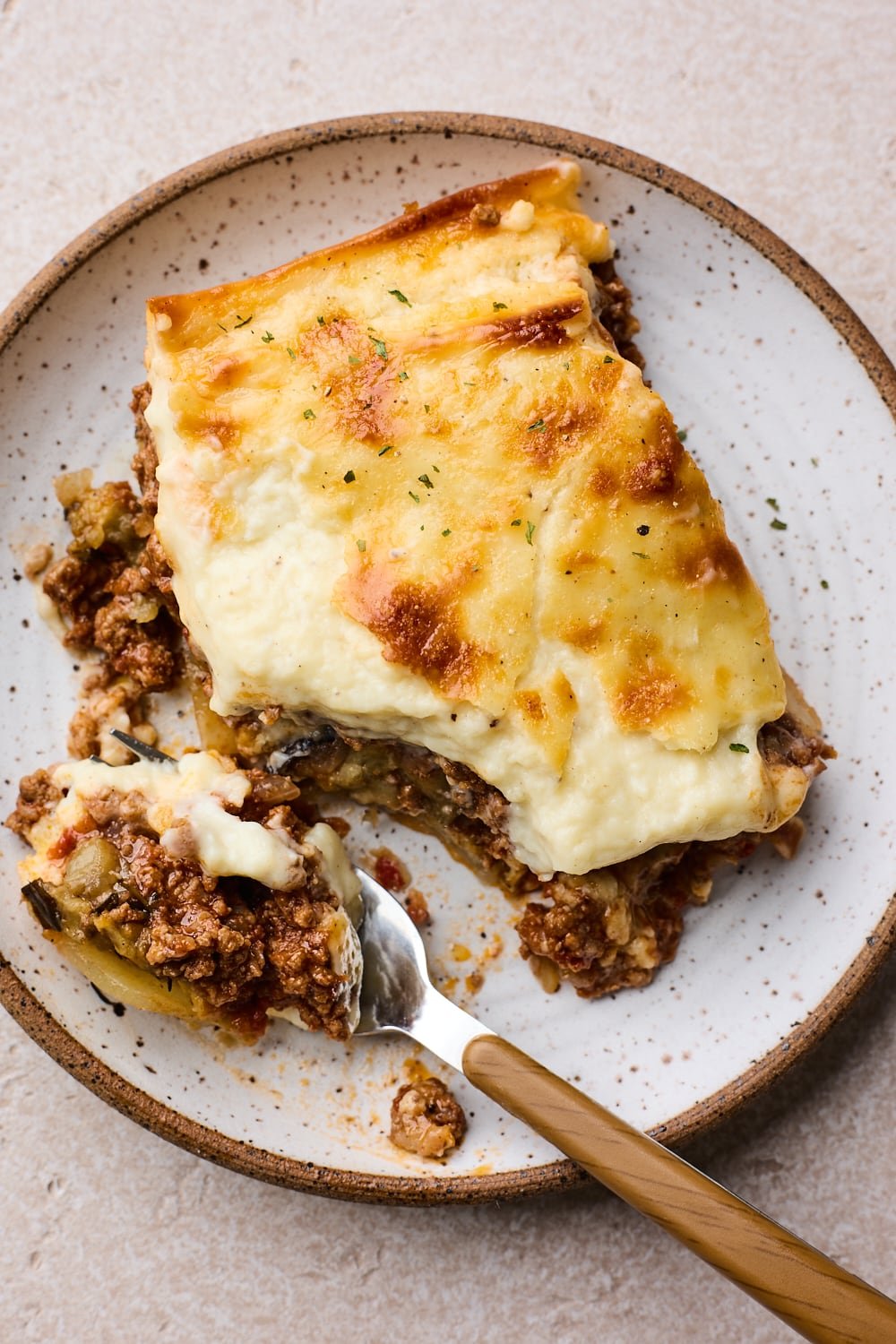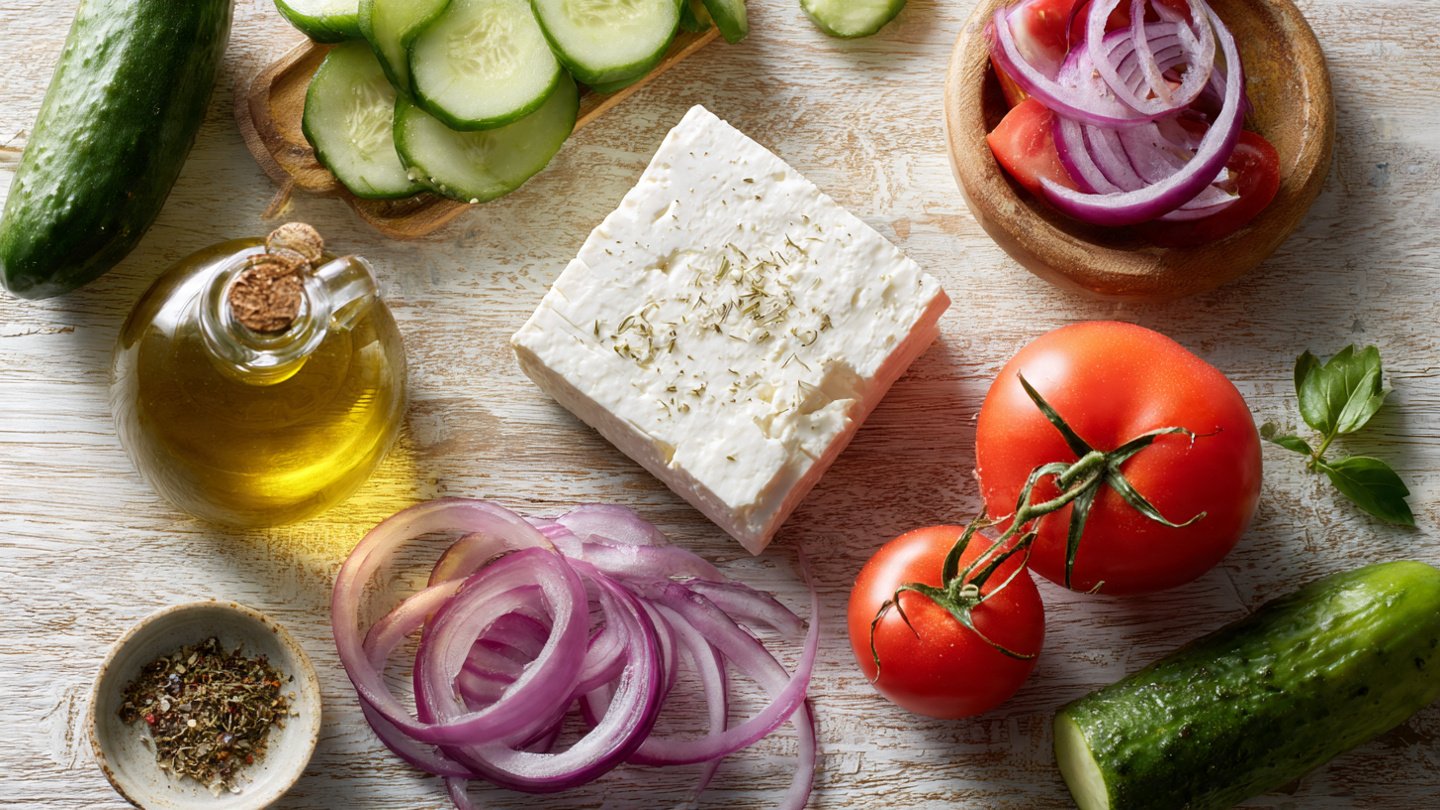


You’ll spot feta in salads, pies, gridded dishes, and small plates because it delivers a bright, salty tang and a crumbly, creamy texture that lifts simple ingredients. Feta’s long history in Greece, protected quality standards, and flexible flavor profile make it both a cultural staple and a practical choice for everyday cooking.
As you explore why feta appears so often, you’ll see how tradition, taste, and nutrition intersect: shepherding practices and Protected Designation of Origin rules preserve authenticity, while feta’s ability to balance acidity and salt lets it enhance vegetables, grains, and phyllo pastries alike. Expect the article to trace feta’s historical roots, explain its sensory strengths, and note its nutritional role so you can use it more deliberately in your own cooking.
The Historical Significance of Feta Cheese in Greek Cuisine

Feta’s history ties directly to Greek animal husbandry, preservation methods, and regional tastes. You’ll see how ancient practices, evolving recipes, and cultural meanings made feta a mainstay on Greek tables.
Recommended Products

The ultimate cheese for salads

Half the fat of traditional Athenos feta

Try some delicious crumbled feta on anything from a salad to a burger
Origins and Ancient Roots
Ancient Greeks made cheese from sheep and goat milk long before modern feta emerged. Homer mentions a type of fresh cheese and later Byzantine writings reference prosphatos, indicating a continuous tradition of preserved white cheeses that resemble today’s feta.
You should note practical reasons for feta’s rise: brining stretched milk supplies and preserved surplus through hot summers. Pastoral communities on islands like Crete favored sheep and goat herds, so their milk shaped local cheese styles that evolved into feta.
Archaeological and literary records place cheese-making in Greece among the earliest in Europe. Those early production methods—racking, salting, and aging in brine—laid the technical foundation for the crumbly, tangy cheese you see in Greek recipes now.
Evolution in Traditional Dishes
Feta moved from household preservation to a culinary ingredient as regional cuisines developed. You’ll find feta incorporated into salads (Greek salad), pies (spanakopita, tyropita), and baked dishes where its salty tang balances olive oil and herbs.
Recipe adaptation occurred locally. In coastal and island cuisine, feta paired with tomatoes, olives, and citrus; inland, it complemented bread, greens, and legumes. Its texture allowed crumbling over hot dishes without fully melting, giving layered mouthfeel that cooks exploit for contrast.
Commercialization and PDO designation in 2002 standardized production in specific Greek regions, reinforcing feta’s identity. That protection influenced how recipes used feta: cooks relied on consistent flavor and saltiness, refining proportions and preparation techniques in classic dishes.
Cultural Symbolism
Feta functions as a marker of Greek culinary identity you encounter at family meals and festivals. It represents pastoral heritage and links modern tables to centuries of rural life, especially on islands and mountainous areas where sheep and goat farming dominated.
You’ll see feta in communal dining patterns—shared plates, meze, and celebratory pies—where its robust flavor fosters social eating. Politically and economically, feta also symbolizes national tradition: Greece’s PDO status asserts origin and production methods, tying food culture to national pride.
Because feta appears across everyday and ceremonial dishes, it carries both practical and symbolic weight. Its presence signals continuity with ancestral foodways and reinforces the flavor profile that many people associate immediately with Greek cuisine.


Flavor, Texture, and Culinary Versatility
Feta brings a sharp, saline tang, a crumbly yet creamy mouthfeel, and a flexible profile that works cold or baked. These qualities let you use small amounts of cheese to transform salads, pastries, and grilled dishes without overpowering other ingredients.
Recommended Products

Origin: Greece

Origin: United States
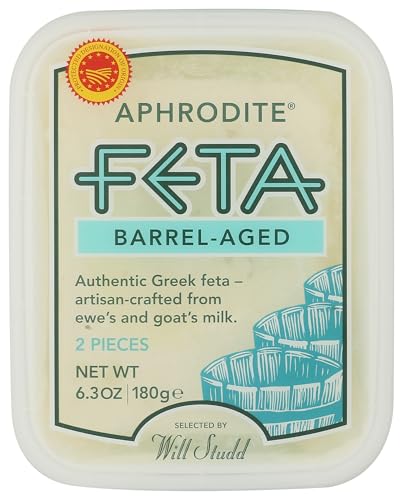
Remarkably smooth and tangy with rich, creamy mouthfeel and layered briny complexity.
Distinct Taste and Aroma
Feta’s flavor is bright, tangy, and distinctly briny from aging in a salted whey or brine. You’ll notice lactic acidity and sheep- or goat-milk richness; those notes cut through oily dressings and roasted vegetables, adding balance and lift.
The aroma is mild but savory, not strongly pungent like aged cow-milk cheeses. That restraint means feta adds personality without competing with herbs such as oregano or dill. When warmed, its creamier interior becomes more pronounced while the salty edge remains.
Pairing with Staple Ingredients
Feta pairs exceptionally well with olive oil, tomatoes, cucumbers, and whole-grain breads because its salt and acidity enhance sweetness and fat. Use crumbled feta to brighten roasted peppers, drizzle it with extra-virgin olive oil for dipping, or fold it into scrambled eggs for a savory lift.
It also complements citrus, olives, and garlic—ingredients common in Greek cooking—by providing contrast. For starches like potatoes or phyllo, feta adds moisture and a savory counterpoint that prevents dishes from feeling one-dimensional.
Role in Iconic Greek Salads
In a classic Greek salad, feta functions as both flavor anchor and textural contrast. You’ll find it crumbled or cut into slabs atop tomatoes, cucumbers, red onion, and peppers, where its saltiness balances the vegetables’ freshness.
Feta’s firmness helps it hold shape under vinaigrette and during tossing, while its creamier inner bits mingle with dressing to coat ingredients. That combination of structure and crumble makes it integral to the salad’s overall sensory experience.


Nutritional Benefits and Dietary Considerations
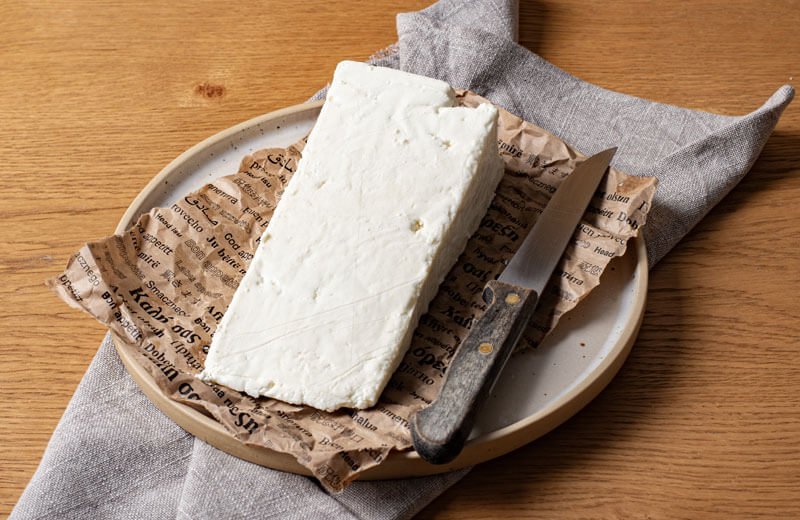
Feta delivers concentrated protein, calcium, and beneficial fats while also bringing strong flavor that lets you use less cheese per dish. It fits well into vegetable-forward dishes and regional dietary patterns, but you should watch sodium and portion size.
Recommended Products

Great topping for salads

One 4-ounce container of Organic Valley Organic Feta Cheese Crumbles

One 8.0 oz. tub of Athenos Traditional Feta Cheese Chunks
Rich Nutrient Profile
Feta provides a notable amount of protein and calcium in a small serving. A typical 1-ounce (28 g) portion supplies about 4–5 g of protein and roughly 100–140 mg of calcium, supporting muscle repair and bone health without a large calorie load compared with many hard cheeses.
Feta is higher in saturated fat than low‑fat dairy, but because its flavor is intense, you often use smaller quantities to achieve the same savory effect. It is also lower in lactose than many fresh cheeses, so people with mild lactose intolerance may tolerate it better.
Watch the sodium content. Brining gives feta its signature taste, and a small serving can contribute substantially to daily sodium limits. If you track sodium, choose reduced‑salt varieties or rinse brined feta briefly before use.
Suitability for Mediterranean Diet
Feta aligns with the Greek-style Mediterranean diet’s emphasis on vegetables, olive oil, legumes, whole grains, and moderate dairy. You can use modest amounts of feta to add protein and calcium to salads, cooked greens, and grain bowls without shifting a meal away from plant-forward principles.
Using feta in place of larger portions of higher‑fat cheeses helps maintain the diet’s balance of healthy fats (from olive oil and fish) alongside limited saturated fat from dairy. Traditional pairings—tomatoes, cucumbers, olives, and whole grains—support nutrient variety and antioxidant intake when you assemble meals.
If you follow a calorie‑ or sodium‑restricted plan, measure portions and favor fresh, unbrined preparations or lower‑sodium brands to keep dishes compatible with Mediterranean dietary goals.
Health Impacts Compared to Other Cheeses
Compared with many hard cheeses like cheddar or Parmesan, feta is generally lower in calories per gram and often contains less fat by volume. This makes it a practical choice when you want cheese flavor without as large an energy contribution.
Feta’s higher sodium from brining distinguishes it from some softer, unripened cheeses; that difference matters if you monitor blood pressure or cardiovascular risk. Choose lower‑sodium feta or reduce added salt elsewhere in the meal to compensate.
Regarding digestion, feta’s lower lactose and microbial profile from brining and aging can be easier on sensitive stomachs than fresh cheeses. If you have specific dietary restrictions—vegan, strict low‑sodium, or dairy‑free—feta won’t fit, so use appropriate substitutes like firm tofu or plant‑based cheeses formulated for lower sodium.