


When it comes to savoring authentic Greek souvlaki, one cannot overlook the fundamental role that herbs play in shaping its signature flavor. The question “Which herbs enhance the flavor of Greek souvlaki?” invites us into a world of aromatic possibilities that elevate this beloved street food into a culinary celebration. Herbs are not merely seasonings; they are the soul of the marinade, the subtle nuances that tie together the meat, the marinade, and the accompanying garnishes. Exploring the herbal landscape of Greek cuisine reveals a rich tradition of using fragrant plants that resonate with the Mediterranean’s bountiful flavors, inspiring both home cooks and seasoned chefs to craft their perfect souvlaki.
This article delves deeply into the herbs that bestow freshness, depth, and authenticity to Greek souvlaki, from classic staples to regional variations. It aims to answer the pointed question: “Which herbs enhance the flavor of Greek souvlaki?” by exploring their traditional roles, complementary combinations, optimal usage techniques, and regional influences that make each variation unique. Whether you prefer bold, aromatic herbs that punch through with intensity or subtle, nuanced flavors that highlight the quality of the meat, understanding the herbal palette is key to mastering Greek souvlaki. So, let’s uncover the herbs that truly elevate this quintessential Greek dish.
The Aromatic Foundation: Unveiling the Flavors of Greek Souvlaki
Greek souvlaki’s aromatic foundation begins with the use of herbs that impart brightness and balance to the marinated meat. Traditionally, the cornerstone herb used in authentic souvlaki is oregano. Its bold, slightly bitter, and earthy flavor is emblematic of Greek cuisine, acting as a natural enhancer that complements both pork and chicken. The aroma of dried oregano, in particular, evokes the sun-drenched Greek landscape, making it an essential ingredient that defines the dish’s signature scent and flavor profile.
Beyond oregano, the aromatic foundation can incorporate subtle hints of other herbs that deepen the flavor without overpowering the meat. Thyme and marjoram are often used in conjunction with oregano for their sweet, woody, and slightly minty notes, enhancing the complexity of the marinade. Fresh herbs like parsley and mint may be added just before serving to add a fresh, lively brightness, creating an inviting aroma that entices the senses. These herbs can be layered to build a balanced flavor profile that reflects the natural, Mediterranean essence of Greek souvlaki.
Recommended Products

Single-Origin from Mount Olympus, 1,000 m Above the Sea: hand-harvested by family farms on the slopes, then dried whole-leaf. The high elevation gives Greek oregano its strong essential-oil content

Oregano - Frontier Co-op Organic Fancy Grade Oregano offers a bright, aromatic flavor with a hint of earthiness. Hand-selected for its quality and flavor, it brings a fresh, bold taste to your dishes.

WILD GREEK OREGANO - Hand-harvested in the wild hills of Mount Olympus and air-dried naturally, for the deeper Mediterranean aroma that farmed oregano rarely matches


Traditional Herbs Essential for Authentic Souvlaki Taste
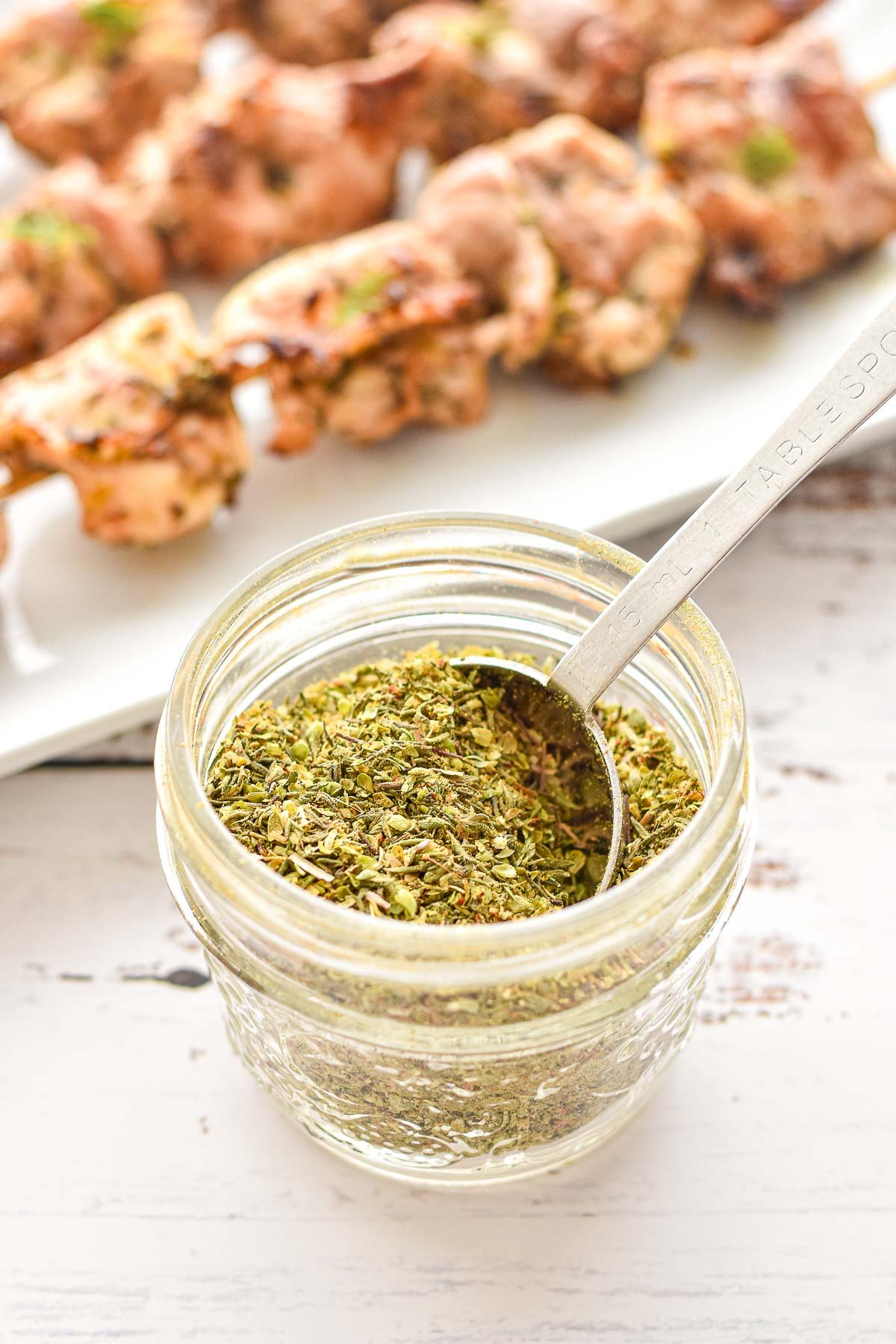
Authentic Greek souvlaki is characterized by its minimal yet impactful use of herbs, which serve to amplify the natural flavor of the grilled meat. Among the most essential herbs, oregano remains unrivaled—its pungent, savory flavor pervades every Mediterranean kitchen and is fundamental to Greek culinary identity. Dried oregano, with its robust fragrance, is typically incorporated into marinades, providing a deep, aromatic base that supports the smoky char of grilled meat.
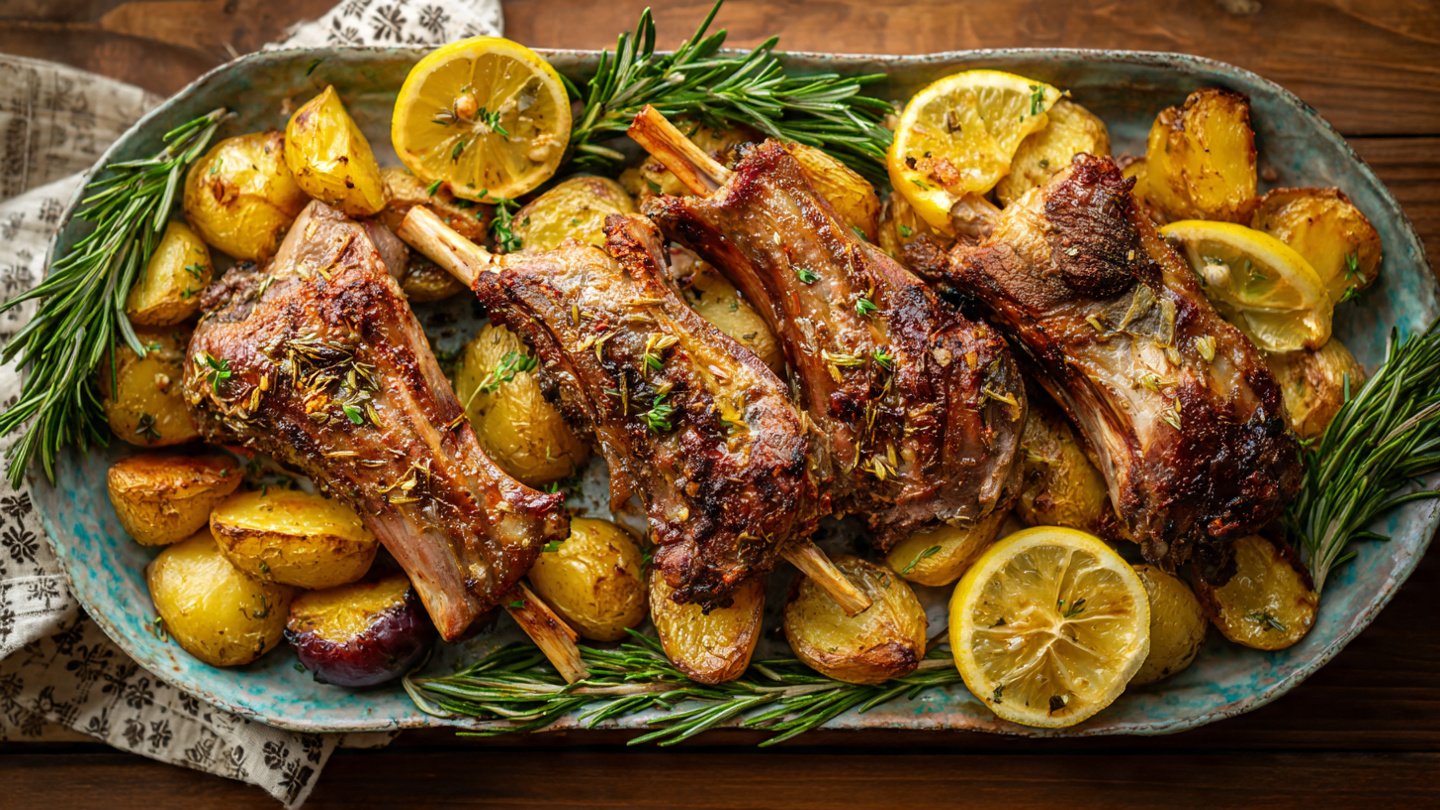
In addition to oregano, rosemary and thyme hold historical significance in Greek grilling traditions. Rosemary’s pine-like aroma pairs beautifully with lamb or pork, imparting a herby, resinous note that enhances the meat’s richness. Thyme, with its subtle earthy sweetness, balances the stronger herb notes without overshadowing the primary flavors. These herbs are often combined into marinades with lemon juice, garlic, and olive oil to produce that perfect harmony of acidity, herbaceousness, and savoriness that defines an authentic Greek souvlaki experience.
Recommended Products

LOWER SODIUM – Enjoy bold, authentic Greek herb taste with an incredible 79% less sodium than traditional blends. This makes it the ultimate, smart choice for heart-healthy cooking, DASH diets, and clean eating without sacrificing an ounce of flavor.

All-Natural and Gluten Free: This family recipe has been passed down for generations. It's the same seasoning we use in our restaurant, Pappa Gyros, named the No. 12 best place to eat in the U.S. by Yelp in 2019



Beyond Oregano: Exploring Complementary Herbs for Souvlaki
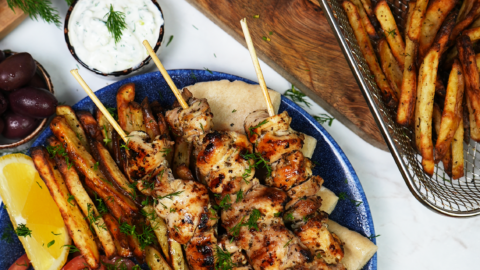
While oregano is the star of Greek herb profiles, exploring which herbs enhance the flavor of Greek souvlaki? extends beyond the traditional to include a variety of complementary and sometimes unexpected herbs. For example, dill offers a delicate, grassy tang that can brighten the marinade, especially when paired with lemon and garlic. Its subtle aroma doesn’t overpower but adds a fresh dimension that elevates grilled meats, especially chicken souvlaki.
Mint, often associated with Greek salads, can also be a delightful addition to souvlaki marinades—particularly when aiming for a more refreshing, herbaceous finish. Its cool, sweet flavor pairs well with the savory meat, creating a more multi-layered tasting experience. Additionally, bay leaves—used sparingly—can lend a subtle floral and fragrant underpinning to marinades that enhance the overall complexity. These herbs, used judiciously, broaden the traditional flavor palette and allow for creative variations aligned with regional tastes and personal preferences.
Recommended Products

MARJORAM LEAVES - a flavorful herb, which adds a minty warm flavor and aroma to many dishes from soups to pasta and meat.. PREMIUM THYME LEAVES - multipurpose herb used for...


Fresh vs. Dried: Optimizing Herb Use in Souvlaki Marinades
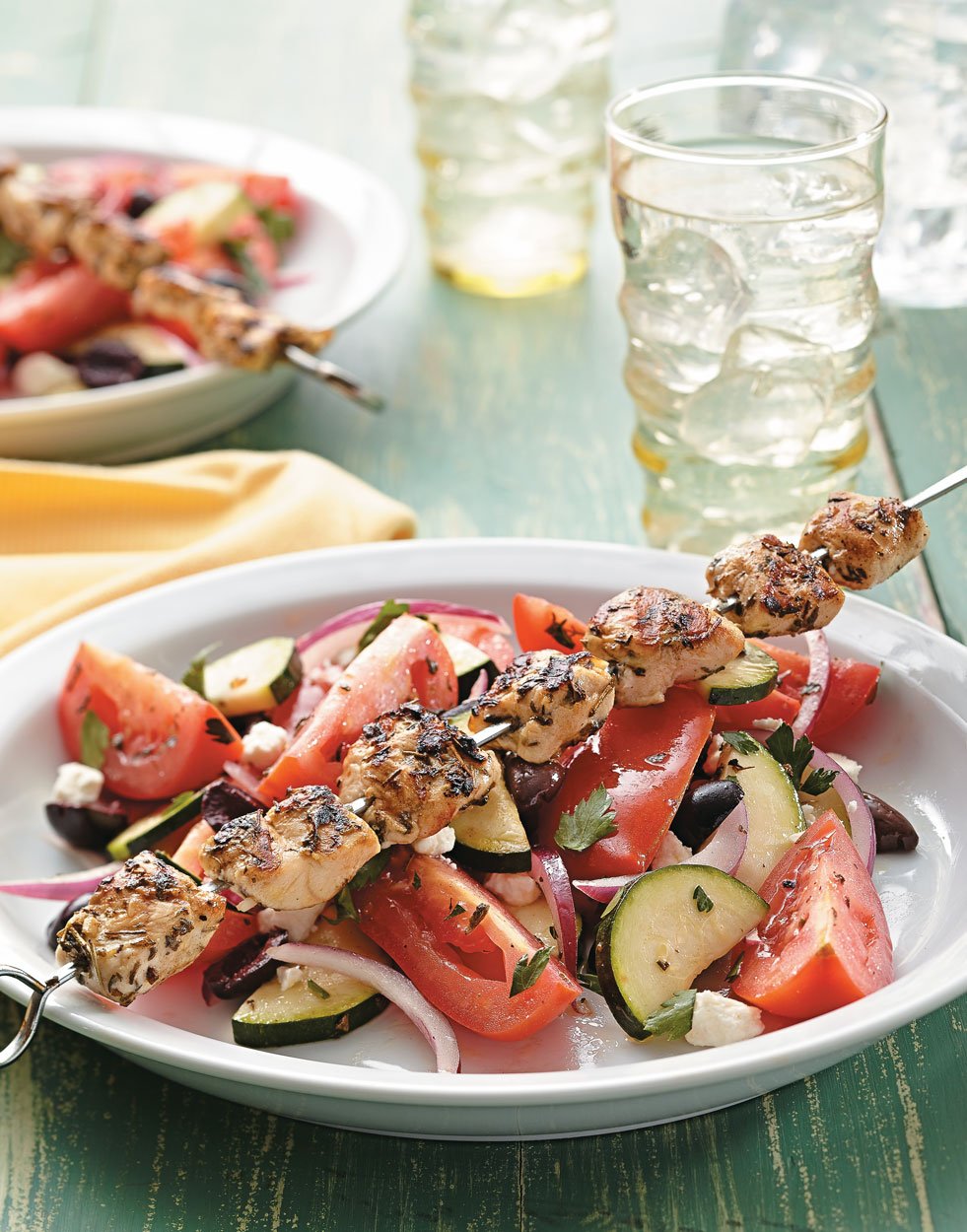
Deciding whether to use fresh or dried herbs is a crucial consideration when trying to enhance Greek souvlaki. Dried herbs, especially oregano and thyme, are more concentrated and offer a more intense shelf-stable flavor, making them ideal for marinades that require long infusion times. They release their aromatic oils slowly, resulting in a robust flavor that persists through grilling. On the other hand, fresh herbs like parsley, mint, and dill provide a bright, lively aroma and a clean, crisp taste that can really elevate the final dish when added at the right moment—typically just before serving or after grilling.
Optimizing herb use involves understanding the role and timing of each. For marinades that need to penetrate deeply into the meat, dried herbs are often preferable due to their concentrated flavor. Conversely, for finishing touches or garnishing, fresh herbs impart a desirable freshness that can make the dish feel lighter and more vibrant. Combining both fresh and dried herbs in complementary fashion can create a layered flavor profile that maintains balance and authenticity.
Recommended Products

Dried Parsley Flakes: Clean, crisp flakes made from premium parsley leaves—adds mild, fresh flavor and vibrant green color to dishes.

Parsley - Bright, clean, and vibrant in flavor, our organic parsley is carefully dried to preserve its color and aroma for fresh-from-the-garden taste.
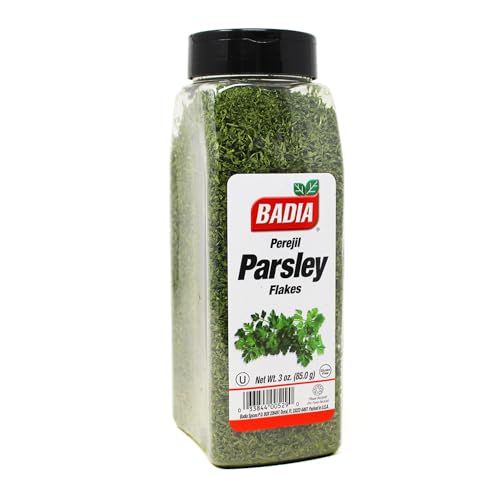
Carefully dried and packed to preserve freshness, aroma, and vibrant green color for an authentic taste in every dish
Regional Variations: Differences in Herb Usage Across Greece
Greek cuisine is incredibly diverse, and regional variations influence which herbs enhance the flavor of Greek souvlaki. In mainland Greece, particularly in the Peloponnese and central regions, oregano and thyme dominate the herb landscape, reflecting the herbs’ hardiness and local cultivation. Souvalki here tends to lean toward bold, herbaceous flavors that pair well with hearty meats like lamb and pork. Coastal regions, like Crete and the Aegean islands, often incorporate more herbs like dill and bay leaves, emphasizing lighter, aromatic profiles suited for seafood and chicken options.
In northern Greece, herbs like sage and savory are more prevalent, adding depth and earthiness to grilled meats. Meanwhile, in areas with a history of Ottoman influence, such as Thessaly, mint and coriander may be more commonly used, offering a different aromatic signature. Understanding these regional differences reveals how local climates, agricultural practices, and cultural exchanges shape the herbal choices for souvlaki, giving each version a distinct taste personality.
Recommended Products
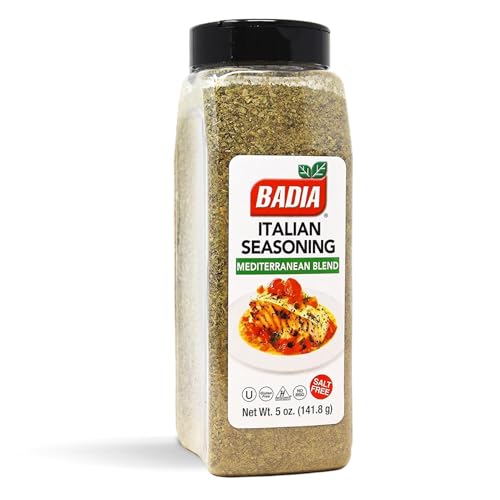
Authentic Mediterranean Herb Blend – Badia Italian Seasoning combines aromatic herbs like oregano, basil, thyme, rosemary, and marjoram – delivering a balanced, savory profile that brings traditional Italian flavor to your favorite dishes

𝐀𝐔𝐓𝐇𝐄𝐍𝐓𝐈𝐂 𝐆𝐑𝐄𝐄𝐊 𝐅𝐋𝐀𝐕𝐎𝐑: Traditional Mediterranean seasoning blend brings the bold, savory taste of Greece to your kitchen with a premium mix of herbs and spices

Unlike other spices and seasonings, NEVER TOO SALTY with our LOWER SALT CONTENT.


Expert Tips: Enhancing Souvlaki Flavor with the Right Herbs
Mastering which herbs enhance the flavor of Greek souvlaki involves more than just ingredient selection; it’s about technique and balance. An expert tip is to marinate the meat with a combination of dried oregano and fresh herbs like parsley or mint, allowing the flavors to meld for at least a few hours—preferably overnight—to optimize infusion. Additionally, adding herbs like rosemary, bay leaves, or thyme during the grilling process can impart aromatic smoke notes that elevate the dish to new heights.
Another valuable tip is to adjust herb quantities based on the meat’s richness and the desired intensity. For a robust, aromatic profile, pack the marinade with herbs and allow ample marination time. For a lighter, fresher flavor, keep the distinction between fresh herbs added at the end and dried herbs in the marinade. Remember that the herbs’ purpose is to enhance, not overpower, so balancing their flavors with acidity from lemon or vinegar and richness from olive oil often creates a more harmonious and authentic Greek souvlaki.
Recommended Products

Mild, sweet and slightly minty flavor, popular in Mediterranean and Italian cuisines

Authentic Greek Flavor: Premium dried oregano leaves with an earthy, aromatic, and slightly peppery taste.

*0.65-ounces of Happy Belly Mediterranean Oregano *An Amazon Brand


Conclusion
In exploring which herbs enhance the flavor of Greek souvlaki, it becomes clear that herbs are pivotal in defining its authentic character. Classic herbs such as oregano, thyme, rosemary, and parsley serve as the foundation, anchoring the dish in its Mediterranean roots, while herbs like dill, mint, bay leaves, and even coriander add regional and personalized nuances that make each variation unique. Correct herb selection, combined with proper timing—whether fresh or dried—can significantly influence the depth and brightness of the flavor profile. Recognizing regional differences broadens culinary horizons, allowing cooks to tailor their souvlaki to regional tastes or personal preferences. Ultimately, mastering the art of herb use transforms simple grilled meat into a fragrant, flavorful culinary experience that captures the essence of Greek gastronomic tradition.
Recommended Products

𝐀𝐔𝐓𝐇𝐄𝐍𝐓𝐈𝐂 𝐆𝐑𝐄𝐄𝐊 𝐅𝐋𝐀𝐕𝐎𝐑: Traditional Mediterranean seasoning blend brings the bold, savory taste of Greece to your kitchen with a premium mix of herbs and spices

𝐀𝐔𝐓𝐇𝐄𝐍𝐓𝐈𝐂 𝐆𝐑𝐄𝐄𝐊 𝐅𝐋𝐀𝐕𝐎𝐑: Traditional Mediterranean seasoning blend brings the bold, savory taste of Greece to your kitchen with a premium mix of herbs and spices

☀️ AUTHENTIC MEDITERRANEAN SEASONING CHICKEN GYRO RECIPE - Create a marinade using Kibbeh seasoning, olive oil, garlic, and lemon juice for marinating chicken before grilling or roasting. This family recipe has been passed down for generations