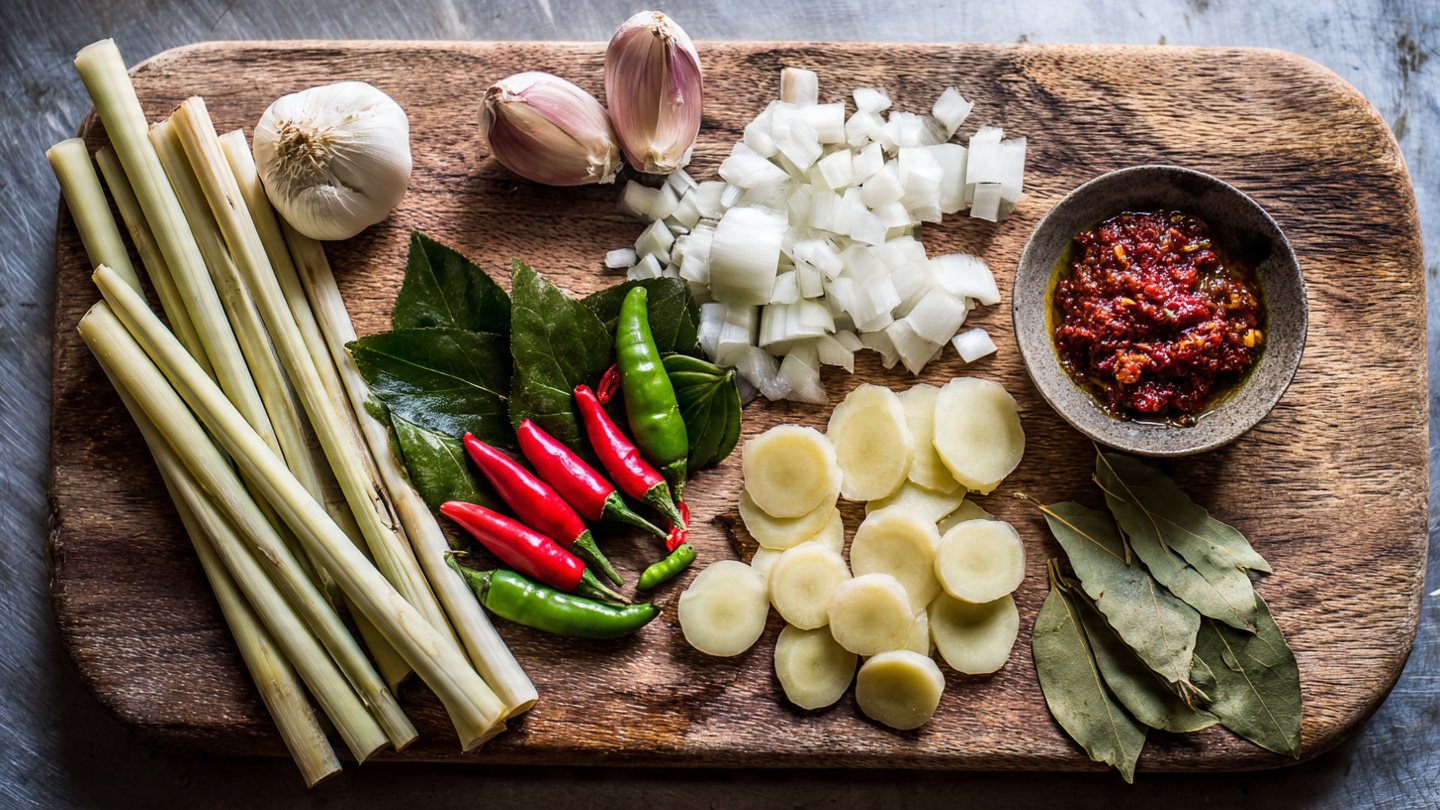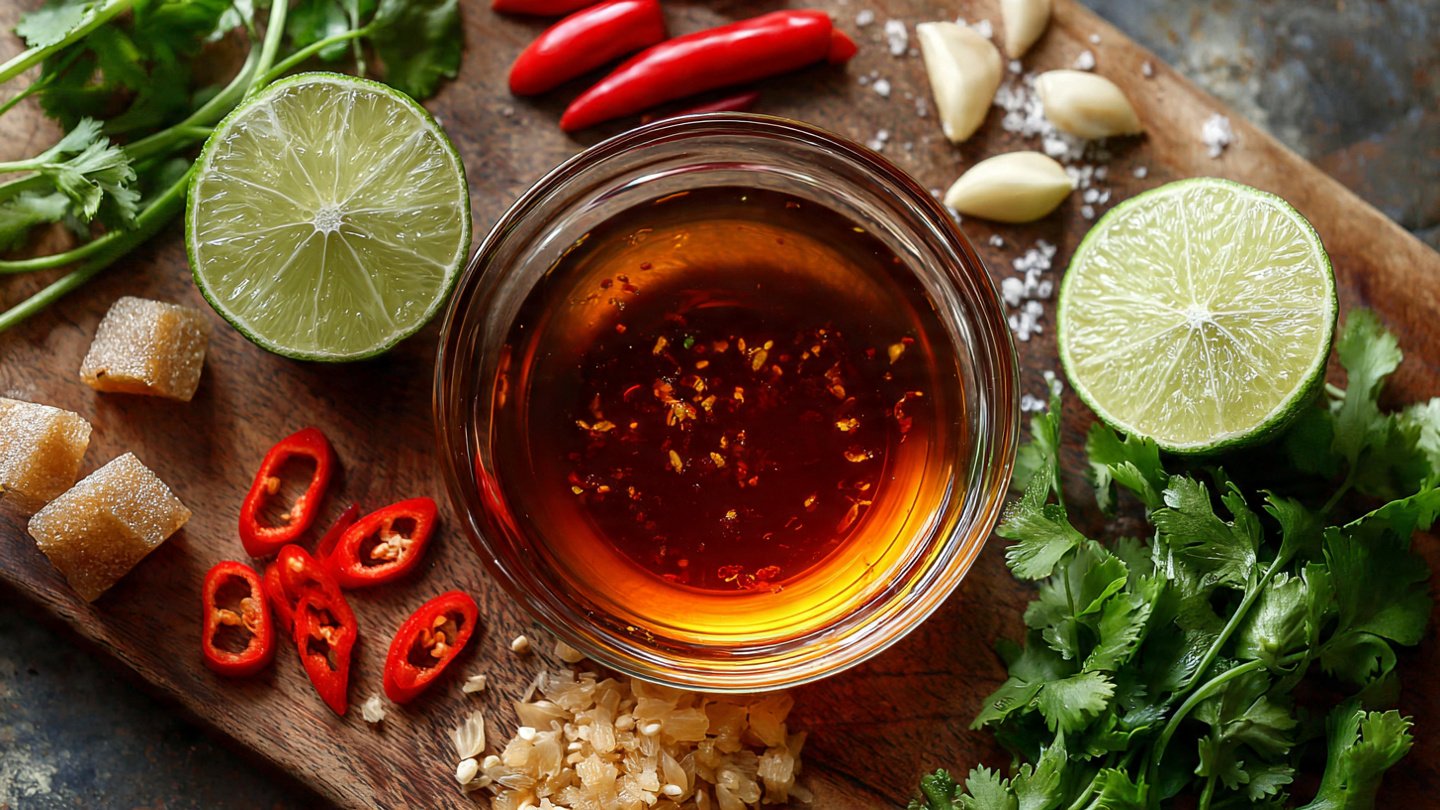

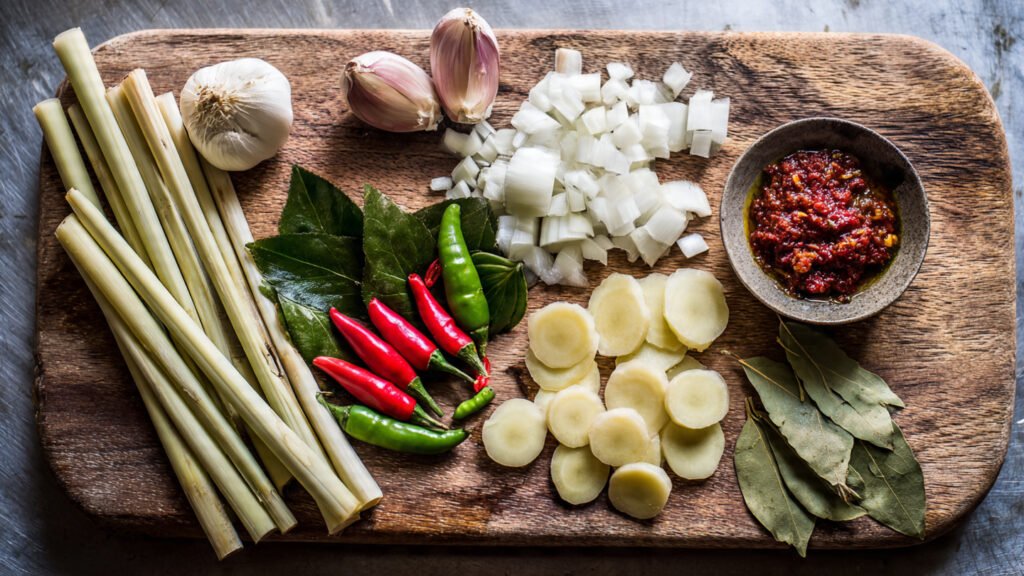


You’ll find Tom Yum’s heat and complexity come from a small, specific set of ingredients that work together: fresh Thai bird’s eye chilies for sharp heat, galangal and lemongrass for bright, spicy-aromatic notes, kaffir lime leaves for citrusy depth, and fish sauce plus lime juice to round out umami and sourness. These spices and aromatics—chilies, galangal, lemongrass, kaffir lime leaves, fish sauce, and lime—create the signature spicy, sour, salty, and umami balance that defines Tom Yum.
If you want to control heat without losing character, focus on chili type and quantity, add aromatics early to build fragrance, and adjust fish sauce and lime last to balance flavor. The article will break down essential spices, heat sources, supporting seasonings, traditional aromatics, regional differences, and practical tips so you can tailor Tom Yum to your taste.
Essential Spices for Thai Tom Yum Soup

These three aromatics form the backbone of tom yum’s bright, savory profile. Each contributes a distinct flavor: citrusy stalks, peppery root, and fragrant lime leaves—use them fresh when possible and adjust amounts to taste.
Recommended Products

TRADITIONAL THAI RED CHILI PEPPERS – These premium, high-quality Thai peppers provide a bold, hot flavor that blends in seamlessly with a wide range of dishes so you can create memorable meals your friends and family will never forget.

Unpretentious Baker Bird's Eye Chile Pepper Powder in a convenient shaker jar

Unpretentious Baker Bird's Eye Chile
Lemongrass
Lemongrass gives a clean, lemony backbone that brightens the broth without adding actual citrus juice. Use the lower pale stalks: bruise or smash 2–3 stalks and slice into 2-inch pieces so they release oils while simmering.
If you have a blender, finely chop the tender inner stalk and strain the broth for more immediate flavor; otherwise simmer whole pieces and remove before serving.
Dried or powdered lemongrass can work in a pinch but needs higher quantity and won’t provide the same fresh, grassy top note. Aim for a balance: too much makes the soup bitter; too little leaves the broth flat.
Galangal
Galangal (kha) offers a sharp, peppery warmth with a floral, almost pine-like edge that differentiates tom yum from other sour soups. Slice 4–6 thin discs of fresh galangal and simmer gently for 10–15 minutes to extract flavor without clouding the broth.
Avoid substituting ginger unless you accept a different profile—ginger is sweeter and more pungent.
If fresh galangal is unavailable, use frozen slices first; powdered galangal can be used sparingly but tends toward woody bitterness, so start with half the fresh amount and taste as you go.
Kaffir Lime Leaves
Kaffir lime leaves add intense citrus aroma rather than sourness; they smell like concentrated lime peel and lift the entire bowl. Tear or bruise 6–8 leaves to release the essential oils before adding to the pot, and remove the leaves before serving if you prefer a smooth sip.
Frozen leaves retain more character than dried, which loses much of its volatile oils.
Use whole leaves for simmering and finely shred a small amount at the end for a bright finish; a little goes a long way.


Ingredients That Add Heat

These ingredients deliver the primary heat in tom yum while also contributing aroma and mouthfeel. They let you control the soup’s intensity and character, from sharp, fast heat to deeper, rounded spice.
Recommended Products
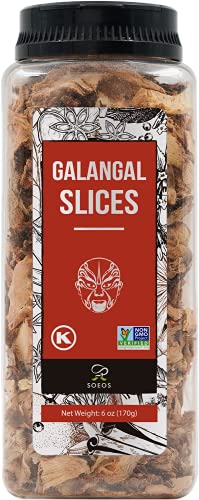
RICH AROMA AND FLAVOR: Galangal root is an aromatic, flavourful alternative to ginger in a range of recipes. Warming and tasty, a small amount of this root will go a long way in your favourite Tom Yum and Tom Kha Soups.

1 oz. Fresh Kaffir Lime Leaves

RICH AROMA AND FLAVOR: Galangal root is an aromatic, flavourful alternative to ginger in a range of recipes. Warming and tasty, a small amount of this root will go a long way in your favorite Tom Yum and Tom Kha Soups.
Bird’s Eye Chili
Bird’s eye chilies (prik kee noo) provide the classic, immediate heat in tom yum. Use 3–8 whole chilies for a medium bowl; slice or crush them to ramp up heat quickly. The fresh chilies also add a bright, vegetal note that cuts through the soup’s sourness.
Adjust by quantity and preparation: keep them whole for gentle infusion, slice them for a sharper, faster burn, or pound them slightly to release seeds and oils. If you want heat without too much bite, remove seeds and white pith before slicing. For garnish, finely chop one chili to add a fresh, spicy finish to each serving.
Chili Paste
Thai chili paste (nam prik pao) contributes smoky-sweet depth and a darker, lingering heat. A tablespoon or two melted into the broth adds umami from roasted chilies and often caramelized shallots or shrimp paste, which enriches the soup’s savory profile.
Different brands vary in salt and sweetness, so taste as you go. Homemade paste allows you to control sugar and shrimp-paste levels; store-bought jars give convenience and consistency. Dissolve the paste into simmering stock so its oils emulsify with the broth for a rounded, integrated heat.

Supporting Spices for Enhanced Flavor
Shallots and garlic deepen Tom Yum’s savory backbone and round out the bright aromatics. Use them to build umami, body, and a gentle sweetness that lets the lemongrass, galangal, and chilies shine.
Recommended Products

Dried Lemongrass Can be added to soups, curries, sauces and stir-fries, or made into a delicious medicinal tea which aids digestion.

6 stalks of medium size fresh lemon grass

About Our Herb: A tropical staple, this culinary and medicinal herb is widely used globally. Dried lemongrass enhances soups, curries, sauces, and stir-fries, or brew it into a digestion-aiding tea
Shallots
Shallots add a soft, oniony sweetness that balances Tom Yum’s sour and spicy elements. Slice or thinly chop them and briefly sauté in a little oil at the start to release sugars; this step tames raw sharpness without losing fragrance.
You can also bruise whole shallot halves and simmer them in the broth for a subtler, mellow note that dissolves into the soup.
Practical tips:
- Use 1–2 small shallots per liter of broth for a noticeable but not dominant presence.
- Sauté over medium heat for 1–2 minutes until translucent, or simmer 5–10 minutes if left whole.
- Remove larger pieces before serving if you want smooth texture without bites of shallot.
Garlic
Garlic contributes savory depth and a slight pungency that complements fish sauce and shrimp. Mince or lightly crush cloves to maximize aroma; add early to the pot so the garlic flavors integrate rather than sit on top.
Avoid browning garlic heavily—Tom Yum benefits from a clean, aromatic garlic note rather than a roasted flavor.
Practical tips:
- Use 2–3 cloves per liter of broth, adjusted to your spice tolerance.
- Add with shallots at the beginning and sweat for 30–60 seconds before adding liquids.
- For a milder garlic presence, bruise cloves and simmer whole, removing them before serving.


Traditional Aromatics and Seasonings
These ingredients provide the savory backbone and bright acidity that define Tom Yum’s balance. Use measured amounts and taste as you go to achieve the soup’s characteristic interplay of salty, sour, and umami.
Recommended Products

�🍃� Prepare Authentic Recipes: With a fresh spiced-citrus flavor, our aromatic kaffir tree leaves are perfect for seasoning food, ideal for your Tom Yum, Tom Kha Gai, chicken fry, green curry, salads, and soups.

🌱 THE ONLY BRAND AVAILABLE FROM THAILAND ::: Incas Organic Kaffir Lime Leaves Are Grown & Dried in Thailand, Used For Original & Authentic Tasting Thai Food & The Ultimate Thai Culinary Experience [Please Note Packaging May Vary]

Fish Sauce
Fish sauce delivers the primary umami and salinity in Tom Yum. Add it gradually—start with 1–2 teaspoons for a medium pot (about 4 cups/1 L) and increase to taste. High-quality Nam Pla or Thai fish sauce made from fermented anchovies gives a clean, savory depth without overt fishiness when properly balanced.
Salt substitutes like soy sauce will change the flavor profile; avoid them if you want a classic result. If you make a shrimp stock from heads, reduce added fish sauce slightly, since the stock already contributes considerable savory weight.
Always add most of the fish sauce toward the end of cooking and adjust after you finish with lime juice. That prevents over-salting and lets you calibrate the final balance between salty and sour.
Lime Juice
Fresh lime juice provides the sharp, bright acidity that distinguishes Tom Yum from other broths. Use Thai (makrut) or regular key limes; juice 1–2 limes per 4-cup pot, then taste and add more in small increments.
Add most lime juice at the end of cooking and a little more after removing the pot from heat to preserve volatile aromatics. Bottled lime or lemon juice lacks the fresh fragrance and will yield a flatter finish.
If you prefer less acidity, reduce lime by 25% and compensate with a small pinch of sugar to keep the soup balanced. For an authentic aroma, include torn kaffir lime leaves in the broth while simmering and remove them before serving.


Balancing Flavors in Tom Yum Soup
Tom Yum depends on precise contrasts: bright acidity, savory salt, herbal aromatics, and a touch of sweetness to tame heat. You control the soup’s character by adjusting small, specific amounts of sugar and fresh herbs.
Recommended Products
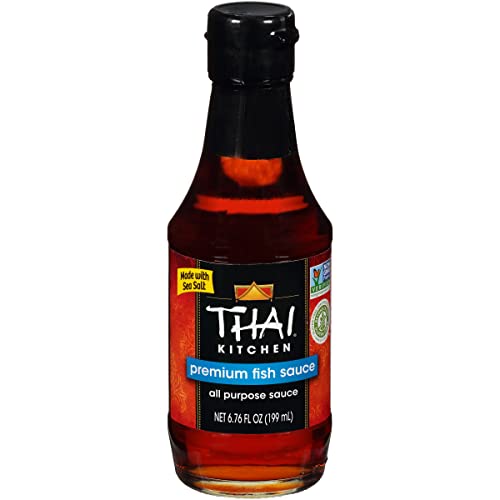
Premium Fish Sauce carefully crafted from the pressing of salted anchovies


Sugar
Sugar moderates the soup’s sour and spicy edges without making it noticeably sweet. Use palm sugar when you can; it dissolves cleanly and adds a slight caramel note that complements lemongrass and galangal. Start with 1/2 to 1 teaspoon per liter of broth, taste, then increase in 1/4-teaspoon increments.
If you lack palm sugar, use light brown sugar rather than white. Brown sugar gives the same balancing effect with a hint of molasses that matches the soup’s savory depth. Add sugar near the end of cooking so it integrates quickly and you can judge the final balance against lime juice and fish sauce.
Cilantro
Cilantro introduces fresh, citrusy top notes that lift the broth and contrast the soup’s richer ingredients. Use leaves and tender stems; the stems carry a lot of aroma and tolerate gentle simmering better than leaves alone. Chop stems finely and add them during the last 2–3 minutes of cooking.
For garnish, scatter whole leaves just before serving to preserve their bright flavor. If you dislike cilantro’s pungency, replace half with Thai basil for sweet-anise notes, or use finely sliced spring onion to keep a fresh green lift without the cilantro taste.


Regional Variations in Spice Usage
You’ll find Tom Yum’s core aromatics—lemongrass, kaffir lime leaves, galangal, and chiles—across Thailand, but regions emphasize different elements to shape heat and depth. Central Thailand often balances bright sourness with moderate heat, keeping the broth clear and aromatic.
In the north and northeast, you may notice a sharper, earthier heat. Chefs in these areas sometimes add more bird’s eye chiles and fermented ingredients, which increase pungency and umami without masking herbaceous notes.
Southern Thai versions typically turn up the heat and richness. You’ll see heavier use of fresh chilies and sometimes coconut milk; the result is spicier, bolder, and often oilier on the palate.
Coastal and island variants focus on seafood and freshness. Here you’ll encounter lighter broths with bursts of chile heat and intense citrus from added lime juice or extra kaffir, so the spice accentuates rather than overwhelms seafood flavors.
Common regional shifts at a glance:
- Central: balanced heat, clear broth, aromatic clarity.
- North/Northeast: earthier, fiercer heat, occasional fermented notes.
- South: higher chili content, richer texture (coconut milk sometimes used).
- Coastal/island: bright citrus, chile for accent, seafood-forward.
You can adapt these profiles to your taste by varying the type and amount of chilies, adjusting coconut milk, or emphasizing kaffir and galangal for fragrance.
Recommended Products

GranAroma Bird's Eye Chile Powder

Olive & Vine Bird's Eye Chile Powder comes in a reusable shaker jar, useful for garnishing any meal

SPICY HEIRLOOM PEPPERS – Hot Thai chili pepper seeds for planting, these hot red chilis deliver 50K–100K SHU Bird’s Eye peppers for Asian cooking, pickling, or drying


Tips for Adjusting Spice Levels
Start small and build intensity. Add chopped bird’s eye chilies or a teaspoon of chili paste in increments, taste after each addition, and stop when the heat matches your preference.
Use whole aromatics to control heat without losing flavor. Bruised lemongrass, smashed galangal, and kaffir lime leaves add brightness that balances capsaicin, so you can reduce chilies but keep the soup lively.
Temporarily mute heat by adding fat or sweetness. A splash of coconut milk, a drizzle of fish sauce, or a pinch of palm sugar will soften sharp chili heat while preserving umami.
Use the seeds and membranes selectively. Removing seeds from fresh chilies lowers heat substantially; include a few seeds back if you need extra kick later.
Keep spice sources separate when serving. Offer sliced fresh chilies, chili flakes, and chili paste at the table so each person customizes their bowl without altering the communal pot.
Control timing for different effects. Add dried chili flakes early for a deeper, rounded heat; add fresh chilies or chili paste near the end for a brighter, more immediate punch.
If heat overwhelms, rescue with acid and starch. Lime juice brightens and redirects the palate, while steamed rice or a plain cracker will absorb excess spice until you rebalance the broth.
Recommended Products

THE FRESHER, THE MORE FLAVOR when it comes to dried galangal: unlike others' on the market (that stay on a shelf for unspecified amount of time), we disclose our manufacturing and best-before dates. Imported directly from Thailand in a smaller quantity to ensure you get the freshest product (generally within 6 months from manufacturing date).

8 oz. Fresh Galangal

RICH AROMA AND FLAVOR: Galangal root is an aromatic, flavourful alternative to ginger in a range of recipes. Warming and tasty, a small amount of this root will go a long way in your favourite Tom Yum and Tom Kha Soups.