


You want your Thai dishes to sing with depth, not just salt, and fish sauce delivers that savory backbone. Fish sauce provides concentrated umami—fermented fish and salt create complex savory compounds that deepen curries, stir-fries, and sauces without overpowering other ingredients.
As you keep cooking, this post will explain how fish sauce builds balance in Thai recipes, what gives it that unique flavor, how it compares to other umami sources, and practical swaps for dietary needs. Expect clear tips on choosing and storing fish sauce so your next meal hits the same authentic notes you taste in Thai kitchens.
The Role of Fish Sauce in Thai Recipes

Fish sauce supplies concentrated saltiness and umami while balancing sweet, sour, bitter, and spicy elements. It functions as both a seasoning and a background flavor builder that you’ll find across soups, stir-fries, salads, and dipping sauces.
Recommended Products
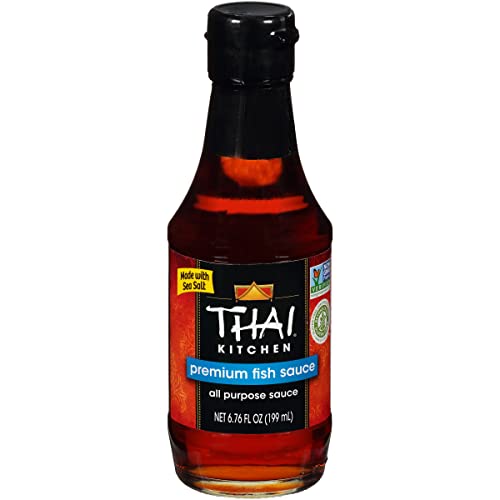
Premium Fish Sauce carefully crafted from the pressing of salted anchovies

Lucky Brand Thai Fish Sauce 23 Fl. oz.

JUST TWO INGREDIENTS: We use only sea salt and black anchovies caught off of the crystal clear waters of Vietnam’s Phú Quốc archipelago
Traditional Uses in Everyday Cooking
You’ll find fish sauce used as the primary salty seasoning in many home kitchens. Cooks add it during cooking for depth—stirred into broths like tom yum, sautéed with garlic and chilies for simple stir-fries, or mixed into dressings for som tam (green papaya salad).
Its fermentation-derived glutamates create long-lasting savory notes that salt alone can’t provide. A splash finishes dishes, enhancing other ingredients without making a fishy taste when used in proper amounts. Store-bought nam pla varies in intensity, so you’ll learn to adjust quantities by tasting as you cook.
Regional Differences in Usage
Northern, Northeastern (Isan), Central, and Southern Thai cuisines each treat fish sauce differently. In Central Thai cooking you’ll use it widely for balance—soups, curries, and noodle dishes rely on it. In Isan cuisine it often shares seasoning duties with shrimp paste and toasted chilies, giving dishes a sharper, earthier edge.
Southern Thai food frequently combines fish sauce with coconut and turmeric, while northern recipes sometimes favor salt or fermented soy for preservation and milder seafood notes. You should note that ingredient availability and local palate shape how strongly fish sauce features in a regional recipe.
Key Dishes That Highlight Fish Sauce
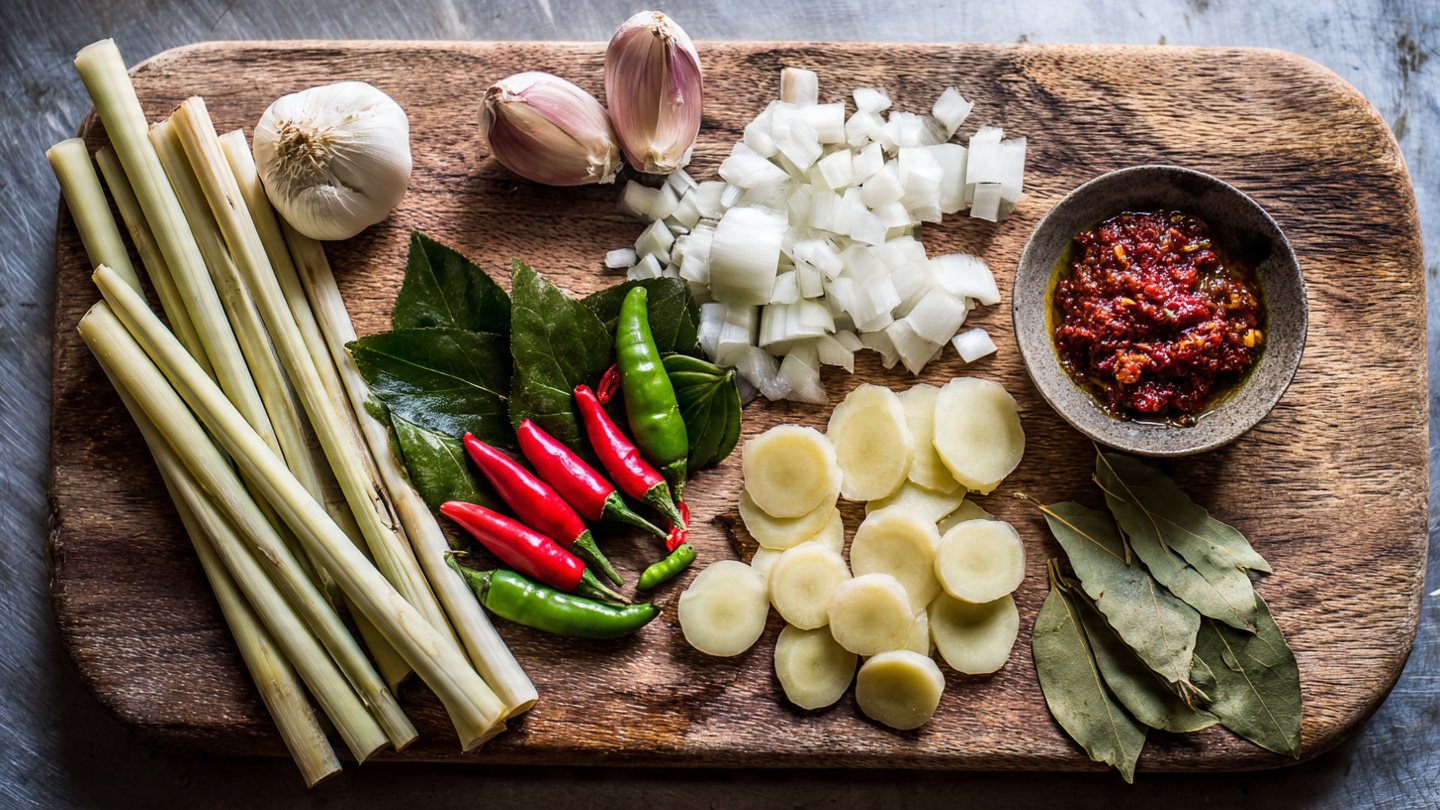
Tom yum and tom kha soups depend on fish sauce to provide the salty-umami base that supports lemongrass, galangal, and lime. You’ll taste a rounded savoriness rather than a direct fish flavor.
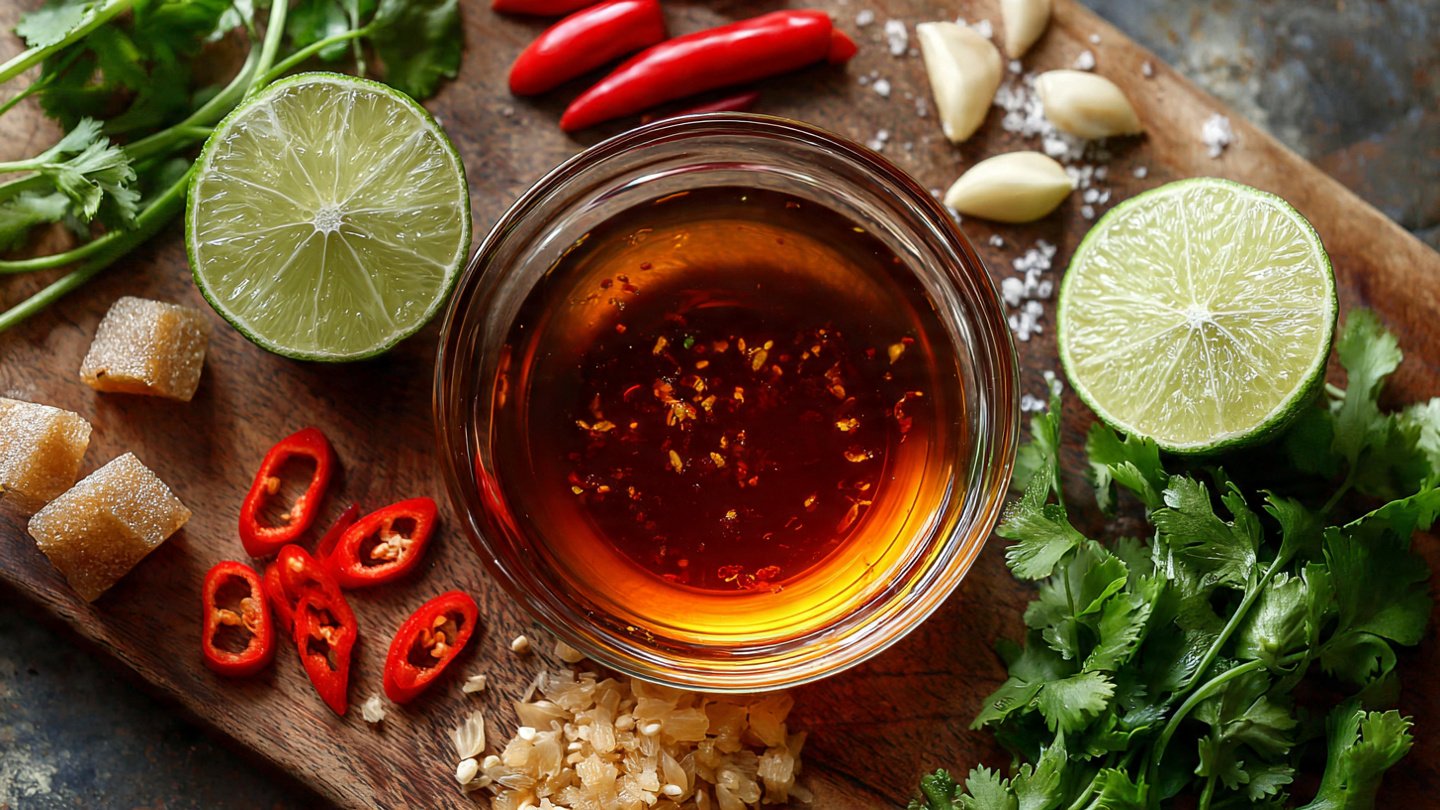
Pad kra pao (stir-fried holy basil), larb (minced meat salad), and som tam all rely on fish sauce for seasoning and complexity. In dipping sauces like nam jim, fish sauce pairs with lime juice, sugar, and chilies to create the quintessential Thai balance you’ll recognize in many plates.

Understanding Umami in Thai Cuisine
Thai cooking balances salt, sour, sweet, bitter, and umami to create dishes that taste complete and satisfying. Fish sauce supplies concentrated savory depth, while other ingredients like shrimp paste, dried seafood, and fermented soy add layered umami that supports acids and chilies.
Recommended Products

Use only fresh anchovy and naturally fermented

✅ Authentic Thai & Lao Flavor – Crafted using traditional fermentation techniques, this Nam Pla Ra delivers a rich, umami-packed taste essential for Som Tum (papaya salad), curries, soups, and more!
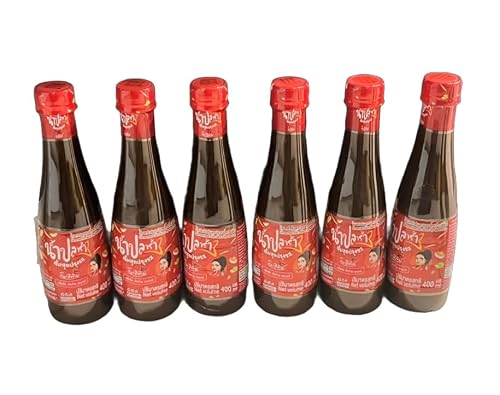
AUTHENTIC THAI CONDIMENT: Nam Pla Ra fermented fish sauce delivers traditional Thai flavor to enhance stir-fries, curries, dipping sauces, and marinades
Defining Umami Flavor
Umami describes a savory taste linked to free glutamate and certain nucleotides that signal protein richness to your palate. In practice, umami comes from ingredients such as fish sauce (nam pla), dried shrimp, fermented bean pastes, and aged proteins used across Thai recipes.
You perceive umami as a lingering, mouth-filling sensation rather than a single sharp note. It enhances other flavors by rounding saltiness and making sweet-sour contrasts taste fuller and less one-dimensional.
How Umami Shapes Thai Food Profiles
Umami acts like a binding agent in Thai dishes, letting bright elements like lime and chiles coexist without clashing. For example, a single tablespoon of fish sauce in a soup brings body so your tongue registers the herbs, acid, and spice more clearly.
Chefs layer umami sources: fish sauce for liquid seasoning, dried shrimp for concentrated punch, and shrimp paste for fermented depth. That layering gives curries, stir-fries, and dipping sauces a savory backbone that you feel across the whole bite.
The Science Behind Umami and Satisfaction
Umami receptors on your tongue (T1R1/T1R3 and others sensitive to glutamate) trigger salivation and enhance appetite control signals. When you add fish sauce, you increase free glutamate and related compounds, which intensify mouthfeel and prolong flavor perception.
This biochemical response makes meals feel more satisfying at lower sodium levels than salt alone would achieve. You get a sense of completeness from umami that encourages savoring and can reduce the urge to overdress a dish with extra salt.


The Composition and Flavor Profile of Fish Sauce
Fish sauce is a liquid seasoning made mostly from fish, salt, and time. It delivers concentrated savory compounds, volatile aromatics, and simple nutrients that change how your dishes taste.
Recommended Products

Support Local Market
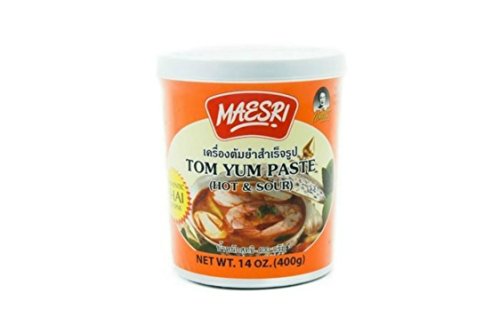
TOM YUM PASTE - Hot & Sour Tamarind Paste Base for Popular Thai Soup

Gluten Free Thai Tom Yum Paste 8 oz
Ingredients and Fermentation Process
Fish sauce typically starts with small oily fish—anchovies or similar—and coarse sea salt in a ratio often near 3:1 or higher fish-to-salt by weight.
You layer fish and salt in vats, press them, and let natural enzymes and halotolerant bacteria break down proteins over months. Traditional methods require 9–12 months of fermentation; some commercial producers shorten or control the process with temperature and added cultures.
During fermentation, proteins hydrolyze into free amino acids (notably glutamate) and short peptides. Lipids partially oxidize, producing trace volatile compounds. The clear amber liquid drawn off the mature mash is the fish sauce you use; solids remain as fish paste or are removed depending on the producer.
Aroma and Taste Contributions
Fish sauce gives savory umami through free glutamate and small peptides that hit the same taste receptors as broths and aged cheeses.
The primary immediate taste is salty, but fermentation layers in subtle sweetness, anchovy-like savoriness, and background meaty richness.
Aroma-wise, you’ll notice pungent marine and fermented notes—some sharp, some sweet—driven by volatile amines, sulfur compounds, and oxidized fats. Use it sparingly: a teaspoon can enhance depth without making food taste “fishy.” Adjust quantity to balance with citrus, sugar, herbs, or chilies in Thai dishes.
Nutritional Properties
Per tablespoon, fish sauce is low in calories but very high in sodium; you should treat it as a salt source first.
It supplies measurable free amino acids, including glutamate, which contribute to perceived fullness of flavor rather than significant protein nutrition.
Trace minerals like calcium and phosphorus occur, varying with fish species and processing. Sodium content and any added preservatives differ by brand, so check labels if you monitor salt intake. Fermentation can reduce microbial risk, but buying reputable commercial products ensures consistent safety and quality.


Comparing Fish Sauce to Other Umami Ingredients
Fish sauce brings salty, fermented glutamate-forward umami with a thin, liquid texture. Other ingredients achieve similar savoriness through different compounds, textures, and usage—so choose by flavor, salt level, and how you want the sauce to behave in cooking.
Recommended Products


Pla ra or Pla Rah is a traditional northeastern Thai and Lao seasoning produced by fermenting fish with rice bran or roasted rice powder and salt fermented in a closed container for at least 6 months

Fish Sauce vs Soy Sauce
Fish sauce delivers a concentrated seafood umami from fermented fish and salt, so a small splash can season a whole dish. It is thin and mixes into broths, curries, and dressings without altering texture.
Soy sauce provides plant-based umami from fermented soy and wheat. It often tastes milder and has roasted, slightly sweet notes that won’t add fish character to your dish. Use soy when you want brown color, a smoother savory tone, or a vegetarian option.
Substituting ratios: start with a 1:1 swap for light seasoning, then adjust—fish sauce can taste stronger, so reduce quantity by about 25% when replacing with soy sauce. For gluten-free needs, use tamari, which maintains soy sauce’s flavor without wheat.
Mushrooms and Seaweed as Alternatives
Dried shiitake mushrooms and kombu (kelp) supply glutamates that create deep umami without animal products. Rehydrate and simmer mushrooms for broths; steep kombu in warm water to extract minerals and savory amino acids.
Use mushroom powder or mushroom-soy blends to add body and earthy notes, especially in stir-fries and soups. Seaweed brings a clean, oceanic umami that pairs well with seafood-based or vegetable broths.
These alternatives lack fish sauce’s salt-forward punch, so add a separate salt source or a dash of soy/tamari to reach the same seasoning level. They also contribute texture and aroma differences you should account for in the final dish.
Fermented Shrimp Paste in Thai Cooking
Fermented shrimp paste (kapi) concentrates savory, briny, and slightly funky flavors that anchor many Thai curries and dips. It is thicker and more pungent than fish sauce, often used as a base ingredient rather than a finishing seasoning.
You’ll see kapi used in small amounts during cooking to build depth; its roasted, savory complexity complements chilies, lime, and herbs. Substitute caution: swapping shrimp paste for fish sauce changes both aroma and texture, so reduce quantity and cook it briefly to mellow sharpness.
If you need a milder result, dilute shrimp paste in water or oil before adding, or combine a small amount with fish sauce to balance punch and liquidity.


Adapting Thai Recipes for Dietary Restrictions
You can keep the savory backbone of Thai dishes while removing animal products or common allergens. Focus on concentrated umami replacements, texture-preserving swaps, and mindful seasoning to maintain balance.
Recommended Products

SWEET SOUR HOT SPICY FLAVOR - Nam Jim Jaew sweet chili sauce thai combines spicy, sour, sweet, and other delectable flavors to enhance the flavor of bbq or steak.


One 12 ounce bottle of Thai Style Sweet Chili Sauce
Vegetarian and Vegan Umami Options
Replace fish sauce with concentrated, plant-based umami sources that mimic its salty‑savory role. Good choices: tamari or regular soy sauce for salt and depth; mushroom-based “vegetarian fish sauce” or kelp/seaweed sauces for a briny note; and reduced mushroom broth or miso dissolved in a little water for a rich, savory base.
Use small amounts and taste as you go — start with half the quantity called for by fish sauce because these substitutes can vary in intensity. Add a pinch of sugar or lime to restore the sweet-acid counterpoint fish sauce provides. For thick sauces or dressings, blend soaked dried shiitake with a little soy and water to create a concentrated umami liquid.
Allergen Concerns and Substitutions
Address common allergens (fish, shellfish, gluten, soy) by choosing alternatives that match both flavor and dietary limits. If avoiding fish and shellfish, use mushroom or seaweed-based sauces. If gluten is a concern, pick tamari (gluten-free soy) or coconut aminos instead of regular soy sauce. For soy allergies, use homemade mushroom broth or a reduced vegetable stock boosted with nutritional yeast for umami.
Label swaps clearly if you serve others. When replacing shrimp paste or dried shrimp in relishes, toast and grind roasted mushrooms with a little smoked paprika and salt to approximate pungency. Adjust salt and acid after each swap to keep balance in stir-fries, curries, and dipping sauces.


Selecting and Storing Fish Sauce for Optimal Flavor
Choose a fish sauce with a short ingredient list: fish (typically anchovies), salt, and sometimes a little sugar. Brands that list additives or artificial flavors can mask the clean, savory umami you want.
Look for bottles labeled as high-quality or “first press” (nước mắm nhỉ) when available; these often have a clearer, more balanced profile. If you prefer a stronger umami punch, Thai-style sauces tend to use more fish and taste more intense.
Store unopened bottles in a cool, dark place away from direct sunlight to preserve flavor. Heat and light accelerate oxidation and can dull the sauce’s aroma and depth.
After opening, refrigeration slows flavor changes and helps maintain freshness over months. You can also keep the bottle in a pantry if you use it daily; just expect gradual mellowing.
Use clear sensory checks: a good fish sauce smells savory and salty, not sharply sour or rotten. If the color darkens slightly over time, that’s normal; strong off-odors or visible mold mean discard it.
Quick reference:
- Best for depth: Thai, higher fish ratio
- Best shelf placement (unopened): cool, dark cupboard
- Best shelf placement (opened): refrigerator for long-term storage
- When to discard: foul smell, visible mold, or unusual cloudiness
Treat fish sauce like a pantry staple but respect its storage needs to keep your dishes consistently savory and balanced.
Recommended Products

PREMIUM FISH SAUCE: Premium fish sauce contains fresh-pressed salted anchovies; features an intense flavor that is a hallmark of traditional Asian cooking


Lucky Brand Thai Fish Sauce 23 Fl. oz.


The Global Influence of Thai Fish Sauce
You encounter Thai fish sauce in restaurants and home kitchens around the world because it delivers a compact, reliable source of umami and salt. Chefs and cooks use it to deepen flavor without adding heaviness or altering a dish’s texture.
You’ll find Thai fish sauce in fusion dishes, marinades, and dressings where a salty, savory backbone is needed. It pairs well with citrus, sugar, and chili, making it easy to adapt into Western and pan-Asian recipes.
Food producers and specialty shops now offer vegetarian and seaweed-based alternatives for customers who avoid anchovies or fermentation. Those substitutes aim to replicate umami while addressing dietary and ethical preferences.
You can spot regional variations that reflect local tastes: some brands emphasize a cleaner, lighter taste; others highlight richer, funkier notes from longer fermentation. This variety lets you choose a bottle that fits your cooking style.
If you’re building a pantry for global cooking, consider keeping a small bottle of Thai fish sauce alongside soy sauce and vinegar. Use it sparingly—often a teaspoon will transform a sauce, soup, or salad dressing without overpowering it.
Recommended Products


This is authentic, fresh Sunaree Fermented Fish Sauce from Thailand.
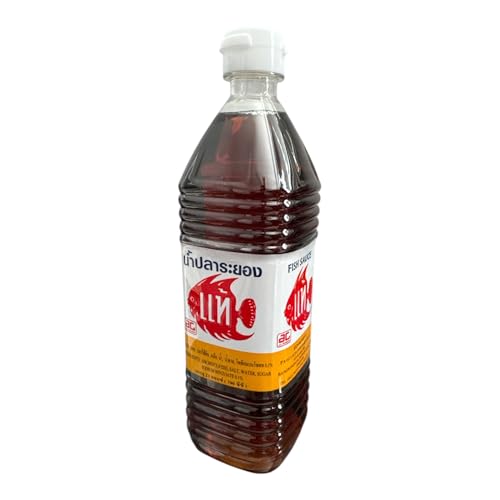
🌟 Authentic Thai Flavor – Made from premium fish, this premium Thai fish sauce (น้ำปลา) brings bold, savory, umami goodness to all your favorite dishes! Perfect for Thai, Vietnamese, and Asian-inspired recipes. 🍲