


You can get truly perfect Peking duck by controlling three things: dry, taut skin; a thin, glossy lacquer; and slow, even roasting that renders fat without drying the meat. Master those elements and you’ll get shatteringly crisp skin and tender, flavorful meat every time.
This post will walk you through what makes Peking duck distinctive — from its centuries-old origins and the exact ingredients that build authentic flavor to the lesser-known prep techniques and roasting tips that create that glass-like skin. Expect clear, practical steps for preparing, roasting, carving, and serving, plus common pitfalls to avoid and simple adaptations for cooking at home.
You’ll learn how to balance tradition and practicality so your next roast becomes a showpiece rather than a gamble. Follow along to turn a complex ritual into repeatable results.
The Origins and History of Peking Duck

Peking duck developed through layers of regional technique, imperial preference, and urban refinement. You will find roots in northern Chinese roasting methods, ceremonial court cuisine, and Beijing’s restaurant culture that standardized the dish.
Recommended Products

MULTI-COOKING COMPANION: Perfect for Holiday Turkeys & Everyday Meals! Roast succulent turkeys, grill chicken legs, or smoke pork shoulders effortlessly. Designed for Thanksgiving feasts and Christmas potlucks, this rack transforms ovens, smokers, and grills into professional cooking stations.

Reusable & Sturdy:The beer can chicken holder is made of heavy duty stainless steel, strong and sturdy.Will nor crooked while using.A helpful tool for making beer can chicken, help all of you become great housewife
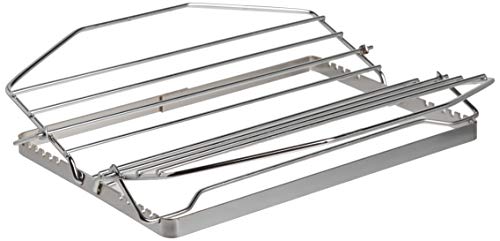
7-POSITION ADJUSTABLE V-RACK: Features seven width and angle position settings to custom fit various sizes of poultry, turkey, whole chickens, pork loins, and beef roasts securely.
Evolution in Chinese Culinary Tradition
Peking duck traces back centuries to northern China, where roasting waterfowl over open flame and air-drying methods first appeared. Early records link refined duck-roasting techniques to the Ming and Yuan dynasties, when cooks began lacquer-like glazing and controlled roasting to emphasize skin crispness.
You should note the technical shifts: air-drying ducks, pumping air between skin and meat, and applying maltose-based glazes all emerged gradually. Each step targeted the same goal—separating skin from fat and concentrating surface sugars for a lacquered, crisp finish.
Regional ingredients and fuel sources shaped the method. Fruitwood or hardwood fires and local grain-fed ducks influenced aroma and fat composition, producing the specific texture and flavor you expect from classic Peking duck.
Cultural Significance in Beijing
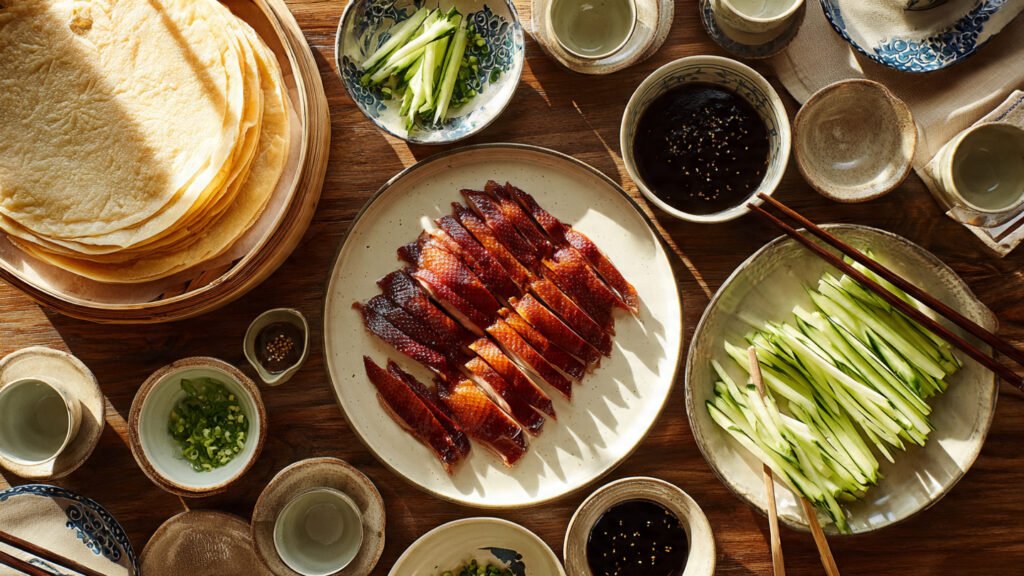
By the late Qing dynasty and Republican era, Beijing restaurants elevated Peking duck into a city specialty and social ritual. You’ll encounter formal service styles—thin pancakes, scallions, cucumber, and sweet bean sauce—that reflect Beijing’s ceremonial dining customs.
Peking duck became a marker of hospitality and status in the capital. Banquets, official receptions, and family celebrations often used the dish to honor guests, and certain Beijing kitchens gained reputations for proprietary roasting rooms and trained carving chefs.
You should recognize the dish’s role beyond flavor: it codified service choreography and kitchen specialization in Beijing, making presentation and carving as important as taste in the local culinary identity.
Influence on Modern Cuisine
Modern chefs worldwide adapt Peking duck techniques for new contexts, but the classic focus remains on skin texture and layered service. You’ll find restaurants experimenting with different ducks, glazes, and fuel types while preserving core steps like air-drying and high-temperature roasting.
Fusion dishes repurpose the components—crispy skin as a salad garnish, shredded meat in tacos, or bao—but many chefs still teach traditional carving and pancake assembly to preserve technique. Culinary schools and restaurants document exact temperatures, drying times, and sugar ratios to reproduce consistent results.
You should expect continued innovation that respects the technical heritage. Advances in ovens, controlled humidity rooms, and breeding for specific fat profiles let you achieve the signature contrast of lacquered skin and tender meat with greater predictability.


Essential Ingredients for Authentic Flavor

Quality of the bird, balance of seasonings, and the type of wrapper determine texture, shine, and the classic Peking Duck mouthfeel. Focus on duck size and fat composition, a simple but precise glaze and marinade, and thin, tender pancakes or steamed buns to finish.
Recommended Products

【Japanese High Carbon Steel】Japanese high carbon steel undergoes a sophisticated heat treatment process, maintains a high degree of hardness while providing excellent toughness. This means that the meat slicing knife is able to effectively resist blade breakage that may occur due to excessive pressure during the kitchen knife process, prolonging the life of the knife.
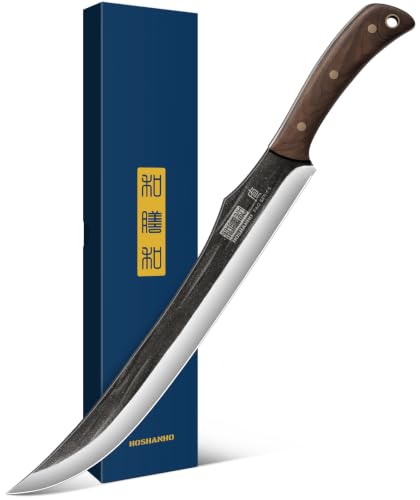
【Japanese High Carbon Steel】HOSHANHO brisket knife for meat carving is crafted from Japanese high carbon steel, undergoing a sophisticated heat treatment process that maintains high hardness while providing excellent toughness. This means the meat slicing knife effectively resists blade breakage from excessive pressure

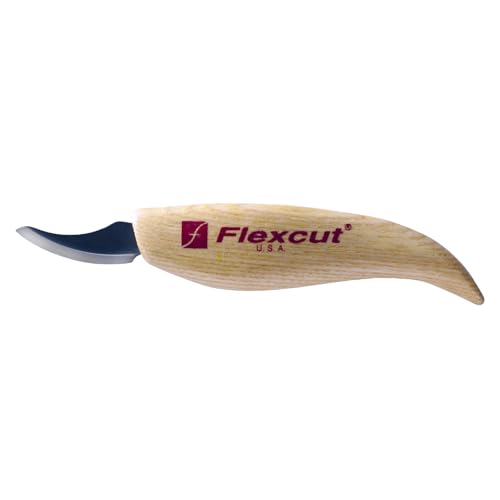
Wood Carving Hook Knife: A specially designed tool for spoon carving and shaping kuksa cups, bowls, and other concave forms.
Selecting the Right Duck
Choose a whole Pekin (white) duck between 4–5 pounds for an ideal meat-to-skin ratio. Younger ducks yield more tender breast meat and a thinner layer of fat that renders cleanly during roasting. Avoid overly large birds; ducks over 6 pounds carry more fat and can steam rather than crisp the skin.
Look for firm, plump skin with even coloring and minimal bruising. If you buy fresh, dry the cavity and skin thoroughly; if frozen, thaw completely and pat dry to ensure proper air-drying later. When possible, source free-range or air-lined ducks for firmer muscle texture and better flavor development.
Traditional Seasonings and Marinades
Use a simple glaze of maltose (or honey+sugar), light soy sauce, and rice wine for that lacquered, glossy skin. The maltose layer helps achieve crackling skin; apply it after the duck air-dries. Internally, season the cavity with crushed star anise, Sichuan peppercorns, scallion, and a splash of Shaoxing wine to impart classic aromatic notes.
For the cavity and skin under the glaze, keep salt moderate so the soy and glaze carry sweetness and umami. Some recipes call for a weak five-spice rub under the skin for depth; apply sparingly to avoid overpowering the clean roasted flavor. Always let the duck air-dry 8–24 hours in a cool, ventilated spot before roasting for maximum crispness.
Choosing the Perfect Wrappers
Pick thin wheat pancakes (mandarin pancakes) or very thin steamed buns that won’t dominate the bite. Pancakes should be pliable, about 6–8 inches across, and steamed briefly to stay soft yet not gummy. If you prefer buns, use small, slightly sweet steamed buns (gua bao style) warmed and flattened before assembling.
Provide thinly sliced scallion, julienned cucumber, and hoisin or sweet bean sauce as accompaniments. The wrapper’s role is to cradle the crispy skin and slices of meat; avoid thick, dense breads that mask texture contrasts. Store pancakes wrapped in a damp cloth to keep them flexible while you carve and serve.


Secret Techniques for Preparing the Duck
You need precise control of moisture, skin separation, and glazing to achieve shatteringly crisp skin and tender meat. Each step—air-drying, basting, and scoring/inflating—targets those goals with specific, repeatable actions.
Recommended Products

MODERN SPIN ON CLASSIC RECIPE: Upgrade your traditional pot-cooked chicken and replace it with this modern, non-stick twist! This vertical poultry holder stands 1 bird upright. Airflow allows it to cook evenly while fat drips right off.
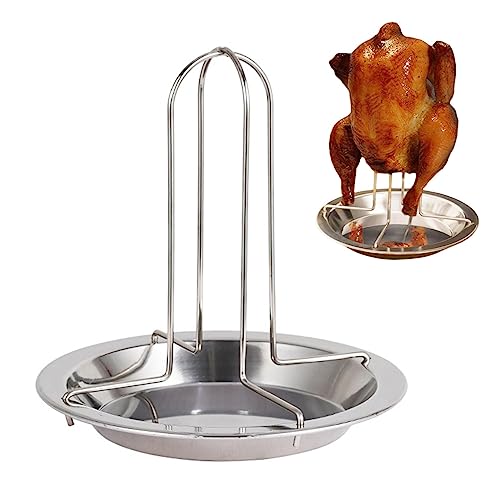
【Material】Chicken holder and drip pan made of stainless steel,easy to clean, durable, high temperature resistan t and can be used in ovens and ovens.

VERSATILE MULTI-CUISINE ROASTING SYSTEM: Roast authentic shawarma, tacos al pastor, duck, pork, char siu, and ribs vertically - not just chicken. The only non-electric vertical roaster that transforms your oven or grill into a multi-cuisine powerhouse for restaurant-quality results at home
Proper Air-Drying Methods
Dry skin is essential for crispness. After cleaning and removing excess fat and loose feathers, pat the cavity and exterior dry with paper towels. Hang the duck by the neck in a cool, well-ventilated place or place it on a rack uncovered in the refrigerator.
Aim for at least 8–12 hours of drying; overnight is typical. Use a fan to increase airflow if humidity is high. For faster results, place a bowl of ice in the fridge to lower local humidity slightly, but avoid exposing the duck to direct drafts that could unevenly dry the skin.
Brush or spray a light coating of maltose syrup or a 5% salt solution before drying to aid lacquered color and salt penetration. Monitor skin: it should feel taut and slightly tacky, not wet. Proper drying reduces steam during roasting so the skin puffs and crisps rather than steams and softens.
Mastering the Basting Process
Basting builds flavor, color, and the lacquer that yields crisp flakes. Start with a thin glaze of maltose or honey mixed with a little rice vinegar and dark soy to balance sweetness and promote browning. Apply this glaze sparingly so it doesn’t pool in the cavity or drip onto the pan and burn.
Baste every 10–15 minutes during the middle third of the roast when fat renders but before the skin has fully set. Use a soft brush and short strokes to coat evenly. Stop basting in the last 10–15 minutes to allow the glaze to dry and harden into a crackling shell.
For even color, rotate the duck and brush any exposed fat away from pooled glaze. If the skin blackens too quickly, lower the temperature briefly and continue basting once the surface cools slightly. Maintain consistent glaze viscosity—warm it if it thickens.
Scoring and Inflating the Skin
Separating skin from meat prevents fat from soaking the skin and helps it puff. Use a blunt instrument or your fingers to gently loosen the skin at the neck and breast, creating a small pocket without tearing. Inflate the skin by blowing air into that pocket or by using a small pump to create an even layer of air between skin and meat.
Score only shallowly—fine parallel scratches or a shallow crosshatch—on fatty areas to help render fat escape. Avoid deep cuts that pierce into the meat; you want intact muscle for juiciness. After inflating, secure the neck opening with a skewer or tie to keep the air in during the initial roast.
Inflation creates a cushion that expands as fat renders, producing the iconic separation and crackle. Combine inflation with the drying and basting steps for the best, most consistent results.


The Art of Roasting
You need controlled heat, steady airflow, and careful timing to develop lacquered skin and juicy meat. Precise setup, consistent skin-drying, and monitored temperatures create the signature texture and flavor.
Recommended Products

Sloyd Knife for General Carving: this tool will become an irreplaceable helper in your work because the pointed tip will help with the details and the rounded blade allows you to make slicing cuts.

【Forged in Fire, Honed by Hand】Crafted from premium Japanese high carbon steel, using traditional Japanese forging techniques,each blade is heated and forged at high temperatures to achieve exceptional hardness, superior edge retention and reliable rust resistance. Whether slicing brisket or carving turkey, this butcher knife delivers superior strength and sharpness in a single professional-grade tool.

Wood Carving Knife for Multiple Tasks: This whittling knife features a long, narrow blade with a curving point, perfect for roughing, shaping, delicate cuts, and working in tight areas.
Setting Up an Authentic Roasting Oven
Aim for an environment that gives even radiant heat and a way to drain or repel rendered fat. Traditional ovens use hanging hooks and a closed chamber; at home you can mimic this with a convection oven and a wire rack set over a shallow pan to catch drippings.
If you hang the duck, allow 2–3 inches clearance on all sides for airflow. Use a heavy roasting pan beneath to catch fat, and line it for easier cleanup. If you must roast flat, position the duck breast-up on a rack and rotate once during cooking for even browning.
Control ventilation so smoke escapes without rapid temperature swings. If using an open flame or wood, choose fruitwood or hardwood for a light, complementary aroma; avoid resinous woods that add harsh flavors.
Achieving Crispy Skin
Start by separating skin from meat where possible and thoroughly dry the exterior. After cleaning, inflate or loosen the skin, pat dry, then air-dry the duck in the refrigerator for 12–24 hours uncovered or hang it in a cool, dry place until the skin feels tacky.
Glaze the skin with a thin maltose or sugar-water lacquer to promote caramelization and sheen. Apply one even coat before roasting and a light second coat midway if needed. Salt the skin lightly to draw moisture out and add flavor without collapsing the crisping process.
During roasting, let rendered fat drip away from the skin; pooled fat steams the skin and prevents crispness. Use a rack and empty the drip pan periodically if fat threatens to smoke.
Roasting Time and Temperature Management
Use staged temperatures: begin with a higher blast to tighten skin, then lower heat to cook through without overbrowning. For a home convection oven, start at 230°C (450°F) for 10–15 minutes, then reduce to 180–190°C (350–375°F) for the remaining time.
Monitor internal temperature with a probe placed into the thickest part of the thigh without touching bone; target 74–76°C (165–169°F) for safe, juicy meat. Total roast time for a 2–3 kg duck typically runs 60–90 minutes, depending on oven efficiency and whether you started at very high heat.
Watch skin color and listen for steady crackling as indicators. If the skin browns too fast, tent loosely with foil and continue at lower heat until the meat reaches the target temperature.

Expert Carving and Presentation
Carving must reveal a balance of ultra-crisp skin and evenly portioned meat while presentation should guide diners through assembly and tasting. Precision tools, consistent slice thickness, and a thoughtful plate layout make the dish both efficient to serve and visually persuasive.
Recommended Products

[ROASTING & COOLING RACK FOR ROASTER PAN] Kendane roasting rack & cooling racks for cooking and baking. Perfect for roasting, grilling, baking, broiling, bbq & drying meat, fish, vegetables & desserts; Enameled finished PFOA free; use as a kitchen tool to cool down meats and baked goods or to rest hot pans on

HIC Kitchen Roasting Octagonal Rack: Elevates food above drippings for airflow, even roasting, crisp edges, and juicy interiors; drains fat for healthier cooking

HIC Kitchen Roasting Baking Broiler Rack: Elevates food above drippings for even heat circulation, crisp edges, and juicy interiors; reduces excess fat for healthier cooking
Traditional Carving Techniques
Use a long, thin carving knife—preferably razor-sharp—to cut through skin with minimal sawing motion. Start by separating the breast from the carcass with a clean stroke along the keel bone, then slice the breast into paper-thin, uniform pieces about 2–3 mm thick so each bite contains both skin and meat.
Carve the leg and thigh into larger, bite-sized pieces for diners who prefer darker meat. Remove excess fat from under the skin rather than discarding the skin; leave a thin layer of fat to keep slices glossy and moist. Work on a warm cutting board to prevent the skin from stiffening and cracking.
Maintain a steady rhythm: alternate skin-on slices with meat-only pieces to showcase contrast. Keep slices arranged in the order you carved them so you can explain which cut a diner has if asked.
Arranging Slices for Service
Place skin-forward slices on a shallow platter in overlapping rows to highlight the maroon color and shine. Create three visual zones: thin breast slices, mixed breast-with-meat slices, and dark-meat pieces. This helps diners choose by texture and flavor.
Offer accompaniments in a neat cluster: Mandarin pancakes stacked and wrapped in a tea towel, hoisin or sweet bean sauce in a small bowl, and julienned scallions and cucumber on a separate plate. Arrange utensils and serving tongs where guests can reach them without touching the duck.
Label or briefly describe each zone as you present it, pointing out which slices are best for pancakes and which suit direct eating. Keep the platter slightly elevated so diners can access all sides without crowding.


Classic Accompaniments and Sauces

You will rely on one or two bold sauces, crisp vegetables, and simple sides to balance the rich, lacquered skin and fatty meat. Focus on texture contrast, acidity, and a little sweetness to lift each bite.
Recommended Products
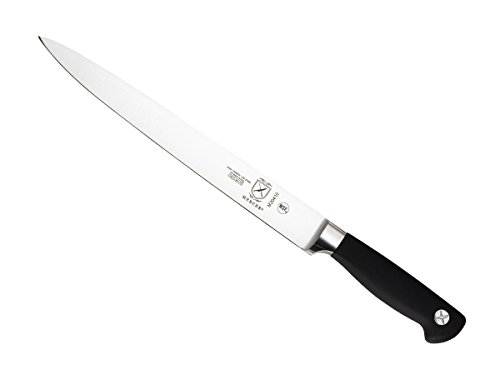
QUALITY CONSTRUCTION: Knife is precision-forged with high-carbon German steel for better durability, and taper-ground edge allows for increased efficiency when cutting along with incredible long-lasting sharpness

PREMIUM PERFORMANCE: The long, ultra-sharp blade is engineered to deliver highly precise cuts with minimal effort, and effortless carving of brisket, turkey, roast, ribs, prosciutto, and other meats. If you are looking for a perfect meat carving knife, this PAUDIN brisket knife is an excellent choice.
Hoisin Sauce and Alternatives
Hoisin is the traditional choice: thick, sweet, and slightly salty, it clings to pancakes and skin. Use a good-quality hoisin or make a quick blend of fermented soybean paste, a touch of sugar, garlic, and a splash of rice vinegar if you need a faster homemade version.
For variety, offer alternatives: plum sauce gives brighter fruit sweetness; sweet bean sauce (tianmianjiang) leans more savory and earthy. You can also mix hoisin with a little sesame oil and hot chili oil to add aroma and heat. Provide small bowls so guests can customize each wrap.
Vegetable Garnishes
Scallions and cucumber are essential for crunch and sharpness; slice scallions into long thin batons and julienne the cucumber lengthwise to avoid sogginess. The oniony bite of scallions cuts through fat, while cucumber adds cool freshness.
Include thinly sliced red cabbage or pickled daikon for extra acidity and color contrast. Keep garnishes cold and crisp; prepare them just before serving to maintain texture. Present garnishes in separate dishes so diners can build balanced wraps.
Pairing with Sides and Beverages
Serve thin steamed Mandarin pancakes or warm bao-style wraps that are pliable enough to fold without breaking. Offer light starches like plain steamed rice only if you need extra bulk, but keep the focus on wraps to preserve the dish’s ritual.
Choose beverages that refresh the palate: dry Riesling, light-bodied lager, or jasmine tea work well. Avoid heavy, tannic red wines that will clash with the sweet-salty glaze. For nonalcoholic options, cold oolong or sparkling water with a lemon twist lifts the richness.


Serving Etiquette and Traditions
Peking duck service emphasizes respect, presentation, and communal sharing. You will see the duck carved at the table, skin prioritized, and condiments arranged so each guest can build their own wrap.
Recommended Products

HIC Kitchen Roasting Pro V Rack: Elevates meat, poultry, and vegetables above drippings to promote airflow, even roasting, crisp golden skin, and tender juicy interiors; reduces fat for healthier cooking

HIC Kitchen Roasting Pro V Rack: Elevates meat, poultry, and vegetables above drippings to promote airflow, even roasting, crisp golden skin, and tender juicy interiors; reduces fat for healthier cooking
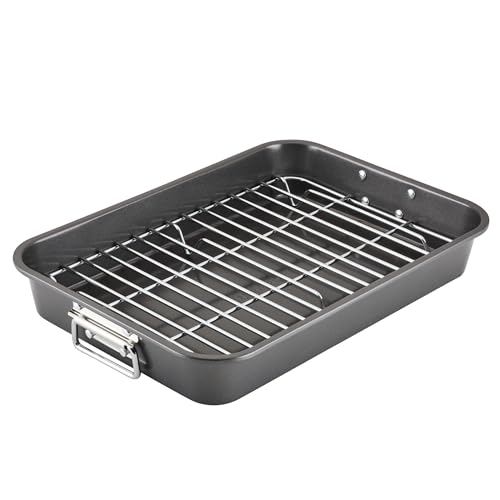
SUPERIOR COOKING FOR YEARS TO COME: Heavy-duty steel roaster pan designed to resist warping for years of roasting performance
Table Setting Expectations
Set a clean, round table to encourage sharing; place a lazy Susan if available for easy access. Provide small individual plates, a stack of thin pancakes in a warmed container, and a shallow dish of hoisin or sweet bean sauce for each guest.
Arrange accompaniments in small bowls: julienned scallions, thin cucumber sticks, and extra crispy skin pieces. Place chopsticks and small forks at each setting; spoons are useful for sauce. If you host, offer guests the first portions and the head to the most honored person, reflecting traditional respect without forcing rituals.
Serve tea or a mild beverage that cleanses the palate between bites. Keep napkins or wet towels visible—Peking duck can be hands-on, so accessible napkins help maintain etiquette and comfort.
Proper Assembly of Wraps
Take one warmed pancake and smear a thin layer of sauce in the center to avoid sogginess. Add a portion of crispy skin first, then a modest amount of meat, and finish with scallions and cucumber for texture and freshness.
Fold the pancake by lifting the edge nearest you and rolling away, or fold into a small taco shape depending on pancake size. Bite-sized portions work best; keep fillings balanced so the pancake holds together and each bite delivers skin, meat, and condiments.
If you carve at the table, carve thin skin-first pieces and let guests assemble to their taste. Offer small plates for bones and a communal bowl for discarded pieces to keep the table tidy.