
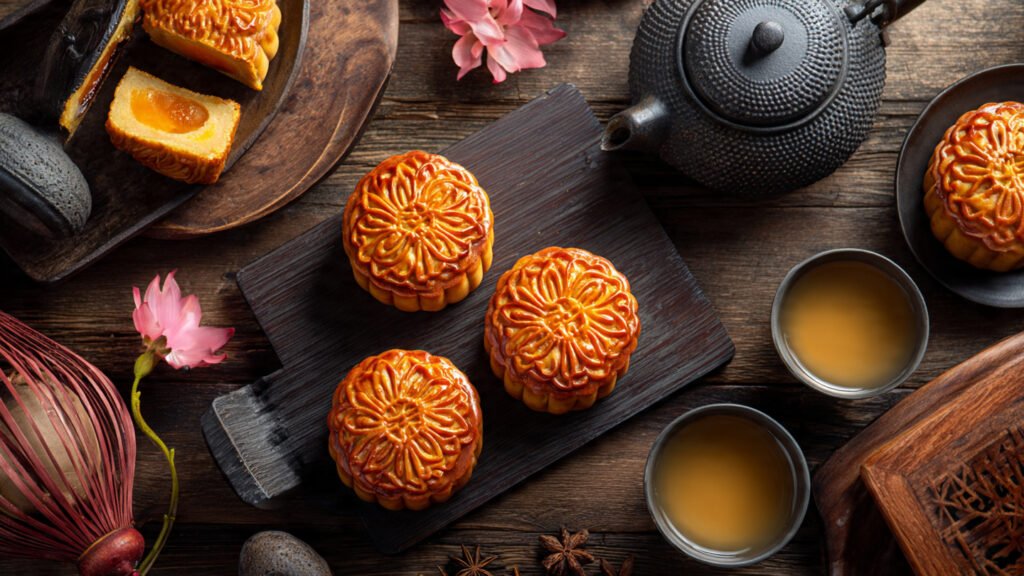


You eat mooncakes during the Mid-Autumn Festival, which falls on the 15th day of the eighth lunar month when the moon is fullest. This festival night — a time for family reunions and moon watching — is the traditional moment when mooncakes are shared, gifted, and enjoyed.
Explore why that specific timing matters, how mooncakes connect to harvest celebrations and ancient legends, and how different regions and modern life shape when and why people eat them. The article will guide you from the festival’s timing through rituals, symbolism, and contemporary variations so you can understand the full cultural picture.
Traditional Timing of Mooncake Consumption

Mooncakes are eaten at a specific point in the lunar year, tied to harvest timing, family reunion, and moon observation. You will find precise dates, cultural meaning for the eighth lunar month, and the importance of the full moon below.
Recommended Products
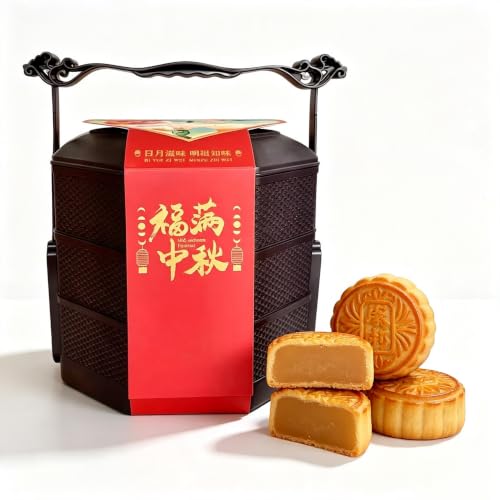
· Flavor Assortment – 9 flavors: lotus, red bean, pineapple, five-nut, chestnut with yolk, strawberry, orange, honeydew, and savory.

Package Included:4 individually packed mooncakes are convenient for storage & sharing;enhancing gift-giving ritual sense

TRADITIONAL MOONCAKE ASSORTMENT: 400g (14.1oz) box contains 4 handmade mini-mooncakes featuring a mixed selection of 4 delicious fruit flavors, (sweet bean paste,orange,honey peach,honeydew melon)
Mid-Autumn Festival Dates
The Mid-Autumn Festival falls on the 15th day of the eighth month in the Chinese lunar calendar. That date moves each year on the Gregorian calendar; for example, it fell on September 21 in 2023 and October 1 in 2020. You can expect mooncakes to appear in markets and homes in the days leading up to the 15th, and consumption often peaks on the festival night itself.
You will commonly receive or give mooncakes as gifts in the two weeks before the festival. Restaurants, bakeries, and hotels release special mooncake gift boxes well in advance, so production and exchange ramp up early. Families frequently plan reunions and moon-viewing for the exact festival date.
Significance of the Eighth Lunar Month
The eighth lunar month aligns with the autumn harvest in much of China, so mooncakes function as a celebratory food that marks agricultural abundance. You will see mooncakes presented alongside fruits and other harvest offerings during family altars and community festivities. The month also carries historical and literary associations—poems and legends that link moon-watching and gratitude to the season.
Culturally, the timing emphasizes reunion and giving thanks; that shapes how people prepare and share mooncakes. Many regional customs specify when to exchange mooncakes with relatives, neighbors, and business contacts, making the eighth month a period of social reciprocity as well as feasting.
Role of the Full Moon
The full moon on the 15th day symbolizes completeness and unity, which directly connects to why you eat mooncakes then. Families gather outdoors or by windows to admire the round, bright moon while slicing mooncakes into wedges to share. That act of sharing a round pastry reinforces themes of family unity and togetherness.
Moon-viewing ceremonies and lantern displays often accompany mooncake consumption, anchoring the pastry to a specific nightly ritual. The visual of the full moon also influences mooncake design—circular shapes and stamped characters that echo the lunar motif appear on almost all traditional varieties.


Cultural and Historical Background

Mooncakes link harvest-time celebration, family reunion, and centuries-old customs. You’ll learn where mooncakes first fit into Chinese festival life and which legends helped make them central to Mid-Autumn observance.
Recommended Products
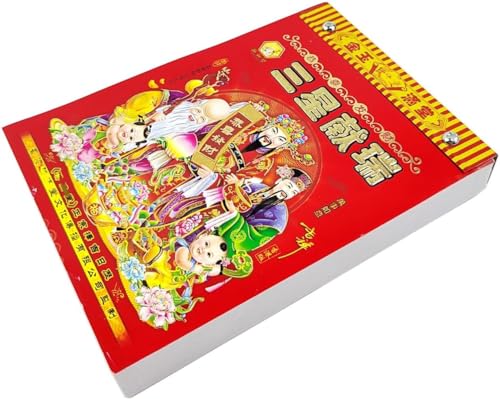
Chinese calendar book 2027: the design is traditional and concise.It is very suitable for hanging on the wall in the office or at home. this 50k calendar size:13.8x9.6cm (5.5x3.8inch).This tear-off calendar covers every day of 2027, with detailed traditional Chinese lunar calendar information, including solar/lunar dates, solar terms (like the Start of Spring, Rain Water, Jingzhe), and daily notes for easy daily reference.

2026 CHINESE NEW YEAR CALENDAR: The calendar seamlessly integrates the traditional lunar calendar with significant Chinese festivals, offering a year-round celebration of the nation's heritage. With its exquisite design and informative content, this calendar not only serves as a practical timekeeping tool, but also as a piece of cultural art, enriching your space and connecting you to China's historical artistry and cultural-中国传统文化

Chinese Calendar 2027 Year of Goat:2027 Chinese monthly calendar is an exquisite traditional festival supplies, with the theme of Chinese traditional culture,
Origin of Mooncakes in Chinese Festivals
Mooncakes became associated with the Mid-Autumn Festival because the holiday celebrates the autumn harvest and the full moon, a time when families traditionally gather. Archaeological and textual evidence traces cake-like offerings back to ancient sacrificial foods such as the Taishi cake; by the Tang and Song dynasties, round pastries were used in rituals and communal feasts.
Over time, mooncakes shifted from ritual offerings to shared food gifts exchanged among family and friends. Regional variations developed — Cantonese, Suzhou, and Beijing styles differ in crust, filling, and size — but the round shape and association with reunion remained constant. You can still see mooncakes presented during family reunions, business gifts, and community moon-viewing events.
Legends Associated With Mooncake Traditions
Several legends explain why mooncakes became symbolic, and the most influential connect the pastry to the moon and popular resistance stories. The Chang’e myth casts mooncakes as offerings to the moon goddess; eating them honors her and expresses longing for absent family members.
Another famous tale ties mooncakes to the 14th-century anti-Mongol uprisings: militants reportedly hid secret messages inside pastries to coordinate rebellion. While historians debate the literal truth, the story shows how mooncakes became vehicles for shared meaning — loyalty, secrecy, and collective action. These narratives helped embed mooncakes in both private family rituals and wider cultural memory.


Symbolism and Importance in Chinese Culture
Mooncakes carry layered meanings tied to family gatherings, seasonal cycles, and cultural memory. They function as edible gifts, ritual offerings, and everyday reminders of unity and gratitude.
Recommended Products

Inside the package:You will receive 3 different styles of rabbit lantern material packaging, and the production process is very simple and clear. With only simple operations, you can get three sets of very cute rabbit lanterns.
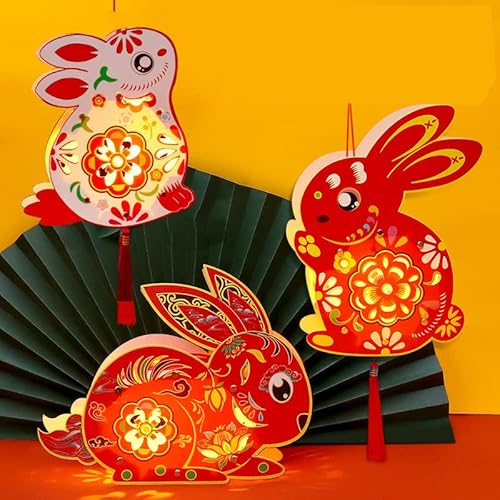
Package includes:3pcs different rabbit lantern

Package included:This kit includes four unique round-shaped lanterns with playful horse cartoon motifs and classic Chinese New Year phrases. Each design features vibrant red/gold hues and lucky symbols (Fu characters, ingots), perfectly capturing the festive spirit of the 2026 Lunar New Year.
Symbolism of Reunion and Family
Mooncakes symbolize family reunion because they appear at the Mid-Autumn Festival, when families deliberately gather to share food and gaze at the moon. You give mooncakes to relatives and friends to express love, respect, or even business goodwill; the exchange reinforces social bonds and filial duties.
Their round shape often represents completeness and unity. When you cut a mooncake and share pieces, that act physically manifests the festival’s emphasis on togetherness. Traditional fillings like lotus seed paste or salted egg yolk carry regional and ancestral meanings that connect you to specific family and local histories.
Association With Lunar Appreciation
Mooncakes link directly to lunar worship and seasonal observation. The festival falls on the 15th day of the eighth lunar month, when the moon is regarded as fullest; you eat mooncakes while admiring this peak moon to mark the harvest and the cyclical nature of time.
The moon’s brightness symbolizes harmony and prosperity, so consuming mooncakes during moon-gazing rituals becomes both a celebratory and symbolic act. In some customs, mooncakes serve as offerings on altars or windowsills, making your meal part of a broader practice of gratitude toward nature and ancestors.


Traditional Celebrations and Rituals
You gather with family to admire the full moon, share food, and perform small offerings that honor ancestors and express gratitude for the harvest. Exchanging mooncakes and specific table customs reinforce family bonds and local traditions.
Recommended Products

Material:These cake presses are made of food-grade ABS materials and are safe for the human body, you can use them at ease

Food Grade Material: Moon cake mold is made of food-grade ABS plastic, 100% safe for contact food, easy to clean, reusable

100 COMPLETE PACKAGING SETS - Includes 100 frosted bags and 100 clear trays; each set gives you one bag and one tray for clean, individual mooncake packaging. Moon cakes are not included
Family Gatherings and Customs
You usually celebrate on the 15th day of the eighth lunar month when the moon is fullest. Families plan a shared evening meal—often featuring seasonal produce such as taro, pomelo, and persimmons—followed by placing mooncakes and fruit on a table as offerings to ancestors.
After the meal, you sit or stand outdoors to gaze at the moon together. Children carry lanterns in some regions, and families may recite poems, tell the Chang’e legend, or perform simple rituals like lighting incense for deceased relatives. In many households, slicing mooncakes into wedges symbolizes unity; everyone takes a piece so the whole family can taste the same cake.
Mooncake Exchanges and Gifting
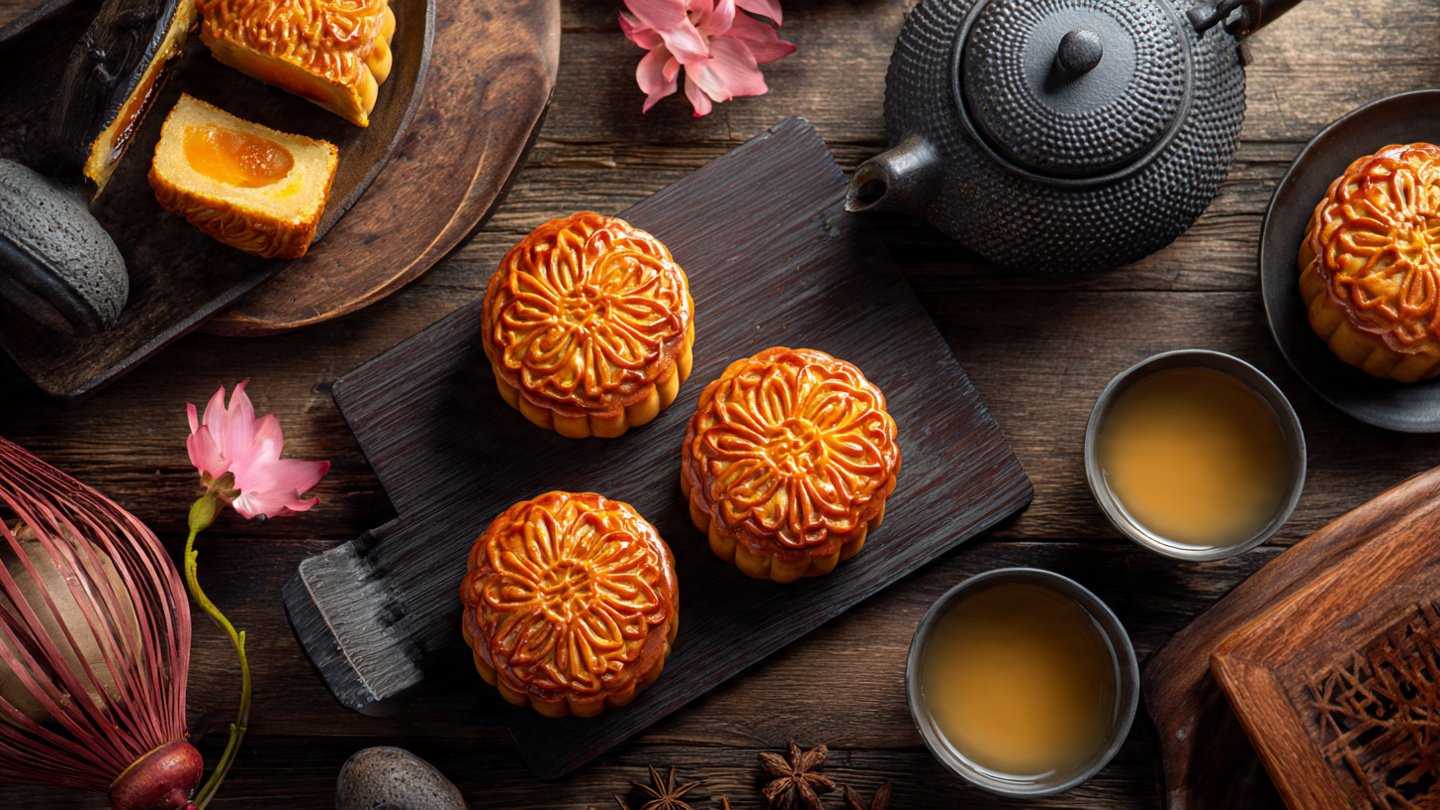
You give mooncakes to relatives, friends, business associates, and hosts as a gesture of goodwill and to reinforce relationships. Gifts range from single boxed mooncakes to elaborate assortments; premium fillings such as lotus-seed paste with salted egg yolk often indicate greater respect or status.
When presenting mooncakes, you choose attractive packaging and offer them with both hands, which shows politeness. In business contexts, companies distribute branded mooncake boxes to clients and employees as seasonal tokens. Reciprocity matters: if you receive a gift, customary etiquette usually expects a return gift of similar value within the festival period.


Regional and Modern Variations
Regional styles favor different fillings, crusts, and sizes, while modern makers experiment with new flavors, packaging, and gifting customs that reflect urban tastes and international influences.
Recommended Products
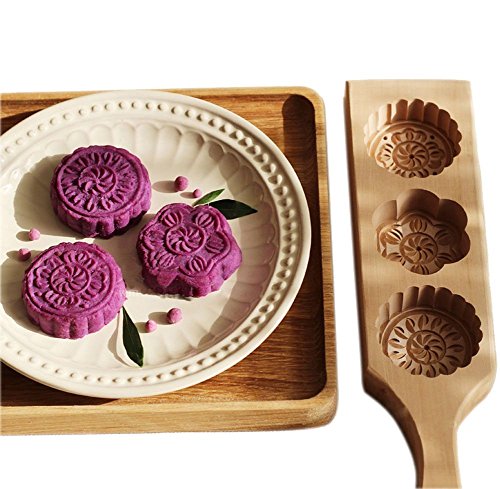
✔(Pack of 1)Wooden mooncake mold. Material: Natural pear wood ;Cute design wooden mold and work good for soap, candy, muffins, Cake, Biscuit, chocolate, We recommend to brush it oil for the first time use in order to take it out easier

MID AUTUMN FESTIVAL GIFT: A beautifully presented mooncake gift box perfect for celebrating the Mid Autumn Festival with family and friends.

Celebrate traditions with this moon cakes mold featuring intricate jades rabbits, promising dragon, and blossom shape, blending cultural heritages with modern aesthetics for artistic festival ready treats.
Different Types of Mooncakes
You will encounter distinct regional families when you shop or accept mooncakes as gifts.
- Cantonese-style: Thin, tender crusts with dense fillings like lotus seed paste, red bean, and salted egg yolk. They often display ornate tops and come individually boxed.
- Beijing-style (Su-style): Thicker, flakier crusts with sweeter bean or jujube pastes; shapes can be round or rectangular.
- Suzhou-style: Noted for savory, layered pastry and both sweet and savory fillings — pork or ham can appear alongside sweet fillings.
-
Yunnan and Guangxi variants: Use local ingredients such as ham, nuts, or ham-and-egg yolk combinations that reflect regional produce.
You should also look for snow-skin (ice) mooncakes, which use a soft, mochi-like crust and are served chilled; these originated in Hong Kong and suit warmer climates.
Contemporary Mooncake Practices
Your modern mooncake experience will differ based on urban trends and international palates.
- Manufacturers now produce flavors like chocolate, green tea, durian, and salted caramel to appeal to younger consumers and overseas markets.
- Boutique bakeries offer artisanal fillings and minimalist packaging aimed at premium gifting. You will also find single-serving boxes and online-exclusive designs.
- Corporate gifting remains common, but you’ll notice more emphasis on portion control, dietary options (low-sugar, vegan), and sustainability—reusable tins and reduced plastic are growing priorities.
- Finally, cultural practices adapt: you may receive mooncakes outside the festival date, and mooncake festivals and pop-up shops in cities extend the buying season.


Other Occasions for Eating Mooncake
Mooncakes appear beyond the Mid-Autumn Festival in a few clear contexts: they adapt to local calendars and migrant traditions overseas, and people also consume them casually throughout the year as gifts, snacks, or modern specialty items.
Recommended Products

TRADITIONAL TREAT: Mooncake is a classic pastry enjoyed during the Mid-Autumn Festival, rich in cultural heritage.

★Six Distinct Flavor Combinations:This mooncake assortment brings together fruity and time‑honored pastry flavors. Includes Hami Melon, Water Peach, Pineapple, Red Bean Paste, Lotus Seed Paste Yolk and Five Nuts, delivering varied taste profiles to satisfy different personal preferences.
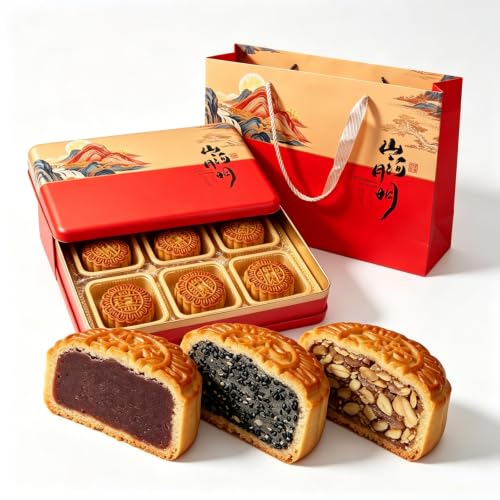
1. AUTHENTIC CULINARY HERITAGE: Celebrate the Mid-Autumn Festival with traditional Chinese mooncakes, crafted as delightful moon pies for your festive table. Every bite delivers the classic taste that brings families together during cherished reunions.
Festival Variations in Overseas Chinese Communities
In Southeast Asia and Western diasporas, mooncake timing shifts with local practice and community calendars.
You’ll find mooncakes sold and eaten around the lunar 15th of the eighth month, but also during community festivals tied to local harvests, temple fairs, or Chinese New Year events where groups repurpose mooncakes as ceremonial offerings.
Regional taste changes accompany timing.
In Vietnam, Malaysia, and Singapore, bakeries launch varieties earlier and keep them on shelves longer to meet demand from families and tourists.
Community associations may stage moon-viewing evenings on weekend dates convenient for members, so you’ll often receive mooncakes on different calendar days than in mainland China.
Traditional gifting roles persist abroad.
Businesses and community groups frequently buy boxed mooncakes for clients, donors, or seniors at varying times in the autumn.
Expect both classic fillings and modern flavors tailored to local palates and gifting customs.
Non-Festival Consumption
You can eat mooncakes as everyday snacks, especially modern or lightweight versions designed for casual consumption.
Bakeries produce mini mooncakes, low-sugar options, and pastry hybrids that people buy outside festival seasons for tea, dessert, or office sharing.
Mooncakes also serve as gifts for life events.
You might bring mooncakes to weddings, housewarmings, or as thank-you presents after business meetings.
They carry symbolic meaning of reunion and good wishes, so you’ll see them used where those sentiments fit.
Retail cycles keep mooncakes visible year-round.
Specialty shops and online sellers rotate limited editions and seasonal flavors to encourage purchases outside the festival window.
If you want a specific style, check bakery release schedules or order ahead of holidays and community events.