


Coconut milk gives Thai desserts their signature creaminess and floral-sweet balance, so you can taste richness and tropical aroma in every bite. It binds flavors like pandan and palm sugar at a molecular level, lifts textures from silky custards to velvety sticky rice, and anchors both everyday treats and ceremonial offerings.
As you explore how coconut milk shapes flavor, technique, and culture, you’ll see why it appears across classic recipes, modern twists, and conversations about sourcing and nutrition. This article walks through its culinary role, traditional preparation methods, popular dishes that depend on it, and how chefs adapt it today.
The Cultural Significance of Coconut Milk in Thai Desserts

Coconut milk shapes taste, texture, and ritual in Thai sweets. It links everyday eating with seasonal festivals, temple offerings, and local agricultural practices.
Recommended Products


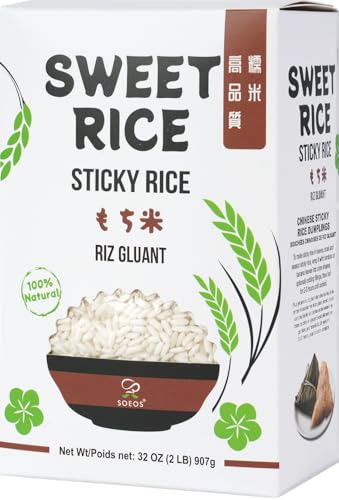
100% Natural: Soeos Sweet Sticky Rice is made from pure natural components, ensuring that every bite is healthy and delicious; Our sticky rice is gluten-free and free from preservatives, making it a perfect choice for vegans and vegetarians
Historical Roots in Thai Cuisine
Coconut palms have grown across Thailand’s southern and coastal provinces for centuries, supplying both domestic kitchens and market stalls. You’ll find coconut milk in classic desserts like khao niao mamuang (mango sticky rice) and kluai buat chi (bananas simmered in coconut milk), where it provides richness that rice and palm sugar alone cannot.
Local methods—grating fresh coconut and squeezing it by hand—kept the ingredient central to home cooking. Over time, regional variations developed: southern recipes tend toward thicker, creamier coconut-based sweets, while central and northeastern versions use thinner milk or diluted coconut water for lighter textures.
Role in Religious and Festive Traditions
You’ll encounter coconut-milk desserts regularly at Buddhist merit-making ceremonies and temple fairs. Monks and laypeople accept offerings like sweet sticky rice and coconut puddings because the ingredients are considered pure, nourishing, and easily shared.
During festivals such as Songkran and Loy Krathong, households prepare coconut-rich sweets to present at home altars and community tables. The act of making and offering these desserts reinforces social bonds and expresses gratitude for harvests of rice and coconuts.
Symbolism in Thai Culture
Coconut milk embodies abundance and hospitality in Thai cultural expressions. When you offer a coconut-milk dessert, you signal generosity; the dish’s creaminess implies care and attention to guests.
Coconuts also represent resourcefulness: Thais historically used every part of the palm—meat for milk, husks for fuel, leaves for weaving—so coconut-milk desserts carry a cultural meaning of sustainability and respect for nature. In many regions, serving these sweets marks continuity with ancestral cooking practices and local identity.

Coconut Milk as a Fundamental Ingredient
Coconut milk provides the creamy backbone, subtle sweetness, and mouthfeel that traditional Thai desserts depend on. It also acts as a flavor carrier and texture modifier, shaping how sugar, rice, and tropical fruits combine on the palate.
Recommended Products

One - 13.5 fluid ounce can per order

WONDERFUL TASTE: If you like the taste of coconuts you'd love Iberia Sweetened Coconut Condensed Milk. It boasts a wonderful coconut flavor with perfect sweetness to suit a variety of recipes.

Pack of eight, 13.5-Ounce (Total of 108-Ounces)
Key Component in Classic Recipes
In desserts like mango sticky rice, khanom krok, and bua loy, coconut milk does more than add flavor; it binds and balances components. When you pour sweetened coconut milk over glutinous rice, the liquid soaks into the grains and creates the characteristic glossy, clingy texture you expect from the dish. In steamed coconut custards and small coconut pancakes, coconut milk’s fat content stabilizes emulsions and supports gentle coagulation, giving a tender, silk-like set.
Pay attention to how recipes call for “thick” versus “thin” coconut milk. Thick milk (first press) contributes richness and surface gloss; thin milk (second press or diluted) adjusts consistency and prevents desserts from becoming overly heavy. That distinction matters when you aim for authentic mouthfeel and balanced sweetness.
Regional Variations in Usage
Different Thai regions emphasize coconut milk in specific ways that affect flavor and texture. In Central Thailand, you’ll find richer, sweeter desserts using thicker coconut milk and higher palm sugar ratios. Northern desserts often pair coconut milk with mild spices and herbs, using slightly thinner milk to keep textures light. Southern provinces tend to use coconut milk more liberally across both sweets and savory items, reflecting higher local coconut oil content and mature-coconut usage.
You should note ingredient sourcing and maturity of coconuts also shift outcomes. Mature coconuts yield creamier, oilier milk; younger coconuts produce a lighter, sweeter liquid. Adjust the milk’s concentration to match regional profiles if you recreate a specific provincial dessert.
Enhancing Richness and Texture
Coconut milk’s fat globules coat starches and proteins, producing a silky mouthfeel and fuller body in desserts. When you simmer coconut milk with glutinous rice or tapioca, the fat prevents starches from firming too tightly, resulting in a soft, yielding bite rather than a dry or gummy one. Fat also amplifies aromas from pandan, mango, or jasmine-infused syrups.
Use simple techniques to control richness: skim the thick cream for topping, reserve thinner milk for cooking, and gently heat to avoid curdling. A light pinch of salt and careful sugar balance will sharpen the coconut’s natural sweetness without masking texture.


Flavor Profile and Culinary Benefits
Coconut milk brings rich creaminess, a subtle sweetness, and an aromatic backbone that shapes texture and flavor. It also carries fat-soluble flavors, helps balance sugar and acidity, and pairs naturally with common Thai ingredients.
Recommended Products

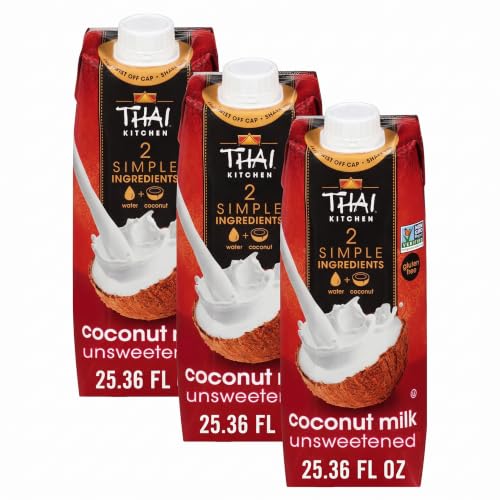
Made from coconut meat, this unsweetened milk adds richness and body to recipes
The information below is per-pack only

Balancing Sweetness and Fat
Coconut milk’s fat content provides mouthfeel that moderates perceived sweetness in desserts. When you add coconut milk to sticky rice with mango or sweet puddings, the fat rounds sharp sugary notes so the sweetness feels smooth rather than cloying.
Fat also slows flavor release on your palate. That means you taste layered notes—sugar first, then coconut’s vegetal creaminess—which keeps a dessert from tasting one-dimensional.
Use the richer coconut cream for denser sweets and lighter coconut milk for syruped or fruit-based desserts. Adjust fat level to control richness without changing sweetness concentration.
Aroma and Depth of Taste
Coconut milk contributes volatile aromatic compounds that give desserts a recognizable tropical scent. You notice floral and nutty undertones that enhance other fragrant ingredients like pandan and lime leaves.
Those aroma compounds bind with coconut fat, so a dessert made with coconut cream holds scent longer and feels more aromatic. You can intensify scent by gently heating the milk with aromatics or by reducing it to concentrate both flavor and perfume.
Because coconut milk has subtle savory notes, it can also add depth to sweet dishes, preventing them from tasting flat or overly saccharine.
Natural Pairing With Thai Ingredients
Coconut milk complements common Thai ingredients through both chemistry and tradition. Its fat-soluble nature carries pandan’s green, grassy aromatics and melds with the citrusy brightness of kaffir lime.
It balances textures with glutinous rice and soft beans, creating cohesion in mixed-component desserts. You’ll find coconut milk used with mango, taro, mung beans, and palm sugar because it harmonizes sweetness, fragrance, and texture.
Finally, its mild flavor lets stronger elements—roasted sesame, toasted coconut, or salted toppings—stand out while still providing a unifying creamy base.


Traditional Techniques for Preparing Coconut Milk
You will learn practical ways to extract coconut milk, how to keep it fresh for use in desserts, and why those choices change texture and flavor in finished sweets.
Recommended Products
Organic Coconut Milk – USDA Certified: Our organic coconut milk is made from the finest coconuts, certified USDA Organic to ensure purity, safety, and top quality


Indulge guilt-free with our Sugar-Free Condensed Coconut Milk, a vegan and lactose-free delight that offers rich and creamy goodness.
Manual Extraction Methods
You extract fresh milk by grating the white coconut meat and pressing it with hot water to release fat and liquid. Use a coarse grater or a food processor to break the meat into fine pieces, then add hot (not boiling) water at a roughly 1:1 ratio for first-press milk. Squeeze the grated mixture tightly through a cheesecloth or a fine mesh to collect the first, richest extraction—this is your full-fat milk for custards and coconut sauces.
For a lighter version, repeat the process on the leftover pulp with more hot water to get second-press milk. You can press by hand, with a wooden pestle in a bowl, or using a clean towel and firm downward pressure. Store strained pulp to dry and use as desiccated coconut or to bolster texture in some desserts.
Preserving Freshness
Fresh coconut milk oxidizes and separates within hours; cool it quickly to slow spoilage. Transfer the milk to a clean, airtight container and chill to 4°C (39°F) or below; use within 48–72 hours for best flavor and safety. For slightly longer storage, freeze milk in measured portions—ice-cube trays or labeled containers—then thaw in the refrigerator before using.
Avoid leaving coconut milk at room temperature and never reheat repeatedly. If you plan to keep a creamy top for presentation, pour milk into shallow containers so the cream layer forms more consistently and refrigerate uncovered briefly before sealing to reduce condensation.
Influence on Dessert Quality
The fat content, freshness, and extraction method directly affect mouthfeel, sheen, and stability of Thai desserts. Full-fat, first-press milk yields glossy, rich custards (khanom thuai) and a cohesive coconut cream layer for sticky rice with mango. Second-press milk lightens dishes but can thin the texture and reduce the glossy finish.
Texture control: higher fat increases richness and slows sugar crystallization in syrups and puddings. Flavor control: fresher milk smells sweeter and less musty; oxidation or poor storage introduces off-notes that mask delicate jasmine or pandan accents. Choose extraction and storage methods to match the dessert’s needs—use first-press for toppings and custards, second-press for porridges and lighter fillings.


Popular Thai Desserts Featuring Coconut Milk
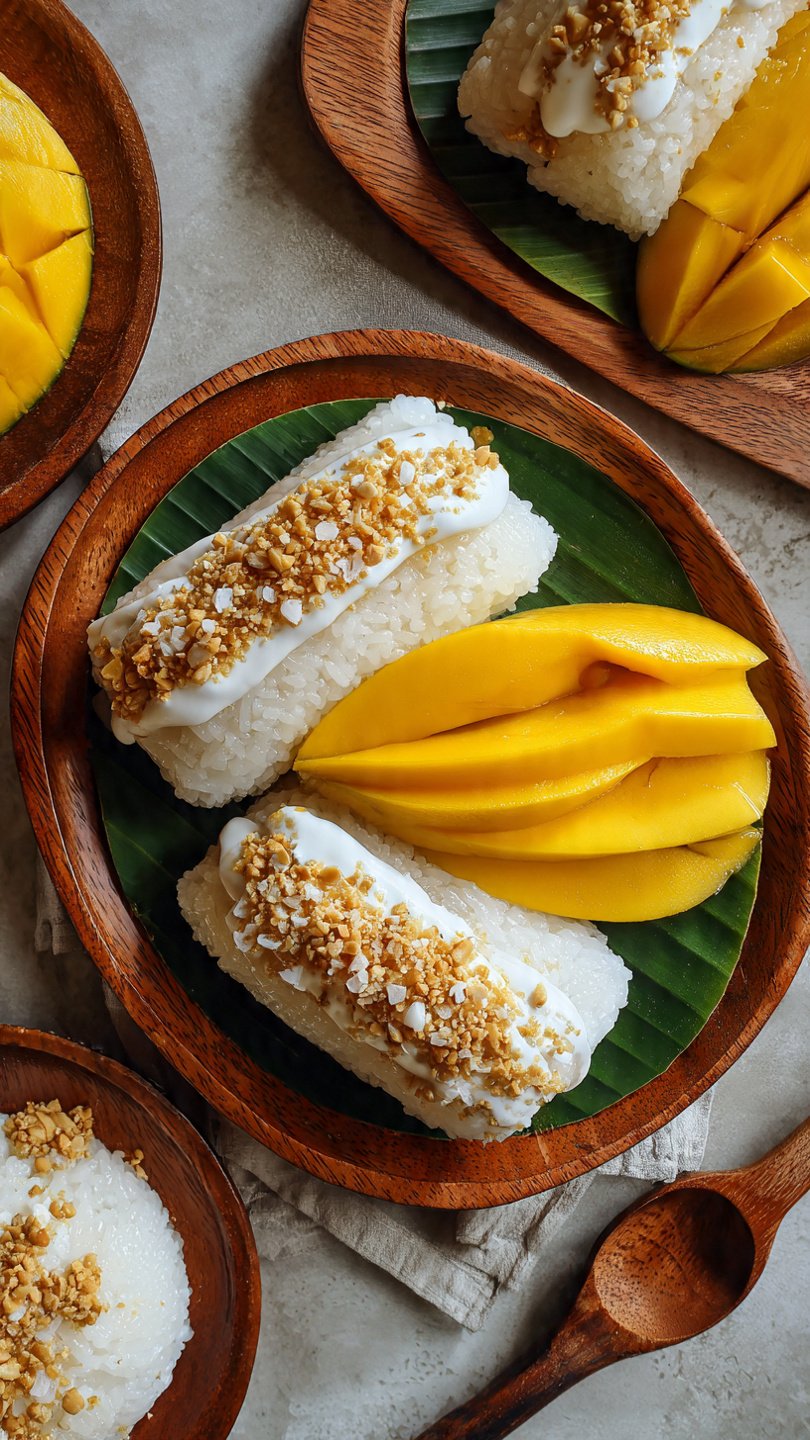
Coconut milk provides creaminess, balance, and aroma in desserts that range from chilled puddings to warm custards. Expect textures that pair sticky rice, soft coconut curds, and silky custards with contrasting toppings like mango, pandan, or toasted mung beans.
Recommended Products

![[Chaokoh] Coconut Gel in Syrup Net Wt. 500g. From Thailand](https://m.media-amazon.com/images/I/51d39mFjjmL._SL500_.jpg)
![Pandan Coconut Blended Crème Mix by Angel Specialty Products [2LB]](https://m.media-amazon.com/images/I/41NaxKDO8-L._SL500_.jpg)
✅ 𝗔𝗡𝗚𝗘𝗟 𝗣𝗔𝗡𝗗𝗔𝗡 𝗖𝗢𝗖𝗢𝗡𝗨𝗧 - Blended Creme Instant Powder Mix | Resealable Bag | 32 oz (2 Pound)
Khao Niao Mamuang (Mango Sticky Rice)

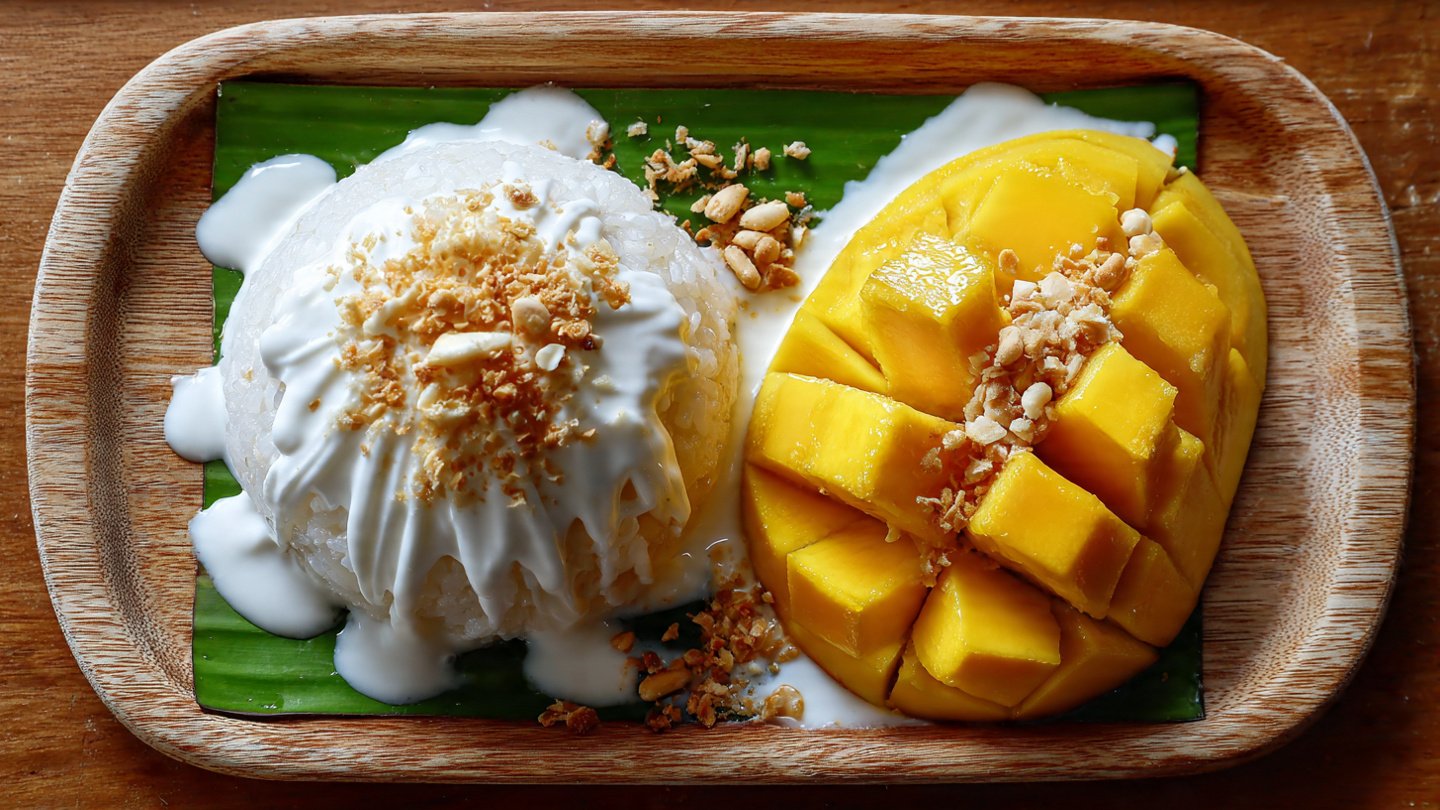
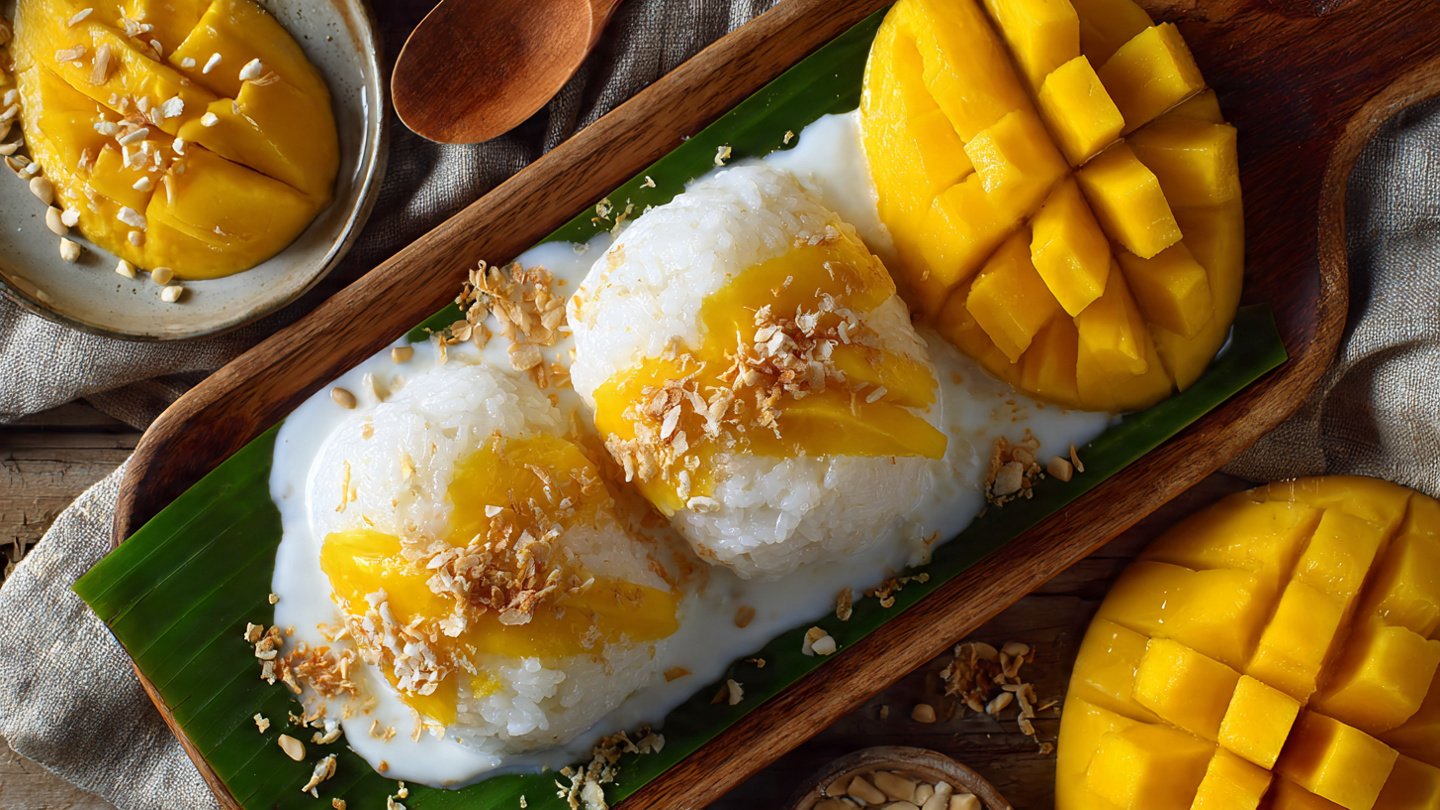
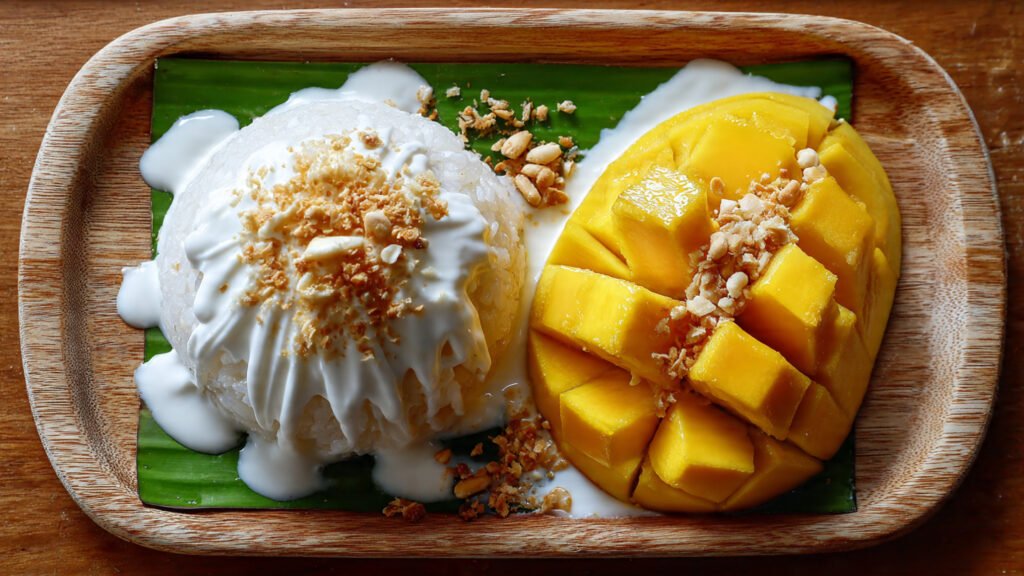
You’ll find glutinous rice steamed until tender, then gently mixed with warm, sweetened coconut milk so each grain becomes glossy and slightly sticky. The coconut mixture is often salted lightly to heighten sweetness and served beside ripe, fragrant mango slices.
A thicker coconut cream is drizzled on top at serving for richness and visual contrast. Toasted sesame or mung beans add crunch; some vendors finish with a sprinkle of salt to sharpen the flavor profile. This dessert relies on coconut milk for both texture and the balance between sweet and savory.
Khanom Krok
Khanom krok are small, two-sided coconut pancakes made in a cast-iron or ceramic pan with hemispherical wells. You’ll mix coconut milk with rice flour and a touch of sugar to form a batter that crisps on the edges and remains soft inside.
Fillings or toppings such as chopped scallion, sweet corn, or taro cubes sit in the center while the batter cooks, offering savory or sweet contrasts. The coconut milk provides the fat that creates the characteristic creamy interior and the slightly caramelized exterior you expect from street-vendor versions.
Tako
Tako is a layered coconut jelly usually set in small pandan or banana-leaf cups, giving it a fragrant base and neat portioning. The bottom layer often contains pandan-flavored water or juice mixed with arrowroot or tapioca starch to create a tender, slightly chewy base.
The top layer is a clear, smooth coconut cream made from coconut milk and a little salt to cut sweetness. You’ll serve Tako chilled; the coconut cream’s richness and the pandan base’s vegetal aroma make a clean yet indulgent bite that highlights coconut milk’s role as both flavor and textural agent.
Sangkaya
Sangkaya is a coconut custard commonly steamed inside a halved pumpkin, egg, or taro, with the custard set by eggs and thickened by coconut milk. You’ll whisk coconut milk with eggs, palm sugar, and sometimes pandan, then steam slowly so the custard becomes silky, not grainy.
The coconut milk supplies fat and a gentle sweetness, while the steaming vessel (pumpkin or egg) imparts aroma and visual appeal. When served, the custard’s creaminess and the contrasting texture of the vessel create a layered sensory experience centered on coconut’s creamy influence.


Modern Adaptations and Innovations
Coconut milk continues to evolve in Thai desserts through creative pairings and ingredient swaps that preserve its creaminess and floral aroma. You’ll see it used to balance sweet and savory elements, replace dairy, and enable new textures and presentations.
Recommended Products

Product Type:Cereal

QUALITY SWEET RICE GRAINS - Our sweet sticky rice is grown and sustainably harvested by expert growers and local farmers in Thailand, where the best sticky/glutinous rice grows. The sticky rice 2.2 lb pack comes with premium, well-milled rice grains that when cooked becomes shiny, sticky and transluscent.

COCONUT CREAM: Add rich, velvety texture and coconut flavor to everything from baked goods to savory dishes and recipes.
Fusion With Western Desserts
You can find coconut milk incorporated into Western-style desserts like panna cotta, custards, and ice cream to lend a subtler sweetness and silkier mouthfeel than dairy alone. Chefs often replace part or all of heavy cream with full-fat coconut milk when making panna cotta or crème caramel; this keeps the set texture while adding a coconut fragrance that pairs well with tropical fruits like mango and lychee.
Bakers use coconut milk in cake batters and frostings to add moisture without overpowering vanilla or citrus notes. In layered desserts, coconut milk-based creams provide stability and a glossy finish, especially when combined with gelatin or agar. You’ll often see taste-balancing techniques such as adding a touch of lime zest or toasted coconut shards for contrast.
Plant-Based and Vegan Trends
You can rely on coconut milk as a primary dairy substitute in vegan versions of traditional Thai sweets like mango sticky rice and coconut custard. Its high fat content replicates the mouthfeel of dairy, so it works well in custards, puddings, and coconut-based sauces without needing complex emulsifiers.
Commercial and home cooks use canned full-fat coconut milk for richness and carton coconut milk for lighter applications. You’ll notice common adjustments: reducing added sugar slightly, tempering heat to prevent separation, and using starches (tapioca or rice flour) to thicken while keeping a clean flavor. For texture, aquafaba or soy-based stabilizers sometimes replace eggs in mousse-style desserts to maintain structure and glossy appearance.


Nutritional Value of Coconut Milk in Sweets
Coconut milk contributes concentrated fat, moderate calories, and small amounts of protein and micronutrients to desserts. It affects texture, mouthfeel, and the nutritional profile of each serving, so portion and preparation matter.
Recommended Products
GREAT TASTING SINCE 1970s: More than 50 years of heritage to deliver delicious foods and sauces AUTHENTIC ASIAN CUISINE: Rich and naturally sweet, coconut milk gives a...
Essential Vitamins and Minerals
Coconut milk supplies small but useful amounts of minerals that matter in desserts. A typical 100 ml serving provides notable potassium and magnesium, which support fluid balance and muscle function. It also contains iron and phosphorus in modest amounts that can add to daily intake when you eat multiple portions.
Vitamins are limited but present. You’ll find trace amounts of B vitamins, particularly B1 (thiamine) and B6, which contribute to energy metabolism. Coconut milk also contains fat-soluble vitamin E in low quantities that can act as an antioxidant in food preparations.
If you use canned, full-fat coconut milk, the mineral concentrations are slightly higher than in diluted or carton varieties. Freshly made coconut milk retains more native micronutrients compared with highly processed alternatives.
Dietary Considerations
Coconut milk is high in total fat and saturated fat; per cup, calories often reach several hundred, so your portion size directly affects caloric intake. In desserts, you typically use smaller volumes, but repeated servings can significantly raise daily saturated-fat intake, which you should monitor if you have cholesterol concerns.
Coconut milk is naturally lactose-free and suitable for those avoiding dairy or following vegan diets. It contains minimal protein, so it does not replace protein-rich ingredients in sweets. If you need lower calories or fat, choose light coconut milk (diluted) or combine coconut milk with lower-fat dairy or plant milks.
Watch additives: sweetened or flavored packaged coconut milks add sugars and can change glycemic impact. For controlled sugar and fat, use unsweetened, full-fat coconut milk in measured amounts or make a fresh, diluted version to balance taste and nutrition.


Sustainability and Sourcing of Coconuts in Thailand
Coconut production in Thailand centers on smallholder farms, year‑round harvest cycles, and growing interest in regenerative methods. You will find both traditional practices and newer certification and inspection programs shaping how coconuts reach markets.
Recommended Products

Rich, creamy, non-dairy milk for smoothies, coffee, curries and baked goods

DAIRY FREE ALTERNATIVE: Evaporated Coconut Milk is a dairy free alternative to canned evaporated milk.

100% Natural: Soeos Sweet Sticky Rice is made from pure natural components, ensuring that every bite is healthy and delicious; Our sticky rice is gluten-free and free from preservatives, making it a perfect choice for vegans and vegetarians
Local Agriculture Practices
Many Thai coconut growers manage 1–5 hectare holdings and interplant coconuts with rubber, fruit trees, or vegetables to diversify income and improve soil cover. You will see a mix of traditional techniques — hand‑harvesting, organic manure, and selective pruning — alongside modern inputs like drip irrigation and grafted varieties distributed by producers to increase yield.
Programs such as regenerative agriculture training and third‑party farm inspections are expanding. These efforts teach cover cropping, composting, and pest‑management that reduce chemical use and increase resilience to drought.
If you source coconut milk, check for certifications (organic, fair trade) and supplier traceability reports; they indicate whether fruit comes from farmers using sustainable practices or from conventional mono‑plantations.
Environmental Impact
Coconut cultivation affects biodiversity, water use, and soil health differently depending on management. You will notice that monoculture plantations can reduce understorey diversity and require more agrochemical inputs, while mixed‑cropping systems support pollinators and improve nutrient cycling.
Water demands are moderate compared with some tree crops, but improper irrigation and clearing for new plantations can strain local water tables and increase erosion. Recent partnerships between producers and NGOs have targeted ethical labor practices and reduced reliance on animal labor, while promoting landscape‑level measures like buffer strips and agroforestry corridors.
When evaluating environmental impact, prioritize suppliers who publish farm inspection results, use regenerative practices, or participate in community programs that support both ecosystems and farmers’ livelihoods.


Conclusion
You can see how coconut milk does more than add sweetness; it shapes texture, balances flavors, and anchors cultural tradition. Its fat content creates the creamy mouthfeel central to sticky rice, custards, and many other Thai sweets.
Coconut milk acts as a flavor bridge between tropical fruits, floral aromatics, and caramelized palm sugar. You get a consistent richness that supports both subtle and bold ingredients without overpowering them.
Using coconut in multiple forms — milk, cream, and shredded flesh — gives you layers of mouthfeel and aroma. That versatility lets traditional recipes remain flexible while preserving familiar taste profiles.
If you recreate Thai desserts, prioritizing quality coconut milk improves authenticity and final texture. Fresh or well-selected canned coconut milk will most directly affect how closely your results match traditional standards.
You benefit from understanding coconut milk’s dual role: a functional ingredient for texture and a cultural marker that ties recipes to place and history. Respecting both aspects helps you appreciate and reproduce the balance that defines Thai desserts.
Recommended Products

Deliciously Sweet & Chewy: Made with high-quality, finely shredded coconut and sweetened to perfection for a rich, indulgent taste. Perfect Texture: Crispy on the outside and...