
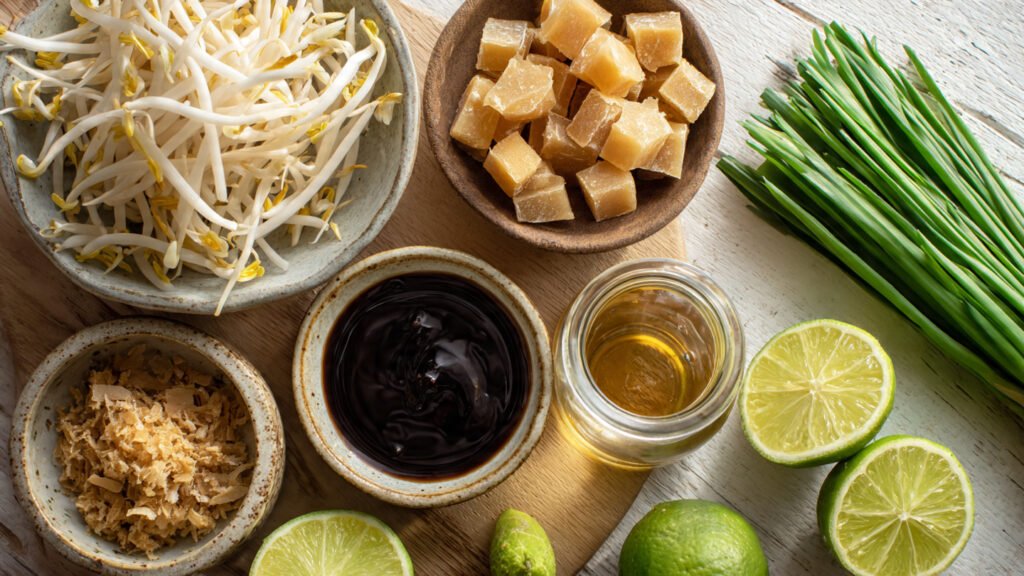


You’ll spot Pad Thai’s soul in a few pantry items and fresh components that work together to create its balance of sweet, sour, salty, and umami. Tamarind paste, palm sugar, fish sauce, dry rice noodles, and a choice of protein (shrimp, chicken, or tofu) form the essential backbone of authentic Pad Thai.
Beyond that backbone, you’ll need eggs for silkiness, bean sprouts and green onions for freshness, crushed roasted peanuts for crunch, and a very hot wok to develop the slight char known as wok hei. The rest of the article breaks down noodles and texture, proteins, the sauce components, fresh and crunchy additions, small flavor enhancers, and practical substitutions so you can recreate authentic Pad Thai at home.
Core Noodles and Texture
Texture depends on using the right flat rice noodles and preparing them so they remain pliable, slightly chewy, and separate rather than clumped. Small adjustments in soaking time and wok technique control chewiness and sauce absorption.
Recommended Products


AUTHENTIC THAI FLAVOR: Immerse your Thai taste buds with our BHT tamarind concentrate. Ideal for Pad Thai, Crying Tiger sauce, and Thai restaurant style Golden Peanut Sauce. Also common for Pineapple Duck Curry, Kai Look Koey sauce (ไข่ลูกเขย), Thai Pork Curry (แกงเทโพ).

Natural Flavor Enhancer : Tamarind Paste, crafted for culinary enthusiasts and chefs to add a tangy zest to dishes.
Rice Noodles Selection
Choose dried flat rice noodles labeled for Pad Thai or “sen yai”/“sen lek” sizes. Medium-width (about 6–8 mm) or slightly narrower noodles work best because they pick up sauce without becoming heavy. Avoid very wide rice sheets; they tear easily and become gluey.
Look for noodles made from 100% rice flour and water — no wheat — to keep the authentic texture. If you must substitute, use fresh rice-stick noodles from an Asian market; they cook faster but require gentler handling. Inspect packages for uniform thickness; uneven noodles cook inconsistently and cause some strands to be underdone while others overcook.
Noodle Preparation Techniques
Soak dried noodles in warm (not hot) water for 20–30 minutes until pliable but still a bit firm at the center. Test by bending a strand; it should flex without snapping. Drain well and toss lightly with a teaspoon of neutral oil to prevent surface sticking if you won’t cook immediately.
If using fresh noodles, separate them gently and soak briefly in warm water only if they’re stuck together. Do not pre-boil unless a recipe specifically calls for quick blanching; boiling makes them absorb too much sauce and get mushy. During cooking, work in small batches, add sauce incrementally, and toss quickly over high heat to heat through while preserving a springy bite.


Key Proteins in Authentic Pad Thai
You’ll typically find seafood or a combination of meat and soy-based protein in classic Pad Thai. These proteins provide texture, flavor, and traditional balance with the tamarind-fish sauce-palm sugar dressing.
Recommended Products

100% Natural & Traditional Thai Palm Sugar – No additives, no preservatives, and no refined sugar. Just pure palm nectar boiled into solid sugar.

Authenticity in Every Bite: Our Pure Premium Golden Palm Sugar is sourced from high-quality palm trees, ensuring an authentic taste that elevates traditional dishes like Thai Mango Sticky Rice, Indonesian Gula Melaka Sago Pudding, Malaysian Rendang, Vietnamese Chè, Thai Tom Kha Gai, Indonesian Bubur Cha Cha, Malaysian Kuih Dadar, and Thai Pad Thai.

AUTHENTIC THAI: Pure palm sugar from Thailand offering a natural golden sweetener perfect for traditional Asian cooking and baking
Shrimp and Prawns
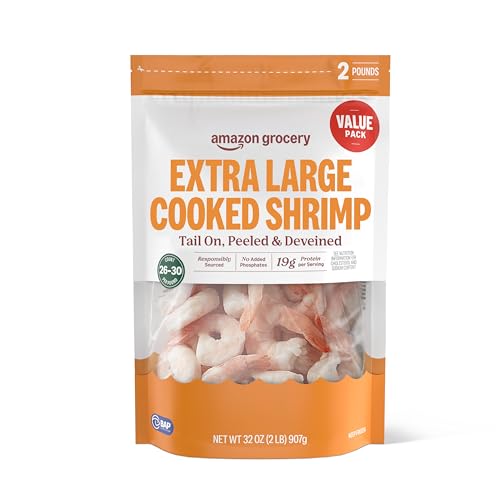
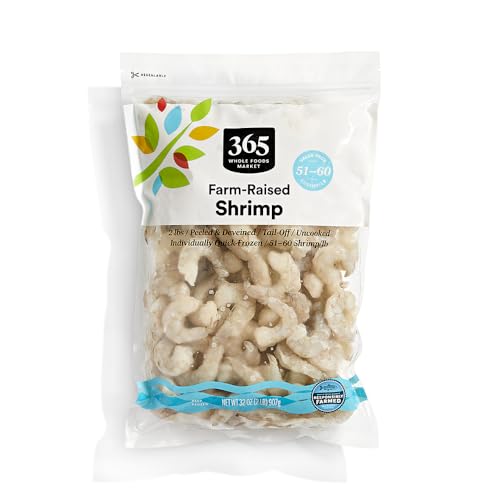
Shrimp (often medium-sized) or prawns serve as the most traditional seafood protein. Use peeled and deveined shrimp with tails on or off depending on presentation; large shrimp add a firmer bite while medium shrimp cook quickly and distribute more evenly through the noodles. Pat them dry and stir-fry briefly on high heat—about 1–2 minutes per side—so they stay juicy and develop light browning without turning rubbery.
Shrimp pairs well with the dish’s sweet-tangy sauce and the slight smokiness from a hot wok. If using dried shrimp, add a small amount chopped finely to the sauce for umami; use sparingly because dried shrimp are intensely salty.
Chicken and Tofu Options
Chicken breast or thigh provides a mild, lean option when you want meat instead of seafood. Slice thinly against the grain into bite-sized strips so it cooks quickly and stays tender. Marinate briefly in a teaspoon of fish sauce and a pinch of white pepper if you want a touch of deeper savory flavor before stir-frying.
Firm tofu offers the traditional vegetarian-friendly substitute. Press tofu to remove excess water, then cut into small cubes and fry until golden on all sides for texture. For best results, pan-fry first, then add to the wok near the end so it soaks up the sauce without falling apart. Combine tofu with a small splash of soy or tamari if you need a gluten-free alternative to fish sauce.

Essential Pad Thai Sauce Ingredients

The balance of sour, salty, and sweet defines authentic Pad Thai sauce. Each ingredient below plays a precise role: one provides acidity, one adds umami saltiness, and one supplies rounded sweetness and texture.
Recommended Products

Culinary Versatility - Make your favorite Vietnamese, Chinese, and Thai dishes at home with flat rice noodles! Use it as a base for flavorful soups, stir-fries, and a wide range of culinary creations.

COMMITMENT TO AUTHENTIC ASIAN NOODLES: Four Elephants Rice Sticks for those who want authentic Asian flavors and understands the difference between (3MM, 5MM, 10MM) for delicate noodles commonly used in a variety of standout Asian dishes like Pad Thai (choose 3MM or 5MM), Pho (choose 3MM or 5MM), and Stir Fry (choose 10MM) and for those who have dietary restrictions and can’t eat wheat noodles.

STEAMED NOT FRIED: Every batch of rice noodles is steam cooked and slowly dried
Tamarind Paste
Tamarind paste supplies the distinctive sour backbone of Pad Thai. Use concentrated tamarind paste (not raw pulp) for consistent acidity; start with about 2 tablespoons for a sauce that will serve 3–4 people and adjust to taste.
If you only have tamarind block, soak 2–3 tablespoons of broken pieces in warm water for 10–15 minutes, then strain and press to extract the juice. Freshness matters: older paste can taste flat, so replace it every few months or store refrigerated in an airtight container.
Tamarind’s tartness should be bright but not harsh. When you mix it with the other sauce ingredients, taste for a clean, fruity sourness that cuts through oil and noodles without dominating.
Fish Sauce
Fish sauce delivers the savory, umami depth unique to Thai cooking. Use a quality brand with a clear, amber color and full-bodied aroma; add roughly 2–3 tablespoons for a 3–4 person batch, then tweak to preference.
Measure carefully—fish sauce is potent. If you need a vegetarian option, replace it with a combination of soy sauce and a small dash of miso or mushroom seasoning to approximate the umami, but recognize the flavor will differ from traditional Pad Thai.
Add fish sauce incrementally and taste after each adjustment. It should season the sauce rather than make it overtly salty; its role is to bond the sour and sweet elements into a savory whole.
Palm Sugar
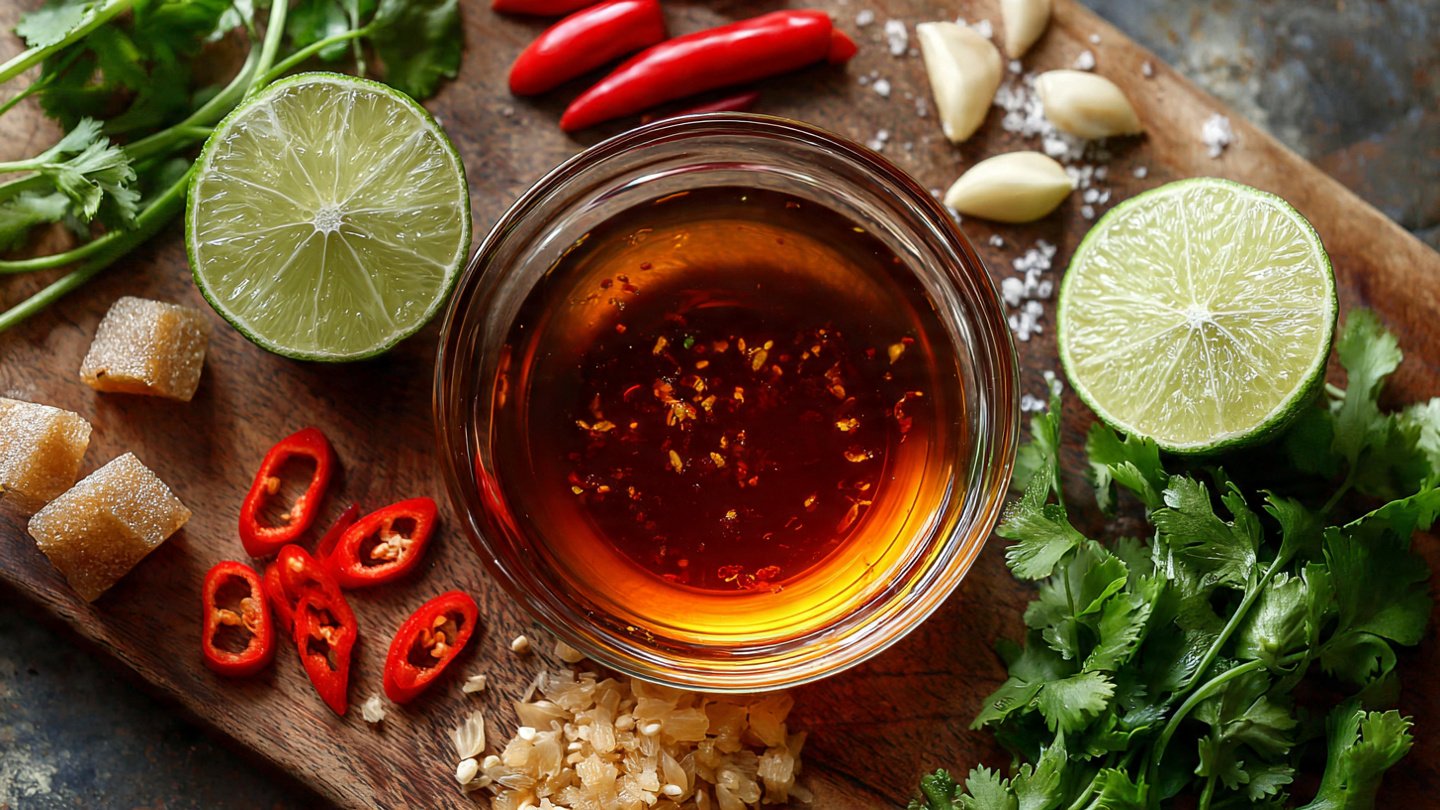
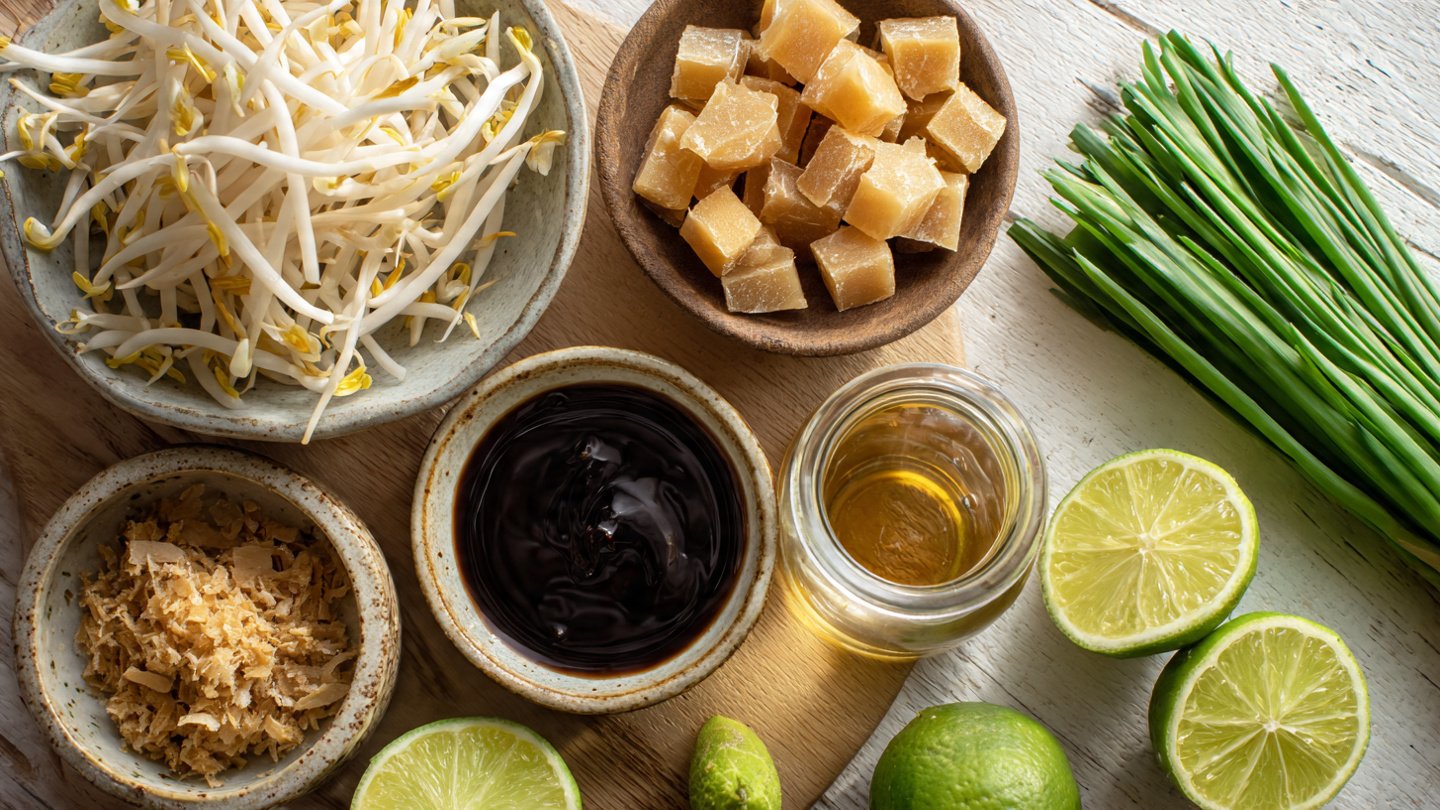
Palm sugar gives Pad Thai its mellow, caramel-like sweetness and helps create the glossy sauce texture. Use grated or dissolved palm sugar—about 2 tablespoons—to start for a 3–4 person sauce, adjusting by taste.
If you can’t find palm sugar, use light brown sugar as a fallback, but expect a slightly different flavor and less aromatic depth. Dissolve the sugar in the warm tamarind-fish sauce mixture so it blends evenly; undissolved crystals will create uneven sweetness.
Palm sugar should round off the tartness and saltiness, not overpower them. Aim for a balanced finish where sweetness softens acidity and enhances savory notes rather than masking them.


Signature Fresh Components

These fresh elements add crunch, herbal brightness, and a sharp citrus finish that balance Pad Thai’s savory, sweet, and umami components. Use them just before serving to preserve texture and vibrant flavor.
Recommended Products
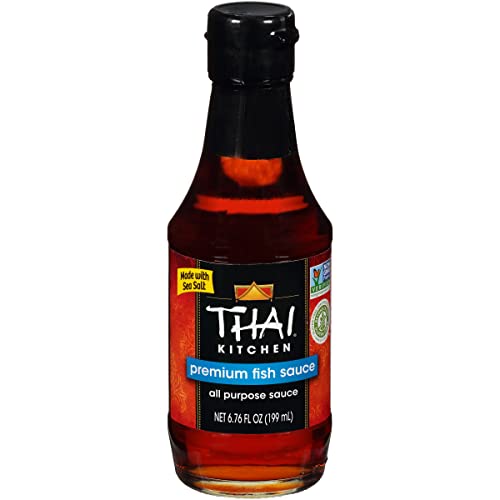
Premium Fish Sauce carefully crafted from the pressing of salted anchovies

JUST TWO INGREDIENTS: We use only sea salt and black anchovies caught off of the crystal clear waters of Vietnam’s Phú Quốc archipelago

Lucky Brand Thai Fish Sauce 23 Fl. oz.
Bean Sprouts
Use fresh, crisp mung bean sprouts for their watery crunch and mild, slightly nutty flavor. Rinse them and trim any brown tips; do not overcook them in the wok — add them in the final 20–30 seconds so they stay crunchy and retain moisture.
Bean sprouts contribute texture contrast to soft rice noodles and scrambled egg. Add about 1 to 1 1/2 cups per 2–3 servings so every portion gets a good bite without diluting the sauce.
If you must substitute, lightly blanched shredded cabbage can work, but expect a firmer, less juicy result. Store sprouts unwashed in the fridge wrapped in a damp paper towel and use within 2–3 days.
Garlic Chives
Garlic chives (Chinese chives) deliver a garlicky, onion-like note that complements fish sauce and tamarind. Chop into 1–2 inch lengths and stir them in at the last minute so their color and aroma remain pronounced.
Use about a small handful (roughly 1/3 to 1/2 cup) for 2–3 servings; more will dominate the dish. If you can’t find them, thinly sliced scallions are an acceptable but milder alternative.
Keep chives dry in the fridge and add them to the wok off-heat or during the final stir to avoid sogginess and preserve their bright, herbaceous punch.
Lime Wedges
Lime wedges supply the essential acidic counterpoint to palm sugar and fish sauce. Cut fresh limes into quarters and offer them at the table so diners control acidity; squeeze just before eating to keep noodles from becoming soggy.
One lime per 2–3 servings typically suffices, but provide extra for guests who prefer a tart finish. If limes are small or underripe, use juice sparingly and taste as you go.
Avoid bottled lime juice for serving; its flatness changes the balance. Store whole limes at room temperature for up to a week or in the crisper drawer for longer freshness.


Aromatic and Crunchy Additions
These ingredients add texture and concentrated savory notes that lift the sauce and noodles. They provide contrast: roasted peanuts give crunch and fat, shallots add sweet aromatics, and dried shrimp deliver compact umami.
Recommended Products


Versatile Cooking Capability: No other pan in your kitchen has the versatility that this wok pan offers. Woks aren't just for Asian cuisine anymore; the design of the wok pan is suitable for cooking a variety of dishes. Unlike a traditional skillet, which cooks from the bottom of the pan only, the wok features high, steep edges that cook foods from all sides
Roasted Peanuts
Roasted peanuts supply the crunchy finish and nutty richness visitors expect in Pad Thai. Use unsalted, dry-roasted peanuts and chop them coarsely so you get distinct crunch without overwhelming each bite.
Toast peanuts briefly if they aren’t pre-roasted; 3–5 minutes in a dry pan over medium heat brings out oils and aroma. Fold the peanuts into the finished dish just before serving to preserve texture.
If someone in your group has peanut allergies, substitute crushed roasted cashews or toasted sunflower seeds to mimic the crunchy element while avoiding peanut protein.
Shallots
Shallots contribute a mild, sweet onion note that complements tamarind and fish sauce. Slice them thin and fry or sauté until translucent or lightly golden to release sugars without burning.
You can use shallots at two points: caramelize a few in the pan early to flavor the oil, and add raw thin slices as a fresh, crisp garnish for contrast. Adjust quantity to taste; 1 medium shallot per 2–3 servings is a common starting point.
If shallots aren’t available, sweet onion can work, but keep slices thinner and reduce cooking time to avoid overpowering sharpness.
Dried Shrimp
Dried shrimp deliver concentrated seafood umami and a mild briny pop that complements fish sauce. Rinse briefly and pat dry if you want a subtler flavor; use them whole, chopped, or ground depending on how pronounced you want the shrimp presence.
Toast dried shrimp in a dry pan for 1–2 minutes to deepen flavor, then either fold into the stir-fry or use as a garnish. About 1–2 tablespoons of chopped dried shrimp per 2–3 servings adds noticeable umami without turning the dish fishy.
For vegetarian versions, replace dried shrimp with toasted shiitake powder or finely chopped roasted mushrooms to approximate the savory depth.


Unique Flavor Enhancers
These ingredients punch up Pad Thai’s balance by adding heat, fermented tang, and texture. Use them sparingly and taste as you go to keep the dish balanced.
Recommended Products
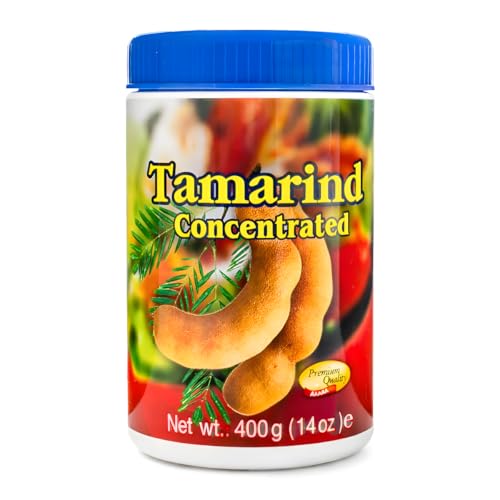
AUTHENTIC FLAVOR: Natural tamarind concentrate paste perfect for adding tangy, sweet-sour flavor to Asian and Indian dishes
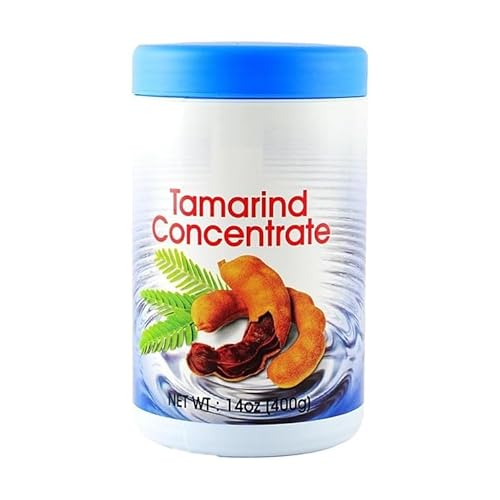
AUTHENTIC FLAVOR: Natural tamarind concentrate paste perfect for adding tangy, sweet-sour flavor to Asian and Indian dishes

Pad Thai A quintessential Thai stir-fried noodle dish made with rice noodles, eggs, and protein (such as shrimp or tofu). It's tossed in a savory-sweet sauce featuring tamarind paste, fish sauce, and sugar, then garnished with crushed peanuts, bean sprouts, and lime. The tamarind adds a distinctive tang that balances the dish's flavors.
Red Chili Flakes
Red chili flakes provide controlled heat and a toasty, slightly smoky note when added at the end or during stir-fry. Use Thai bird’s eye chili flakes for sharper, immediate heat; crushed dried cayenne-style flakes give milder, steadier warmth. Start with 1/4 to 1/2 teaspoon for a single serving and increase to taste.
Add flakes at two key moments: a pinch while stir-frying to infuse oil and a final sprinkle before plating for aroma and visual contrast. If you prefer even heat distribution, bloom flakes in a tablespoon of hot oil for 10–20 seconds, then toss with noodles. Store flakes in an airtight container away from light to preserve heat and flavor.
Pickled Radish
Pickled radish (tao jiao or takuan-style pieces) brings bright acidity, crunchy texture, and mild fermentation that cuts through the sweetness and oil. Choose coarsely diced yellow pickled radish used in many street-style recipes; rinse lightly if overly salty or vinegary.
Incorporate 1–2 tablespoons per two servings, stirring in during the final 1–2 minutes of cook time so the radish softens slightly but keeps crunch. The vinegar-bright bite helps lift tamarind and palm sugar, while the crunch contrasts tender rice noodles. Store pickled radish refrigerated and add just before serving to keep its crispness.


Finishing Touches and Garnishes
These final elements add texture, brightness, and heat to Pad Thai. Use them sparingly and place them on the side so diners can adjust flavors and crunch to their preference.
Recommended Products


Easy-to-make noodle dish for quick homemade meals
Cilantro Leaves
Cilantro brings a fresh, herbal brightness that cuts through the dish’s sweet-sour-salty profile. Use whole leaves or roughly chopped stems; the stems carry as much flavor as the leaves and withstand heat better.
Add cilantro just before serving to preserve its aroma. Scatter a small handful over the plated noodles or offer a side bowl so guests can add to taste. If you prefer a subtler note, use only the tender stem pieces; they blend into the sauce without dominating.
Avoid over-chopping, which bruises the herb and releases bitter notes. Wash and dry cilantro thoroughly; water droplets will wilt the leaves and dilute the final bite.
Crushed Pepper
Crushed dried red pepper adds controlled heat and visual contrast. Use roasted, crushed chilies (prik bon) for an authentic Thai flavor rather than generic chili flakes.
Provide a small spoonful at the table rather than mixing it into the wok; that lets each person dial heat precisely. A light dusting—about 1/8 to 1/4 teaspoon per serving—adds warmth without overpowering the tamarind-sugar balance.
Store crushed pepper in an airtight container away from light to preserve color and potency. Taste a pinch before using: some commercial blends contain salt or garlic, which will change the seasoning of your Pad Thai.
Fried Garlic
Fried garlic gives a toasty crunch and savory depth that complements peanuts and bean sprouts. Slice garlic thinly and fry in neutral oil over medium heat until light golden; remove promptly to avoid bitterness.
Drain on paper towels and salt lightly while still hot. Use sparingly—about 1 teaspoon per serving—or serve in a bowl for guests who want extra crunch. Fried garlic pairs particularly well with shrimp or chicken Pad Thai.
Keep fried garlic crisp by storing in a cool, dry jar and using within a few days. Reheat briefly in a dry skillet if it softens, but avoid microwaves which make it soggy.


Ingredient Substitutions and Regional Variations
You can swap single ingredients to suit diets or local availability without losing Pad Thai’s core balance of sweet, sour, and salty. Regional versions change protein, aromatics, and garnishes more than the fundamental tamarind–fish sauce–palm sugar trio.
Recommended Products
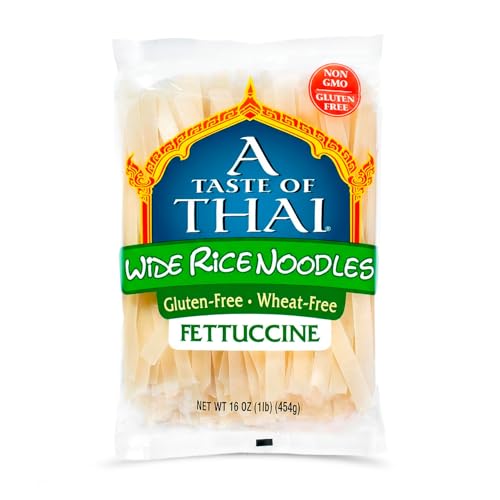
SUBSTANTIAL WIDE RIBBONS - Savor the satisfying width of our fettuccine-style rice noodles that provide a luxurious, hearty eating experience with their broad ribbons that perfectly showcase rich curries, creamy sauces, and bold stir-fry preparations.

Pad Thai Style Noodle

TRUE TO THAILAND - Our Pad Thai Rice Noodles are made using traditional methods from heirloom brown rice to create nutritious noodles rich in flavor
Vegetarian Alternatives
Replace fish sauce with soy sauce or tamari for saltiness; add 1–2 teaspoons of seaweed powder (nori or kelp) or a splash of miso diluted in water to mimic umami that fish sauce provides. For deeper savory notes, use mushroom soy or a small amount of dried shiitake soaking liquid.
Swap traditional shrimp or dried shrimp with firm tofu (pressed, cubed, pan-fried) or tempeh for texture and protein. If you want shrimp-like aroma, finely chop and lightly fry king oyster mushroom stems to simulate chewiness.
Replace palm sugar with light brown sugar or coconut sugar at a 1:1 ratio; reduce slightly if using very sweet alternatives. Keep tamarind paste if possible; if not available, use a blend of equal parts lime juice and mild vinegar plus a pinch of sugar to approximate tamarind’s sweet-tart profile.
Regional Ingredient Differences
Central Thai Pad Thai typically emphasizes tamarind, fish sauce, palm sugar, and crushed peanuts with thin rice noodles. You’ll often see shrimp, tofu, and egg as the standard proteins in Bangkok-style hawker versions.
In southern Thailand, you may find bolder heat and the use of coconut milk in some coastal adaptations, and local seafood like small dried fish or fresh prawns appears more often. Northern variations are less common but sometimes omit tamarind in favor of tamarind leaves or more sour condiments.
Street-style Pad Thai from the east coast can include fermented shrimp (kapi) or more pronounced dried shrimp presence for intense umami. Vegetarian northern or market stalls swap proteins entirely for crispy tofu, roasted peanuts, and additional vegetables while retaining the same noodle technique.