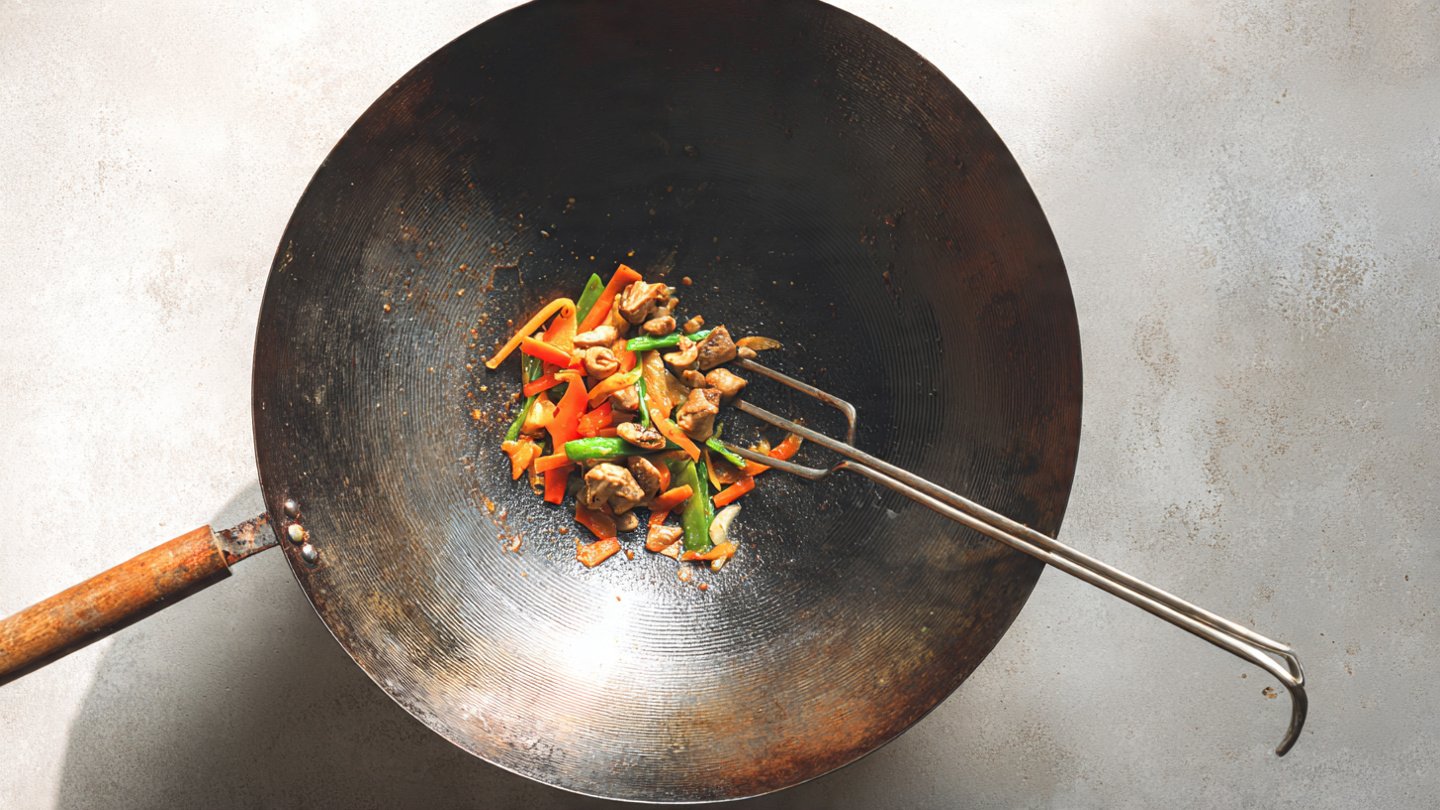

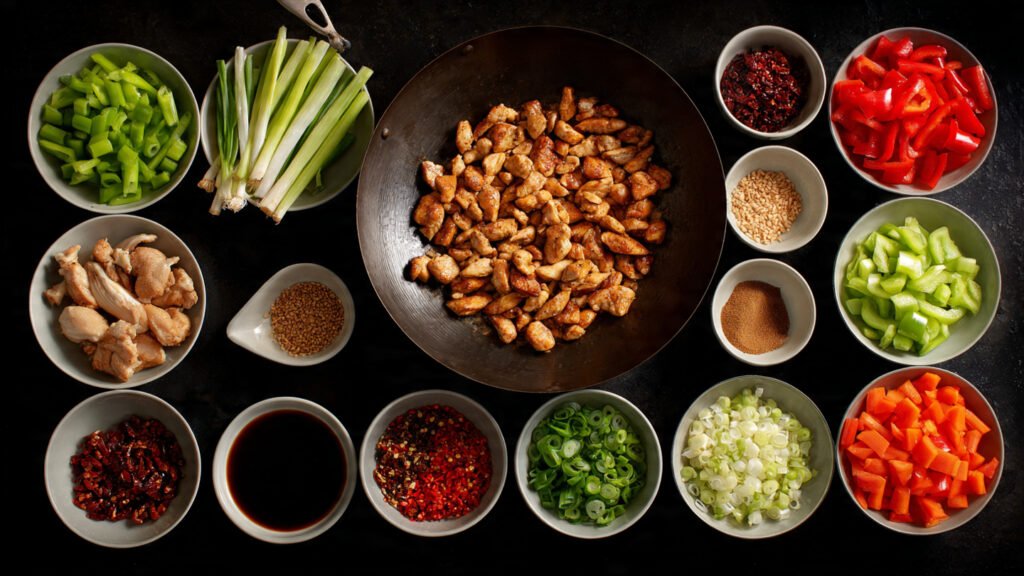


Kung Pao chicken shines when you balance crisp, colorful vegetables that stand up to high-heat stir-frying — bell peppers, scallions, and dried chiles give classic texture and flavor, while carrots, zucchini, and snow peas add color and quick-cooking crunch. Choose vegetables that cook quickly, retain bite, and complement the dish’s spicy-sweet-sour sauce to get authentic texture and bold flavor.
You’ll also explore modern swaps that broaden the dish — think mushrooms, broccoli, or even eggplant — plus tips for prepping and timing so each vegetable hits the wok at the right moment. This post shows which vegetables work best, why they matter for taste and nutrition, and how to customize choices for your diet and the other ingredients in the pan.
Essential Vegetables for Authentic Chinese Kung Pao Chicken

You’ll want vegetables that add crunch, bright color, and a balance to the dish’s spicy-salty-sweet sauce. Choose ingredients that hold up to high-heat stir-frying and complement roasted peanuts and Szechuan pepper characteristics.
Recommended Products

Takeout Night Without The Drive: Pour it over chicken and peppers in a hot pan and dinner lands about the time the rice does. No measuring out six things first and no guessing at ratios

Includes broccoli florets, Brussels sprouts, broccoli stalk, red cabbage, kale, carrots, snow or snap peas, Teriyaki sauce
Classic Vegetable Choices in Traditional Recipes
Traditional recipes most often use bell peppers, scallions (green onions), and sometimes celery or carrots. Bell peppers provide color and a mild sweetness; celery and carrots add firm crunch and a neutral backdrop that lets the sauce shine.
Use thicker-cut celery and matchstick carrots so they don’t overcook. Slice bell peppers into 1/2-inch pieces for even cooking and visual contrast.
Peanuts and dried chiles are not vegetables but pair with the veg for texture and heat. If you want extra fiber, add snow peas or sliced baby corn sparingly; they should not overwhelm the classic flavor profile.
Flavor and Texture Contribution of Bell Peppers
Bell peppers supply sweetness, moisture, and bright color that counterbalances heat from chiles and Sichuan peppercorns. Red and green peppers each contribute distinct notes: red for sweetness, green for a slightly bitter, fresher edge.
Cut peppers into uniform 1/2-inch squares or strips to ensure quick, even stir-frying and to keep a crisp bite.
Avoid watery or overripe peppers that will release too much liquid and dilute the sauce. Quickly sear peppers on high heat—this preserves texture and concentrates their flavor while integrating them into the sauce.
Importance of Scallions and Green Onions
Scallions provide onion aroma without overpowering the dish. Use both the white bases for savory depth and the green tops for freshness and color.
Slice the white parts thicker and add them earlier in the stir-fry; add the green tops at the end to preserve their bright oniony note.
Scallions also help bind flavors because their mild sulfur compounds marry well with soy, vinegar, and sesame oil. If you prefer a sharper kick, mix in a small amount of thinly sliced red onion, but keep scallions as the primary onion component.


Modern Variations: Expanding Vegetable Options

You can broaden Kung Pao’s texture and flavor by swapping or adding vegetables that stay crisp, take sauce well, and balance heat. Choose ingredients that cook quickly and hold their shape so the sauce doesn’t turn them mushy.
Recommended Products
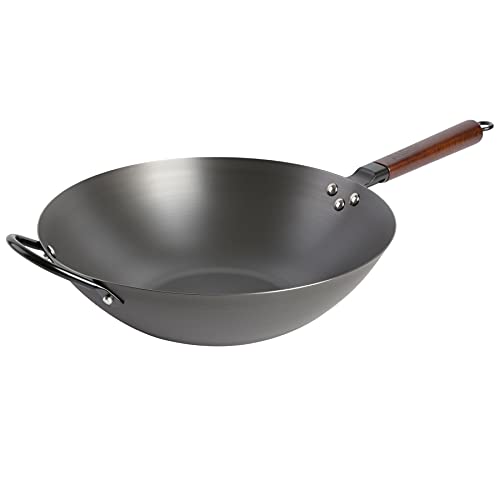
Consumer Reports Top Rated Wok 26': Babish 14 Inch Carbon Steel Wok (6" Flat Bottom)

PRODUCT BASICS: Round Bottom Heavy 14-Inch, 15-gauge (1.8mm) carbon steel wok, commercial grade. Original design by Craft Wok since 2014, with proven quality over the years. Chinese iron wok pan featuring a round bottom for home gas stovetops, professional wok jet turbo fast burners, open fire, BBQ, grills.
Crunchy Alternatives: Zucchini and Celery
Zucchini offers a mild, slightly sweet crunch when cut into half-moons or sticks and stir-fried over high heat for just 2–3 minutes. Salt it lightly and add near the end so it keeps some bite; its thin skin prevents sogginess and it soaks up the sauce without overpowering the dish.
Celery brings a sharper, more fibrous snap and a fresh aroma that cuts through the sauce’s richness. Slice on the bias into thin pieces to speed cooking and maintain crunch. Add celery a minute or two earlier than zucchini because it needs a touch more time to soften while still remaining crisp.
Both vegetables work well with marinade or quick tosses in the wok oil, and both pair nicely with peanuts and Sichuan peppercorns. Use equal parts vegetable to chicken by volume for balanced texture, or up the veg ratio if you prefer more crunch.
Using Carrots for Color and Sweetness
Carrots add firm texture and a gentle sweetness that contrasts the dish’s heat, especially when sliced thin on the diagonal or julienned. Blanching slices 30–45 seconds before stir-frying brightens color and shortens wok time without losing crunch.
Their natural sugars caramelize slightly when cooked over high heat, enhancing the sauce’s depth. For best results, add carrots early enough to soften slightly but not more than 3–4 minutes total in the wok. Match thickness across all vegetables to ensure even cooking.
Carrots pair particularly well with bell peppers and scallions and make the dish more visually appealing. If you want a subtle earthier note, use young carrots or mix in a small amount of grated carrot toward the end.
Snow Peas for Freshness
Snow peas contribute a crisp, sweet pop and a glossy appearance that livens the plate. Trim strings and add them in the final 1–2 minutes of cooking so they stay bright green and retain snap.
They release little moisture compared with heavier vegetables, so they won’t dilute your sauce. Toss them with the finished sauce off heat to coat evenly without overcooking. Snow peas complement roasted peanuts and fresh scallions, and they enhance mouthfeel with minimal prep.
If using frozen snow peas, thaw and pat dry to avoid excess steam. Use a 1:1 ratio by volume with other vegetables for consistent texture across the dish.


Nutritional Benefits of Selected Vegetables
These vegetables add vitamin C, vitamin A precursors, potassium, and fiber while keeping calories and saturated fat low. You get antioxidants from bell peppers, carotenoids from carrots, and bone-friendly minerals like potassium from celery.
Recommended Products
Combine chicken, vegetables and peanuts in our Kung Pao Sauce to recreate a chinese classic in your kitchen Or, create your own delicious combination. No high fructose corn...
Vitamins and Minerals in Common Stir-Fry Vegetables
Bell peppers supply high vitamin C — about 95 mg per medium red pepper — which helps iron absorption and immune function. They also provide smaller amounts of vitamin B6 and folate for energy metabolism.
Carrots are rich in beta-carotene (a vitamin A precursor) that supports vision and skin health; a half-cup cooked serving delivers a significant portion of your daily vitamin A needs.
Onions and scallions contain quercetin and trace minerals, offering mild anti-inflammatory benefits and flavor with minimal calories.
Celery and bok choy contribute potassium and calcium; bok choy also gives vitamin K for blood clotting and bone maintenance.
Peanuts or cashews often included in Kung Pao add magnesium and plant protein, rounding out micronutrients without overwhelming the vegetable profile.
Impact of Different Vegetables on Dietary Fiber Content
Bell peppers and onions provide mostly soluble fiber, which slows digestion and moderates blood sugar spikes after your meal.
Carrots and celery add insoluble fiber, aiding bowel regularity and adding chew that contrasts with tender chicken. A cup of raw carrots gives about 3.6 g fiber; a medium stalk of celery adds roughly 1.6 g.
Mixing fibrous vegetables increases total fiber per serving, commonly raising a single-plate portion of Kung Pao by 4–6 grams depending on amounts used.
Higher fiber also promotes satiety, so swapping extra starch (like rice) for more vegetables can lower total meal calories while keeping you full longer.


Selecting and Preparing Vegetables for Optimal Results
Pick vegetables that offer crisp texture, quick cooking, and complementary flavors. Focus on freshness, uniform size, and cuts that cook in the same short time as the chicken to keep the stir-fry bright and balanced.
Recommended Products

AUTHENTIC DRIED CHILE PEPPERS: Soeos Szechuan Dried Chili are used for cooking Mexican, Asian and Southwestern dishes. They offer a mild heat that adds a great accent to all your favorite recipes.

TRADITIONAL SZECHUAN CHILI FLAKES – A bold, delicious flavor inspired by Chinese, Korean, and Asian dishes our red chili flakes add a gourmet touch to dry rubs, tacos, salads, pepperoni pizza, kimchi, and more.

AUTHENTIC CHILI PEPPER FROM SZECHUAN: Bright reddish color, Sourced from Szechuan in China, A spicy addition to any dish. Used as a marinade or rub in restaurants and home gourmet cooking in Southeast Asian cuisine.
Choosing Freshness and Ripeness
Select vegetables with firm texture and vibrant color. For bell peppers, choose glossy skins and no soft spots; they should feel heavy for their size. Use carrots that snap when bent and celery with crisp ribs and leafy tops. Avoid limp scallions and wilted bok choy; their flavor and texture will be flat after a quick stir-fry.
Buy peanuts or preserved vegetables separately; they should be fresh and not rancid or overly salty. If using frozen peas or mixed vegetables, thaw and drain thoroughly to prevent the sauce from diluting. Store your chosen produce in the refrigerator and use within a few days to retain crunch and aroma.
Proper Cutting Techniques for Stir-Fry
Cut vegetables into uniform, bite-sized pieces so they cook evenly with the chicken. Slice bell peppers into 1/2-inch strips, julienne carrots to match that thickness, and cut zucchini into half-moons about 1/3 inch thick. Trim and slice scallions on the bias to keep pieces tender and visually appealing.
Use a sharp knife and a stable cutting board to make clean cuts quickly. For root vegetables that take longer to cook, parboil or microwave for 30–60 seconds before stir-frying, or cut them thinner. Keep aromatics—garlic, ginger, and dried chilies—minced fine and added early to oil to flavor the entire dish without burning.


Customizing Vegetable Choices for Dietary Needs
Pick vegetables that match your diet and cooking time. Focus on texture, cooking rate, and how each vegetable absorbs the Kung Pao sauce so your finished dish stays balanced and flavorful.
Recommended Products

What You Get: One 14 oz. bottle of P.F. Chang’s Home Menu Kung Pao Sauce Bold & Delicious: Made with sweet and tangy soy sauce, chili bean sauce, and a touch of white wine...
Vegetarian and Vegan Alternatives
Use firm vegetables and plant proteins to mimic the mouthfeel and protein content of chicken. Firm tofu (pressed and pan-fried) and tempeh hold up well in high heat and take on the sauce without falling apart. Add bite with bell peppers, water chestnuts, and zucchini; they provide crunch and moisture without turning soggy.
Include mushrooms for a meaty texture—shiitake or king oyster work best—and roasted or salted peanuts for crunch and protein. If you want extra richness, toss in a handful of roasted cashews or a splash of toasted sesame oil. For color, combine red and green bell peppers with thinly sliced scallions before serving.
Low-Carb Vegetable Options
Choose low-carb, high-fiber vegetables that sear quickly and keep the stir-fry light. Broccoli florets, cauliflower florets, and snap peas all crisp under high heat and provide volume without many carbs. Thinly sliced celery adds crunch and freshness while contributing minimal carbohydrates.
Use mushrooms (cremini or shiitake) to add umami and bulk with very few carbs. Replace starchy carrots with shredded daikon or turnip if you want a mildly sweet crunch. Keep vegetables cut to similar sizes so they cook evenly; that preserves texture and helps sauce cling without adding extra thickeners.

Pairing Vegetables With Other Ingredients in Kung Pao Chicken

Balance texture by combining crunchy and tender vegetables. Use bell peppers or celery for crispness and scallions or bok choy for a softer bite that soaks up sauce.
Match flavors to the sauce. Sweet bell peppers and carrots complement the sweet-savory-sour notes, while mild onions and mushrooms absorb chili heat without overpowering the dish.
Consider color and presentation. A mix of red, green, and orange vegetables brightens the plate and signals variety to diners. Peanuts add both texture and a toasty flavor that ties vegetables to the sauce.
Think about cooking order. Dense vegetables like carrots and celery should go in earlier; quicker-cooking items like bell peppers and scallions finish near the end. This keeps vegetables at the desired doneness and preserves contrast.
Use this quick pairing guide when building your stir-fry:
- Bell peppers: pairs with chicken, peanuts, and soy-based sauce.
- Celery: pairs with ginger, garlic, and chili flakes for crunch.
- Carrots: pairs with hoisin or sugar for a sweet counterpoint.
- Scallions/bok choy: pairs with lighter soy or sesame notes to absorb flavor.
Adjust vegetable quantity to keep protein as the star. Aim for roughly equal visual presence, but leave primary mouthfeel to the chicken and peanuts so the dish remains recognizably Kung Pao.
Recommended Products

One 52.2 oz bag of Birds Eye Asian Style Stir Fry Vegetables

One 15 oz. bag of Birds Eye Stir-Fry Veggies & Sauce, Sweet & Sour, Frozen