

You can make authentic Chinese dumplings at home by mastering three core steps: prepare a smooth, elastic dough; craft a well-seasoned, chilled filling; and practice a few reliable wrapping and cooking techniques. Get these steps right—dough texture, filling balance, and a consistent folding method—and your dumplings will turn out tender, flavorful, and properly sealed every time.
This article guides you through essential ingredients, dough-making, filling recipes, wrapper shaping, folding techniques, and the main cooking methods so you can confidently make dumplings that match restaurant quality. Follow practical tips on chilling, sealing, and storing to streamline the process and make dumpling nights repeatable and satisfying.
Essential Ingredients for Chinese Dumplings

You’ll need the right flour, fresh fillings, and balanced seasonings to make dumplings that hold texture and flavor. Each ingredient influences dough elasticity, filling juiciness, and the overall taste profile.
Recommended Products
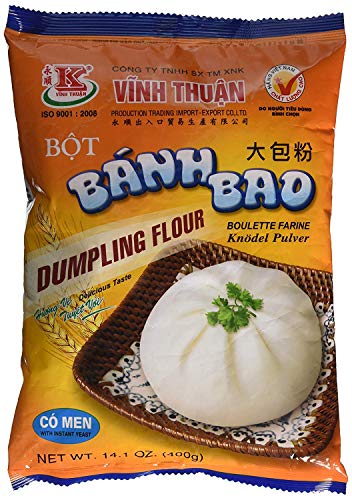
Pyramidal Rice Dumpling Flour from Vinh Thuan


VERSATILE FLOUR: Perfect for making Asian dumplings, wontons, bao buns, potstickers, gyoza, and various noodles including ramen and lo mein
Types of Flour Used
Choose low-protein (all-purpose) or high-gluten (bread) flour depending on wrapper style. All-purpose flour (10–11% protein) produces tender, slightly chewy wrappers suited for boiled or steamed dumplings. Bread flour (12–13% protein) gives more elasticity and chew, which helps when you want thin wrappers that won’t tear during pleating or pan-frying.
Some cooks blend flours—typically 70% all-purpose with 30% bread flour—to balance stretch and tenderness. If you prefer homemade round wrappers, use cold water and knead until smooth; hot water can make softer, more pliable dough ideal for steamed dumplings. Rest the dough at least 30 minutes to relax gluten for easier rolling.
Traditional Fillings
Pork with napa cabbage remains the classic filling because pork’s fat keeps the filling juicy and cabbage adds moisture and sweetness. Typical ratio: about 70% ground pork to 30% finely chopped, salted-and-drained cabbage. Other common proteins include ground chicken, beef, shrimp, or a mixture (e.g., pork + shrimp) for added texture.
Vegetarian fillings use firm tofu, shiitake mushrooms, and finely shredded bok choy or chives; press tofu to remove excess water first. Aim for uniform, finely chopped ingredients so the filling binds well and heats evenly. Keep filling cold while assembling to preserve texture and prevent fat from melting before cooking.
Seasonings and Aromatics
Season for depth and balance: light soy sauce for salt and umami, Shaoxing wine for aroma, and a small amount of sesame oil for fragrance. Use about 1–1.5 teaspoons soy sauce and ½–1 teaspoon sesame oil per 300–400 g of meat as a starting point; adjust to taste. Salt and a pinch of white pepper enhance flavor without overpowering.
Aromatics: finely grated ginger and minced green onions are essential. Ginger cuts richness and adds brightness; scallions add fresh, onion-like lift. Optional additions: a touch of sugar to round flavors, cornstarch (1–2 teaspoons) to bind juices, and cooking wine or a splash of chicken stock for extra juiciness. Mix gently to maintain a slightly sticky, cohesive filling.


Preparing Dumpling Dough
You will make a pliable, slightly elastic dough and let it rest so the gluten relaxes. Measure flour and water precisely and control hydration and resting time for wrappers that roll thin without tearing.
Recommended Products

SEAL GOOD: dumplings will not leak when they are boiled. Sometimes the edges are not tight enough, because the flour each one used is different in viscosity, you can try to make the edge of the empanadas a little wet. (use the water or egg) then pressed it again to help seal it better than before.

Material and Build: Made from lightweight yet sturdy plastic with a beige finish, the dough presser is designed to withstand regular use while maintaining a smooth pressing surface for even dough shaping

Pressing dumpling skin wrapper mould--can be used as a present to your friends, family and relatives on housewarming day, with the creative shape design, it can be your helper,dumpling mould
Mixing and Resting the Dough
Use all-purpose or medium-protein wheat flour. Weigh 300 g flour and start with 150–165 g warm water (50–55% hydration). Pour flour into a bowl, form a well, then add water gradually while stirring with a chopstick or fork until shaggy dough forms.
Knead on a lightly floured surface for 8–10 minutes until the dough is smooth and slightly springy. If the dough feels sticky, dust with a few grams of flour; if it feels dry and crumbly, add water teaspoon by teaspoon.
Shape the dough into a ball, coat lightly with oil to prevent drying, and cover tightly with plastic wrap or a damp cloth. Rest at room temperature for 20–30 minutes; for firmer dough or colder kitchens increase rest to 40–60 minutes.
Achieving the Ideal Dough Texture
Aim for a dough that is soft but not tacky, with a subtle elasticity that snaps back slowly when pinched. Test by pressing with your fingertip: it should indent and recover partially within a few seconds.
Adjust hydration based on flour type and humidity. High-protein flour needs a touch more water. Use warm water to speed gluten formation for quicker kneading; use cooler water if you want a slightly firmer dough.
When rolling, keep the dough covered between portions to prevent crusting. If wrappers tear easily, let the dough rest longer; if they’re gummy, knead a few minutes more and allow another short rest.


Crafting Dumpling Fillings
Use fresh protein, crisp vegetables, and bold seasonings measured to taste. Aim for a cohesive mixture that packs moisture, texture, and seasoning into each wrapper without leaking or becoming gummy.
Recommended Products

Manual Baozi Molding Press:Designed to help shape steamed buns, baozi, dumplings, and other filled dough foods with a simple hand-press operation.The package includes one large and one small
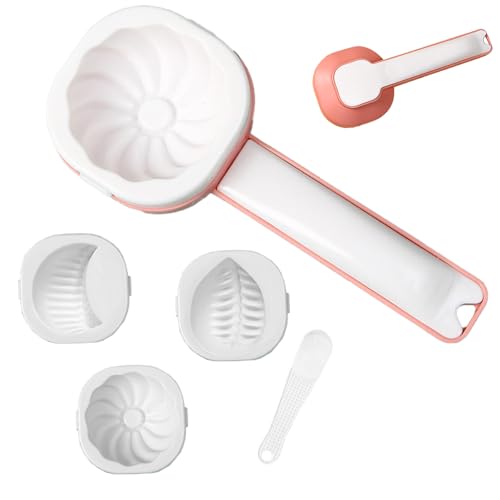
HIGH QUALITY MATERIAL: Made of high quality ABS material,this dumpling maker mold long-term use. The sturdy structure ensures reliable performance in daily cooking

SILICONE MATERIAL: Made from food-grade silicone, these dumpling and baozi molds are flexible, durable, and easy to clean after each use.
Chopping and Blending Ingredients
Cut protein and vegetables to matching sizes so the filling cooks evenly and wraps neatly. For pork or beef, mince finely or pulse briefly in a food processor; for shrimp, chop into small, distinct pieces so you keep some chew. Vegetables like napa cabbage, chives, or scallions should be very finely chopped; if using cabbage, salt it, let it sit 10–15 minutes, then squeeze out excess water to prevent a soggy filling.
Combine ingredients in a large bowl and mix in one direction to develop a slightly sticky texture that helps the filling hold together. Add binding elements—beaten egg or a teaspoon of cornstarch—only if the mixture feels loose. Keep fillings cold while you work to maintain texture and food safety.
Balancing Flavors and Textures
Build umami with soy sauce and a splash of Shaoxing wine, then round edges with toasted sesame oil. Use white pepper for a clean, warm bite; add a pinch of sugar if the mixture tastes flat. Taste a small cooked sample (pan-fry a teaspoon) and adjust salt, acidity, or aromatics before wrapping.
Layer textures by combining ground meat for richness, chopped vegetables for crunch, and minced aromatics for brightness. Control moisture with cornstarch or squeezed vegetables, and aim for a ratio near 2:1 meat-to-vegetable by volume for classic pork-and-cabbage jiaozi. Keep seasoning slightly stronger than you want, since the wrapper dilutes flavors during cooking.


Rolling and Shaping Dumpling Wrappers
You will roll dough into evenly sized rounds and shape each wrapper with a slightly thicker edge and thinner center for a secure seal and even cooking. Focus on consistent portioning, controlled rolling pressure, and keeping the work surface and dough properly hydrated.
Recommended Products

BUILT TO LAST, IF YOU DRY IT: Damp bamboo does not last. Every bamboo steaming basket ships with a care guide — season it, air dry it fully, store it uncovered. Follow it and your asian steamer lasts years.
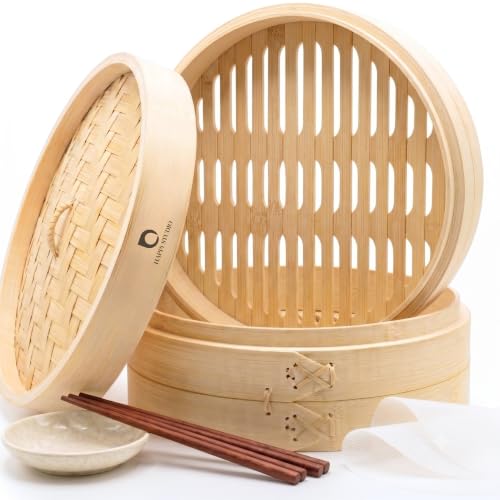
Natural Bamboo Steamer: Woven from natural bamboo with a tight-fitting lid, a traditional steamer for an unhurried way of cooking — made for dumplings, bao, dim sum, vegetables, fish, and rice over any pot or wok.

Natural Bamboo Build: Handmade with bamboo and a woven lid for traditional steaming.
Techniques for Uniform Wrappers
Portion dough into equal pieces using a scale or measuring spoons; target 18–22 g per wrapper for typical jiaozi. Roll each piece into a tight ball, then flatten into a small disc before rolling to keep thickness consistent.
Use a small rolling pin and start from the center, rolling outward while turning the dough 90° between pushes. Apply more pressure at the center and lighten toward the edge to create a thinner middle. Aim for 2–3 mm thickness in the center and slightly thicker at the rim.
Stack rolled wrappers with a sprinkle of flour between only if you plan to use them within an hour. If you need perfect uniformity, roll a few at once and compare diameters; adjust pressure and rotation to correct size.
Tips for Preventing Dough Drying
Work in small batches to reduce exposure; keep unrolled dough covered with a damp kitchen towel or plastic wrap. Maintain a slightly damp cloth — not soaking wet — so moisture doesn’t drip onto the dough.
If wrappers dry at the edges while you fold, keep a small bowl of water nearby to lightly moisten rims before sealing. For longer waits, place wrapped or stacked wrappers in an airtight container and refrigerate up to 24 hours to retain pliability.
Lightly oiling the surface of stored dough prevents a crust but avoid oil on wrappers ready to be dusted with flour; oil changes texture and makes sealing harder.


Filling and Folding Dumplings
You will choose a balanced filling and learn folding methods that control release of juices and ensure even cooking. Pay attention to filling moisture, wrapper thickness, and consistent pleats or seals for reliable results.
Recommended Products

Comes with microwavable tray
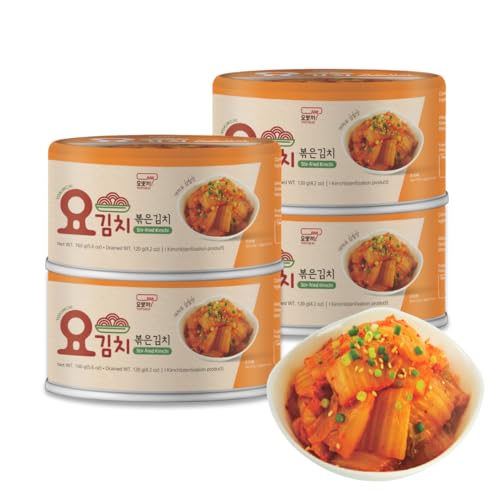
4 Pack of Yopokki Korean traditional Canned Kimchi

Classic Folding Techniques
Start with a small spoonful of filling — about 1 teaspoon for 7–8 cm wrappers, 2 teaspoons for larger ones. Overfilling causes tearing and uneven cooking. Use a slightly damp finger to moisten one edge before sealing; this helps the dough adhere.
Try these three common shapes:
- Half-moon (simple pinch): Fold wrapper in half, press center, then press edges together for a smooth seam. Fast and sturdy for boiling.
- Pleated crescent (classic jiaozi): Fold in half, make 3–7 small pleats on one side while pressing each pleat onto the opposite edge. Pleats lock in juices and look traditional.
- Potsticker pleat (flat-bottom): Flatten bottom edge, pleat one side onto the other while forming a flat base. This creates stable dumplings for pan-frying.
Keep wrappers lightly dusted with flour to prevent sticking. Practice consistent portioning and hand pressure to maintain uniform cooking time.
Sealing for Freshness and Aesthetics
A proper seal prevents leaks and preserves texture. After filling, push air from the cavity toward one side before sealing to avoid pockets that burst during cooking.
Use these sealing tips:
- Even pressure: Press along the seam from center to ends to create a continuous bond.
- Moisture control: Wet only one edge lightly; too much water weakens the dough and invites splitting.
- Trim and reinforcement: If the dough edge is ragged, pinch and fold twice or add a tiny moistened dough patch to reinforce.
Visually inspect each dumpling for gaps or thin spots. Properly sealed dumplings hold shape in boiling or steaming and develop a crisp base when pan-fried.


Cooking Methods for Dumplings
You’ll choose a cooking method based on texture and filling type. Each method needs precise timing, temperature control, and small technique adjustments to keep wrappers intact and fillings juicy.
Recommended Products


Authentic Dumpling Dough Sheets — Perfect for homemade dumplings, potstickers, gyoza, wontons, and other Asian dishes. Smooth, flexible texture makes folding and sealing easy.

PREMIUM NON-GLUTINOUS WHITE RICE FLOUR: Know exactly what comes in the jar. This is ground regular white rice flour made with white rice as the only ingredient. Its pale color, mild neutral taste, and subtle natural sweetness let the flavors in your recipe take the lead. The flour has a natural ground rice-grain texture, and minor settling or soft clumping inside the jar may occur without changing its culinary identity or usefulness.
Boiling
Boiling gives you tender, uniformly cooked dumplings with a soft, slightly chewy wrapper. Use a large pot of rapidly boiling water so dumplings move freely and don’t stick together. Add dumplings in batches; don’t overcrowd the pot.
When dumplings float, simmer 2–4 minutes more depending on size and filling. For pork or mixed-meat fillings, ensure internal temperature reaches 70–75°C (158–167°F). Use a slotted spoon to lift dumplings gently and drain well.
Tip: add a splash of cold water once or twice after they float (bring back to a boil each time) to keep temperature even and prevent splitting. Serve immediately with a dipping sauce.
Steaming
Steaming produces a tender, translucent wrapper and preserves moist fillings, ideal for delicate seafood or vegetable dumplings. Line the steamer with cabbage leaves, parchment with holes, or a lightly oiled bamboo mat to prevent sticking.
Arrange dumplings with space between them. Steam over gently boiling water for 8–12 minutes depending on size and filling — check one dumpling for doneness. Keep the lid on firmly to maintain consistent steam and avoid sudden temperature drops that cause soggy bottoms.
For soup-filled dumplings (xiaolongbao), use a bamboo steamer and shorter, high-steam bursts to set the dough quickly while keeping the broth inside.
Pan-Frying
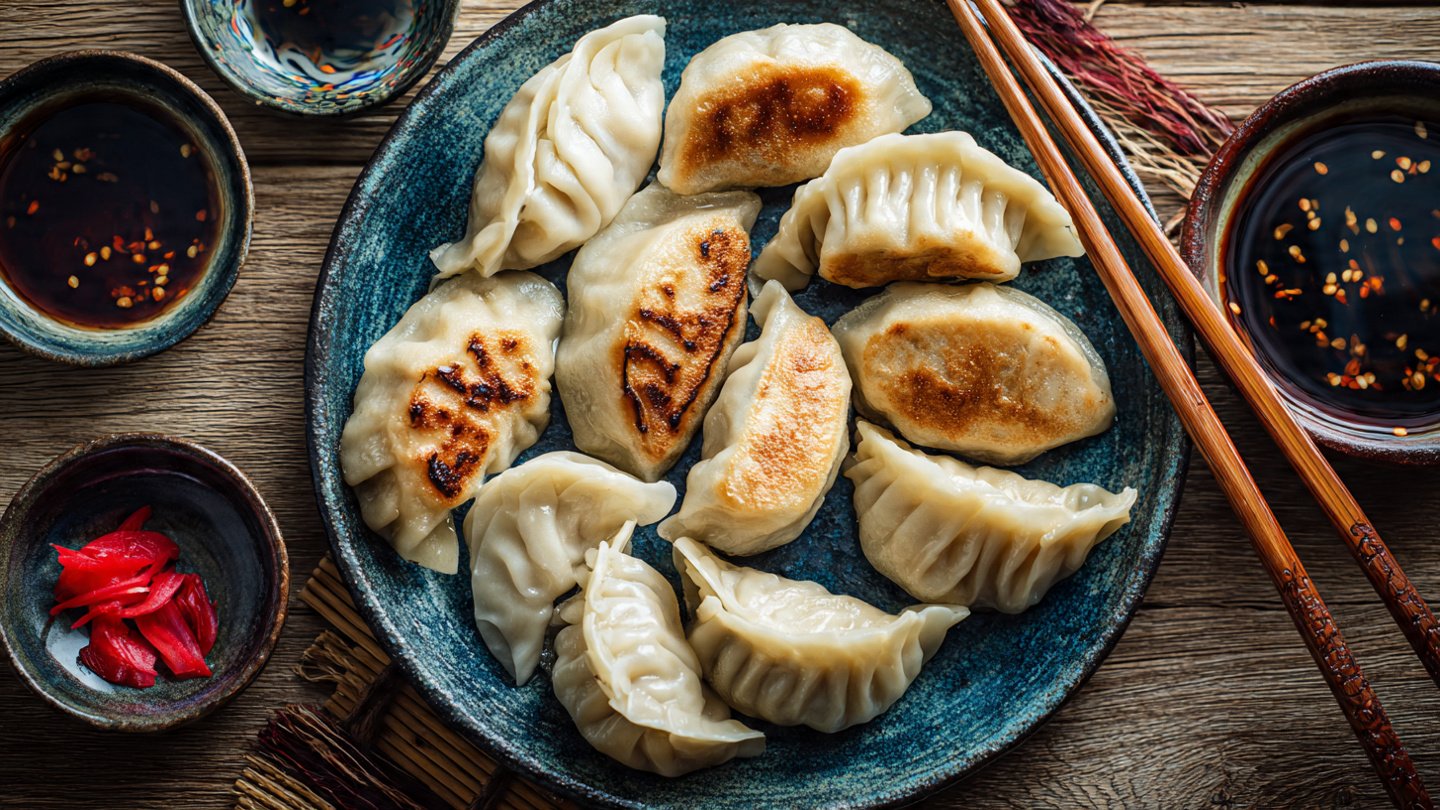
Pan-frying (potstickers) creates a crisp, golden bottom and a soft top for contrast. Use a nonstick or well-seasoned skillet. Heat 1–2 tablespoons oil over medium-high heat, arrange dumplings flat-side down, and brown for 2–3 minutes until bottoms are golden.
Add 1/4 to 1/3 cup water (or enough to cover about 1/5 of the dumpling height), immediately cover, and reduce to medium. Steam-fry for 5–8 minutes until water evaporates and wrappers are cooked through. Remove lid and let bottoms re-crisp for 30–60 seconds.
Avoid high heat during the steaming phase to prevent burning. Flip only if necessary; frequent moving can tear wrappers. Serve with dipping sauce while bottoms remain crisp.


Serving and Enjoying Chinese Dumplings

Serve dumplings hot with a warm, savory dipping sauce and simple side dishes that balance texture and flavor. Plate boiled dumplings in shallow bowls with a splash of sauce; pan-fried ones go on absorbent paper briefly to keep their crisp bottoms.
Recommended Products

Quick & Even Dumpling Wrappers: Place the dough into the mold, press it with the included wooden dough ball, and help prepare evenly shaped wrappers for homemade dumplings

SEAL GOOD: empanadas will not leak when they are boiled. Sometimes the edges are not tight enough, because the flour each one used is different in viscosity, you can try to make the edge of the empanadas a little wet. (use the water or egg) then pressed it again to help seal it better than before.

Suitable for culinarys enthusiasts and home cooks who cherishings the art of delicacies, as well as professional cooking people in restaurants seekings efficiency without compromising on
Traditional Dipping Sauces
Make a basic dipping sauce by mixing:
- 2 parts light soy sauce
- 1 part rice vinegar
- A few drops of toasted sesame oil
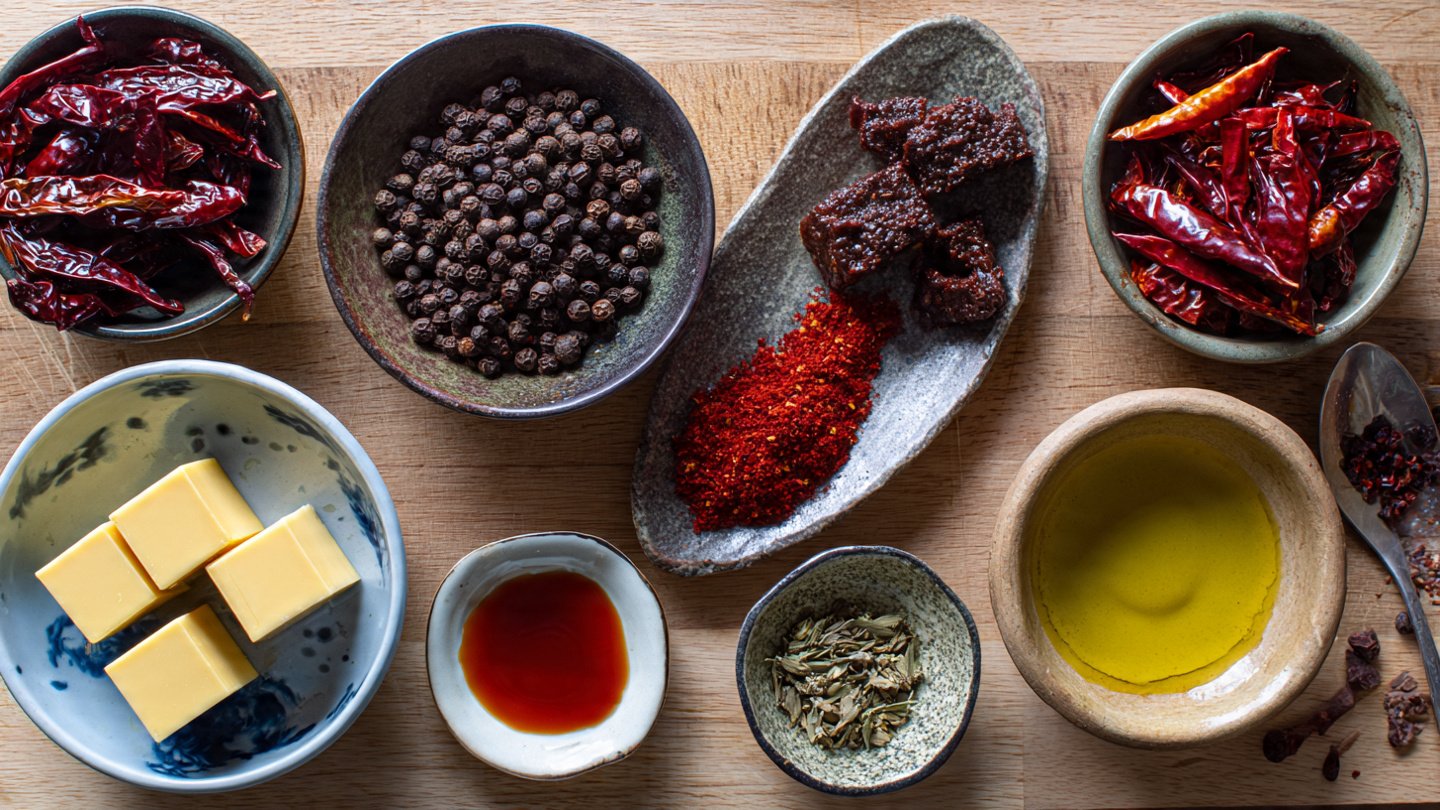
Add fresh aromatics to taste: thinly sliced scallion, grated ginger, or a small spoonful of chili crisp. For a richer sauce, stir in a pinch of sugar and a dash of black vinegar. If you prefer heat, combine chili oil and Sichuan peppercorn oil for numbing spice.
Serve sauces in small bowls so each person can adjust saltiness and acidity. Provide separate spoons or chopsticks for communal jars to keep things tidy.
Recommended Accompaniments
Pair dumplings with lightly dressed vegetable sides to cut richness. Quick cucumber salad (sliced, salted, drained, tossed with rice vinegar and sesame oil) refreshes the palate. Stir-fried bok choy or garlic spinach adds green texture without overpowering the dumplings.
For a heartier meal, offer a clear soup—egg drop or simple bone broth—served alongside to warm and cleanse the palate. If you want starch, serve plain steamed rice or congee; both absorb sauce and make the meal more filling.
Provide small plates, chopsticks, and spoons, plus napkins. Encourage guests to taste sauces first, then customize—this makes the meal both social and practical.


Storing and Reheating Dumplings
Store raw or cooked dumplings to retain texture and food safety: freeze raw dumplings individually on a tray before bagging, and chill cooked dumplings promptly in the fridge. Reheat with methods that rebuild crispness for pan-fried, preserve tenderness for boiled, and protect soup inside for xiaolongbao-style.
Recommended Products

✔ 5 SIZES PROFESSIONAL EMPANADAS MAKER -This set includes four different sizes of dumpling presses (6/5/4/3/2.6 inches) and a matching dough cutter, making it easy to find the perfect size for your needs. The deep belly of the mold can hold more filling than other molds of the same size, and the integrated edge cutter will cut off excess dough for a professional-looking finish.
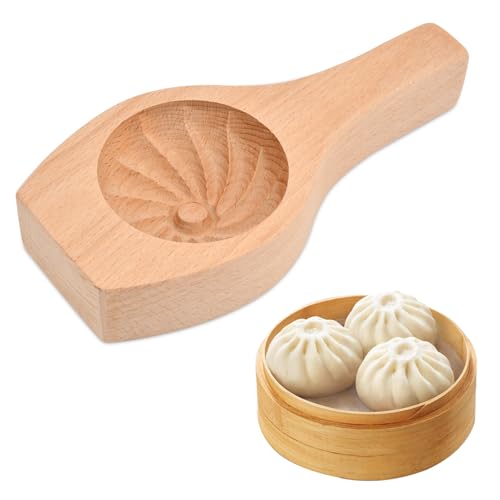
Material: Crafted from robust wood, this wooden steam bun mould is built to endure. Its smooth surface resists deformation, ensuring long-term use and reliability in your kitchen

VERSATILE DESIGN: 37-hole metal ravioli maker perfect for creating uniform, professional-looking dumplings, ravioli, and pelmeni
Freezing Techniques
Freeze dumplings on a single layer first so they don’t stick together. Place dumplings on a parchment-lined tray spaced at least 1 cm apart, freeze 1–2 hours until firm, then transfer to labeled airtight bags or vacuum-seal pouches. Remove as much air as possible to prevent freezer burn.
For raw wrappers, dust lightly with flour or cornstarch to prevent sticking. For cooked dumplings, cool to room temperature no longer than 2 hours, then freeze using the same single-layer method; this preserves filling moisture and wrapper texture. Thaw only if the recipe calls for it — most frozen dumplings cook directly from frozen.
Best Practices for Reheating
Choose the reheating method that matches the original cooking style. For pan-fried (potstickers), reheat in a nonstick skillet over medium-low: add 1–2 tsp oil, arrange frozen dumplings, add 3–5 tbsp water, cover and steam until hot and water evaporates, then uncover to crisp bottom 1–2 minutes.
For boiled dumplings, add frozen dumplings straight to gently boiling water; stir once to prevent sticking and cook 4–6 minutes longer than fresh dumplings. For steamed dumplings or xiaolongbao, steam from frozen 8–12 minutes depending on size; use parchment or a cabbage leaf to prevent sticking.
Avoid microwaving unless necessary; it softens wrappers and makes fillings unevenly hot. If you must microwave, cover with a damp paper towel and heat short bursts, checking frequently.