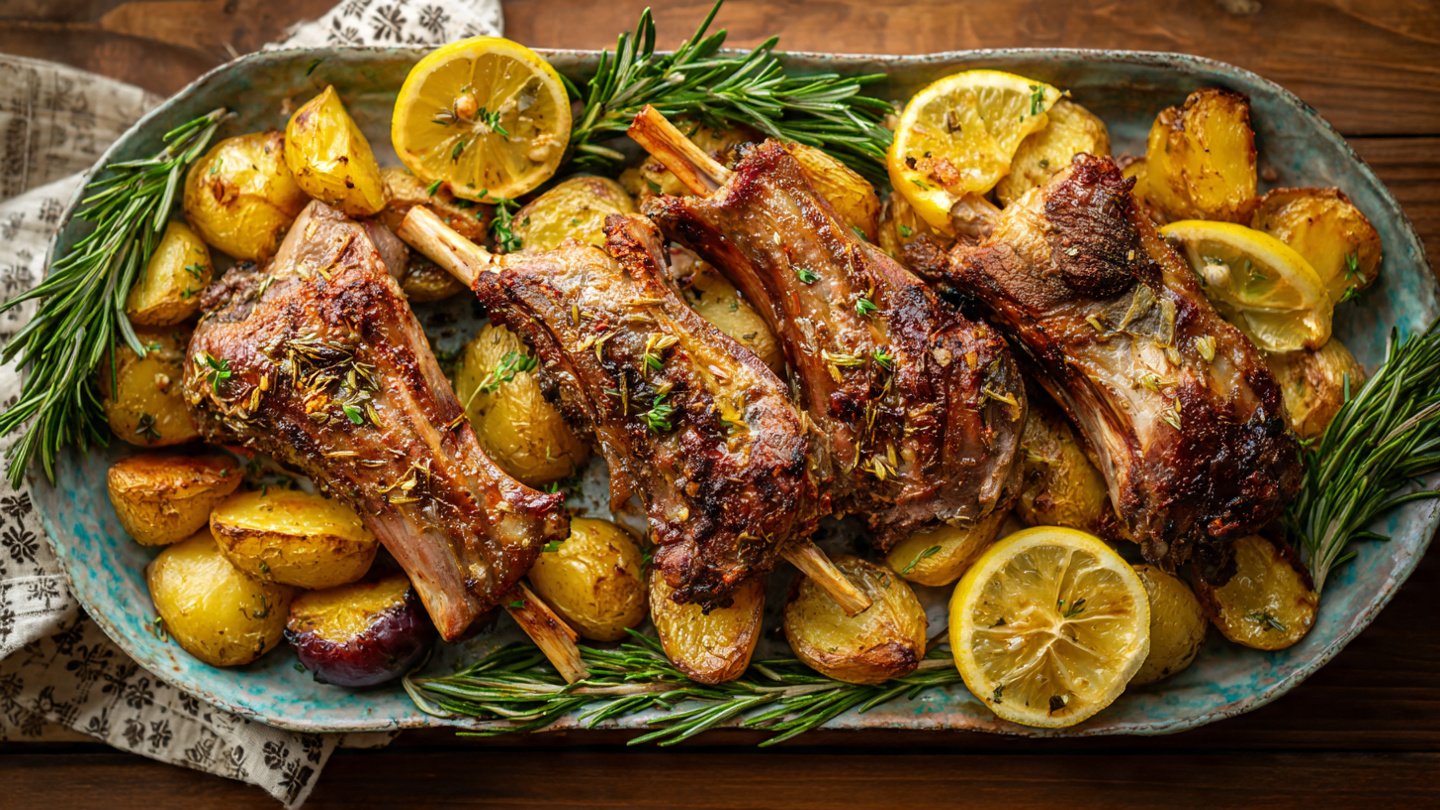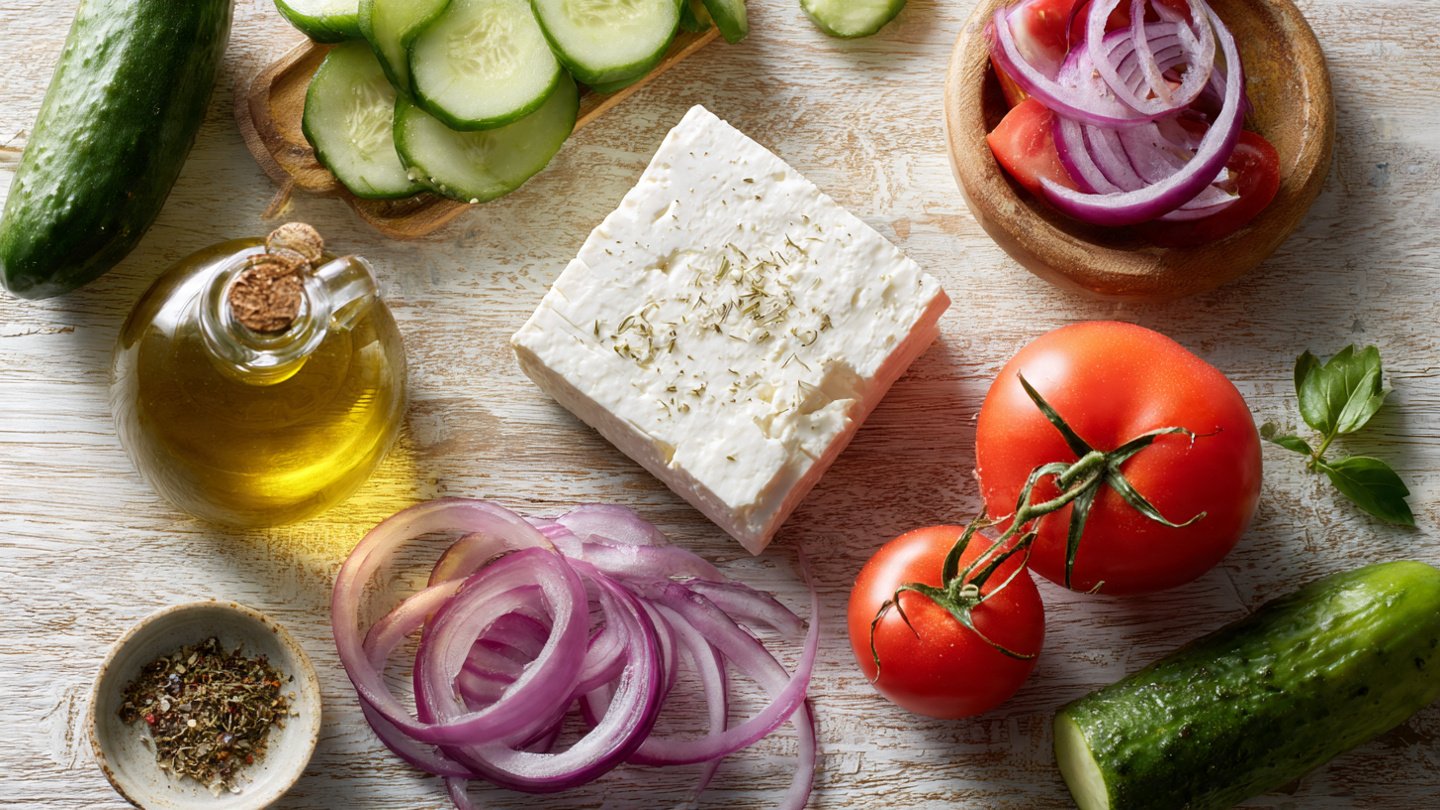

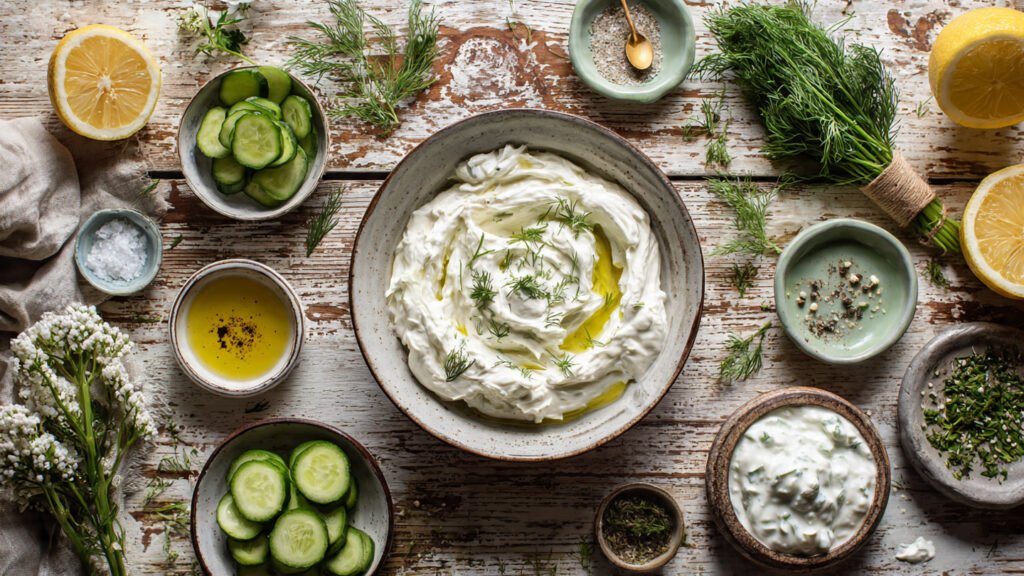


You already know Greek food tastes bright and fresh, but yogurt does more than add creaminess. It tenderizes meat gently, balances bold flavors, and gives dips a silky body that clings to herbs and oil—making yogurt a practical, flavor-forward building block in both marinades and spreads. Yogurt’s lactic acid and creamy proteins mellow tough textures while carrying herbs, citrus, and spice so your dishes stay juicy and well-seasoned.
As you explore the article, you’ll see how different yogurt types change texture and tang, learn simple tips to control tanginess and thickness, and find ways to use yogurt beyond tzatziki—from marinades that keep chicken succulent to dips that brighten vegetables. The next sections break down the science, the best yogurt choices, and easy techniques you can apply in your kitchen tonight.
The Role of Yogurt in Greek Cuisine
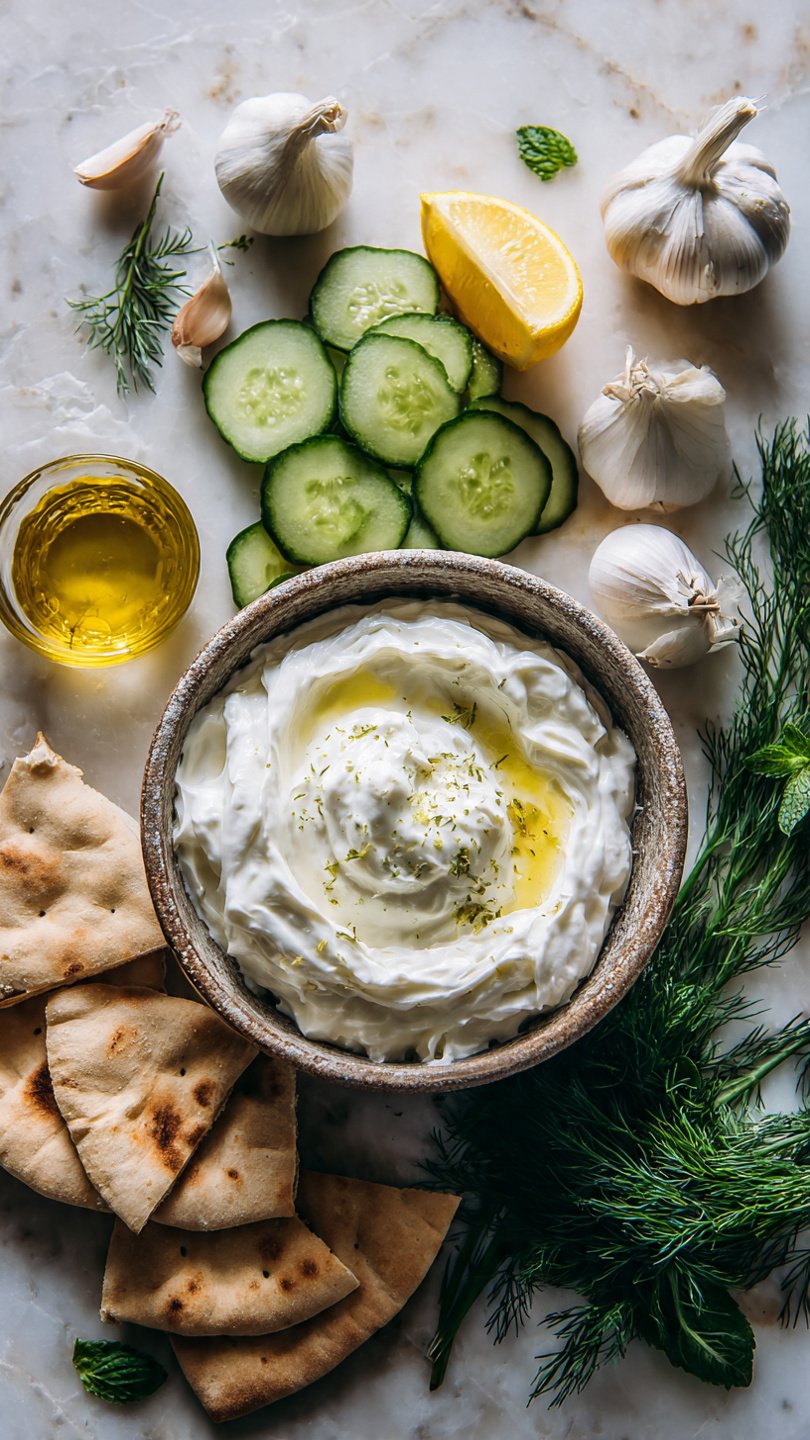
Yogurt acts as a thickening agent, a tenderizer, and a flavor anchor across Greek cooking. It provides protein, acidity, and a creamy texture that adapts to sauces, marinades, dips, and desserts.
Recommended Products

SET INCLUDES: Double wall cylindrical food storage container (14 ounce/1.75 cups) with removable lid compartment (4 ounce/.5 cups) with included spoon

Perfect 6oz Size for On-the-Go Freshness – This set of 8 premium yogurt jars provides the ideal single-serving portion for yogurt, overnight oats, parfaits, or desserts. Their compact design is perfect for lunchboxes, picnics, or enjoying a healthy snack anytime, anywhere.

Healthy & Convenient: These yogurt parfait cups with lids are perfect for your healthy on-the-go lifestyle! Keep granola and fresh fruit separate in the top compartment to avoid sogginess, ensuring your meals are fresh and delicious every time.
Historical Roots of Yogurt in Greek Cooking
Yogurt reached Greek tables through long-standing pastoral and Mediterranean dairy traditions. Shepherding cultures in the region practiced milk fermentation to preserve milk without refrigeration, producing a tangy, shelf-stable food you could carry between villages.
Ancient Greeks and neighboring civilizations used strained yogurt not only as food but as a simple medicine for digestion and wound care. Over centuries, the technique of straining to concentrate texture and protein became common in Greek households, creating the thicker yogurt you now see labeled “Greek.”
This thicker product suited local recipes—its firmness made it ideal for dolloping, spreading, and holding up in warm dishes without breaking down quickly.
Cultural Significance of Yogurt-Based Marinades and Dips
You’ll find yogurt present at everyday family meals and festive tables alike, often shared family-style. Serving tzatziki, marinated meats, or yogurt with honey signals hospitality and continuity with tradition.
Yogurt-based dishes function socially as communal foods: a bowl of tzatziki invites dipping and passing, while yogurt platters often accompany roasted or grilled meats during celebrations.
Because it pairs with bread, olives, and herbs familiar to Greek palates, yogurt helps tie diverse dishes into a cohesive meal that reflects regional identity and culinary values like simplicity and freshness.
Traditional Greek Dishes Incorporating Yogurt
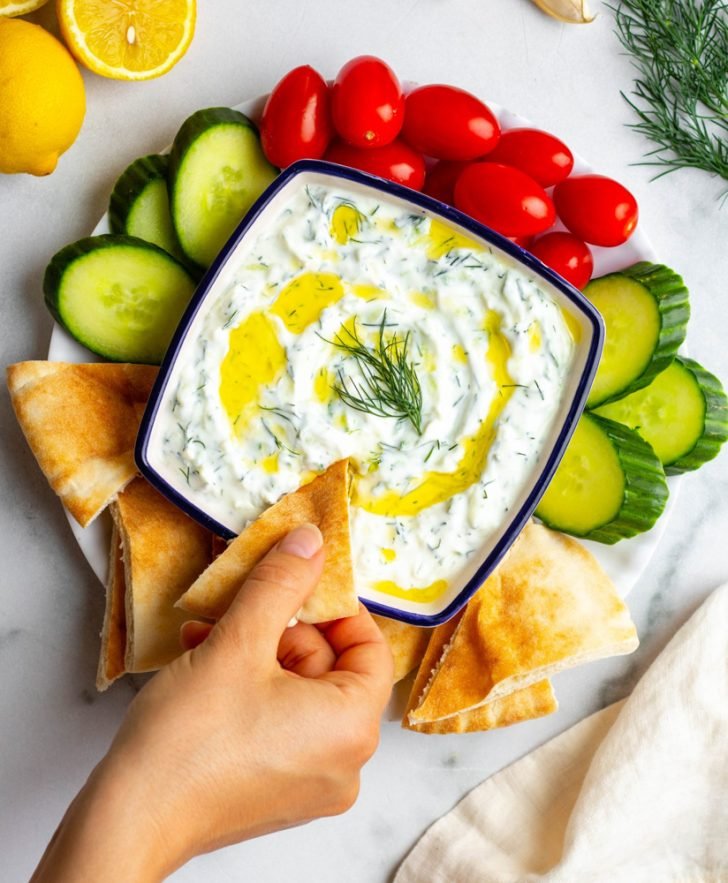
Tzatziki uses strained yogurt, cucumber, garlic, olive oil, and dill or mint to create a cooling sauce for souvlaki and gyros. Its acidity and creaminess balance grilled, oily meats and fried items, making it a staple condiment.
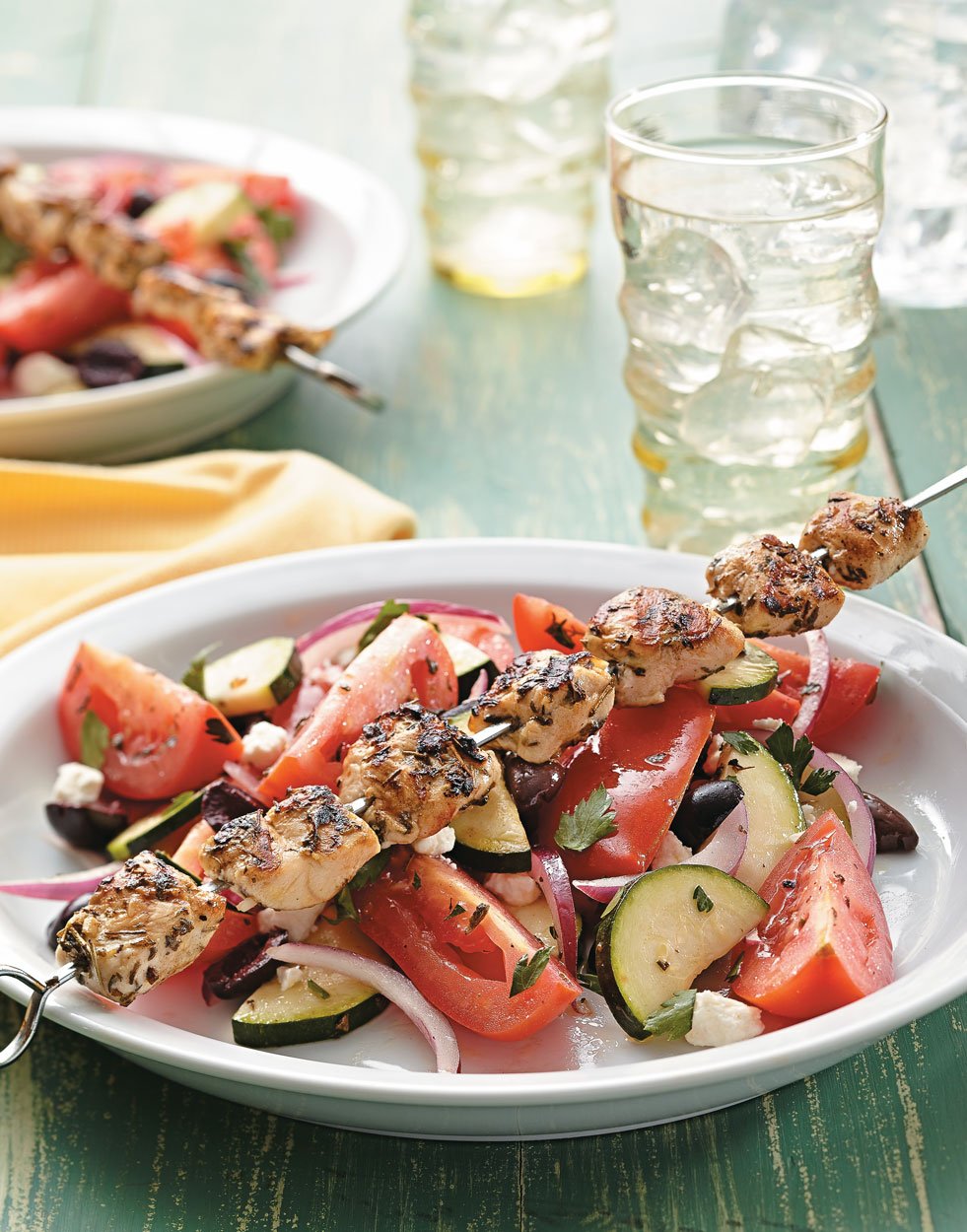
You’ll also see yogurt in marinades for lamb and chicken; its lactic acid gently breaks down muscle fibers, producing tender meat without harsh enzymatic activity.
Desserts and side dishes use yogurt too: plain yogurt with honey and walnuts serves as a simple, traditional dessert, while recipes like galaktoboureko sometimes incorporate yogurt into custard or finishing creams to add tang and body.

Why Yogurt Is Essential in Marinades

Yogurt tenderizes, adds savory tang, and stabilizes moisture while letting herbs and spices penetrate meat. It acts gently and predictably, so you can marinate chicken or lamb for hours without collapsing texture.
Recommended Products

Brought to you by Whole Foods Market. when it comes to innovative flavors and products sourced from artisans and producers around the world, The Whole Foods Market brand has you covered. Amazing products, exceptional ingredients, no compromises.

Authentic Greek Recipe

Yogurt forward with subtle dill and refreshing cucumber notes
Tenderizing Properties of Yogurt
Yogurt softens muscle fibers without turning meat mushy. The lactic acid and calcium in yogurt loosen connective tissues gradually, so you can marinate tougher cuts like leg of lamb or bone-in chicken for several hours with reliable results.
Because yogurt is thick, it clings to the surface and holds spices and aromatics in contact with the meat. That sustained contact improves seasoning penetration more than a watery brine or a quick acidic splash.
Use plain full-fat or Greek yogurt for best results; the fat helps carry fat-soluble flavors and keeps the exterior from drying during cooking. Thin Greek yogurt slightly with a tablespoon of lemon juice or water if you need better surface coverage.
Flavor Enhancement and Balance
Yogurt adds a clean tang that brightens herbs, cumin, garlic, and citrus without overpowering them. Its mild acidity balances richer proteins and moderates the sharpness of vinegar-based ingredients, producing a rounder overall flavor.
The dairy notes provide subtle sweetness and creaminess that enhance mouthfeel. Fat in yogurt carries flavors of spices and aromatics across the meat, while the lactic tang accentuates savory (umami) perception.
Because yogurt is neutral and forgiving, you can experiment with bold spice blends—tandoori, Mediterranean, or za’atar—without risking excessive sourness. Adjust salt and acid gradually; yogurt both amplifies and tempers other ingredients.
Science Behind Yogurt’s Effect on Proteins
Lactic acid in yogurt selectively weakens protein bonds at the surface and within fibers. This controlled denaturation makes muscle structure more tender while preserving overall firmness, unlike stronger acids that quickly break proteins into mush.
Enzymes from fermentation also play a minor role by slowly acting on connective tissue and proteins. The thicker matrix of yogurt slows acid diffusion, producing predictable, even tenderization over hours rather than minutes.
Calcium and casein in yogurt interact with muscle proteins to stabilize certain structures during cooking, helping meat retain moisture. That combination—mild acid, enzymes, and dairy proteins—explains why yogurt outperforms straight vinegar or citrus for many extended marinades.


Yogurt in Greek Dips: Beyond Tzatziki
Yogurt appears across Greek dips and spreads because it adds tang, creaminess, and a stable base that carries herbs, garlic, and olive oil without overpowering other flavors. It also changes texture and balances acidity when paired with salty cheeses, roasted vegetables, or lemon.
Recommended Products

THOUGHTFULLY DESIGN PATENTED LINER for use with most colanders up to 10.5” (27cm) in diameter and 6.5” (16cm) tall

⭐【Multiple Uses】This nut milk bag is a multi-function kitchen tool with dozens of uses. It can be used as all purpose strainer, a general filter for blender, homemade juicer/yogurt maker/cheese maker. It can be perfect used for making nutritious and yummy creamy nut/almond/coconut/cashew/unicorn/soy milk, fermented plant-based yogurt, Greek yogurt, nut cheese, broth/fruit/vegetable/celery juice, cold brew coffeedrinks, beer, ghee, kefir, tea, kombucha, chocolate creations, baby food etc.

【Compact & Refrigerator-Friendly】Designed to fit easily in your refrigerator, this yogurt filter is compact yet functional, holding up to 450g of yogurt to produce about 250g of thick, creamy Greek-style yogurt.
Popular Greek Yogurt Dips and Spreads
You’ll find yogurt in both classic and everyday Greek preparations beyond tzatziki.
- Tirokafteri: A whipped blend of feta and Greek yogurt with roasted red peppers and chili; yogurt lightens the feta’s salt and gives a smoother mouthfeel.
- Skordalia-style dips: When potatoes or walnuts combine with yogurt instead of oil, the result is a brighter, lower-fat spread that still clings to bread or grilled fish.
- Yogurt–feta spreads: Yogurt dilutes dense cheeses to create a scoopable spread you can finish with olive oil and herbs.
These variations let you control fat, salt, and texture while keeping authentic flavors. You can use strained Greek yogurt for firmness or regular yogurt for silkier, pourable dips.
Textural Benefits of Yogurt in Dips
Yogurt changes texture in measurable ways that matter when you serve dips.
- Thick, strained Greek yogurt increases viscosity and body, so dips hold herbs and grated vegetables without separating.
- Thinner yogurt offers pourability for dressings and drizzles while still providing a creamy mouthfeel.
Yogurt’s protein network stabilizes emulsions when you whisk in olive oil or lemon juice. That stability prevents weeping and helps dips retain a smooth surface when chilled. You can also manipulate texture by straining, folding in purees, or blending with soft cheeses.
Yogurt’s Role in Complementing Mediterranean Ingredients
Yogurt balances the bold tastes typical of Mediterranean cuisine and makes them more approachable for diners.
It tames the saltiness of feta and the heat from chilies while highlighting fresh herbs like dill, mint, and oregano. The natural acidity of yogurt brightens roasted vegetables, grilled meats, and citrus, so each bite feels lively rather than greasy.
Use yogurt to carry oil-based flavors—olive oil, pesto, and infused oils—without making dishes heavy. It also provides a cool counterpoint to warm spices such as cumin or smoked paprika, creating more nuanced combinations on your plate.


Nutritional Benefits of Using Yogurt
Yogurt brings protein, lower sugars, and beneficial bacteria to your marinades and dips. It also reduces fat content compared with cream-based alternatives and helps keep meat tender and moist.
Recommended Products

VERSATILE & EASY TO USE: From steaks to chicken to wild game, roasted veggies to seared sides, salads to hearty pastas, this ultra rich seasoning is your secret weapon at the grill and in the kitchen.

VERSATILE & EASY TO USE: Not just for kebabs, make the most of roasted veggies, craft delicious sauces, and elevate starches like lentils, couscous, and pita.
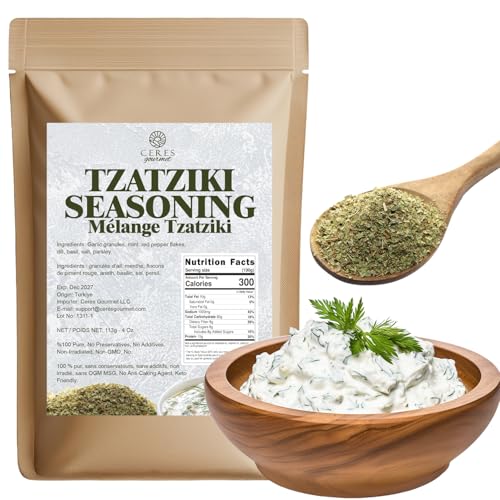
How to Make Tzatziki Dip: Grate cucumber, mix with 1 cup yoghurt, 2 tsp seasoning, olive oil, and lemon juice. Chill for 30 minutes and enjoy the authentic flavor.
Health Advantages Over Other Marinade Bases
Yogurt supplies more protein and less saturated fat than mayonnaise, sour cream, or oil-heavy marinades. That matters when you want a creamy texture without adding excess calories or unhealthy fats to grilled meats or vegetable dips.
Its mild acidity helps break down proteins in meat gently, so you use less salt and still achieve tender results. For plant-based dishes, yogurt adds body and mouthfeel that would otherwise require extra oil or starches.
If you choose low-fat or nonfat yogurt, you cut saturated fat while keeping the creamy consistency that stimulates flavor absorption. Plain varieties avoid added sugars often present in commercial sauces.
Probiotics and Digestive Health
Many yogurts contain live cultures such as Lactobacillus and Bifidobacterium strains that support gut microbial balance. When you eat dips or marinated foods made with these yogurts, you introduce those live cultures alongside other nutrients.
Probiotics can help with digestion and may reduce mild gastrointestinal discomfort for some people. To preserve these benefits, use plain yogurt that lists “live and active cultures” and avoid cooking at very high temperatures that kill bacteria.
If you or your guests have antibiotic use, lactose sensitivity, or immune issues, select yogurts labeled for live cultures and check with a healthcare provider if needed.
Low-Fat and High-Protein Qualities
Greek-style or strained yogurts concentrate protein while removing whey, so you get roughly double the protein per serving compared with regular yogurt. That boosts satiety and supports muscle repair when used in marinades for poultry, lamb, or as a dip after active days.
Low-fat and nonfat yogurts cut total calories and saturated fat but retain most protein and calcium. This allows you to create lighter dips and marinades without losing structure or creaminess.
For higher protein needs, choose plain strained yogurt with at least 10–20 grams of protein per cup. Read labels for added sugars; plain varieties keep carbohydrate content low and let you control seasoning and sweetness.


Yogurt Varieties and Their Uses
You’ll find several yogurt types in Greek cooking, each lending different texture and flavor to marinades and dips. Choose based on thickness, tang, and fat content for the effect you want.
Greek (strained) yogurt is thick, creamy, and higher in protein. Use it when you need a clingy coating for meats or a rich base for dips like tzatziki; it reduces the need for added thickeners.
Regular yogurt is lighter and more fluid than Greek yogurt. It works well when you want a more pourable marinade or a milder tang that won’t overpower delicate herbs.
Sheep and goat milks produce yogurts with a distinct, slightly tangy flavor. They add complexity to dips and pair well with strong herbs, citrus, and spices. Expect a creamier mouthfeel than cow’s milk yogurt of similar fat.
Labneh and strained variations offer even greater thickness and a spreadable texture. Use them when you want a dense, spoonable dip or to create a creamy component that won’t separate when served at room temperature.
Practical tips for your recipes:
- Use full-fat yogurt for richer mouthfeel and better emulsification.
- Thin plain yogurt with water or lemon for lighter marinades.
- Salt and acid (lemon, vinegar) change yogurt’s tang—adjust slowly to taste.
Recommended Products

Perfect Size for Versatile Use: Measuring 2.8” wide and 1.3” tall with a 2 oz capacity (2.5 oz to the brim), these ramekins are perfect for serving sauces, dips, and condiments; Whether you’re using them as dipping bowls for appetizers or sauce cups at a family meal, these sauce bowls offer the right size for practical, everyday use or special occasions

HIGH-END PORCELAIN: Eisinly dipping bowl is made of food-grade premium ceramic, non-toxic and harmless, safe, healthy, sturdy, beautiful and easy to clean. Oven, Microwave and Dishwasher safe

HIGH-END PORCELAIN: Made of food-grade premium ceramic, non-toxic and harmless, unlike plastic or wooden bowls, porcelain is safer, healthier, sturdy, beautiful and easy to clean. Oven, Microwave and Dishwasher safe


Tips for Using Yogurt in Greek Marinades and Dips
Choose plain, full-fat Greek yogurt for the creamiest texture and best flavor. Its thickness clings to proteins and vegetables, so you get even coating and better flavor penetration.
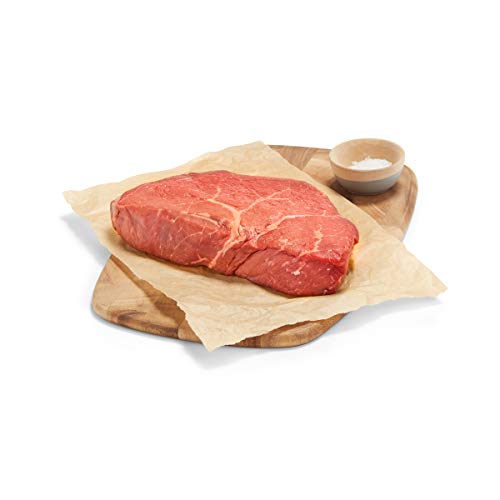
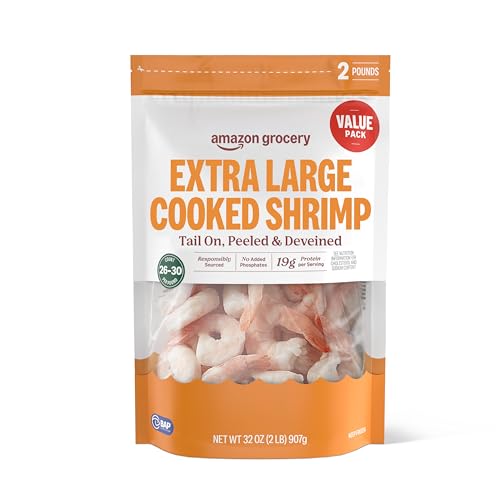
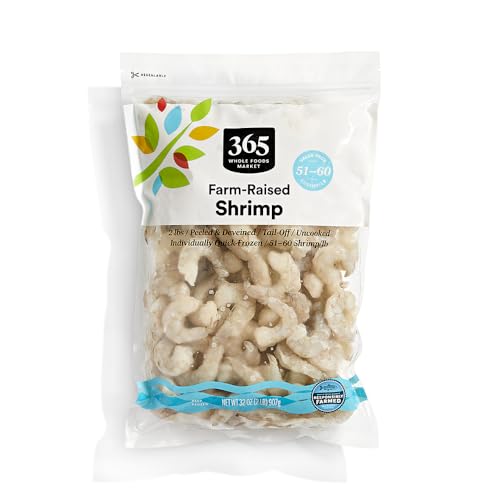
Use yogurt’s lactic acid gently: marinate chicken or lamb for 4–8 hours and fish or shrimp for 30–60 minutes. Over-marinating can make delicate proteins mushy, so keep timing conservative.
Balance acidity and salt to draw out flavor without overwhelming the yogurt’s tang. Add lemon juice or vinegar sparingly; use herbs and aromatics—garlic, oregano, dill, and mint—to build classic Greek notes.
Thin dips or dressings with olive oil, lemon juice, or a splash of milk if you need pourable consistency. For thicker spreads, strain yogurt in a fine sieve or cheesecloth for 1–2 hours to concentrate texture.
When seasoning, layer flavors: salt early to help seasoning penetrate, then finish with fresh herbs, citrus zest, or a drizzle of extra virgin olive oil. Toasted spices (cumin, coriander) add depth when used sparingly.
For food safety, keep yogurt-based marinades refrigerated and discard any leftover marinade that has contacted raw meat. Use separate bowls and utensils to avoid cross-contamination.
Quick reference
- Yogurt type: plain, full-fat Greek
- Marinate times: fish/shrimp 30–60 min; poultry/lamb 4–8 hr
- Consistency: thin with oil/milk, thicken by straining
- Flavor: salt early, finish with fresh herbs and olive oil
Experiment with proportions, but start with a 2:1 yogurt-to-acid ratio for a balanced base. Adjust salt and herbs to taste before serving.
Recommended Products

Fast, Evenly, No Crack: Simply twist the central dial, this self contained tofu presser with Strong and Intelligent stainless steel spring can easily squeeze out water in 10-30mins for better flavor and texture; It will give you an excellent EVEN press, and perfect crack-free tofu.

Even Marinating Made Easy with 3-D Grid Design - The raised grid pattern on the base and lid lifts food off the surface so marinade circulates all around. No more flipping individual pieces. Just flip the whole container for even coverage

Compact Size with 6 Oz Capacity: Having the ability of holding up to 6 oz liquid, the glass jars are compact enough for easy storage and carry; They are able to stack together, saving more spaces

Conclusion
You can rely on yogurt for both texture and flavor in Greek marinades and dips. Its lactic acid, creamy proteins, and calcium gently tenderize meat while adding a tang that balances rich or salty ingredients.
Using Greek yogurt gives you a thicker base that clings to herbs and spices, so seasonings penetrate more evenly. That thickness also yields creamier dips and sauces without needing extra fat.
Yogurt’s mild acidity means you can marinate longer with less risk of turning meat mushy, so your timing becomes more forgiving. For dips, that same stability helps maintain a smooth, pleasant mouthfeel even after refrigeration.
Practical tips to apply right away:
- Use full-fat Greek yogurt for richer texture and better coating.
- Combine yogurt with oil, herbs, and aromatics to boost flavor and moisture.
- Marinate poultry for 2–12 hours; check tougher cuts more often.
You’ll find yogurt both versatile and reliable in many Greek recipes. It enhances tenderness, supports balanced flavor, and produces consistently appealing textures without complicated techniques.
Recommended Products
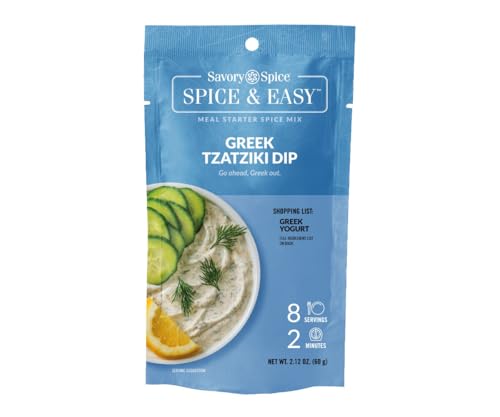
Just Add Yogurt: Pre-measured spices with cucumber included. Stir into Greek yogurt or sour cream and serve.
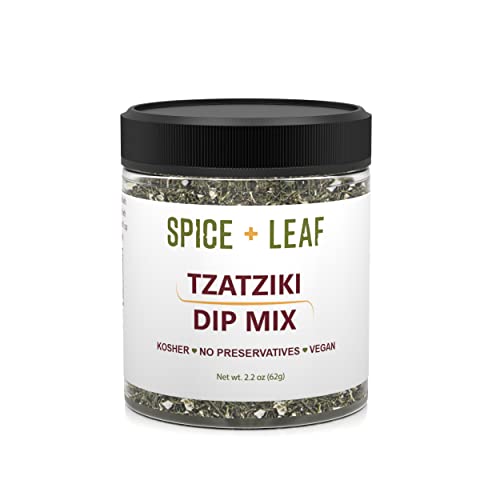
ALL NATURAL - Using Traditional Greek flavors, this unique spice blend is made with Garlic, Onion, Dill, Chives and Salt. SPICE + LEAF Tzatziki Mix will give your food a zip of flavor and become a family favorite.

Gluten-free