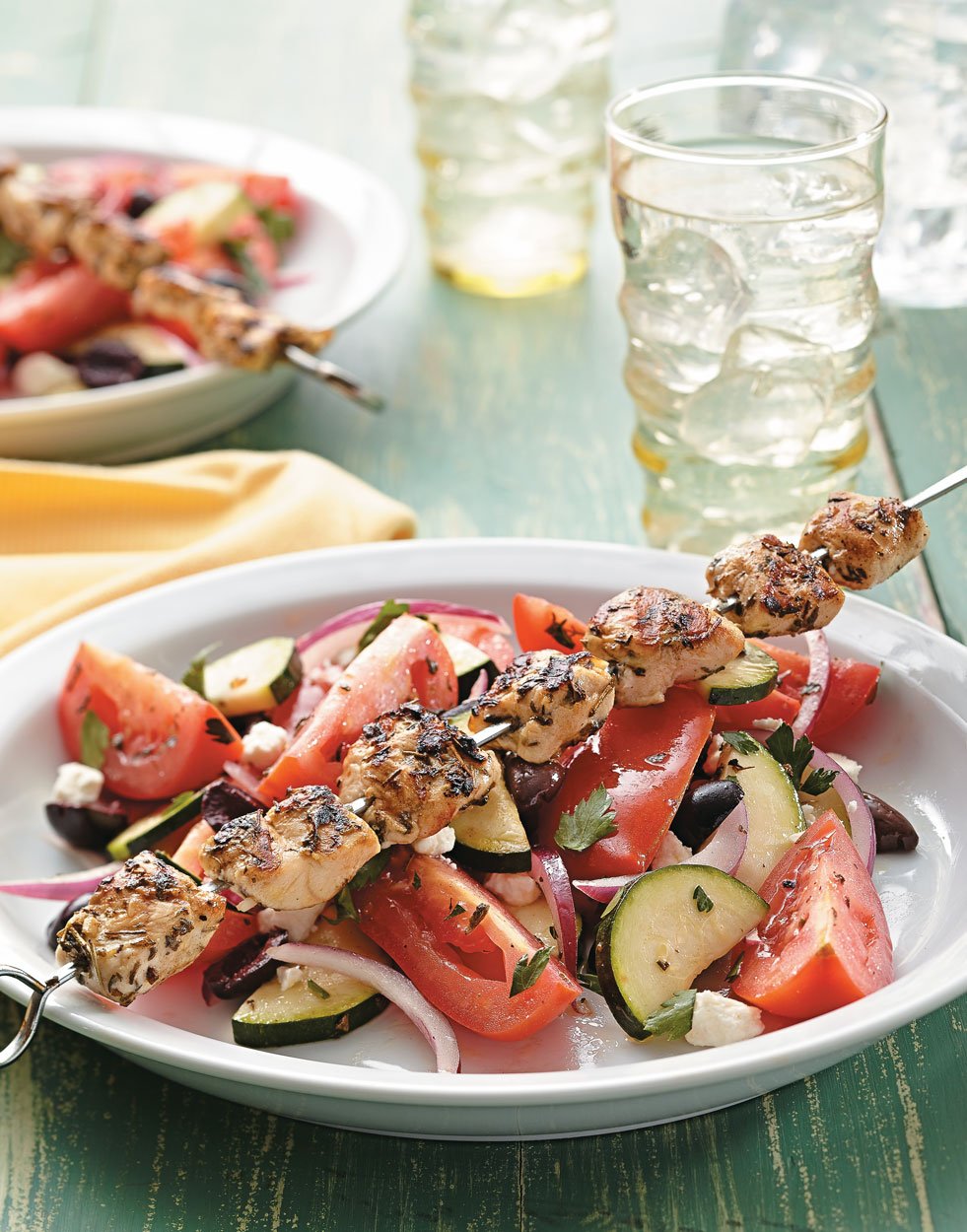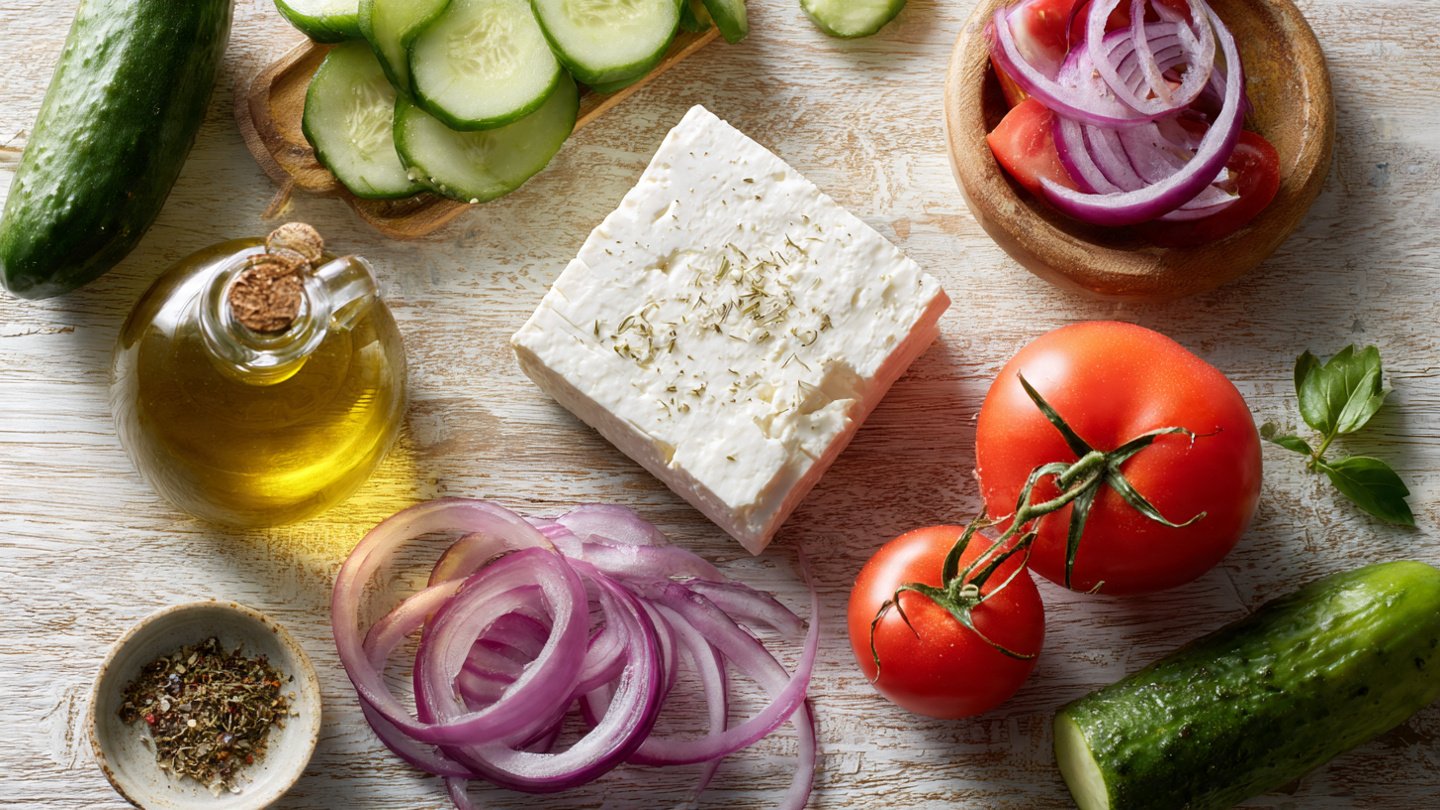



You can make Greek salad both fresh and healthy by using crisp vegetables, bright citrus or vinegar, quality olive oil, olives, and a modest amount of feta.
Choose ripe tomatoes, crunchy cucumber, sweet bell pepper, thin-sliced red onion, extra-virgin olive oil, lemon or red wine vinegar, and a sprinkle of oregano and feta to get the classic balance of freshness, flavor, and nutrients.
This piece will break down which core ingredients deliver crunch, hydration, healthy fats, and protein, and how simple additions or swaps boost vitamins without sacrificing the salad’s bright Mediterranean character.
You’ll learn how ingredient quality and small prep choices—like when to salt tomatoes or how to dress the salad—shape both taste and nutrition so you can make the freshest, healthiest Greek salad every time.
Core Fresh Ingredients In Greek Salad

The salad relies on a small group of vegetables that provide freshness, texture, and bright flavors. You’ll find juicy tomatoes, crisp cucumbers, and sharp red onion carry the dish; each plays a distinct role in taste and mouthfeel.
Recommended Products

Rich, fruity aroma and full-bodied flavor


Bold, Fresh Flavor – Enjoy the rich, robust taste of our Greek extra virgin olive oil. Cold pressed from early-harvest Koroneiki olives, it delivers a peppery finish that elevates any dish with a simple drizzle.
Tomatoes: The Foundation Of Freshness
Choose firm, ripe tomatoes such as vine-ripened or Roma for steady texture and concentrated flavor. Dice them into bite-sized wedges or chunks so they release juice without turning the salad soggy.
Tomato acidity and natural sweetness balance the salty feta and olives. If tomatoes are mealy or underripe, the salad tastes flat, so prioritize seasonal or greenhouse-grown fruit for best results.
You can remove excess seeds and gel for a firmer bite, or keep them for juiciness—both work depending on whether you want more dressing dilution. Lightly salt tomatoes before assembling to draw out flavor, then dress the salad just before serving.
Cucumbers: Crisp Texture And Hydration
Use Persian or English cucumbers for thin skins and few seeds; they stay crunchy and add clean hydration. Slice into half-moons or thick coins so each forkful includes cucumber without overwhelming other ingredients.
Cucumber coolness contrasts warm, briny elements like olives and feta. If cucumbers are watery, pat them dry or deseed to prevent the dressing from becoming diluted.
For extra texture, salt briefly and rinse to reduce bitterness, or keep the peel for added fiber and color. You’re aiming for a crisp bite that refreshes between sweeter tomato and sharper onion notes.
Red Onions: Balanced Bite And Zest
Select small, firm red onions for a milder, slightly sweet sharpness that complements rather than dominates. Slice very thinly so the onion integrates with other ingredients and distributes its flavor evenly.
To tame raw pungency, soak slices in cold water for 5–10 minutes, then drain; this preserves the aroma while reducing bite. You can also marinate the onion in lemon juice or red wine vinegar for a quick pickled note that adds brightness.
Use sparingly compared to tomatoes and cucumbers—about one small onion for a salad serving four—to keep the balance between zest and freshness.


Nutritional Benefits Of Greek Salad Components
You get concentrated nutrients from vegetables, healthy fats from olive oil, and calcium-plus-protein from feta. These elements combine to support heart health, digestion, and micronutrient needs without excess calories.
Recommended Products

Exquisite Lemon-Infused Premium Extra Virgin Olive Oil by BASSO 1904

Product of Italy

Natural Lemon Infused Olive Oil: Premium extra virgin olive oil blended with natural lemon flavor for a bright, citrusy finish
Essential Vitamins And Minerals
Tomatoes supply vitamin C, potassium, and lycopene; vitamin C supports collagen and iron absorption while potassium helps regulate blood pressure. Cucumbers add small amounts of vitamin K and water for hydration, and bell peppers are one of the best vegetable sources of vitamin C per serving.
Red onion and parsley contribute folate and small amounts of B vitamins that support energy metabolism. Feta cheese delivers calcium and phosphate for bone health plus about 4–6 g protein per ounce. Olive oil provides fat-soluble vitamin E and helps you absorb carotenoids from vegetables. Together, these ingredients give you a broad mix of micronutrients important for daily needs.
Antioxidant Properties
Tomatoes and bell peppers supply carotenoids (like lycopene and beta-carotene) that neutralize reactive molecules in cells. Lycopene concentrations increase when tomatoes are lightly cooked or paired with fat, so the olive oil in the dressing enhances absorption.
Red onions and parsley add quercetin and other flavonoids that reduce oxidative stress in tissues. Olives and olive oil contribute polyphenols such as hydroxytyrosol, which have measurable anti-inflammatory and antioxidant effects. Combining these components gives you diverse antioxidant classes that work by different mechanisms, supporting cellular health.
Low Calorie Density
Most salad ingredients—tomato, cucumber, bell pepper, red onion, and greens—are high in water and fiber and low in calories, so you can eat a generous portion without consuming many calories. That helps with satiety while keeping energy intake moderate.
Feta and olives add flavor and nutrients but contribute most of the salad’s calories and sodium. Controlling portion size of cheese (about 1 ounce) and olives (4–6 olives) keeps the salad nutrient-rich yet calorie-conscious. Using 1–2 tablespoons of extra-virgin olive oil provides heart-healthy monounsaturated fat while maintaining reasonable caloric density.


Quality Of Cheese And Healthy Fats

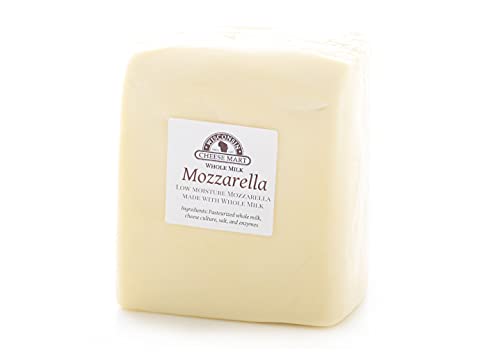
Choose a salty, tangy cheese and a high-quality oil to balance flavor and nutrition. Focus on real feta made from sheep or sheep-goat milk and extra virgin olive oil with a clear harvest or origin statement.
Recommended Products
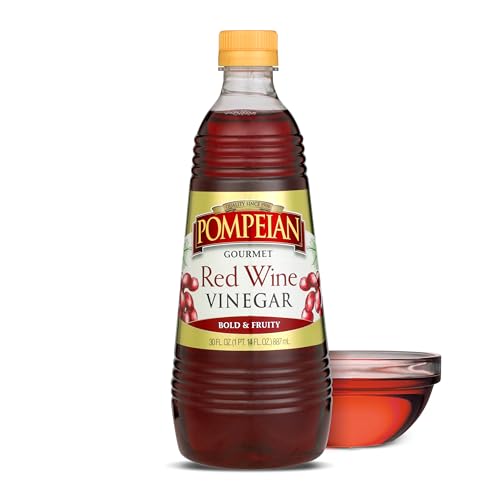
RED WINE VINEGAR: Expertly crafted by The Olive Oil People, Pompeian Red Wine Vinegar pairs perfectly with any of Pompeian’s farmer-crafted olive oils.

🍇GREEK - Certain regions of Greece are known for their Red Wine Vinegar. Liokareas Premium Red Wine Vinegar is made exclusively from red grapes grown in the fertile Messinian Valley and throughout the Peloponnese.

16.9 fl oz red wine vinegar for cooking and dressing
Authentic feta Cheese
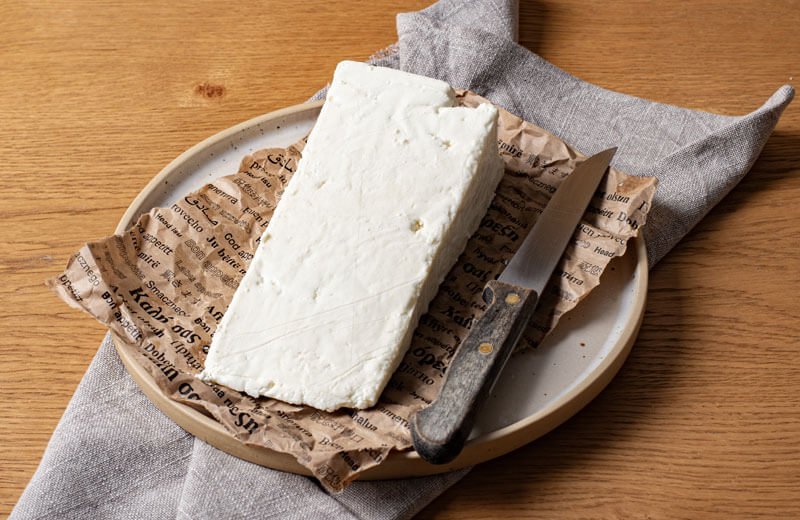
Use PDO or well-labeled feta when possible; it guarantees sheep’s milk or a sheep-goat blend and a specific Greek region. That milk profile gives feta its crumbly texture and pronounced tang, so you get flavor with smaller portions.
Nutrition matters: feta delivers calcium and protein but is higher in sodium and saturated fat than fresh cheeses. Control portions by crumbling 30–40 g (about 1–1.5 oz) per serving instead of large blocks.
If you need lower sodium, rinse brined feta briefly and pat dry to remove surface salt. For lower saturated fat, choose sheep-goat blends over pure cow’s milk cheeses; they retain flavor with slightly different fat composition.
Extra Virgin Olive Oil: Heart-Healthy Choice
Select extra virgin olive oil (EVOO) with a recent harvest date and a named region or producer to ensure freshness and polyphenol content. Cold-pressed EVOO retains antioxidants that help reduce inflammation when consumed regularly.
Use measured amounts: 1–2 tablespoons per salad serves flavor and healthy monounsaturated fats without excess calories. Combine EVOO with acid (lemon juice or red wine vinegar) to improve nutrient absorption from vegetables, especially carotenoids in tomatoes and peppers.
Store EVOO in a dark bottle away from heat to preserve antioxidants and prevent rancidity. For a finishing touch, drizzle after tossing rather than cooking to keep flavor and health benefits intact.


Flavorful Additions That Enhance Freshness
These ingredients add contrast and depth without masking the salad’s core vegetables and feta. They bring briny, herbal, and aromatic notes that brighten each bite and help the simple dressing sing.
Recommended Products

The ultimate cheese for salads

Try some delicious crumbled feta on anything from a salad to a burger

The ultimate cheese for salads
Kalamata Olives: Briny Complexity
Kalamata olives add a concentrated, fruity-saline hit that balances sweet tomatoes and creamy feta. Use whole pitted olives or halved pieces so you get bursts of flavor rather than a uniform saltiness.
Rinse briefly if your olives are packed in heavy brine to avoid overpowering the salad. Chop or leave them large depending on texture preference: larger pieces give chew and visual interest; small pieces distribute the brine more evenly.
Aim for 6–10 olives per serving for a noticeable presence without dominating the plate. If you substitute, choose other dark, meaty olives rather than mild green ones to preserve the intended flavor profile.
Fresh Herbs: Oregano And Parsley
Fresh oregano and flat-leaf parsley lift the salad with bright, aromatic notes that complement olive oil and lemon. Strip oregano leaves from the stems and finely chop parsley to release their essential oils.
Use about 1–2 teaspoons minced fresh oregano and 1–2 tablespoons chopped parsley per 4 servings. Add herbs just before serving to keep their color and aroma vibrant.
If you grow herbs, harvest in the morning when oils are strongest. Dried oregano can substitute at a 3:1 ratio but use sparingly to avoid a dusty, concentrated flavor.

Choosing And Preparing Ingredients For Maximum Freshness
Pick the ripest tomatoes, firm cucumbers, and crisp peppers; drain and cube feta only when ready to serve; keep olives whole or lightly crushed. Handle each item gently, chill vegetables before assembling, and dress the salad just before serving to preserve texture and bright flavor.
Recommended Products

DELIGHTFUL APPETIZER: These Kalamata black olives are smoky, and fruity with hints of red wine, and are perfect for tossing/topping into/onto salads, pasta, pizza, wraps, and more


Authentic Greek Flavor: Savor the rich, smoky, and fruity taste of these premium Kalamata olives, harvested from sun-drenched groves in western Greece and cured for up to six months to enhance their natural sweetness and depth.
Selecting Seasonal Produce
Choose tomatoes that yield slightly to pressure and smell sweet at the stem; avoid waxy skins or a lack of aroma. For cucumbers, pick ones that are dark green, firm, and under 8 inches to avoid bitter seeds. Bell peppers should be glossy with taut skin and no soft spots; red or yellow peppers add sweetness.
Buy small-batch or locally grown ingredients when possible. Seasonality matters: cherry tomatoes in summer, bitter-free cucumbers in late spring, and sweet peppers in late summer give the best texture and nutrients. Check for firmness and aroma at the market rather than relying on labels.
Proper Washing And Chopping
Rinse all vegetables under cold running water and rub firm-skinned items (tomatoes, peppers, cucumbers) with your hands or a brush to remove dirt and residues. Pat dry with a clean towel or spin in a salad spinner; excess surface water dilutes dressing and makes feta soggy.
Cut tomatoes into wedges to retain juices, slice cucumbers on a diagonal for larger surface area, and thinly slice red onion for bite without overpowering. Cube feta just before serving and keep olives whole or lightly crushed to release brine without losing texture. Store prepped components separately in airtight containers over ice or in the coldest part of your fridge up to one day.


Modifications For Added Health Benefits
Small swaps boost vitamins, fiber, and reduce sodium and saturated fat while keeping classic flavors. Focus on ingredient choices and portion control to improve nutrient density without overhauling the salad.
Recommended Products



33.8 fl oz of premium Mediterranean extra virgin olive oil
Adding Leafy Greens
Add about 2–3 cups of leafy greens per serving to increase fiber, potassium, and folate. Use sturdy greens like baby spinach, arugula, or romaine so they hold up under dressing and mix well with cucumbers and tomatoes.
Tear or chop leaves into bite-sized pieces for even distribution. Rotate greens: spinach adds iron and magnesium, arugula gives a peppery flavor and extra vitamin K, and romaine preserves the crisp texture associated with traditional Greek salad.
Keep the balance: use greens to complement, not replace, the classic ingredients. Aim for a roughly 1:1 ratio of chopped vegetables to greens so you maintain the salad’s identity while boosting nutrition.
Reducing Added Salt
Trim sodium by limiting salty ingredients and using alternatives that enhance flavor. Reduce feta to 1–2 ounces per serving or choose lower-sodium feta; rinse brined olives briefly to remove surface salt.
Season with acid and aromatics instead of extra salt. Use 1–2 tablespoons fresh lemon juice or 1 tablespoon red wine vinegar per serving, plus chopped oregano, parsley, or black pepper to deepen flavor.
Control dressing quantity and composition. Make vinaigrette with 1 part acid to 3 parts extra-virgin olive oil and flavor it with garlic and herbs; store dressings in a jar so you measure portions and avoid accidental oversalting.


Conclusion
You can build a Greek salad that is both fresh and healthy by focusing on simple, whole ingredients. Crisp vegetables, quality olive oil, and moderate amounts of feta and olives deliver fiber, vitamins, and healthy fats without excess calories.
Balance matters: prioritize vegetables for volume and nutrients, use olive oil and lemon for flavor and heart-healthy monounsaturated fats, and add protein if you need more satiety. Small adjustments—less cheese, more cucumbers, a handful of beans or grilled chicken—change nutrition and keep the dish satisfying.
Use these practical tips to customize your salad to dietary needs and taste. Choose seasonal vegetables, opt for extra-virgin olive oil, and keep salt from cured ingredients in check to preserve freshness and health benefits.
Bold choices make a difference:
- Choose ripe tomatoes and crisp cucumbers for texture.
- Use olive oil and lemon rather than heavy dressings.
- Limit processed ingredients and add lean protein when desired.
You’ll find Greek salad adapts well to your goals while remaining quick to prepare. Make it a routine part of your meals to enjoy consistent flavor and nutritional benefits.
Recommended Products
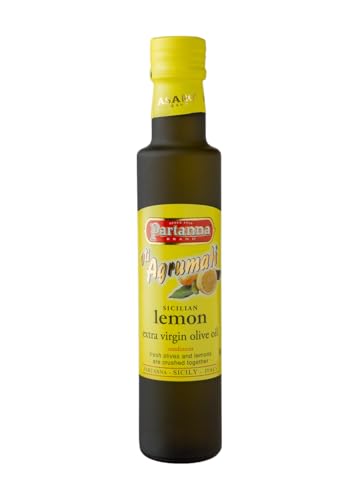
AGRUMATO (CITRUS) OIL: Known as agrumato oil in Italy, this distinctive product is made by crushing fresh olives and Sicilian citrus fruits together. This unique process results in an extra virgin olive oil with a vibrant, bright citrus finish. The combination of olives and citrus fruits creates an oil that not only adds a refreshing twist but also brings an authentic taste of Sicily to your kitchen. This agrumato oil is an exceptionally versatile addition.
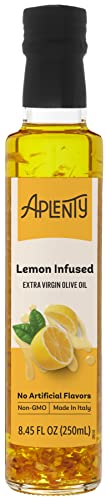
Try it as a marinade for meat or fish, or mix with vinegar for a refreshing summer salad dressing

BRIGHT, REFRESHING LEMON FLAVOR - Cold pressed extra virgin olive oil infused with real Meyer lemon. Fresh, balanced, and naturally vibrant.