
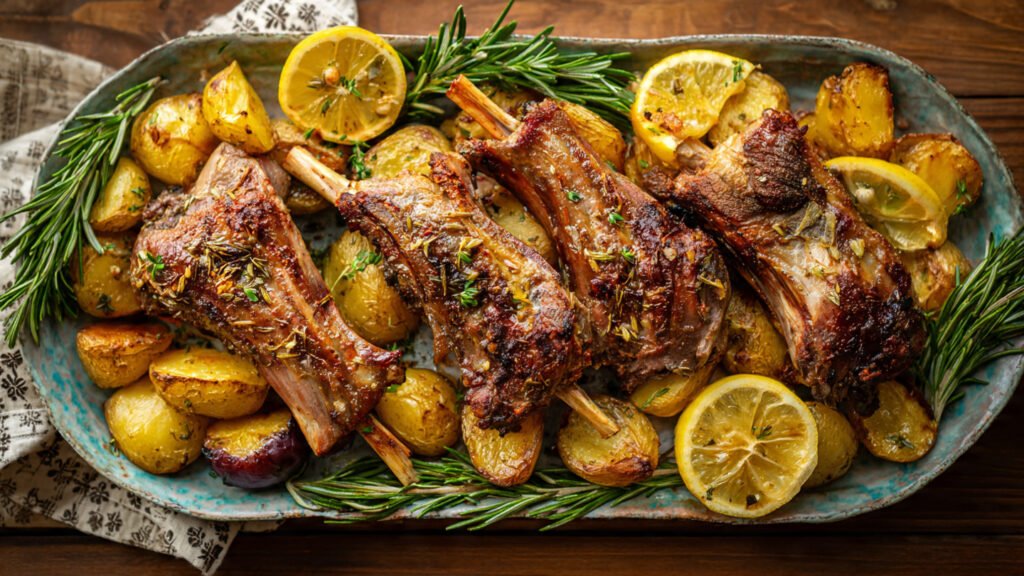


You join Greeks across the world in roasting lamb on Easter Sunday morning, after the midnight Pascha services and the Lenten fast—this is when families fire up spits or ovens so the lamb finishes slow-cooking by the main midday feast. Plan for a multi-hour roast that starts early on Easter Sunday so the meat is tender and the skin turns golden by the time everyone gathers.
Expect rituals, regional twists, and a communal rhythm: marinating, setting the spit, turning the lamb, and sharing small plates and music while it cooks. The rest of the article will walk you through timing, traditional preparations, regional differences, and practical tips so your Easter roast runs smoothly and honors the custom.
Traditional Date of Lamb Roasting for Greek Easter
Lamb roasting centers on Easter Sunday morning and ties directly to the date of Pascha each year. The practice usually begins before dawn and continues through midday, aligning with liturgical timings and family gatherings.
Recommended Products

Funny design. This is the perfect Easter gift for any Orthodox christian who has played the traditional Egg cracking (tsougrisma) game!

A Resurrection of Christ icon bookmark is displayed in the front of this candle. A design that continues to be a favorite year after year.

Traditional Greek Orthodox Easter Red Ceramic Eggs: our 12 pcs Ukrainian ceramic eggs have 3 different cross design, they are perfectly smooth and bright with no holes at the bottom; These realistic egg set is substantial and an ideal gift for friends and family. It is both meaningful and artistic, perfectly embodying faith and tradition
Timing of Greek Orthodox Easter
Greek Orthodox Easter (Pascha) follows the Julian-based ecclesiastical calendar, so its date often differs from Western Easter. You’ll find Pascha falling any Sunday between early April and early May most years, depending on the full moon and the vernal equinox as calculated by the Orthodox Church.
Families typically start preparing the lamb in the early hours of Easter Sunday. Many begin spit-roasting around sunrise so the meat finishes by the midday feast. In larger villages and towns, communal spit-turning can start even earlier to allow for the long slow roast that Greek tradition calls for.
Significance of Easter Sunday
Easter Sunday in the Greek Orthodox tradition marks the Resurrection and serves as the focal liturgical and social moment of Holy Week. You will notice that the feast after the midnight or dawn service—when families return home—is the time when the lamb becomes central to the meal.
The lamb symbolizes sacrifice and renewal in Christian imagery, so serving it at the Easter meal underscores spiritual themes as well as culinary ones. Practically, roasting on Sunday lets families break the Lenten fast immediately with the communal, celebratory meal.
Connection to Holy Week Observances
Holy Week organizes the rhythm of preparation leading to the roast. You’ll see fasting rules, church services, and family preparations concentrate effort and anticipation toward Easter Sunday morning.
Practical steps often happen on Holy Saturday: seasoning, stuffing (if used), and setting up spits or ovens. Those preparations make the early-morning roast feasible, allowing the long slow cook—usually several hours—so the lamb is tender and ready for the large family gathering after the Paschal liturgy.


Cultural Importance of Roasting Lamb

Roasted lamb carries religious symbolism, binds families and neighbors through shared labor and celebration, and plays a specific liturgical and festive role in Greek Orthodox practice.
Recommended Products

Made with high-quality, all-natural ingredients, it's gluten-free and contains no artificial preservatives

VERSATILE & EASY TO USE: Not just for kebabs, make the most of roasted veggies, craft delicious sauces, and elevate starches like lentils, couscous, and pita.

Set of 5 Packs
Symbolism of the Paschal Lamb
You encounter the lamb as a living symbol of sacrifice and renewal.
In Greek Orthodox belief, the lamb echoes Christ’s sacrificial role; its meat on Easter morning represents victory over death and the new life celebrated at Pascha.
The lamb also connects to biblical and pre-Christian pastoral traditions familiar to rural Greece.
That continuity gives the dish emotional weight: eating the lamb affirms faith, communal memory, and cultural identity in a direct, sensory way.
Family and Community Gatherings
You take part in a ritual that starts before dawn and often involves many hands.
Families and neighbors jointly prepare the spit, tend the fire for several hours, and share tasks like seasoning, turning the lamb, and making side dishes.
The meal functions as a social glue: extended family members, godparents, and friends gather to eat and speak, sometimes for hours.
This communal process turns food preparation into an act of hospitality and reciprocity, reinforcing kinship ties and local relationships.
Role of Lamb in Greek Orthodox Tradition
You see the lamb integrated into both liturgical rhythm and festive practice.
After the midnight Paschal service, the fast is broken and the lamb becomes the central food of the celebratory meal, marking the transition from austerity to feasting.
Clergy do not perform the roasting, but the timing and meaning of the meal align with church observances: the lamb’s role is sacramental in popular practice rather than liturgical ritual.
Its preparation and consumption reflect the Paschal message—resurrection expressed through communal celebration and the renewal of everyday life.


Preparation Rituals Before Roasting
You choose the lamb based on age, cut, and size, then focus on seasoning and handling to ensure even cooking and classic flavor. You also prepare the spit and marinate deliberately so the meat stays moist and the aromatics penetrate.
Recommended Products

【PRODUCT SPECIFICATIONS】1/2 in diameter shaft with a 13/64 in rod. Constructed from stainless steel, rated at 40W with a 115V input. Rated Torque: 18 N.m; Rated Speed: 3 RPM. Overall dimensions: 8.86"D x 3.54"W x 3.94"H.

【2 MODES BARBECUE GRILL】:Experience the ultimate flexibility with our outdoor roast lamb grill. It seamlessly transitions between manual and electric modes, allowing you to choose the method that suits your preference or cooking requirements. Whether you enjoy the traditional charm of manual grilling or the convenience of electric cooking, our grill offers the best of both worlds.
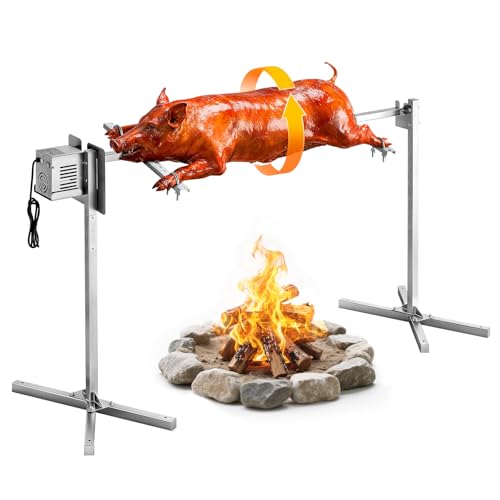
Smooth 360° Rotation: Enjoy smooth rotation with this rotisserie kit grilling powered by a 38W motor at 3 RPM. Dual bearings reduce motor strain, while the upgraded cooling fan and protective cover keep the unit running efficiently for evenly cooked meals
Selecting and Seasoning the Lamb
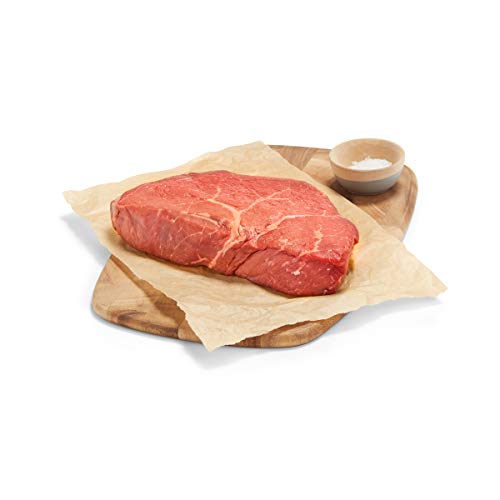
Pick a lamb between 12–18 kg (whole) for spit-roasting or 2–4 kg for a shoulder if using an oven. Younger lamb yields more tender meat; if you want traditional texture, aim for a suckling or yearling lamb depending on availability. Inspect for even fat coverage—fat protects meat during the long roast and keeps the exterior from drying.
Season externally and internally. Use coarse sea salt and cracked black pepper as a base. Rub a mixture of crushed garlic, chopped fresh rosemary, oregano, and lemon zest into cavities and under the skin where possible. For stuffed preparations, add crusty bread crumbs, parsley, and a beaten egg to bind. Tie or secure limbs so the lamb rotates evenly on the spit.
Marination and Spit Preparation
Marinate at least 6–12 hours for whole lamb; overnight (12–24 hours) intensifies flavor. Combine olive oil, lemon juice, smashed garlic, chopped rosemary, oregano, and a pinch of ground cumin for a classic Greek profile. Massage the paste thoroughly into the meat and into any slits to promote deeper penetration.
Prepare the spit and equipment the day before. Balance the lamb on the spit rod so it spins evenly; use heavy-gauge skewers or clamps to prevent slipping. Test the rotisserie motor and set up drip pans to catch juices for basting. Keep a basting mixture (olive oil, lemon, and juices collected during roasting) nearby and baste every 30–45 minutes for even browning and moisture retention.


Roasting Process on Easter Day
You will start the roast early, maintain steady heat, and time the carving so the lamb rests before serving. Each step affects texture and flavor, so follow the sequence and monitor fire and internal temperature closely.
Recommended Products

☀️ SHISH KEBAB SEASONING SPICE BLEND NATURAL SEASONING POWDER MIX - Shish kebab seasoning is a flavorful blend of spices commonly used to marinate and season skewered and grilled meat, vegetables, or a combination of both. Use shish kebab seasoning to marinate meats like beef, chicken, lamb, or pork before grilling.

☀️ SHISH KEBAB SEASONING SPICE BLEND NATURAL SEASONING POWDER MIX - Shish kebab seasoning is a flavorful blend of spices commonly used to marinate and season skewered and grilled meat, vegetables, or a combination of both. Use shish kebab seasoning to marinate meats like beef, chicken, lamb, or pork before grilling.
Early Morning Fire Lighting
You should light the wood or charcoal fire around 6:00–7:00 AM for a midday meal. Use hardwoods like oak or olive for steady, long-burning heat; avoid softwoods that create excessive smoke. Arrange coals to create a two-zone fire: a hotter center for initial searing and cooler edges for slower cooking.
Bring the spit or grill up to temperature before placing the lamb. Test heat with your hand or an infrared thermometer; you want a surface heat of roughly 200–260°C (400–500°F) near the coals initially. Keep extra fuel on hand and add small amounts every 30–45 minutes to maintain consistent heat.
Traditional Roasting Techniques
For spit-roasting, secure the whole lamb or leg firmly on the rotisserie so it turns evenly. Baste every 20–30 minutes with olive oil mixed with garlic, rosemary, lemon, and salt to build crust and keep meat moist. If using a grill or oven, sear first at high heat for 10–15 minutes, then lower to indirect heat (around 160–180°C / 325–350°F).
Monitor internal temperature rather than time alone: aim for 58–62°C (136–144°F) for medium-rare to medium, or 65–70°C (149–158°F) if you prefer well done. Use a probe thermometer inserted into the thickest part, away from bone. Rotate or reposition the lamb if you notice uneven browning.
Timing and Serving the Lamb
Plan roasting time based on weight: roughly 20–25 minutes per 500 g (1 lb) at steady indirect heat for medium doneness, plus time for initial searing if used. A 4–5 kg (9–11 lb) lamb typically takes 3–5 hours depending on heat management and whether you roast whole or in parts. Account for 20–30 minutes of resting time after removing the lamb from heat.
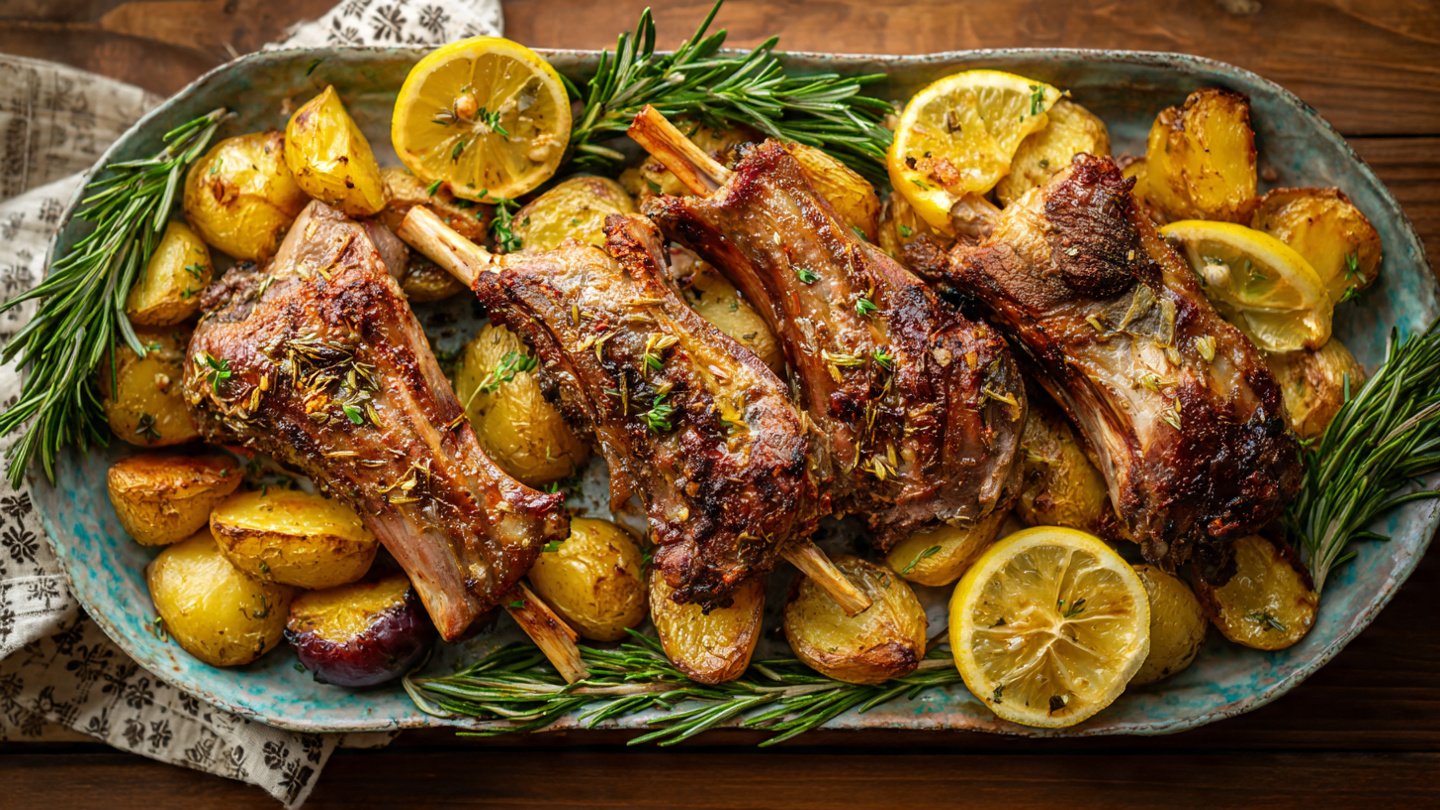
Carve the lamb after resting to preserve juices. Serve with traditional sides such as roasted potatoes, lemon and herb sauces, and fresh salads. Keep a meat thermometer on the table so you can reassure guests about doneness if needed.


Regional Variations in Roasting Lamb
Different parts of Greece change how they roast lamb for Easter by choice of cut, cooking method, and local seasonings. Expect island cooks to favor open-fire spit-roasting and coastal herbs, while inland areas use wood-fired ovens, marinades, and larger family-style joints.
Recommended Products

Greek Easter Orthodox Christians Kalo Pascha Happy Easter Shirt. Christos Anesti, Alithos Anesti. Christ is Risen, Truly He is Risen in Greek TShirt. Holy Cross, Greek Easter Egg Tapping Game Tsougrisma. Greek Orthodox Family Easter, Jesus, Cross.

Wooden Greek Orthodox Icon of the Resurrection

Funny Christos Anesti Funny Greek Easter Tsougrisma Red Egg Tapping Game matching family group costume for Greek Orthodox Easter Day. Retro outfit for Greek American boys, teens or anyone who loves the Greece flag.
Differences Across Greek Islands
On islands like Crete, Rhodes, and the Cyclades you’ll often see whole lambs spit-roasted over charcoal or wood. Coastal herbs such as oregano, rosemary, and lemon zest get applied directly to the skin and cavity, imparting a brighter, citrus-herb profile suited to island fare.
Portions tend to cook slower over lower heat so the meat stays juicy and the skin crisps evenly. You’ll also find smaller lambs used on smaller islands, which shortens cooking time and concentrates flavor.
In some island villages, cooks baste with olive oil and wine, and side dishes focus on simple salads and roasted vegetables. The result highlights local olive oil and fresh herbs rather than heavy spice blends.
Urban versus Rural Traditions
In urban centers like Athens or Thessaloniki, you’ll mostly encounter boneless leg or shoulder roasts prepared in ovens or on spits at tavernas. City cooks often use measured marinades—olive oil, garlic, lemon, and dried oregano—for consistency and easier transport to communal meals.
Rural villages keep older methods: whole-animal spit-roasts or underground pit roasts that require a team to manage the fire and rotation. These methods produce deeper smoke flavors and are used for large family gatherings.
You’ll notice portion size differences: cities favor plated servings with plated sides; rural celebrations present the lamb whole for communal carving. Preparation timing also shifts—urban cooks may start overnight; rural teams begin early the day of the feast to coordinate with local rituals.


Celebratory Customs Associated with Lamb Roasting
You will find music, dancing, and a specific spread of dishes that shape the mood and timing of the lamb roast. These customs mark the transition from Lenten restraint to communal feasting and give structure to the day’s rituals.
Recommended Products

PERFECT FOR ALL GRILLING MEATS:Enhance the flavor of beef, chicken, ribs, pork, and even vegetables with our versatile barbecue seasoning rub. Ideal for smoking, grilling, lamb skewers seasoning or roasting.

🐑CHEMISTRY IN THE KITCHEN Our Good Shepherd seasoning is specially created for preparing lamb that really stands out from the flock. We start with Chain Reaction and add all-natural ingredients like black pepper, mustard, and a few earthy, aromatic spices to synchronize perfectly with the natural flavors in lamb.

🐑CHEMISTRY IN THE KITCHEN Our Good Shepherd seasoning is specially created for preparing lamb that really stands out from the flock. We start with Chain Reaction and add all-natural ingredients like black pepper, mustard, and a few earthy, aromatic spices to synchronize perfectly with the natural flavors in lamb.
Music and Dancing During the Feast
Music starts soon after the lamb comes off the spit and often continues into the evening. Traditional folk tunes such as syrtos and kalamatianos play from portable speakers or a hired band, and you’ll hear clarinet, violin, and lute (bouzouki) carrying the melodies.
Dancing follows in circles or lines, led by older family members who teach the steps to younger guests. You may join hands or link arms; dances can move from measured to faster tempos as the meal progresses. Expect to stand up between courses to clap, shout “Opa!” and join brief dance sets that reinforce the celebratory atmosphere.
Other Festive Foods Served
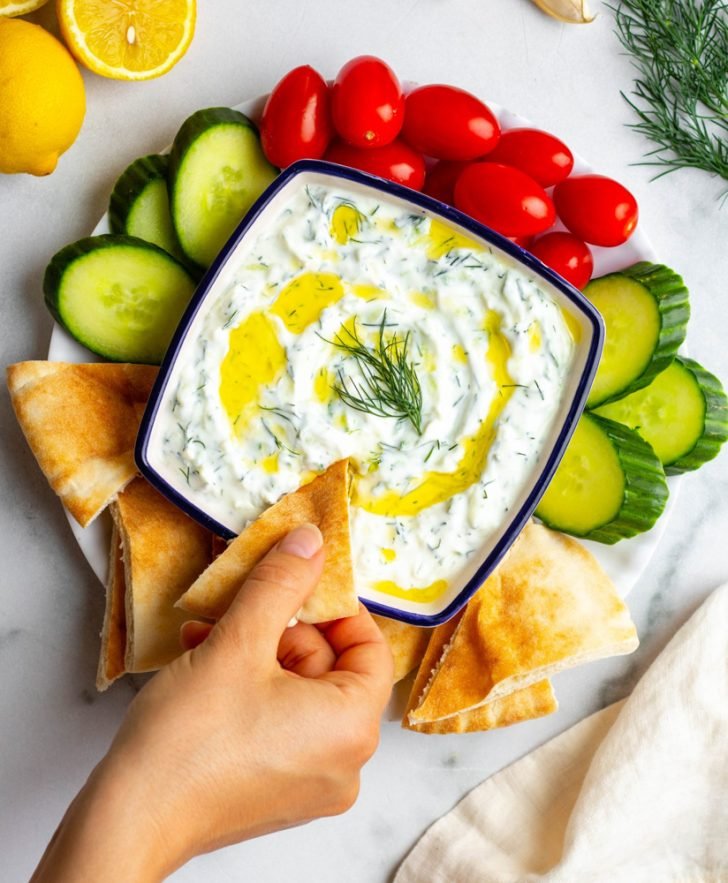
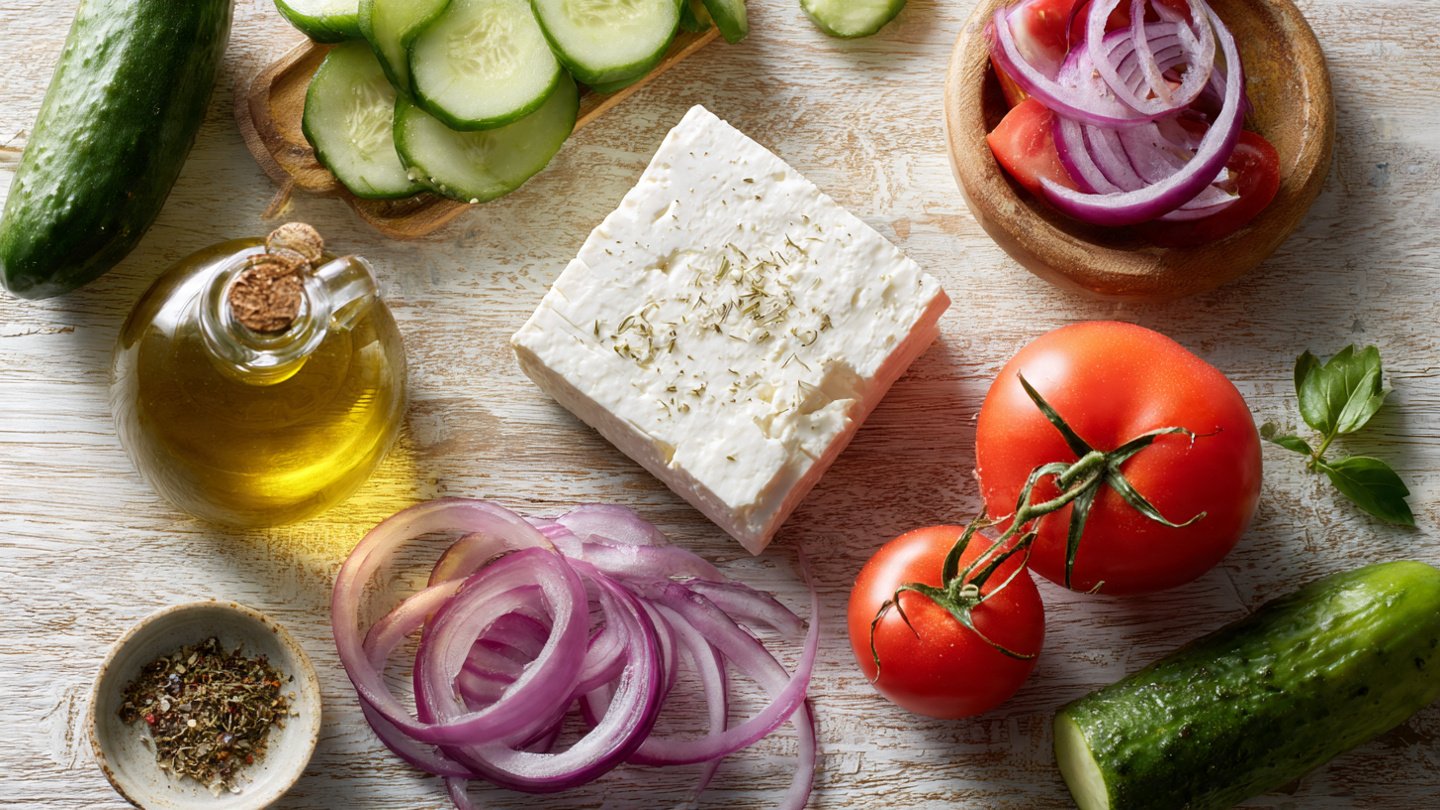
You’ll usually encounter a mix of cold mezzes and hot sides that complement the roasted lamb. Common items include tzatziki, roasted potatoes, lemony horta (wild greens), Greek salad with ripe tomatoes and feta, and crusty bread to soak up the pan juices.
Sweets appear later: koulourakia (buttery cookies), orange-scented baklava, and the red-dyed eggs symbolic of Pascha. Wine and ouzo are served throughout, and strong coffee or Greek mountain tea often closes the meal. Hosts arrange plates so guests can graze between dances and help themselves while the lamb rests.


Modern Adaptations of Easter Lamb Roasting
Lamb roasting has moved beyond the village spit; you’ll find varied equipment, timing adjustments, and seasoning choices that suit urban spaces and modern tastes. These changes preserve the ritual’s social role while adapting technique to your kitchen, backyard, or community event.
Recommended Products

200 LBS Load capacity with metal gears (Loads should be balanced, for example a pig unbalanced we suggest max 80lbs)

[Powerful Electric Motor ]: Our Motor Power: 15W Electric Motor RPM: 4 Revolutions. The motor is upgraded, so that the spit rod can drive heavier food.

[Powerful Electric Motor] Our Motor Power: 15W. Electric Motor RPM: 4 Revolutions. The motor is upgraded, so that the spit rod can drive heavier food barbecue.
Contemporary Methods and Equipment
You can replicate spit-roasted flavor using several modern approaches. Rotisserie attachments on gas or charcoal grills let you maintain slow, even rotation; set heat zones to 250–300°F (120–150°C) and plan 20–25 minutes per pound for a medium-rare to medium leg.
If you lack a rotisserie, use a charcoal pit or a covered kettle grill with indirect heat; place a drip pan under the lamb to catch juices and add soaked wood chips for smoke.
Oven roasting remains common for smaller cuts. Roast a bone-in leg at 325°F (160°C) for about 15–20 minutes per pound, finishing under high heat for a crisp exterior.
Electric smokers and pellet grills give consistent low-and-slow temps and predictable smoke levels, useful when you need to manage timing around services or gatherings.
Seasoning and prep also adapt: you can use traditional rosemary-garlic rubs, but many cooks add lemon zest, oregano blends, or marinade overnight in yogurt and citrus to tenderize and brighten flavors.
For transport, butterfly the leg to fit grills or smoke boxes, or pre-roast and reheat gently at your destination to preserve texture.
Trends in Greek Communities Abroad
You will see two clear patterns among diaspora communities: preservation of ritual and practical downsizing. Where space or regulation prevents whole-lamb spits, families roast smaller shoulders, legs, or even lamb skewers at community centers or backyard grills.
Many parishes organize communal roasts with hired caterers who bring portable rotisseries and commercial smokers, allowing you to participate in the social feast without owning specialized gear.
Ingredient sourcing also shifts. You’ll often find local lamb breeds substituted for Greek lamb; cooks compensate by adjusting seasoning and cooking times for fat content and size.
You’ll notice hybrid menus, too: roast lamb served alongside regional sides (e.g., mashed potatoes, truffle mash) and wines chosen for local availability rather than strictly Greek pairings.
These adaptations keep the meal recognizable while fitting legal, spatial, and taste constraints where you live.