


You already know ginger tastes bright and warming, but in Chinese recipes it does more than flavor dishes — it supports digestion, eases nausea, and helps the body respond to cold and inflammation. Chinese cooks and healers add ginger to meals because its warming, anti-nausea, and anti-inflammatory properties make food both comforting and functional.
As you move through this article, you’ll see how ginger fits into long culinary traditions, how Traditional Chinese Medicine explains its effects, what modern studies confirm, and which everyday dishes highlight its benefits. Practical tips on picking and preparing ginger and simple cautions will help you use it safely in your own cooking.
The Role of Ginger in Chinese Culinary Tradition

Ginger appears across Chinese cooking as both a flavoring and a practical ingredient. It shapes taste profiles, supports preservation and digestion, and connects modern recipes to centuries of practice.
Recommended Products
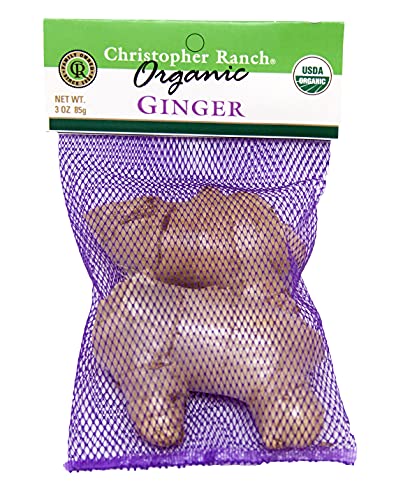
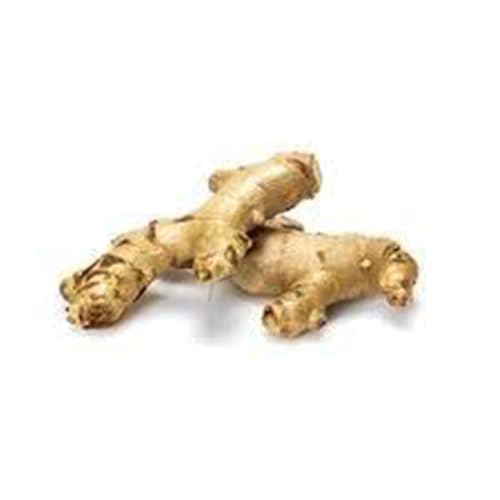
Fresh ginger

Certified Organic: Grown without synthetic pesticides or fertilizers, ensuring a clean, chemical-free product that aligns with sustainable farming practices.
Historical Significance
Ginger has recorded use in China dating back to at least the Han dynasty, when trade and cultivation expanded its availability. Medicinal texts from later dynasties catalogued ginger for digestive and warming effects, which encouraged its incorporation into daily diets.
You’ll find ginger mentioned in historical cookbooks and trade records, showing it moved from coastal ports into inland markets. That diffusion made ginger affordable and common in provincial kitchens, not only elite courts.
Archaeological and textual evidence links ginger with both culinary and medicinal roles early on. This dual role explains why many traditional recipes pair ginger with cooling ingredients or use it in broths meant to support recovery from illness.
Ginger as a Staple Ingredient
In Chinese recipes, ginger functions as aromatic backbone, palate cleanser, and heat-balancer. You’ll see thinly sliced fresh ginger in stir-fries, julienned in soups, and crushed or minced in marinades to counteract fishiness or gamey flavors.
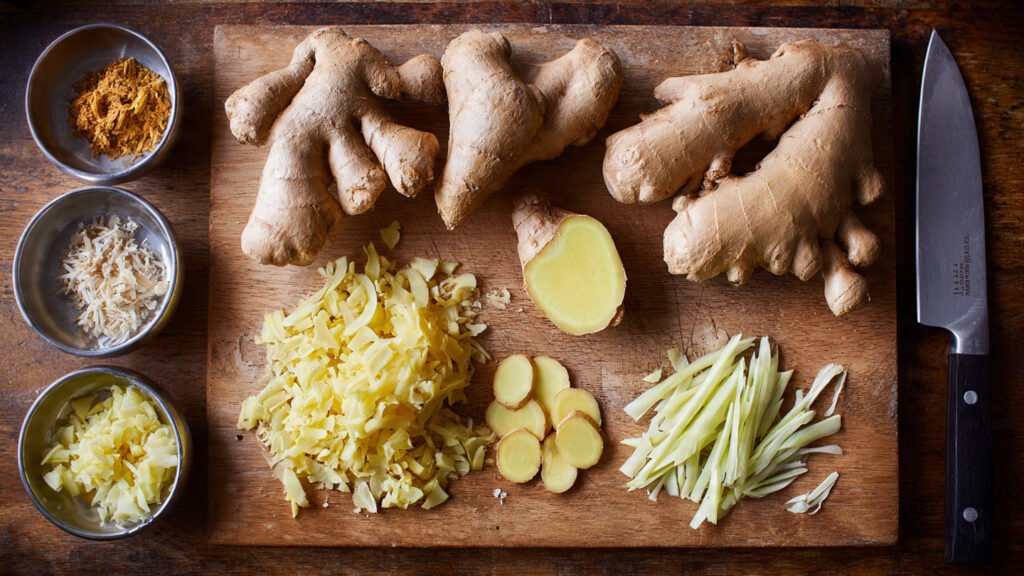
Ginger’s versatility also shows in preparation methods: raw for bright, pungent notes; briefly fried to mellow harshness; or simmered long in stocks to release sustained warmth. Many recipes rely on the exact cut—matchsticks for quick frying, slices for stewing—to control flavor release.
You can replace ginger’s role poorly with other spices because it uniquely combines sharpness and astringency with a numbing warmth. That combination makes it indispensable in balancing sweet, sour, salty, and bitter elements in Chinese dishes.
Cultural Importance in Daily Cooking
You’ll encounter ginger in everyday Chinese meals, from breakfast congee to festival dishes. Families often keep fresh ginger and pickled ginger on hand, using small amounts across multiple dishes for consistent flavor and perceived health support.
Ginger also plays a ritual and social role: it appears in postpartum foods to “warm” the body, in teas given for colds, and at communal meals to aid digestion after rich fare. These practices stem from Traditional Chinese Medicine ideas that many households still follow.
Because it’s affordable and shelf-stable when pickled or dried, ginger became embedded in regional cuisines. That accessibility helped it become a cultural habit—an expected ingredient you’ll almost always find in a Chinese pantry.


Health Benefits of Ginger Recognized in Chinese Recipes
Ginger appears in Chinese recipes both for flavor and because cooks believe it helps reduce inflammation, support immune responses, ease digestion, and assist the body in eliminating unwanted compounds. The following subsections explain the main effects that traditional practice and modern research most often attribute to ginger.
Recommended Products

Authentic Sushi Companion – Enhance your sushi experience with our premium pickled sushi ginger. Its delicate, tangy sweetness perfectly complements sushi rolls, sashimi, and Asian dishes.
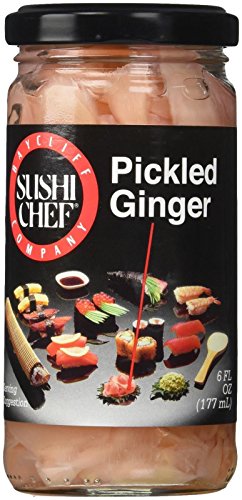
Thinly sliced young ginger roots pickled in a brine of rice vinegar and sugar

Anti-Inflammatory Properties
Ginger contains active compounds such as gingerols and shogaols that you can trace to reduced inflammatory signaling in laboratory and clinical studies. These compounds inhibit enzymes and molecules (for example, COX and cytokines) that promote inflammation, which helps explain why ginger is used in broths and stews intended to soothe sore joints or post-illness stiffness.
You often see ginger paired with cooling ingredients in Chinese recipes when the goal is to reduce localized swelling or chronic ache. Use of fresh versus dried ginger changes the balance of gingerol-to-shogaol; fresh root tends to deliver more gingerols, while drying increases shogaols, which can alter potency and perceived warmth in a dish.
Immune System Support
Ginger contributes immune-supportive effects through modest antimicrobial and antiviral activity, plus antioxidant actions that protect cells from oxidative stress. In practice, Chinese soups and congees often include ginger to complement other ingredients that stimulate recovery from colds and respiratory irritation.
You should note that ginger is not a substitute for vaccines or prescribed medications, but regular culinary use may help reduce symptom severity and duration in mild respiratory infections. Steeping sliced ginger in hot water releases water-soluble compounds, making ginger tea a common home remedy for early cold symptoms.
Digestive Aid
Ginger stimulates gastric motility and reduces sensations of nausea by acting on the gut and central nervous system pathways that regulate vomiting and digestion. In Chinese cuisine, ginger is frequently cooked with seafood, fatty meats, or cold-natured vegetables to help prevent indigestion and to warm the stomach for better digestion.
Small amounts eaten before or during meals can speed gastric emptying and reduce bloating for many people. If you suffer from specific gastrointestinal disorders, discuss ginger use with your clinician, since it can interact with some medications or affect acid-sensitive conditions.
Detoxification Effects
Traditional Chinese dietary practice attributes “detoxifying” benefits to ginger by promoting circulation and supporting the body’s natural elimination processes. From a biochemical standpoint, ginger’s antioxidant compounds support liver enzyme systems (phase I and phase II) that metabolize xenobiotics and reduce oxidative damage to hepatic cells.
You see ginger included in soups, herbal blends, and stir-fries intended to help the body process metabolic waste and environmental toxins. While ginger can assist liver-related pathways, do not rely on it alone to treat toxin exposure; integrate it as part of a balanced diet and medical plan when needed.


Traditional Chinese Medicine Perspective
Ginger functions as a warming, circulation-promoting herb that practitioners use to address cold-related symptoms, digestive stagnation, and to harmonize formulas. Expect specific uses tied to body temperature, digestion, and how ginger combines with other herbs and foods.
Recommended Products

Non-gmo Project Verified

QUALITY & PURITY: The most convenient way to get ginger in your daily diet and favorite dishes. Potent, recipe-ready and created from the finest organic ginger, organic sugar cane and organic rice wine vinegar. Packs flavor into every meal and beverage.
![All Under Heaven: Recipes from the 35 Cuisines of China [A Cookbook]](https://m.media-amazon.com/images/I/411b3SrrTHL._SL500_.jpg)
Ginger in Qi and Balance
In TCM, ginger supports your Spleen and Stomach by moving stagnant Qi and resolving dampness that impairs digestion. Practitioners prescribe fresh ginger (sheng jiang) when you have nausea, poor appetite, or bloating because it helps descend rebellious Qi and eases digestive discomfort.
Ginger also acts on the Lung channel to release exterior cold, so you may see it in remedies for early-stage colds with chills and little sweat. In pattern diagnosis, ginger’s role depends on whether your imbalance shows cold signs (pale tongue, slow pulse) versus heat signs; it is avoided when excess heat or yin deficiency dominates.
Thermal Nature of Ginger
Ginger is classed as a warm-to-hot herb, so it raises local and systemic yang activity when you consume it. That warming action explains why ginger shortens cold sensations, improves peripheral circulation, and relieves cold-induced cramps or joint stiffness.
Different preparations change thermal properties: fresh ginger is more yang-warming and dispersing; dried ginger concentrates warming compounds and is used for stronger cold-against-yang patterns. You should avoid high doses if you have heat signs—such as red tongue, irritability, or night sweats—because ginger can exacerbate those conditions.
Synergistic Effects With Other Ingredients
Ginger commonly appears with ingredients that complement or moderate its actions, creating targeted therapeutic effects. For digestion, it pairs with garlic, scallion, or vinegar to enhance Qi movement and antimicrobial effects; in formulas for colds it combines with cinnamon twig or licorice to release exterior pathogens while protecting the stomach.
Culinary pairings also reflect TCM logic: pairing ginger with cooling foods (like cucumber) balances flavor and thermal effect, while combining it with proteins (fish, pork) helps you digest heavier meals. When you use ginger alongside bitter or astringent herbs, practitioners aim to balance drying or cooling tendencies and produce a harmonized formula rather than an isolated strong warming action.


Modern Scientific Validation of Ginger’s Benefits

Ginger contains measurable bioactive compounds that reduce oxidative stress, ease various types of nausea, and influence factors tied to heart disease risk. Clinical trials and lab studies have tested these effects with specific doses, populations, and measurable outcomes.
Recommended Products

NATURAL RELIEF: Ginger Rescue lozenges offer natural relief from morning sickness, nausea, upset stomach, mild gas, motion sickness, indigestion and bloating*

Digestive Comfort Support* – Ginger root has been traditionally used to help maintain stomach comfort during everyday use.*

Herbal indigestion relief: Belly Comfort ginger lozenges help relieve nausea and occasional indigestion*
Research on Antioxidant Effects
You can expect ginger to provide antioxidant activity primarily through phenolic compounds such as gingerols, shogaols, and zingerone. Laboratory assays (e.g., DPPH, FRAP) and animal studies show these compounds scavenge free radicals and raise endogenous antioxidant enzymes like superoxide dismutase and catalase.
Human trials indicate modest improvements in biomarkers of oxidative stress when participants consume standardized ginger extracts or high-ginger diets over weeks. Effects vary by extract concentration and form (fresh vs. dried vs. oleoresin).
Practical takeaway: ginger can contribute to antioxidant defenses as part of a broader dietary pattern, but it’s not a substitute for established antioxidant therapies when those are required.
Studies on Nausea and Motion Sickness
You will find the strongest clinical evidence for ginger in nausea-related conditions. Multiple randomized controlled trials report that 0.5–1 g of ginger root taken before travel reduces symptoms of motion sickness compared with placebo. Studies in pregnancy-related nausea (morning sickness) show similar benefit with typical daily doses of 500–1,000 mg, lowering patient-reported nausea scores and the need for antiemetic drugs in some trials.
Postoperative and chemotherapy-induced nausea studies produce mixed results; some trials show benefit while others find no difference. Variability stems from differing doses, timing, and outcome measures.
If you plan to use ginger for nausea, stick to clinically studied doses and discuss use with a clinician during pregnancy or cancer treatment.
Role in Cardiovascular Health
You should view ginger’s cardiovascular effects as supportive rather than curative. Controlled trials and meta-analyses report that ginger can modestly lower fasting blood glucose, reduce triglycerides, and improve markers of inflammation (e.g., CRP) in people with metabolic syndrome or type 2 diabetes when taken as a supplement (commonly 1–3 g/day of powdered or extract form).
Ginger also shows mild antiplatelet and vasodilatory properties in vitro and in small human studies, which may reduce clotting tendency and improve circulation. However, effects on blood pressure are inconsistent across trials.
Important safety note: combine ginger carefully with anticoagulant or antiplatelet medications and review dosages with your healthcare provider.


Common Chinese Dishes Highlighting Ginger’s Health Benefits
Ginger appears in both everyday meals and restorative dishes, lending warmth, sharpness, and compounds linked to digestion and reduced inflammation. You’ll see it used fresh, shredded, or sliced to maximize aroma and therapeutic effect while keeping flavor balanced.
Recommended Products

Ginger Chicken
Ginger chicken pairs thin slices or julienned ginger with soy, rice wine, and scallions to create a dish that aids digestion and reduces perceived greasiness. When you cook ginger briefly in hot oil and then stir-fry the marinated chicken, volatile oils release quickly, giving the meat a bright aroma that helps stimulate saliva and gastric juices. This makes the protein easier on your stomach after a heavy meal.
Use young ginger when possible: it’s tender, less fibrous, and contains more aromatic compounds that dissolve into sauces. A simple home technique is to score or smash the ginger before slicing; that increases surface area and extracts more active compounds during cooking. Serve with steamed rice and plenty of greens to offset sodium from sauces and keep the meal balanced.
Ginger Tea
Ginger tea concentrates ginger’s warming and carminative effects with minimal processing, making it a common home remedy for nausea, cold symptoms, and mild digestive upset. Slice or thinly crush 5–10 grams of fresh ginger, steep in boiling water for 5–10 minutes, and add honey or lemon to taste; longer steeping increases pungency and gingerol extraction. You’ll get a clearer infusion with sliced ginger and a stronger, spicier cup if you grate it.
Drink small cups slowly to settle your stomach or sip before a cold-weather outing to promote peripheral circulation. If you have heartburn or a bleeding disorder, limit intake and check with your clinician, because concentrated ginger can interact with some medications or exacerbate reflux in sensitive individuals.
Steamed Fish With Ginger
Steamed fish with ginger uses large ginger slices and hot steaming to infuse delicate white fish with aroma while preserving omega-3 fats and soft texture. You’ll place ginger under and over the fillet along with scallions, then steam 6–8 minutes depending on thickness; the gentle heat extracts ginger’s essential oils into the flesh without destroying heat-sensitive nutrients.
The combination of ginger and scallion also counters fishy odors and aids digestion, making the dish lighter and easier to digest. Finish with a hot oil pour or light soy dressing to release additional ginger fragrance and deliver a pleasant mouthfeel without heavy sauces.


Selecting and Preparing Ginger for Optimal Benefits
Choose firm, smooth-skinned roots with pale yellow flesh and a fresh spicy aroma. Store whole roots cold and slice or grate only when needed to preserve volatile oils and medicinal compounds.
Recommended Products

No hydrogenated fats or high fructose corn syrup allowed in any food

FREEZE DRIED DIFFERENCE - All of our herbs are harvested at their peak freshness and loaded into our freeze drying tunnels that help preserve the bold color, taste, & aroma

100% Pure Ginger Root: Ground from the finest ginger roots to ensure a rich and authentic flavor profile.
Fresh vs. Dried Ginger
Fresh ginger delivers higher levels of gingerol, the compound linked to anti-inflammatory and digestive effects. You’ll get stronger flavor and more immediate therapeutic action from fresh slices, grated paste, or thin matchsticks.
Dried (powdered) ginger contains more shogaols, formed during drying and heat, which offer complementary benefits such as longer-lasting warming effects. Use dried ginger when you need a longer shelf life, milder aroma, or consistent dosing in recipes and teas.
Choose fresh for quick remedies (ginger tea, poultices, stir-fries). Choose dried when baking, making spice blends, or when fresh is unavailable.
Proper Storage Techniques
Keep unpeeled ginger in the refrigerator crisper wrapped in a paper towel and sealed in a bag to reduce moisture loss. This method extends freshness for 2–3 weeks.
For longer storage, freeze whole or sliced ginger in an airtight container; frozen ginger grates easily and retains most active compounds for months. Store powdered ginger in a cool, dark place in a tightly sealed jar to prevent oxidation and loss of aroma.
Label containers with dates. Avoid leaving cut ginger at room temperature more than a few hours to prevent microbial growth and rapid degradation of volatile oils.
Slicing and Cooking Methods
Peel with the edge of a spoon to remove thin skin without wasting flesh. For medicinal teas, bruise or smash 10–20 g of fresh ginger to release juices before simmering 10–20 minutes in 300–500 mL water.
For stir-fries, cut into thin matchsticks or microplane-grate for even distribution and quick flavor release. Add ginger early in braises to infuse the whole dish, or add near the end in quick-cook dishes to preserve bright, pungent notes.
When using dried ginger, dissolve powder into liquid or sprinkle into batters; remember it’s more concentrated—use roughly one-third the amount of fresh by weight. Adjust cooking time: prolonged high heat converts gingerol to shogaol, changing both flavor and effect.


Potential Risks and Considerations
Ginger offers benefits but can cause problems in specific situations. Know the common reactions and practical limits so you can use ginger safely with medicines, pregnancy, and chronic conditions.
Recommended Products

QUALITY & PURITY: Discerning sushi chefs will tell you, this is the purest pickled ginger around. These sheer, delicate slices of ginger contain none of those nasty artificial dyes, sweeteners or preservatives commonly found in pickled ginger.

The information below is per-pack only

Muso From Japan Shredded Pickled Ginger, 4.9 Ounce (Pack of 6)
Possible Allergic Reactions
Some people develop immune-mediated responses after eating or handling ginger. You may experience skin rash, itching, swelling of lips or throat, or respiratory symptoms such as wheeze or nasal congestion. Anaphylaxis is rare but possible; seek emergency care for difficulty breathing, fainting, or severe swelling.
Contact dermatitis can occur from handling fresh ginger—wash hands after grating or slicing. If you suspect an allergy, stop using ginger and see an allergist for testing (skin prick or specific IgE). Carry an epinephrine autoinjector only if a clinician identifies a true systemic allergy and prescribes one.
Recommended Consumption Amounts
Typical culinary use (1–3 grams fresh or powdered per day) is generally safe for most adults. Supplements and concentrated extracts can deliver far higher doses; many studies use 1–3 grams of powdered ginger daily for short-term uses like nausea or osteoarthritis, but potency varies by product.
If you take anticoagulants (warfarin, clopidogrel) or have a bleeding disorder, limit intake and consult your clinician—ginger can increase bleeding risk at higher doses. Pregnant people should keep supplemental ginger to recommended medical guidance (commonly 0.5–1.5 g per day for nausea) and avoid self-prescribing larger doses. Reduce dose or stop ginger if you experience heartburn, stomach pain, or dizziness, and discuss alternatives with your healthcare provider.
Summary of Ginger’s Role in Chinese Recipes for Health
You’ll find ginger in Chinese recipes for both flavor and function. Chefs and home cooks use it to add warmth and brightness while also drawing on long-standing beliefs about its health effects.
Ginger appears across soups, stir-fries, teas, and marinades. In these dishes it acts as an anti-nausea and digestion-supporting ingredient, commonly paired with ingredients that balance moisture and temperature in the body.
Traditional Chinese Medicine frames ginger as a warming, yang-supporting herb. You can use it to counter cold conditions, improve circulation, and relieve mild digestive discomfort according to TCM principles that guide many recipe choices.
Practical benefits show up in cooking techniques as well. Slicing, bruising, or simmering ginger releases aromatic oils and soluble compounds that blend into broths and sauces, making medicinal properties more bioavailable in the context of food.
Key uses and reasons you’ll notice in recipes:
- Flavor: adds spice, aroma, and depth.
- Digestive support: commonly used for nausea and indigestion.
- Warming effect: balances “cold” ingredients and seasons.
- Preservation and safety: antimicrobial qualities help in marinades and quick pickles.
You can incorporate fresh, young, or powdered ginger depending on texture and intensity desired. The form you choose affects both taste and the magnitude of its functional benefits.
Recommended Products
![All Under Heaven: Recipes from the 35 Cuisines of China [A Cookbook]](https://m.media-amazon.com/images/I/41EykldVV4L._SL500_.jpg)
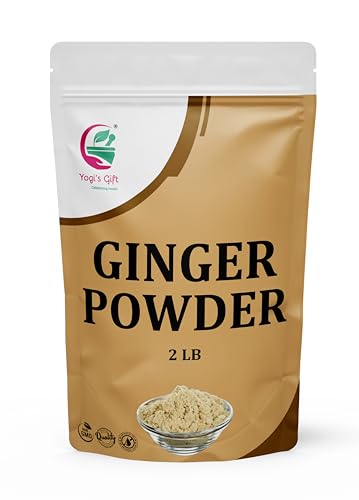
★ 𝐆𝐢𝐧𝐠𝐞𝐫 𝐏𝐨𝐰𝐝𝐞𝐫 : Ginger powder is a finely ground spice derived from the dried and processed rhizomes of the ginger plant (Zingiber officinale). Renowned for its distinctive flavor and aromatic qualities, this golden-brown powder adds a delightful zest to various culinary creations. Its warm, pungent, and slightly sweet taste makes it a versatile ingredient in both sweet and savory dishes.

Goodness of ginger in its most convenient form Ginger Juice