


You can make a restaurant-style bowl of Chinese egg drop soup with just a few pantry staples and a simple technique, which is why it feels both effortless and deeply satisfying. A clear, seasoned broth plus the slow, steady pouring of beaten egg creates those silky ribbons and a rich mouthfeel without long prep or fancy ingredients.
This post will show how core ingredients, a handful of cooking techniques, and small adjustments to seasoning deliver big flavor, and it will point to easy variations you can try at home to suit your taste. Follow along to learn practical steps that keep the soup quick, authentic, and comforting every time.
Core Ingredients That Define Egg Drop Soup

The soup hinges on a few purposeful components that create its silkiness, flavor, and gentle body. Each ingredient plays a specific role: structure from eggs, depth from broth, body from cornstarch, and brightening from simple seasonings.
Recommended Products

FLAVOR FLAVOR FLAVOR! - Super Tasty, Just as Good and Arguably Better Than What You get in a Chinese Restaurant

Sunbird Mix Soup Egg Drop

Kikkoman Egg Flower Soup Mix, Vegetable, 1.05 Ounce, pack of 12
Fresh Eggs
Use large, room-temperature eggs for the best texture and easier ribbon formation. Room-temperature eggs pour more smoothly and clot less when they hit hot liquid, producing thin, delicate strands instead of clumps.
Beat eggs just until combined; avoid over-whisking. A little beaten white with yolk yields glossy ribbons and a tender mouthfeel. For slightly thicker ribbons, lightly whisk a single egg white separately and fold it in.
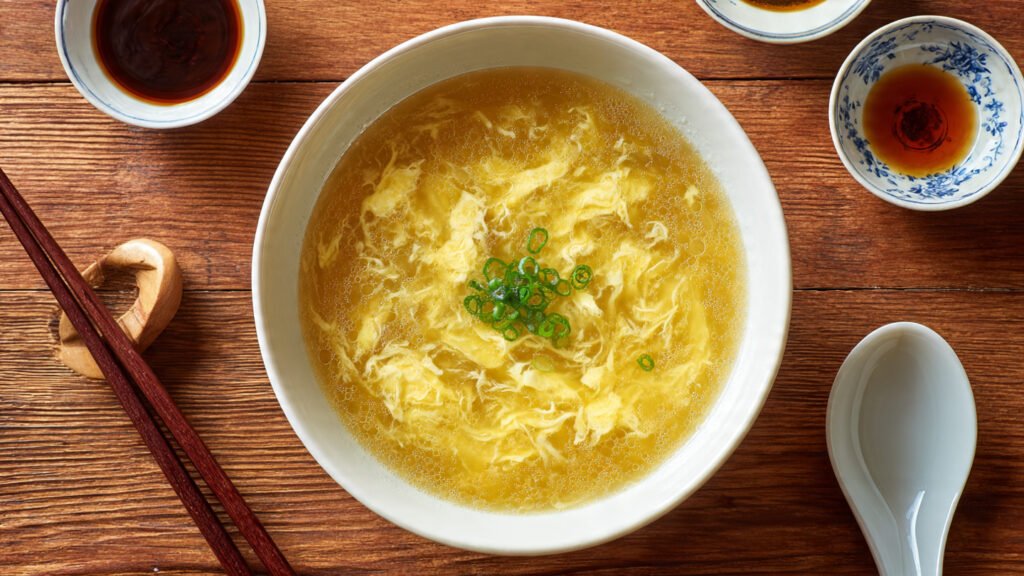
When adding eggs, drizzle slowly while stirring the simmering broth in one direction. That steady motion controls ribbon size and creates the classic “egg flower” appearance. Timing matters: pour when the broth simmers but not at a rolling boil.
Flavored Chicken Broth
Choose a clear, well-seasoned chicken broth as the soup’s foundation. Homemade broth gives the cleanest flavor and natural gelatin, but a good-quality low-sodium store broth works well and lets you control salt.
Infuse the broth with a small piece of ginger and sliced green onion during heating for aromatic lift. Strain these out or remove larger pieces before adding eggs to keep the texture smooth and focused on the egg ribbons.
Adjust richness by adding a splash of light soy sauce for umami or a few drops of sesame oil for aroma. Keep additions small; the broth should support the eggs, not overpower them.
Cornstarch for Texture
Cornstarch slurry (equal parts cornstarch and cold water) gives the soup its gentle thickness. Use about 1–2 teaspoons of cornstarch per 2 cups of broth for a soft, silky body without cloudiness.
Add the slurry to simmering broth and stir until clear and slightly glossy. Allow one minute of simmering after adding the slurry so the cornstarch cooks through and the texture stabilizes.
Avoid over-thickening; too much cornstarch turns the soup gluey. If you overshoot, thin with a little hot broth and bring back to a gentle simmer before adding eggs.
Simple Seasonings
Keep seasonings minimal and precise: light soy sauce, white pepper, and a pinch of salt form the classic base. White pepper gives the subtle warmth typical of many restaurant-style versions without the black flecks.
A few drops of toasted sesame oil added off heat lift the aroma without changing texture. Thinly sliced scallions added at the end provide freshness, color, and a mild onion note.
Optional accents: a tiny splash of rice wine or Shaoxing for depth, or a pinch of turmeric for a golden hue. Use any extras sparingly so the eggs and broth remain the soup’s central focus.


Essential Cooking Techniques
You will focus on three concrete skills: how to prepare and add the eggs, how to control cooking temperature and timing, and how to form silky egg ribbons. Master these and the soup will be quick, smooth, and flavorful.
Recommended Products


1.Packaging Specifications: 10 packets total, 8g/0.3oz per packet. Two packets of each of the five flavors. Note: The date on the packaging is the production date; the product has a shelf life of 12 months.

Kikkoman Egg Flower Soup Mix Hot and Sour, 0.88 oz (Pack of 12)
Whisking and Pouring Eggs
Whisk eggs until the whites and yolks are completely combined and slightly frothy; that consistency gives you even ribbons. For a smoother texture, strain the beaten eggs through a fine-mesh sieve to remove any chalazae or clumps.
Use a narrow, steady stream when pouring. Hold the bowl or cup close to the simmering broth and pour with one hand while stirring gently with the other. If you want thinner threads, pour faster; for broader ribbons, pour slower or use a fork to drizzle.
Consider adding a small splash (about 1 teaspoon per 2 eggs) of cold water or cornstarch slurry to the beaten eggs. Water thins them for finer strands; cornstarch stabilizes the protein and produces slightly thicker, silkier ribbons.
Timing and Temperature Control
Bring the broth to a gentle simmer and maintain small, steady bubbles. If the broth is boiling hard, the eggs will shatter into curds rather than forming ribbons. Aim for a simmer temperature around 180–190°F (82–88°C) if you use a thermometer.
Start pouring only when the broth is at that gentle simmer. After you finish pouring and stirring to form ribbons, turn off the heat or reduce it to the lowest setting immediately to avoid overcooking. Let residual heat finish the set; this keeps the eggs tender.
If you add cornstarch or other thickeners, dissolve them in a little cold water first and bring the broth back to a simmer before adding the eggs. That ensures the starch activates without scorching and gives consistent viscosity for ribbon formation.
Achieving Silky Egg Ribbons
Stir the broth in one direction while you pour to create long, continuous ribbons instead of small clumps. A chopstick or wooden spoon works well; keep the motion steady and slow rather than aggressive.
After pouring, avoid heavy stirring. A few gentle swirls will help the ribbons settle and keep them intact. Finish with a quick drizzle of cold sesame oil or a splash of cold water to slightly cool the surface and enhance silkiness.
Spacing and pace matter: pour in 2–3 batches for four servings, not all at once. That prevents crowding and gives each ribbon room to form. Add sliced scallions or white pepper at the end; heat-sensitive aromatics preserve texture and bright flavor.


Balancing Flavors for Taste
You get a satisfying bowl when the broth carries depth, seasoning sits balanced, and aromatics add a delicate lift. Each element should play a clear role so the egg ribbons remain the star.
Recommended Products

INCREDIBLY DELICIOUS BONE BROTH WITH COLLAGEN: With organic vegetables for 20+ hours to get the maximum amount of collagen, proteins and amino acids into our tasty bone broth.

One (1) 32 oz carton of Pacific Foods Organic Chicken Bone Broth With With Ginger, Turmeric, and Black Pepper

One (1) 10.75 oz microwavable cup of Swanson Sipping Chicken Bone Broth With Ginger and Turmeric
Umami-Rich Broth
Use a clear, well-seasoned stock as your foundation. Homemade chicken or low-sodium store-bought broth gives you control; concentrate flavor by simmering with chicken bones, ginger slices, and a halved onion for 20–30 minutes, then strain. If you need quicker depth, add a small amount (about 1/2 to 1 teaspoon per quart) of concentrated umami like dashi powder, mushroom powder, or light soy sauce—avoid dark soy which will overpower color and salt balance.
Thicken lightly with a cornstarch slurry (1 tablespoon cornstarch mixed into 2 tablespoons cold water per quart) to help the egg ribbons suspend and give the soup a silkier mouthfeel. Heat the broth to a gentle simmer before adding the slurry, then bring back to a simmer so the starch activates without clouding the liquid.
Salt and Pepper Harmony
Season incrementally and taste as you go. Start with low-sodium broth or reduce added salt; add 1/4 teaspoon of fine salt per cup and adjust after eggs are incorporated since the eggs mute flavor slightly. Use white pepper for a classic, clean heat—start with an 1/8 teaspoon per quart and increase to taste. White pepper blends invisibly and preserves the soup’s appearance.
If you prefer black pepper, grind it fresh and add a pinch at the end to retain aroma. Balance saltiness by adding a few drops of rice vinegar or a scant splash of light soy sauce if the broth tastes flat; acidity brightens without increasing heat. Record your amounts so you can reproduce the balance next time.
Subtle Aromatics
Aromatics should enhance, not compete. Slice 1–2 scallions thinly and reserve some green parts for garnish; add white and light-green parts to the simmering broth for 1–2 minutes to infuse sweetness. A 1-inch piece of fresh ginger, smashed and simmered briefly, adds warmth—remove it before serving to avoid fibrous bits.
Finish with a few drops of toasted sesame oil (about 1/8 teaspoon per bowl) for a nutty lift, added off-heat to preserve fragrance. Avoid strong aromatics like raw garlic or heavy chili oil unless you intend a spicier variation; they will mask the soup’s delicate texture and flavor.


Reasons for Its Simplicity
The soup relies on straightforward techniques, a short ingredient list, and a fast cook time that together yield clean, balanced flavors and a silky texture. Each element — preparation, ingredients, and timing — serves a clear purpose toward an efficient, reliable result.
Recommended Products

Sunbird Mix Soup Egg Drop

Includes corn to compliment the egg flower soup

1 oz. (pack of 24)
Minimal Preparation
You don’t need advanced knife skills or long mise en place to make this soup. Typical prep tasks are limited to whisking eggs, slicing green onions, and optionally peeling and thinly slicing ginger or measuring a few seasonings.
Because vegetables aren’t sweat‑cooked for long, you can prepare items while the broth heats, saving time and keeping flavors bright.
Many versions use pre-made chicken or vegetable broth, which eliminates stock-making and greatly reduces hands-on work.
If you want a touch of freshness, mince a small knob of ginger or chop cilantro; those take a minute but noticeably lift the final bowl.
Few Ingredients
The core ingredients are just broth, eggs, and a seasoning or two — usually salt, white pepper, and a splash of soy or sesame oil.
This minimal palette lets each component contribute directly: broth provides base umami, eggs add silkiness and body, and tiny amounts of aromatics sharpen the profile.
You can customize without complicating the recipe: add sweet corn, tofu, or cooked shredded chicken for protein, or swap in mushroom broth for vegetarian needs.
Those additions keep the method intact but change texture and nutrition, so you control complexity based on what you have on hand.
Quick Cooking Process
The technique centers on temperature control and timing rather than long cooking. Bring broth to a simmer, then slowly drizzle beaten eggs while stirring to form delicate ribbons.
Cornstarch slurry (optional) thickens the broth in under a minute, creating a slightly viscous mouthfeel without prolonged reduction.
Total cook time often stays under 15 minutes, including prep. That speed makes the soup practical for weeknight dinners, a light lunch, or a fast starter when you serve a larger meal.
Because the eggs cook almost instantly, you avoid overcooking by maintaining a gentle simmer and pulling the pot off heat once the ribbons form.


Enhancements and Popular Variations
You can add vegetables, spices, and finishing touches to make the soup heartier or more aromatic while keeping the basic technique intact. Small changes—like a handful of greens, a splash of chili oil, or a few drops of sesame oil—shift flavor and texture without complicating the recipe.
Recommended Products

1 - 2 qt. bottle of Kikkoman Less Sodium Soy Sauce

Highly recommended brand

La Choy Lite Soy Sauce is full of flavor, with half the sodium of regular La Choy soy sauce
Adding Vegetables
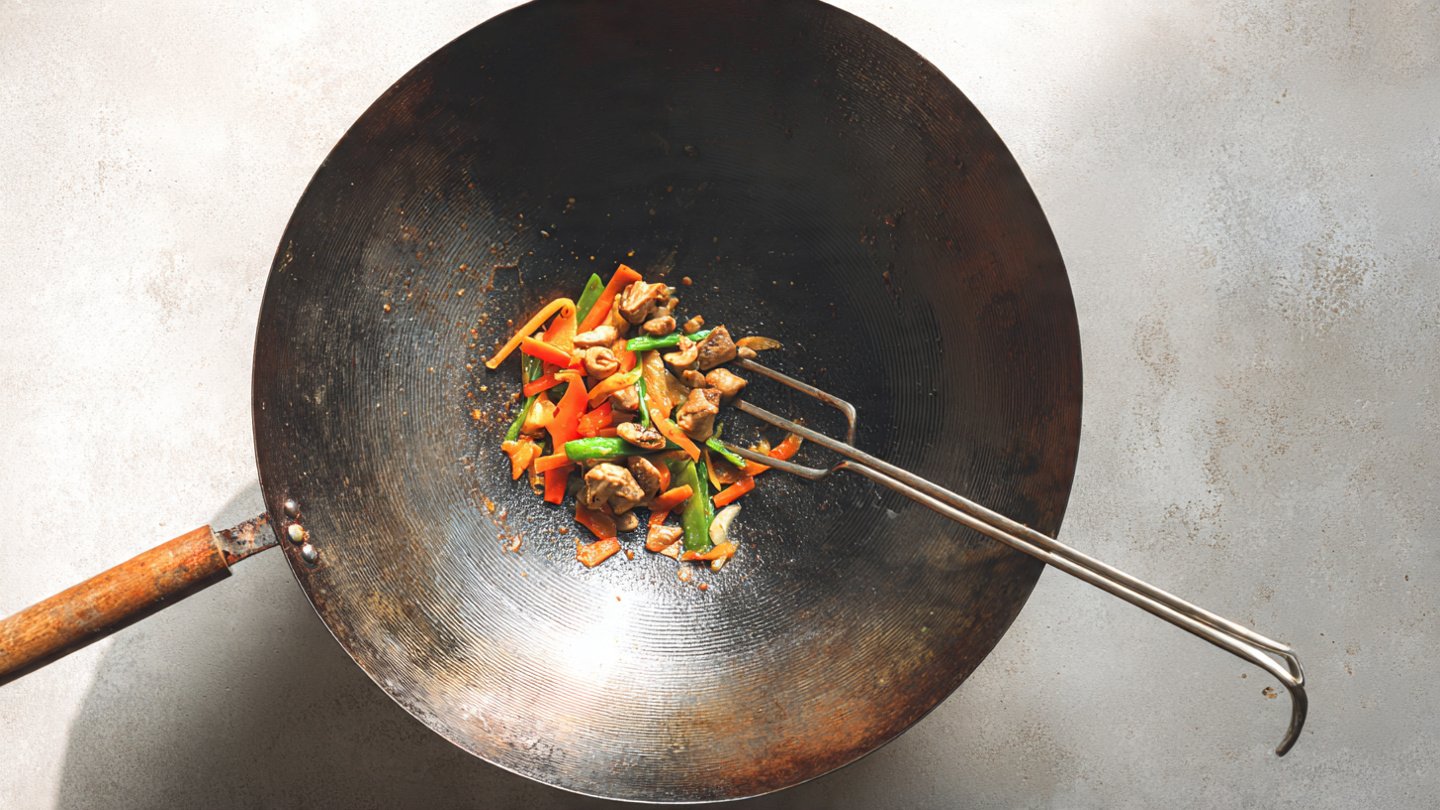
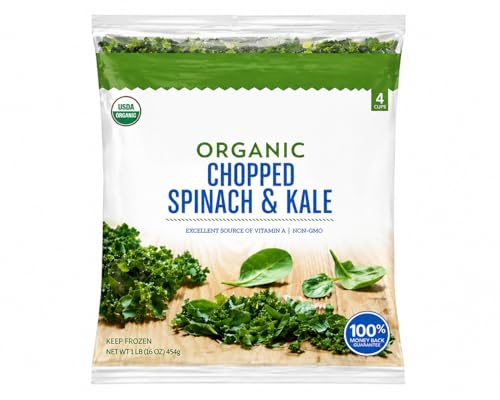
Choose quick-cooking vegetables that won’t cloud the broth or slow the recipe. Thinly sliced shiitake or button mushrooms add umami; add them early so they release flavor. Baby spinach or bok choy works well—toss in the leaves in the last 30–60 seconds so they wilt but stay bright.
Peas, corn, or finely diced carrots give sweetness and color; blanch or simmer them until tender before adding the eggs. For a starchier version, stir in cooked rice or small noodles to make the soup more filling. Keep cuts small and uniform so vegetables cook evenly and the egg ribbons remain the star.
Spices and Heat
Introduce heat and aroma with measured amounts to avoid overpowering the delicate broth. Fresh ginger (grated or sliced) gives warmth—simmer a few minutes to infuse. White pepper keeps the profile traditional; start with 1/8–1/4 teaspoon per quart and adjust to taste.
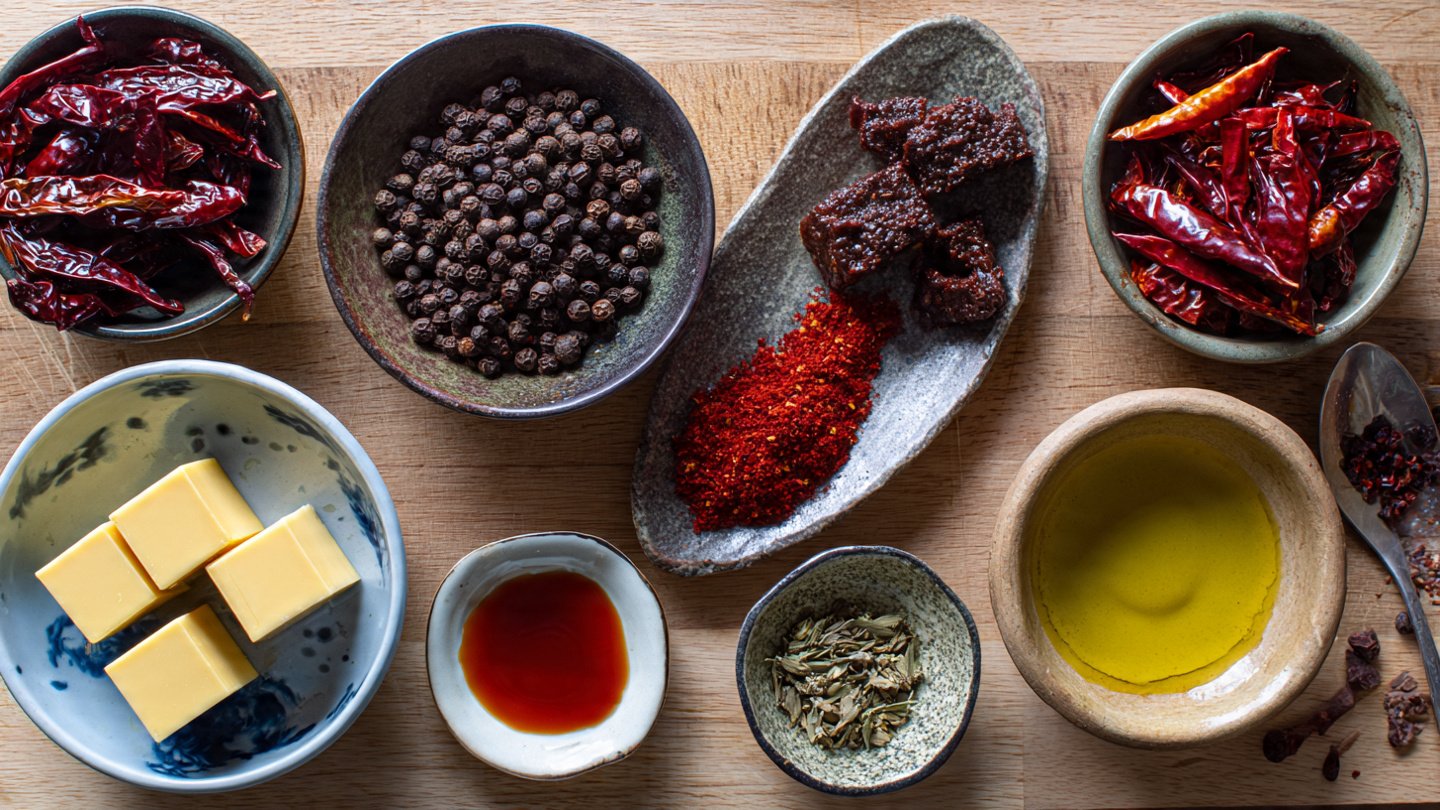
For chile, use a drizzle of chili oil or a small pinch of crushed red pepper flakes—add at the end to preserve the oil’s fragrance. Sichuan peppercorns can add a numbing tingle; toast and grind sparingly. If you prefer bright citrusy heat, a little grated lime zest complements sesame oil and lifts the bowl.
Garnishes and Finishes
Finish with aromatics and textures that contrast the soup’s silkiness. Thinly sliced scallions or chives add freshness; sprinkle them right before serving. A few drops of toasted sesame oil heighten aroma—use it sparingly (about 1/4 teaspoon per bowl).
For crunch, add fried shallots, toasted sesame seeds, or crushed peanuts. Soy sauce or light mushroom seasoning adjusts saltiness—stir in incrementally. If you want an herb note, cilantro leaves or a tiny sprig of Thai basil work well, added at the last second to keep their brightness.


Cultural Appeal and Everyday Enjoyment

You encounter egg drop soup across homes and restaurants because it fits easily into daily life. Its simple ingredient list means you can make it quickly from pantry staples or enjoy it as a light companion to a larger meal.
You appreciate how the soup adapts to occasions. For a weekday dinner, it provides quick comfort; for a banquet, it offers a gentle palate cleanser between richer dishes.
You find cultural familiarity in the soup’s textures and flavors. The delicate egg ribbons and mild, seasoned broth evoke a sense of home for many and require no elaborate technique to be satisfying.
You can vary the soup to match tastes or seasons without losing its core identity. Add ginger and scallions for warmth in winter, or use lighter broths and fresh herbs in warmer months.
Bold simplicity supports its social role. Families pass down minor variations, and restaurants keep it on menus because it pairs well with other dishes and satisfies diverse appetites.
Quick reference — common everyday tweaks:
- Broth: chicken, vegetable, or store-bought stock
- Thickener: a small cornflour slurry for silkier texture
- Add-ins: scallions, white pepper, tofu, or corn
You benefit from the soup’s reliability: it’s affordable, fast, and forgiving. Those qualities explain why egg drop soup remains a persistent, approachable element of Chinese culinary life.
Recommended Products

5 Assorted Flavors: Includes tomato egg soup, spinach egg soup, seaweed egg soup(Including shrimp), mushroom egg soup and corn egg soup—three packs of each flavor.
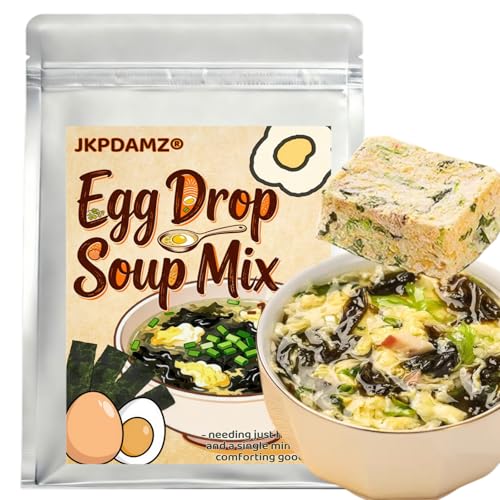
QUICK & CONVENIENT PREPARATION: Just add hot water to the freeze-dried soup mix and wait one minute for a comforting, ready-to-eat egg drop soup - perfect for busy days or quick meals

QUICK & CONVENIENT PREPARATION: Just add hot water to the freeze-dried soup mix and wait one minute for a comforting, ready-to-eat egg drop soup - perfect for busy days or quick meals