
The question “When is mooncake traditionally eaten in Chinese culture?” touches upon a rich tapestry of history, tradition, and cultural symbolism. Mooncakes, as iconic delicacies, are not just treats but embodiments of cultural stories and seasonal rituals. Understanding when mooncake is traditionally eaten in Chinese culture offers a window into how ancient customs have shaped modern celebrations, emphasizing harmony, familial bonds, and gratitude under the full moon. Typically associated with the Mid-Autumn Festival, mooncakes are an integral part of Chinese festivities, but their significance extends beyond a single day, woven into the fabric of Chinese life throughout history.
The Mid-Autumn Festival: Unveiling the Traditional Time for Mooncake Consumption
The Mid-Autumn Festival, also known as the Moon Festival, is celebrated on the 15th day of the eighth month of the lunar calendar, usually falling in September or early October. It’s during this time that mooncakes are most traditionally and heavily shared among families, friends, and communities, making “When is mooncake traditionally eaten in Chinese culture?” most accurately answerable as the mid-autumn night itself. This festival is centered around moon worship, family reunions, and harvest gratitude, and the mooncakes symbolize completeness and unity, echoing the full moon’s luminous beauty. The essence of celebration is in observing the full moon—which is believed to be at its brightest and roundest—making this night the ideal time for mooncake sharing.
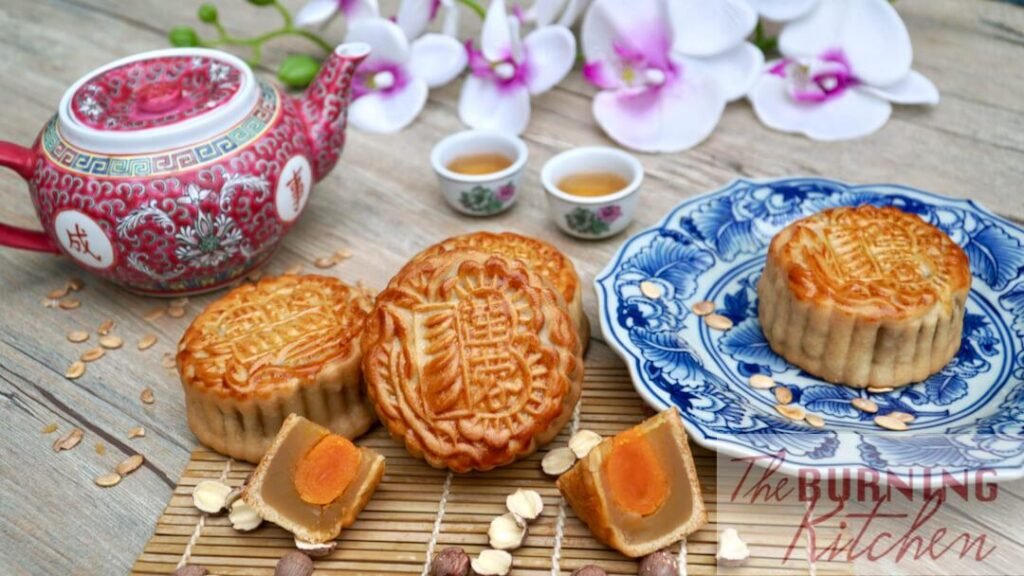
Historically, the Mid-Autumn Festival has been a time to express prayer for good harvests, family wellbeing, and happiness. Mooncakes, traditionally filled with lotus seed paste, salted egg yolks, and other auspicious ingredients, are crafted with care to reflect the full moon’s symbolism. The act of exchanging and consuming mooncakes on this night signifies reunion and harmony, reinforcing the cultural importance of the lunar cycle. Over centuries, the Mid-Autumn Festival has maintained its place as the quintessential occasion for mooncake consumption, reaffirming “When is mooncake traditionally eaten in Chinese culture?” as precisely during this festival, under the glow of the full moon.


Historical Roots: Tracing the Origins of Mooncake and its Association with the Mid-Autumn Festival
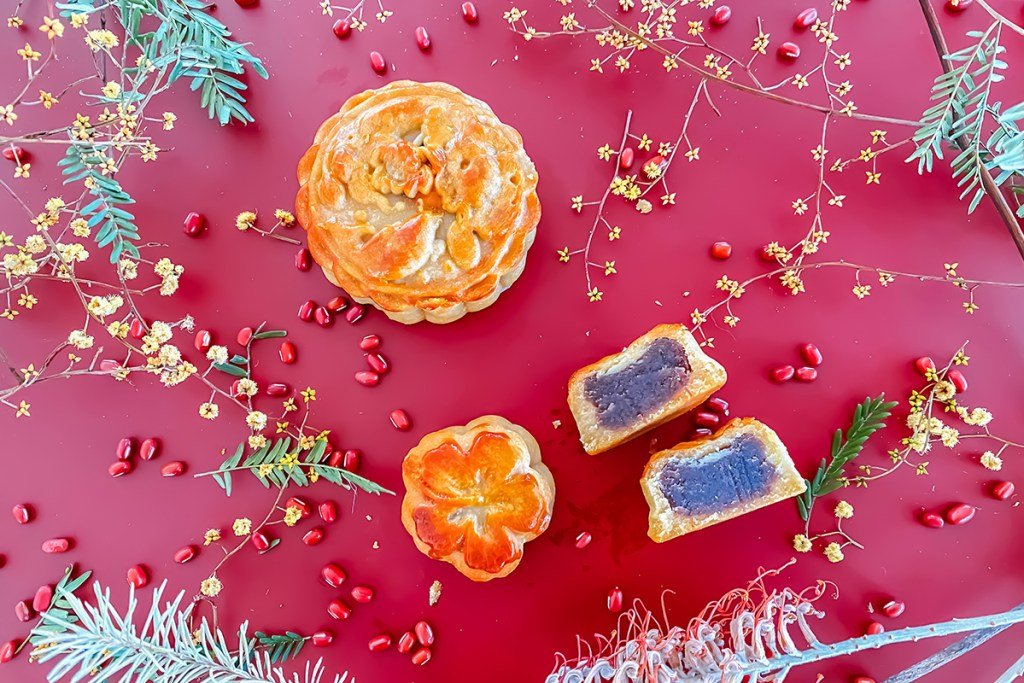
Tracing the origins of mooncakes reveals an intriguing blend of myth, historical customs, and political symbolism. Ancient Chinese emperors would offer sacrifices to the moon and enjoy mooncakes as part of their lunar worship rituals, emphasizing reverence for nature and celestial bodies. Some scholars suggest that mooncakes might have also originated from ancient moon-related rituals that predate the formal establishment of the Mid-Autumn Festival, dating back over a thousand years. The story of mooncakes as festive treats became intertwined with the mid-autumn celebrations as they symbolize unity, peace, and good fortune, thus reinforcing “When is mooncake traditionally eaten in Chinese culture?”—initially during moon worship rites and later as part of communal festivals.
Furthermore, during the Ming Dynasty (1368–1644), mooncakes gained popularity as symbols of resistance and clandestine communication during rebellions against Mongol rule, where messages were hidden within the pastries. This clandestine history underscores the layered significance of mooncake baking and sharing—beyond mere flavor, it embodies cultural resilience, rebellion, and unity. Over centuries, the ritual of making and sharing mooncakes during specific lunar phases has been transmitted through generations, elevating “When is mooncake traditionally eaten in Chinese culture?” into a symbol of cultural identity and ancestral memory deeply connected with the Mid-Autumn Festival.


Lunar Alignment: The Significance of the Full Moon and Mooncake Eating Traditions
The full moon holds immense spiritual and cultural significance in Chinese traditions, serving as a symbol of harmony, prosperity, and renewal. The act of eating mooncakes aligns with the lunar phase, specifically during the night of the full moon when the moon appears at its brightest and roundest—that is, during the Mid-Autumn Festival. Watching the full moon and sharing mooncakes are intertwined practices that reinforce the importance of lunar harmony. This celestial alignment profoundly influences “When is mooncake traditionally eaten in Chinese culture?”, anchoring the tradition precisely on the night of the full moon, when the occasion reaches its cultural and symbolic climax.
In Chinese cosmology, the full moon reflects abundant yang energy, which is associated with positivity, fullness, and rebirth. Consuming mooncakes under such a luminous sky represents the desire for family reunification, garners blessings for the future, and celebrates the harvest season’s bounty. The moon’s cycle guides the timing of these customs, making the 15th day of the eighth lunar month an ideal moment for communal and familial gatherings centered around the full moon and mooncakes. This celestial linkage elevates the tradition from mere food-sharing to a profound spiritual act that celebrates the natural order and human connection.


Regional Variations: Exploring Different Customs and Mooncake Preferences Across China
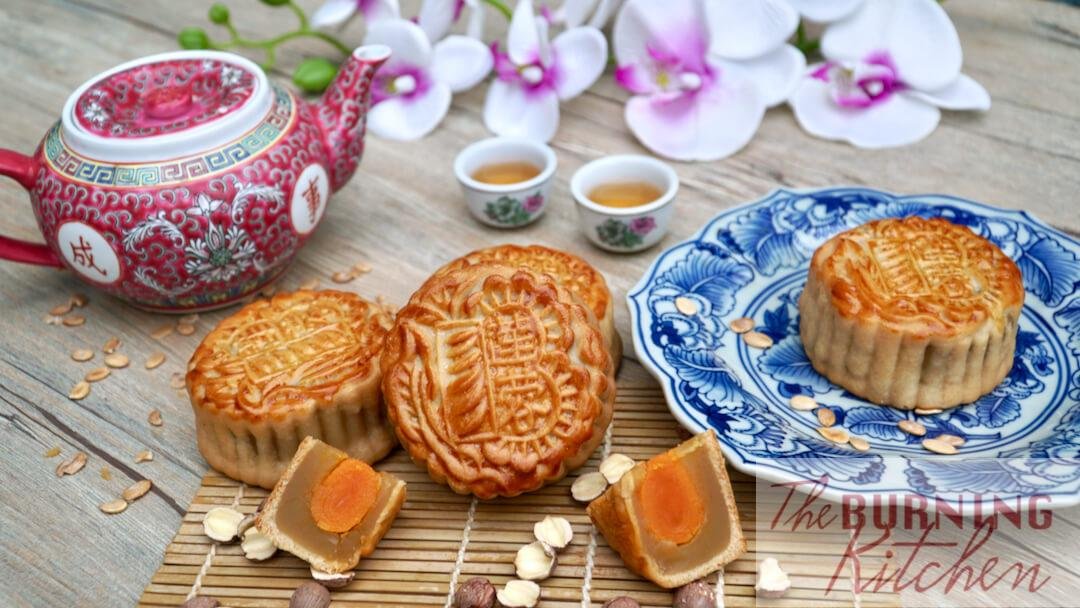
While the Mid-Autumn Festival remains the core occasion for mooncake enjoyment, regional China exhibits a fascinating array of customs, flavors, and practices that enrich the tradition. For example, in southern Chinese regions like Guangdong and Hong Kong, mooncakes are often elaborately decorated, filled with salted egg yolks, and served as gifts during the festival, emphasizing hospitality and appreciation. Conversely, northern regions may prefer simpler, baked varieties that are more associated with family comfort and the communal aspect of the festival. “When is mooncake traditionally eaten in Chinese culture?” thus varies slightly, but it always aligns with the Mid-Autumn Festival’s lunar date as a cultural anchor.
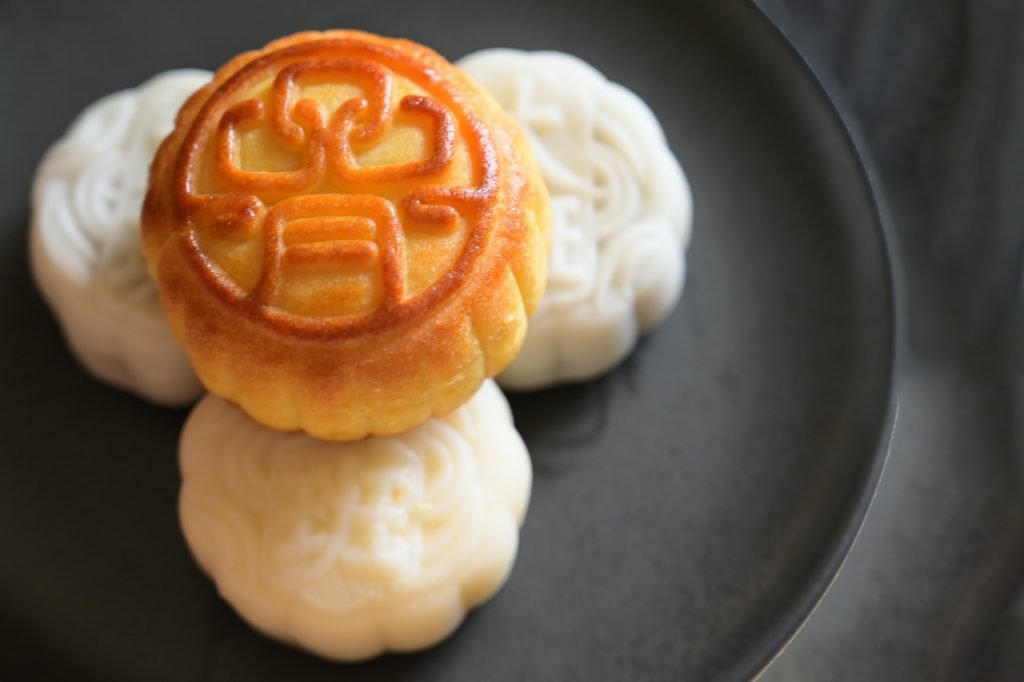
In addition to the standard round mooncakes, regional variations include snow skin mooncakes in Hong Kong, which are eaten during the festival but also have continuity in modern celebrations beyond the lunar calendar. Some ethnic minorities and local communities incorporate unique ingredients, such as green tea, red bean, or even savory fillings, symbolizing local flavors and special cultural identities. These regional distinctions illustrate how “When is mooncake traditionally eaten in Chinese culture?” is both a unifying festival and a diverse, evolving cultural practice rooted in local tastes, histories, and customs.


Beyond the Festival: Are Mooncakes Eaten at Other Times of the Year?
While the Mid-Autumn Festival remains the primary occasion for mooncake consumption, there are instances when these delicacies are enjoyed outside the traditional time frame. In contemporary China and abroad, mooncakes have become popular gifts during other festivals or significant events, such as weddings or business openings. Some families prepare mooncakes during the lunar harvest season to enjoy as seasonal treats, especially when regional or family customs dictate additional lunar phases or harvest times. These practices, however, are usually less formalized and do not carry the same cultural weight as their festival-only tradition.
Interestingly, the resurgence of mooncakes during the Lunar New Year or as part of business gift-giving reflects a broader commercialization and globalization of tradition. This shift often raises questions about “When is mooncake traditionally eaten in Chinese culture?”—which remains tied historically and culturally to the Mid-Autumn Festival. Despite these modern adaptations, the core symbolism and timing associated with the full moon festival continue to preserve the cultural roots of mooncake enjoyment, emphasizing community, gratitude, and harmony under the fullest moon.


Modern Adaptations: How Contemporary Life Influences the Timing and Consumption of Mooncakes
In today’s fast-paced world, the tradition of eating mooncakes has adapted to suit modern lifestyles, yet the core symbolism remains. During recent decades, especially in urban areas and overseas communities, mooncakes are now often consumed as gifts, corporate tokens, or personal treats spread throughout the year. Retailers showcase innovative flavors—such as ice cream-based, low-sugar, or health-conscious varieties—that extend the traditional eating period beyond the narrow festival window. These adaptations speak to the changing dynamics of cultural preservation and commercialization, complicating “When is mooncake traditionally eaten in Chinese culture?” in the modern context.
Furthermore, technology has transformed mooncake gifting and sharing rituals. With online shopping, mooncakes can be ordered months in advance, and sharing on social media often emphasizes the festival’s spirit outside the traditional lunar schedule. Despite these changes, the timing rooted in the lunar calendar and the full moon night remains largely respected in cultural and familial circles. Thus, modern adaptations continue to honor the traditional date of the festival while expanding the cultural significance of mooncakes into contemporary innovation and cross-cultural exchanges.


Conclusion
Understanding “When is mooncake traditionally eaten in Chinese culture?” reveals a deep connection between lunar cycles, cultural symbolism, and communal customs that have persisted for centuries. The festival’s celebration under the full moon on the 15th day of the eighth lunar month emphasizes themes of reunion, gratitude, and harmony, with mooncakes serving as a delicious tangible expression of these values. While regional variations and modern innovations have diversified the ways and times in which mooncakes are enjoyed, their core association with the Mid-Autumn Festival and the luminous full moon remains central. As Chinese culture continues to evolve, the tradition of mooncake consumption on this specific lunar night not only preserves ancient customs but also adapts to new social and global influences, ensuring that this symbol of unity continues to shine brightly across generations and borders.