
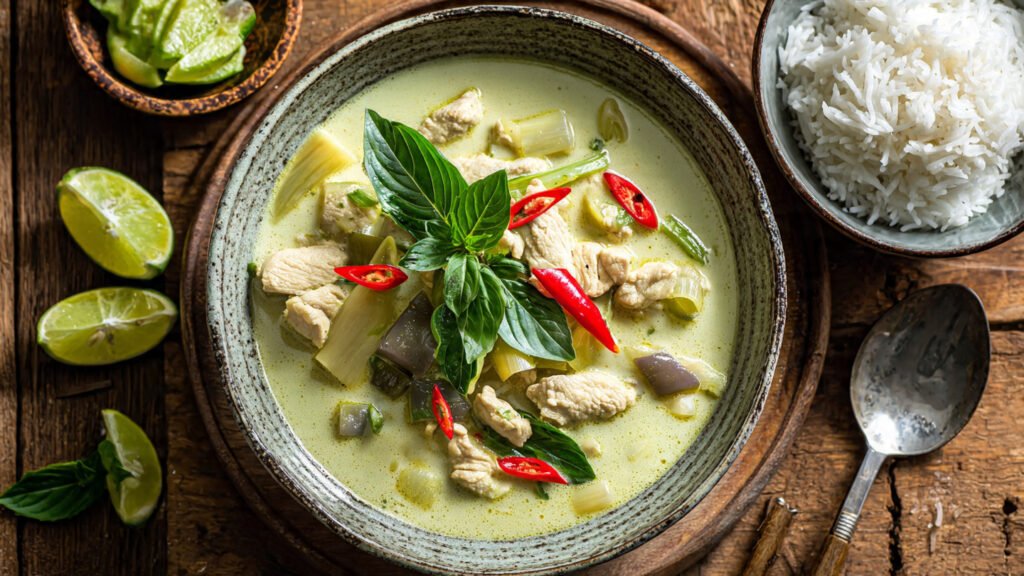


You can make restaurant-quality Thai green curry at home by using a fresh or high-quality store-bought green curry paste, good coconut milk, and a quick, high-heat method that keeps vegetables crisp and proteins tender. Mastering a bright, balanced paste and cooking at the right temperature delivers the most authentic flavor and texture.
This post walks you through which ingredients matter, how to prepare an aromatic paste (or use a smart shortcut), the step-by-step cooking process, and small technique tweaks that lift the whole dish. Expect clear tips for vegan, gluten-free, and meat-based variations, plus serving, storage, and troubleshooting advice so your curry turns out well every time.
Essential Thai Green Curry Ingredients

Choose ingredients that balance heat, aromatics, richness, and texture. Fresh herbs and high-quality coconut milk shape the sauce, while your protein and vegetables determine mouthfeel and cooking time.
Recommended Products

Made In India
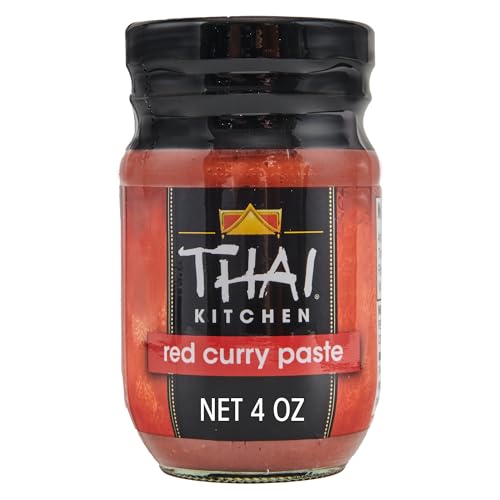
MADE FOR HOME COOKS: Bring Thai-inspired flavor to your table with red curry paste made with ingredients including red chili pepper, garlic, lemongrass, salt, shallot, coriander root, and makrut lime peel

Versatile Thai flavoring paste; flavorful blend of lemongrass, spice (including galangal) and fresh green chili
Key Proteins and Vegetables
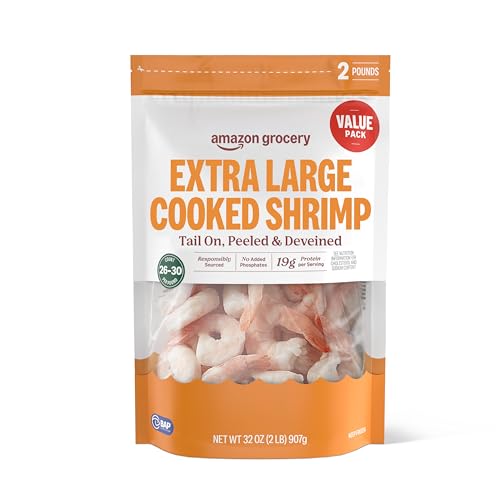
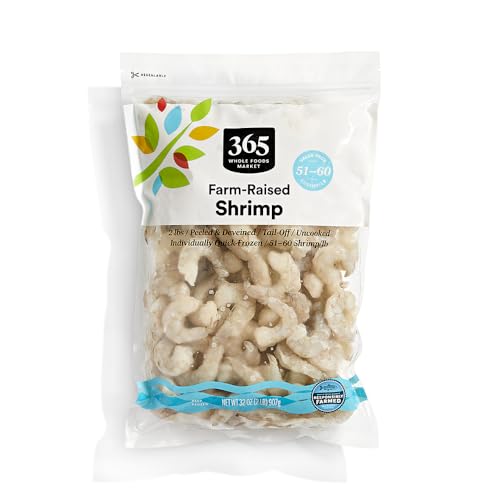
For proteins, use boneless chicken thighs for moistness and even cooking; they hold up better than breast and absorb curry flavors. Shrimp and firm white fish work well for quick cooks; add them near the end to avoid toughness. For a vegetarian option, use firm tofu (pressed) or tempeh and brown mushrooms for a meaty bite.
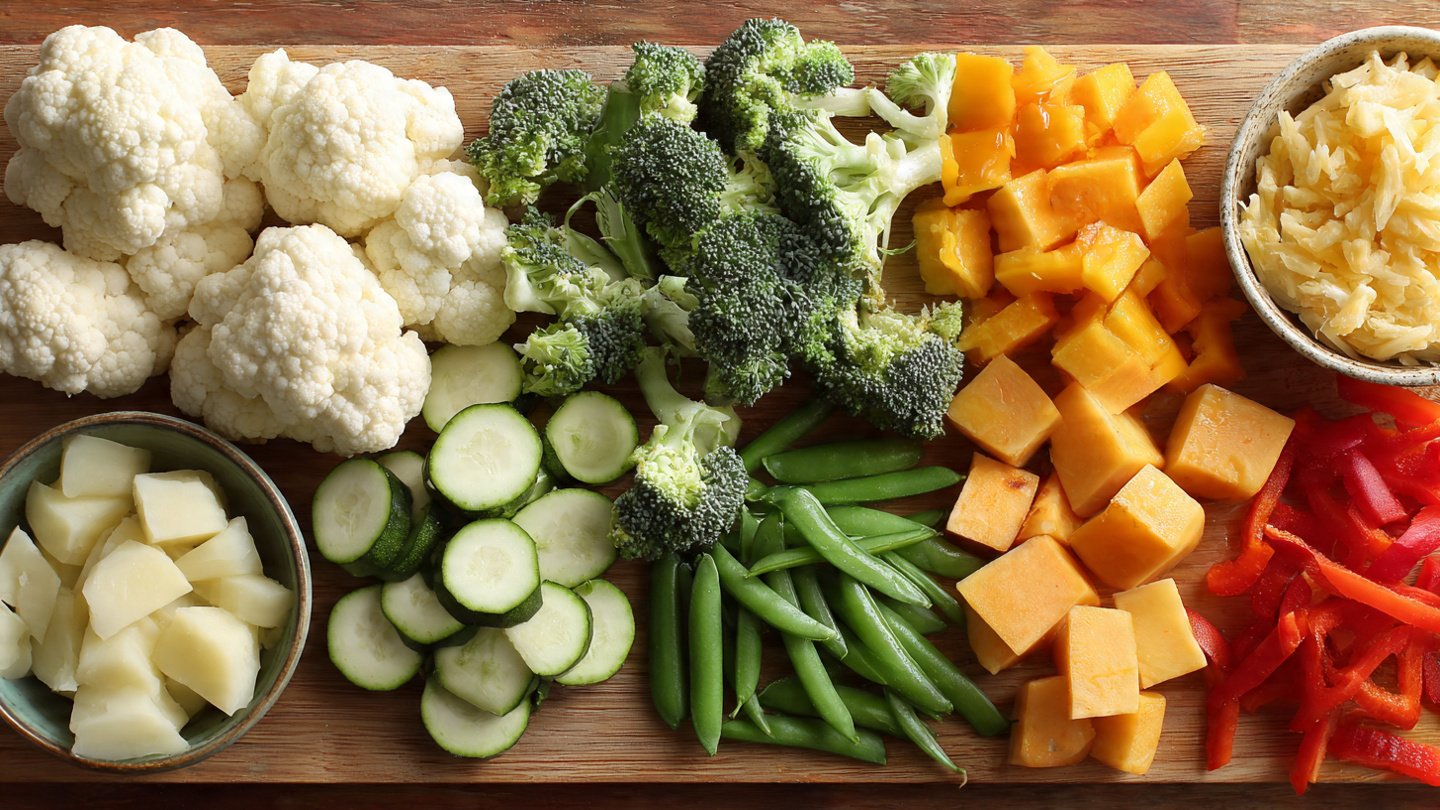
Select vegetables that tolerate simmering without turning mushy: Thai eggplant (or small globe/supermarket eggplant), baby corn, snow peas, bell peppers, and bamboo shoots. Add quick-cooking items like snow peas or Thai basil in the last 1–2 minutes to keep color and crunch. Slice vegetables uniformly so they cook evenly.
Aim for a mix of textures: one soft (eggplant), one crisp (snow peas), and one starchy or crunchy (potatoes, carrots, or bamboo shoots). This approach keeps the curry balanced and satisfying.
Thai Green Curry Paste Components
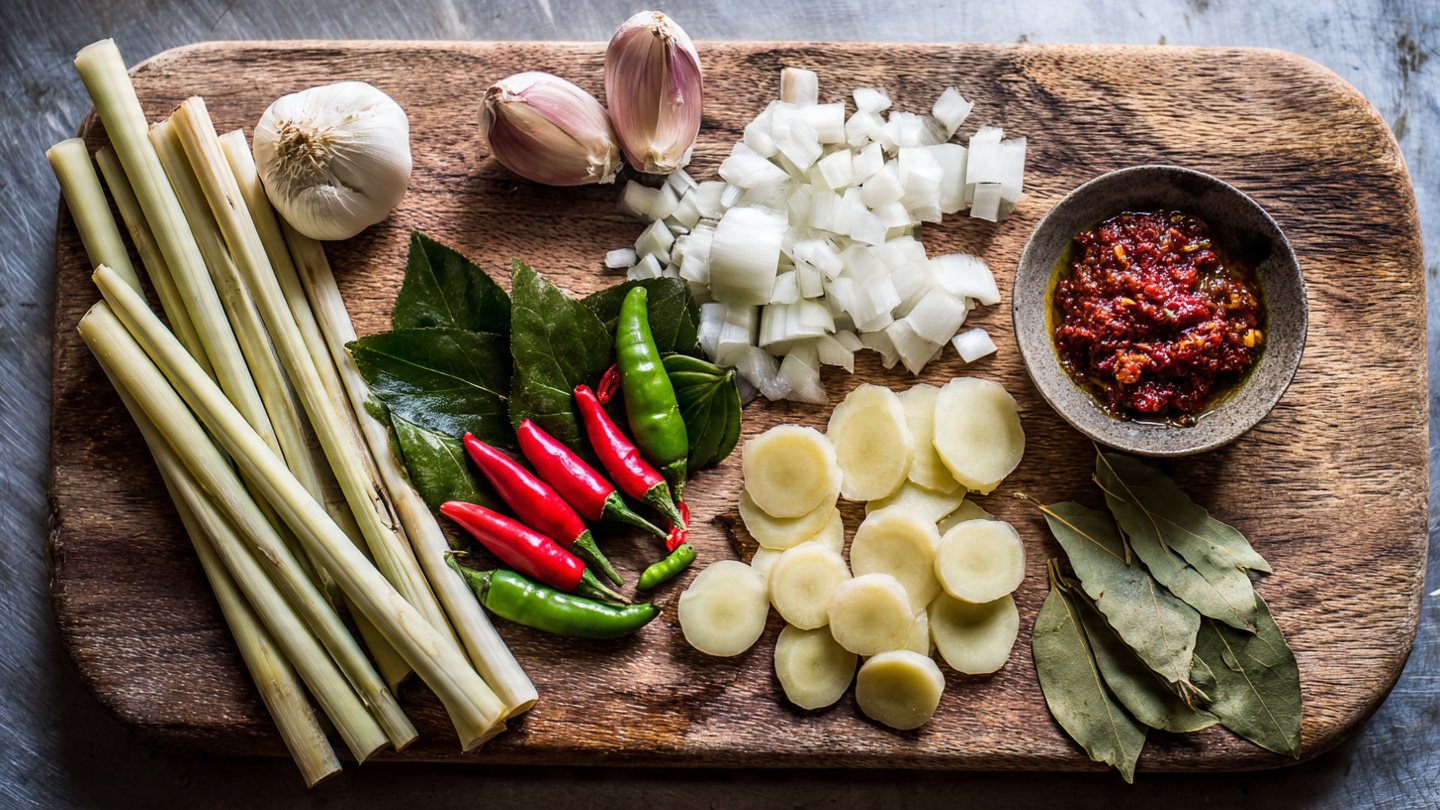
A traditional paste blends fresh aromatics, herbs, and spices to achieve that bright green color and layered flavor. Key components: fresh green chilies, galangal (or ginger if unavailable), lemongrass, kaffir lime zest or leaves, cilantro stems, Thai shallots, garlic, roasted coriander seeds, and white pepper.
Toast and grind whole spices (coriander seeds, cumin) for fresher, deeper flavor. Pound the paste in a mortar and pestle or blitz briefly in a food processor—don’t over-process; you want texture. Use more chilies for heat and more kaffir lime or lime zest for citrus lift. If using store-bought paste, fry it briefly in oil to bloom the aromatics before adding coconut milk.
Measure the paste by taste: start with 1–2 tablespoons per 2 cups coconut milk and adjust for spice level and brightness as you cook.
Substitutes for Common Ingredients
If you can’t find Thai eggplant, use small globe eggplant or halved baby eggplants. When kaffir lime leaves aren’t available, substitute zest of lime plus a splash of fish sauce for some of the missing aroma; avoid replacing both lime and leaves with plain lime juice alone.
For galangal, use young ginger but reduce quantity slightly and expect less floral spice. If you lack fresh lemongrass, substitute 1 teaspoon lemongrass paste or 1 tablespoon finely grated lemon zest plus a bit of crushed garlic. For coconut milk, choose full-fat canned coconut cream for richness; thin it with water if it’s too thick.
If you need a vegetarian fish-sauce substitute, use soy sauce plus a little mushroom or miso paste to reproduce umami. Adjust salt and acidity after adding substitutes so the curry stays balanced.

Best Techniques for Preparing Thai Green Curry Paste
You need a method that releases bright herb oils and grinds aromatics into a smooth, cohesive paste. Focus on controlling texture and temperature so the paste blooms in coconut milk later.
Recommended Products

Rich, creamy, non-dairy milk for smoothies, coffee, curries and baked goods

Made from coconut meat, this unsweetened milk adds richness and body to recipes

PREMIUM QUALITY COCONUTS - Our creamy coconut milk is extracted from the pulp of mature coconuts which are ethically sourced from sustainable growers and have passed strict quality control inspections to ensure high quality.
Using a Mortar and Pestle
A mortar and pestle gives you the most control over texture and flavor release. Start by pounding garlic, shallots, and chilies into a coarse paste, then add harder ingredients like galangal and lemongrass. Use circular grinding with steady pressure; this crushes cell walls and releases essential oils more effectively than chopping.
Work in stages: soft aromatics first, then add herbs (cilantro stems, kaffir lime zest) and shrimp paste last. Scrape and rotate frequently to keep ingredients moving and avoid heat buildup. Expect 10–20 minutes of work for a smooth, velvety paste—slightly coarse is fine if you prefer more texture.
Tips:
- Lightly salt ingredients to aid grinding.
- Add a few tablespoons of neutral oil if the paste feels dry.
- Clean the mortar promptly to avoid staining and lingering fishy odors.
Using a Blender or Food Processor
A blender or processor speeds the job but needs technique to avoid overheating and uneven texture. Chop all ingredients into small pieces first so the machine can process them evenly. Pulse in 10–15 second bursts, scraping down the sides between pulses to maintain a consistent grind.
Control moisture: add a splash (1–2 tbsp) of water or coconut milk only if the mixture won’t come together. Avoid running the motor for long continuous periods—heat dulls fresh herb flavors and can make the paste gummy. Finish by checking texture and reprocessing briefly to remove any fibrous bits from lemongrass or galangal.
Tips:
- Use the S-blade for processors and a tamper with high-power blenders.
- Freeze shrimp paste in a small piece to reduce odor transfer.
- Transfer to an airtight container and press a thin layer of oil on top to extend fridge life.


Step-by-Step Thai Green Curry Cooking Process
You will build flavor by gently frying the green curry paste, then coax richness from the coconut milk and finally adjust salt, heat, and acidity to taste. Follow precise heat control, timing, and seasoning cues to get a creamy, balanced curry.
Recommended Products

Dynasty Baby Corn, 15 oz.

Produces small, round, vibrant purple fruits that add color to any dish

Small, tender fruits with a rich, slightly sweet flavor
Sauteing Curry Paste
Heat 1–2 tablespoons neutral oil over medium heat until shimmering. Add 3–4 tablespoons green curry paste (homemade or store-bought) and fry, stirring constantly, for about 30–60 seconds until the paste becomes fragrant and slightly darker. This short cook time removes rawness and blooms the aromatics without burning the chilies.
If using canned coconut milk, you can first cook with 2–3 tablespoons of the thicker cream from the top of the can; heat it until it separates and releases oil, then add the paste. Stir continuously and scrape the pan bottom so the paste combines with the coconut oil evenly.
Keep heat moderate; if the paste sticks or darkens too fast, lower the flame. Once fragrant and glossy, it’s ready for the next liquid stage.
Simmering with Coconut Milk
Add 1 can (400 ml) full-fat coconut milk plus 200–300 ml chicken or vegetable stock, or an extra 100–200 ml coconut milk for richer sauce. Bring to a gentle simmer—avoid a rolling boil that can break the coconut milk and make the texture grainy.
Add proteins (sliced chicken, tofu, or fish) and vegetables (eggplant, green beans, peppers) in stages: dense vegetables first, delicate ones later. Simmer until chicken reaches 75°C (165°F) internally or vegetables are tender but not mushy, usually 6–10 minutes depending on size.
Maintain a low simmer and stir occasionally. If sauce reduces too quickly, add a splash of stock or coconut milk to keep it saucy. Finish with fresh Thai basil or kaffir lime leaves added in the last 1–2 minutes to preserve aroma.
Balancing Flavors
Taste early and often. Use fish sauce (start with 1–2 teaspoons) for salty umami, palm sugar or brown sugar (1–2 teaspoons) for sweetness, and lime juice or thinly sliced kaffir lime zest for bright acidity. Adjust in small increments and taste after each addition.
If the curry is too spicy, add a little more coconut milk or a teaspoon of sugar. If it’s flat, raise the saltiness with fish sauce or a pinch of salt. For fresh heat, add sliced fresh green chilies at the end. Record your final quantities so you can reproduce the balance next time.


Tips for Achieving Authentic Thai Green Curry Flavor

Focus on three practical elements: the coconut milk quality you choose and how you use it, and precise control of heat through fresh chilies and incremental tasting. Small adjustments to these areas make the biggest difference in depth and balance.
Recommended Products

✔️ Handpicked Under Optimal Conditions: Our premium kaffir lime leaves are meticulously cultivated in sunlight-drenched environments, nurtured in nutrient-rich soil, and harvested at peak ripeness to ensure the highest quality.

�🍃� Prepare Authentic Recipes: With a fresh spiced-citrus flavor, our aromatic kaffir tree leaves are perfect for seasoning food, ideal for your Tom Yum, Tom Kha Gai, chicken fry, green curry, salads, and soups.

PREMIUM KAFFIR LIME LEAVES: Bring the distinctive citrus aroma of kaffir lime leaves to your kitchen. Also known as makrut lime leaves, these carefully selected whole Thai lime leaves are a convenient aromatic ingredient for Thai and Southeast Asian cooking.
Selecting Quality Coconut Milk
Pick full-fat coconut milk labeled 17–22% fat for a rich, creamy sauce that mimics restaurant texture. Shake canned coconut milk and skim the thick cream from the top if you want separate cream for finishing; reserve the lighter milk for simmering the chicken and vegetables.
Avoid “light” or diluted versions when you want authentic mouthfeel. If using fresh coconut, strain the first pressing for cream and a second pressing for thinner milk; this replicates the layered fat content of good canned products. Store unopened cans in a cool pantry and use within the printed date for best flavor. When cooking, brown the curry paste briefly in a small amount of coconut cream to bloom aromatics before adding the rest of the liquid.
Controlling Spiciness
Use fresh green chilies as your primary heat source; remove seeds and white pith to reduce heat while preserving the vegetal flavor. Start with 1–2 small Thai green chilies for mild curry, 3–5 for medium, and adjust by tasting after the curry paste has cooked in oil.
Balance capsaicin with sugar, fish sauce, and lime juice rather than adding more cream. Add sweetness in teaspoon increments, fish sauce by the tablespoon, and lime juice last to brighten flavors. If the curry becomes too hot, stir in a tablespoon of coconut cream at a time or add a small peeled potato while simmering to absorb heat; discard the potato before serving if you prefer.

Customizing Thai Green Curry for Dietary Preferences
You can adapt green curry without losing its core flavors by swapping proteins, adjusting the curry paste, and choosing appropriate sauces and sides. Focus on ingredient-level swaps that keep the balance of spice, sweetness, salt, and creaminess.
Recommended Products

Product Type:Grocery

REPLICATE THAT THAI RESTAURANT TASTE AT HOME: with Mae Ploy Thai curry paste, serving up the same great taste that you've enjoyed during your last vacay in The Land of Smiles or of your favorite Thai restaurant may now be easier.

Authentic taste of panang
Vegetarian and Vegan Alternatives
Replace chicken or fish with firm tofu, tempeh, or seitan for texture. Press and pan-fry tofu or tempeh first so it holds up in the curry and soaks up the sauce. Use mushrooms (king oyster or shiitake) for meaty bite and eggplant or jackfruit for bulk.
Swap fish sauce with soy sauce, tamari, or a mix of tamari and seaweed flakes for umami; add a teaspoon of miso if you want deeper savory notes. If using store-bought curry paste, check for shrimp paste or fish products; choose a labeled vegan paste or make your own with green chilies, cilantro, galangal/ginger, lime zest, and lemongrass.
Use full-fat coconut milk for richness and add a splash of light coconut milk or broth if you need to thin the sauce. Finish with Thai basil, kaffir lime leaves, and a squeeze of lime for brightness. Garnish with toasted coconut or chopped peanuts if you want extra texture.
Gluten-Free and Low-Carb Modifications
For a gluten-free curry, confirm the curry paste and soy sauce are gluten-free. Use tamari or coconut aminos instead of regular soy sauce. Choose certified gluten-free miso if you add it for depth.
To lower carbs, swap jasmine rice for cauliflower rice or a small portion of konjac rice. Replace starchy vegetables (potatoes, carrots) with lower-carb options like zucchini, bell peppers, green beans, or bok choy. Use higher-protein, low-carb additions such as chicken breast, shrimp, or tempeh.
Watch sauces and condiments: some store-bought pastes, hoisin, or oyster-flavored products contain sugar or starches. Read labels and, if needed, make a quick paste at home to control sugar and starch levels. Adjust salt and lime to taste since lower-carb swaps can change the dish’s perceived richness.


Serving and Presentation Suggestions
Serve the curry hot and aromatic, with textures and colors that contrast the creamy green sauce. Keep plating simple so the curry’s aroma and fresh herbs stand out.
Recommended Products

Made In India

🌟 DELICIOUS AND AUTHENTIC: This world famous Thai style curry paste is made up of fresh green chillies and herbs. This organic paste brings you a delicious Thai curry, and can be a savory marinade for all types of grilled or barbecued vegetables, seafood and meat. Add your favourite ingredients, coconut or nut milk and simmer. Expect Thai-style HEAT too, as we make no compromise there in authenticity.

AUTHENTIC THAI FLAVOR: Thai Kitchen Green Curry Paste delivers an authentic, spicy burst of flavor in recipes; infuse the new notes of delicious herbs and spices into various recipes with ease when you buy bulk curry paste
Ideal Side Dishes
Serve jasmine rice as the primary starch; its floral aroma and slightly sticky texture pair perfectly with the curry’s sauce. Cook rice with a 1:1.25–1.5 cup ratio (rice) for fluffy grains that soak up curry without becoming mushy.
Offer one or two vegetable sides to add crunch and freshness. Quick-pickled cucumber slices or a crunchy Thai-style slaw (shredded cabbage, carrot, lime juice, and a pinch of sugar) brightens the meal and cuts richness.
For protein variety, present grilled prawns or baked tofu on the side so diners can add more as desired. Toasted jasmine rice or simple steamed greens (bok choy or kai-lan) work well for a lighter plate.
Garnishing Techniques
Finish each bowl right before serving to keep herbs vivid and aromatic. Scatter fresh Thai basil leaves and torn kaffir lime leaf shreds on top; add whole Thai bird chiles or sliced red chili for color and heat control.
Add contrasting texture with a small sprinkle of chopped roasted peanuts or fried shallots. Place a lime wedge on the rim so guests can add bright acidity to taste.
Control oil sheen and appearance by briefly skimming excess oil from the surface with a spoon, then drizzle a thin line of coconut cream or a few dots across the top for a professional look.


Storing and Reheating Thai Green Curry
Cool the curry quickly, store it airtight, and reheat gently to preserve texture and flavor. Use shallow containers for faster cooling and label portions with dates so you use the oldest first.
Recommended Products

DAIRY FREE ALTERNATIVE: Evaporated Coconut Milk is a dairy free alternative to canned evaporated milk.

Organic coconut milk with silky smooth texture

ORGANIC: USDA Organic unsweetened coconut milk is versatile enough for both sweet and savory recipes and dishes.
Refrigeration and Freezing
Transfer cooled curry to airtight containers within two hours of cooking. Use shallow containers or divide into 1–2 cup portions to speed cooling and keep temperatures out of the danger zone.
Refrigerate at 4°C (40°F) or below for 3–4 days. Label containers with the preparation date.
For longer storage, freeze portions flat in freezer bags or in rigid containers. Remove excess air from bags and leave a small headspace in rigid containers for expansion.
Frozen curry keeps best for up to 3 months; texture of vegetables and proteins may change after that. Thaw overnight in the refrigerator, not at room temperature, to limit bacterial growth.
Maintaining Flavor When Reheating
Reheat gently to avoid separation and curdling of coconut milk. Use a saucepan over low–medium heat, stirring frequently until the curry just simmers; this takes 5–10 minutes for a single portion. Add 1–2 tablespoons of water or coconut milk per cup if the sauce has thickened or separated.
If you use a microwave, cover the dish and heat in 60–90 second bursts, stirring between intervals until evenly hot. Check that the internal temperature reaches 74°C (165°F).
Adjust seasoning after reheating — a squeeze of lime, a pinch of sugar, or a dash of fish sauce brightens flavors lost in storage. Add fresh herbs like Thai basil or cilantro at the end to restore aroma.


Common Mistakes and Troubleshooting
Burning or under-frying the curry paste robs the dish of depth and aroma. Fry the paste until oil separates and the fragrance blooms—this takes just a few minutes over medium heat.
Using weak or unbalanced paste (too sweet, salty, or bland) will make the curry flat. Taste the paste early and adjust with lime juice, fish sauce, palm sugar, or chili to restore balance before adding coconut milk.
Adding all liquid at once can dilute flavor and prevent emulsification. Start with a small amount of coconut milk to simmer the paste, then add the rest to finish the sauce and control consistency.
Overcooking vegetables and herbs leads to mushy texture and faded aroma. Add quick-cooking items (basil, young eggplant, green beans) near the end, and remove from heat as soon as they’re tender-crisp.
Using low-fat coconut milk or too much coconut water thins the curry and weakens flavor. Use full-fat coconut milk or reduce a thinner mixture briefly to concentrate richness.
Incorrect salt and acid levels make the curry feel flat. Adjust gradually with fish sauce for saltiness and lime juice for brightness; taste between small adjustments.
If your curry separates or looks oily, simmer gently and whisk to re-emulsify. Straining out any browned bits and briefly blending a portion can also restore a smooth texture.
Common quick checks:
- Paste fragrant and oil-separated? Yes → proceed.
- Vegetables added at correct stage? Yes → texture preserved.
- Salt, sugar, acid balanced? Taste and tweak.
Recommended Products
Produces small, round, vibrant purple fruits that add color to any dish

Green Thai eggplants typically grow to about the size of a golf ball, with a glossy green skin and a slightly spongy flesh.