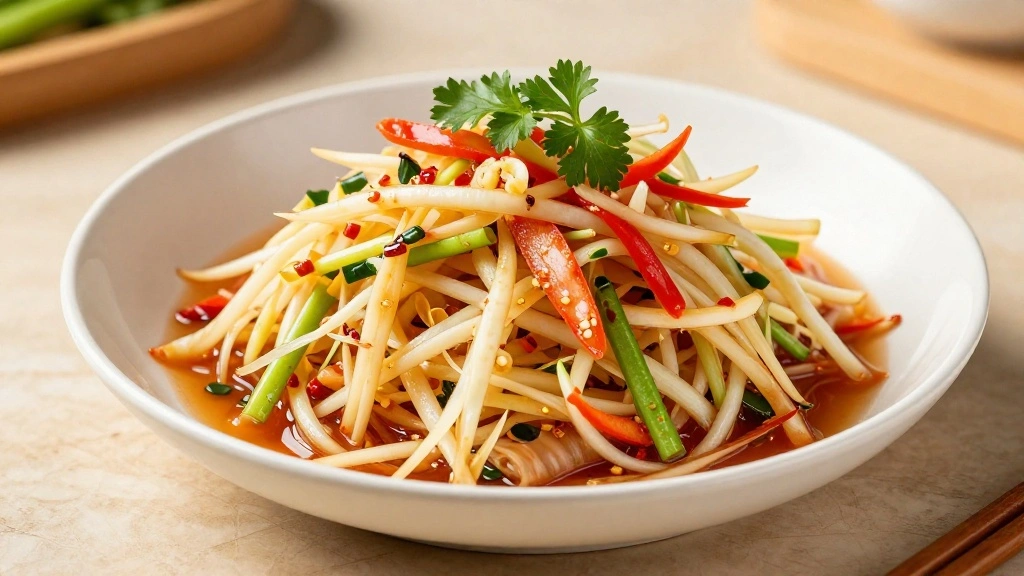

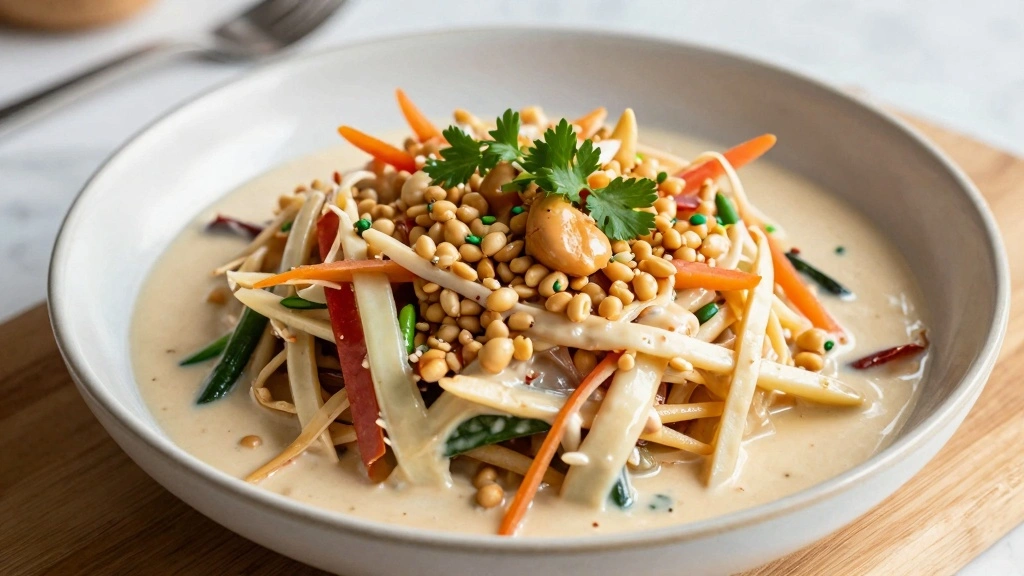


The robust flavors of Thai cuisine never fail to amaze, and this Thai Peanut Salad Dressing is no exception.
Rich, creamy, and full of umami, it takes your taste buds on an unforgettable journey.
I stumbled upon this delightful dressing in a bustling Bangkok street market, where the aroma alone was enough to draw me in.
Perfect for any season, it pairs beautifully with a wide variety of salads, adding a luxurious depth to even the simplest greens.
Whether you’re a Thai food aficionado or a curious cook, this dressing promises to elevate your culinary repertoire.
The History and Cultural Significance
• The dish evolved over decades as ingredients like tamarind and fish sauce were integrated, eventually becoming the beloved version we know today.
• In Thai culture, this dish traditionally appears at family gatherings and celebrations, symbolizing abundance and prosperity.
• While many variations exist across different regions, the authentic version maintains a balance of sweet, salty, and spicy flavors that sets it apart from imitations.


Recipe Overview
Nutritional Information
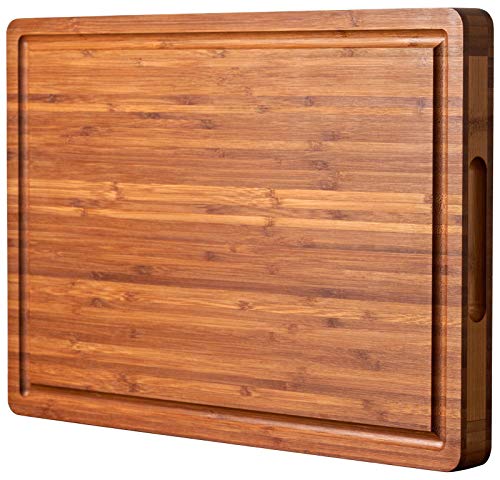
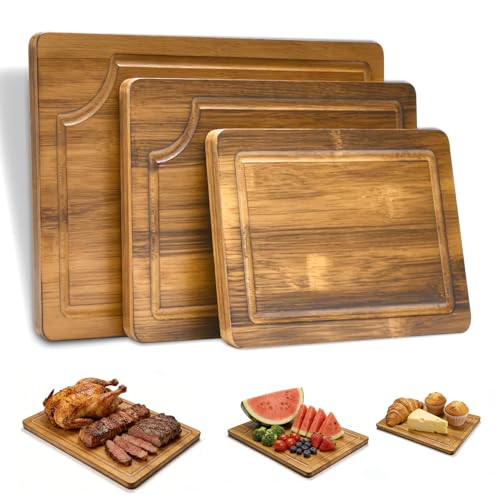
Essential Equipment Guide
Measuring Cups and Spoons: Precise measurements are key to balancing flavors. Digital scales can also be used for accuracy.
Mixing Bowl: A medium-sized mixing bowl is useful for combining all ingredients before blending, ensuring even distribution.


Ingredients
For the Dressing
| Amount | Ingredient | Notes |
|---|---|---|
| 1/2 cup | peanut butter | adds richness and creaminess |
| 1/4 cup | soy sauce | provides saltiness and depth |
| 2 tablespoons | rice vinegar | adds acidity and balance |
| 1 tablespoon | honey | for a touch of sweetness |
| 1 tablespoon | tamarind paste | adds tangy complexity |
| 1 teaspoon | sesame oil | imparts a nutty aroma |
| 1 teaspoon | sriracha | for a hint of heat |
| 1/2 cup | coconut milk | creates a silky texture |


Preparation Methods
Balancing Flavors: Thai cuisine is known for its balance of sweet, salty, sour, and spicy flavors. Mastering this balance is key to an authentic taste.
Ingredient Preparation: Proper preparation of ingredients, such as ensuring peanut butter is at room temperature, aids in smoother blending and better flavor integration.

Step 1: Gather Ingredients
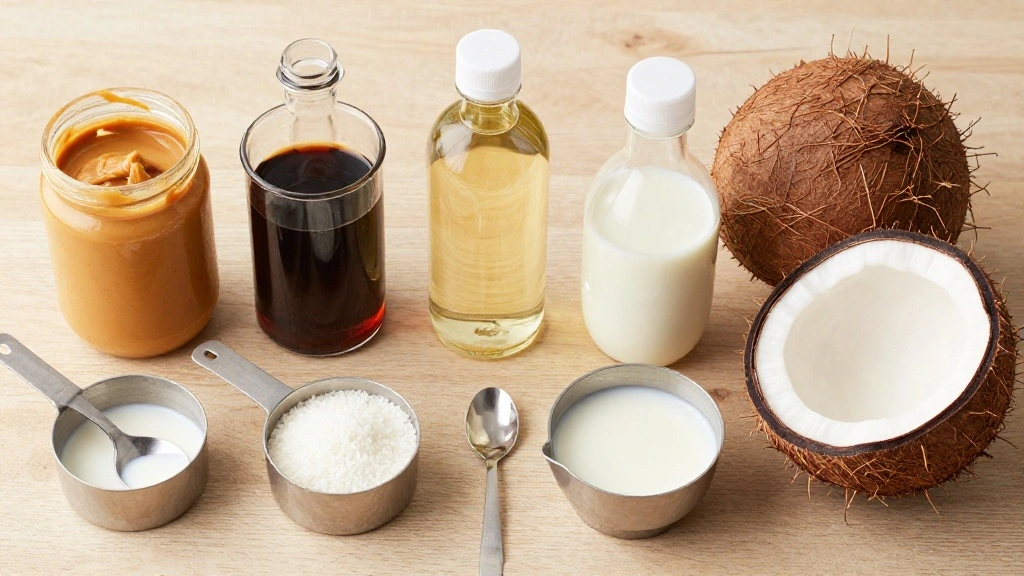
Ensure peanut butter is at room temperature for easier blending.
Check that coconut milk is well-shaken before use.
Measure each ingredient accurately for balanced flavors.
Step 2: Combine Ingredients
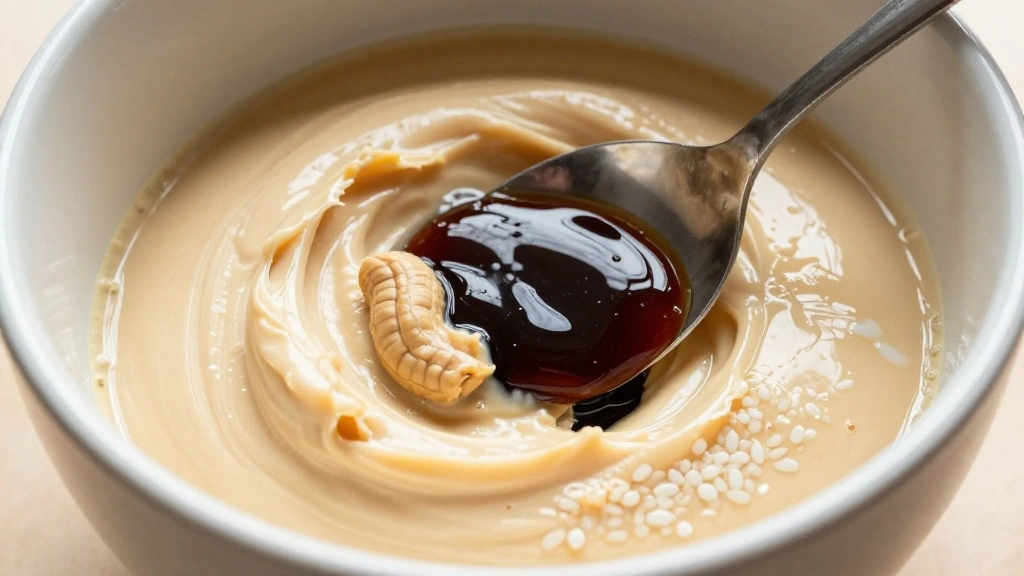
Stir gently to combine and ensure even distribution.
This step helps in initially mixing before blending.
Look for a homogeneous mixture with visible separation.
Step 3: Blend the Mixture
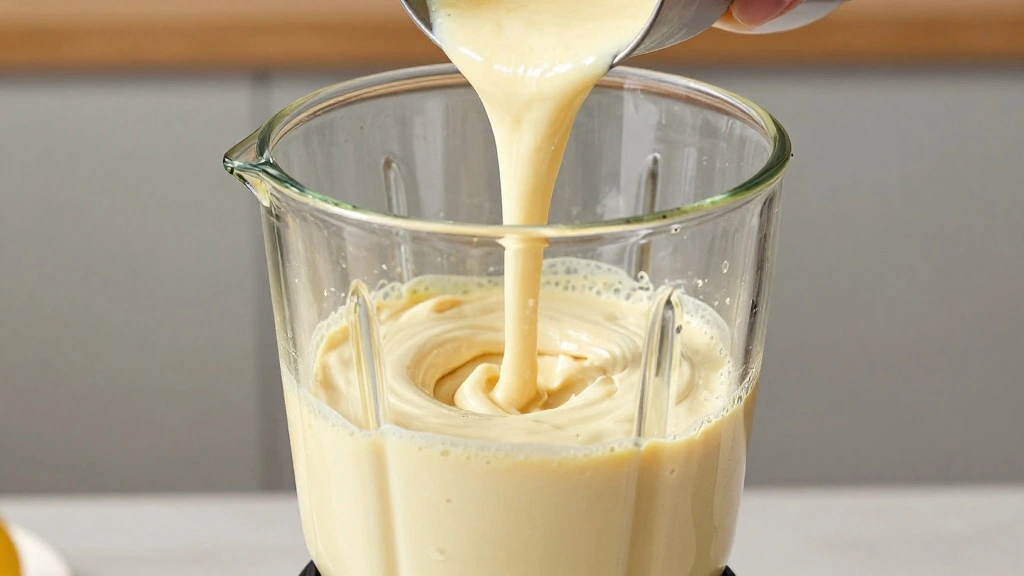
Blend on medium speed for about 1-2 minutes.
Gradually increase speed to ensure smoothness.
Stop when the dressing is creamy and no lumps remain.
Step 4: Adjust Consistency
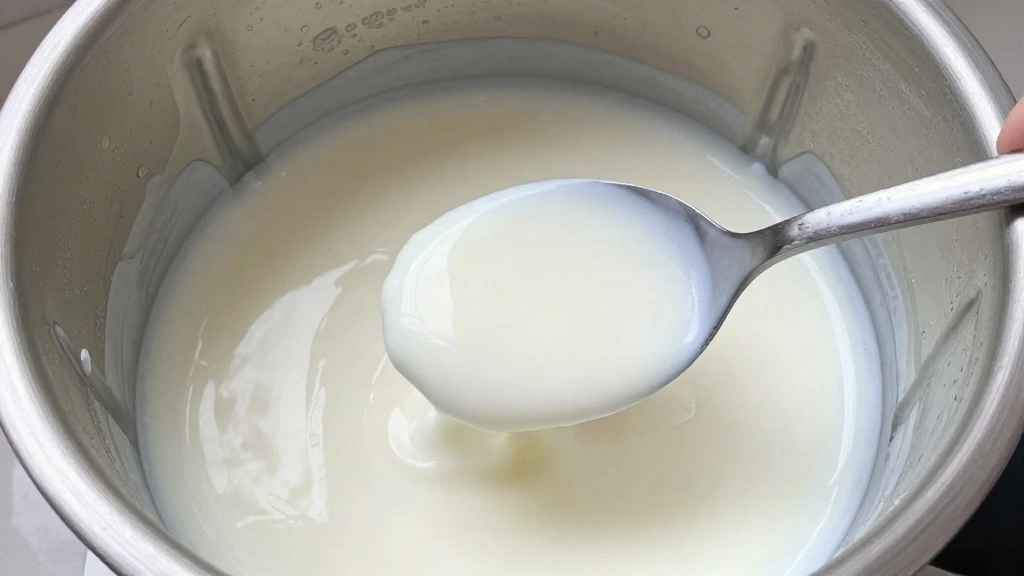
If too thick, add more coconut milk, one tablespoon at a time.
Blend again until desired consistency is reached.
Aim for a pourable, yet thick dressing.
Step 5: Taste and Adjust Flavors
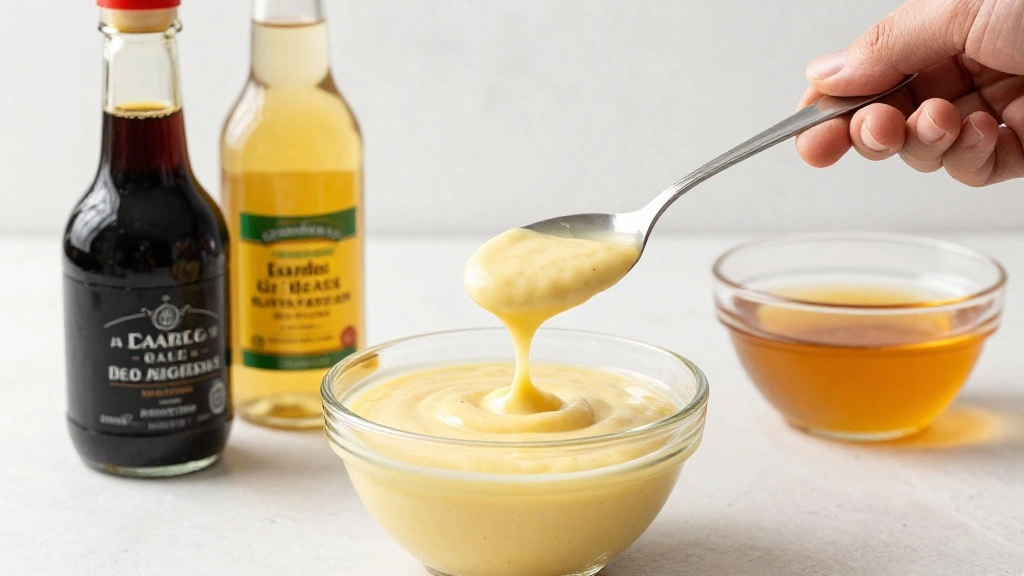
Adjust saltiness, sweetness, or acidity as needed.
Add more soy sauce for salt, honey for sweetness, or rice vinegar for acidity.
Blend again briefly to incorporate adjustments.


Step 6: Transfer to Serving Container
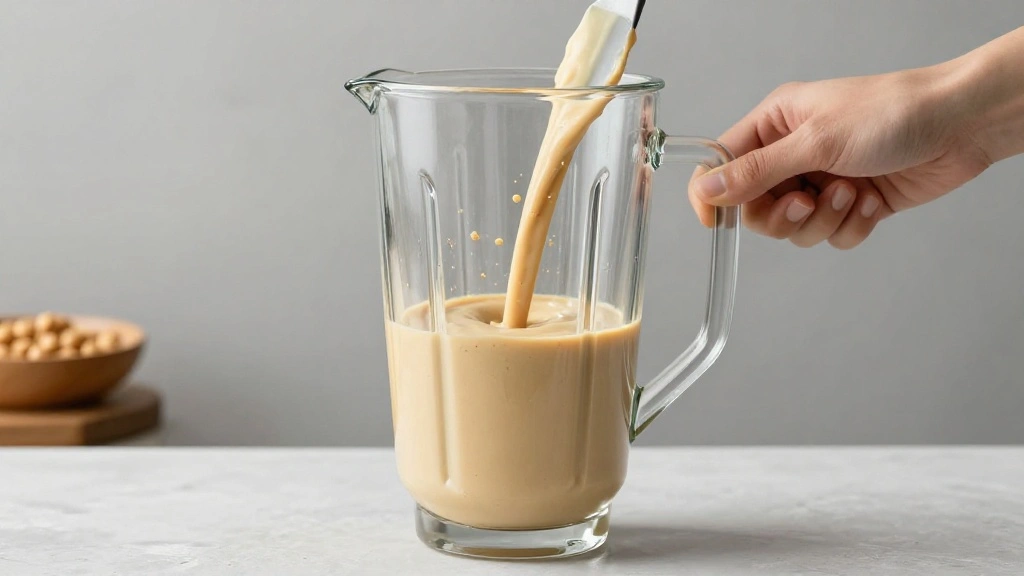
Use a spatula to scrape down the blender to minimize waste.
Ensure the container is clean and dry to avoid contamination.
Seal the container tightly to preserve freshness.
Step 7: Chill the Dressing
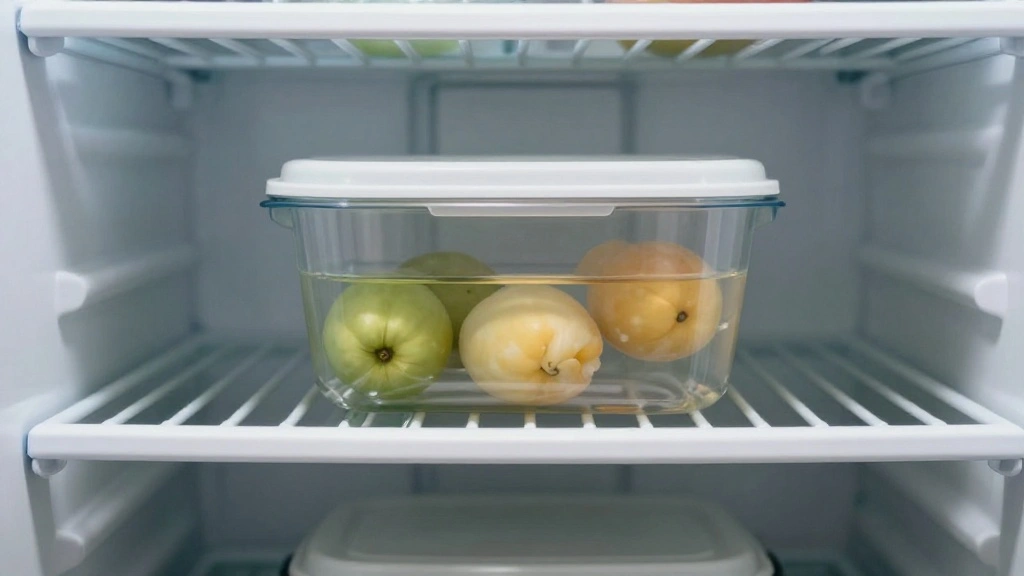
Chill for at least 30 minutes to allow flavors to meld.
This also thickens the dressing slightly.
Ensure the container is sealed to prevent absorption of fridge odors.
Step 8: Serve and Enjoy
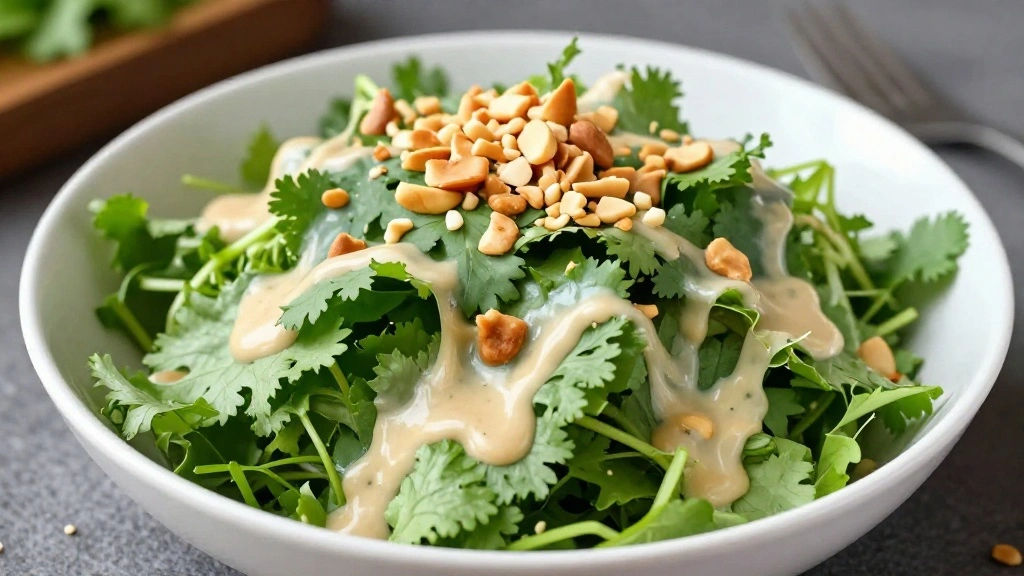
Pour over your favorite salad or use as a dipping sauce.
Garnish with chopped peanuts or cilantro if desired.
Enjoy the rich and creamy flavors that enhance any dish.


Critical Timing and Temperature Guide
Chilling: Chill for at least 30 minutes. Dressing should be cool to the touch but not solidified.
Serving: Serve chilled but not ice-cold, as extreme cold can mute flavors.
Pro Tips for Thai Peanut Salad
• Preparation Secret: Toast peanuts before using to elevate the nutty flavor.
• Temperature Management: Use room temperature ingredients to ensure smooth blending.
• Texture Enhancement: Add a small amount of water if the dressing is too thick after chilling.
• Flavor Layering: Use fresh lime juice to add a zesty brightness to the dressing.
• Make-Ahead Strategies: Store in an airtight container in the fridge for up to a week, shaking well before each use.
• Restaurant-Quality Finishing Touches: Garnish with finely sliced chili or fresh herbs for a vibrant finish.
• Equipment Optimization: Ensure the blender blades are sharp for the smoothest possible texture.


Troubleshooting Common Issues
• Flavors Unbalanced: Often happens if ingredients aren’t measured accurately. Adjust by adding more of the dominant missing flavor, such as vinegar for acidity or honey for sweetness.
• Separation: Occurs if not blended adequately. Re-blend or shake well before use.
• Overpowering Peanut Flavor: Use roasted peanuts for a milder taste, or balance with extra lime juice and rice vinegar.
• Spiciness Level Off: If too spicy, add more coconut milk or honey to mellow the heat.
• Grainy Texture: Ensure all ingredients are at room temperature and blended thoroughly.



Variations and Regional Differences
• Central Thai Style: Uses palm sugar instead of honey for a richer sweetness and sometimes includes shrimp paste for umami.
• Southern Thai Twist: Incorporates curry paste for a spicier, more aromatic dressing.
• Western Adaptation: Often includes lemon juice instead of lime and omits fish sauce for a vegetarian-friendly version.

Food Science Behind the Recipe
• Flavor Balance: The Maillard reaction in roasted peanuts enhances nutty aromas, balancing sweet and savory elements.
• Viscosity Control: Coconut milk’s fat content contributes to the thickness and mouthfeel, impacting how flavors are perceived.


Frequently Asked Questions
Can I use a different nut butter? Yes, almond or cashew butter can be used, but it will alter the flavor.
How long will the dressing last? Stored in an airtight container in the fridge, it lasts up to a week.
Is there a way to make it less spicy? Reduce the amount of sriracha or omit it completely.
What can I substitute for coconut milk? Regular milk or a non-dairy alternative like almond milk, but it will affect the creaminess.
Can I make it vegan? Yes, substitute honey with maple syrup or agave.
What salads pair well with this dressing? Crisp greens, cabbage slaw, or noodle salads complement the dressing well.
How do I fix a dressing that’s too salty? Add a splash of lime juice or a bit more honey to balance the saltiness.
Serving and Presentation Guide
• Modern Plating: Drizzle over salads in a zigzag pattern for visual appeal.
• Family Style: Offer in a jug for guests to pour over their individual salads.
• Gourmet Finish: Garnish with a sprinkle of sesame seeds and fresh cilantro leaves for an elegant touch.


Conclusion
With its rich, creamy texture and perfectly balanced taste, it’s sure to become a favorite.
Don’t hesitate to try this recipe and explore the vibrant world of Thai cuisine right at home.