
Written by

Edited by

Affiliate Disclosure:
If you buy through links on our site, we may earn a small affiliate commission to help support the blog – at no extra cost to you. It never influences our product selection process. Thank you!
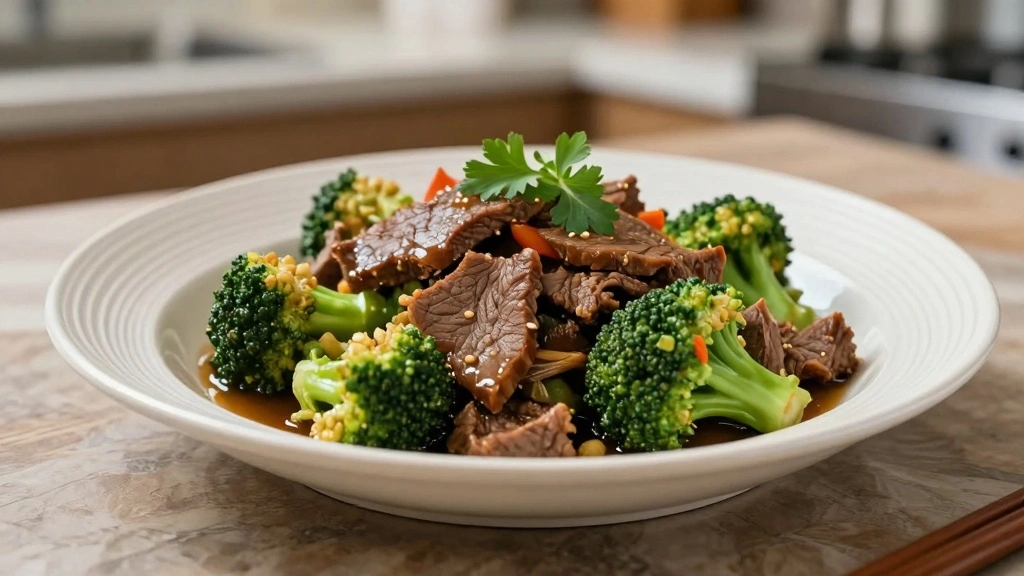
Chinese Beef and Broccoli is a timeless dish that marries the robust flavors of beef with the fresh, crisp taste of broccoli.
The savory sauce, infused with garlic and soy, enhances the natural umami of the beef while ensuring the broccoli retains its vibrant color and crunch.
I first encountered this dish in a bustling market in Guangzhou, where its aroma drew me in and its taste made me a lifelong fan.
Ideal for a quick weeknight dinner or a celebratory meal, this dish is as versatile as it is delicious.
With its straightforward technique, even beginners can achieve restaurant-quality results at home.
Prepare to impress your family and friends with this delightful Chinese classic.
• The dish evolved over decades as the availability of ingredients expanded, incorporating soy sauce and garlic to enhance its flavor profile.
• In Chinese culture, this dish traditionally appears at family gatherings, symbolizing prosperity and unity through its harmonious combination of meat and vegetables.
• While many variations exist across different regions, the authentic version maintains a perfect balance of tender beef and crisp broccoli that sets it apart from imitations.
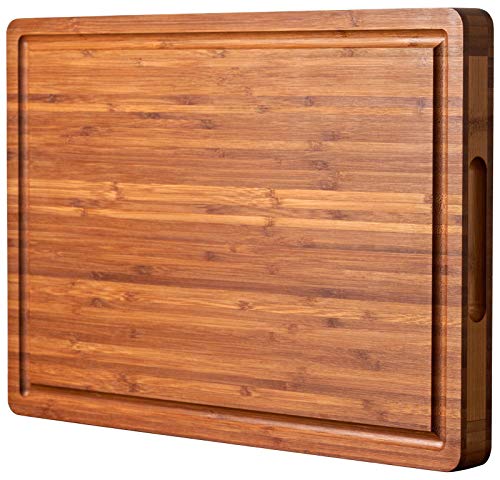
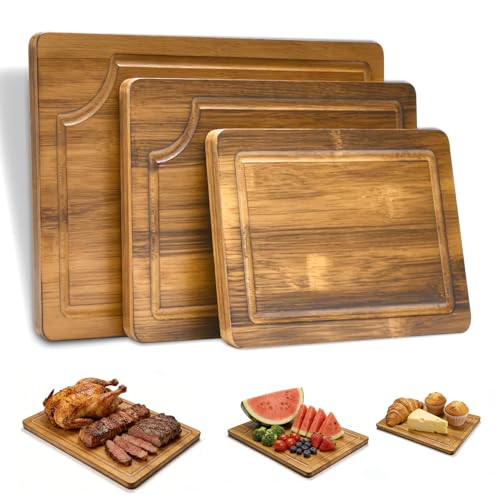
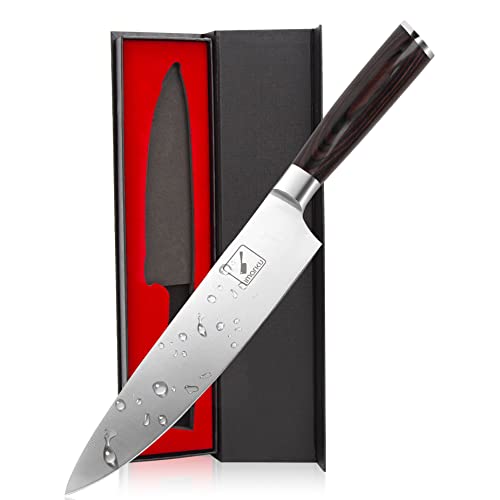
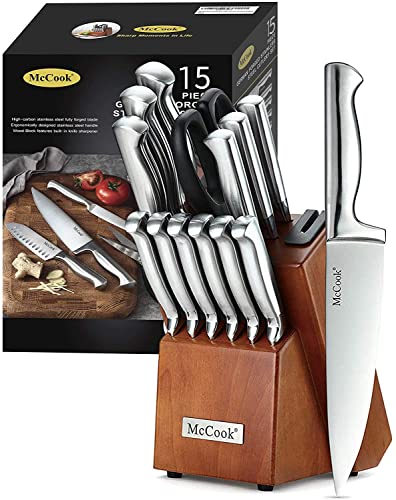
Sharp Knife: A sharp knife is crucial for thinly slicing the beef, which ensures it cooks quickly and remains tender.
Mixing Bowl: A sturdy mixing bowl is needed to marinate the beef properly, allowing flavors to penetrate and tenderize the meat.
| Amount | Ingredient | Notes |
|---|---|---|
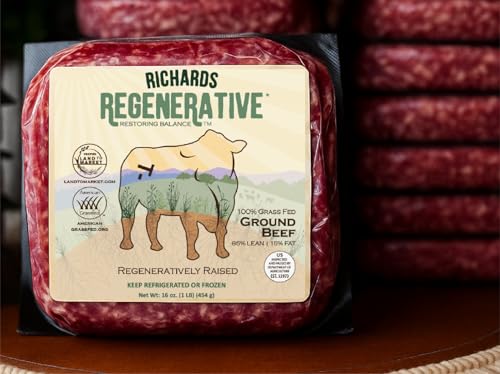
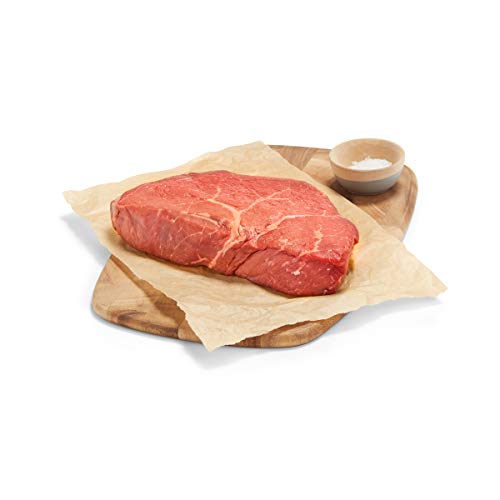
| 1 pound | flank steak | thinly sliced against the grain |
| 2 tablespoons | soy sauce | adds umami and saltiness |
| 1 tablespoon | cornstarch | tenderizes the beef |
| Amount | Ingredient | Notes |
|---|---|---|
| 3 cups | broccoli florets | cut into bite-sized pieces |
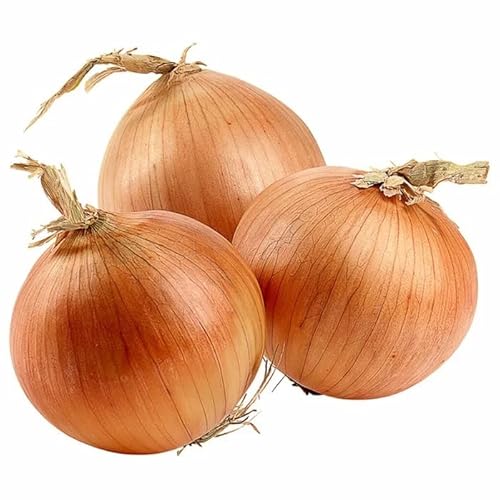
| 1 medium | onion | sliced |
| Amount | Ingredient | Notes |
|---|---|---|
| 1/4 cup | oyster sauce | adds depth and richness |
| 3 tablespoons | soy sauce | enhances flavor |
| 1 tablespoon | sugar | balances the savory elements |
| 1 tablespoon | cornstarch | thickens the sauce |
| Amount | Ingredient | Notes |
|---|---|---|
| 3 cloves | garlic | minced |
| 1 teaspoon | ginger | grated, adds warmth |
Blanching: Quickly blanching the broccoli in boiling water before stir-frying helps maintain its vibrant color and crisp texture, which is crucial for the dish’s visual and textural appeal.
Stir-Frying: This technique involves cooking ingredients quickly over high heat, ensuring that the beef is seared and the vegetables remain crisp-tender, creating a perfect balance of flavors and textures.
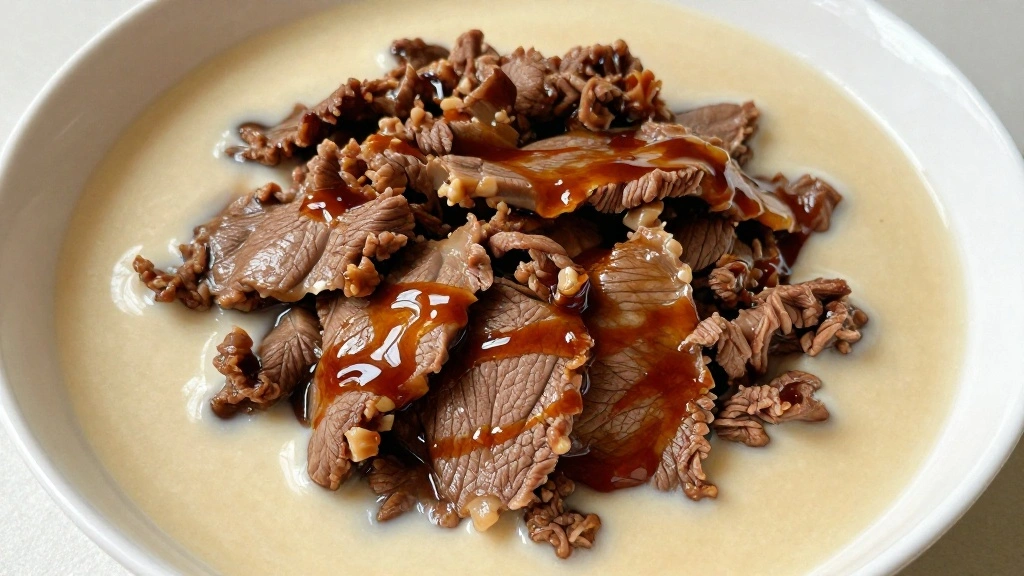
Place slices in a mixing bowl.
Add soy sauce and cornstarch to the beef.
Mix well to ensure even coating and set aside to marinate.
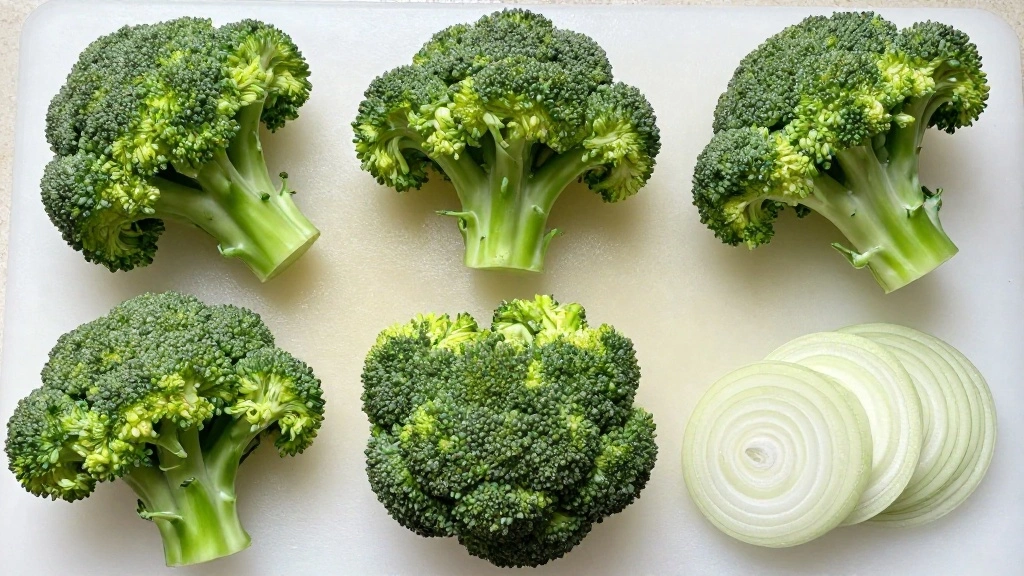
Slice the onion into thin strips.
Ensure all vegetables are uniform in size for even cooking.
Set aside prepared vegetables for later use.
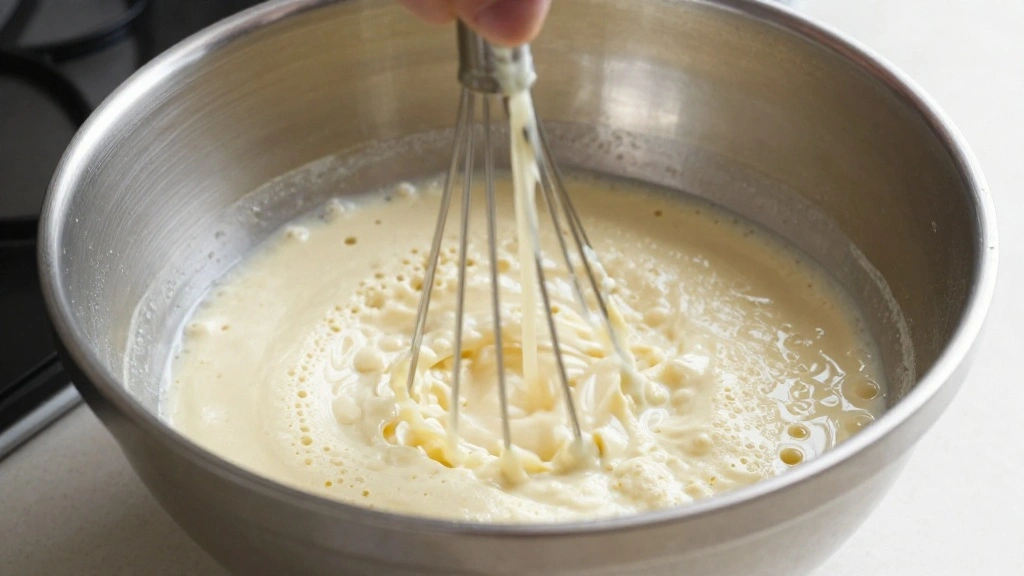
Whisk until the sugar and cornstarch are fully dissolved.
Ensure the mixture is smooth and set aside.
This sauce will be used later in the cooking process.
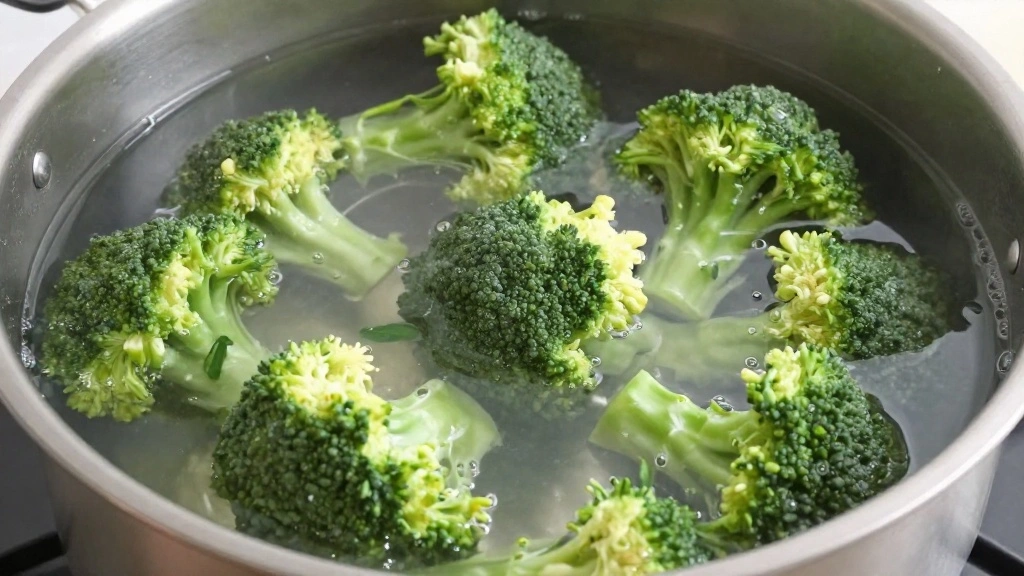
Add broccoli florets to the boiling water.
Blanch for about 1 minute until bright green.
Remove and drain, then set aside.
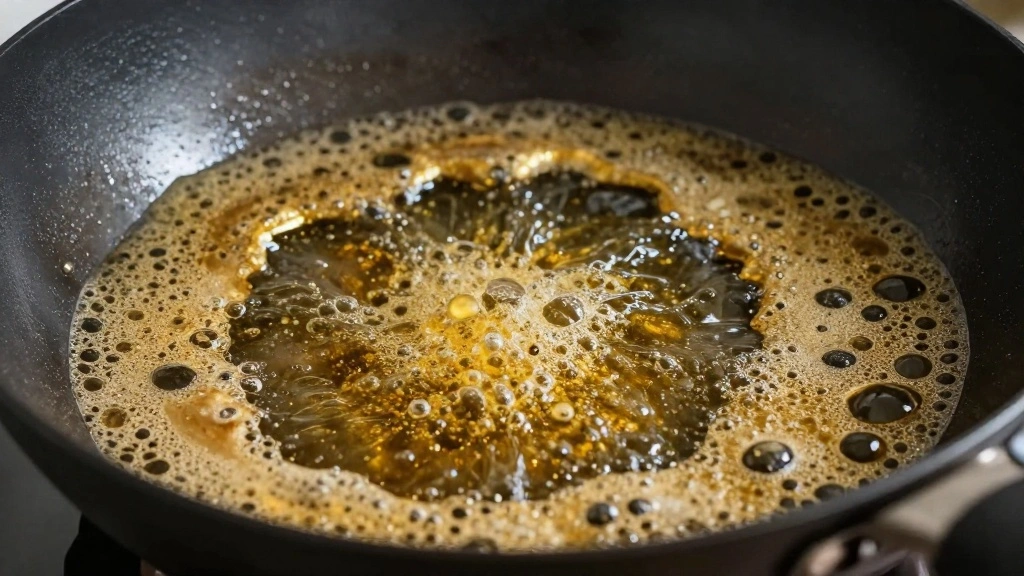
Add a tablespoon of oil and swirl to coat the surface.
The oil should shimmer when hot.
Ensure the wok is evenly heated before adding ingredients.
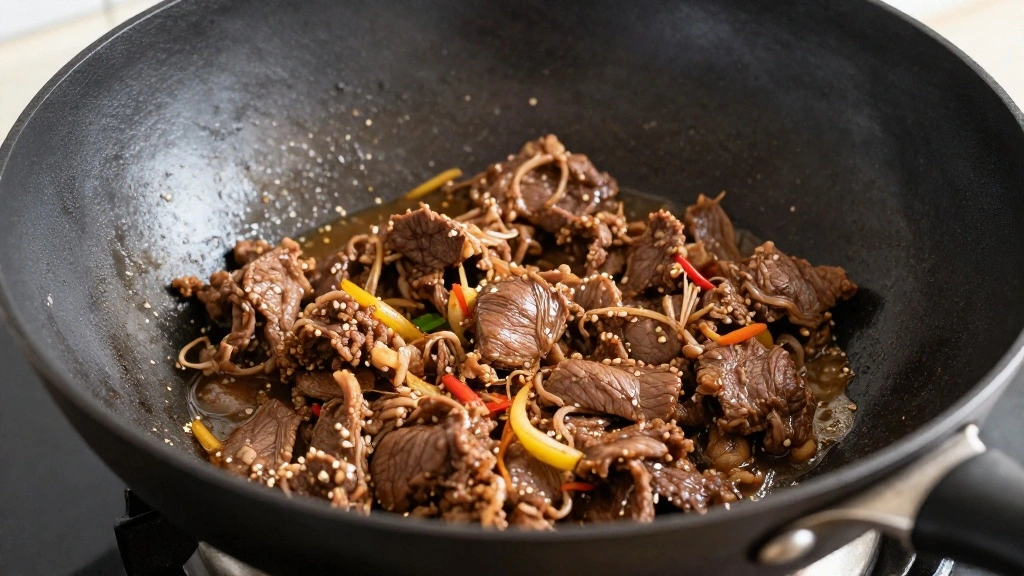
Stir-fry quickly, ensuring pieces are separated.
Cook until the beef is browned but not fully cooked through.
Remove beef from wok and set aside.
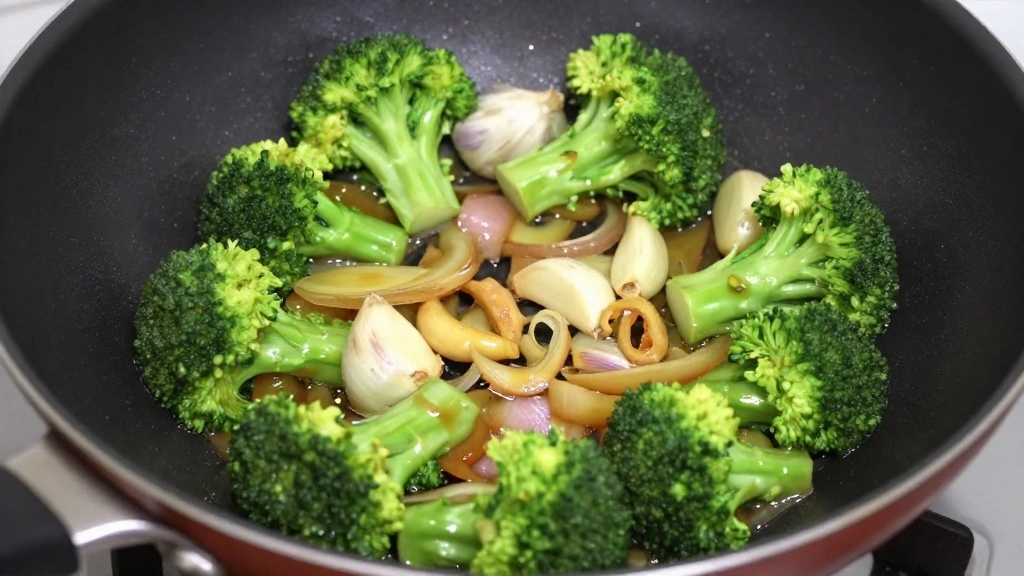
Introduce garlic and ginger, stir-frying until fragrant.
Add onions and blanched broccoli to the wok.
Cook until onions are translucent and broccoli is tender yet crisp.
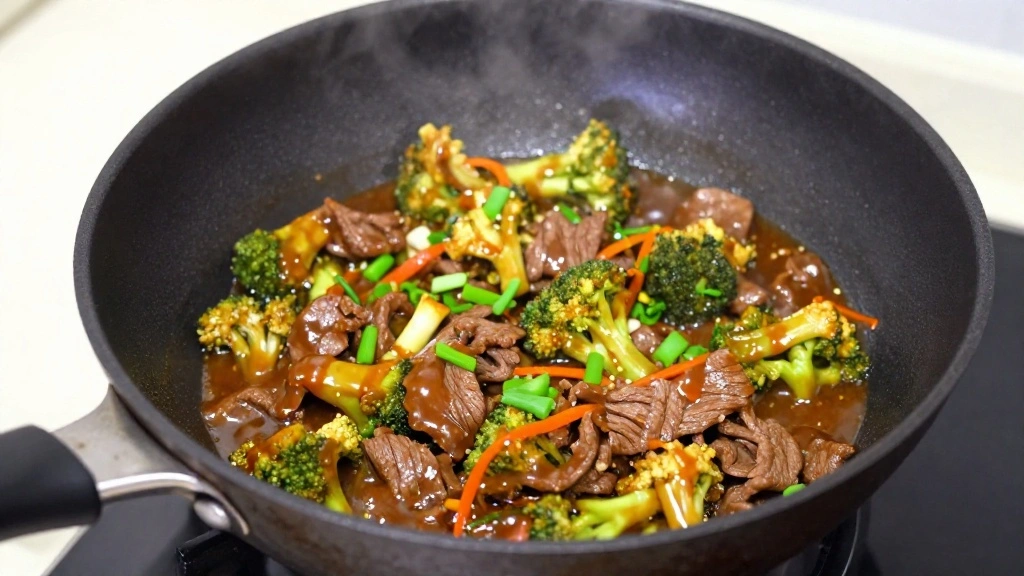
Pour the prepared sauce over the mixture.
Toss everything together until the sauce thickens and coats the beef and vegetables.
Serve hot with steamed rice.
Cooking Beef: Stir-fry beef on high heat for 2-3 minutes until just browned to avoid overcooking, which can make it tough.
Blanching Broccoli: Blanch for 1 minute to maintain vibrant color and crisp texture; over-blanching will make it mushy.
• Preparation Secret: Freeze beef slightly before slicing for easier, thinner cuts.
• Temperature Management: Ensure the wok is smoking hot before starting to achieve a proper sear on the beef.
• Texture Enhancement: Use cornstarch in the marinade to create a velvety texture on the beef.
• Flavor Layering: Add a dash of sesame oil at the end for a nutty aroma that enhances the dish.
• Make-Ahead Strategies: Prep and marinate beef and vegetables in advance, storing them separately in airtight containers for up to a day.
• Restaurant-Quality Finishing Touches: Garnish with sesame seeds and sliced green onions for added flavor and presentation.
• Equipment Optimization: If a wok is unavailable, use a large, heavy-duty skillet to achieve similar results.
• Broccoli Too Soft: This occurs if over-blanched; keep blanching time short and immediately remove from heat.
• Sauce Too Thick: If the sauce turns out too thick, add a splash of water or broth to adjust consistency.
• Flavors Unbalanced: Adjust seasoning by adding a pinch more sugar or soy sauce to balance flavors.
• Vegetables Unevenly Cooked: Ensure uniform cutting and constant stirring during cooking to promote even cooking.
• Burning Ingredients: Keep a close watch on heat levels and reduce if ingredients start to burn during stir-frying.
• Shandong Variation: Uses black vinegar and more garlic, providing a tangier and more pungent flavor.
• Shanghai Style: Incorporates hoisin sauce for a sweeter, richer taste profile.
• Vegetarian Adaptation: Substitute beef with firm tofu and increase vegetables, using the same sauce for a vegetarian-friendly version.
• Starch Gelatinization: Cornstarch thickens the sauce as it heats, transforming liquid into a glossy coating that clings to beef and broccoli.
• Osmosis in Marination: Marinating beef allows flavors to penetrate through osmosis, improving taste and tenderness.
Can I use frozen broccoli? Yes, but fresh broccoli is preferred for better texture and color.
How can I make the dish gluten-free? Use gluten-free soy sauce and verify that all other ingredients are gluten-free.
What can I substitute for oyster sauce? Mushroom sauce or a mix of soy sauce and a bit of sugar can be used as a substitute.
How do I store leftovers? Store in an airtight container in the refrigerator for up to three days.
Can I use a different cut of beef? Yes, but choose a tender cut like sirloin or tenderloin for best results.
How do I prevent the sauce from becoming too salty? Use low-sodium soy sauce and adjust seasoning gradually.
Can I add other vegetables? Absolutely, bell peppers and carrots make great additions to this dish.
• Modern Plating: Arrange beef and broccoli neatly on a plate, drizzling sauce for a refined look.
• Family Style: Present in a large serving dish for communal sharing at the table.
• Party Presentation: Use small appetizer plates for individual servings at gatherings, ensuring each plate has a balanced portion of beef and broccoli.
With its simple preparation and impressive results, it’s a dish that can become a staple in your culinary repertoire.
Embark on this culinary journey and enjoy the satisfaction of creating a restaurant-quality dish in the comfort of your own kitchen.

Chinese Recipes
Chinese Recipes
Chinese Recipes
Chinese Recipes
Chinese Recipes