
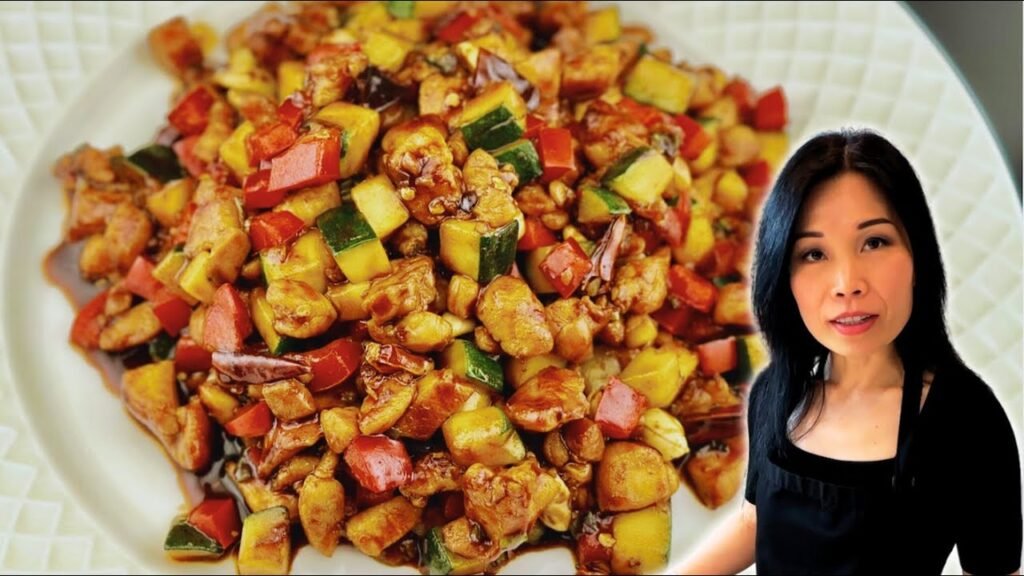
Which vegetables are best for Chinese Kung Pao chicken? This question often arises for both home cooks and professional chefs aiming to achieve an authentic, flavorful dish. The choice of vegetables not only influences the taste and texture but also plays a crucial role in balancing the richness of the sauce with added nutritional value. When considering which vegetables to include, it’s vital to think about how they complement the tender pieces of chicken and absorb the savory, tangy sauce that makes Kung Pao so beloved worldwide. In this detailed exploration, we’ll delve into traditional vegetable pairings, nutritional benefits, flavor-enhancing options, preparation tips, and innovative alternatives to craft the perfect Kung Pao experience with the ideal vegetable components.
Introduction: Kung Pao Chicken and Vegetable Pairings
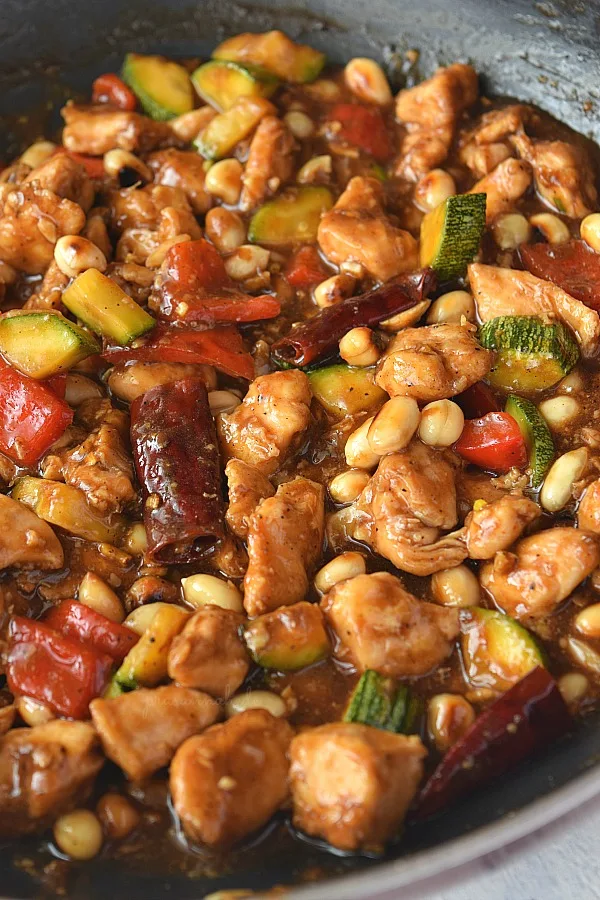
Kung Pao chicken, originating from Sichuan cuisine, is a classic stir-fried dish celebrated for its bold flavors, combining spicy, sweet, sour, and savory notes. While the dish primarily features diced chicken and roasted peanuts, the vegetables used greatly influence its overall appeal. Vegetables in Kung Pao are more than just filler; they provide a textural contrast and help balance the spiciness and richness of the sauce. Understanding which vegetables are best for Kung Pao chicken involves considering traditional choices rooted in authentic recipes, as well as how flavor, crunch, and nutrition can be harmoniously integrated. This makes selecting the right vegetables a key step in elevating the dish from good to exceptional.
Choosing appropriate vegetables can also impact the cooking process, as some vegetables hold up better during quick stir-frying while others may become overly soggy or undercooked. As we explore which vegetables are best for Chinese Kung Pao chicken, we’ll discuss not only their traditional counterparts but also innovative ideas that cater to modern tastes and dietary preferences. The ultimate goal is to inspire enthusiasts to experiment and perfect their own version of this iconic dish, maximizing both flavor and health benefits.
Traditional Vegetables Used in Kung Pao Chicken
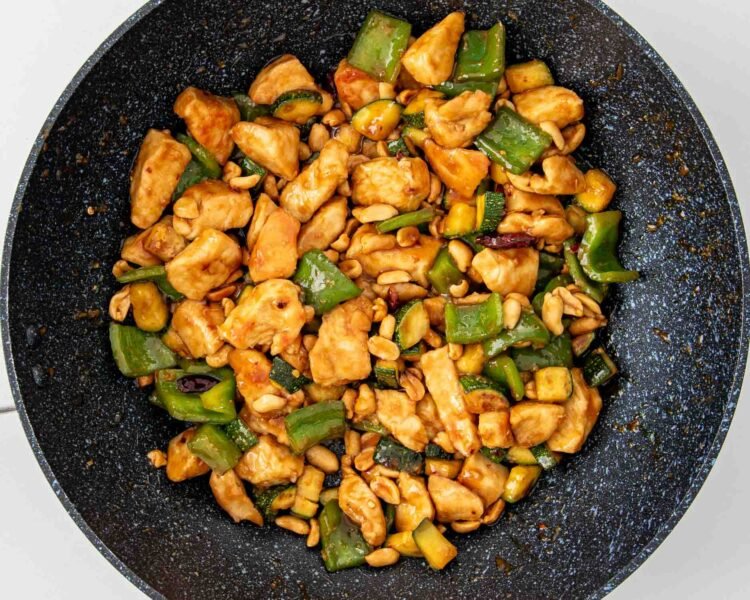
In authentic Chinese Kung Pao chicken, the most common vegetables include bell peppers, scallions, and occasionally, celery or carrots. Bell peppers, especially red and green, add a vibrant color contrast and subtly sweet flavor that balances the heat of the dish. They also provide a satisfying crunch when cooked correctly, which complements the tender chicken and crunchy peanuts. Scallions, both green and white parts, lend a mild onion flavor that enhances aroma and adds freshness to the dish. Celery, with its crisp texture and herbal notes, is another traditional choice, often used to introduce a refreshing counterpoint to the savory sauce.
Additionally, some recipes incorporate diced zucchini or snap peas, which bring a slightly sweet, tender element to the stir-fry. These vegetables are typically sliced thinly to ensure quick cooking and optimal flavor absorption. Historically, the selection of vegetables was guided by regional ingredient availability and culinary traditions, emphasizing simplicity and texture harmony. Keeping these traditional vegetables in mind allows cooks to achieve an authentic flavor profile that highlights the dish’s origins while offering a well-rounded sensory experience.


Nutritional Benefits of Vegetables in Kung Pao Chicken
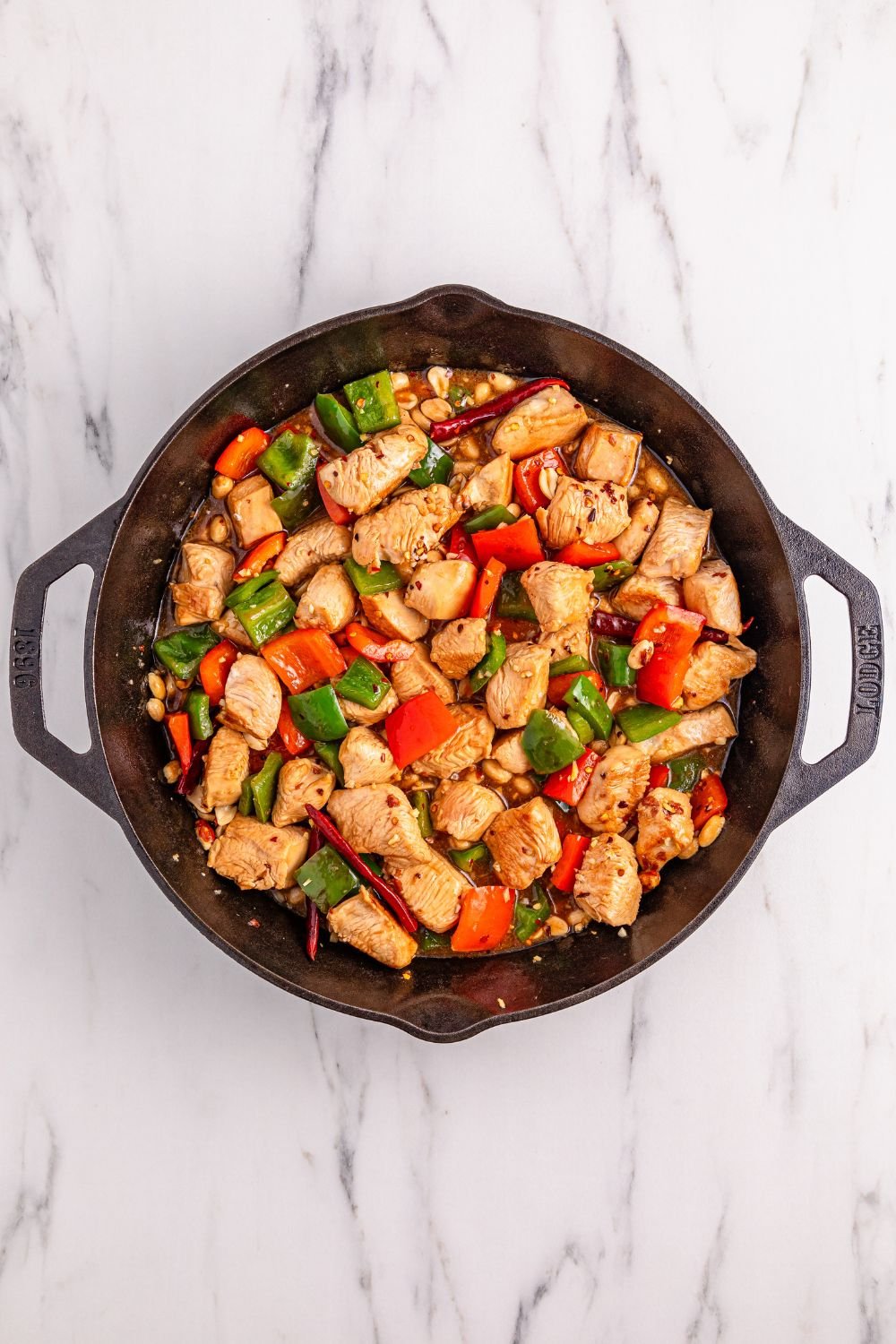
Incorporating vegetables into Kung Pao chicken isn’t just about flavor — it significantly enhances the nutritional profile of the meal. Vegetables such as bell peppers and broccoli are rich in vitamins C and K, which boost immunity and support blood clotting, respectively. The inclusion of colorful vegetables like red peppers also supplies antioxidants, such as carotenoids and flavonoids, contributing to overall health and potentially reducing inflammation caused by spicy ingredients or oil-heavy cooking methods.
From a dietary perspective, adding a variety of vegetables increases dietary fiber intake, which supports digestive health and promotes feelings of fullness. For health-conscious eaters, this means enjoying the savory, indulgent aspects of Kung Pao while still maintaining nutritional balance. The choice of vegetables can also cater to specific dietary needs — for example, using zucchini or mushrooms to reduce calorie content or adding leafy greens for extra vitamins. Therefore, selecting the right vegetables transforms Kung Pao chicken into a more wholesome meal that appeals to both taste buds and health goals.


Top Vegetables to Enhance the Flavor of Kung Pao Chicken
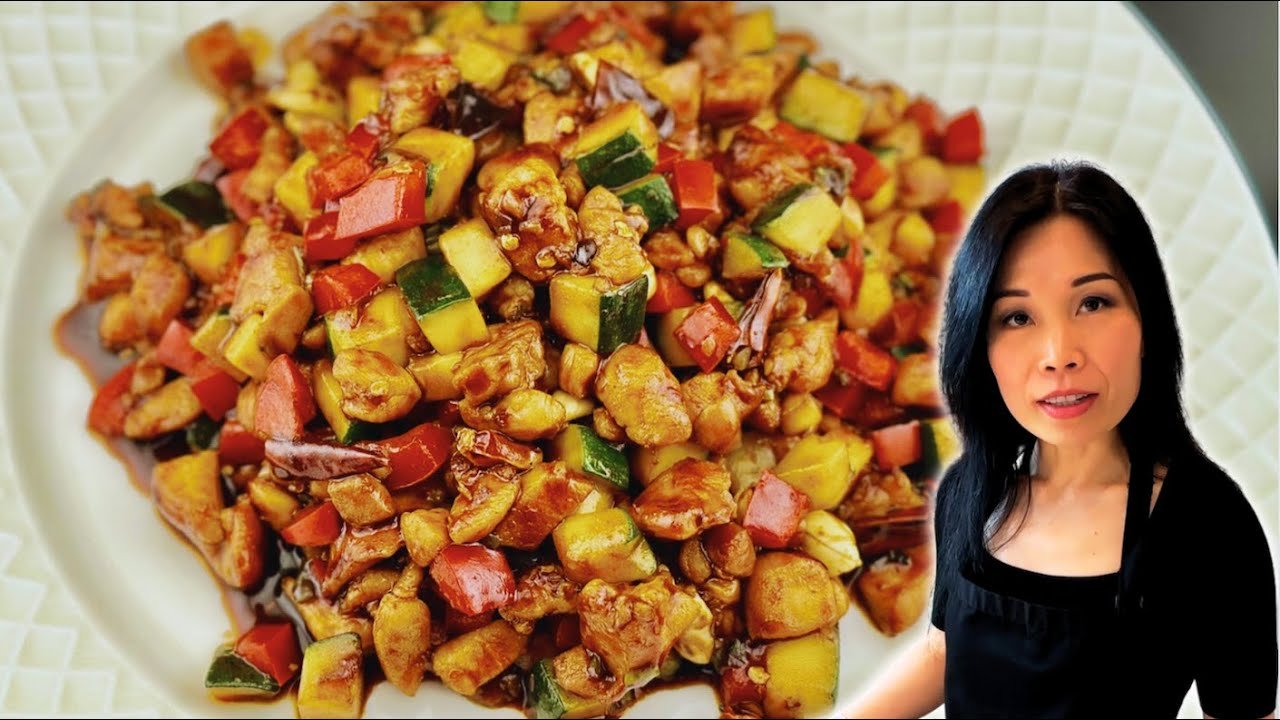
When considering which vegetables are best for Chinese Kung Pao chicken, certain options stand out for their capacity to elevate the dish’s flavor profile. Bell peppers are top contenders because they add sweetness and color, which aesthetically brighten the dish and add depth to the savory sauce. Carrots, sliced thinly, introduce a subtle sweetness and a firm texture that withstands stir-frying, providing a delightful bite. Onions and scallions are excellent for layering aroma and adding a gentle pungency that complements the heat and spice.
More unconventional but equally effective vegetables include bamboo shoots and water chestnuts, both of which bring a crisp, refreshing texture that contrasts with cooked chicken. In addition, snap peas and broccoli florets not only add crunch but also bring a slight bitterness that balances the sweet and spicy elements of the sauce. Ultimately, the best vegetables are those that can absorb flavors quickly, maintain a desirable texture after stir-frying, and provide visual appeal. Combining these ingredients thoughtfully results in a dish rich in complex flavors and satisfying textures, defining a memorable Kung Pao experience.


Preparation Tips: Optimizing Vegetable Texture in Kung Pao Chicken
Achieving the perfect vegetable texture in Kung Pao chicken requires precise preparation and cooking techniques. It begins with selecting vegetables that are firm yet tender enough to withstand quick stir-frying — slicing them uniformly ensures even cooking and consistent texture. For instance, bell peppers and carrots should be cut into thin strips or small cubes, whereas broccoli florets should be bite-sized for rapid cooking without losing their crunch.
A crucial tip is to blanch or briefly parboil denser vegetables like carrots or cauliflower before stir-frying; this step softens them slightly, preventing overcooking during high-heat stir-frying. Additionally, adding vegetables at different stages — such as stir-frying quicker-cooking ones like bell peppers late in the process — preserves their texture. Perfectly cooked vegetables should be vibrant in color, slightly crisp but still tender, and not mushy or limp. Mastering these techniques ensures that which vegetables are best for Chinese Kung Pao chicken retains their integrity while absorbing the bold flavors of the sauce, leading to a harmonious dish.


Beyond Traditional: Exploring Alternative Vegetable Combinations for Kung Pao Chicken
While traditional vegetables serve as a reliable foundation, exploring alternative vegetable combinations can inject excitement and cater to diverse dietary preferences. For example, incorporating broccoli, snap peas, and sliced zucchini provides a mix of textures — from crunchiness to tender bites — while bringing in new flavor nuances. For those seeking low-carb or keto options, cauliflower florets or mushrooms can replace starchy vegetables, reducing carbohydrate content without sacrificing satisfaction.
On the other hand, adventurous cooks might experiment with ingredients like baby corn, lotus root, or even thinly sliced eggplant, each adding unique flavors and textures. Vegetables such as asparagus or sweet corn kernels can also be interesting additions, offering seasonal freshness or sweetness that complements spicy and savory elements. These alternatives not only diversify the dish but also make it adaptable to various nutritional goals and ingredient availabilities, allowing which vegetables are best for Chinese Kung Pao chicken to expand beyond tradition into creative culinary expression.


Conclusion
In exploring which vegetables are best for Chinese Kung Pao chicken, it becomes clear that the choice of ingredients plays a vital role in the dish’s overall appeal and health benefits. Traditional vegetables like bell peppers, scallions, and celery provide color, texture, and authenticity, ensuring the classic flavor profile remains intact. Nutritionally, adding a variety of colorful vegetables enhances the dish’s vitamins, antioxidants, and dietary fiber, supporting well-being without compromising flavor. To optimize the vegetable experience, proper preparation techniques—such as uniform slicing, blanching, and strategic cooking timing—are essential for achieving ideal texture and flavor absorption. While traditional options lead to a familiar and beloved dish, experimenting with alternative vegetables can introduce exciting new variations that cater to modern palates and dietary needs. Ultimately, thoughtful selection and preparation of vegetables elevate Kung Pao chicken from a simple stir-fry to a vibrant, balanced, and nutritious culinary masterpiece.