
If you have ever wondered, “Which spices make Thai Tom Yum soup spicy and flavorful?”, you’re not alone. This iconic Thai dish is celebrated worldwide for its complex, vibrant flavors that strike a perfect balance between spicy, sour, salty, and sweet. The secret behind its distinctive taste lies in a carefully curated blend of spices and herbs that create a depth of flavor while delivering a fiery kick. In this comprehensive guide, we will explore the key spices that define Tom Yum, closely examining their roles and how they harmonize to make this soup a culinary masterpiece.
Understanding the Flavor Profile of Authentic Tom Yum Soup
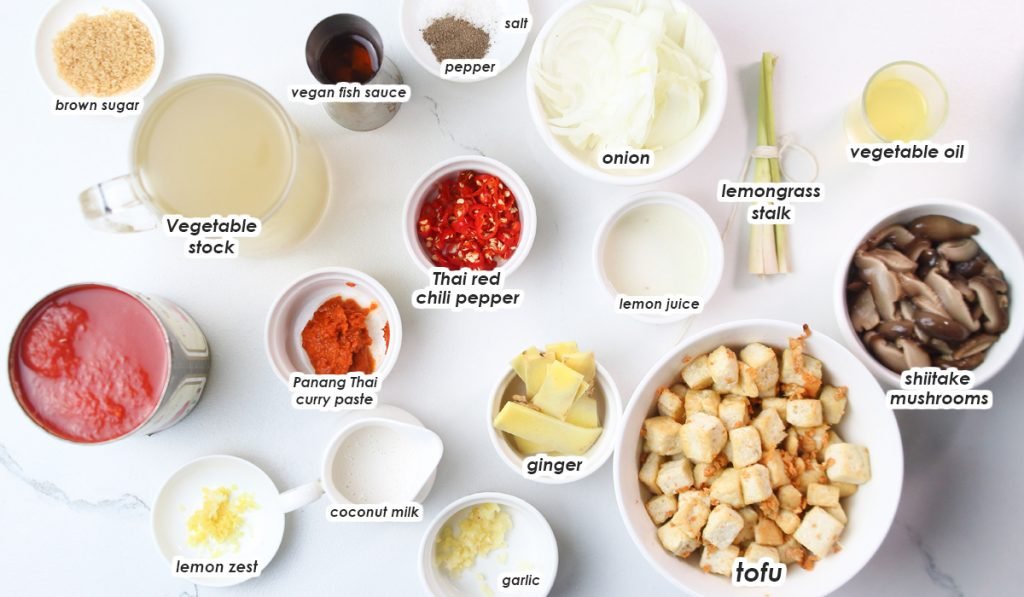
Authentic Tom Yum soup embodies an intricate dance of flavors, combining sourness from lime and tamarind, heat from chili peppers, and aromatic layers from herbs like lemongrass and galangal. The soup’s signature flavor is not just about heat; it’s an ensemble of layers that evoke a sense of freshness, earthiness, and a subtle sweetness. Achieving this authentic profile requires a deep understanding of which spices make Thai Tom Yum soup spicy and flavorful, as each ingredient plays a pivotal role in shaping its character.
The flavor profile also involves a careful balance—too much heat can overpower the subtle sour and herbal notes, while insufficient spice can render the soup bland. Therefore, understanding how to select and combine the right spices is essential to creating an authentic and memorable Tom Yum. From the fiery chili peppers to the fragrant herbs, every component contributes to the overall sensory experience, making it a wholesome dish that delights the palate and warms the soul.


The Key Spices Behind Tom Yum’s Signature Heat: A Detailed Analysis
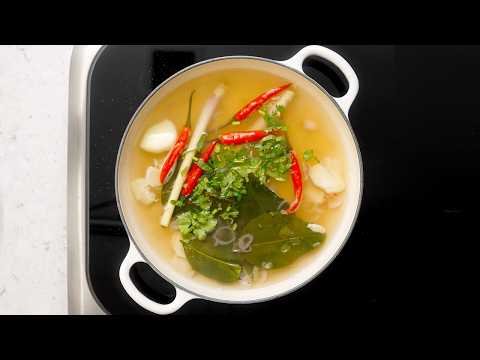
When pondering which spices make Thai Tom Yum soup spicy and flavorful, the fiery backbone is undoubtedly the chili peppers. These small but mighty ingredients provide the heat that defines Tom Yum’s lively character. Both fresh and dried chili varieties are used, each contributing their own distinctive heat and flavor nuances. Beyond just their spiciness, chilies also impart a subtle smokiness or fruity sweetness, depending on their type, enhancing the complexity of the broth.
In addition to chili peppers, other spices like white pepper are often incorporated to heighten the heat level while adding a subtle pungency. White pepper differs from black pepper in its sharper, more delicate flavor, making it perfect for clear broths like Tom Yum. The combination of fresh chili, dried chili flakes, or chili paste (nam prik pao) sustains the desired heat, making it not only spicy but also deeply flavorful. The choice and amount of chili ultimately influence whether the soup strikes an intense, fiery tone or a milder, gently spicy profile, which is why understanding the source of heat is crucial in the quest to identify which spices make Tom Yum spicy and flavorful.


Galangal, Lemongrass, and Kaffir Lime Leaves: The Aromatic Foundation
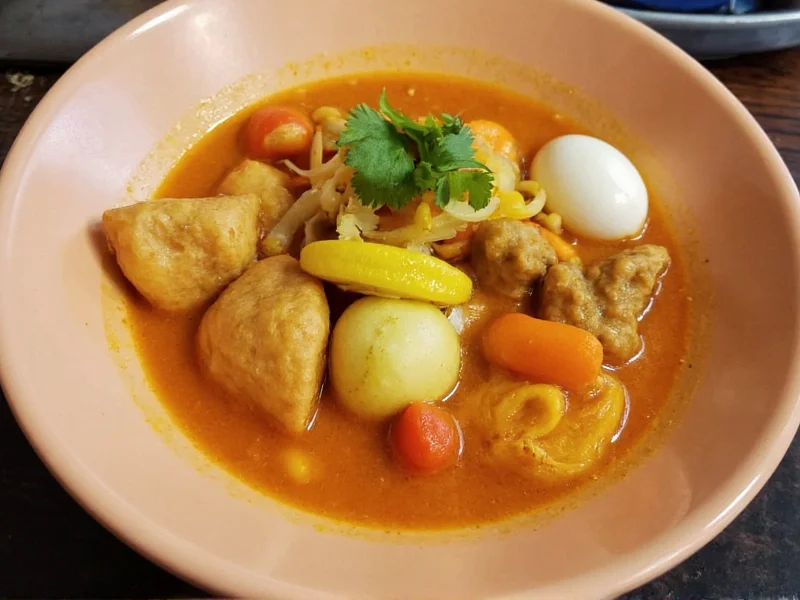
Aromatic herbs form the backbone of Tom Yum’s distinctive fragrance, elevating the soup from mere spiciness to a multi-layered sensory experience. Galangal, a rhizome akin to ginger but with a citrusy, pine-like aroma, is one of the primary spices that contribute both flavor and depth. Its subtle earthiness complements the spiciness and balances the sour elements, making it indispensable for authentic Tom Yum.
Lemongrass and kaffir lime leaves further define the soup’s aromatic profile. Lemongrass imparts a bright citrus note, often described as slightly lemony but with a hint of minty freshness. Kaffir lime leaves add a distinctive citrus aroma that is both fragrant and slightly bitter, enhancing the overall complexity. These herbs do not add heat but serve as aromatic amplifiers, elevating the level of flavor and helping to balance the fiery kick from the chilies. The interplay of these spices lays a fragrant foundation that is quintessentially Thai, making clear which spices make Thai Tom Yum soup spicy and flavorful in its most authentic form.



Chili Peppers: Exploring Varieties and Their Impact on Tom Yum’s Spiciness
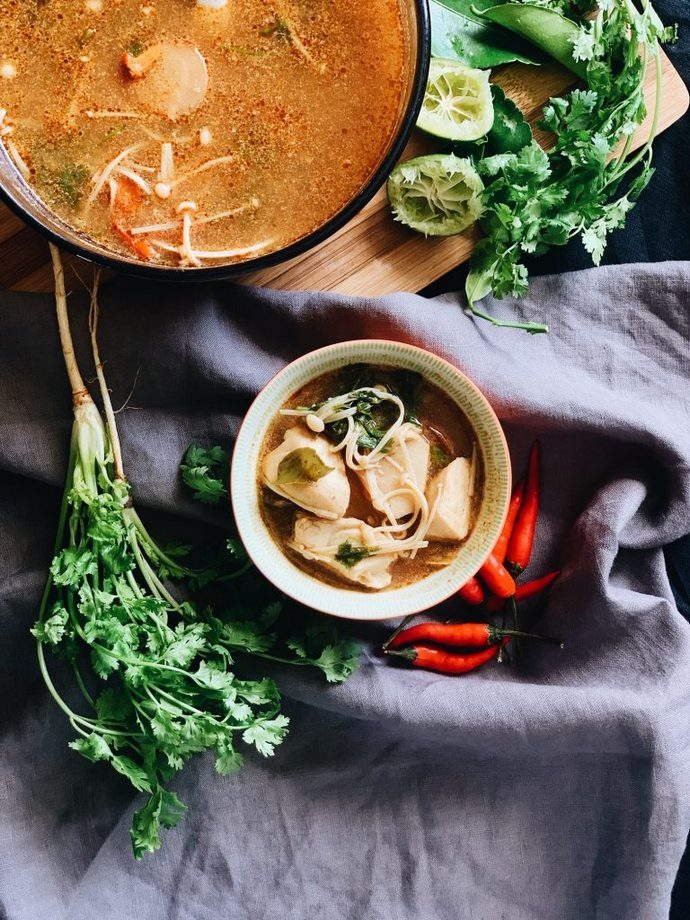
Chili peppers are undoubtedly the star in creating the fiery essence of Tom Yum. In Thailand, fresh bird’s eye chilies, also known as prik kee noo, are most commonly used. These small, fiery peppers deliver an intense heat that can overpower less seasoned palates but can be adjusted to suit personal preferences. Their pungency is complemented by their fruity, almost floral aroma, adding an extra layer of complexity.
Beyond fresh chilies, dried chili flakes or chili paste (nam prik pao) are often incorporated to build a rich, smoky spiciness. The flavor profile varies depending on the type of chili used—from mild and sweet to intensely hot. The choice of chili directly influences the depth of spiciness and ultimately answers the question of which spices make Thai Tom Yum soup spicy and flavorful. If you prefer milder heat, deseeding the fresh chili can reduce the spice level. Conversely, adding dried chili or chili paste can intensify both heat and smoky flavor, creating a richer, more layered spicy profile. The skill lies in balancing these chili ingredients with other herbs and spices.


Other Flavorful Spices and Herbs Used in Tom Yum: A Comprehensive Guide
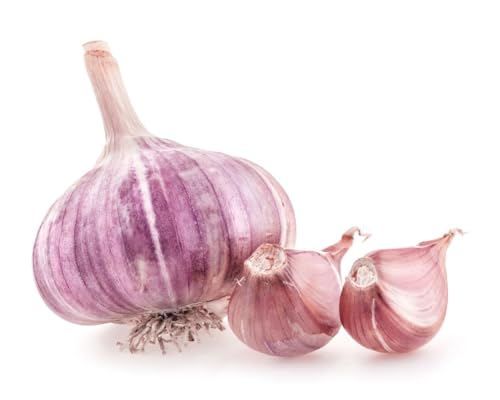
While chili, galangal, lemongrass, and kaffir lime leaves define much of Tom Yum’s signature flavor, several other herbs and spices contribute to its complexity. Coriander roots and fresh cilantro are often added to enrich the broth with earthy and citrus notes. These gentle yet flavor-enhancing herbs help to accentuate the spice profile without overpowering the dish. Additionally, shallots and garlic are essential for building the savory foundation that supports the fiery and fragrant elements.
Further, spices like coriander seeds, cumin, and even a hint of cinnamon or star anise are sometimes used, though their inclusion varies by regional recipes and personal preferences. These spices add hints of warmth and sweetness, complementing the main spices to create a balanced spice profile. For those seeking which spices make Thai Tom Yum soup spicy and flavorful, considering these optional herbs and spices offers opportunities to customize the flavor while maintaining authenticity. The key is to combine these ingredients thoughtfully to achieve a broth that is simultaneously spicy, tangy, fragrant, and deeply satisfying.



Tips and Techniques for Achieving the Perfect Spice and Flavor Balance in Tom Yum
Balancing spice and flavor in Tom Yum requires a nuanced approach and a keen palate. One effective technique is to taste as you cook, gradually adding the chili and herbs to avoid overpowering the broth. For a more controlled heat, start with smaller quantities of chili, then adjust according to taste—especially important if you are customizing for different spice tolerance levels. Rest assured, the secret to which spices make Thai Tom Yum soup spicy and flavorful is not just in quantity, but also in how they are layered and balanced.
Another important tip is to make use of fresh ingredients where possible. Fresh chili, lemongrass, galangal, and kaffir lime leaves tend to produce brighter, more vibrant flavors than dried counterparts. Additionally, incorporating a splash of fish sauce and lime juice at the end creates a harmonious interplay between saltiness, sourness, and spice, making each spoonful perfectly balanced. Proper simmering will allow the spices to release their essential oils, infusing the broth deeply. The art of crafting Tom Yum lies in the delicate interplay of these spices and herbs, which makes it a truly flavorful and spicy Thai delicacy.


Conclusion
In the realm of Thai cuisine, which spices make Thai Tom Yum soup spicy and flavorful is a question that unravels a world of aromatic herbs, fiery peppers, and warm spices. Authentic Tom Yum’s fiery character primarily arises from fresh and dried chili peppers, complemented by pungent spices like white pepper. The aromatic foundation is laid by galangal, lemongrass, and kaffir lime leaves, which lend a fragrant, citrusy backdrop to the spice profile. Beyond heat, herbs like coriander and garlic add earthy and savory layers, while optional spices like cumin or star anise deepen the complexity. Achieving the perfect balance of these spices requires skill, intuition, and a good understanding of how each component interacts. When combined thoughtfully, these ingredients result in a symphony of flavors that make Tom Yum an unforgettable dish—fiery, fragrant, and perfectly harmonious.