


You use lemongrass in Thai curries because it provides a bright citrus backbone that balances rich coconut milk and intense spices while adding a fresh, floral aroma that defines the cuisine. Lemongrass cuts through creaminess, lifts heavy flavors, and gives Thai curries their signature, layered brightness.
Expect this article to explain how lemongrass functions in curry pastes, how its taste and texture shape different curry types, where it fits in Thai culinary history, practical prep and storage tips, and reasonable substitutes when fresh stalks aren’t available. Dive in to learn exactly how to handle lemongrass and why mastering it will make your curries taste authentically Thai.
The Essential Role of Lemongrass in Thai Curries

Lemongrass gives Thai curries a bright citrus backbone, a fragrant top note, and a fibrous texture that influences preparation. You’ll find it used fresh in pastes or steeped in broths to balance coconut richness and support other aromatics.
Recommended Products
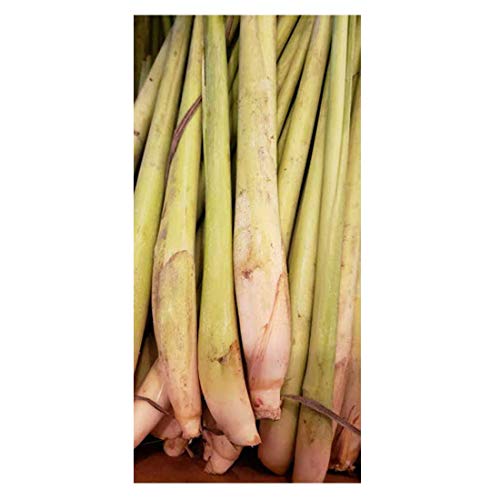

6 stalks of medium size fresh lemon grass
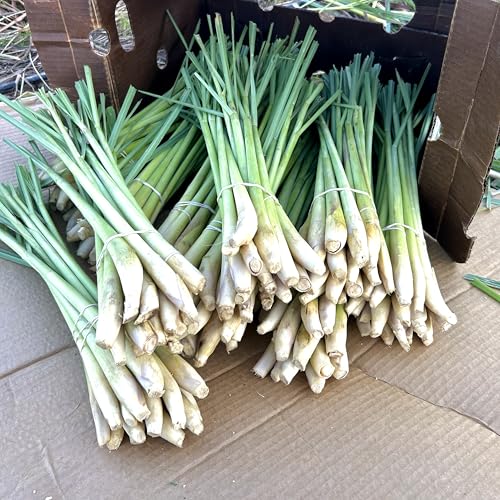
Flavor: Fresh, tangy, and slightly sweet with a lemon-like taste.
Signature Flavor Profile
Lemongrass adds a clean, lemony-citrus taste with mild ginger-like warmth and a hint of floral sweetness. You’ll notice that slice or bruised stalks deliver volatile oils—primarily citral—that cut through coconut milk and oil, preventing dishes from tasting cloying.
When pounded into curry paste, lemongrass contributes both acidity and subtle bitterness that sharpen flavors without adding heat. In green, red, or yellow curry pastes, it acts as a bright counterpoint to chilies, galangal, and coriander roots, making individual spices more distinct.
Use the tender white base for pastes; reserve bruised stalks for infusing soups or slow-simmered curries. That difference affects intensity: paste provides concentrated aroma, while whole stalks give a gentler, sustained presence.
Aromatic Qualities
Lemongrass releases volatile oils that evaporate quickly, so timing matters when you add it. You’ll get the strongest scent when you bruise or finely chop the stalk before cooking, then add it early for infusion or late for a fresher top note.
The herb’s aroma has three layers: immediate citrus brightness, mid-level herbal-grassy notes, and a faint resinous warmth. These layers interact with coconut milk to create a rounded fragrance that carries through steam and lingers on the palate.
In restaurant kitchens, chefs adjust lemongrass quantity and form to control aroma intensity. Using dried or powdered lemongrass weakens scent; fresh stalks produce the signature fragrance associated with authentic Thai curries.
Harmonizing Spices and Ingredients
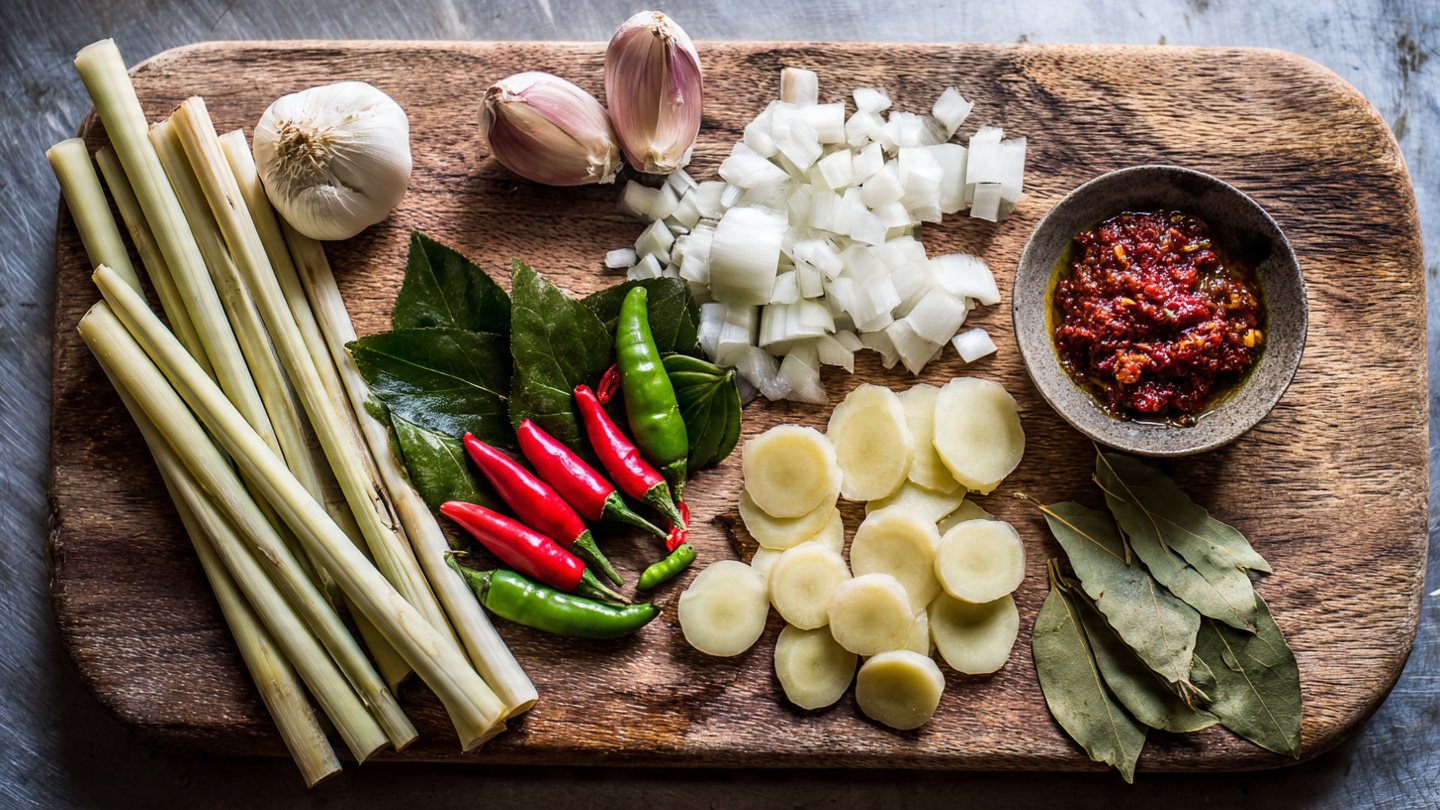
Lemongrass functions as a bridge between aggressive and subtle flavors in curry. It moderates chili heat, accentuates galangal’s piney sharpness, and complements kaffir lime leaves’ citrus peel character, creating a cohesive flavor lattice you can taste in each spoonful.
Its citrus oils help emulsify and distribute fat-soluble flavors from coconut milk and roasted curry paste. That improves mouthfeel and ensures aromatic compounds disperse evenly, so herbs and spices don’t clump or fade.
When you build a curry, balance lemongrass with measured amounts of shallot, garlic, shrimp paste, and palm sugar. Each ingredient plays a clear role; lemongrass ties them together without overpowering delicate proteins like fish or chicken.


How Lemongrass Shapes Thai Curry Taste
Lemongrass cuts through richness, lifts aromatics, and adds a focused citrus backbone that interacts with chili, coconut, and herbs. You’ll notice its impact in texture, aroma, and the way flavors stay distinct on your palate.
Recommended Products

🌟 DELICIOUS FLAVORS OF ASIA: Make family-friendly dishes in minutes with Mekhala's Thai street food influenced paste, made from fresh Lemongrass and Turmeric. All the flavor, none of the heat. Great as a marinade, stir-fry or spice-free curry for kids.

Authentic Cambodian Food (Kroeung)

AUTHENTIC THAI FLAVOR: Red curry paste delivers a bold, authentic taste of Thailand in every bite
Balancing Spice and Heat
Lemongrass softens the perception of heat without reducing capsaicin. Its high volatile oil content—mainly citral—adds bright top notes that distract the palate from lingering burn. When you bruise or finely mince the stalk, those oils infuse the curry early, so the chili’s sharpness reads as more layered and less one-dimensional.
Use lemongrass in the paste stage or briefly sauté it in oil to release oils before adding chiles. That technique spreads heat more evenly through the sauce. In practice, you’ll find curries with lemongrass feel spicier in complexity but milder in sting.
Enhancing Freshness
Lemongrass injects a clean, green freshness that prevents coconut milk from tasting cloying. The herb’s citrus-herb aroma creates contrast against fatty elements and slow-cooked proteins, keeping the dish lively even after long simmering.
Add tender inner stalks late for a fresher note, or steep bruised stalks in coconut milk and remove them before serving to keep brightness without fibrous texture. This lets you control how pronounced the fresh character becomes in every spoonful.
Contributing Citrus Notes
The citrus profile of lemongrass centers on citral, which yields lemon-like aroma without true acidity. That scent sharpens flavors and enhances perception of other citrus agents you may use, such as lime juice or kaffir lime leaves.
When you mince lemongrass finely into curry paste, the citrus compounds bind with fats and aromatics, producing a sustained citrus presence rather than a single bright hit. For a cleaner lift, use thin slices or bruised stalks for infusion and remove before serving; for integrated citrus, use the inner core minced into the paste.


Historical and Cultural Significance of Lemongrass
Lemongrass has deep roots in regional agriculture and daily life, where people use it for cooking, medicine, and ritual. You will see how its movement across trade routes and integration into Thai practices made it indispensable.
Recommended Products

About Our Herb: A tropical staple, this culinary and medicinal herb is widely used globally. Dried lemongrass enhances soups, curries, sauces, and stir-fries, or brew it into a digestion-aiding tea

★ 𝐃𝐫𝐢𝐞𝐝 𝐋𝐞𝐦𝐨𝐧𝐠𝐫𝐚𝐬𝐬 : Dried lemongrass is a versatile culinary herb known for its citrusy aroma and flavor. In its dried form, lemongrass takes on a pale yellowish-green color and has a fibrous texture. Due to its fibrous nature, dried lemongrass is often used by infusing it in liquid, like hot water or broth, to extract its flavors and aromas.

Premium Dried Lemongrass: Experience the exceptional quality of our premium dried lemongrass, carefully selected for its aromatic and versatile culinary uses.
Origins of Lemongrass Use
Lemongrass (Cymbopogon species) likely originated in tropical Asia and spread through maritime trade and regional exchange. Traders and migrating communities carried the plant and its essential oil across Southeast Asia, so you find early cultivation records in Sri Lanka, India, and the Malay Peninsula.
You encounter lemongrass in historical herb lists and medicinal texts because its scent and antiseptic properties made it valuable. Farmers cultivated both for local consumption and small-scale trade. Its adaptability to tropical climates meant households could readily grow stalks near kitchens, which helped cement daily culinary use.
Traditional Thai Cuisine Practices
In Thai households, you will find lemongrass used fresh, bruised, or pounded into pastes for curries, broths, and marinades. Thai curry pastes often include chopped stalks for citrus top notes, balancing coconut milk and spices in red, green, and yellow curries.
Chefs and home cooks treat lemongrass as a multi-role ingredient: it flavors soups like tom yum, perfumes stews, and serves as a base in herbal remedies and teas. You will also notice ritual and seasonal uses—stalks appear in market offerings and herbal preparations tied to wellbeing, reflecting how culinary and cultural practices overlap.


Nutritional and Culinary Benefits of Lemongrass
Lemongrass brings mild nutrients and phytochemicals that support digestion and add citrus brightness to dishes. Its stalks and essential oils contribute fiber, small amounts of vitamins/minerals, and concentrated aromatic compounds used for flavor layering.
Recommended Products

100% PURE & NATURAL LEMONGRASS OIL - Majestic Pure Blends oils are exactly that! Many oils being sold make that claim but are in fact made of natural isolates and mixtures. Each essential oil is tested by an independent lab which is why every bottle comes with a Quality Guaranty.

100% PURE & ADDITIVE-FREE LEMONGRASS: Made solely from carefully selected, finely ground dried lemongrass stalks. Strictly Non-GMO, Gluten-Free, and Sugar-Free with zero artificial flavors, preservatives, or added fillers. Enjoy 100% pure, natural citrusy goodness as nature intended.

PREMIUM QUALITY ORGANIC PREMIUM FINE-GROUND LEMON GRASS POWDER. Pure with no added colors, and no added preservatives and gluten-free. Package Labels May Vary.
Digestive Health Advantages
You can use lemongrass to ease common digestive complaints because it contains fiber in the fibrous outer stalk and volatile oils that affect gut comfort. The stalk’s insoluble fiber helps move food through the digestive tract when you incorporate sliced or bruised stalks into broths and stews.
The plant’s essential oils—chiefly citral—have mild antispasmodic and carminative properties. Adding lemongrass to soups or curries can reduce bloating and gas for some eaters, and its warming aroma often stimulates saliva and gastric secretions, which aids digestion before a meal.
When you steep bruised stalks in hot water, you extract soluble compounds without the tough fibers, making a tea that many cultures use to soothe an upset stomach. Use whole stalks or strain the infusion; both approaches deliver digestive benefits while keeping texture pleasant.
Vitamins and Minerals Content
You should view lemongrass as a modest source of micronutrients rather than a primary vitamin supplier. Per typical culinary amounts, it supplies small but useful levels of vitamin A precursors, folate, potassium, magnesium, and trace amounts of vitamin C.
Those nutrients contribute to electrolyte balance and cellular function when you use lemongrass regularly in soups and curry broths. Potassium and magnesium in particular support muscle and nerve function, which can be helpful if you eat lemongrass-infused dishes frequently.
Because you consume it mostly for flavor, plan complementary ingredients—leafy greens, protein, or coconut milk—to meet larger nutritional needs. Use lemongrass to enhance nutrient-dense recipes rather than relying on it as a main nutrient source.
Flavor Layering in Cooking
You can rely on lemongrass for a clear citrus backbone without acidity, unlike lemon juice. The stalk’s citral-rich aroma gives curries a lifted top note while camphoraceous and minty undertones from fresher stalks add subtle complexity.
Use three basic techniques to layer flavor: bruise whole stalks and simmer for a gentle citrus infusion; finely mince or pound the tender inner stalk for immediate, assertive zest; or dry/powder the stalk for a concentrated, longer-lasting citrus note. Each method changes intensity and mouthfeel.
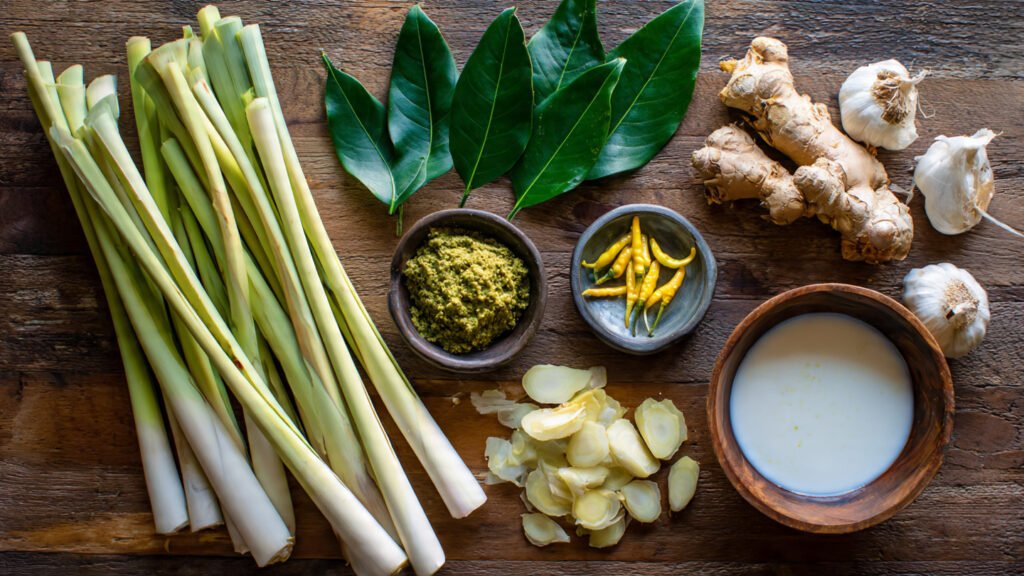
Pair lemongrass with galangal, kaffir lime leaves, and coconut milk to build a balanced curry profile: lemongrass provides the citrus clarity, galangal adds sharp spice, kaffir lime contributes bright oil, and coconut milk rounds and carries flavors.


Lemongrass in Different Types of Thai Curry
Lemongrass gives curries a bright citrus backbone, balances coconut milk’s richness, and lifts herbal spice blends. You’ll find it used differently across curry styles to shape aroma, texture, and heat.
Recommended Products

Cut and sifted leaf format: Dried lemongrass leaves are prepared in a loose, easy-to-portion cut, bringing bright citrus aroma without chopping or grinding before brewing or cooking.
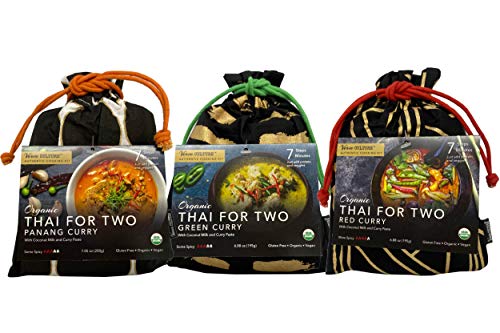
THAI CURRY We love the big, bold flavors of exotic Thai food, and now you can enjoy it from the comfort of your own home! Verve CULTURE’s Organic Green Curry is both gently soothing and packed with flavor, Panang Curry carries the flavors of southern Thailand; rich and creamy, yet spicy and balanced, and Red Curry is aromatic, creamy, and spicy!

THE FINEST QUALITY IN SPICES: We use only the very best in sustainably sourced, all natural ingredients, inspecting for quality at each step of the way as we craft our all naural, gourmet, small batch, handcradfted Thai Green Curry Seasoning.
Role in Green Curry
In green curry, lemongrass works with fresh green chilies, cilantro root, and galangal to create a vibrant, herb-forward paste. You should bruise or finely pound the tender white stalk to release essential oils; this boosts the curry’s top-note citrus without adding fibrous bits.
Because green curry emphasizes fresh herbs, lemongrass often appears in larger proportions than in red curry. That intensifies the citrusy lift that cuts through coconut milk, keeping vegetables and chicken tasting bright rather than cloying.
For texture, thin slices or a well-blended paste prevent stringy fibers. If you use dried or pre-minced lemongrass, increase the quantity slightly to match the brightness of freshly chopped stalks.
Influence in Red Curry
Red curry relies on roasted dried chilies and warm spices; lemongrass provides a counterpoint that lightens the paste’s heat. You’ll typically use a smaller amount than in green curry, just enough to add citrus clarity among toasted coriander and cumin notes.
In red curry paste, lemongrass pairs particularly well with kaffir lime zest and shrimp paste. This trio prevents the curry from feeling heavy while preserving the deep, savory character that defines red curry.
If you seek a subtler aroma, add lemongrass toward the end of pounding the paste. For bolder citrus, include both the tender core and a touch of the outer bulb, finely minced, to infuse oil-soluble fragrances during cooking.
Use in Massaman and Other Curries
Massaman and other southern-influenced curries use lemongrass more sparingly and often as a background note. Massaman’s nutty, warming profile (cardamom, cinnamon, roasted peanuts) leans on lemongrass to freshen the palate between rich bites.
In stews like Massaman or Panang, you can add whole bruised stalks during simmering and remove before serving. This method imparts aroma without leaving fibrous pieces in the sauce.
For quick stir-fry-style curries, thinly sliced lemongrass or a light paste works best. Match the lemongrass quantity to the curry’s fat and spice levels: more for creamy, coconut-heavy sauces; less for spice-driven, dry or oily preparations.

Preparation and Cooking Techniques for Lemongrass
Trim the woody base, peel away tough outer layers, and use the tender pale core depending on the technique you choose. Your tools and timing determine whether lemongrass lends a subtle background note or a pronounced citrus punch.
Recommended Products
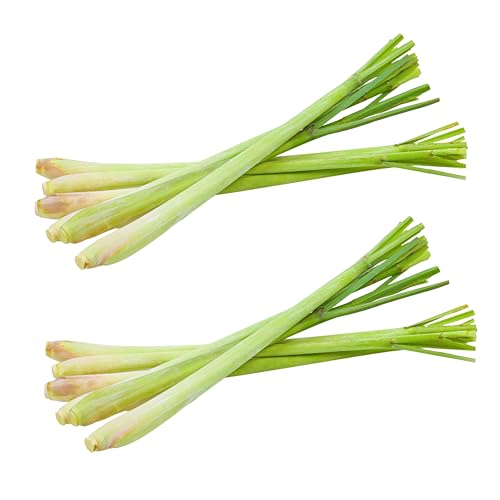

Pure Lemongrass Stalks, 3.0 Ounces, 100% Natural, No Fillers.

Pure Lemongrass Stalks, 2.0 Ounces, 100% Natural, No Fillers.
Slicing and Mashing Methods
For thin slices, trim 1–2 inches off the root end, remove fibrous outer leaves, and peel until you reach the pale, tender core. Slice crosswise into 1–2 mm rounds for quick sautés or fine juliennes for salads and marinades. These small pieces release more aroma into quick-cook dishes.
To infuse broths or curries without leaving fibers, bruise whole stalks with the back of a knife and smash the bulb end, then add whole to simmering liquid and remove before serving. For pastes, finely mince the core, then mash with a mortar and pestle or use a microplane to create a smooth, aromatic paste that blends easily into curry pastes and sauces.
Extracting Maximum Flavor
Heat and time extract lemongrass oil best. Sear slices in oil for 30–60 seconds to release volatile oils before adding other aromatics; this boosts citrus notes without bitterness. For long-cooked curries, add bruised stalks at the start of simmering so the essential oils slowly infuse the sauce.
Use a blender or mortar to grind lemongrass with garlic, chilies, and salt for maximum flavor release in curry pastes. If you need concentrated flavor, steep chopped lemongrass in hot water or stock for 10–20 minutes, then strain and use the liquid; this yields clear, intense citrus without stray fibers.


Substitutes for Lemongrass in Thai Curries

You can recreate lemongrass’s citrusy, floral, and mildly gingery profile using common kitchen herbs and aromatics. Each substitute changes aroma and mouthfeel, so choose based on whether you need brightness, herbal depth, or a warm note.
Recommended Products



Alternative Ingredients
Use kaffir lime leaves for intense citrus aroma; bruise or thinly slice 2–3 leaves per stalk of lemongrass called for.
Lemon or lime zest (1 teaspoon zest ≈ 1 stalk) gives immediate lemon oil brightness but lacks the grassy undertone.
Fresh ginger or galangal supplies the spicy-ginger backbone when you want warmth; use about 1 teaspoon grated ginger or 1/2 teaspoon galangal per stalk.
Lemon balm, cilantro stems, or basil add herbal layers—try 1 tablespoon of chopped herb or 1 tablespoon herb paste per stalk as a starting point.
You can also combine substitutes: pair zest with a small piece of ginger to mimic both citrus and spice.
If a recipe calls for bruised stalks to infuse broth, tie citrus peels and herbs in cheesecloth to make removal easy.
Impact on Authenticity
Swapping ingredients shifts the dish’s regional character more than its safety or basic flavor balance.
Using kaffir lime leaves preserves a Thai scent profile closely; lime zest steers the dish toward generic citrus notes and away from Southeast Asian specificity.
Ginger or galangal will emphasize heat and pungency, which can make a curry taste more Indian or fusion than Thai if used alone.
Herb substitutes like basil or cilantro introduce sweetness and green notes that alter traditional lemongrass’s crispness.
Mixing substitutes intelligently—zest for brightness, galangal for warmth, and a kaffir leaf for fragrance—lets you keep key sensory cues of Thai curry even without fresh lemongrass.
Adjust quantity to avoid overpowering the curry’s balance: start small and increase until the aroma and taste resemble what you expect.