
Written by

Edited by

Affiliate Disclosure:
If you buy through links on our site, we may earn a small affiliate commission to help support the blog – at no extra cost to you. It never influences our product selection process. Thank you!
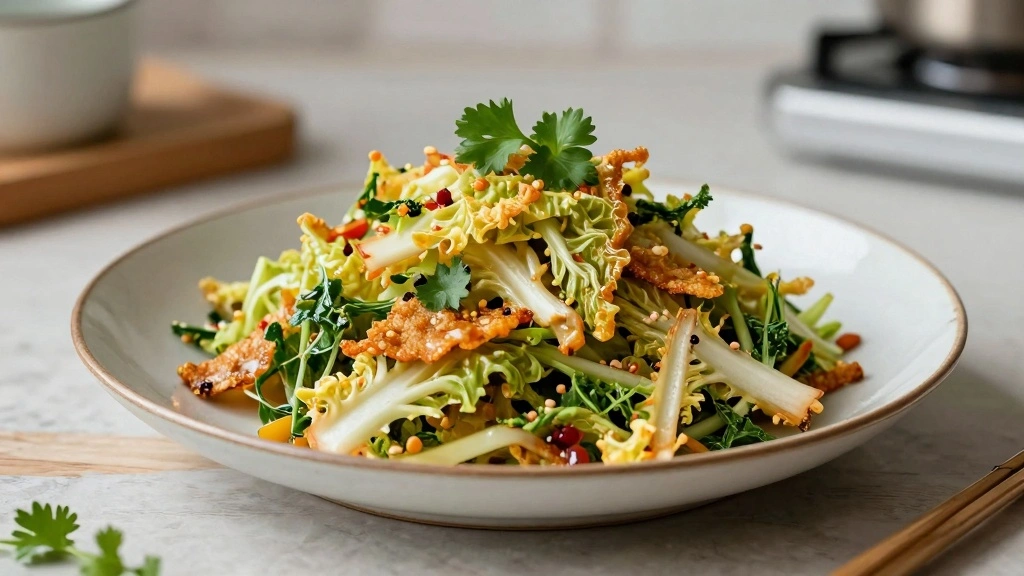
The fresh crunch of Chinese cabbage combined with a tangy dressing makes this salad a refreshing choice for any meal.
Inspired by traditional Asian flavors, this salad offers a perfect balance of crispy textures and vibrant tastes.
I first encountered this delightful dish during a spring festival, where it was the star of the table amidst a variety of colorful dishes.
Its simplicity and depth of flavor quickly made it a staple in my repertoire, ideal for both casual lunches and elegant dinners.
Whether you’re looking to add a healthy option to your menu or simply want to try something new, this Chinese Cabbage Salad will not disappoint.
• The dish evolved over decades as ingredients like sesame oil and vinegar were incorporated, eventually becoming the beloved version we know today.
• In Chinese culture, this dish traditionally appears at Lunar New Year celebrations, symbolizing prosperity and good health.
• While many variations exist across different regions, the authentic version maintains a crisp texture and a balance of sweet and tangy that sets it apart from imitations.
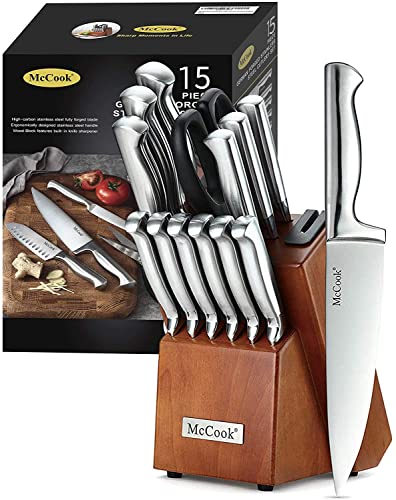
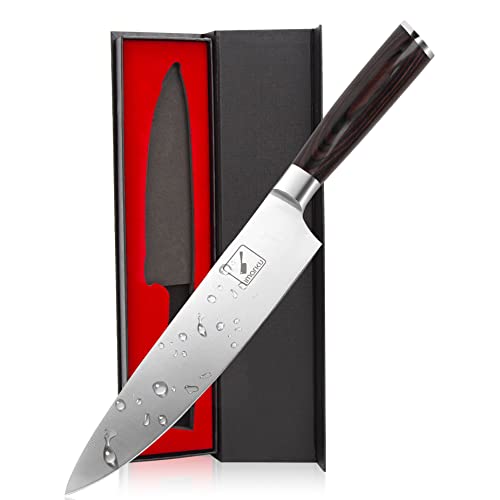
Sharp Knife: Necessary for thinly slicing the cabbage and other vegetables; a mandoline slicer can also be used for uniform pieces.
Mixing Bowl: A large bowl allows you to toss the salad ingredients together evenly; look for one with a non-slip base for stability.
| Amount | Ingredient | Notes |
|---|---|---|
| 4 cups | Chinese cabbage | thinly sliced |
| 1 cup | carrots | julienned |
| 1 cup | red bell pepper | sliced into thin strips |
| 1/4 cup | green onions | chopped |
| Amount | Ingredient | Notes |
|---|---|---|
| 3 tablespoons | rice vinegar | provides tanginess |
| 2 tablespoons | soy sauce | adds umami flavor |
| 1 tablespoon | sesame oil | adds nutty richness |
| 1 tablespoon | honey | balances the acidity |
| 1 teaspoon | grated ginger | adds warmth and spice |
Whisking: Proper whisking of the dressing ensures a smooth emulsion, which helps the dressing coat the salad evenly. Focus on a steady, circular motion to combine ingredients thoroughly.
Tossing: Gently tossing the salad ingredients with the dressing allows for even coating and prevents bruising of the delicate vegetables. Use your hands or salad servers for the best control.
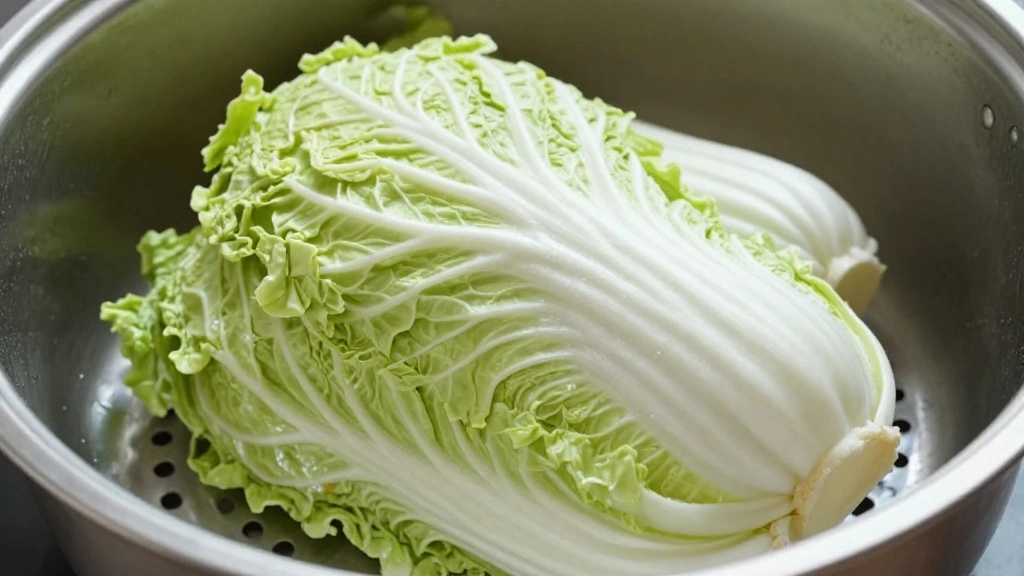
Use a salad spinner to remove excess water from the leaves.
Check for any remaining moisture and pat dry with a clean kitchen towel.
Ensure the cabbage is completely dry for optimal dressing adherence.
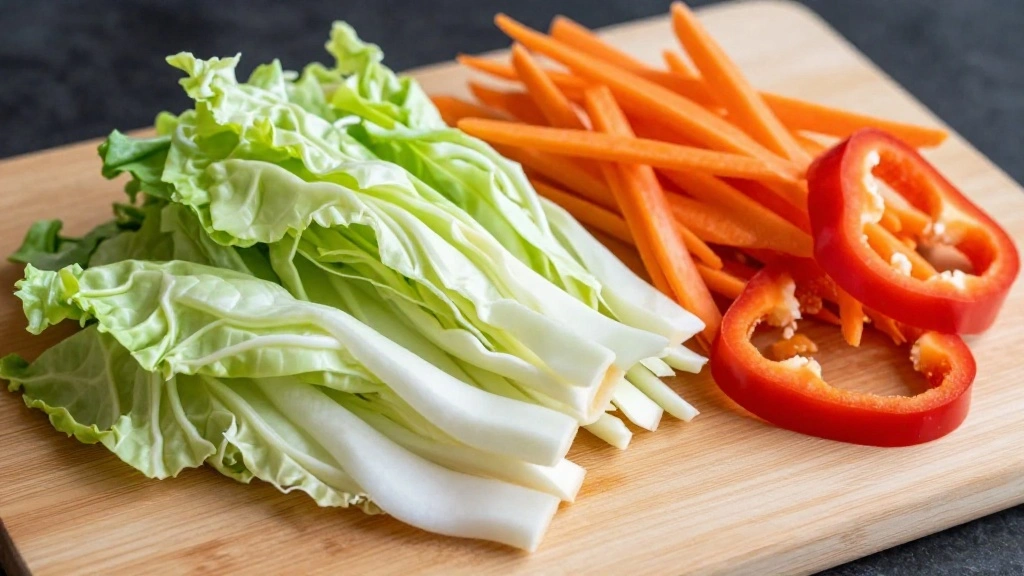
Julienne the carrots into matchstick-sized pieces.
Slice the red bell pepper into thin strips for a uniform appearance.
Chop the green onions finely to distribute their flavor evenly throughout the salad.
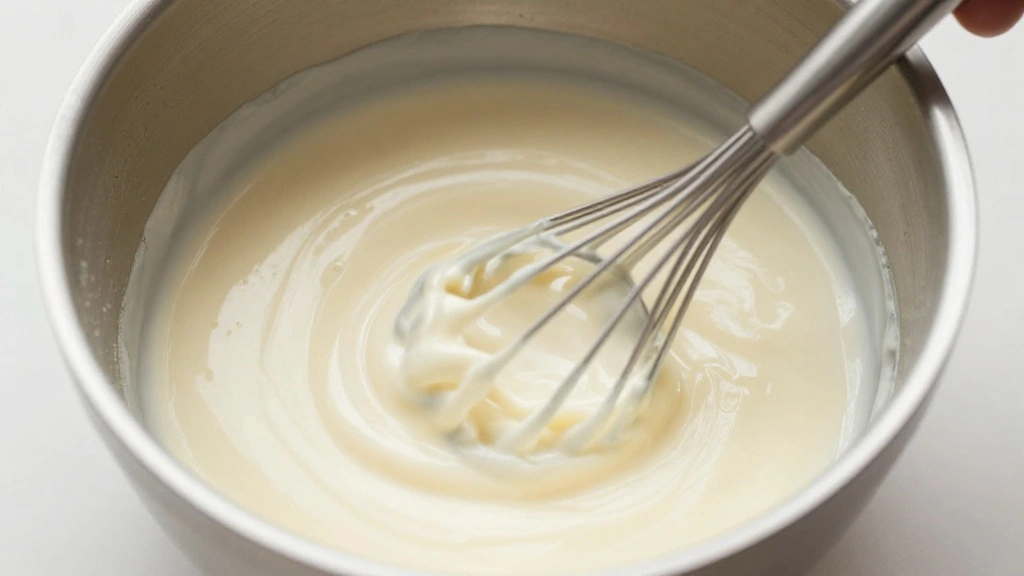
Whisk the ingredients vigorously until well-blended.
Look for a smooth, slightly thickened emulsion.
Adjust seasoning to taste, balancing sweetness and acidity.
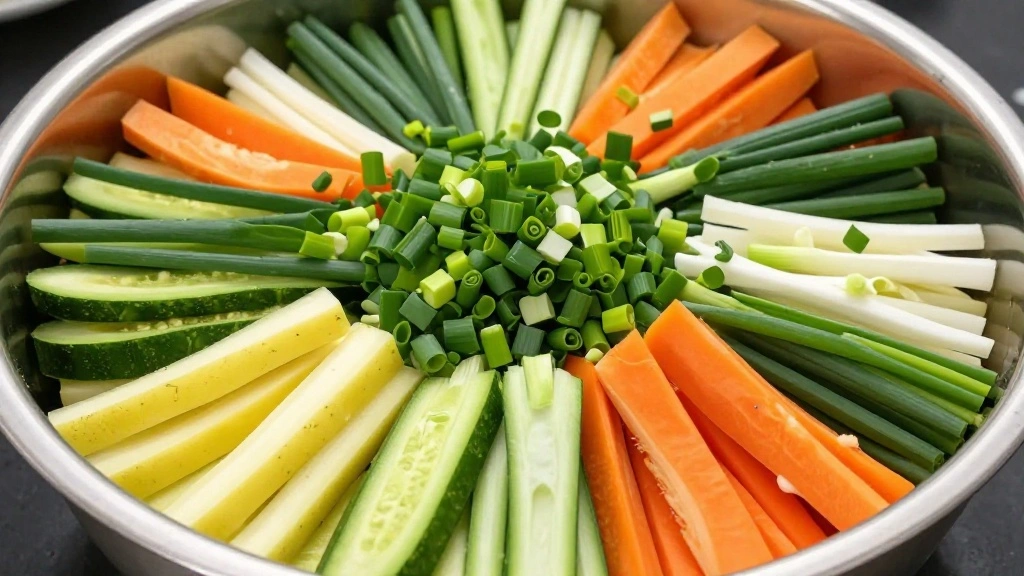
Add the chopped green onions to the bowl.
Ensure all vegetables are evenly distributed within the bowl.
This step is crucial for even flavor distribution.
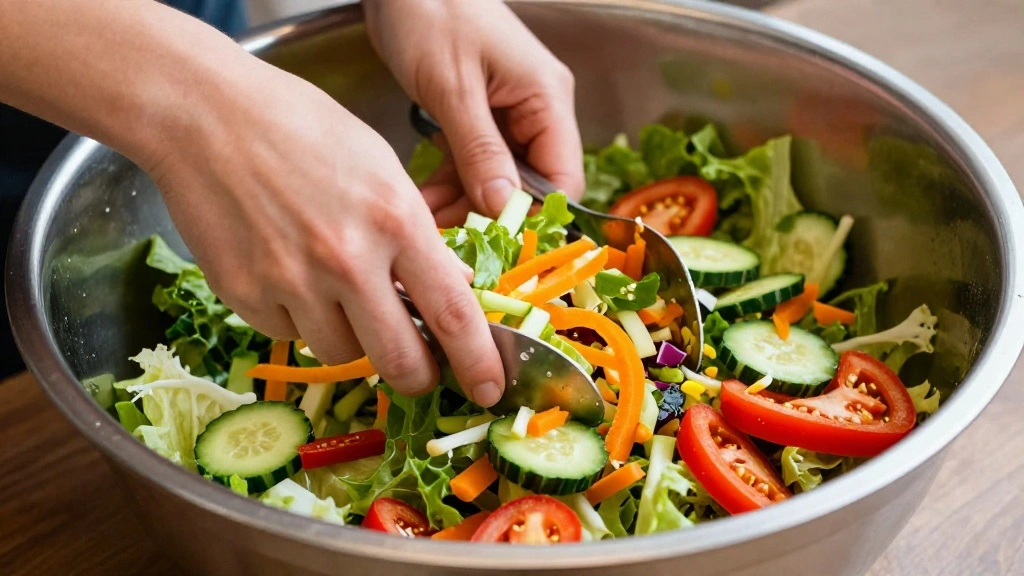
Use salad servers or clean hands to gently toss the salad.
Ensure every piece is coated with the dressing for balanced flavor.
Tossing should be gentle to maintain the integrity of the vegetables.
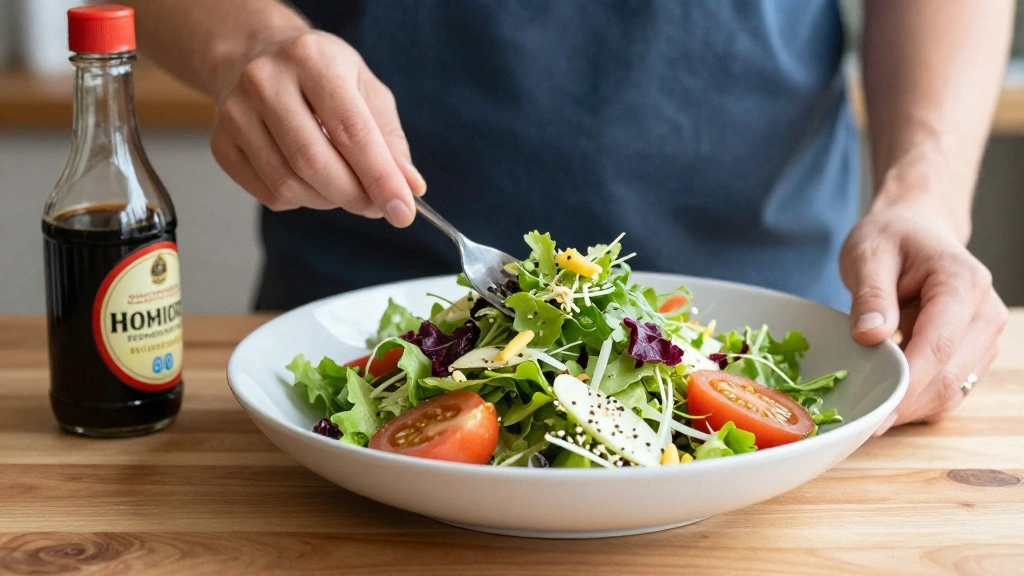
Add extra soy sauce or vinegar if needed to adjust seasoning.
A well-seasoned salad will have a harmonious balance of sweet, salty, and tangy notes.
This step is essential for achieving the desired flavor profile.
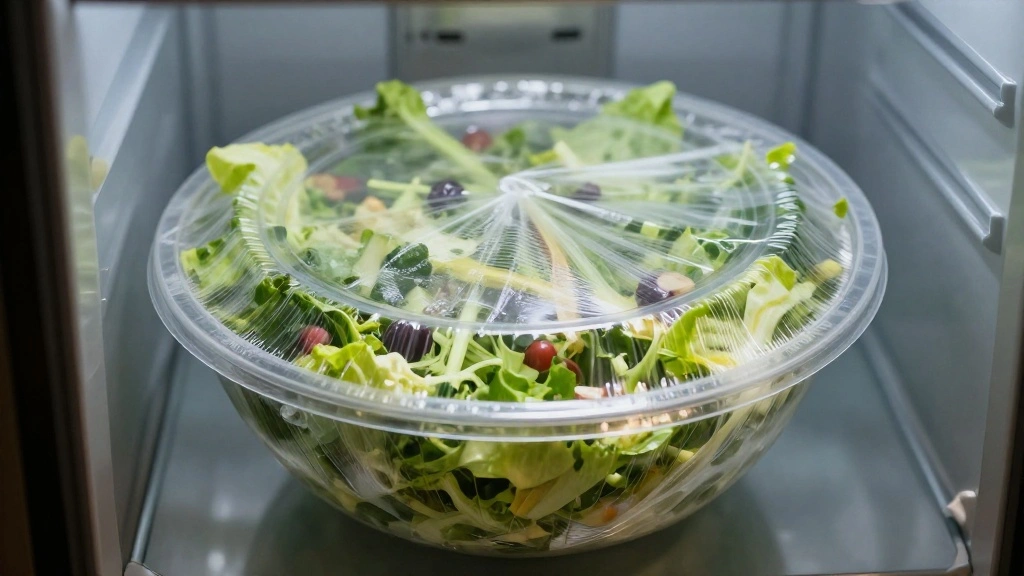
Chilling allows the flavors to meld together for a more cohesive taste.
Check that the salad is cold but not overly chilled, which can dull flavors.
Proper chilling enhances the refreshment factor of the salad.
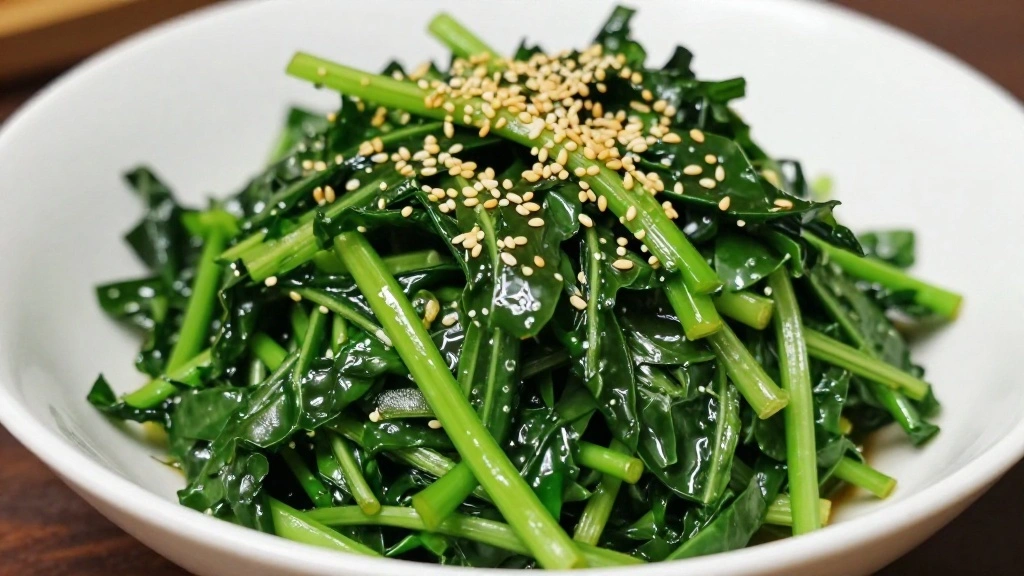
Give it a final toss to redistribute any dressing that has settled.
Garnish with sesame seeds or sliced almonds for extra texture.
Serve immediately to enjoy the salad at its peak freshness.
Drying the Cabbage: Ensure thorough drying; feel for dryness to the touch to prevent soggy salad. Excess moisture can prevent dressing from adhering properly.
Flavor Absorption: Allow the salad to rest after dressing; check for even coating. Avoid skipping this step, as it enhances flavor integration.
• Preparation Secret: Massaging the cabbage lightly with a pinch of salt before drying can enhance its crunch and flavor absorption.
• Temperature Management: Keep the salad chilled until serving to maintain its refreshing quality and prevent wilting.
• Texture Enhancement: Adding toasted nuts or seeds can elevate the salad’s texture, providing a satisfying crunch.
• Flavor Layering: Use a mix of fresh herbs like cilantro or mint to add depth and complexity to the salad.
• Make-Ahead Strategies: Prepare the dressing and slice the vegetables a day in advance; store them separately until ready to toss.
• Restaurant-Quality Finishing Touches: Garnish with a drizzle of chili oil or sprinkle of fried shallots for a gourmet touch.
• Equipment Optimization: Use a mandoline for uniform slices, enhancing presentation and texture consistency.
• Flavors Unbalanced: Overpowering vinegar or soy sauce can unbalance flavors; taste and adjust with honey or water. If too sweet, add a splash of vinegar or lemon juice.
• Dressing Separation: Improperly mixed dressing can separate; whisk vigorously to emulsify. If separation occurs, re-whisk before pouring over the salad.
• Vegetables Wilting: Exposure to air can cause wilting; keep the salad covered in the fridge. Serve immediately after tossing with dressing to maintain crispness.
• Overpowering Ginger: Too much ginger can dominate the salad; reduce quantity and balance with honey. If already mixed, add more vegetables to dilute the flavor.
• Thai-Inspired Version: Incorporates lime juice, fish sauce, and peanuts, offering a tangy and nutty profile; often enjoyed as a refreshing salad in Thai meals.
• Japanese Fusion Twist: Features miso paste in the dressing and seaweed flakes as a garnish, adding umami richness; popular in modern Japanese bistros.
• Vietnamese Influence: Uses fresh herbs like mint and basil, with a dressing of fish sauce and lime, for a fragrant and aromatic salad; commonly served with grilled meats.
• Osmosis in Vegetables: Salting the cabbage lightly before drying draws out excess moisture, enhancing crisp texture through osmosis.
• Flavor Compounds: Ginger contains gingerol, which imparts a warm, spicy flavor that activates taste receptors and complements the salad’s acidity.
Can this salad be made vegan? Yes, simply substitute honey with agave syrup or maple syrup for a vegan-friendly version.
What can I use instead of sesame oil? You can use toasted peanut oil for a similar nutty flavor, though it will alter the taste slightly.
How long can I store leftovers? Store leftovers in an airtight container in the refrigerator for up to 24 hours for the best texture.
Can I add protein to this salad? Absolutely, adding grilled chicken, shrimp, or tofu can make it a complete meal.
Is it necessary to chill the salad before serving? Chilling enhances the flavors and texture, but if time is short, serving immediately is fine.
What other vegetables can I add? Include cucumbers, radishes, or bean sprouts for additional crunch and flavor.
• Individual Portions: Present the salad in small, elegant bowls for a refined touch at dinner parties.
• Family Style: Arrange the salad on a large platter, allowing guests to serve themselves, perfect for casual gatherings.
• Layered Presentation: For a unique approach, layer the vegetables in a glass bowl to showcase their vibrant colors.
Its adaptability allows you to make it your own, whether as a side dish or a main course.
Try this recipe today and bring a taste of Asia to your table with minimal effort and maximum flavor.

Chinese Recipes
Chinese Recipes
Chinese Recipes
Chinese Recipes
Chinese Recipes