
Written by

Edited by

Affiliate Disclosure:
If you buy through links on our site, we may earn a small affiliate commission to help support the blog – at no extra cost to you. It never influences our product selection process. Thank you!
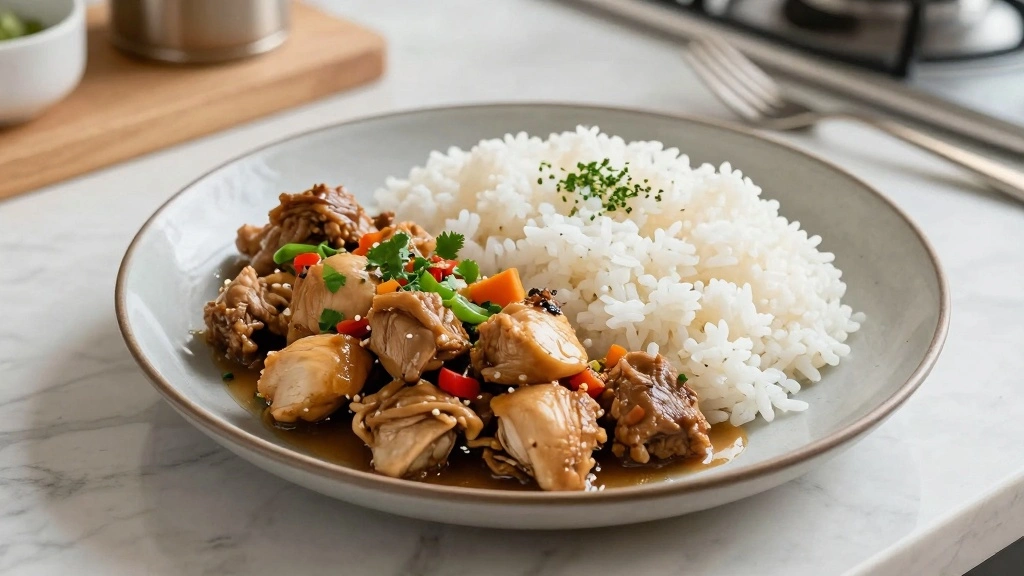
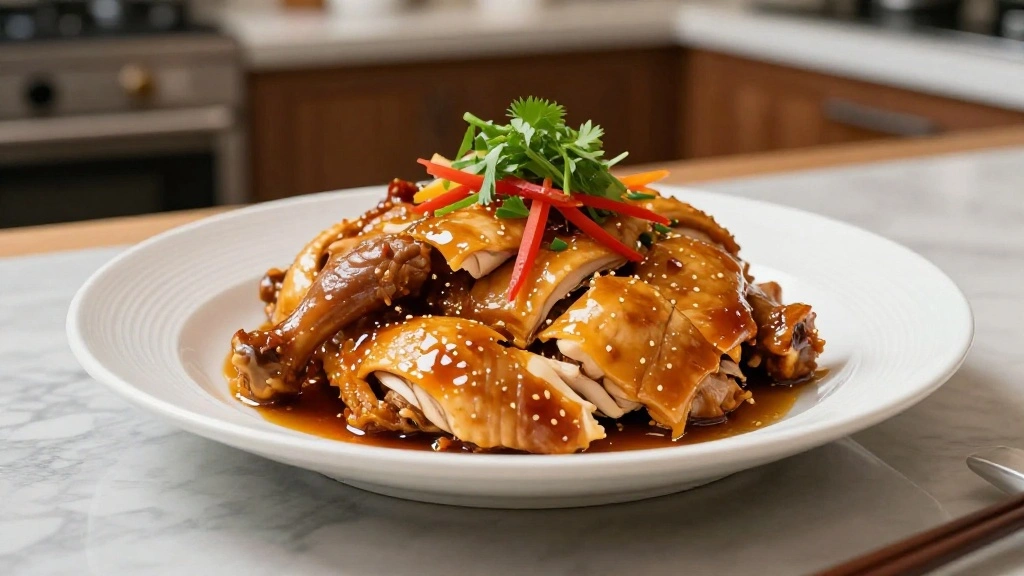
The harmonious blend of savory soy sauce, aromatic ginger, and tender chicken creates a symphony of flavors in this Chinese Chicken and Rice dish.
I first encountered this comforting recipe during a chilly autumn evening, when its warmth provided the perfect respite from the cold.
This one-pot wonder is a staple in many Chinese households, cherished for its simplicity and satisfying nature.
A dish that brings together family and friends, Chinese Chicken and Rice is both a taste of tradition and an invitation to indulge in culinary comfort.
With its straightforward preparation, this recipe is ideal for busy weeknights or leisurely weekends alike.
Let this dish transport you to the bustling heart of a Chinese kitchen, where the aroma alone is enough to captivate your senses.
• The dish evolved over decades as regional ingredients like soy sauce and ginger were incorporated, eventually becoming the beloved version we know today.
• In Chinese culture, this dish traditionally appears at family gatherings and celebrations, symbolizing unity and prosperity.
• While many variations exist across different regions, the authentic version maintains a harmonious balance of flavors that sets it apart from imitations.
Wooden Spoon: Using a wooden spoon prevents scratching the pot and allows for gentle stirring, which is crucial for maintaining the integrity of the rice grains.
Mesh Strainer: A mesh strainer is key for rinsing rice to remove excess starch, which helps achieve a fluffy texture. Choose a fine mesh to prevent rice grains from slipping through.
| Amount | Ingredient | Notes |
|---|---|---|
| 2 cups | long-grain white rice | rinsed to remove excess starch |
| 1.5 pounds | chicken thighs | skinless, boneless, cut into bite-sized pieces |
| Amount | Ingredient | Notes |
|---|---|---|
| 1/4 cup | soy sauce | adds umami richness |
| 1 tablespoon | oyster sauce | enhances savory depth |
| 2 teaspoons | sesame oil | imparts a nutty aroma |
| Amount | Ingredient | Notes |
|---|---|---|
| 1 cup | peas | frozen, adds color and texture |
| 1 large | carrot | diced, provides sweetness |
| Amount | Ingredient | Notes |
|---|---|---|
| 1 teaspoon | ginger | minced, fresh, adds warmth and spice |
| 2 cloves | garlic | minced, aromatic booster |
Searing Chicken: Searing locks in the juices and adds a caramelized flavor to the chicken. Heat a bit of oil in the pot over medium-high heat, add chicken pieces in a single layer, and let them brown undisturbed for a few minutes before turning.
Simmering: Simmering is the process of cooking the dish slowly on low heat, allowing flavors to meld. Ensure the pot is covered tightly, and maintain a gentle simmer to prevent the rice from burning or sticking.
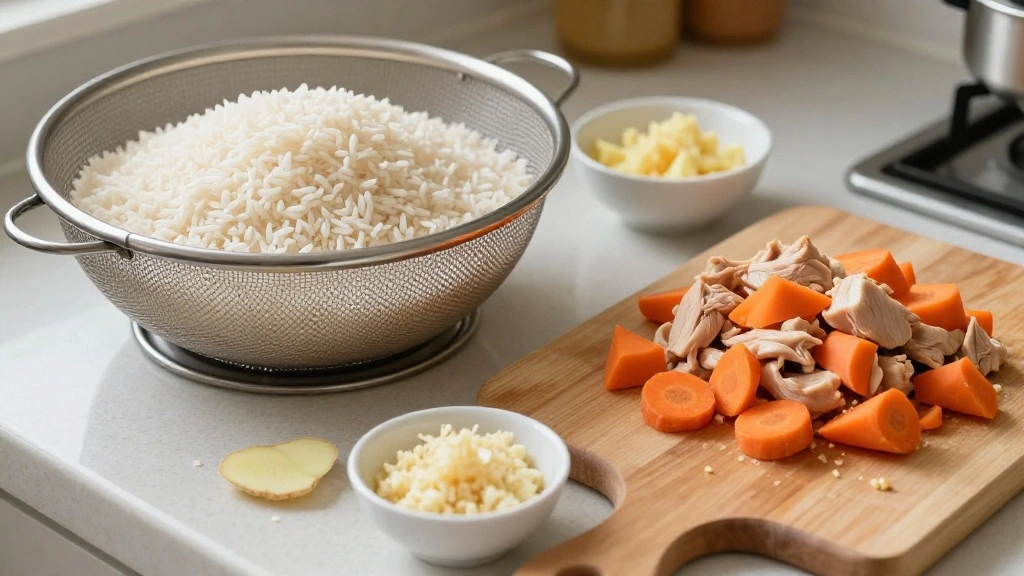
Cut the chicken thighs into bite-sized pieces and set aside.
Dice the carrot into small cubes and mince the garlic and ginger.
Gather all sauce ingredients for easy access.
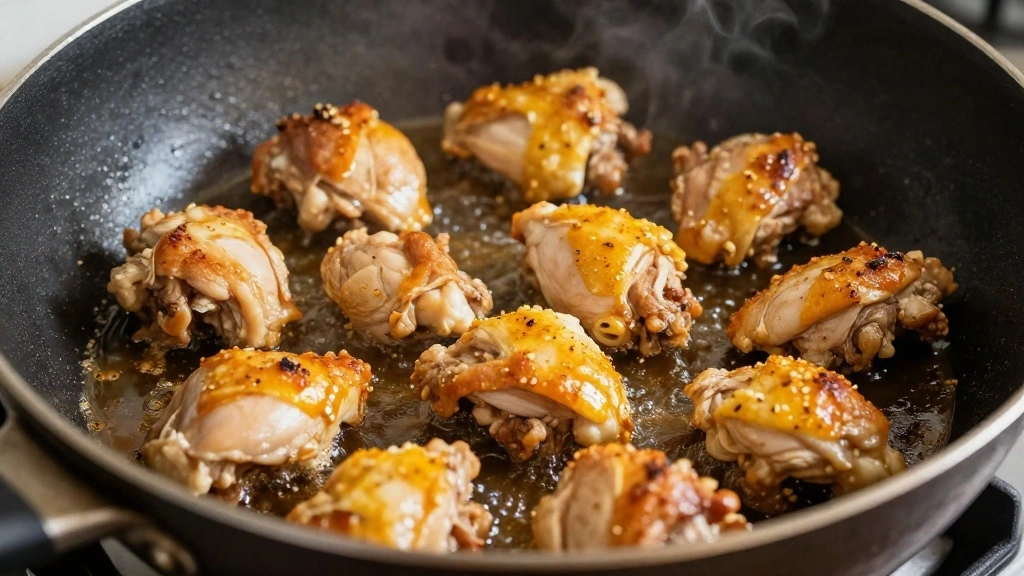
Add the chicken pieces in a single layer and let them sear without moving for 3-4 minutes.
Flip the chicken pieces to sear the other side until golden brown.
Remove the chicken from the pot and set aside, leaving the oil in the pot.
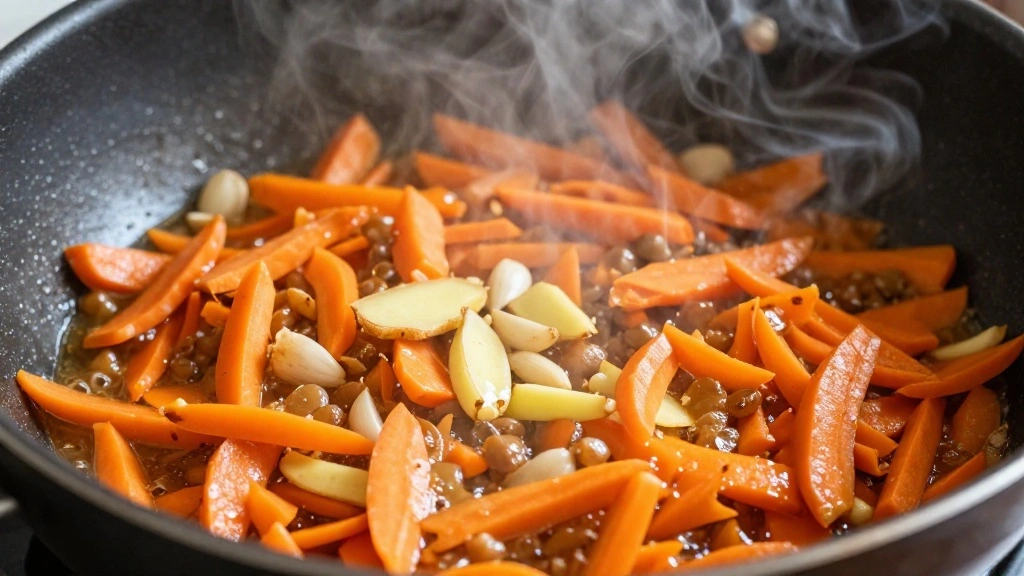
Sauté until fragrant, about 1 minute, stirring constantly to prevent burning.
Add diced carrots to the pot, mixing them with the aromatics.
Cook for another 2 minutes until carrots begin to soften.
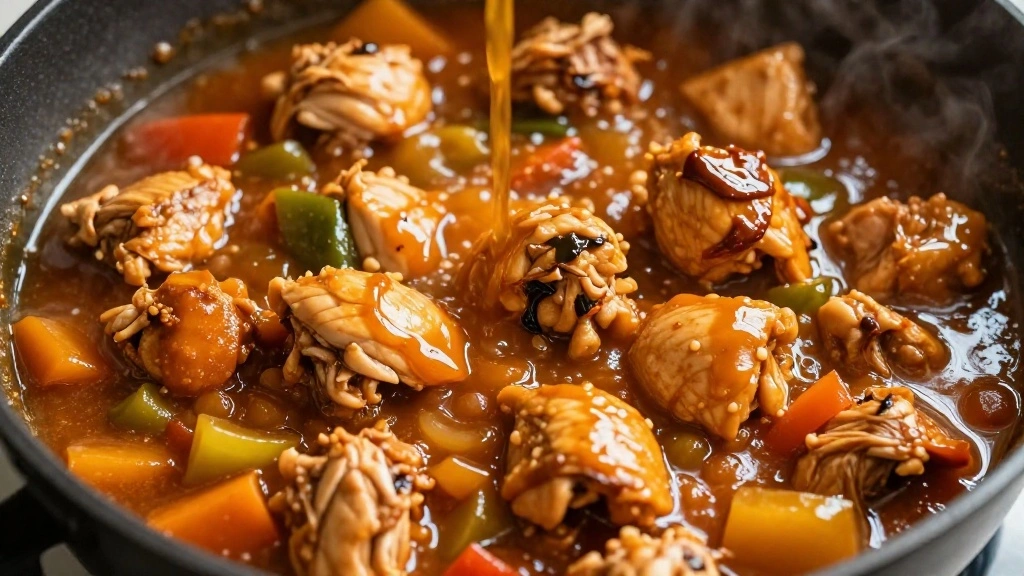
Add soy sauce, oyster sauce, and sesame oil to the pot.
Stir well to coat the chicken and vegetables with the sauce.
Cook for 2-3 minutes until the sauce begins to thicken slightly.
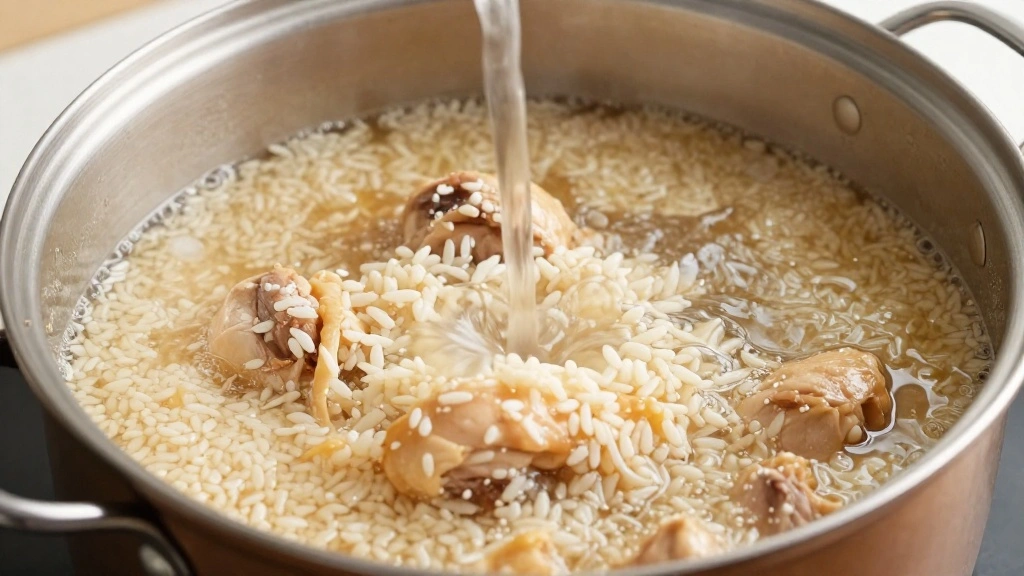
Pour in 3 cups of water, ensuring the rice is fully submerged.
Stir gently to distribute rice evenly throughout the pot.
Bring the mixture to a simmer over medium-high heat.
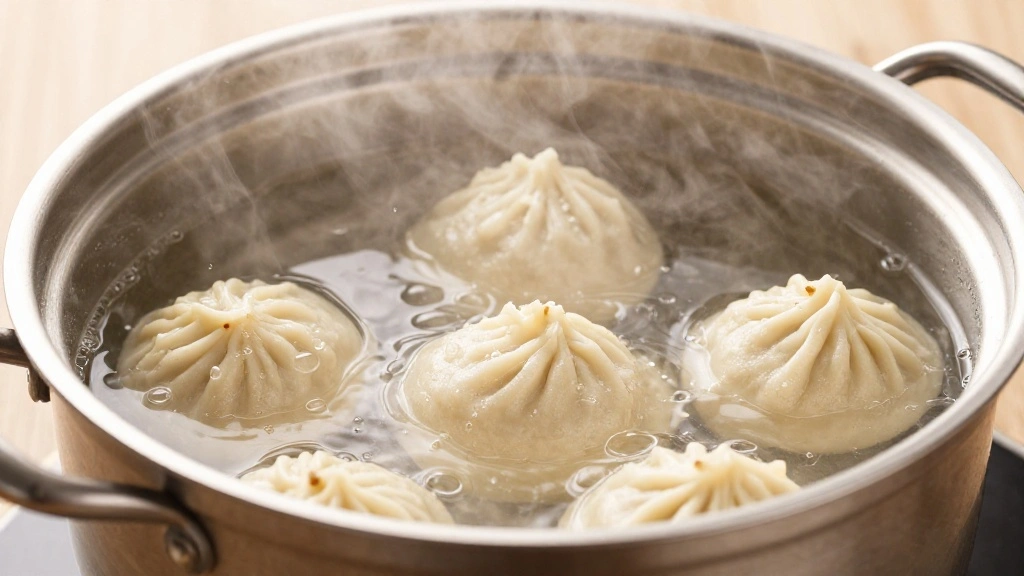
Cover the pot with a tight-fitting lid to trap steam.
Allow the dish to simmer gently for 15-20 minutes, without lifting the lid.
Check rice doneness by tasting a grain; it should be tender and cooked through.
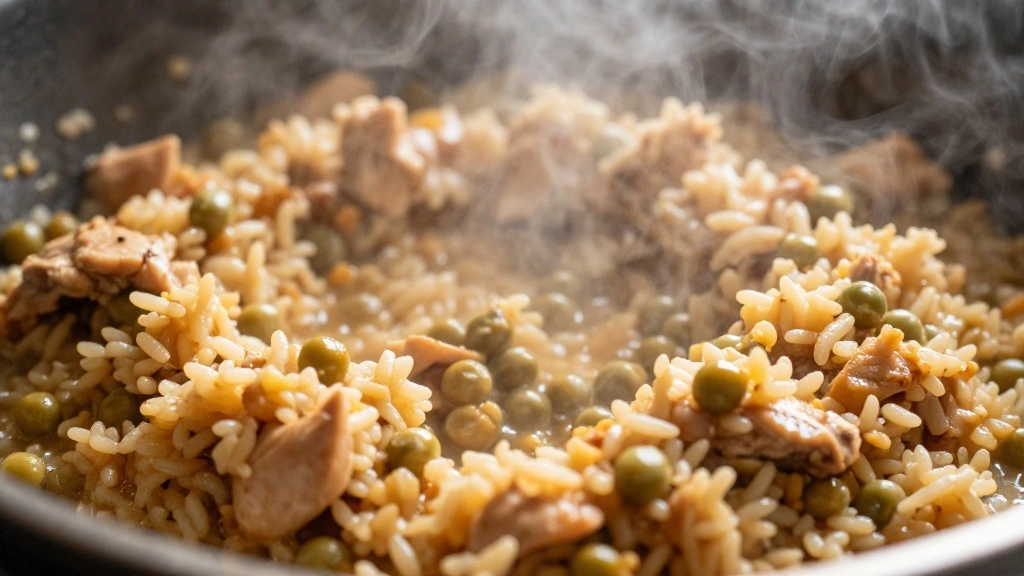
Cover the pot again and cook for an additional 5 minutes.
The peas should be bright green and tender when done.
Taste and adjust seasoning if necessary before serving.
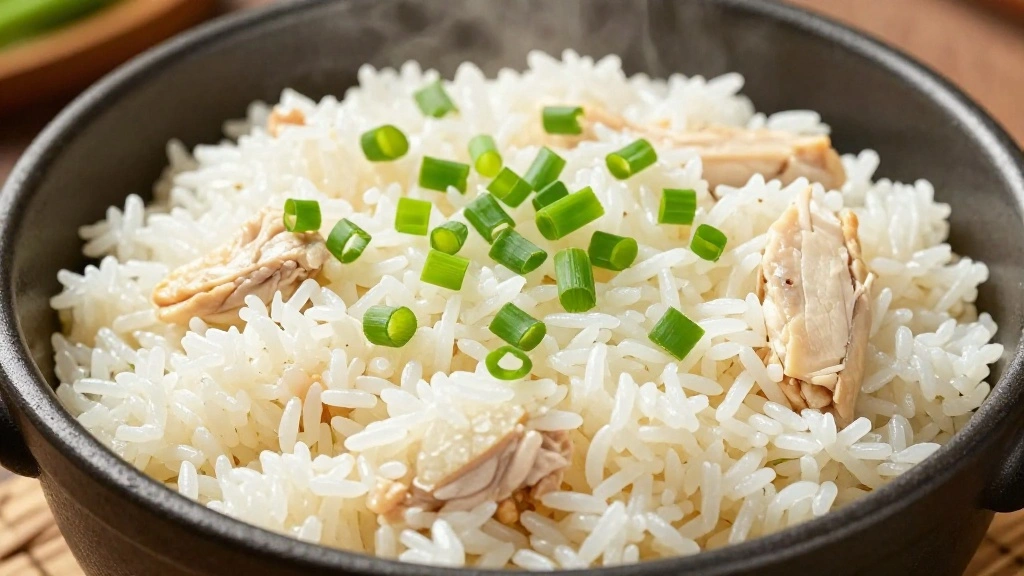
Fluff the rice gently with a fork before serving.
Garnish with sliced green onions or sesame seeds for a fresh touch.
Serve hot alongside steamed vegetables or a simple salad.
Rice Simmering: Simmer rice on low heat for 15-20 minutes. Ensure the pot is covered tightly to trap steam; do not lift the lid during this process to maintain proper cooking.
Final Resting: Let the dish rest off heat for 5 minutes. This allows the rice to settle and absorb any remaining moisture, ensuring a fluffy texture.
• Preparation Secret: Rinsing rice thoroughly removes excess starch, which is key to achieving fluffy, separate grains.
• Temperature Management: Ensure that the pot is at the right temperature before searing chicken to prevent sticking and to develop a good crust.
• Texture Enhancement: Use a heavy-bottomed pot to ensure even heat distribution, preventing rice from sticking or burning.
• Flavor Layering: Add a splash of soy sauce at the end of cooking for an extra depth of flavor that complements the cooked ingredients.
• Make-Ahead Strategies: Prepare the chicken and sauce ahead of time and store in the refrigerator for up to 24 hours. Combine with freshly cooked rice when ready to serve.
• Restaurant-Quality Finishing Touches: Garnish with freshly chopped green onions or toasted sesame seeds for a professional presentation.
• Equipment Optimization: Use a lid with a steam vent or slightly ajar to maintain simmering without boiling over.
• Chicken Overcooked: Occurs if simmered too long. Check chicken doneness at the searing stage; it should be partially cooked, as it will finish cooking with rice.
• Flavors Unbalanced: Results from too much or too little soy sauce or ginger. Adjust seasoning incrementally, tasting as you go.
• Burned Rice: Happens if the heat is too high during simmering. Maintain low heat and use a heavy-bottomed pot for even cooking.
• Undercooked Rice: Caused by lifting the lid too often during cooking. Keep the lid on and let rice steam adequately.
• Sichuan Variation: Incorporates spicy elements with the addition of Sichuan peppercorns and chili oil, creating a bold, spicy flavor profile.
• Hainanese Chicken Rice: A famous variation where the chicken is poached and served with fragrant rice cooked in chicken broth, accompanied by chili sauce and ginger paste.
• Shanghai Version: Features a sweeter profile with added dark soy sauce and sugar, often including bok choy or other leafy greens.
• Maillard Reaction: Searing the chicken creates a Maillard reaction, which enhances flavor through caramelization and browning.
• Emulsification: The combination of soy sauce and sesame oil forms an emulsion that coats the chicken and rice, enhancing flavor distribution.
Can I use brown rice instead of white rice? Yes, but it will require a longer cooking time and more liquid to achieve the desired texture.
How can I add more vegetables to this dish? Incorporate chopped bell peppers, broccoli, or snap peas for added color and nutrition.
Is it possible to make this dish vegetarian? Substitute chicken with firm tofu or tempeh and use vegetable broth instead of water.
What can I serve with Chinese Chicken and Rice? It pairs well with a simple cucumber salad or steamed bok choy.
How do I store leftovers? Store in an airtight container in the refrigerator for up to 3 days. Reheat gently to avoid drying out.
Can I freeze this dish? Yes, freeze in individual portions for up to 1 month. Thaw in the refrigerator before reheating.
• Individual Bowls: Serve in individual bowls for a more personalized presentation, garnished with fresh herbs or a drizzle of soy sauce.
• Family Style: Place the pot at the center of the table with small serving plates for everyone to share, encouraging communal dining.
• Elegant Plating: Use a ring mold to shape the rice and chicken mixture on a plate, topped with a sprig of cilantro or a slice of lime for a touch of elegance.
Its comforting nature makes it perfect for any occasion, bringing warmth and satisfaction to your table.
I encourage you to try this recipe and experience the joy of creating a beloved classic in your own kitchen.
Share this dish with loved ones and enjoy the harmony of flavors that Chinese cuisine offers.

Chinese Recipes
Chinese Recipes
Chinese Recipes
Chinese Recipes
Chinese Recipes