
Why do Chinese recipes use ginger for health benefits? This question taps into a rich history of culinary tradition and medicinal wisdom that has been cultivated over centuries. Ginger, a pungent and aromatic root, is one of the most revered ingredients in Chinese cuisine, not just for its flavor but also for its reputed health-promoting properties. Across many Chinese dishes, from simmering broths to stir-fries, ginger serves as a medicinal ingredient that enhances health, balances energy, and aids in recovery from illness. Exploring the role of ginger in Chinese cooking reveals a fascinating blend of tradition, science, and culinary artistry aimed at promoting wellness and longevity.
This article delves into why Chinese recipes use ginger for health benefits, uncovering its historical significance, key medicinal properties, active compounds, popular dishes that feature it, scientific backing, and practical ways to incorporate it into everyday diets. Understanding this compelling interplay between food and medicine in Chinese culture sheds light on the deep-rooted appreciation for ginger as more than just a spice, but a vital component of holistic health practices.
The Historical Use of Ginger in Traditional Chinese Medicine
Ginger’s history in Chinese medicine dates back over 2,000 years, reflecting its profound importance in traditional health practices. It was historically valued as a warming agent, believed to stimulate the body’s yang energy, invigorate circulation, and promote the flow of qi—life force energy—within the body. Ancient texts like the Shen Nong Ben Cao Jing classified ginger as a medicinal herb that could dispel cold, alleviate pain, and support digestion. This long-standing reliance on ginger underscores its integral role in balancing the body’s internal environment, especially in colder seasons or during illness.
Throughout Chinese history, ginger was not only used to treat common ailments such as nausea, indigestion, and colds but also considered essential for maintaining overall vitality. Its warm nature was thought to combat the cold and dampness often associated with traditional Chinese medical theories. Over time, Chinese healers developed specific preparations and recipes that combined ginger with herbs and other ingredients, forging a strong connection between culinary practice and healing. This historical perspective helps explain why ginger remains a cornerstone in Chinese cuisine today, embodying the principle that food can be medicine.


Key Health Benefits of Ginger as Highlighted in Chinese Recipes
Chinese recipes utilize ginger primarily to address health concerns rooted in traditional medical concepts such as balance and harmony. One of its most prominent benefits is its ability to warm the body and improve circulation, which is especially valued in people prone to cold limbs or digestive sluggishness. It is also believed to invigorate the spleen and stomach, enhance digestion, and prevent the formation of dampness and phlegm, thereby promoting overall vitality. Chinese recipes often pair ginger with ingredients like garlic, scallions, or rice wine, emphasizing its role in harmonizing flavors and health effects simultaneously.
Moreover, ginger is celebrated in Chinese cuisine for its role in preventing and alleviating colds and flu. Its natural anti-inflammatory and antimicrobial properties help boost the immune response, making it an ideal ingredient during winter months or when recovery from sickness is needed. Many traditional dishes and tonics incorporate ginger to aid circulation, dispel cold, and relieve muscle or joint pain. This holistic approach demonstrates how Chinese recipes leverage ginger not only for taste but also as a strategic medicinal tool aligned with the principles of traditional Chinese medicine.


Active Compounds in Ginger and Their Medicinal Properties
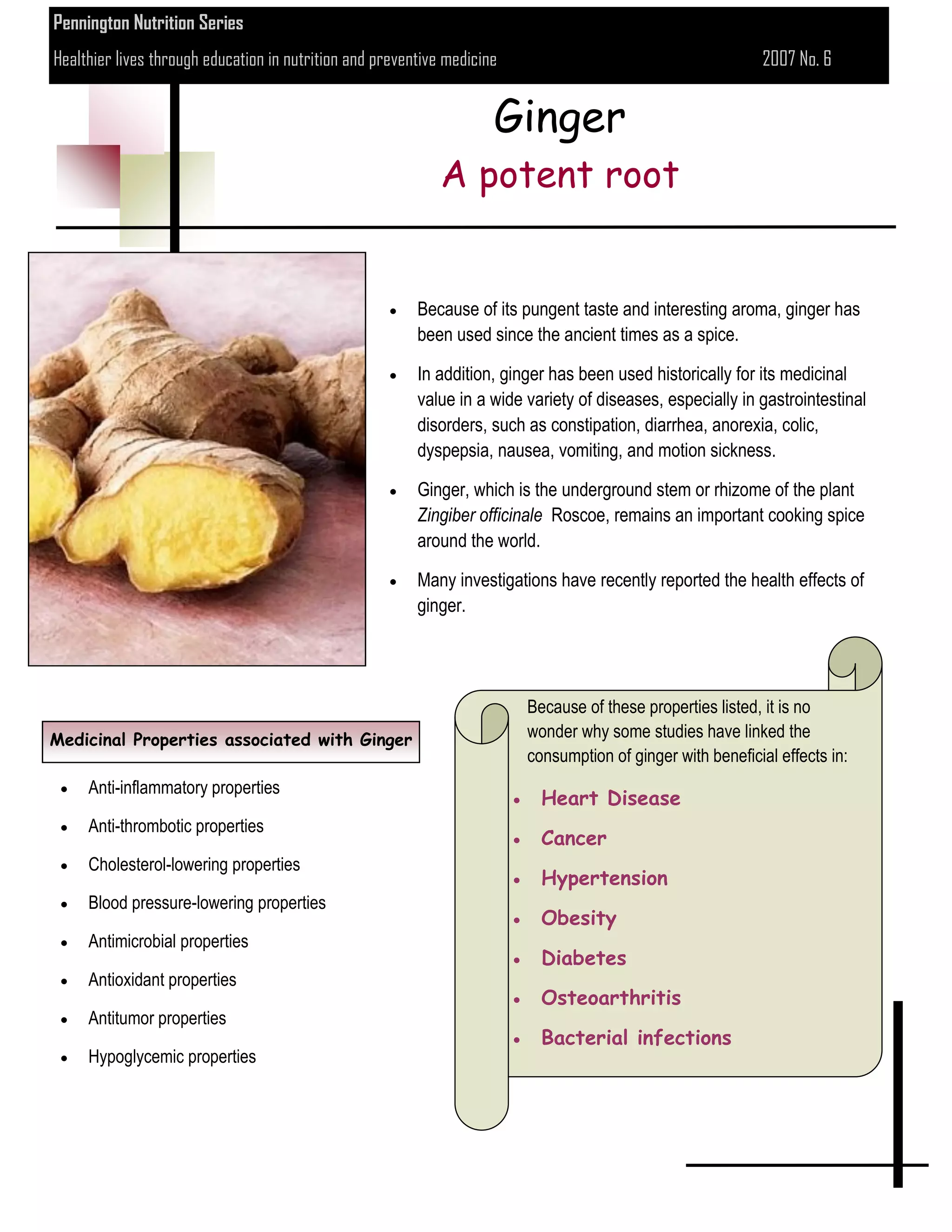
The therapeutic qualities of ginger primarily stem from its rich composition of bioactive compounds such as gingerol, shogaol, paradol, and zingerone. Gingerol, the most abundant compound in fresh ginger, is responsible for its distinctive pungency and has potent anti-inflammatory, antioxidant, and antimicrobial effects. When ginger is dried or cooked, gingerol transforms into shogaol, which maintains similar health benefits but with increased potency in some areas, particularly in pain relief and anti-inflammatory actions.
These compounds exert diverse medicinal properties. Gingerol and shogaol are known to inhibit pro-inflammatory pathways, reducing pain and swelling associated with arthritis or muscular discomfort. They also help in neutralizing free radicals, thereby protecting cells from oxidative stress linked to chronic degenerative diseases. Additionally, these compounds support digestive health by stimulating saliva, bile, and gastric juices, which improve nutrient absorption and reduce gastrointestinal discomfort. The presence of these potent bioactive ingredients makes ginger a natural and effective remedy embedded within Chinese culinary traditions.


Common Chinese Recipes Featuring Ginger for Enhanced Wellness

Many well-known Chinese dishes incorporate ginger not only for flavor but also for their health benefits. For example, Ginger Chicken (姜丝鸡) features shredded ginger paired with tender chicken, believed to invigorate digestion and strengthen immunity. The famous Ginger Duck stew combines ginger with rich duck meat, aimed at warming the body and boosting blood circulation, especially in cold climates. Additionally, Ginger Congee—a soothing rice porridge infused with fresh ginger—is often consumed during illness or recovery periods to restore strength and balance.
Steamed fish with ginger and scallions is another classic dish celebrated for its detoxifying and warming qualities. Traditional Chinese herbal soups, such as Ginger Pear Soup, blend ginger with fruits to help clear heat and detoxify the body. These recipes exemplify how ginger is seamlessly integrated into everyday cuisine for health promotion, reflecting a culinary philosophy that emphasizes the therapeutic potential of food. Personal anecdotes suggest that incorporating ginger regularly in meals contributes to a sense of vitality and resilience, affirming its revered status in Chinese dietary practices.


Scientific Evidence Supporting the Health Claims of Ginger in Chinese Cuisine
Modern scientific research increasingly substantiates the ancient health claims linked to ginger, aligning with its longstanding use in Chinese medicine. Numerous studies confirm ginger’s anti-inflammatory properties, demonstrating its ability to inhibit key mediators like prostaglandins and leukotrienes involved in pain and inflammation. Research also highlights ginger’s potential to reduce nausea, improve digestion, and support cardiovascular health by lowering blood pressure and cholesterol levels.
Recent clinical trials explore ginger’s role in immune modulation and cancer prevention, findings that resonate with traditional uses for strengthening the body’s defenses. Moreover, there’s evidence that ginger’s bioactive compounds can improve metabolic health, aid in weight management, and reduce markers of oxidative stress. While more extensive studies are ongoing, current scientific data bolsters the idea that incorporating ginger into Chinese dishes is a practical way to promote health naturally. These findings reinforce the wisdom that traditional culinary practices hold valuable medicinal insights for modern health management.
Integrating Ginger into Your Diet: Lessons from Chinese Culinary Practices
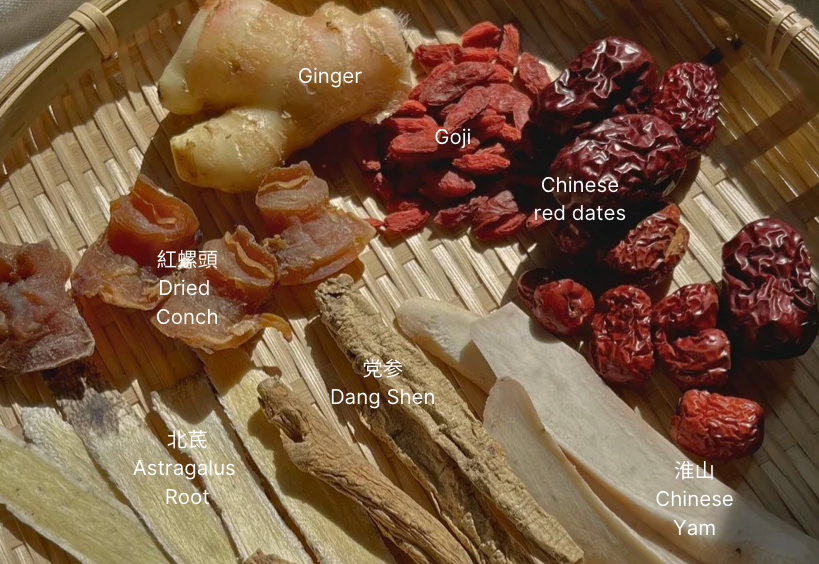
Emulating Chinese culinary standards involves appreciating ginger not just as a seasoning but as a functional ingredient that can elevate health and well-being. One approach is to use fresh ginger slices or julienned bits in stir-fries and soups, ensuring a balance between flavor and medicinal benefit. Tea infusions like ginger and honey or ginger with goji berries serve as simple tonics to stimulate digestion and boost immunity. Furthermore, incorporating ginger into homemade broths and slow-cooked dishes can maximize its healing properties while enriching flavor complexity.
Learning from Chinese culinary practices also means understanding the importance of seasonality and moderation. Traditionally, ginger is used more generously during colder months or when illness is present, aligning with its warming properties. To adopt this approach, experiment with small portions of fresh ginger in daily meals, emphasizing cooking methods like steaming, braising, or simmering to unlock its full medicinal potential. By integrating these lessons, one can enjoy flavorful, healthful dishes that honor centuries of culinary wisdom while supporting a balanced lifestyle.


Conclusion
Why do Chinese recipes use ginger for health benefits? The answer lies in a profound historical lineage where ginger has been valued as a medicinal and culinary treasure for thousands of years. Its ability to invigorate circulation, dispel cold, and support digestion reflects deep-rooted principles of traditional Chinese medicine that seamlessly integrate with culinary practices. Scientific studies increasingly corroborate the health-promoting properties of ginger’s active compounds, reinforcing its role as a natural remedy within Chinese cuisine. By understanding these cultural and scientific insights, modern enthusiasts can incorporate ginger thoughtfully into their diets, embracing the legacy of Chinese culinary wisdom that sees food as medicine—a philosophy that remains vital today for fostering health, vitality, and longevity.