
When is the ideal time to serve Thai mango sticky rice? This question is more nuanced than it appears at first glance. While many recognize this beloved Thai dessert as a spring or summer treat, determining the perfect moment to serve mango sticky rice involves a blend of cultural traditions, seasonal availability, ripeness of mangoes, and personal preferences. Understanding when to serve this dish not only enhances its flavor but also respects its cultural significance, turning a simple dessert into an authentic culinary experience. In this article, we will explore the various factors that influence the optimal timing, offering comprehensive insights into how to enjoy Thai mango sticky rice at its very best.
Understanding the Appeal: Why Mango Sticky Rice Timing Matters
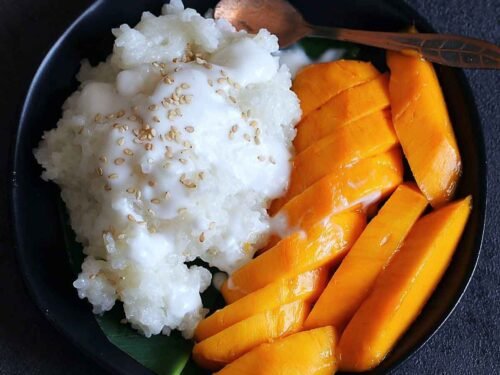
The timing of serving Thai mango sticky rice significantly affects its taste, texture, and overall sensory experience. Freshness is key—ideally, the mangoes should be at their peak ripeness when paired with the warm, sweet, and sticky rice. Serving it too early may mean underripe mangoes that lack sweetness and flavor, whereas waiting too long risks overripe or deteriorating fruit that can turn mushy or sour. When is the ideal time to serve Thai mango sticky rice? The answer hinges on harvesting and ripening cycles, ensuring the mangoes are both fragrant and sweet, harmonizing with the creamy rice for a balanced harmony.
Moreover, the timing influences not just flavor but presentation and cultural context. For many Thai households, this dish is associated with festive or seasonal occasions, and serving it at the right moment can elevate its significance. Whether served immediately after preparation to enjoy the full, warm contrast or chilled for a refreshing treat, understanding the ideal timing helps maximize enjoyment. Ultimately, the perfect moment to serve mango sticky rice is when the mangoes are at their sweetest and the rice is at its ideal consistency, creating an indulgent experience that delights the senses.



The Cultural Context: Traditional Occasions for Mango Sticky Rice Consumption
In Thailand, mango sticky rice is more than just a dessert; it’s a cultural icon associated with specific traditional occasions. Historically, it is most prominently enjoyed during the mango season, which spans from late March to June. During this period, the arrival of fresh, ripe mangoes coincides with local festivals and celebrations—highlighting a synchronized timeline that emphasizes freshness and regional harvest cycles. When is the ideal time to serve Thai mango sticky rice? Traditionally, it’s during this peak mango season, aligning with harvest festivals or family gatherings to celebrate abundance and seasonal freshness.
Beyond seasonal festivities, mango sticky rice also features in everyday life, often enjoyed as a quick snack or a special treat after meals. Its cultural roots are deeply woven into Thai heritage, making the timing of serving this dish significant. Serving it during the right occasion or season not only honors tradition but also enhances appreciation for the craft involved in selecting the best mangoes. So, while modern interpretations might allow for flexible serving times, respecting traditional timings—especially during peak mango season—ensures an authentic and culturally enriching experience.


Seasonal Availability and Mango Ripeness: Influencing the Optimal Time
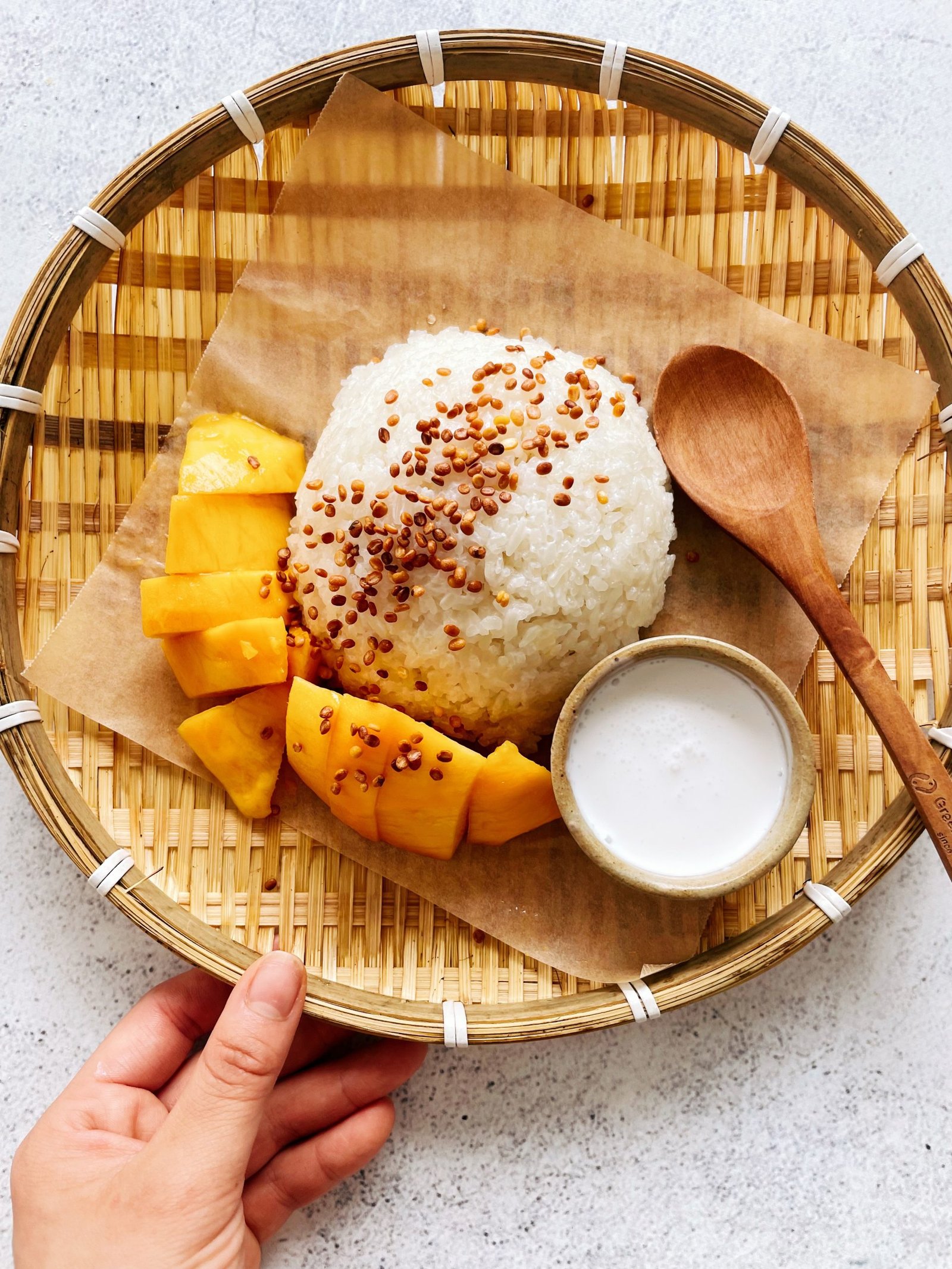
The core determinant of when is the ideal time to serve Thai mango sticky rice revolves around the seasonal availability and ripeness of mangoes. Mango varieties such as Nam Dok Mai, Keo Savoy, and Haden each have seasonal peaks, but all reach their best flavor during the dry season, particularly from late March to June. Ripeness is crucial—overripe mangoes may be too soft, fermenting and losing their sweetness, while underripe ones lack flavor and juice. The key is harvesting mangoes at their peak ripeness, which ensures maximum sweetness, aroma, and vibrant color, all essential for a delightful mango sticky rice experience.
Environmental factors and regional climate also influence ripening. In tropical regions, mangoes thrive and ripen in the warm, sunny months, making timing critical for sellers and consumers alike. When selecting mangoes for serving, look for those with a fragrant aroma, a slightly soft yet firm texture, and a bright, unblemished skin. Serving the dish when mangoes are at their prime ensures that the sweetness complements the sticky rice’s subtle savoriness, creating a harmonious flavor balance. Hence, understanding nature’s timing and choosing locally ripened mangoes are instrumental in pinpointing the best moment to serve this dish.


Considering the Meal Structure: Is Mango Sticky Rice a Dessert, Snack, or Treat?
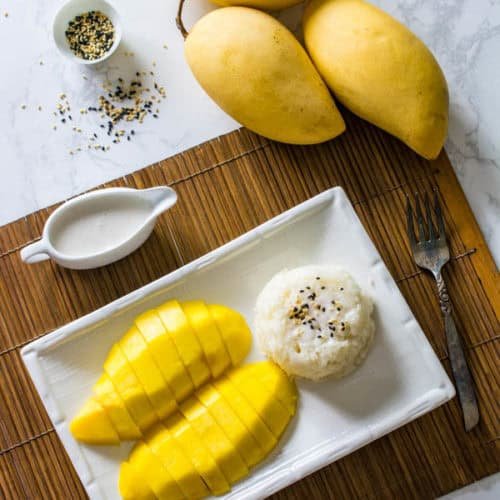
Classically, Thai mango sticky rice is considered a dessert, traditionally served after meals or during special occasions. Its sweet, creamy profile lends itself naturally to ending a meal on a satisfying note. The question of when is the ideal time to serve Thai mango sticky rice also depends on the meal structure and individual preferences—whether as a dessert, a snack, or even a main component of a larger meal. For a traditional setting, serving it chilled after lunch or dinner is the norm, allowing the flavors to meld and providing a refreshing contrast to savory dishes.
However, in modern culinary practices, mango sticky rice has transcended its conventional timing. It can be enjoyed as a mid-morning snack or even as a light afternoon treat. Its versatility means that when is the ideal time shifts from strict cultural norms to personal or contextual preferences. For instance, serving freshly prepared warm mango sticky rice during the hot daytime can be more comforting, while chilled versions are more suitable for warm evenings. The ideal timing, therefore, depends on the setting and purpose—serving it at the right moment enhances its role within the meal and enhances overall enjoyment.




Practical Considerations: Serving Temperature and Presentation for Maximum Enjoyment
Beyond timing, practical considerations such as serving temperature and presentation significantly influence the experience of mango sticky rice. Traditionally, the dish is served slightly warm or at room temperature to allow the flavors of coconut milk, rice, and mango to shine. However, many prefer it chilled, especially as a cooling dessert during hot weather—highlighting how flexible timing relates to serving style. To get the most out of the dish, it is essential to prepare it shortly before serving to maintain the integrity of flavors and textures, avoiding the deterioration that can occur with prolonged storage.
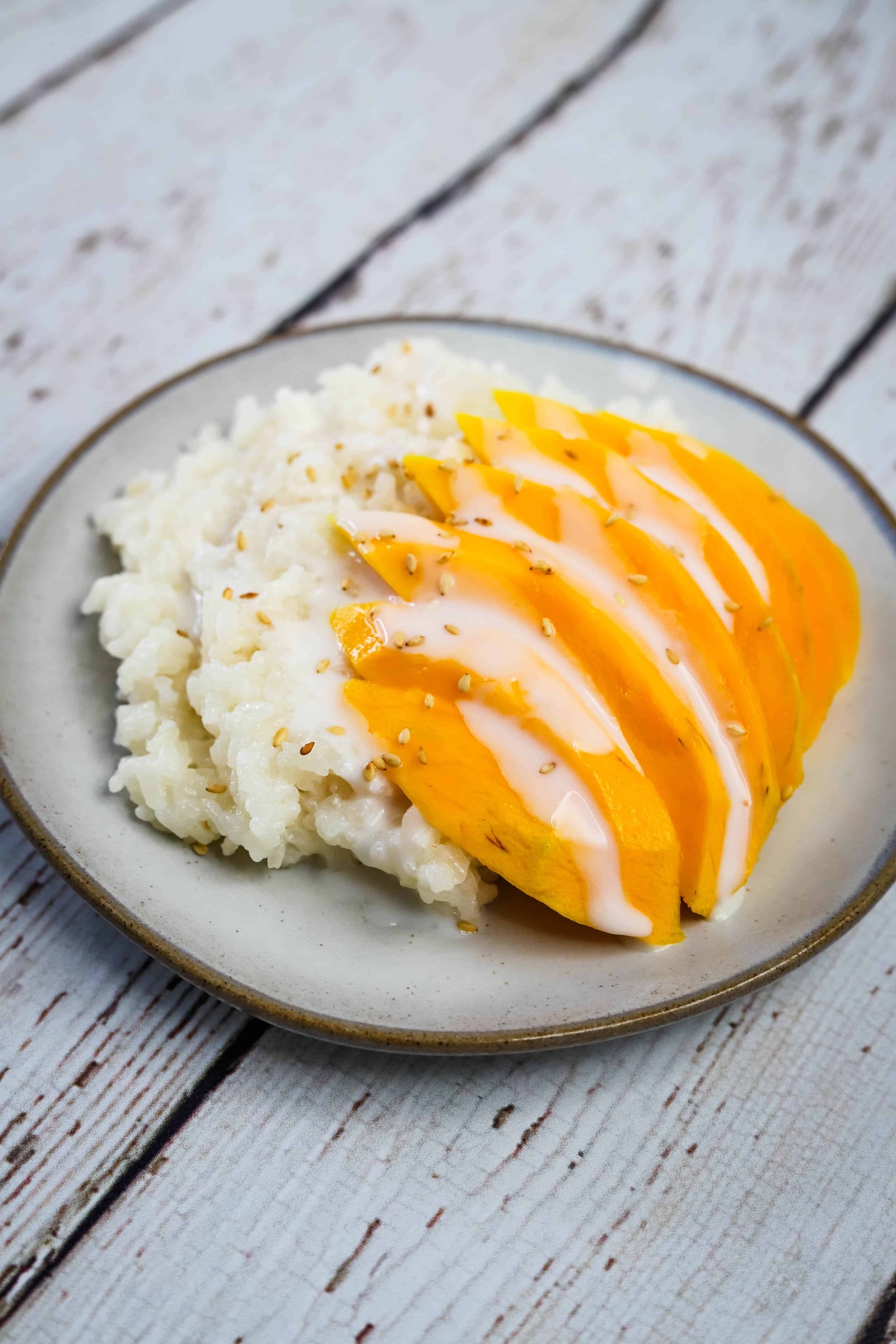
Presentation also plays an important role—carefully arranging the mango slices atop the rice, garnishing with toasted sesame seeds or mung beans, and pouring fresh coconut milk can elevate the visual appeal and gastronomic pleasure. Serving bowl temperature, mango ripeness, and added toppings should be coordinated to maximize texture contrast and flavor harmony. When serving the dish at its best, whether warm or chilled, the focus should be on fresh, vibrant ingredients and attractive presentation to create an engaging, multisensory experience.


Beyond Tradition: Modern Interpretations and Anytime Mango Sticky Rice
While tradition anchors Thai mango sticky rice to specific seasons and occasions, contemporary culinary innovation has expanded its appeal and availability. Chefs and home cooks now experiment with different ingredients, presentation styles, and serving contexts—transforming mango sticky rice into a versatile dish suitable for anytime indulgence. For example, mango smoothies, mousse, or ice-cream versions incorporate the core flavors but can be enjoyed year-round or even outside of mango season with frozen or imported fruit.
Furthermore, modern dining trends emphasize convenience and novelty—serving mango sticky rice as a street-food snack, a gourmet dessert with exotic toppings, or even as part of fusion cuisine. When considering when is the ideal time to serve Thai mango sticky rice in these contemporary contexts, the answer shifts from seasonal constraints to personal preference and occasion. Whether as a quick treat on a hot summer day or a refined dessert at a fancy dinner, the versatility of this dish makes it accessible anytime, as long as quality ingredients and careful preparation are prioritized. This flexibility allows us to enjoy the rich flavors of mango sticky rice whenever we crave it, transcending traditional boundaries.


Conclusion
Understanding when is the ideal time to serve Thai mango sticky rice involves a confluence of cultural traditions, seasonal cycles, ingredient ripeness, and personal preferences. Traditionally, the peak mango season in Thailand—from late March to June—sets the perfect stage for serving this dish at its freshest and most flavorful, aligning with cultural celebrations and harvest times. Nonetheless, modern adaptations and a global appreciation for this tropical delicacy have expanded its availability, enabling enjoyment at any time of year in various forms—whether as a warm, comforting dessert or a chilled, refreshing snack. Practical considerations such as serving temperature, presentation, and ingredient quality further influence the optimal experience. Ultimately, the best time to serve Thai mango sticky rice is when the mangoes are ripe, the rice is at ideal consistency, and the mood or occasion calls for it—ensuring every bite is a delightful harmony of sweetness, creaminess, and cultural richness.