
If you have ever wondered what is the best way to prepare Thai green curry at home?, you’ve come to the right place. This dish stands out for its vibrant color, aromatic richness, and harmonious balance of spicy, sweet, and savory flavors. Mastering the art of authentic Thai green curry requires understanding its core components, sourcing quality ingredients, and applying precise techniques. This guide will walk you through every step to craft a flavorful, authentic Thai green curry right in your own kitchen, making it a dish you’ll be proud to serve to family and friends.
Mastering the Fundamentals: Understanding Authentic Thai Green Curry Components

To truly grasp what is the best way to prepare Thai green curry at home, you must first appreciate its foundational ingredients. The key components include a fragrant green curry paste, coconut milk, protein (such as chicken, beef, tofu, or shrimp), fresh vegetables, and aromatic herbs. Authentic green curry paste is a blend of green chilies, garlic, shallots, lemongrass, galangal, coriander roots, and other spices—all roasted or ground to develop a complex flavor profile. The balance of these ingredients creates the signature vibrant green hue and depth of taste that characterize Thai green curry.
It’s essential to understand that Thai green curry is not just about heat; it’s a harmonious fusion of flavors. The paste’s freshness influences the final dish’s brightness, while the coconut milk adds creaminess and flavor depth. Fresh herbs like Thai basil, kaffir lime leaves, and cilantro are integral for authentic aroma and taste. Recognizing these components as essential building blocks ensures your homemade curry will evoke the authentic experience, rather than simply mimicking the flavor with store-bought shortcuts.




Ingredient Selection: Sourcing Premium Curry Paste and Fresh Produce
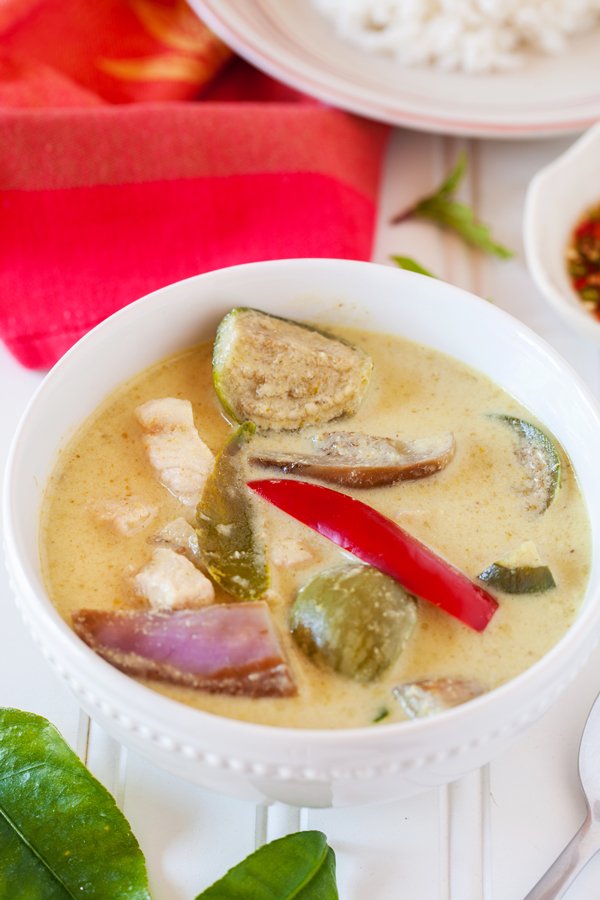
The quality of your ingredients can make or break your homemade green curry, so sourcing premium curry paste and fresh produce is paramount. While many supermarkets sell pre-made curry pastes, investing in a high-quality, authentic Thai green curry paste—either by making it yourself or purchasing from reputable brands—will significantly elevate your dish. Look for organic or freshly made pastes that contain natural ingredients with no artificial preservatives or coloring, ensuring a vibrant color and fresh flavor.
Similarly, choose the freshest vegetables and proteins available. Use ripe, firm chilies, garden-fresh basil, and fragrant kaffir lime leaves for the best aromatic impact. For your protein, opt for free-range chicken thighs, shrimp, or tofu that’s been properly prepared. Fresh produce contributes brightness and crunch, balancing the creaminess of the coconut milk. Remember, sourcing ingredients from Asian markets or specialty shops often yields superior quality produce, allowing you to replicate the authentic flavors you crave in your homemade Thai green curry.


Technique Decoded: Achieving the Perfect Consistency and Flavor Balance
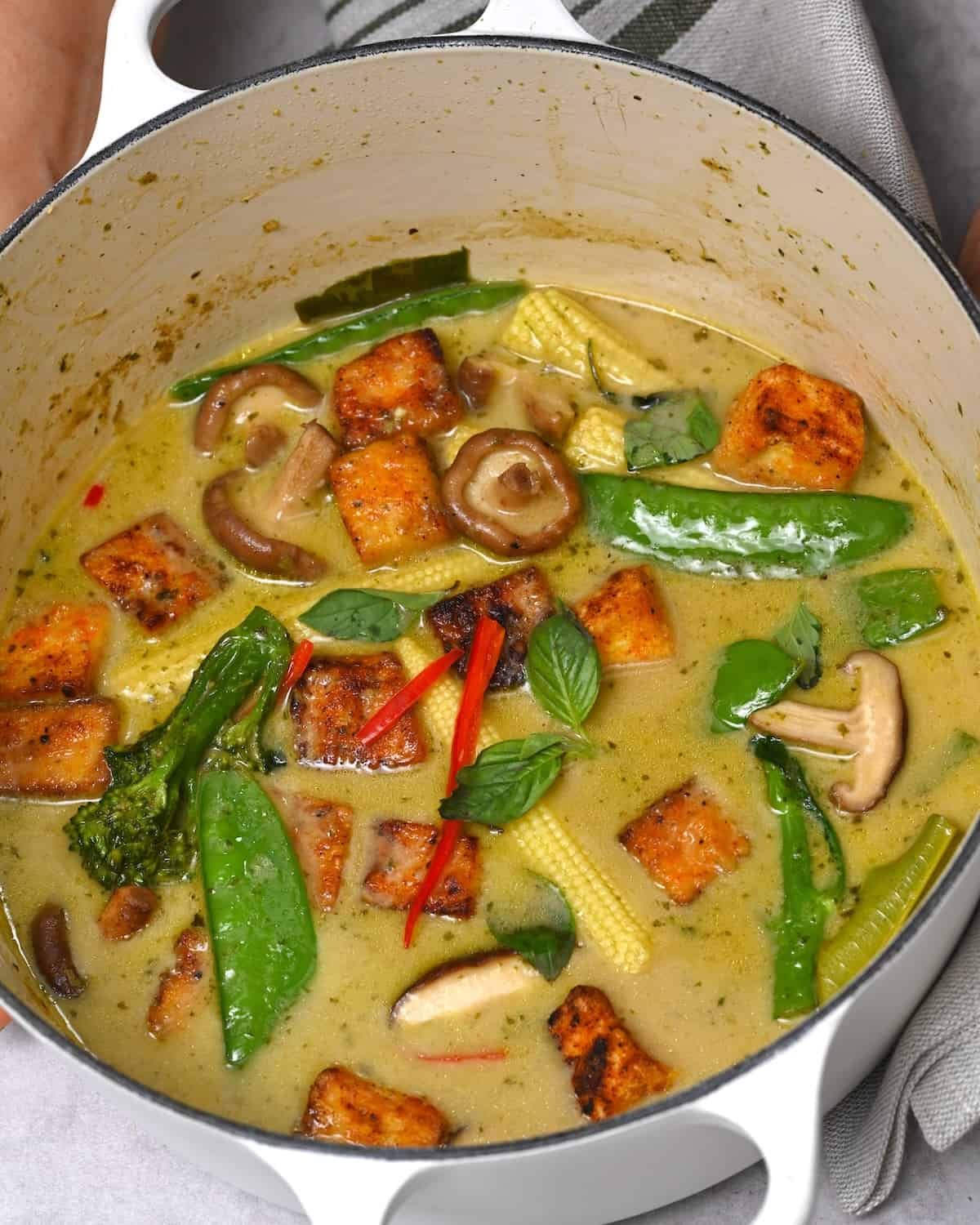
Understanding and applying the right techniques is the cornerstone of what is the best way to prepare Thai green curry at home. First, the curry paste should be sautéed carefully in a little oil over moderate heat to unleash its aromatic oils and intensify flavors. This step is critical: overcooking can diminish subtleties, while undercooking might result in a dull taste. Once fragrant, coconut milk is added gradually, stirring well to combine, creating a smooth, creamy sauce. Achieving the right consistency involves simmering gently; the sauce should thicken slightly without losing its silky texture.
Flavor balance is achieved through thoughtful seasoning and timing. Adjust the level of chili heat, sweetness (from sugar or coconut milk), and salt (soy sauce or fish sauce). Tasting and adjusting as you go ensures your curry hits all the right flavor notes. The technique of layering flavors—sautéing the paste first, then simmering the protein and vegetables—allows each component to develop fully. This refined approach yields a depth of flavor and a luscious, mouth-coating texture that exemplifies traditional Thai curry craftsmanship.



Step-by-Step Guide: Crafting Your Signature Homemade Green Curry

Starting your green curry journey can seem complex, but broken down into steps it becomes approachable and rewarding. Begin by heating a tablespoon of vegetable oil in a wok or deep skillet over medium heat. Add a few spoonfuls of your high-quality green curry paste, stirring constantly until aromatic, about 1-2 minutes. Next, pour in coconut milk gradually, stirring to form a fragrant, cohesive sauce. Let it simmer gently, allowing the flavors to meld and the oil to separate slightly from the coconut milk, signaling readiness for further ingredients.
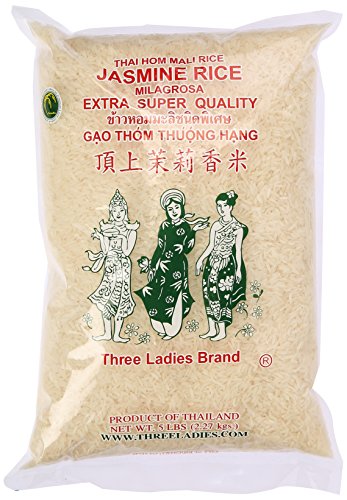
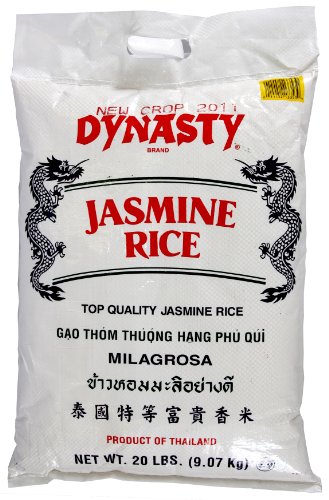
Add your choice of protein—cut into bite-sized pieces—and cook until just tender. Incorporate vegetables like bamboo shoots, zucchini, eggplants, or bell peppers, adding them in stages based on their cooking times. Simmer everything together for about 5-10 minutes, adjusting heat as necessary, until the flavors deepen and the sauce thickens to your liking. Finish with herbs—Thai basil leaves, kaffir lime leaves, and cilantro—sprinkled on top, and a splash of fish sauce or soy sauce for seasoning. Serve hot over jasmine rice for an authentic presentation. This step-by-step approach ensures a consistent, delicious result every time.


Troubleshooting and Variations: Customizing Your Green Curry Experience
Even with technical precision, you may encounter common issues such as overly oily sauce, bland flavor, or ingredients not blending well. To prevent an overly greasy curry, avoid excessive oil when frying the paste, and ensure coconut milk is mixed thoroughly. If the flavor seems muted, consider adding additional fish sauce, lime juice, or sugar to amplify umami, brightness, and balance. Adjusting these elements during cooking is crucial to tailoring the curry to your taste preferences.
Variations of Thai green curry can be adapted to suit dietary restrictions or creative twists. For example, you could substitute chicken with tofu or seasonal vegetables for a vegan version. Experiment with adding fruits like pineapple for a sweet contrast or incorporating different herbs like mint or Thai coriander for extra freshness. These personal touches allow you to craft a green curry that reflects your palate while respecting its authentic roots. Remember, customizing your green curry is part of the culinary journey, enabling you to develop your own signature style over time.


Presentation and Pairing: Serving Your Authentic Thai Green Curry
Presentation plays an invaluable role in elevating your green curry experience. Serve the curry in a warmed bowl and garnish generously with fresh Thai basil leaves, thin slices of chili, and sprigs of cilantro for vibrant color and aroma. A side of jasmine rice, steamed to fluffy perfection, serves as the ideal canvas for soaking up the rich, flavorful sauce. Incorporating traditional Thai tableware or even banana leaves can add an authentic touch, enhancing the visual appeal of your dish.
Pair your green curry with complementary beverages to enhance the dining experience. An icy Thai iced tea or a light, aromatic white wine such as Gewürztraminer balances the spice and richness of the curry. For a more traditional approach, serve with a cold beer or sparkling water infused with lime. Presentation and pairing are the final strokes that turn a homemade Thai green curry into a memorable culinary event, bringing together visual, aromatic, and taste elements that celebrate Thai cuisine’s vibrant spirit.


Conclusion
In exploring what is the best way to prepare Thai green curry at home, we’ve uncovered the importance of understanding its fundamental components, sourcing quality ingredients, and applying authentic techniques. From selecting fresh herbs and curry paste to mastering the simmering process, each step contributes to creating a harmonious, flavorful dish that captures the essence of Thai cuisine. Customizing your curry through variations and plating thoughtfully elevates the experience from simple cooking to a culinary celebration. With patience and attention to detail, your homemade Thai green curry can rival those from renowned restaurants, offering a delightful journey into Thailand’s vibrant flavors within the comfort of your home.