
Written by

Edited by

Affiliate Disclosure:
If you buy through links on our site, we may earn a small affiliate commission to help support the blog – at no extra cost to you. It never influences our product selection process. Thank you!
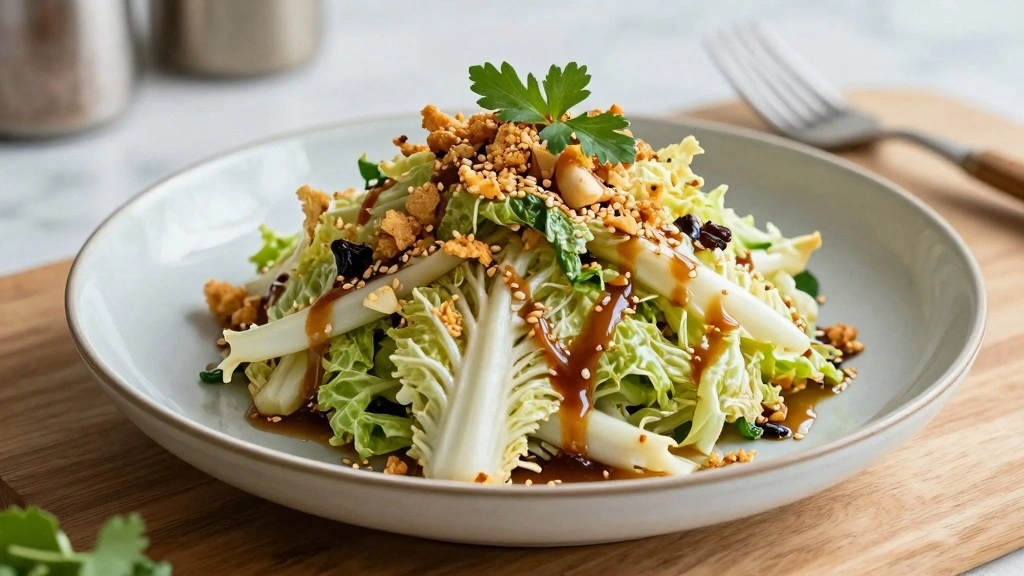
I first encountered Chinese Cabbage Salad during a vibrant spring festival, where its refreshing taste stood out amidst the rich flavors of traditional dishes.
The crisp texture of Chinese cabbage combined with the nutty, toasted sesame dressing creates a delightful balance.
This salad is not only a feast for the palate but also a visual delight with its array of colors and textures.
Perfect for a summer picnic or as a side for a hearty dinner, this dish is as versatile as it is delicious.
Whether you’re a fan of Asian cuisine or just looking for a light, healthy option, this salad is sure to satisfy.
Its simple preparation makes it a favorite for both novice cooks and seasoned chefs.
• The dish evolved over decades as chefs incorporated local vegetables and spices, eventually becoming the beloved version we know today.
• In Chinese culture, this dish traditionally appears at Lunar New Year celebrations, symbolizing prosperity and good health.
• While many variations exist across different regions, the authentic version maintains the use of napa cabbage and sesame dressing that sets it apart from imitations.
Mixing Bowls: A set of mixing bowls of various sizes is essential for tossing the salad without spilling. Stainless steel or glass bowls are ideal as they do not retain odors or flavors. Ensure the bowls are large enough to accommodate the salad ingredients comfortably.
Whisk: A small whisk is important for emulsifying the sesame dressing, ensuring a smooth and well-mixed consistency. If a whisk is unavailable, a fork can be used, but it may require more effort. Choose a whisk with a comfortable handle and flexible wires.
| Amount | Ingredient | Notes |
|---|---|---|
| 1 head | napa cabbage | sliced thinly for crisp texture |
| 1 cup | red cabbage | adds color and crunch |
| 2 medium | carrots | julienned for sweetness and texture |
| Amount | Ingredient | Notes |
|---|---|---|
| 3 tablespoons | sesame oil | adds nutty flavor |
| 2 tablespoons | soy sauce | provides umami |
| 1 tablespoon | rice vinegar | adds acidity |
| 1 tablespoon | honey | balances flavors |
| Amount | Ingredient | Notes |
|---|---|---|
| 1/4 cup | toasted sesame seeds | adds texture and nutty flavor |
| 1/4 cup | slivered almonds | toasted for extra crunch |
Toasting Nuts and Seeds: Toasting enhances the flavor of the nuts and sesame seeds by bringing out their natural oils. Use a dry pan over medium heat, stirring constantly until golden and fragrant.
Emulsifying the Dressing: Whisk together the sesame oil, soy sauce, rice vinegar, and honey until the mixture becomes smooth and slightly thickened, ensuring the oil and vinegar do not separate.
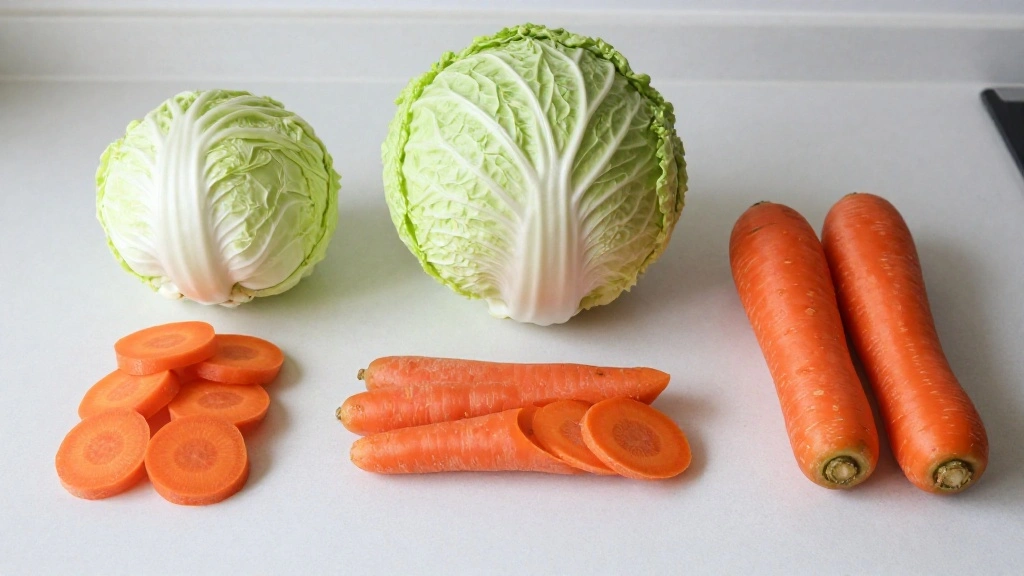
Wash the napa cabbage, red cabbage, and carrots thoroughly under running water.
Pat dry the vegetables with a clean kitchen towel to remove excess moisture.
Arrange them on a cutting board for easy access during preparation.
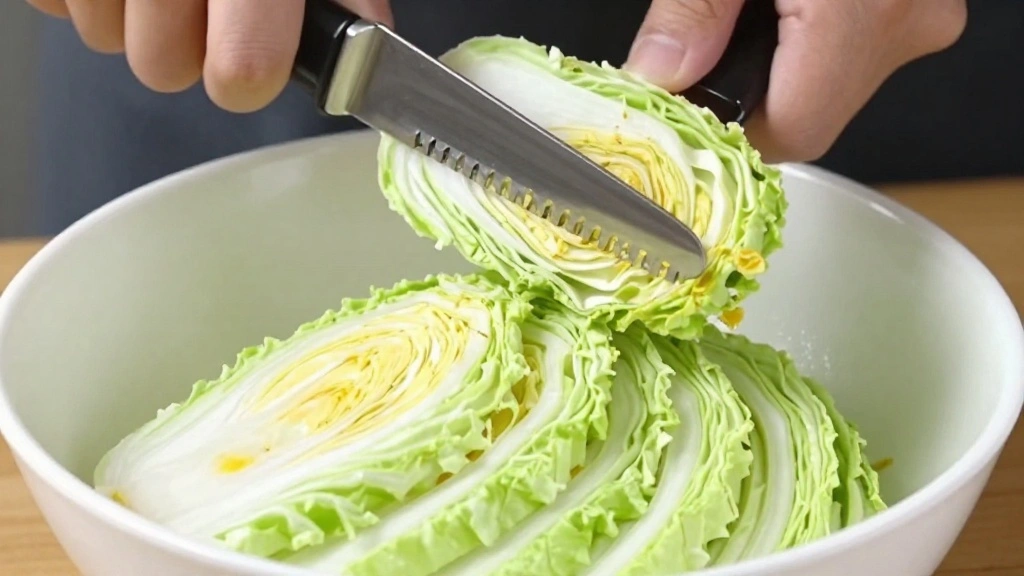
Repeat the process with the red cabbage for color contrast.
Ensure slices are even to allow for uniform mixing and presentation.
Place the sliced cabbages in a large mixing bowl.
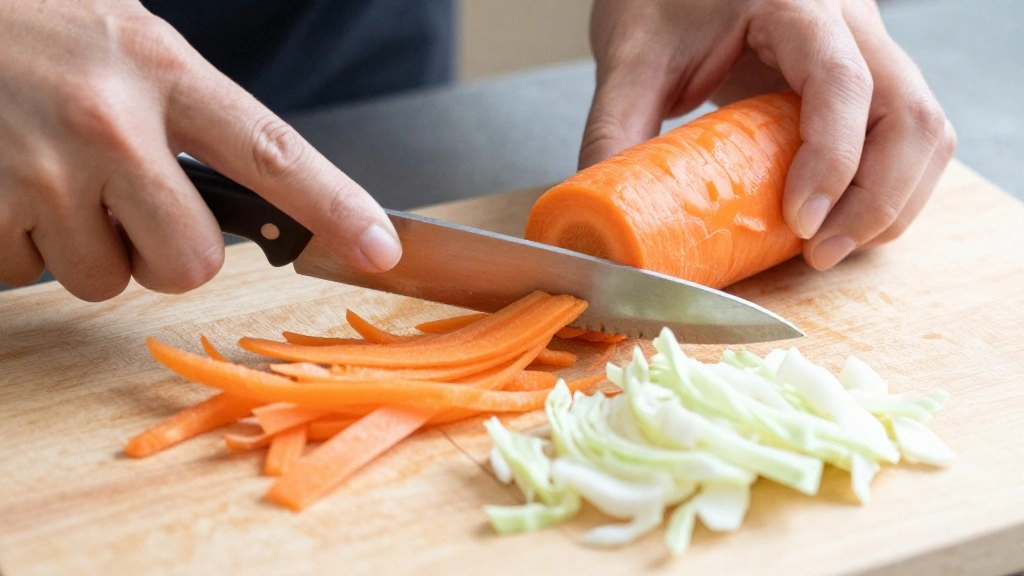
Use a julienne peeler or a sharp knife to create thin, even strips.
Aim for consistent thickness to ensure they blend well with the cabbage.
Add the julienned carrots to the mixing bowl with the cabbage.
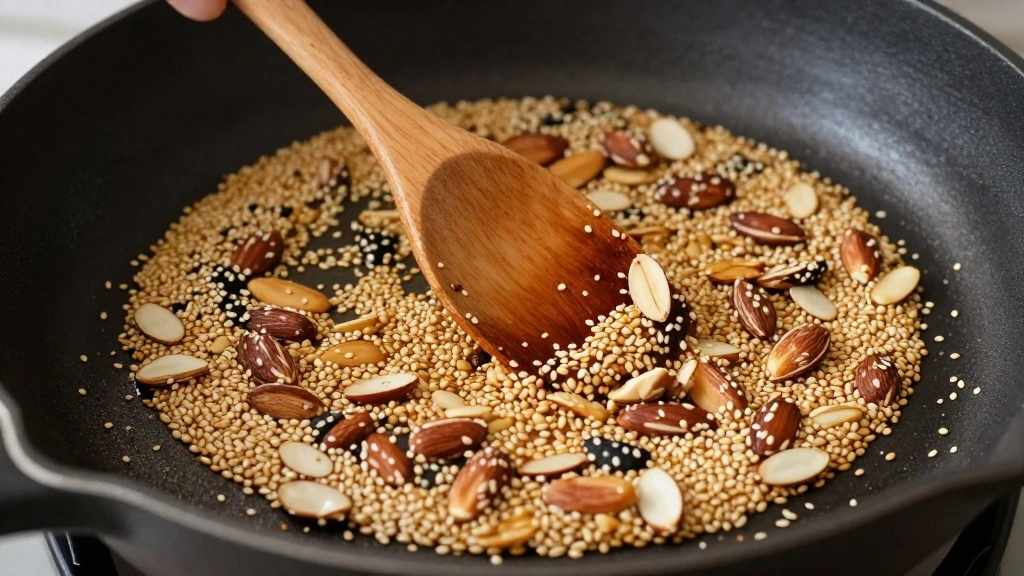
Stir continuously to avoid burning and ensure even toasting.
Remove from heat once they become golden and fragrant.
Set aside to cool before adding to the salad.
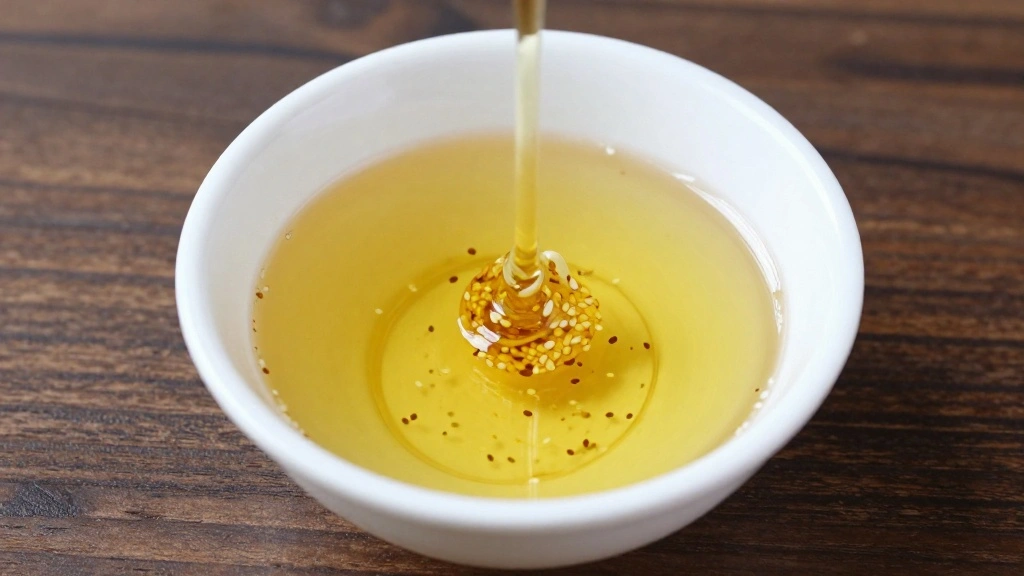
Use a whisk to blend the ingredients until the dressing is smooth and emulsified.
Taste and adjust seasoning if necessary, balancing sweetness and acidity.
Set aside for use in the final salad assembly.
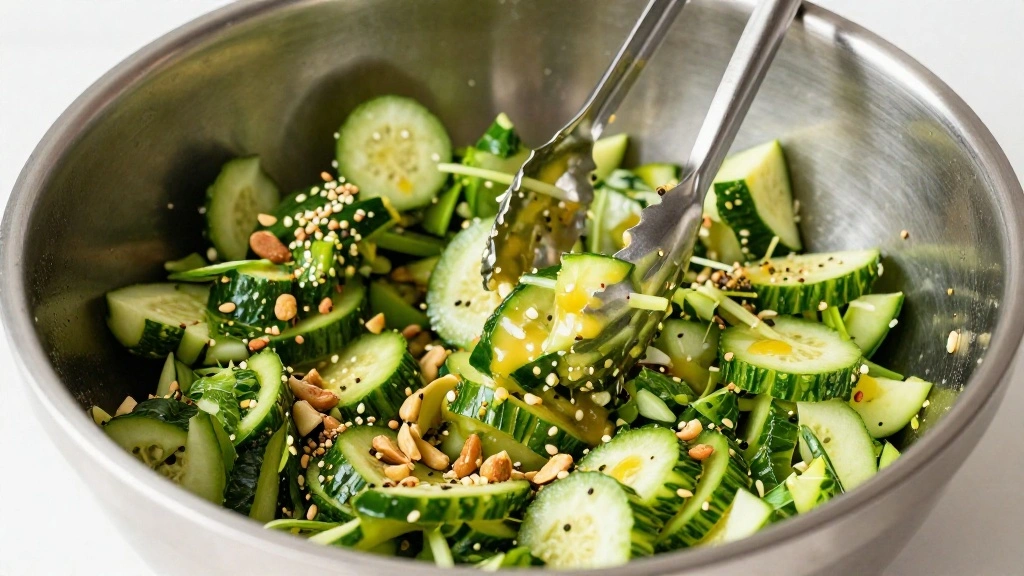
Use salad tongs to gently toss the ingredients, ensuring even coating with the dressing.
Incorporate the toasted nuts and seeds evenly throughout the salad.
Toss again lightly to combine all components.
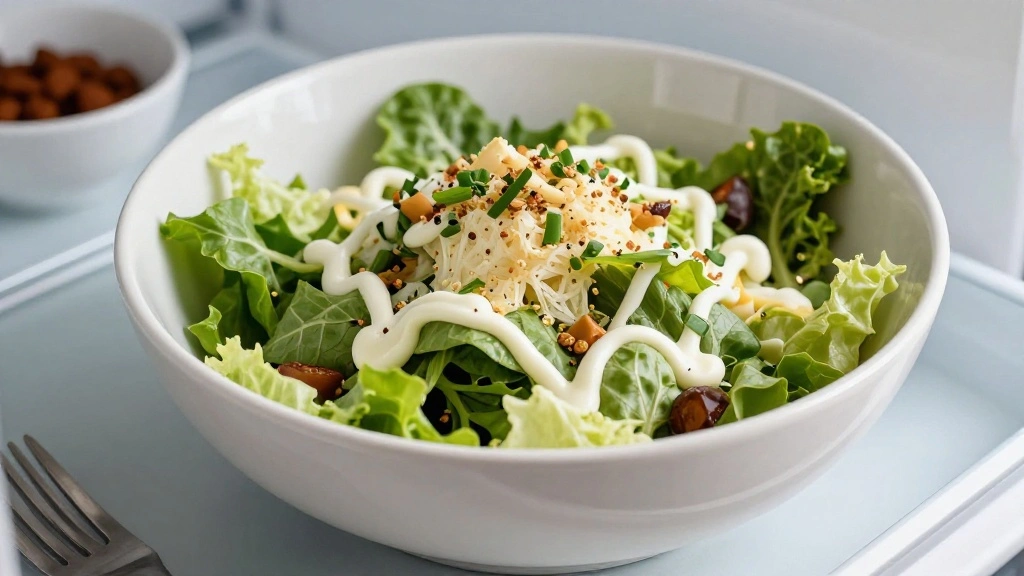
Cover with plastic wrap or a lid to keep it fresh.
Refrigerate for at least 15 minutes to allow flavors to meld together.
Chilling also helps the salad maintain its crisp texture.
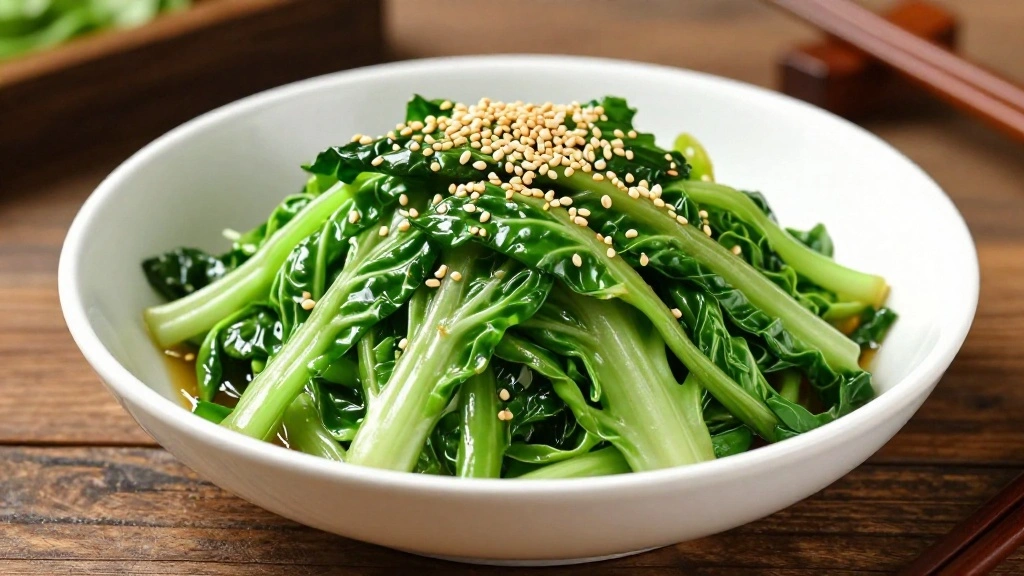
Give the salad a final toss to refresh the ingredients.
Garnish with additional sesame seeds or sliced green onions for added flavor.
Serve immediately for best texture and taste.
Emulsifying the Dressing: Whisk for about 2 minutes until the dressing is smooth and thickened. Ensure ingredients are at room temperature for easier emulsification.
Chilling the Salad: Refrigerate for at least 15 minutes before serving. Avoid leaving it too long to maintain crispness.
• Preparation Secret: Letting the salad rest in the refrigerator for a short period allows the flavors to meld without losing crispness.
• Temperature Management: Use chilled vegetables and a cold bowl to keep the salad refreshing and crunchy.
• Texture Enhancement: Julienne the carrots finely to match the cabbage’s texture, ensuring a harmonious bite.
• Flavor Layering: Toasting the sesame seeds enhances their nutty flavor, adding depth to the salad.
• Make-Ahead Strategies: Prepare the vegetables and dressing separately up to a day in advance, combining them just before serving.
• Restaurant-Quality Finishing Touches: Garnish with freshly chopped cilantro or mint for a burst of freshness and color.
• Equipment Optimization: Use the sharpest blade on your mandoline for precise slices and ease of preparation.
• Flavors Unbalanced: Adjust the soy sauce and honey in the dressing to balance saltiness and sweetness if needed.
• Texture Too Tough: Slice the cabbage thinner, and use the freshest produce to maintain a tender, crisp texture.
• Dressing Separation: Whisk the dressing ingredients thoroughly or add a small amount of mustard to help emulsify.
• Nuts and Seeds Burning: Toast on medium heat and stir constantly. Remove from heat as soon as they turn golden.
• Overpowering Sesame Taste: Reduce the amount of sesame oil in the dressing or combine with a neutral oil.
• Japanese Style: Incorporates miso paste into the dressing, adding a savory umami depth, often garnished with nori strips.
• Thai-Inspired Version: Uses lime juice and fish sauce in the dressing, adding cilantro and peanuts for a Southeast Asian twist.
• Western Adaptation: Adds ingredients like apple slices or cranberries for sweetness, and uses a balsamic vinaigrette as dressing.
• Maillard Reaction in Toasting: Toasting the nuts and seeds triggers the Maillard reaction, enhancing flavor and aroma through browning.
• Cellular Structure of Cabbage: Thin slicing disrupts cabbage cells, releasing water and allowing flavors to penetrate, while maintaining crunch.
Can I make this salad in advance? Yes, but it’s best to combine the dressing and vegetables just before serving to maintain freshness.
How do I store leftovers? Store in an airtight container in the refrigerator for up to two days, but note that texture may soften.
What can I substitute for napa cabbage? Savoy cabbage or green cabbage can be used, though the texture will differ slightly.
Is there a vegan version of this salad? Use maple syrup instead of honey for a vegan-friendly dressing.
Can I add protein to this salad? Yes, grilled chicken or tofu can be added for a more substantial meal.
How do I ensure my cabbage stays crisp? Keep cabbage cold and dry before preparation, and avoid overdressing the salad.
• Individual Portions: Plate small servings in individual bowls or plates with a sprinkle of toasted almonds on top.
• Family Style: Present in a large serving dish with tongs for easy self-serving at gatherings.
• Modern Plating: Use a ring mold to form compact, circular portions, topped with a drizzle of extra dressing.
Its vibrant flavors and textures are sure to impress both family and guests alike.
I encourage you to try this recipe and enjoy the fresh, healthy taste of this classic dish in your own home.

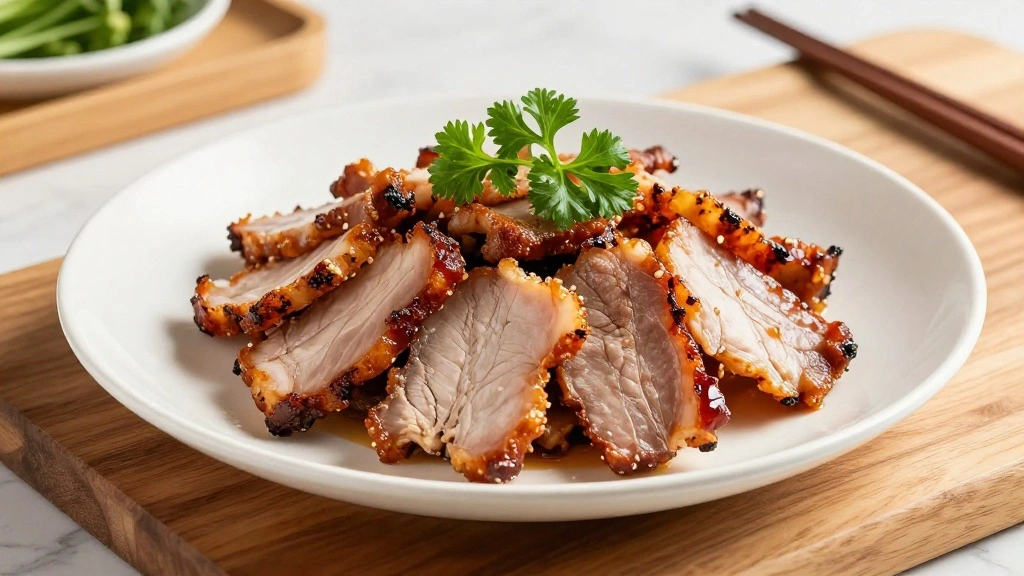
Chinese Recipes
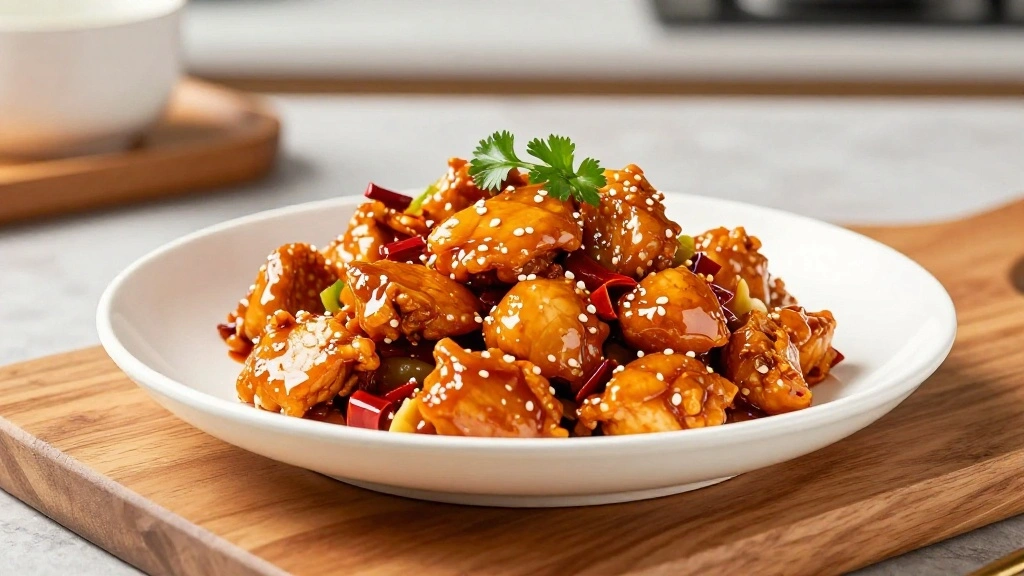
Chinese Recipes
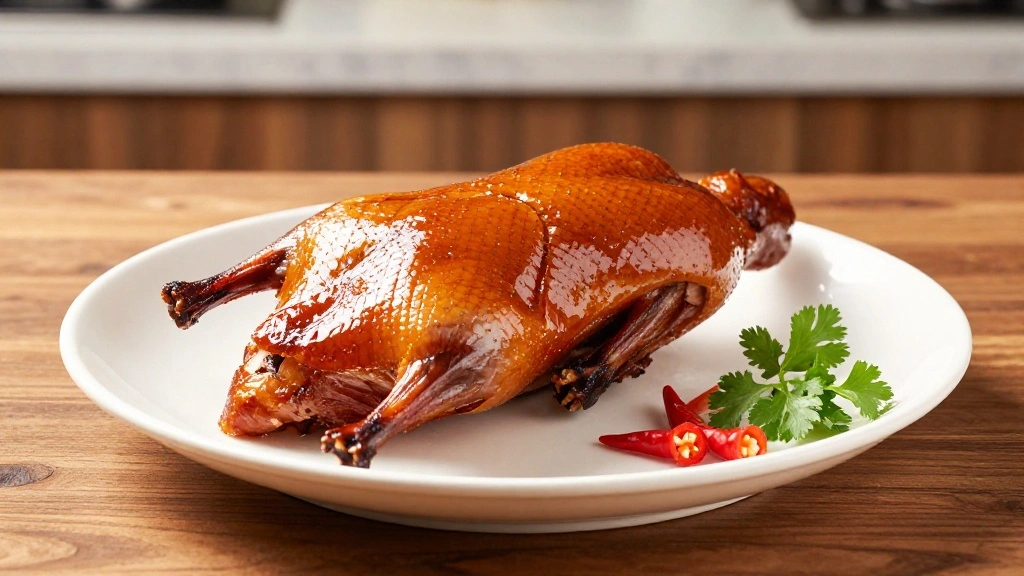
Chinese Recipes
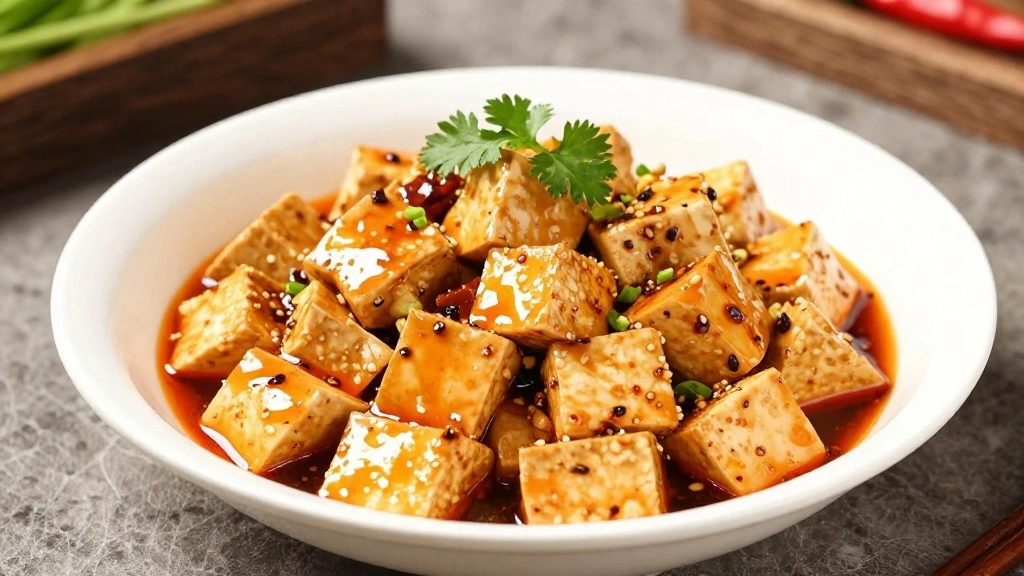
Chinese Recipes
Chinese Recipes