
Written by

Edited by

Affiliate Disclosure:
If you buy through links on our site, we may earn a small affiliate commission to help support the blog – at no extra cost to you. It never influences our product selection process. Thank you!
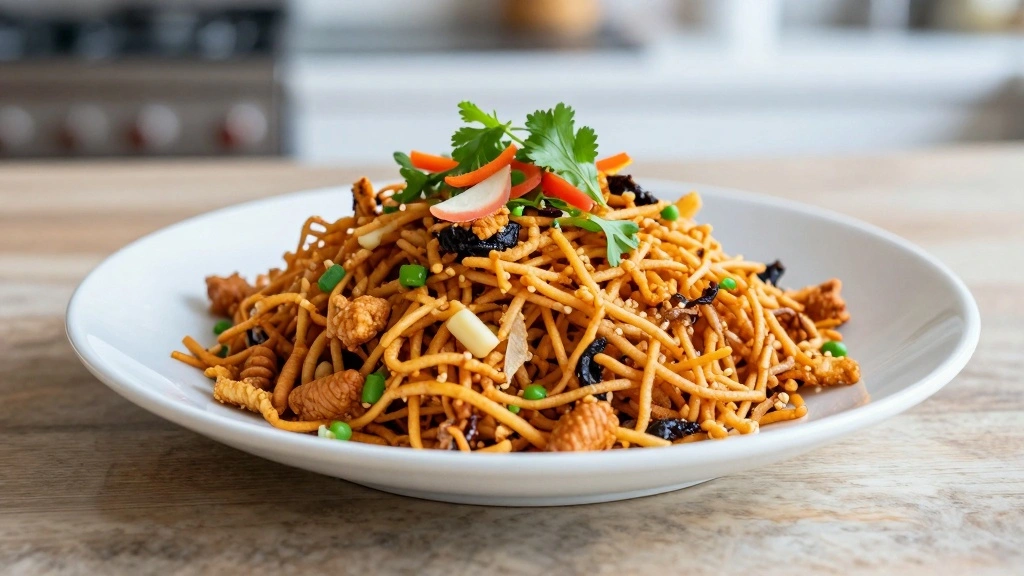
Chinese Bhel is an irresistible fusion of Indo-Chinese flavors that has captured the hearts of street food lovers everywhere.
With its delightful combination of crispy noodles, vibrant vegetables, and tangy sauces, this dish offers a symphony of textures and flavors.
I first encountered Chinese Bhel at a bustling street market in Mumbai, and it was love at first bite.
The balance of crunchy, spicy, and sweet elements makes it a perfect snack for any occasion.
Whether you’re looking for a quick appetizer or a crowd-pleasing party dish, Chinese Bhel delivers satisfaction with every mouthful.
• The dish evolved over decades as vendors introduced variations in ingredients like sauces and vegetables, eventually becoming the beloved version we know today.
• In Indian culture, this dish traditionally appears at street food festivals and evening snack times, symbolizing the fusion of flavors and cultures.
• While many variations exist across different regions, the authentic version maintains the crispy texture of fried noodles that sets it apart from imitations.
Colander: A colander is important for draining fried noodles to remove excess oil and maintain their crispiness. Look for one with small holes to prevent noodles from slipping through.
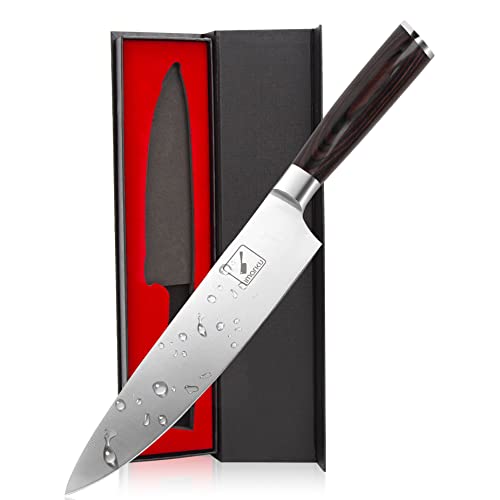
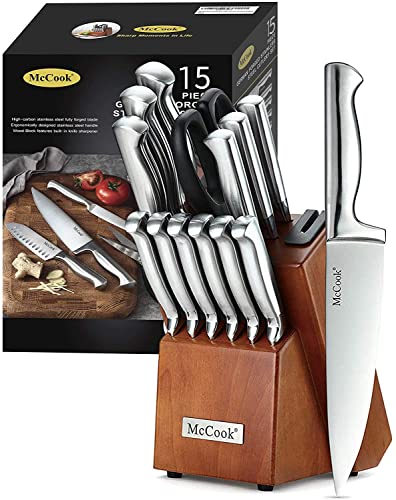
Sharp Knife: A sharp knife is crucial for efficiently chopping vegetables into uniform sizes, ensuring even cooking. A dull knife can bruise vegetables, affecting their texture and flavor.
| Amount | Ingredient | Notes |
|---|---|---|
| 4 cups | fried noodles | crispy texture |
| Amount | Ingredient | Notes |
|---|---|---|
| 1 cup | cabbage | shredded |
| 1 medium | carrot | julienned |
| 1 medium | bell pepper | thinly sliced |
| Amount | Ingredient | Notes |
|---|---|---|
| 2 tablespoons | soy sauce | adds umami |
| 1 tablespoon | chili sauce | adds heat |
| 1 tablespoon | vinegar | adds tang |
| Amount | Ingredient | Notes |
|---|---|---|
| 1 teaspoon | salt | enhances flavor |
| 1 teaspoon | black pepper | adds spice |
| 1 teaspoon | sugar | balances flavors |
Flash Frying: Flash frying quickly cooks food at high temperatures, preserving texture and flavor. Ensure oil is adequately heated before adding ingredients, and use a slotted spoon to remove items quickly.
Tossing: Tossing is a technique used to mix ingredients evenly without breaking delicate components, like fried noodles. Use quick wrist movements and a large bowl to incorporate sauces and seasonings thoroughly.
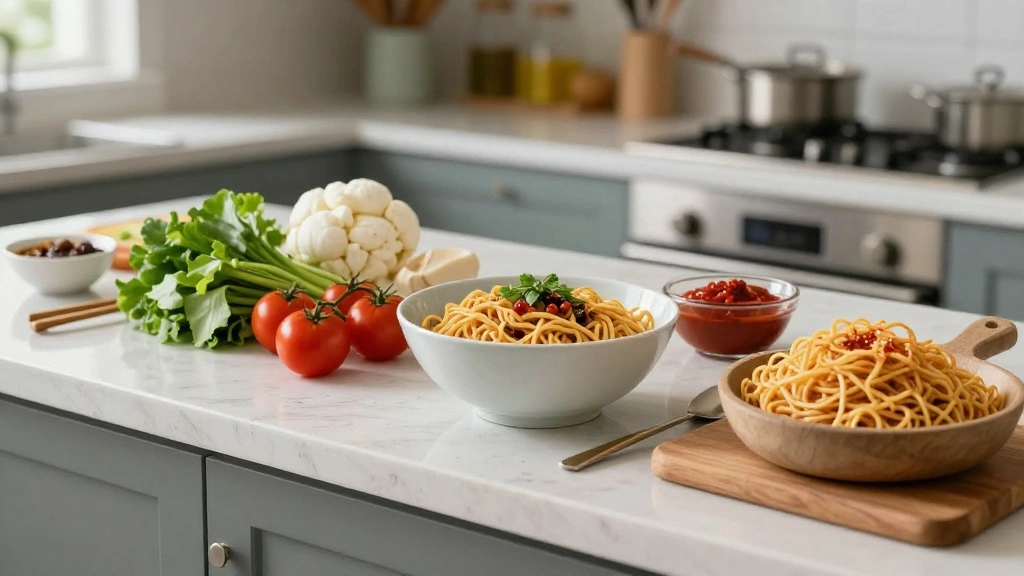
Wash and dry the vegetables thoroughly.
Ensure the fried noodles are crisp and ready to use.
Line up the ingredients for quick assembly.
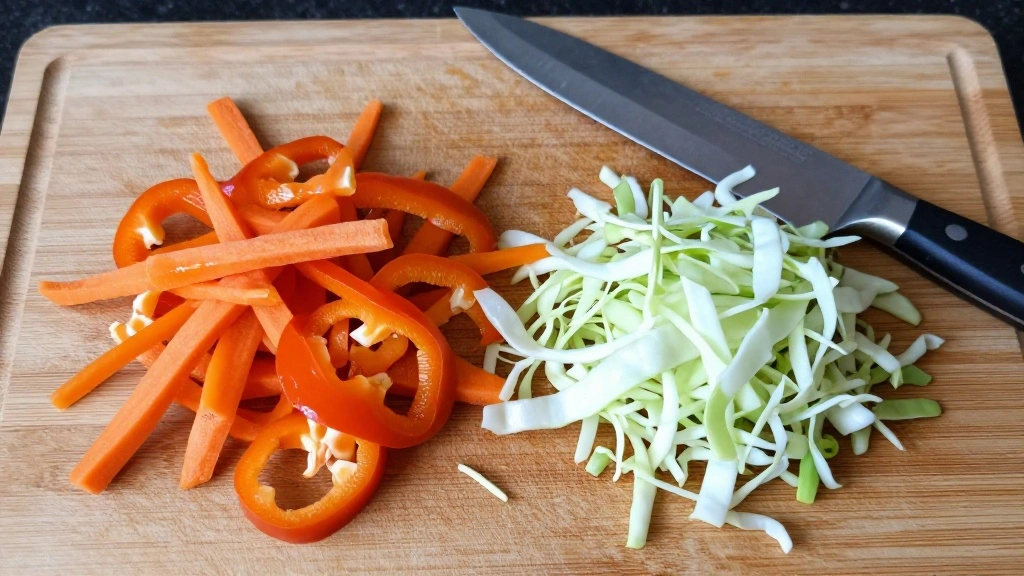
Shred the cabbage into fine strips for a delicate texture.
Ensure all vegetables are uniform in size for even cooking.
Transfer prepared vegetables to a large mixing bowl.
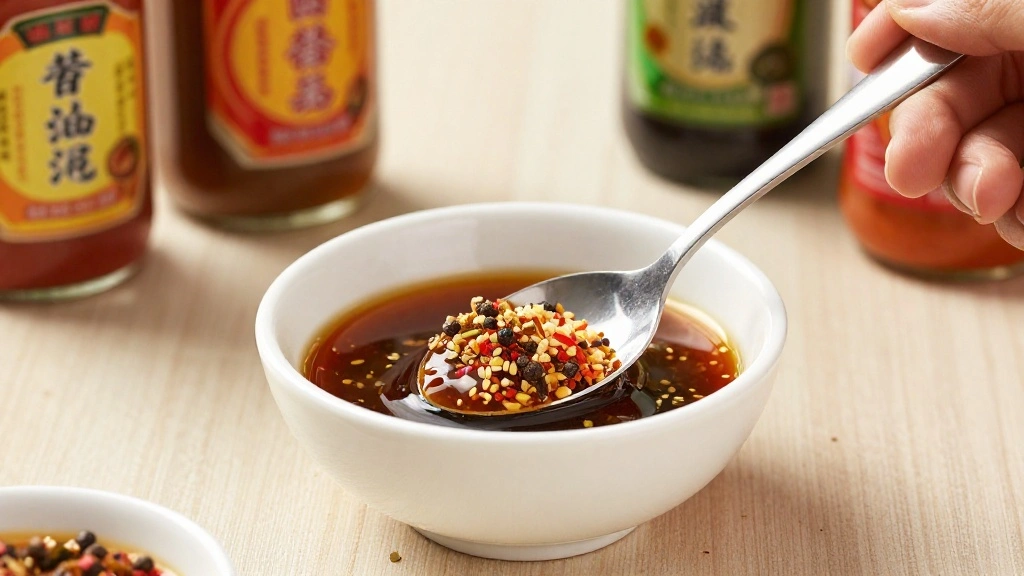
Add salt, black pepper, and sugar to the mixture.
Stir well to dissolve sugar and create a balanced sauce.
Taste and adjust seasoning if necessary.
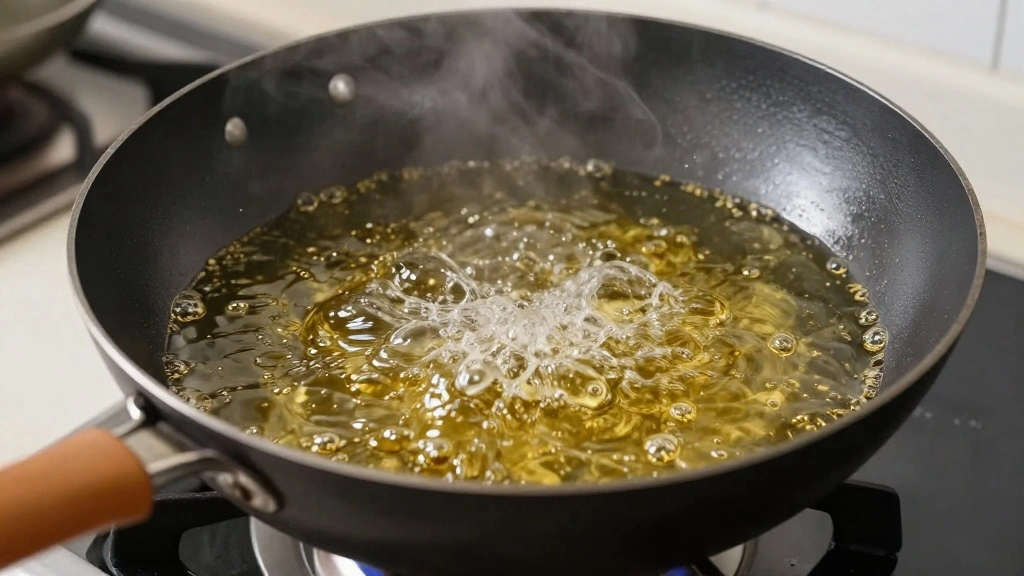
Add a small amount of oil to the wok, swirling to coat the surface.
The oil should shimmer, indicating it’s ready for cooking.
This step ensures a quick sear on the vegetables.
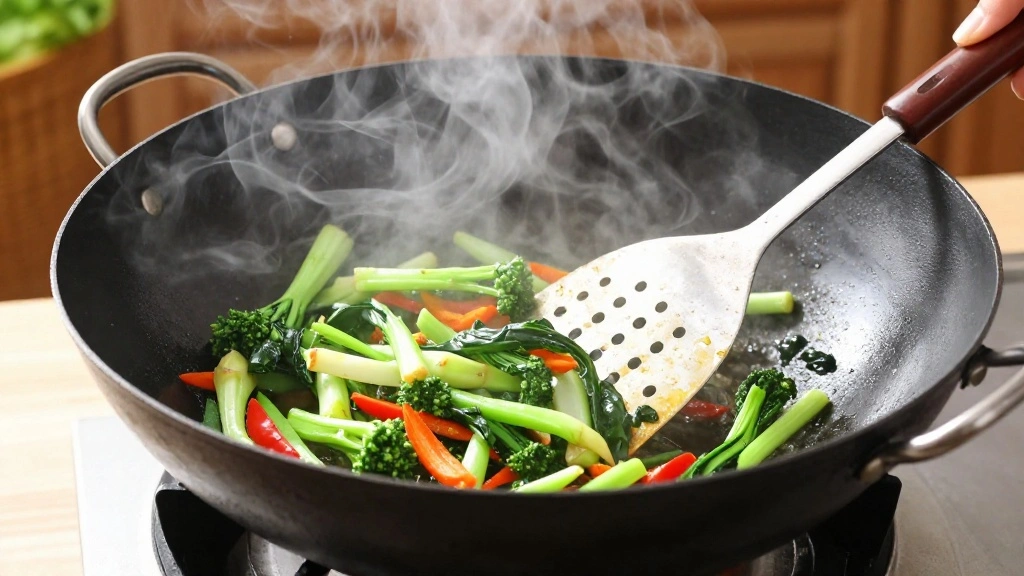
Stir-fry quickly, tossing continuously to avoid burning.
Cook until vegetables are vibrant and slightly tender.
Remove from heat and set aside.
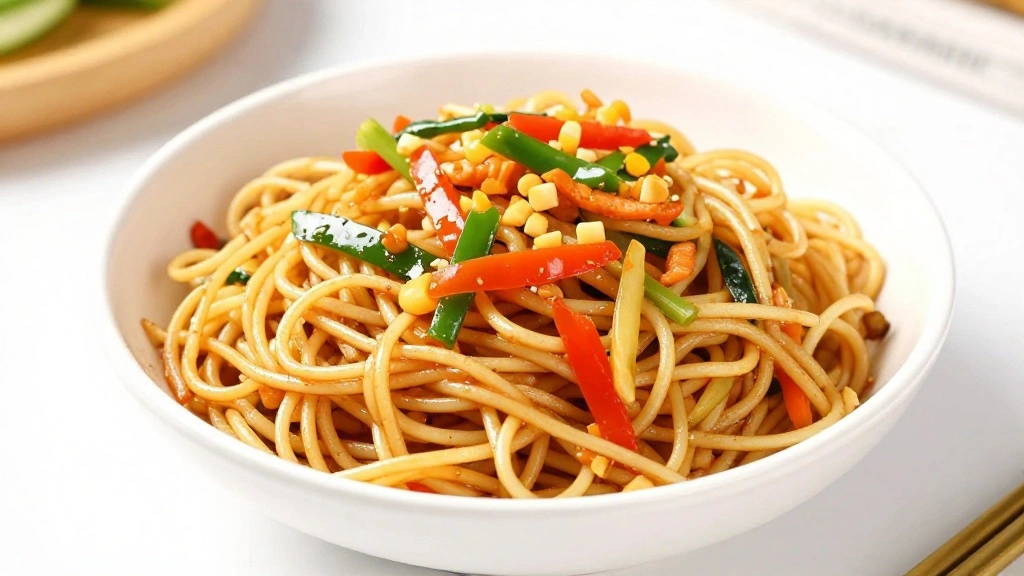
Gently toss to incorporate ingredients without breaking the noodles.
Ensure the vegetables are evenly distributed among the noodles.
This step prepares the base for the sauce.
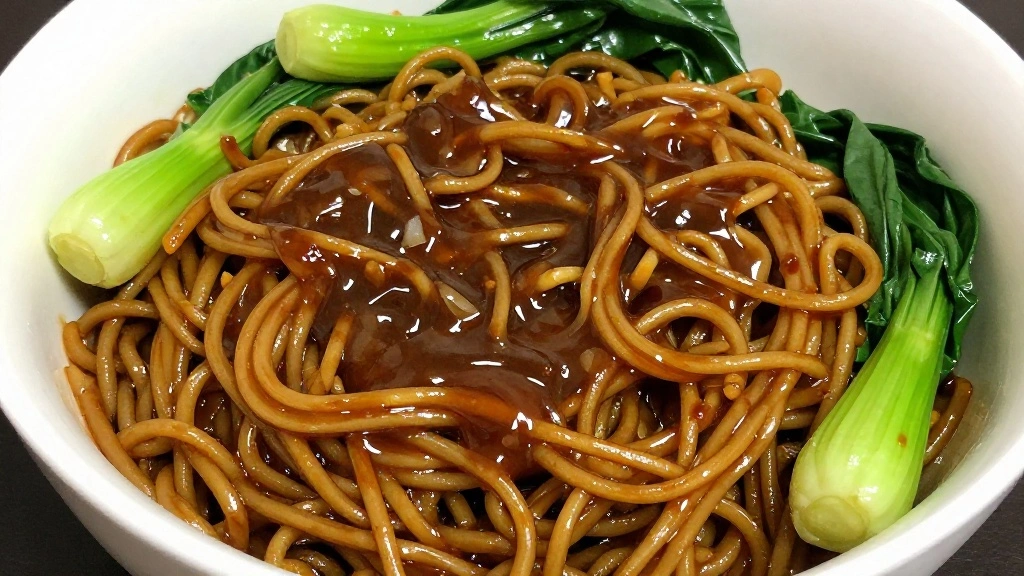
Use two large spoons to toss the ingredients, coating everything evenly.
Ensure the sauce is well-distributed, adding flavor to each bite.
Taste and adjust seasoning if necessary.
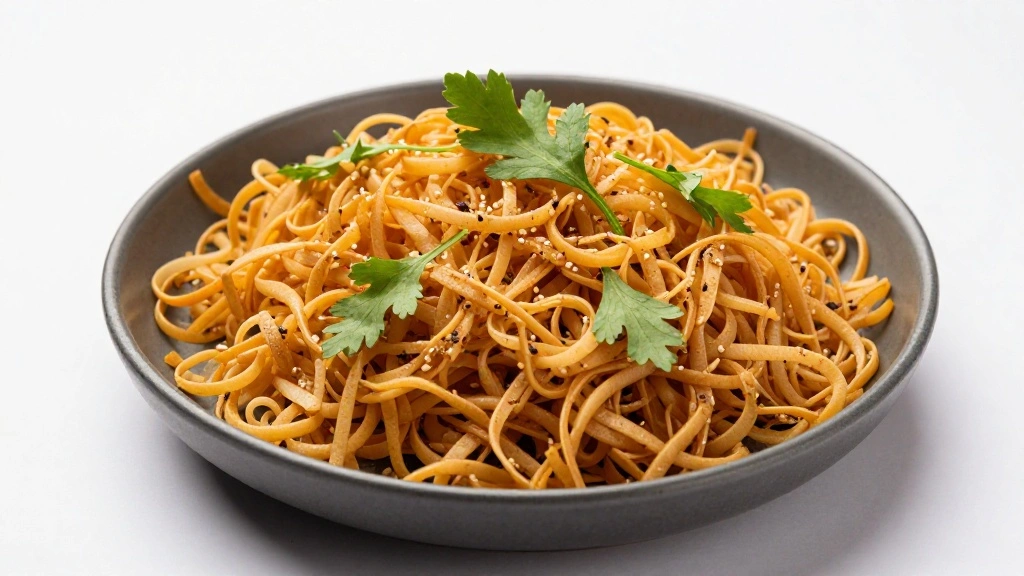
Garnish with additional fresh vegetables or herbs if desired.
Serve immediately to maintain the crispiness of the noodles.
Enjoy this flavorful and crunchy snack with friends and family.
Mixing Ingredients: Mix noodles and vegetables quickly after frying to maintain crispiness. This step should take no more than 5 minutes to ensure ingredients are evenly coated with sauce.
Serving: Serve Chinese Bhel immediately after preparation while the noodles are still crispy. Delaying serving can result in soggy noodles.
• Preparation Secret: Add a splash of sesame oil to the sauce for an extra layer of flavor.
• Temperature Management: Ensure the wok is smoking hot before adding vegetables to achieve a quick sear.
• Texture Enhancement: Use freshly fried noodles for maximum crunchiness.
• Flavor Layering: Combine both soy sauce and chili sauce to balance umami and heat.
• Make-Ahead Strategies: Prepare the sauce in advance and store in the refrigerator for up to a week.
• Restaurant-Quality Finishing Touches: Garnish with chopped spring onions or cilantro for a fresh touch.
• Equipment Optimization: Use a large mixing bowl for easy tossing of ingredients.
• Flavors Unbalanced: If the dish tastes too salty or bland, adjust the sauce ingredients gradually and taste frequently to achieve desired balance.
• Vegetables Overcooked: Overcooking can result from not using high enough heat or cooking too long. Use a hot wok and stir-fry vegetables for a short duration.
• Noodles Clumping: Clumping can occur if noodles are not tossed properly. Ensure even distribution of sauce and avoid excessive stirring.
• Spice Level Too High: If the dish is overly spicy, balance with a little sugar or vinegar to mellow the heat.
• Kolkata Fusion: Incorporates local spices and sometimes adds paneer or tofu for a protein boost.
• Chennai Adaptation: Features more coconut-based sauces and uses local vegetables like drumsticks for a regional twist.
• Delhi Spicy Variant: Known for its extra kick, this style uses green chilies and additional chili sauce for those who love heat.
• Crispiness Retention: The science of crispiness involves reducing moisture content in noodles, achieved by proper frying and immediate serving.
• Flavor Balancing: Understanding the balance between sweet, salty, sour, and umami helps in crafting a well-rounded sauce that complements the dish.
Can I use air-fried noodles instead of deep-fried? Yes, air-fried noodles can be used for a healthier version, but ensure they are crispy enough.
What can I substitute for soy sauce? Tamari or coconut aminos are good substitutes for soy sauce, especially for those with dietary restrictions.
Is it possible to make this dish gluten-free? Yes, use gluten-free noodles and tamari instead of soy sauce to make the dish gluten-free.
How can I adjust the spice level? Adjust the amount of chili sauce and add sugar or vinegar to balance the heat.
Can I prepare this in advance? Prepare the sauce and chop vegetables in advance, but assemble and serve the dish immediately to maintain texture.
What are some good garnishes for this dish? Fresh cilantro, spring onions, or sesame seeds make excellent garnishes for Chinese Bhel.
• Individual Portions: For parties, serve in small bowls or cups for easy handling and presentation.
• Family Style: Present the dish in a large communal bowl, with extra garnishes on the side for customization.
• Layered Presentation: Layer the ingredients in a clear glass bowl to showcase the vibrant colors and textures.
With its quick preparation and vibrant ingredients, it’s an ideal choice for any occasion.
Try this recipe and enjoy a taste of street food culture in the comfort of your home.
You’ll be amazed at how easily you can recreate this popular snack with just a few simple steps.

Chinese Recipes
Chinese Recipes
Chinese Recipes
Chinese Recipes
Chinese Recipes