
When exploring the depths of Thailand’s rich culinary landscape, one ingredient consistently emerges as the secret ingredient behind the captivating textures and flavors of its traditional desserts. This ingredient is none other than coconut milk. So, Why is coconut milk crucial in traditional Thai desserts? Its significance extends far beyond mere flavor—it embodies cultural history, culinary mastery, and sensory delight. This article delves into this question, revealing how coconut milk forms the backbone of authentic Thai sweets and why its unique qualities are indispensable.
The Culinary Significance of Coconut Milk in Thai Dessert Heritage
Coconut milk has been intertwined with Thai culinary traditions for centuries, playing a pivotal role in the development of its distinctive dessert repertoire. In Thailand, desserts are more than just treats; they are woven into festivals, ceremonies, and everyday life, often symbolizing prosperity and spiritual significance. The lush, creamy coconut milk serves as both a flavor enhancer and a textural agent, elevating simple ingredients into extraordinary confections. It’s not just an additive but a foundational element that embodies the tropics’ bounty and the country’s intricate cooking techniques.
From a historical perspective, coconut cultivation thrived in the region, making coconut milk readily accessible and affordable. Its use in desserts reflects a harmonious connection between nature and culinary craftsmanship. The process of extracting coconut milk and incorporating it into sweets symbolizes an age-old tradition of resourcefulness and reverence for natural ingredients. The way coconut milk is celebrated in Thai desserts underscores its role as a cultural marker that links generations and preserves culinary identity.


Coconut Milk: The Foundation of Authentic Thai Sweet Creations
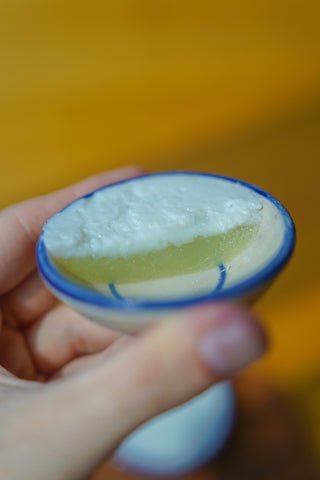
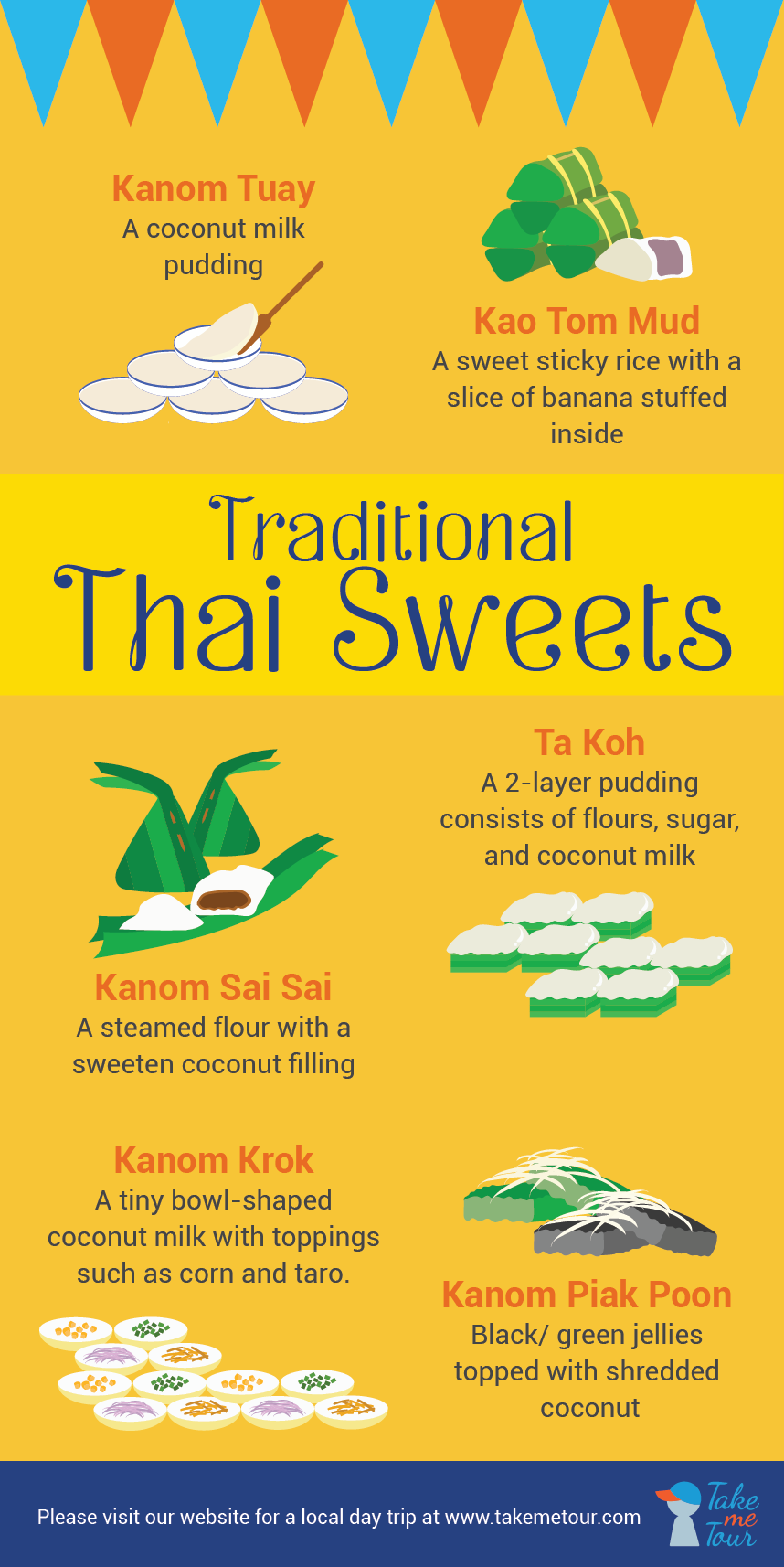
Coconut milk is the essential base for many iconic Thai desserts, including sticky rice with mango, Khanom Krok, and coconut ice cream. Its natural creaminess imparts a luxurious mouthfeel that no other liquid can replicate, making it ideal for creating the rich textures so characteristic of Thai sweets. The process of simmering coconut milk with sugar and pandan leaves further infuses the milk with aromatic flavors, resulting in a fragrant, silky liquid that forms the backbone of these desserts.
Moreover, coconut milk acts as a binding agent and moisture-retainer in many recipes, ensuring the confection’s consistency remains perfect throughout serving. It stabilizes ingredients while providing a neutral canvas that enhances the vibrancy of other flavor components such as tropical fruits, fragrant herbs, or bold spices. This versatility of coconut milk — serving as both a flavor enhancer and a functional ingredient — solidifies its status as the foundation of authentic Thai sweet creations.




Why Coconut Milk is Indispensable for Traditional Thai Dessert Flavors and Textures
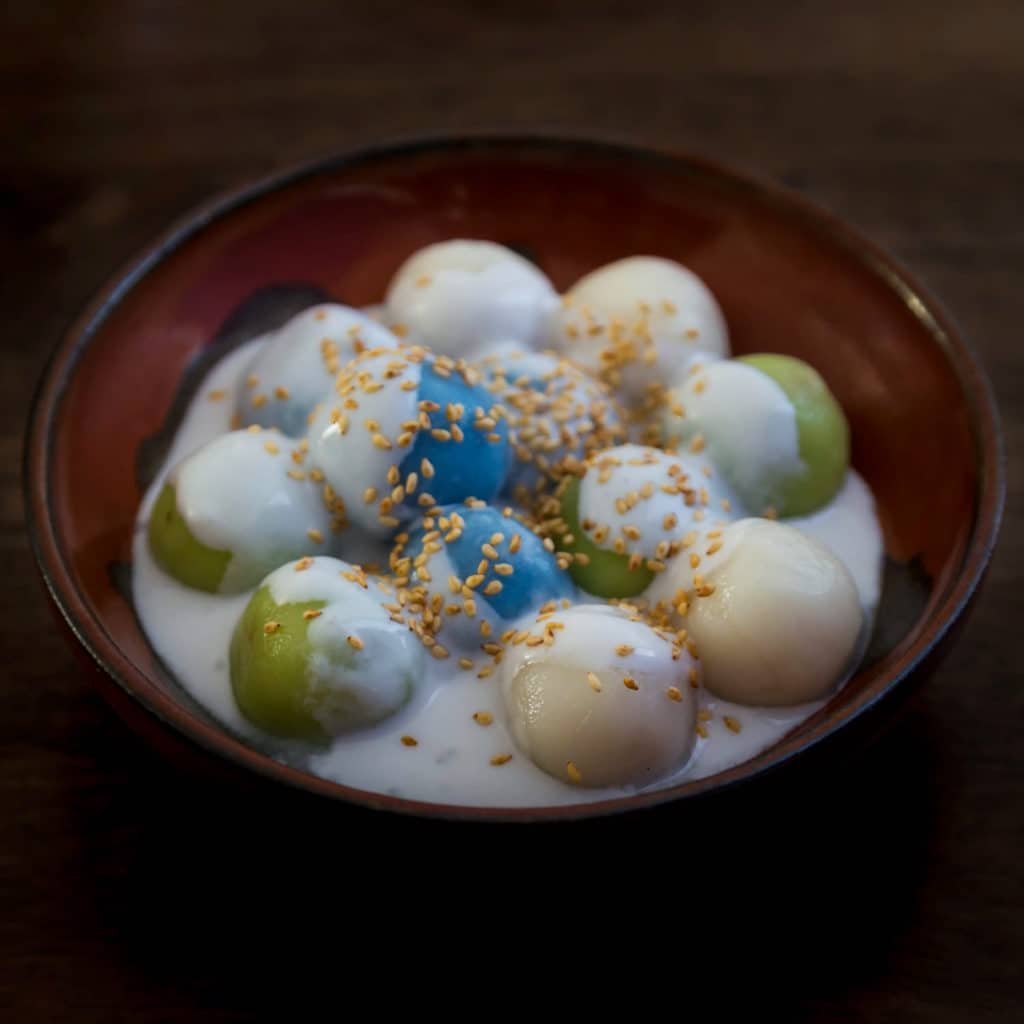
What makes coconut milk truly indispensable in Thai desserts is its unparalleled ability to balance and amplify flavors while creating signature textures. For instance, in Thai custards like Sankaya or Thapthim Khao (water chestnut in coconut milk), the thickness and creaminess of coconut milk form the perfect medium for the delicate sweetness and aromatic nuances. Its natural fat content lends a richness that complements the subtlety of tropical fruits and complements spices used in the desserts.
Beyond flavor, coconut milk contributes significantly to the textures that define Thai desserts. Its viscous, silky quality ensures that desserts are smooth and luscious, whether in puddings, jellies, or ice creams. Unlike dairy milk, coconut milk provides a unique stability at room temperature, maintaining creaminess without separation. This trait makes it especially valuable for desserts that require delicate layering or intricate presentation, enhancing both visual appeal and sensory experience.


Exploring the Role of Coconut Milk in Creating Classic Thai Desserts
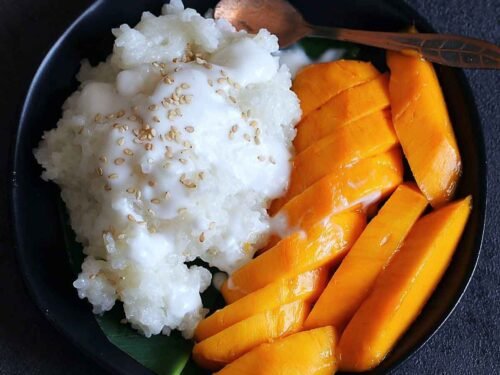
The role of coconut milk in Thai desserts is multifaceted, impacting both the preparation process and the final sensory profile. For example, in Khao Niao Mamuang (sticky rice with mango), the infused coconut milk imparts a subtle sweetness and fragrant aroma to the rice, elevating it from simple comfort food to a premium delicacy. The process of soaking and steaming rice with seasoned coconut milk results in a sticky, aromatic dish that beautifully balances richness and freshness.
In more complex desserts, such as Khanom Thuai or coconut pudding, the formation of layers and textures hinges on coconut milk’s properties. Its ability to set into a soft, custard-like consistency when combined with tapioca starch or eggs showcases its versatility. Furthermore, the distinctive flavor of coconut milk, especially when fresh and homemade, gives Thai desserts their unmistakable tropical character, making them memorable and culturally significant.


Beyond Taste: The Cultural Importance of Coconut Milk in Thai Dessert Making
Coconut milk’s cultural significance extends beyond its culinary function; it is embedded in Thai identity and tradition. Preparing coconut milk is often a communal activity passed down through generations, reflecting patience and reverence for natural ingredients. The ritual of coconut processing—grating, squeezing, and simmering—creates a sense of connection to the land and ancestral practices, making the dessert-making process an act of cultural preservation.
Additionally, in Thai cultural narratives, coconut trees symbolize prosperity, fertility, and hospitality. Using coconut milk in desserts can be seen as a homage to these values, emphasizing harmony with nature and gratitude. The rich aroma of coconut milk in traditional celebrations—such as Buddhist festivals or weddings—embodies blessings and good fortune, underscoring its spiritual importance. Consequently, coconut milk is revered not only as a flavor component but as a symbol of cultural continuity and respect.


Unlocking the Secrets of Thai Desserts: The Crucial Contribution of Coconut Milk
Understanding Why is coconut milk crucial in traditional Thai desserts? involves appreciating its multifaceted contributions. It acts as a flavor carrier, a textural backbone, and a cultural artifact all at once. The delicate balance of sweetness, aroma, and creaminess that coconut milk provides is fundamental to the sensory identity of Thai sweets. Chefs and home cooks alike recognize that no substitute can truly replicate its depth and character, making it an irreplaceable ingredient.
Furthermore, the process of crafting authentic Thai desserts with coconut milk involves skill and artistry. From selecting mature coconuts to extracting the rich milk and mastering the simmering techniques, each step enhances the final product’s complexity. Understanding these nuances reveals that coconut milk’s importance transcends mere flavor—it embodies a connection to tradition, nature, and cultural expression that makes Thai desserts truly unique and treasured.


Conclusion
In conclusion, Why is coconut milk crucial in traditional Thai desserts? Its role is deeply rooted in Thailand’s culinary traditions, cultural heritage, and sensory experiences. As the foundation of countless iconic creations, coconut milk imparts distinctive flavors, luxurious textures, and cultural symbolism that elevate Thai desserts from simple treats to meaningful expressions of tropical elegance and history. Its versatility and integral qualities ensure that it remains an indispensable ingredient, shaping the unique allure of Thai sweets across generations.