
Why do Thai recipes often include fish sauce for umami? This question touches on a fundamental aspect of Thai culinary tradition, renowned globally for its rich, layered flavors. Fish sauce, known locally as nam pla or nam pa, is a staple that lends depth and complexity to many dishes, balancing the vibrant spiciness, sweetness, sourness, and saltiness characteristic of Thai cuisine. Its ubiquitous presence in recipes prompts curiosity about its integral role—not just as a seasoning but as a cornerstone of flavor harmony. Exploring why Thai recipes often include fish sauce for umami requires delving into its unique profile, cultural significance, scientific composition, and practical application within the culinary landscape.
In this article, we will examine why do Thai recipes often include fish sauce for umami? by dissecting its umami profile, historical roots, scientific underpinnings, additional flavor contributions, comparisons with other ingredients, and tips for optimal use. By understanding these facets, we gain insight into how fish sauce elevates Thai cooking from tasty to truly memorable.
The Umami Profile of Fish Sauce: A Key Ingredient in Thai Cuisine
Fish sauce possesses a profound umami flavor—rich, savory, and almost meaty—that is central to its culinary appeal. The umami profile of fish sauce stems from its high concentration of free amino acids, predominantly glutamates, and nucleotides, which stimulate our taste receptors for savory sensations. When added to dishes, it enhances depth and makes flavors more multidimensional, often giving Thai dishes their characteristic “savoriness” that can’t be replicated with salt alone.
The complexity of fish sauce’s umami arises from fermentation, which breaks down fish proteins into amino acids, creating a concentrated flavor compound. Its salty and slightly pungent profile complements other ingredients perfectly, accentuating sweetness and acidity while masking any undesirable fishy odor. When incorporated into Thai dishes, fish sauce harmonizes with herbs, spices, and other condiments to create a balanced flavor foundation—a key reason why do Thai recipes often include fish sauce for umami? is its extraordinary ability to bring layers of savory depth that sustain the overall flavor profile of a dish.



Historical and Cultural Significance of Fish Sauce in Thai Cooking
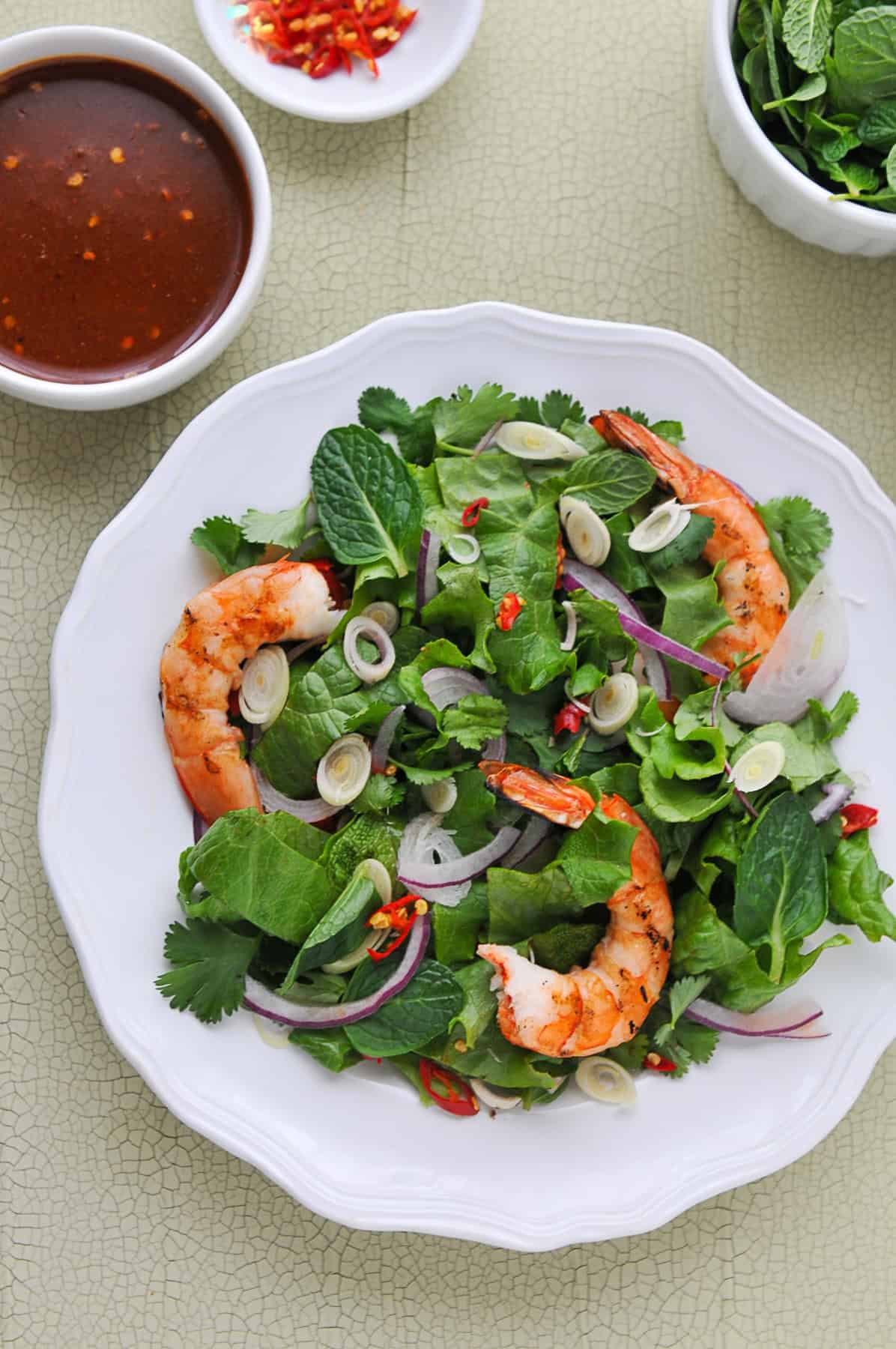
Fish sauce’s roots trace back centuries in Southeast Asian history, and Thailand’s culinary identity has long been intertwined with this fermented condiment. Historically, fishermen and coastal communities relied on fish sauce as both a preservation method and a flavor enhancer, turning surplus fish into a versatile seasoning. Over generations, fish sauce became ingrained in Thai food culture, holding not just culinary but also social and ritual significance.
Culturally, fish sauce embodies sustainability, resourcefulness, and regional tradition. It is often associated with family recipes handed down through generations, symbolizing authenticity in Thai cuisine. Using fish sauce is more than imparting flavor; it is about maintaining a connection to heritage, geography, and community. The preference for fish sauce as a fundamental flavor enhancer showcases how history and culture influence culinary practices. Thus, why do Thai recipes often include fish sauce for umami? is rooted in a deep-seated cultural tradition that celebrates local ingredients and centuries-old techniques to achieve distinctive, harmonious flavors.


Scientific Explanation: Fish Sauce as an Umami Enhancer
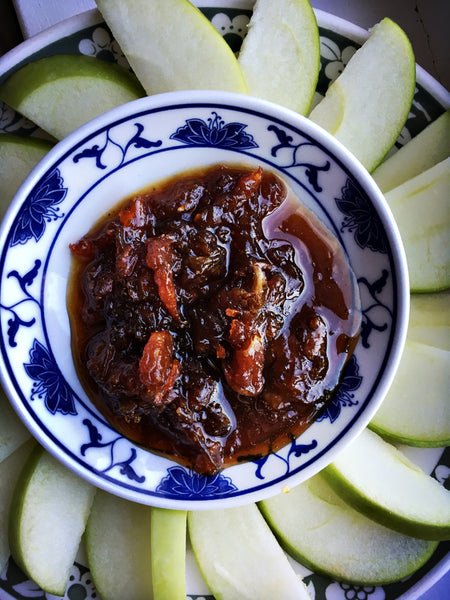
Scientifically, fish sauce is a powerhouse of flavor compounds—primarily amino acids like glutamate and inosinate—that actively trigger human taste receptors dedicated to umami. These compounds synergize to amplify taste sensations, making dishes taste more savory and satisfying without the need for excessive salt. When fish sauce is added, the free glutamates bind to specific receptors on our taste buds, intensifying the perception of depth and roundness in flavors.
Moreover, the fermentation process produces nucleotides, such as inosinate and guanylate, which work synergistically with glutamates to escalate umami impact through a phenomenon known as synergism. This biochemical synergy is why fish sauce can impart such a robust and lasting savory quality in Thai dishes. In culinary practice, even small amounts of fish sauce can transform the overall flavor profile dramatically, emphasizing why do Thai recipes often include fish sauce for umami?—because of its scientifically proven capacity to intensify savoriness through natural compounds.





Beyond Umami: Other Flavor Contributions of Fish Sauce in Thai Dishes

While enhanced umami is the most recognized function of fish sauce, its contributions extend further than simply adding savory depth. Fish sauce provides a complex layer of saltiness that can diminish the need for table salt, making dishes taste more balanced and authentic. Its subtle tang and slightly pungent aroma also introduce nuances of fermentation and seafood essence, which deepen the sensory experience without overwhelming the palate.
Interestingly, fish sauce also acts as a flavor ‘bridging’ agent, harmonizing disparate ingredients like lime juice, chili, sugar, and herbs. Its unique profile can mellow and round out sharp flavors or brighten duller ones, adding a subtle umami undertone that elevates the overall dish. Many Thai recipes rely on fish sauce to achieve a layered taste that feels full-bodied and intricate. Therefore, why do Thai recipes often include fish sauce for umami? is not only about savoriness but also about its ability to enhance texture, aroma, and overall harmony of complex flavor combinations intrinsic to critical Thai dishes.


Fish Sauce vs. Other Umami-Rich Ingredients in Thai Recipes
In Thai cuisine, several ingredients contribute to the umami profile, such as soy sauce, shrimp paste, miso, and dried mushrooms. Comparing fish sauce to these alternatives highlights why it remains the dominant choice particular to Thai cooking. Fish sauce offers a more delicate, nuanced flavor compared to the more intense soy or pungent shrimp paste, fitting the subtlety and balance sought after in Thai dishes. Its fermented seafood character imparts a unique aroma and depth that others struggle to replicate authentically.
While soy sauce provides umami with a distinctly different profile—more soy-bean based and often sweeter—fish sauce infuses dishes with a marine-fresh quality emblematic of Thailand’s coastal regions. Shrimp paste, although similar in flavor, tends to be more pungent and overpowering when used in large quantities. Dried mushrooms provide an earthy umami but lack the saltiness and seafood nuance of fish sauce. This comparison underscores why do Thai recipes often include fish sauce for umami?—because it precisely bridges the gap between subtlety and depth, offering a natural, versatile, and regionally authentic flavor enhancer.


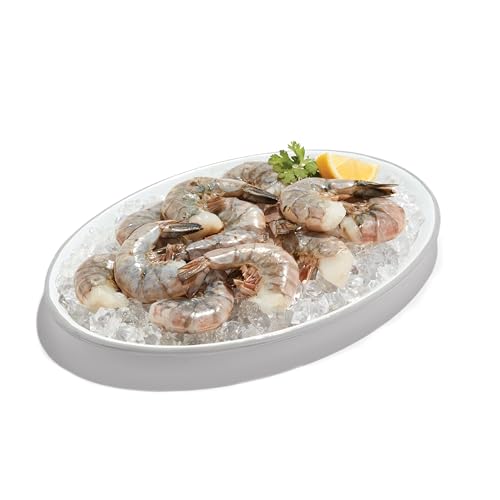

Selecting and Using Fish Sauce for Optimal Umami Impact in Thai Cooking
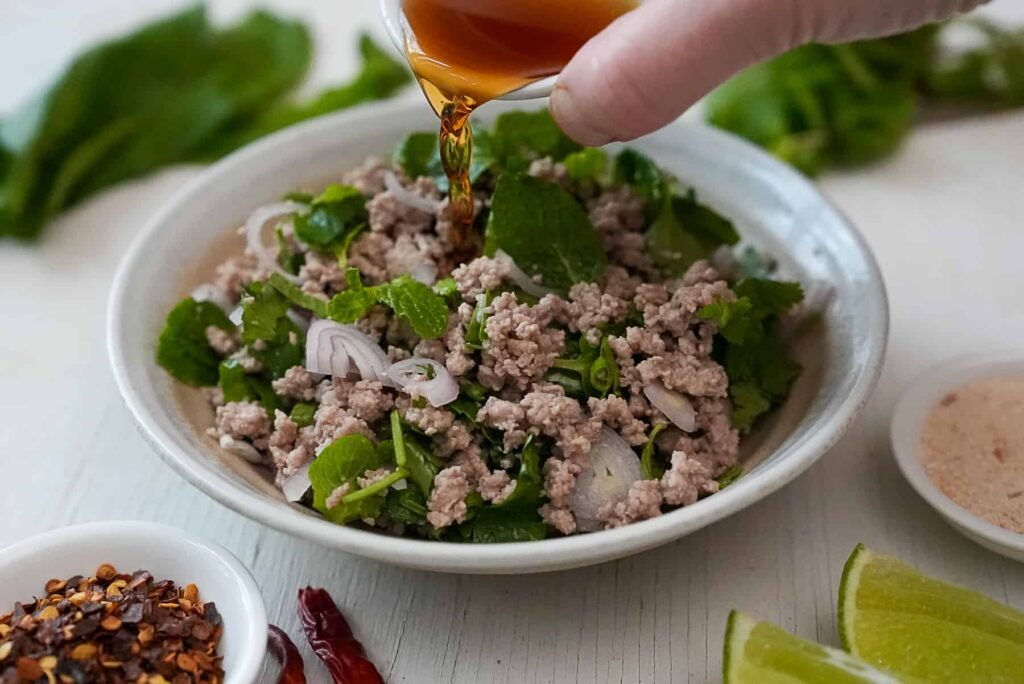
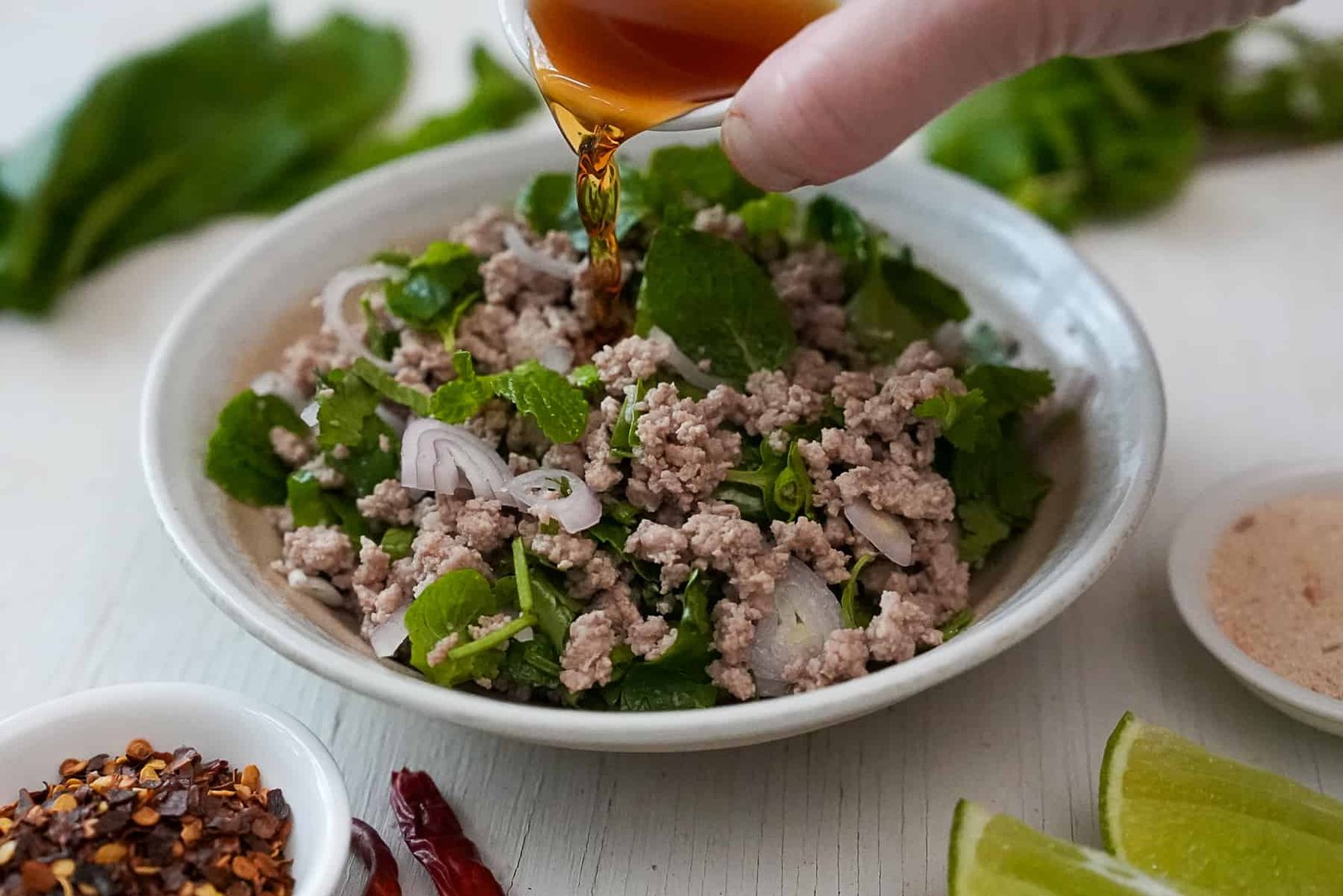
Choosing the right fish sauce involves assessing quality, saltiness, aroma, and flavor profile. High-quality fish sauce is typically amber or reddish-brown, with a balanced aroma that is pungent but not overwhelming. When used correctly, a few drops or teaspoons can heighten umami without overpowering other flavors. Practical tips include adding fish sauce gradually toward the end of cooking to balance the dish’s complexity while allowing its aroma to develop fully.
To maximize umami impact, it’s essential to consider the dish’s overall balance—pairing fish sauce with complementary ingredients like lime, chili, and herbs. Avoiding excessive use is key; understanding how fish sauce interacts with other ingredients allows for a nuanced approach that enhances without masking. Experimentation and sensory judgment often lead to the most satisfying results in Thai cuisine. The reason why do Thai recipes often include fish sauce for umami? is because when selected and used appropriately, it elevates the entire flavor profile organically, integrating seamlessly into the intricate tapestry of Thai flavors.






Conclusion
In summary, why do Thai recipes often include fish sauce for umami? lies in its unparalleled ability to introduce deep savory, complex flavors that define the richness of Thai cuisine. Its umami profile, rooted in centuries of cultural tradition and refined through scientific understanding, enriches dishes by enhancing natural flavors, balancing other ingredients, and adding subtle nuances. Fish sauce’s versatility—contributing salt, aroma, and savory depth—makes it indispensable in creating the harmonious and layered tastes characteristic of Thailand’s culinary heritage. Proper selection and judicious use of fish sauce can transform ordinary ingredients into a symphony of flavors, which explains why it remains a cornerstone of authentic Thai cooking and why it continues to captivate taste buds worldwide.