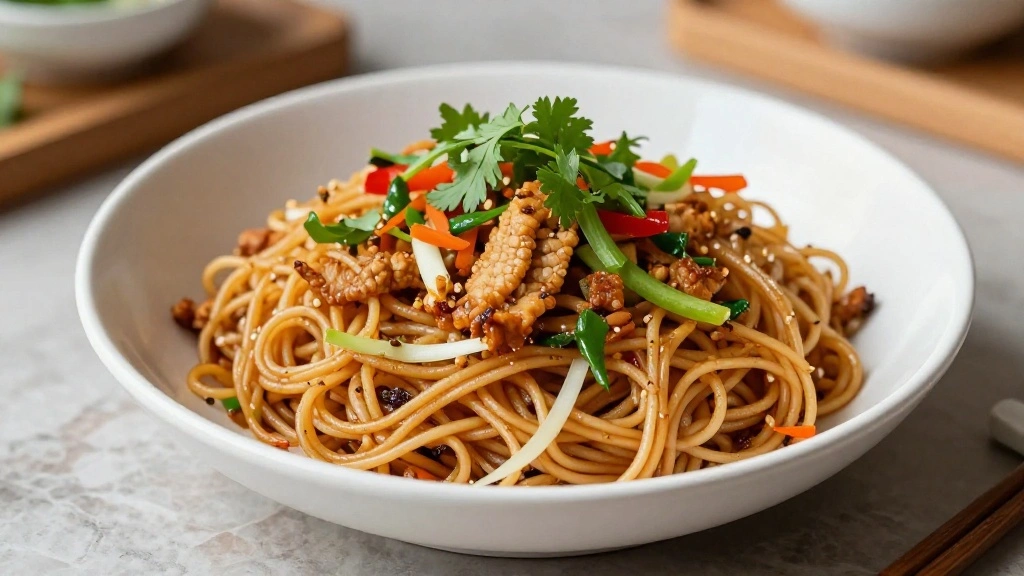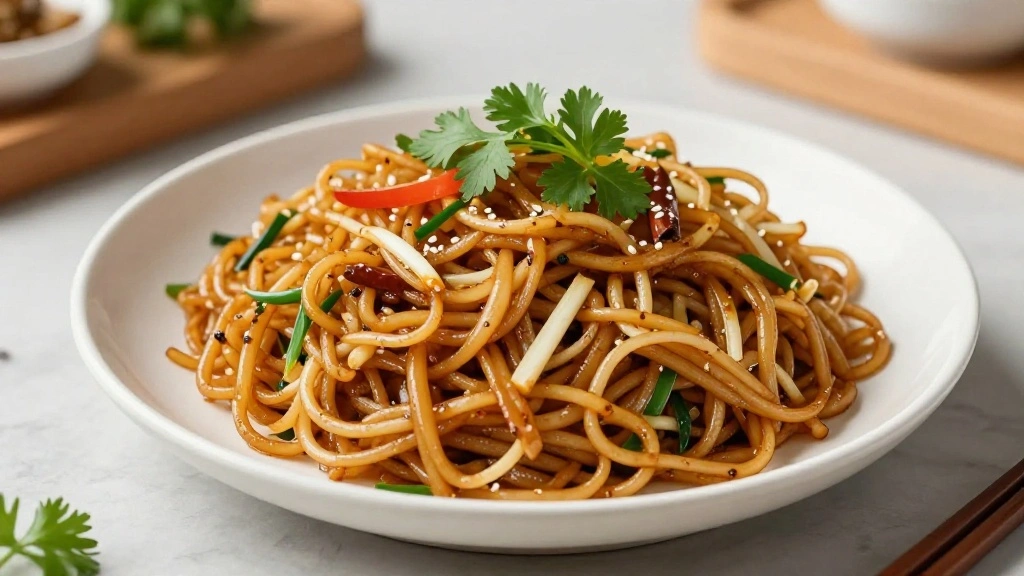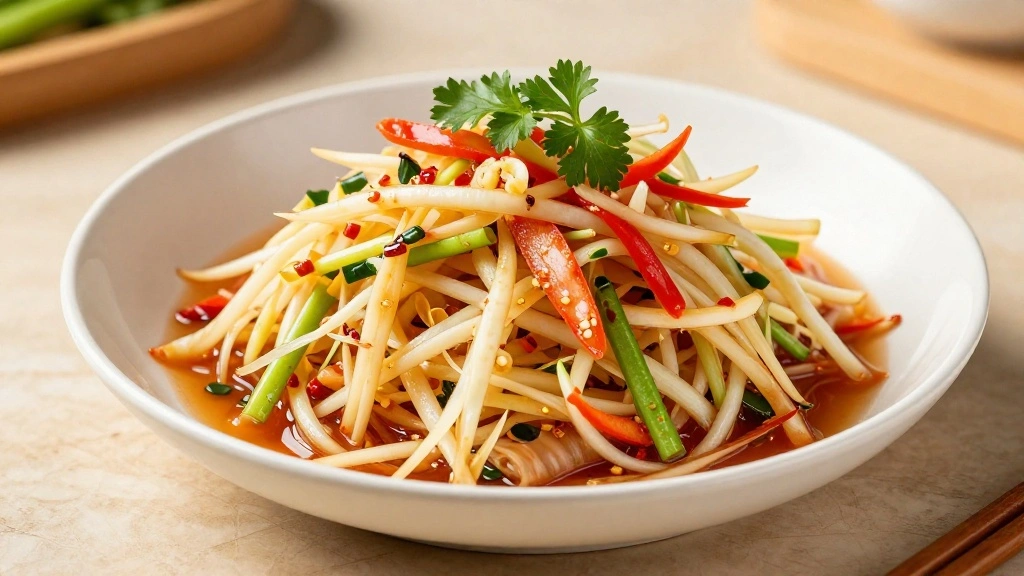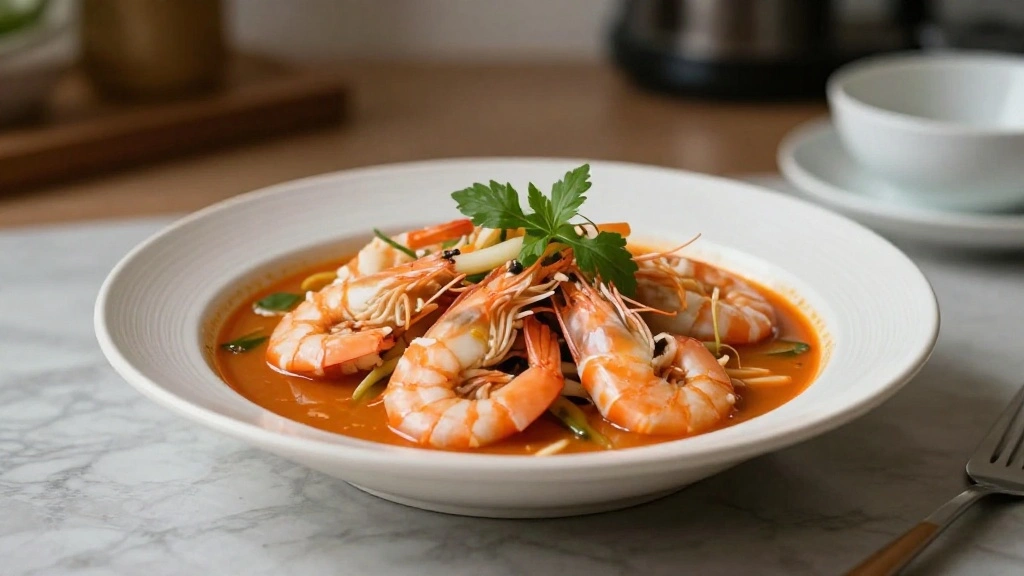

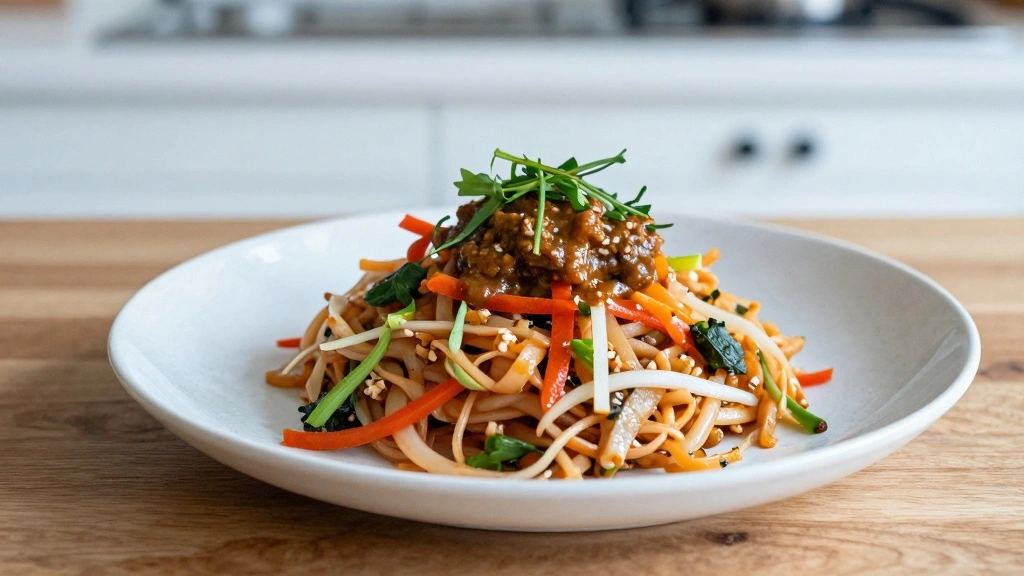


The harmonious balance of sweet, salty, tangy, and umami flavors creates a memorable dining experience that will have everyone asking for your secret.
Whether you’re preparing a casual family dinner or hosting a special celebration, this Pad Thai sauce delivers impressive results with straightforward preparation.
I discovered this recipe during my travels through Thailand, where local chefs have perfected it through generations of careful refinement.
This easy Pad Thai sauce brings together centuries of culinary tradition with modern techniques to create a dish that’s both comforting and elegant.
The History and Cultural Significance
• The dish evolved over decades as chefs began incorporating local ingredients like tamarind and fish sauce, eventually becoming the beloved version we know today.
• In Thai culture, this dish traditionally appears at street food markets, symbolizing the vibrant and communal nature of Thai cuisine.
• While many variations exist across different regions, the authentic version maintains a balance of flavors that sets it apart from imitations.


Recipe Overview
Nutritional Information (per serving)

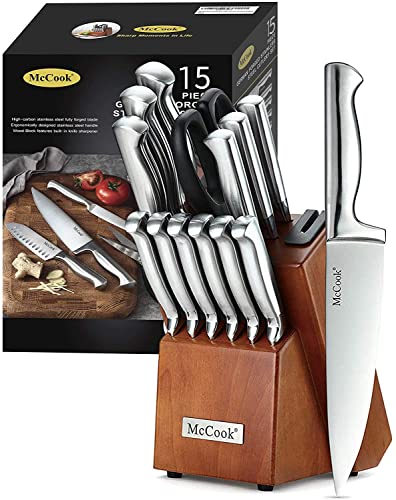

Essential Equipment Guide
Whisk: A whisk is crucial for blending the sauce ingredients smoothly, preventing clumps. A fork can be used as an alternative, but a whisk provides better aeration and mixing.
Measuring Cups: Accurate measurements ensure the balance of flavors, so using measuring cups is essential. Look for a set that includes both liquid and dry measurements for versatility.


Ingredients
For the Sauce
| Amount | Ingredient | Notes |
|---|---|---|
| 3 tablespoons | tamarind paste | adds tanginess |
| 3 tablespoons | fish sauce | provides umami |
| 2 tablespoons | palm sugar | sweetens the sauce |
| 1 tablespoon | lime juice | enhances flavor |
| 1 teaspoon | soy sauce | adds depth of flavor |
Preparation Methods
Blending Ingredients: Thoroughly whisking the sauce ingredients ensures a smooth, homogenous mixture. Make sure to dissolve the palm sugar completely to avoid gritty texture.
Adjusting Consistency: The sauce should have a slightly thick consistency. If it’s too thick, add a bit of water or lime juice; if too thin, simmer gently to reduce.

Step 1: Gather Ingredients
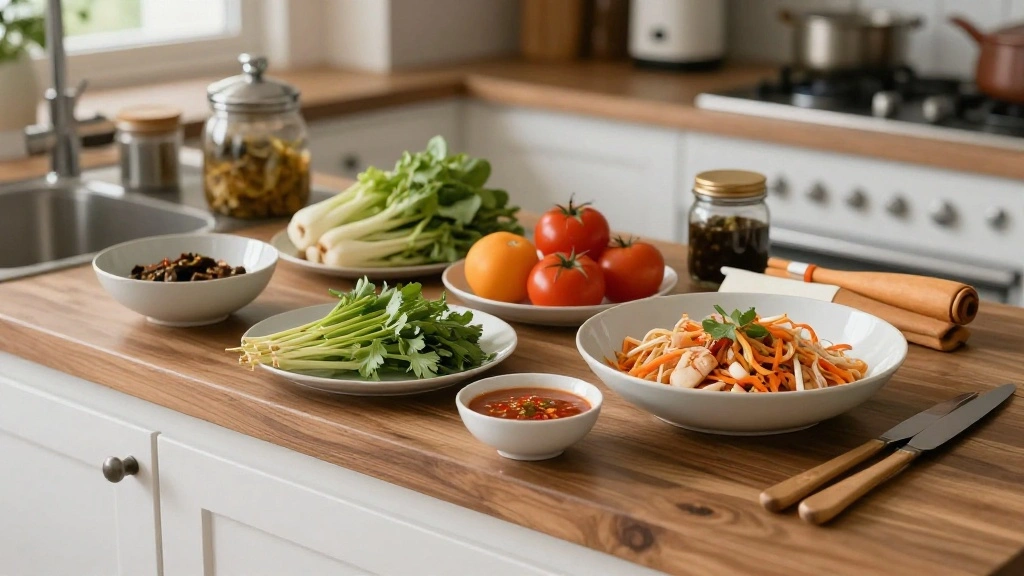
Ensure you have fresh and high-quality ingredients for the best flavor.
Arrange ingredients on your countertop for easy access.
Double-check your list to avoid missing any key elements.
Step 2: Measure Ingredients
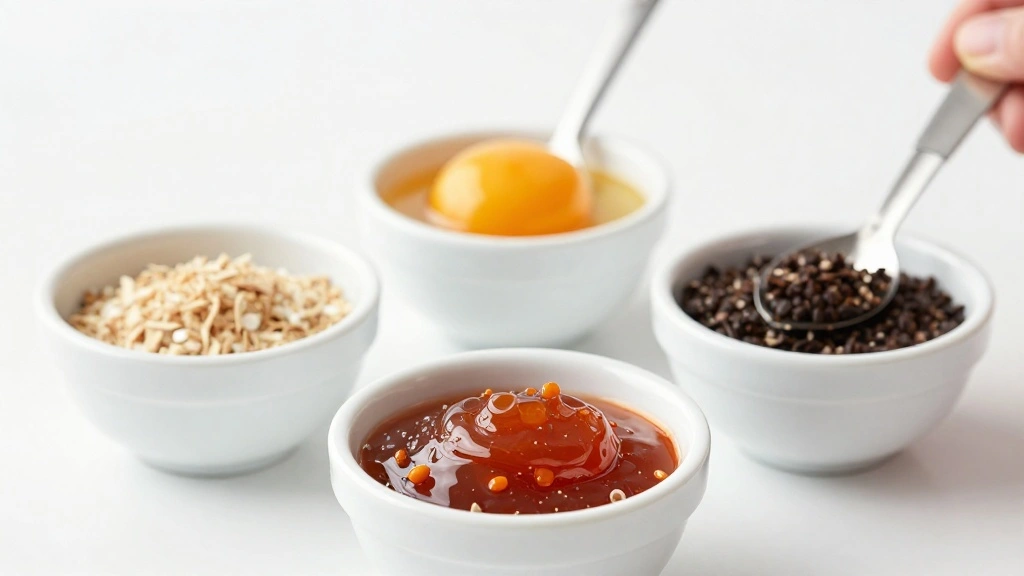
Ensure accuracy for proper flavor balance in the sauce.
Place dry and liquid ingredients in separate small bowls.
Organize measured ingredients in the order they will be used.
Step 3: Prepare Tamarind Paste
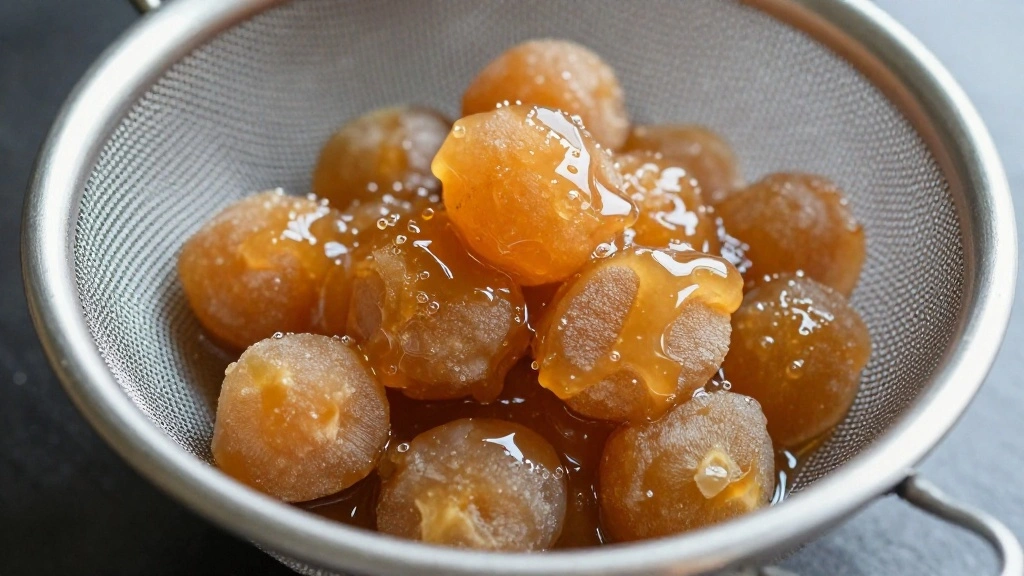
Strain the mixture to remove seeds and fibers.
Ensure the paste is smooth and free of lumps.
Set aside for use in the sauce.


Step 4: Combine Liquid Ingredients
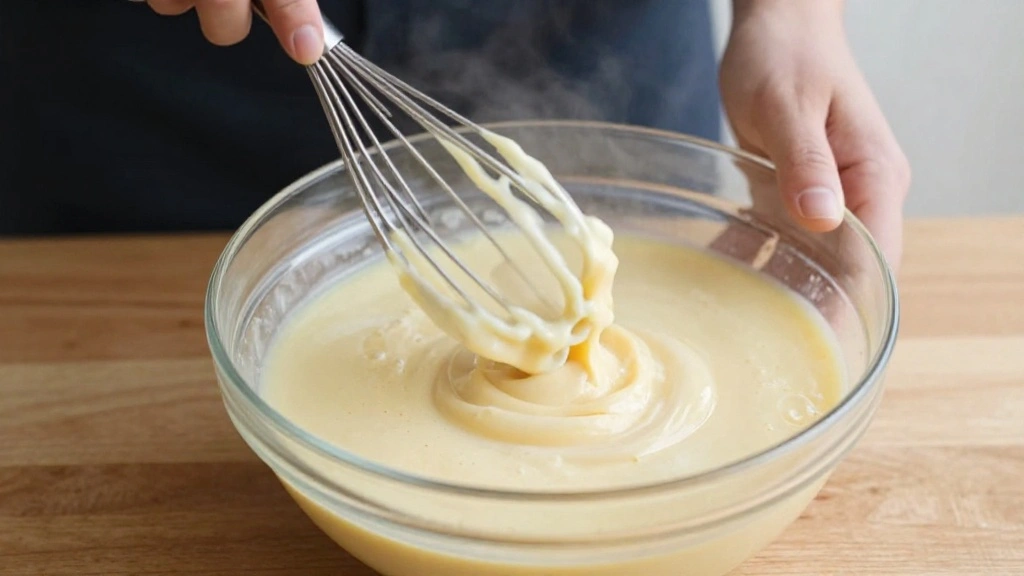
Stir gently to mix the liquids together.
Use a whisk to ensure the mixture is smooth.
Set aside for adding sugar and soy sauce.
Step 5: Dissolve Palm Sugar
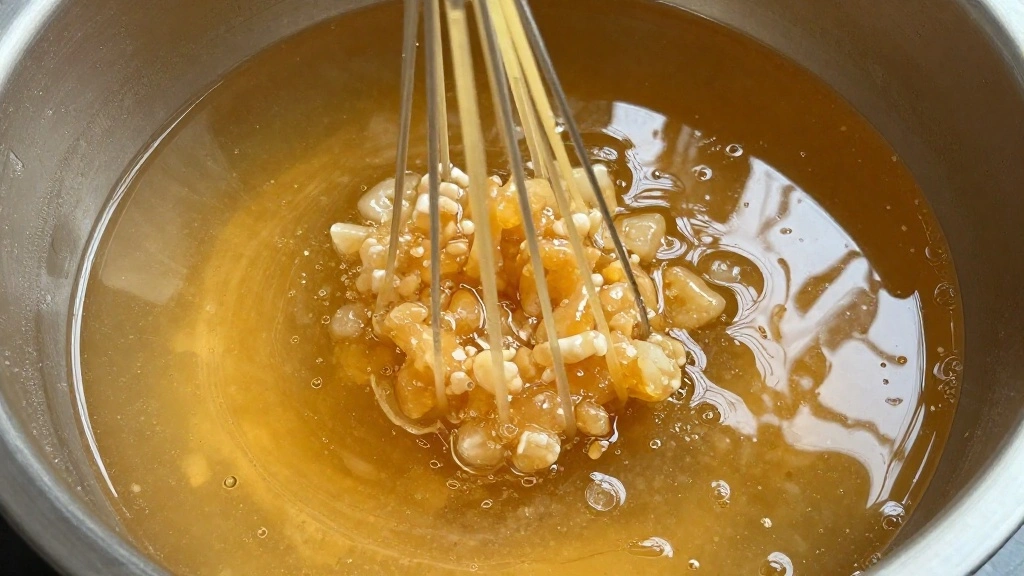
Use a whisk to dissolve the sugar completely.
Ensure there are no gritty sugar particles left.
The mixture should be smooth and slightly thick.
Step 6: Adjust Seasoning
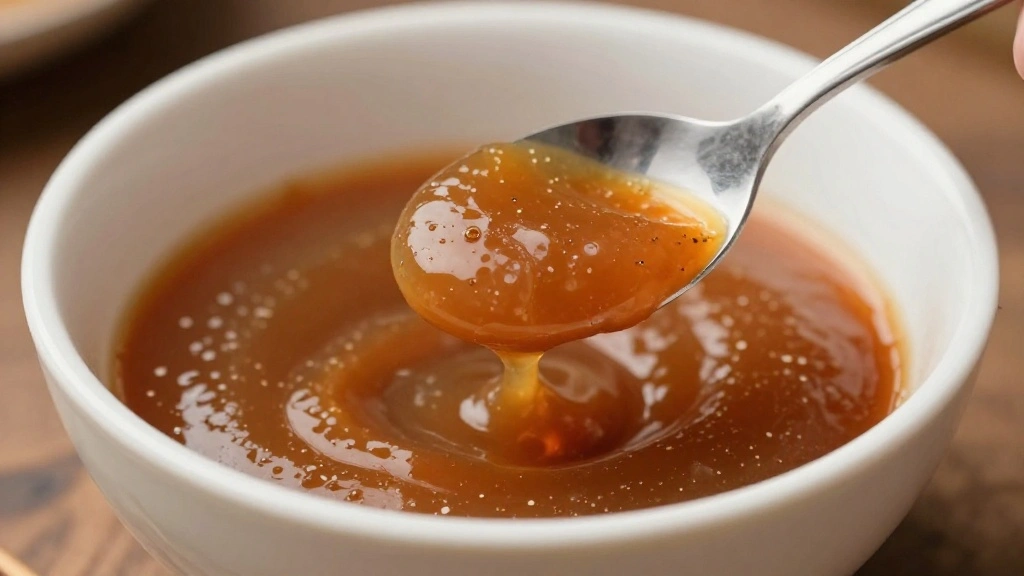
Add more soy sauce for saltiness or lime juice for tanginess.
Ensure the balance of sweet, salty, and tangy flavors is just right.
Remember that flavors will meld as the sauce cooks.
Step 7: Heat Sauce
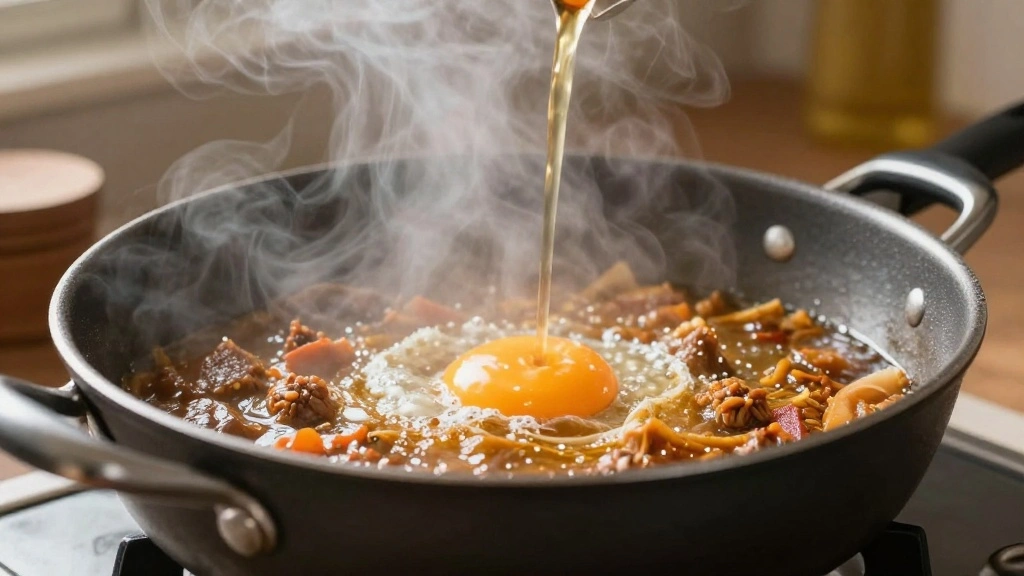
Stir occasionally as it heats to prevent sticking.
Watch for the sauce to slightly thicken.
Remove from heat once desired consistency is reached.
Step 8: Store or Use Sauce
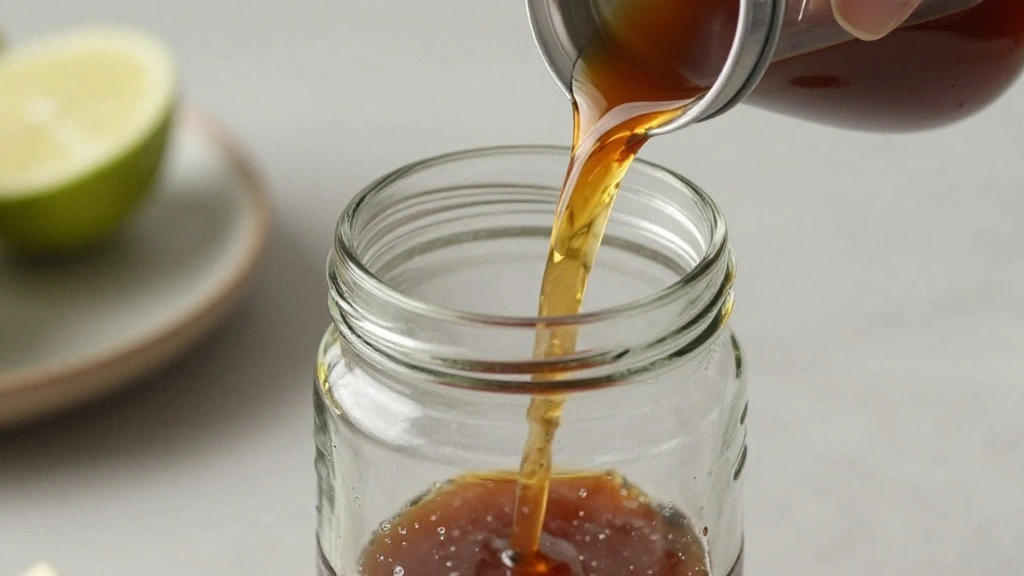
Transfer to an airtight container for storage.
Refrigerate until ready to use, up to one week.
For immediate use, proceed to cooking Pad Thai or favorite dish.
Critical Timing and Temperature Guide
Balancing Flavors: Taste and adjust seasoning after heating. Be cautious of over-salting; it’s easier to add more than to fix an overly salty sauce.
Storage: Store sauce in the refrigerator, ideally between 36-40°F. Use within one week for optimal flavor; discard if any off smells develop.
Pro Tips for Pad Thai Sauce
• Preparation Secret: Gently simmer the sauce after mixing to meld the flavors, a step often skipped by home cooks.
• Temperature Management: Keep the sauce at a consistent medium heat to prevent sugars from burning and altering the flavor.
• Texture Enhancement: Using palm sugar instead of granulated sugar prevents graininess and adds depth.
• Flavor Layering: Add a dash of soy sauce gradually to build umami without overpowering other flavors.
• Make-Ahead Strategies: Prepare the sauce a day in advance to allow flavors to develop. Store in an airtight container in the fridge.
• Restaurant-Quality Finishing Touches: Before serving, finish with a squeeze of fresh lime juice for a bright, fresh note.
• Equipment Optimization: Use a whisk instead of a spoon for better mixing of ingredients and smoother consistency.
Troubleshooting Common Issues
• Sauce Too Thick: Gradually add water or lime juice, a teaspoon at a time, until the desired consistency is reached.
• Sauce Too Thin: Simmer on low heat for a few extra minutes, stirring constantly, until it thickens.
• Lacking Depth: Add a small amount of soy sauce or a dash of fish sauce to enhance umami.
• Sugary Gritty Texture: Ensure palm sugar is completely dissolved during preparation; reheat gently while stirring if needed.
Variations and Regional Differences
• Northern Thai Style: Often uses pickled vegetables and includes dried shrimp, giving it a distinct salty and tangy flavor profile.
• Vegetarian Pad Thai: Omits fish sauce and includes soy sauce or mushroom sauce as a substitute, emphasizing fresh vegetables.
• Street Food Style: Frequently includes additional garnishes like crushed peanuts and bean sprouts for added texture and flavor.

Food Science Behind the Recipe
• Maillard Reaction: Gentle simmering allows sugars to caramelize slightly, deepening color and flavor.
• pH Balance: Lime juice lowers the pH, enhancing flavor perception and acting as a natural preservative.
• Flavor Compounds: The umami from fish sauce and soy sauce interacts with other taste compounds, enhancing overall depth.
Frequently Asked Questions
Can I substitute tamarind paste? Yes, a mixture of lime juice and a bit of brown sugar can be used as an alternative, though it won’t have the exact same depth.
How can I make the sauce spicier? Add chili paste or finely chopped fresh chilies to the sauce for more heat.
Is there a vegetarian version of this sauce? Yes, substitute fish sauce with soy sauce or a vegan fish sauce alternative.
How long does the sauce last in the fridge? The sauce can last up to one week if stored in an airtight container in the refrigerator.
Can I freeze the sauce? Yes, the sauce can be frozen for up to three months. Thaw in the refrigerator before use.
What can I use this sauce with besides Pad Thai? It’s versatile and can be used as a marinade or dipping sauce for grilled meats and vegetables.
Why is my sauce separating? Ensure the sauce is whisked thoroughly and heated properly to maintain a smooth consistency.
Serving and Presentation Guide
• Modern Presentation: Use a shallow bowl to create a neat nest of noodles, topped with sauce and garnished artfully.
• Family Style: Present in a large serving dish with separate bowls of garnishes for guests to customize their servings.
• Individual Plates: Serve in individual bowls with a small side of extra sauce for those who like additional flavor.
• Street Food Style: Use banana leaves as a plate for an authentic street food experience, garnished with bean sprouts and lime.


Conclusion
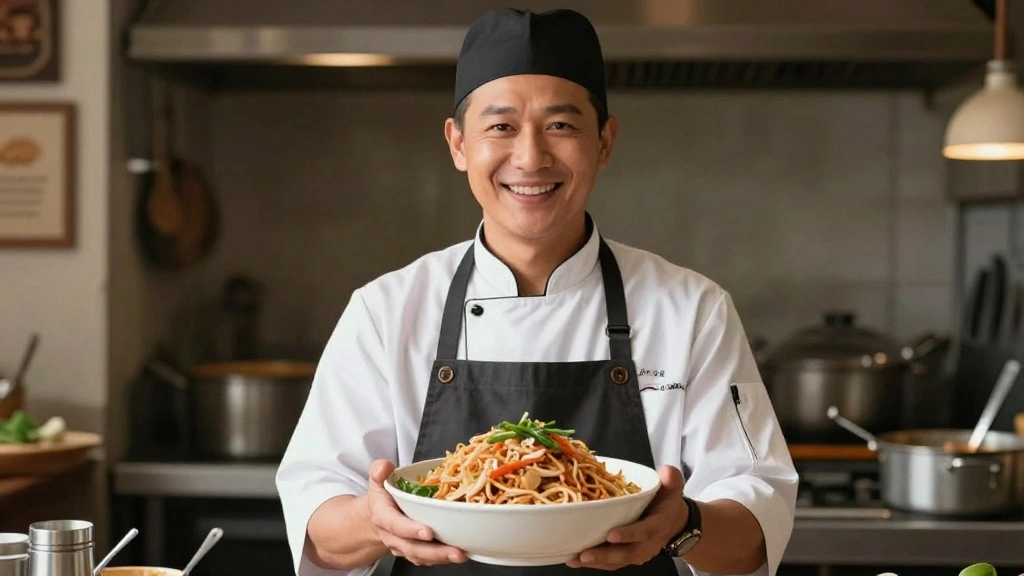
With just a few minutes and simple ingredients, you can transform your meals with this versatile sauce.
Whether you’re hosting a dinner party or enjoying a quiet meal at home, this sauce is sure to impress.
Give it a try and discover the magic of homemade Pad Thai sauce!