
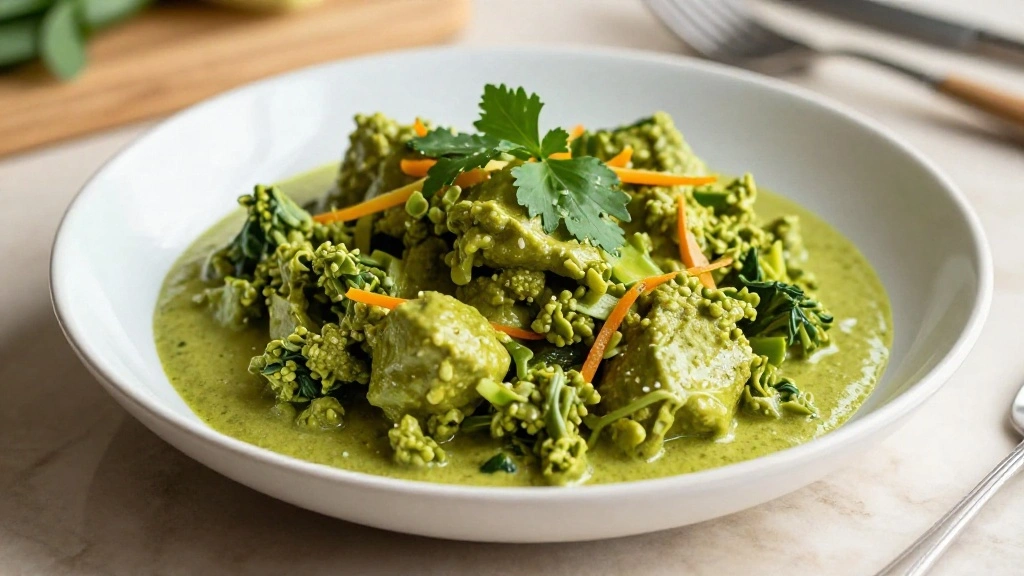


Thai Green Curry Recipe Authentic Easy Homemade
5 medium green chilies
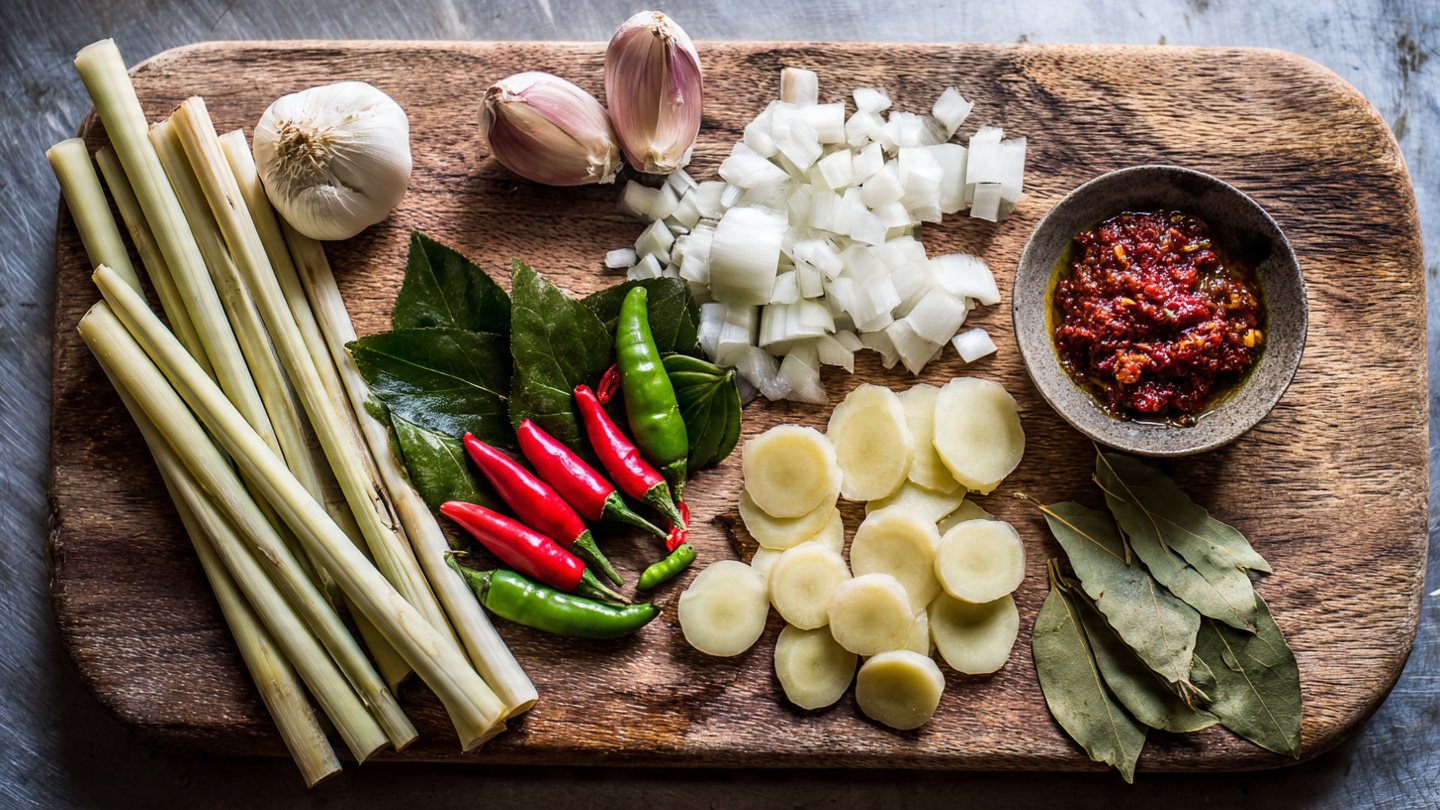
2 tablespoons lemongrass
1 tablespoon galangal
1 tablespoon vegetable oil
1 can coconut milk
2 cups chicken breast
1 cup eggplant
1 cup baby corn
2 tablespoons fish sauce
1 tablespoon palm sugar
5 leaves kaffir lime
PT45M
4 servings
The vibrant and aromatic Thai Green Curry is a staple of Thailand’s culinary repertoire.
Its creamy coconut base is perfectly balanced with the zesty and spicy notes of green chilies and fresh herbs.
I first experienced the authentic flavors of this dish in a bustling Bangkok market, where the local chefs combined skill and tradition to create something unforgettable.
This recipe is designed for home cooks who crave the authentic taste of Thailand without the need for complex techniques.
Whether it’s a cozy family dinner or an adventure for your taste buds, this Thai Green Curry promises to deliver with its rich flavors and straightforward preparation.
The History and Cultural Significance
• Thai Green Curry traces its origins to Central Thailand, where it was originally created by local chefs during the 20th century.
• The dish evolved over decades as chefs began incorporating more locally available ingredients, eventually becoming the beloved version we know today.
• In Thai culture, this dish traditionally appears at family gatherings and festive occasions, symbolizing warmth and togetherness.
• While many variations exist across different regions, the authentic version maintains a balance of spicy, sweet, and savory flavors that sets it apart from imitations.
Recommended Products

Made In India
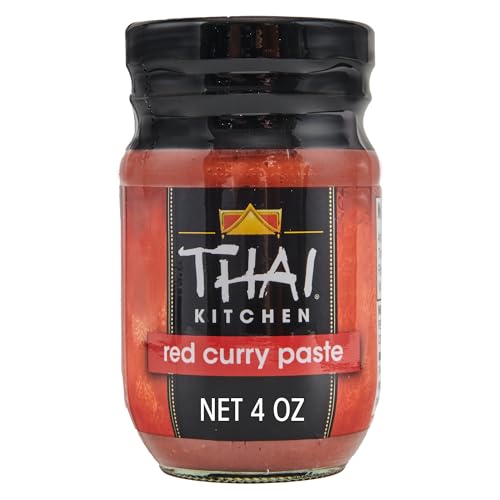
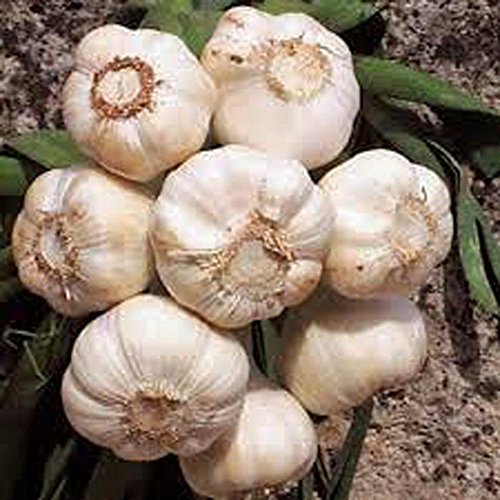
MADE FOR HOME COOKS: Bring Thai-inspired flavor to your table with red curry paste made with ingredients including red chili pepper, garlic, lemongrass, salt, shallot, coriander root, and makrut lime peel

Versatile Thai flavoring paste; flavorful blend of lemongrass, spice (including galangal) and fresh green chili


Recipe Overview
Recommended Products

Rich, creamy, non-dairy milk for smoothies, coffee, curries and baked goods

VERSATILE INGREDIENT: Unsweetened coconut milk lends the perfect flavor and texture to both sweet and savory recipes and dishes.

PREMIUM QUALITY COCONUTS - Our creamy coconut milk is extracted from the pulp of mature coconuts which are ethically sourced from sustainable growers and have passed strict quality control inspections to ensure high quality.
Nutritional Information (per serving)
Recommended Products


✔️ Handpicked Under Optimal Conditions: Our premium kaffir lime leaves are meticulously cultivated in sunlight-drenched environments, nurtured in nutrient-rich soil, and harvested at peak ripeness to ensure the highest quality.

�🍃� Prepare Authentic Recipes: With a fresh spiced-citrus flavor, our aromatic kaffir tree leaves are perfect for seasoning food, ideal for your Tom Yum, Tom Kha Gai, chicken fry, green curry, salads, and soups.


Essential Equipment Guide
Wok or Large Pan: Essential for achieving the high heat needed to properly cook the curry paste and vegetables. A deep, non-stick pan can be an alternative, but ensure it can handle high temperatures.
Mortar and Pestle: Important for grinding fresh herbs and spices to release their essential oils, providing a deep flavor. A food processor can work as an alternative, but the texture may differ.
Sharp Chef’s Knife: Necessary for efficiently chopping ingredients, especially when dealing with fibrous vegetables like lemongrass. Look for one with a comfortable grip and balanced weight.
Recommended Products

Helen's Asian Kitchen Classic Suribachi Set: Traditional Japanese suribachi and surikogi set quickly grinds ingredients into fine powders, pastes, sauces, dressings, marinades, seasoning blends, sesame paste, and spice rubs for authentic Asian cooking

CREATE GOURMET FLAVORS AT HOME: With this manual spice grinder, or molcajete, you can easily create your own spice blends, pestos, dips, and more.

New design:The size is 3.3" L x 1.8" H. This is the best combination. The mortar with a small cutout, which is very convenient for you to pour out the ground powder


Ingredients
Recommended Products

AUTHENTIC THAI CURRY FLAVOR – Experience the bold, aromatic taste of Thailand without the mess of curry pastes. Our premium blend features organic galangal, coriander, and turmeric to deliver restaurant-quality curry flavor that is perfect for traditional and modern recipes alike.

First product to combine rice with noodles for a unique and satisfying meal experience
For the Curry Paste
| Amount | Ingredient | Notes |
|---|---|---|
| 5 medium | green chilies | adds heat and color, deseeded if milder flavor is desired |
| 2 tablespoons | lemongrass | finely chopped, provides citrusy aroma |
| 1 tablespoon | galangal | adds earthy flavor, can substitute with ginger |
For the Curry
| Amount | Ingredient | Notes |
|---|---|---|
| 1 tablespoon | vegetable oil | for sautéing |
| 1 can | coconut milk | adds rich, creamy base |
| 2 cups | chicken breast | sliced thin for quick cooking |
Vegetables
| Amount | Ingredient | Notes |
|---|---|---|
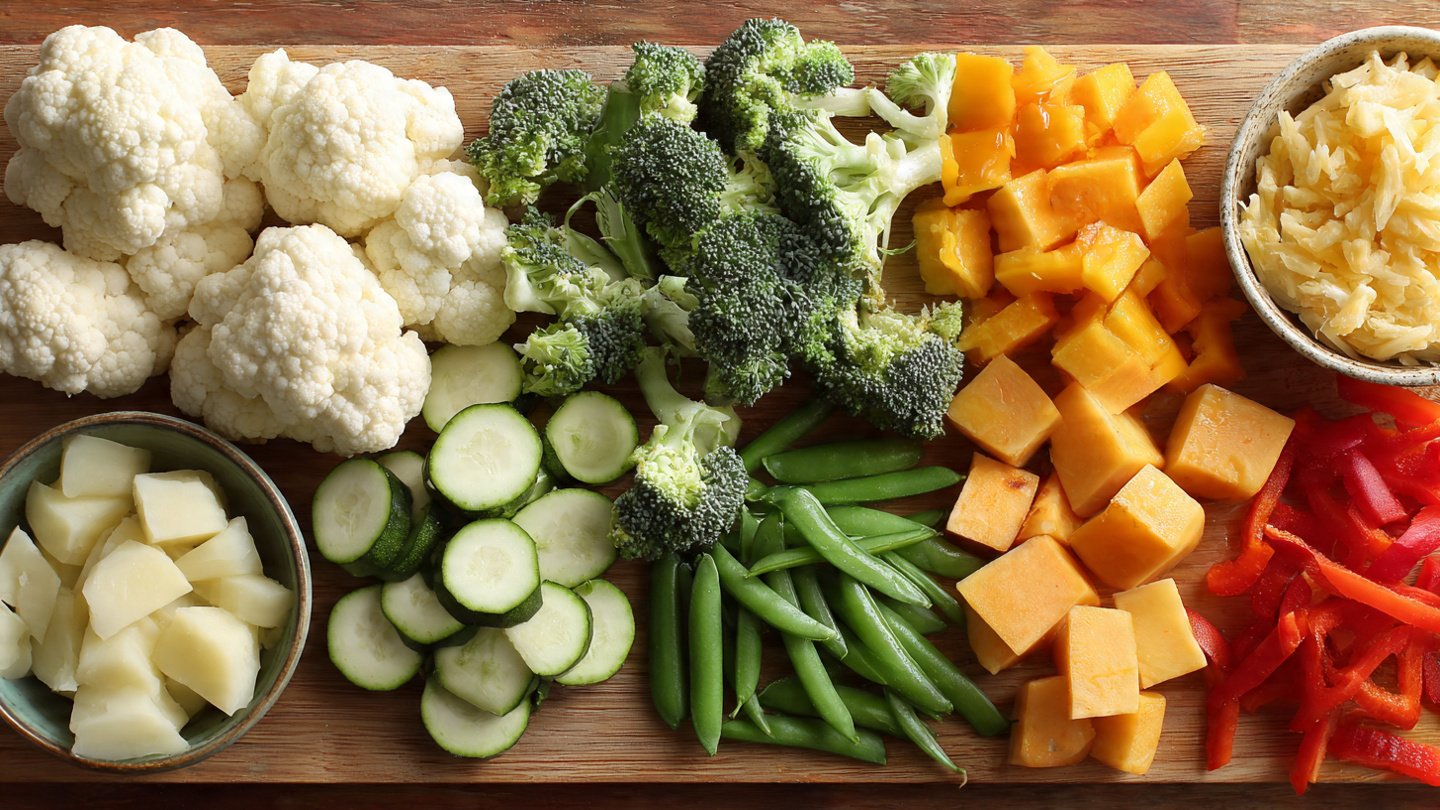
| 1 cup | eggplant | cubed, absorbs flavor well |
| 1 cup | baby corn | adds sweetness and texture |
Seasonings
| Amount | Ingredient | Notes |
|---|---|---|
| 2 tablespoons | fish sauce | for umami depth |
| 1 tablespoon | palm sugar | balances flavors |
| 5 leaves | kaffir lime | adds fragrance, torn for release of oils |


Preparation Methods
Pounding Ingredients: Using a mortar and pestle to pound herbs and spices is crucial for releasing natural oils and flavors. This traditional technique enhances the aroma and depth of the curry paste. Practice patience and rhythm to achieve a smooth consistency.
Sautéing Curry Paste: Sautéing the paste in oil before adding other ingredients helps to deepen the flavors. Ensure the oil is hot before adding the paste, and stir continuously to avoid burning.
Simmering: Allowing the curry to simmer gently helps flavors meld and thicken the sauce. Avoid boiling, which can separate the coconut milk, and stir occasionally to prevent sticking.
Recommended Products

Made In India

🌟 DELICIOUS AND AUTHENTIC: This world famous Thai style curry paste is made up of fresh green chillies and herbs. This organic paste brings you a delicious Thai curry, and can be a savory marinade for all types of grilled or barbecued vegetables, seafood and meat. Add your favourite ingredients, coconut or nut milk and simmer. Expect Thai-style HEAT too, as we make no compromise there in authenticity.

AUTHENTIC THAI FLAVOR: Thai Kitchen Green Curry Paste delivers an authentic, spicy burst of flavor in recipes; infuse the new notes of delicious herbs and spices into various recipes with ease when you buy bulk curry paste


Step 1: Prepare Ingredients
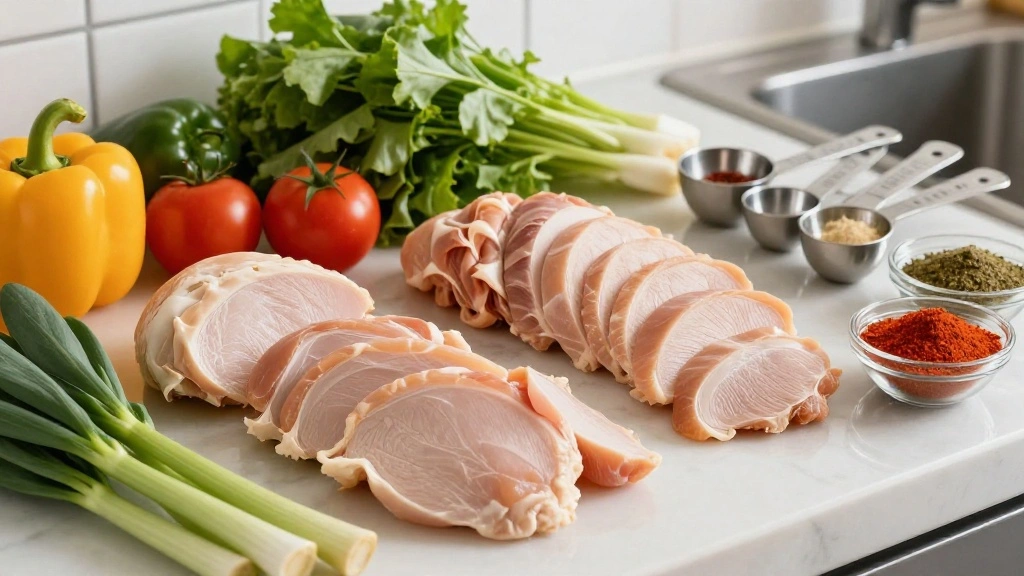
Gather all ingredients and tools before starting.
Wash and chop vegetables as per the recipe.
Slice chicken breast thinly for even cooking.
Ensure all ingredients are at room temperature for best results.
Recommended Products

DAIRY FREE ALTERNATIVE: Evaporated Coconut Milk is a dairy free alternative to canned evaporated milk.

Organic coconut milk with silky smooth texture

ORGANIC: USDA Organic unsweetened coconut milk is versatile enough for both sweet and savory recipes and dishes.


Step 2: Make Curry Paste
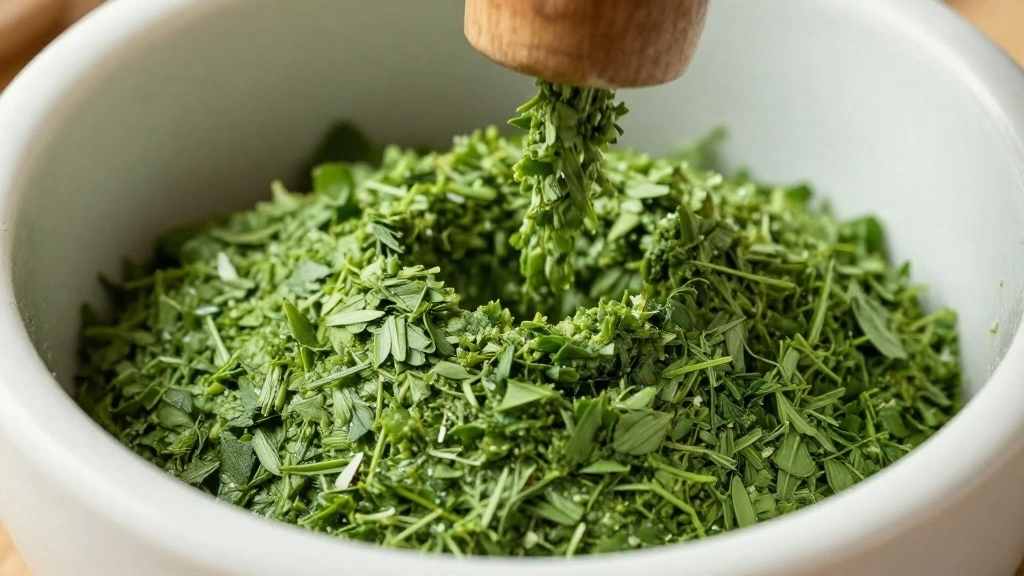
Add green chilies, lemongrass, and galangal to a mortar.
Pound ingredients slowly at first, then increase speed as they break down.
Aim for a smooth, cohesive paste without large chunks.
Scrape down the sides to incorporate all ingredients thoroughly.
Recommended Products

PREMIUM KAFFIR LIME LEAVES: Bring the distinctive citrus aroma of kaffir lime leaves to your kitchen. Also known as makrut lime leaves, these carefully selected whole Thai lime leaves are a convenient aromatic ingredient for Thai and Southeast Asian cooking.

100% Natural Galangal, No Color, preservative, artificial additives., resealable bag keeps the contents fresh and good tasting.

🌱 THE ONLY BRAND AVAILABLE FROM THAILAND ::: Incas Organic Kaffir Lime Leaves Are Grown & Dried in Thailand, Used For Original & Authentic Tasting Thai Food & The Ultimate Thai Culinary Experience [Please Note Packaging May Vary]


Step 3: Heat the Pan
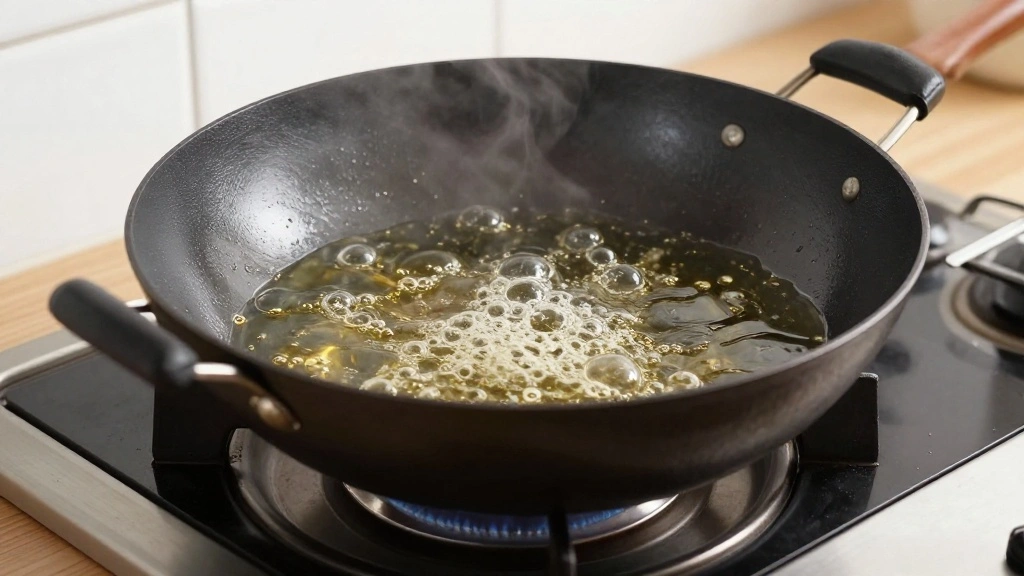
Place a wok or large pan over medium-high heat.
Add vegetable oil and heat until shimmering.
Ensure the oil is hot enough to sizzle when paste is added.
This step is crucial for developing flavors in the curry paste.
Recommended Products

A kitchen must-have: Mortar and pestle set (mortero de cocina - morter and pessel - molcajete or guacamole bowl and pestel) has been used for THOUSANDS of years as THE way to crush, grind and powder herbs and dry spices. Contrary to an electric grinder or crusher, the age-old, durable, traditional manual grinding method ensures that all cooking ingredients bring out their full flavor and aroma profiles, allowing you to further control their texture and make delicious, chunk-free dishes.

This decorative mortar and pestle set can also be used as a decor piece on your kitchen counter due to its great craftmanship

Durable and Stable: Food grade 18/8 stainless steel construction, no mercury, no residual taste, durable and rustproof. Padding on the bottom makes it stay put even more.
Step 4: Sauté Paste
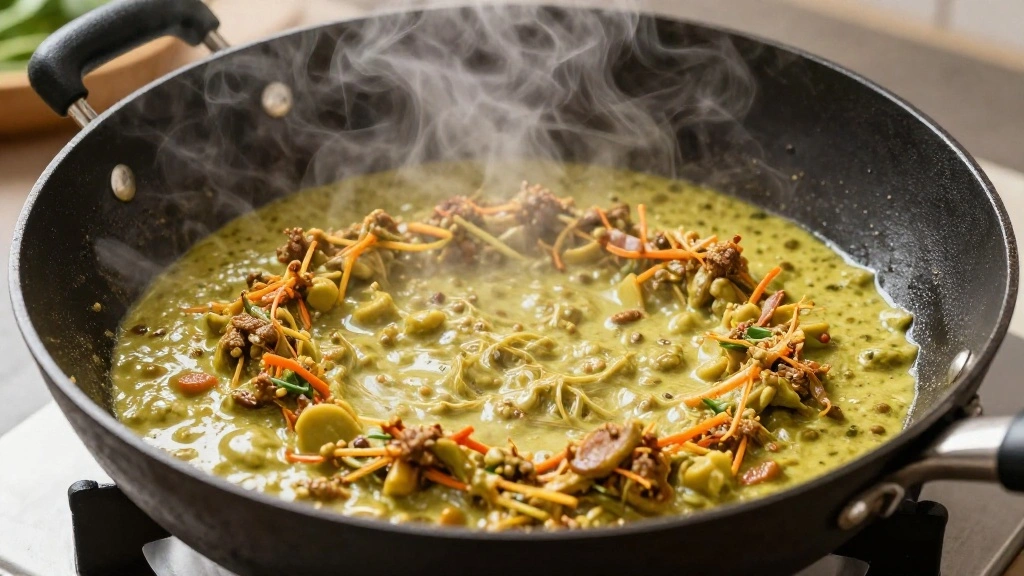
Add the curry paste to the hot oil.
Stir continuously to prevent sticking and burning.
Cook until fragrant and slightly darker in color.
This step develops the base flavors of the curry.
Recommended Products

[11PCS WOK SET] You not only have quality 12.8 inch carbon steel pan and wooden lid, but also get 10 accessories include slotted turner, ladle, spatula, skimmer, solid spoon, slotted spoon, egg whisk, wok brush, wok ring and pasta server. The step design wooden lid to precise match the pot and accelerate to your cooking, the soup mouth design is easy to pour soup, the detachable wooden handle is not hot and easy to save, also easy use in the oven

Morton & Bassett Thai Red Curry | Spicy Southeast Asian Blend for Soups & Stir-Fries | Gluten Free, Salt Free, Non-GMO | 1.1 oz Jar


Step 5: Add Coconut Milk
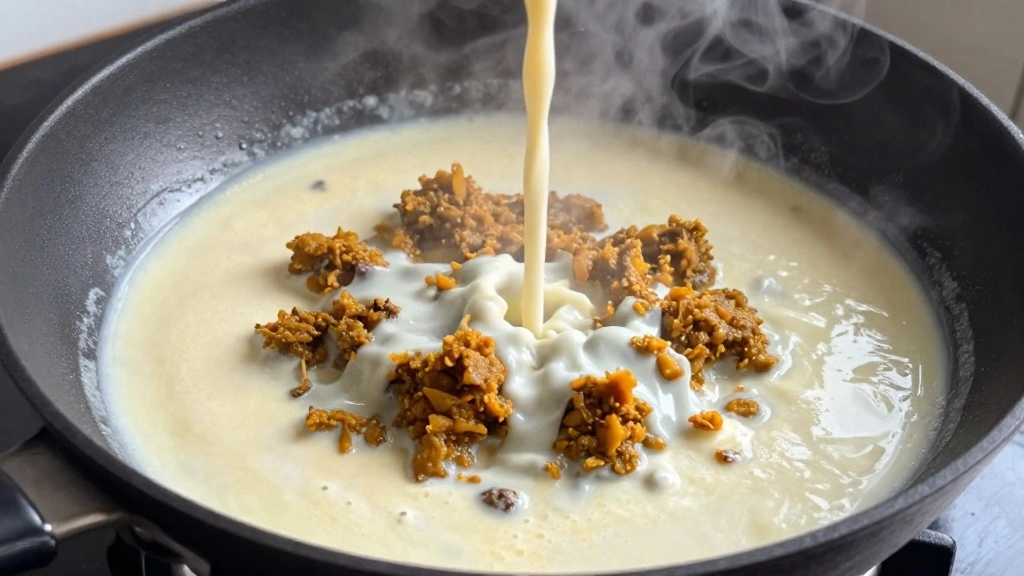
Pour in the coconut milk slowly while stirring.
Ensure the paste is well incorporated into the milk.
Bring the mixture to a gentle simmer.
Avoid boiling to prevent separation of the milk.
Step 6: Add Chicken
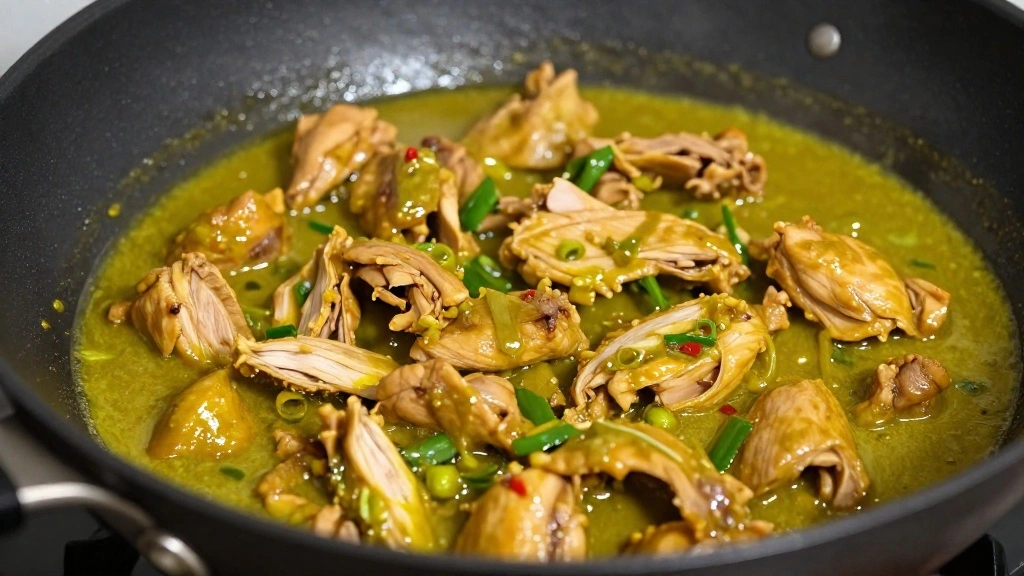
Add the sliced chicken breast to the curry.
Stir to coat the chicken pieces evenly with sauce.
Cook until chicken is just done, ensuring it remains tender.
Avoid overcooking which can lead to dryness.


Step 7: Incorporate Vegetables
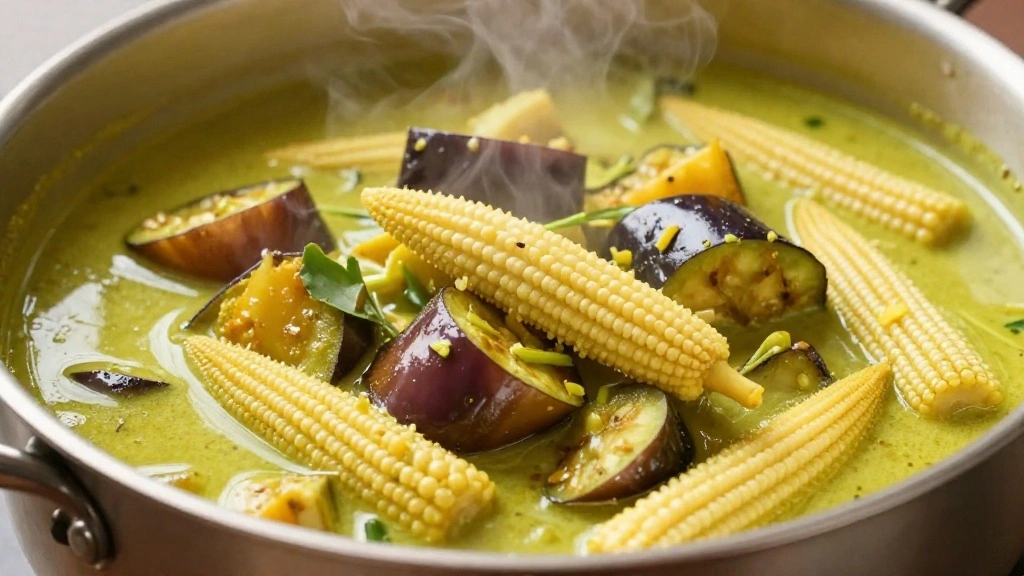
Add eggplant and baby corn to the wok.
Stir to distribute vegetables throughout the curry evenly.
Cook until vegetables are tender but still have a slight crunch.
This step enhances the texture and flavor of the curry.
Step 8: Season to Taste
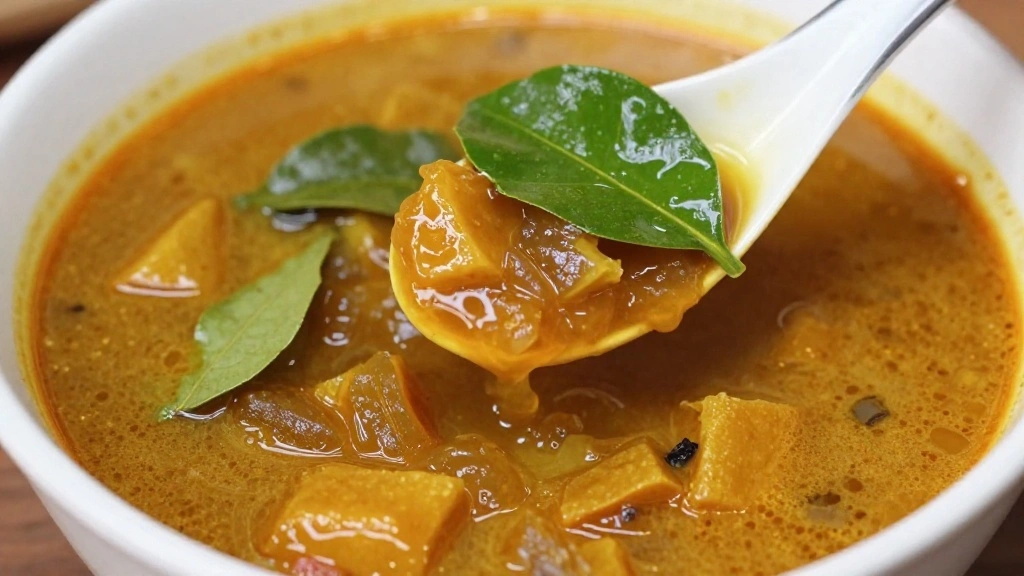
Add fish sauce, palm sugar, and kaffir lime leaves.
Stir thoroughly to dissolve sugar and distribute seasonings.
Taste and adjust seasonings as needed.
Balance of salty, sweet, and sour is key for authentic flavor.


Critical Timing and Temperature Guide
Cooking the Paste: Sauté for 2-3 minutes until fragrant. Ensure medium-high heat, and watch for vibrant color change. Avoid burning.
Simmering the Curry: Maintain a gentle simmer for 15-20 minutes. Look for a slight thickening of the sauce. Do not boil to prevent coconut milk separation.
Cooking Chicken: Cook chicken for 5-7 minutes until just done. Check that chicken is opaque and tender. Overcooking can result in dryness.
Pro Tips for Thai Green Curry
• Ingredient Selection: Use fresh herbs like lemongrass and kaffir lime leaves for authentic flavor. Frozen or dried alternatives can diminish the vibrancy.
• Preparation Secret: Toast spices lightly before grinding to enhance their aroma and depth.
• Temperature Management: Keep coconut milk at a simmer to maintain its creamy consistency and avoid splitting.
• Texture Enhancement: Add vegetables in stages to ensure each is cooked to perfection, maintaining a balance of tenderness and crunch.
• Flavor Layering: Build complexity by adding fish sauce and sugar in increments, tasting as you go to achieve the perfect balance.
• Make-Ahead Strategies: Prepare curry paste in advance and store in an airtight container in the refrigerator for up to a week.
• Restaurant-Quality Finishing Touches: Garnish with fresh basil leaves and a squeeze of lime juice before serving to elevate flavor.
• Equipment Optimization: Use a non-stick pan if a traditional wok is unavailable, ensuring even heat distribution.

Troubleshooting Common Issues
• Flavors Unbalanced: This can occur if sugar or fish sauce is added all at once. Gradually adjust seasoning, tasting frequently, and add a splash of lime juice for additional acidity if needed.
• Coconut Milk Splitting: Often caused by excessive heat. Maintain a gentle simmer and avoid boiling. If separation occurs, whisk vigorously to recombine.
• Vegetables Too Soft: Caused by overcooking. Add vegetables later in the cooking process and aim for a slight crunch. Reduce cooking time if needed.
• Curry Too Thin: Over-simmering can thin the sauce. Reduce liquid at a gentle simmer and consider adding a cornstarch slurry to thicken.
• Chicken Too Dry: Overcooking chicken results in dryness. Cook at medium heat until just opaque and remove from heat immediately.
Variations and Regional Differences
• Southern Thai Variation: Incorporates more turmeric and uses shrimp paste, giving the curry a distinct, deeper flavor and a slightly different color.
• Central Thai Variation: Known for its balanced use of palm sugar and fish sauce, making it both sweeter and more savory than other versions.
• Northern Thai Variation: Often excludes coconut milk, resulting in a lighter curry with more pronounced herbal flavors.
• Vegetarian Variation: Substitutes tofu for chicken and uses soy sauce instead of fish sauce, maintaining the authentic taste while catering to plant-based diets.


Food Science Behind the Recipe
• Emulsification: The combination of coconut milk and curry paste creates an emulsion that binds flavors and adds creaminess. Understanding this helps maintain the sauce’s texture.
• Maillard Reaction: Sautéing the paste initiates this reaction, enhancing flavor complexity through browning and aromatic compounds.
• Aromatics Release: Pounding herbs releases essential oils, which are volatile and contribute significantly to the curry’s aroma and flavor profile.


Frequently Asked Questions
What’s the most common mistake people make when preparing Thai Green Curry? The most common mistake is boiling the coconut milk, which causes it to split and lose its creamy texture.
Can I make Thai Green Curry paste in advance? Yes, you can prepare the paste ahead and store it in the fridge for up to a week or freeze it for longer storage.
How can I adjust the spiciness of the curry? Reduce the number of chilies or remove their seeds for a milder curry. Alternatively, add more coconut milk to balance the heat.
What can I use as a substitute for galangal? Ginger can be used as a substitute, though it will impart a slightly different flavor.
Is there a vegetarian version of this curry? Yes, substitute tofu for chicken and soy sauce for fish sauce to create a vegetarian version.
How do I prevent the curry from becoming too thick? Ensure you use the correct coconut milk-to-paste ratio and avoid over-simmering.
Why is my curry not green enough? Ensure you use fresh, vibrant green chilies and herbs. A dull color may result from older ingredients.
Serving and Presentation Guide
• Traditional Presentation: Serve the curry in a deep bowl, garnished with fresh basil leaves and a wedge of lime on the side for added freshness.
• Modern Plating: Use wide, shallow bowls to highlight the vibrant colors of the curry and vegetables, arranging them artfully.
• Family Style Service: Present in a large, communal bowl with a side of jasmine rice, allowing guests to serve themselves.
• Individual Portions: Portion the curry into smaller bowls, topped with a sprig of cilantro for an elegant touch.


Conclusion
With its rich history and vibrant flavors, Thai Green Curry is a dish that brings a taste of Thailand to your home kitchen.
By following this authentic and easy recipe, you can enjoy a delicious and satisfying meal that impresses both family and friends.
Don’t hesitate to experiment with the variations and personal touches to make this dish truly your own.