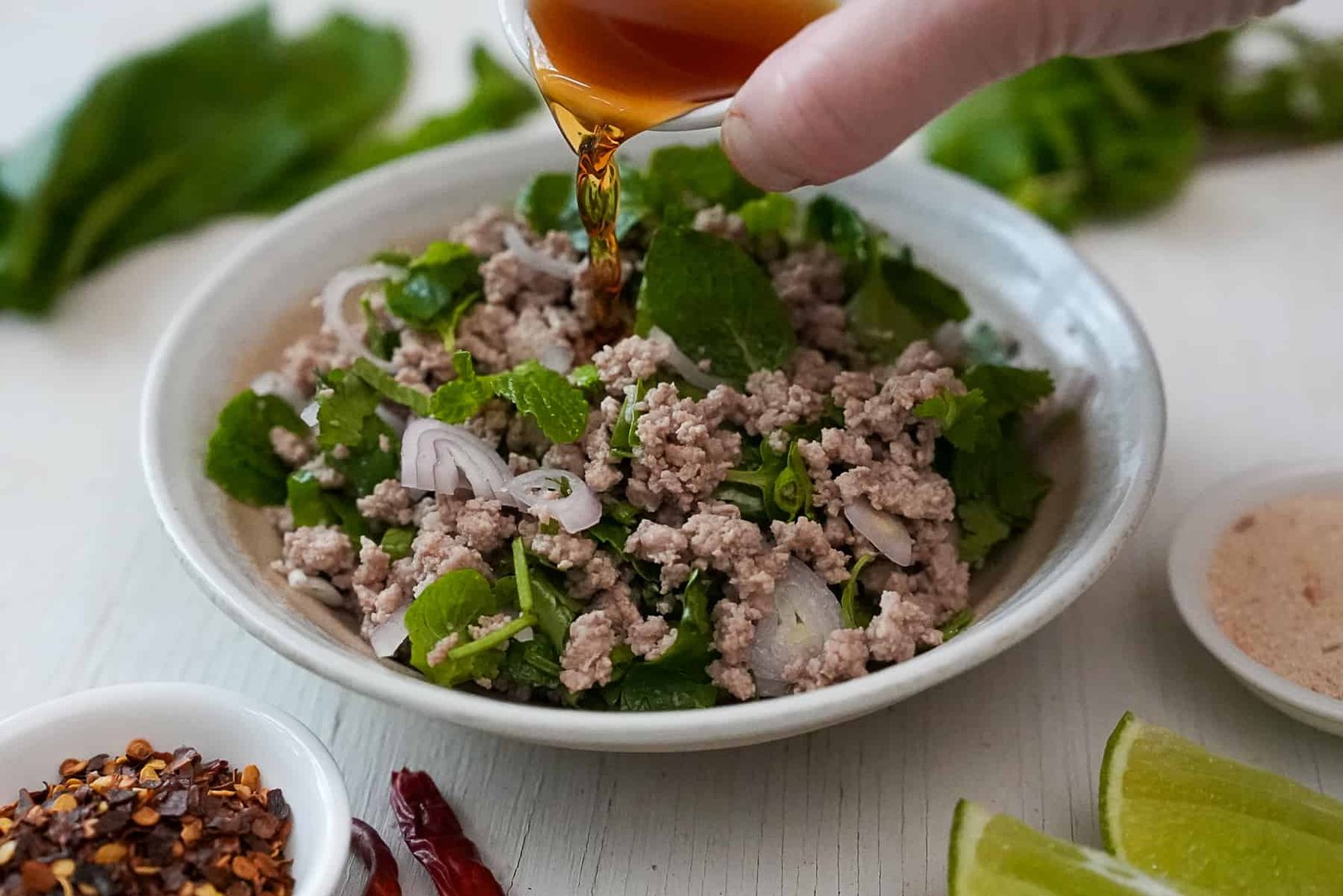


This classic Thai Turkey Lettuce Wraps brings together centuries of culinary tradition with a modern twist to create a dish that’s both fresh and invigorating.
The harmonious balance of spicy, sweet, and umami flavors creates a memorable dining experience that will have everyone asking for your secret.
I discovered this recipe during my culinary exploration of Thai cuisine, where creativity meets tradition in every bite.
Whether you’re preparing a casual family dinner or hosting a special celebration, these Thai Turkey Lettuce Wraps deliver impressive results with straightforward preparation.
Perfect for summer gatherings or as a light meal year-round, these wraps are as nutritious as they are delicious.
The History and Cultural Significance
• Thai Turkey Lettuce Wraps trace their origins to Thailand, where it was originally created as a refreshing appetizer or light meal.
• The dish evolved over decades as different regions introduced new herbs and spices, eventually becoming the beloved version we know today.
• In Thai culture, this dish traditionally appears at festive occasions and family gatherings, symbolizing health and prosperity.
• While many variations exist across different regions, the authentic version maintains a perfect balance of flavors that sets it apart from imitations.


Recipe Overview
Nutritional Information (per serving)
Essential Equipment Guide
Wok or Large Skillet: A wok is essential for achieving authentic stir-fry results due to its shape, which allows for even cooking and quick heat distribution. If unavailable, a large skillet can work, but ensure it has a non-stick surface and can handle high heat.
Sharp Knife: Precision in cutting ingredients is crucial for this dish, as uniformity ensures even cooking and enhances presentation. A sharp chef’s knife is recommended, but a quality paring knife can also suffice for smaller ingredients.
Mortar and Pestle: This tool is traditionally used to crush garlic and chilies, releasing their full flavor. A food processor can be an alternative, but it may not achieve the same texture and aroma.


Ingredients
For the Base
|
| Amount | Ingredient | Notes |
|---|---|---|
| 1 pound | ground turkey | lean, for healthier option |
| 12 leaves | butter lettuce | for wrapping |
Vegetables
| Amount | Ingredient | Notes |
|---|---|---|
| 1 cup | carrots | julienned, adds crunch |
| 1 cup | bell peppers | thinly sliced, for sweetness |
Seasonings
| Amount | Ingredient | Notes |
|---|---|---|
| 2 tablespoons | soy sauce | adds depth |
| 1 tablespoon | fish sauce | traditional umami flavor |
| 1 teaspoon | sugar | balances salty and spicy elements |
Sauce
| Amount | Ingredient | Notes |
|---|---|---|
| 3 tablespoons | hoisin sauce | for sweetness and depth |
| 1 tablespoon | lime juice | for tanginess |
| 1 teaspoon | sriracha | for heat |


Preparation Methods
Stir-Frying: This technique involves cooking ingredients quickly over high heat. It is vital for maintaining the crisp texture of the vegetables and ensuring the turkey absorbs all the flavors. Constant stirring is key to preventing sticking and promoting even cooking.
Julienning: This method of cutting vegetables into thin strips enhances texture and presentation. Uniform slices ensure even cooking and a pleasing aesthetic. Practice by using a mandolin slicer or a sharp chef's knife for precision.
Mortar and Pestle Grinding: Using a mortar and pestle to crush garlic and chilies releases essential oils and aromas, enhancing the dish's flavor profile. Apply firm, circular motions to achieve a paste-like consistency.


Step 1: Gather Ingredients
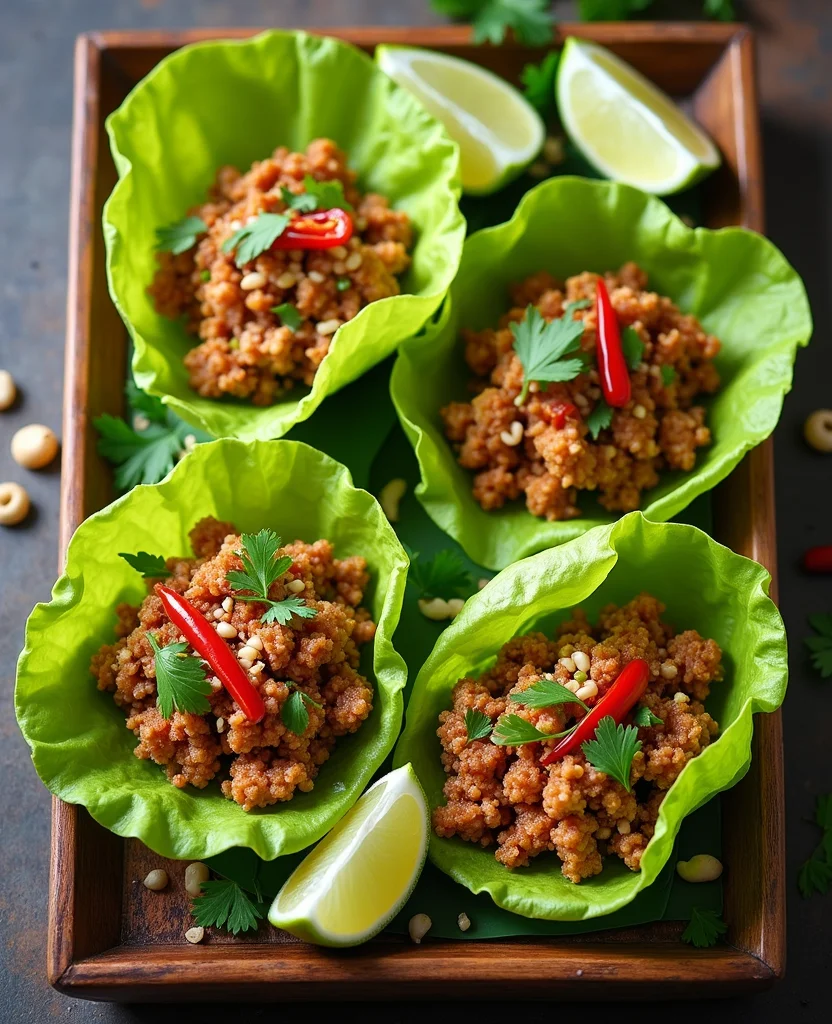
Begin by gathering all ingredients listed in the recipe.
Ensure vegetables are washed and dried.
Measure out the sauces and seasonings for easy access during cooking.
Having everything ready will streamline the cooking process.


Step 2: Prepare Vegetables
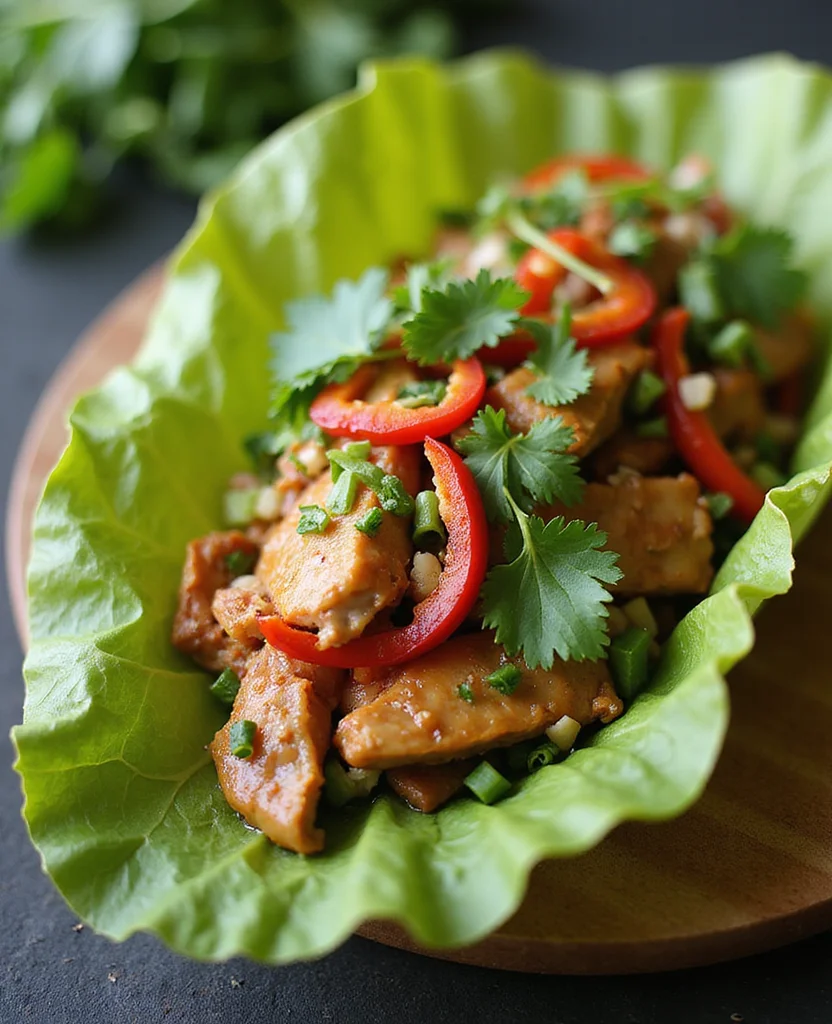
Use a sharp knife to julienne the carrots and slice bell peppers thinly.
Ensure that all pieces are of uniform size for even cooking.
Place the prepared vegetables in a bowl for easy access.
This technique enhances texture and presentation in the final dish.



Step 3: Crush Garlic and Chilies
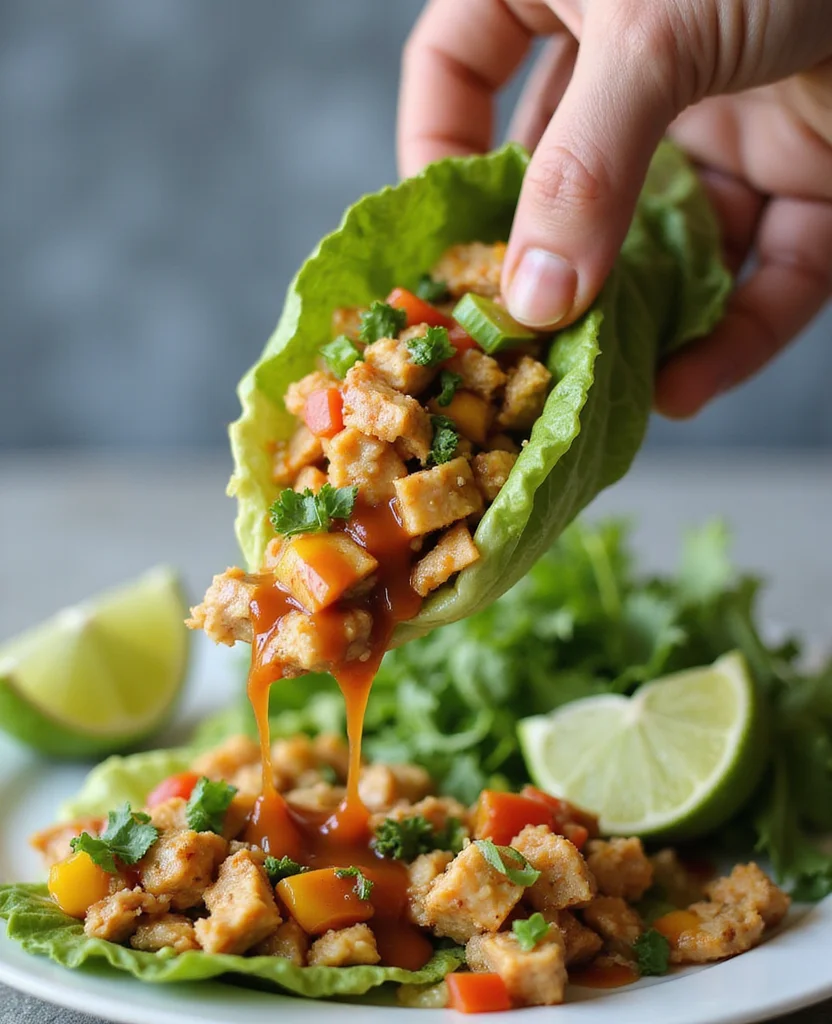
In a mortar and pestle, combine garlic cloves and red chilies.
Use firm, circular motions to crush them into a paste.
This releases essential oils and enhances the dish's aroma and flavor.
Transfer the paste into a small bowl for later use.


Step 4: Cook the Turkey
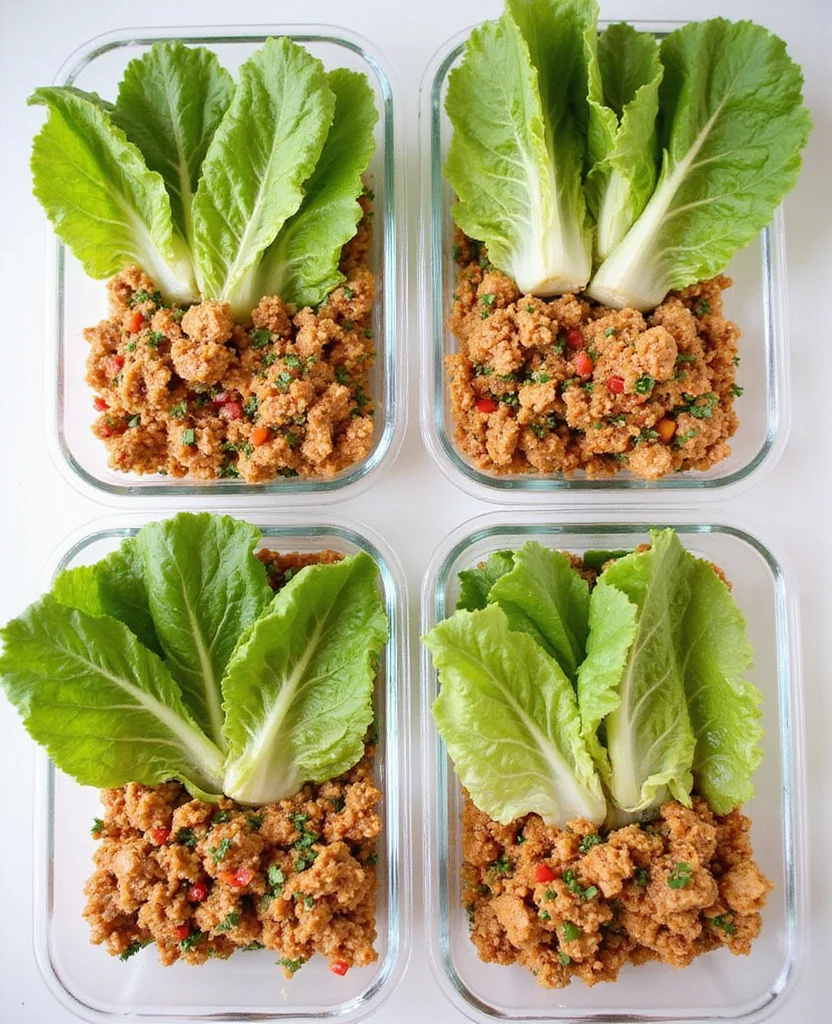
Heat a wok or large skillet over medium-high heat.
Add the ground turkey and cook, breaking it into small pieces with a spatula.
Cook until the turkey is no longer pink and starts to brown slightly.
This ensures the turkey is fully cooked and flavorful.
Step 5: Add Seasonings
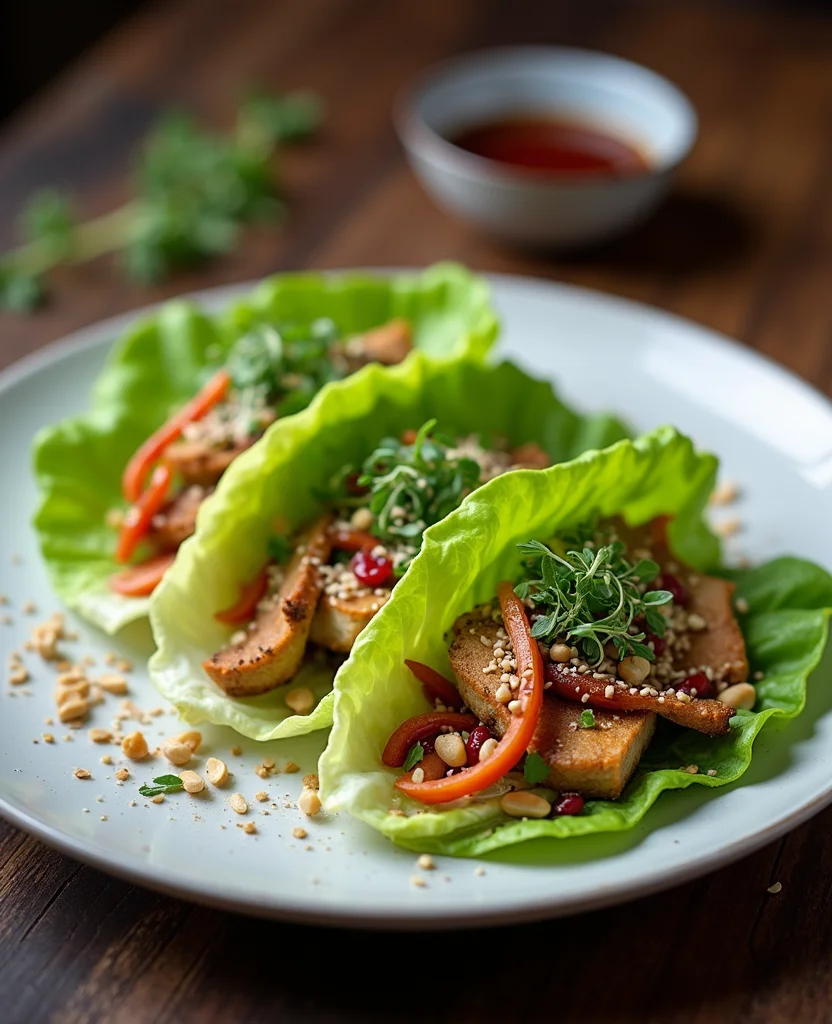
Add the garlic-chili paste to the cooked turkey.
Stir in soy sauce, fish sauce, and sugar.
Mix well to ensure the turkey absorbs all the flavors evenly.
Cook for an additional 2-3 minutes to meld the flavors.



Step 6: Incorporate Vegetables
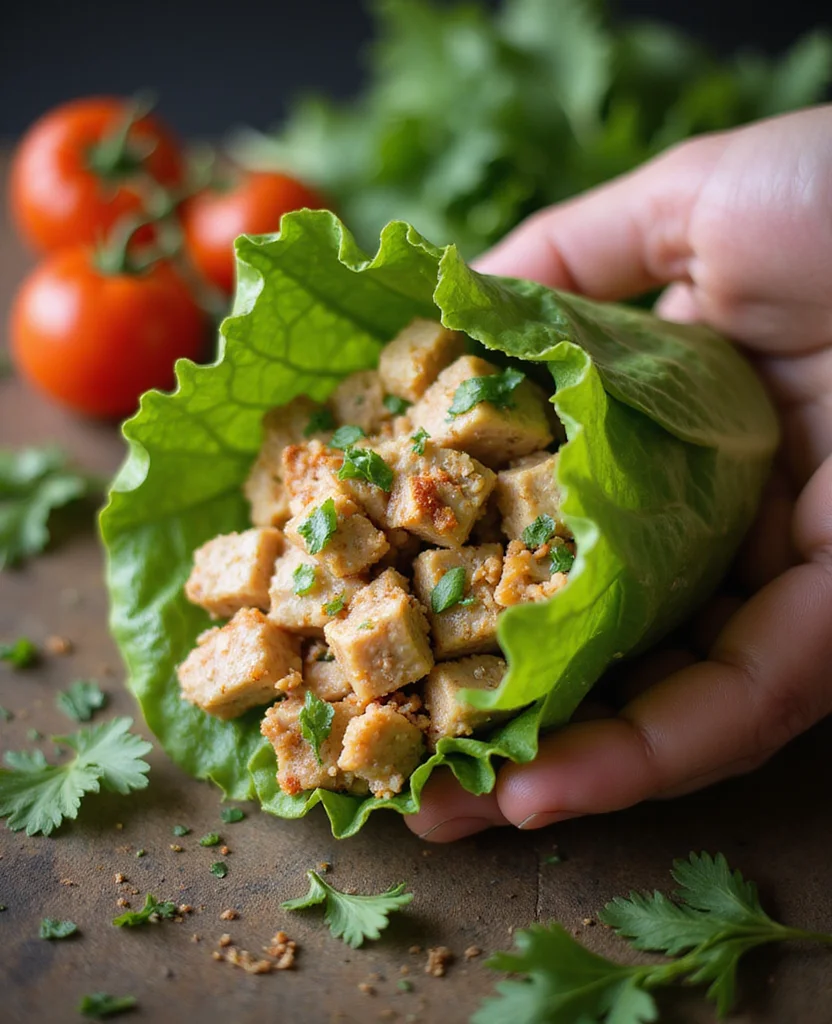
Add the julienned carrots and sliced bell peppers to the turkey mixture.
Stir-fry for 2-3 minutes until the vegetables are just tender.
Maintain a high heat to ensure they retain a slight crunch.
This step adds a fresh, vibrant texture to the dish.
Step 7: Prepare the Sauce
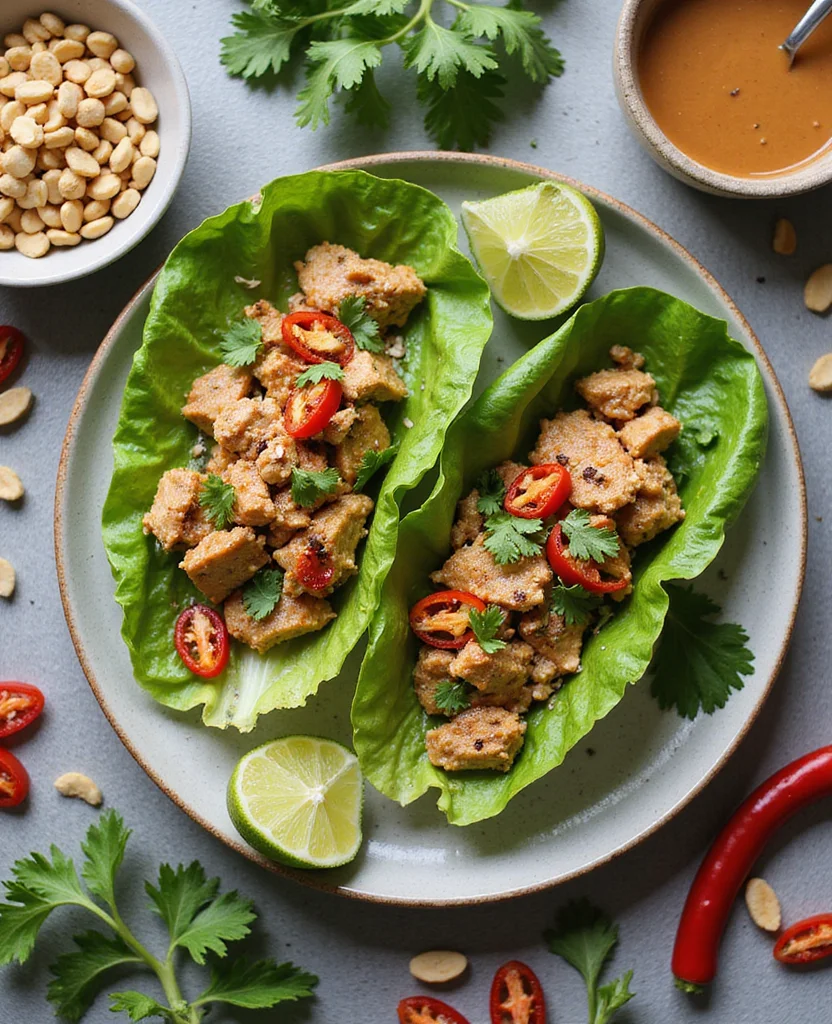
In a small bowl, combine hoisin sauce, lime juice, and sriracha.
Mix until the ingredients are well incorporated.
Taste and adjust the spice level if needed.
This sauce will add a tangy and sweet heat to the wraps.


Step 8: Assemble the Wraps
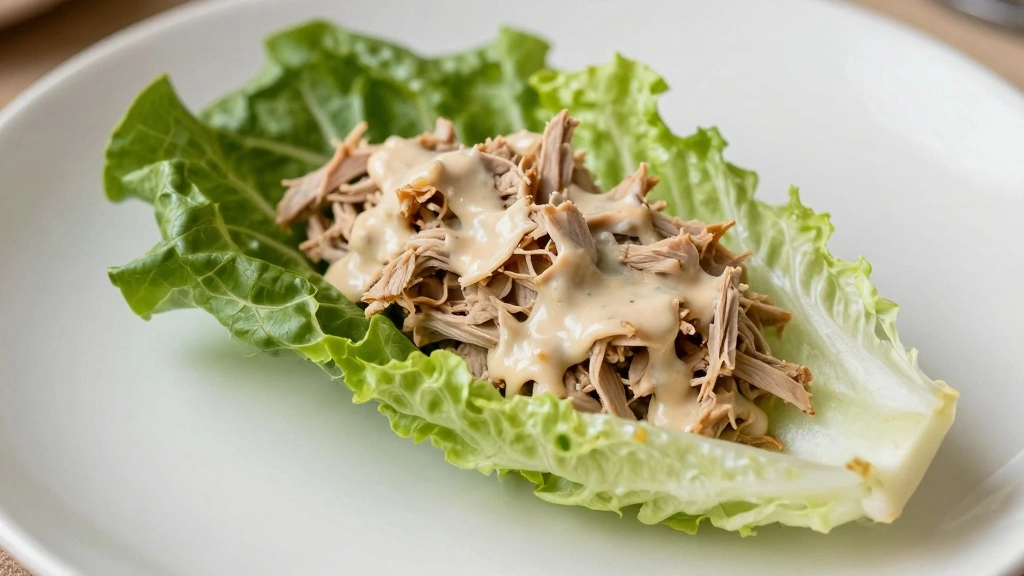
Take a butter lettuce leaf and spoon a generous amount of the turkey mixture into its center.
Drizzle with the prepared sauce for added flavor.
Fold the sides of the lettuce leaf over the filling to create a wrap.
This step ensures each bite is flavorful and easy to handle.


Step 9: Serve and Garnish
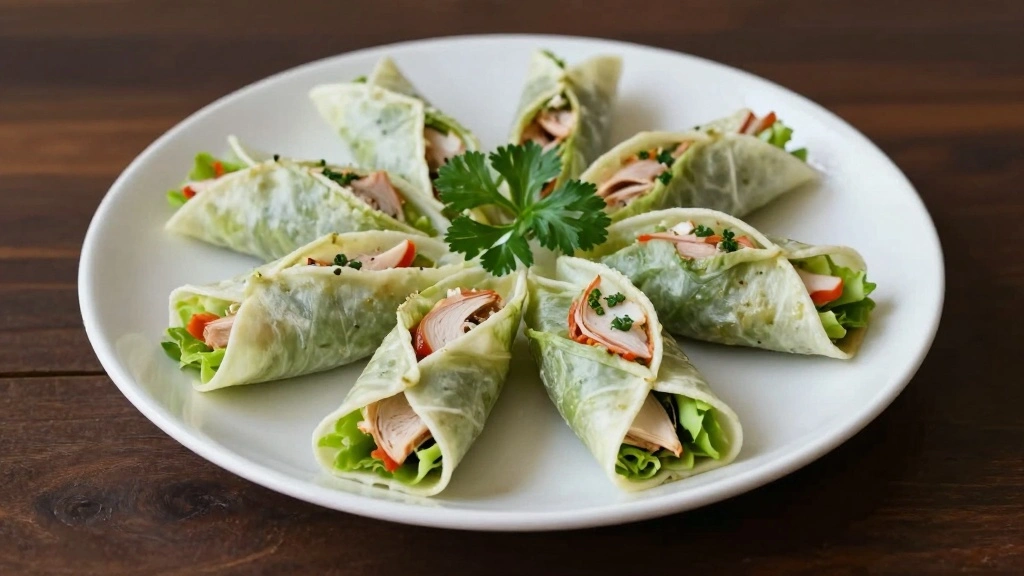
Arrange the lettuce wraps on a serving platter.
Garnish with fresh herbs like cilantro or mint for added freshness.
Serve immediately to enjoy the crispness of the lettuce.
This presentation enhances the dish's visual appeal.
Critical Timing and Temperature Guide
Cooking the Turkey: Cook the turkey over medium-high heat until it reaches an internal temperature of 165°F. Look for the meat to turn brown and lose any pinkness. Avoid undercooking by using a meat thermometer.
Stir-Frying Vegetables: Stir-fry vegetables for 2-3 minutes at high heat. They should be tender yet still crisp. Avoid overcooking, which can lead to a loss of color and crunch.
Sauce Preparation: Mix the sauce ingredients until smooth. Adjust the spice by adding more sriracha if desired. The sauce should have a balanced flavor without being overly spicy.


Pro Tips for Thai Turkey Lettuce
• Ingredient Selection: Choose fresh, high-quality butter lettuce for the best wraps. The crispness and flavor of the lettuce significantly impact the final dish.
• Preparation Secret: Lightly toasting the turkey in the pan before adding seasonings enhances its flavor profile.
• Temperature Management: Ensure the skillet is hot before adding turkey to achieve proper browning and flavor development.
• Texture Enhancement: Avoid overcooking vegetables to maintain a satisfying crunch that complements the tender turkey.
• Flavor Layering: Use fresh lime juice and herbs to bring out the dish's complexity. The acidity and freshness elevate the overall taste.
• Make-Ahead Strategies: Prepare turkey filling in advance and store it in an airtight container in the fridge for up to 3 days. Assemble wraps just before serving.
• Restaurant-Quality Finishing Touches: A sprinkle of toasted sesame seeds or crushed peanuts adds a professional touch and extra texture.
• Equipment Optimization: Use a non-stick skillet to prevent sticking and ensure a smooth cooking process.
Troubleshooting Common Issues
• Wraps Falling Apart: This issue is often due to using lettuce leaves that are too small or thin. Choose larger, sturdier leaves and avoid overfilling.
• Flavor Too Mild: If the flavors aren't popping, ensure you're using fresh ingredients and correct seasoning amounts. Adjust lime juice and sriracha to taste.
• Turkey Too Dry: Overcooking the turkey can lead to dryness. Cook just until browned and no longer pink, and use lean ground turkey for better moisture retention.
• Soggy Lettuce: Moisture in the filling can cause sogginess. Drain any excess liquid before assembling the wraps, and serve immediately.
• Spiciness Too Intense: Balance the spice by adjusting the amount of sriracha in the sauce. Add more sugar or lime juice if needed to mellow the heat.
• Vegetables Overcooked: Quick, high-heat stir-frying is essential. Prep all ingredients before starting to avoid overcooking while managing multiple tasks.
Variations and Regional Differences
• Northern Thai Variation: This version includes herbs like mint and basil, with a focus on aromatic spices. It's often served with sticky rice on the side.
• Isan Style: Incorporates minced lemongrass and kaffir lime leaves for a citrusy kick. Fish sauce and lime juice are used more liberally.
• Fusion Twist: Some modern versions add avocado slices for creaminess and texture, blending Thai and Western flavors.
• Vegetarian Adaptation: Substitute turkey with tofu or tempeh and use soy sauce instead of fish sauce for a plant-based option.


Food Science Behind the Recipe
• Maillard Reaction: This chemical reaction occurs when browning the turkey, enhancing the savory flavor and aroma.
• Flavor Extraction: Crushing garlic and chilies releases essential oils and flavors, significantly contributing to the overall taste profile.
• Emulsion Science: Mixing the ingredients for the sauce creates a stable emulsion that evenly coats the turkey, enhancing each bite.
Frequently Asked Questions
What's the most common mistake people make when preparing Thai Turkey Lettuce Wraps? Overfilling the lettuce wraps and not using fresh, crisp lettuce leaves can lead to a messy presentation and less satisfying texture.
Can I use chicken instead of turkey? Yes, ground chicken is a suitable substitute for turkey in this recipe, offering a similar texture and flavor profile.
How can I make this dish spicier? Increase the amount of sriracha in the sauce or add extra crushed red pepper flakes to the turkey filling.
What type of lettuce is best for wraps? Butter lettuce is preferred due to its soft, pliable leaves that hold the filling well without tearing.
How do I store leftovers? Keep the turkey filling separate from the lettuce and store it in an airtight container in the fridge for up to 3 days. Assemble wraps just before serving.
Can these wraps be made ahead for a party? Prepare the filling and sauce in advance, then assemble the wraps shortly before serving to maintain freshness.
What can I serve alongside these wraps? Pair with a light cucumber salad or jasmine rice for a complete meal.
Serving and Presentation Guide
• Traditional Presentation: Serve on a large platter with wraps arranged in a circular pattern, garnished with fresh herbs.
• Individual Plates: Present on small plates with two wraps per person, adding a wedge of lime for a personal touch.
• Family Style: Provide a communal plate of turkey filling and a bowl of lettuce leaves, allowing guests to assemble their own wraps.
• Appetizer Mode: Serve mini lettuce wraps as a starter, using smaller leaves and less filling for bite-sized portions.


Conclusion
Thai Turkey Lettuce Wraps are a delightful blend of flavors and textures that bring a taste of Thailand to your table.
With their vibrant colors and fresh ingredients, these wraps are sure to impress both family and guests.
Give this recipe a try and experience the joy of creating a dish that's as enjoyable to make as it is to eat.