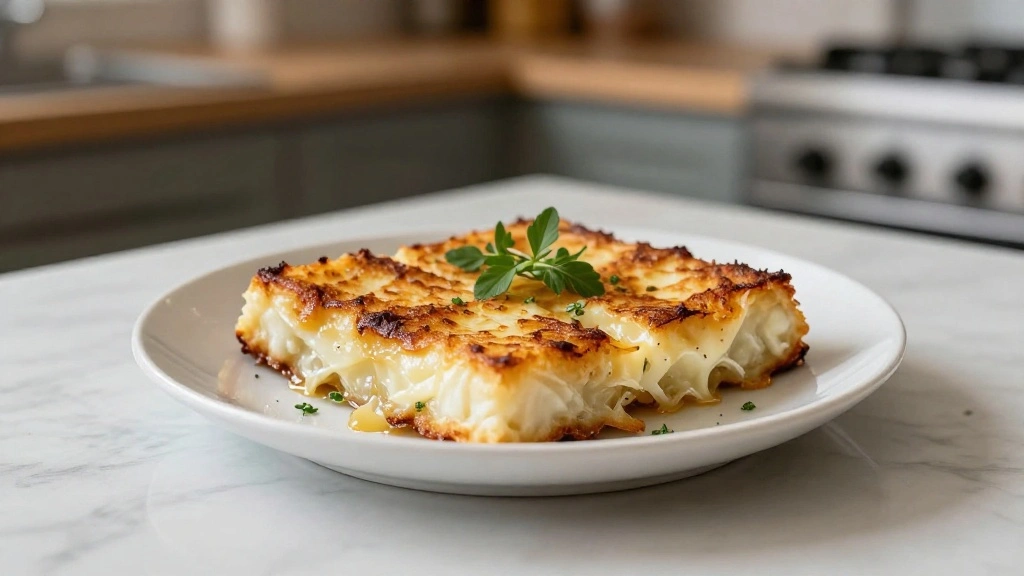


This classic Greek Chicken Sheet Pan Dinner brings together centuries of culinary tradition with modern techniques to create a dish that’s both comforting and elegant.
The harmonious balance of lemon, oregano, and garlic creates a memorable dining experience that will have everyone asking for your secret.
I first discovered this recipe during my travels through Greece, where local chefs have perfected it through generations of careful refinement.
Whether you’re preparing a casual family dinner or hosting a special celebration, this Greek Chicken Sheet Pan Dinner delivers impressive results with straightforward preparation.
The History and Cultural Significance
• The dish evolved over decades as trade brought new spices and techniques, eventually becoming the beloved version we know today.
• In Greek culture, this dish traditionally appears at family gatherings and celebrations, symbolizing unity and hospitality.
• While many variations exist across different regions, the authentic version maintains the use of fresh herbs and olive oil that sets it apart from imitations.


Recipe Overview
Nutritional Information (per serving)
Essential Equipment Guide
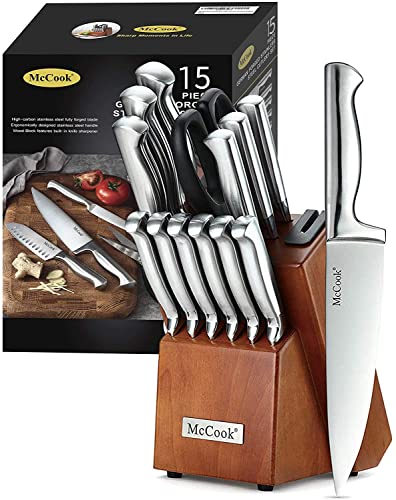
Sharp Chef’s Knife: A sharp knife is crucial for efficiently cutting through chicken and vegetables, ensuring uniform pieces that cook evenly. Look for a high-carbon stainless steel blade for durability.
Mixing Bowls: Using a set of mixing bowls of various sizes allows for easy organization and marinating of ingredients. Opt for non-reactive materials like glass or stainless steel.
Ingredients
For the Chicken
| Amount | Ingredient | Notes |
|---|---|---|
| 4 pieces | chicken thighs | bone-in, skin-on for flavor and moisture |
| 2 tablespoons | olive oil | adds richness and aids in roasting |
Vegetables
| Amount | Ingredient | Notes |
|---|---|---|
| 2 medium | red bell peppers | sliced into strips |
| 1 large | red onion | quartered |
| 1 pound | baby potatoes | halved |
Seasonings
| Amount | Ingredient | Notes |
|---|---|---|
| 2 teaspoons | dried oregano | provides classic Greek flavor |
| 1 teaspoon | salt | enhances overall taste |
| 1 teaspoon | black pepper | adds subtle heat |
For the Marinade
| Amount | Ingredient | Notes |
|---|---|---|
| 1 large | lemon | juiced for brightness |
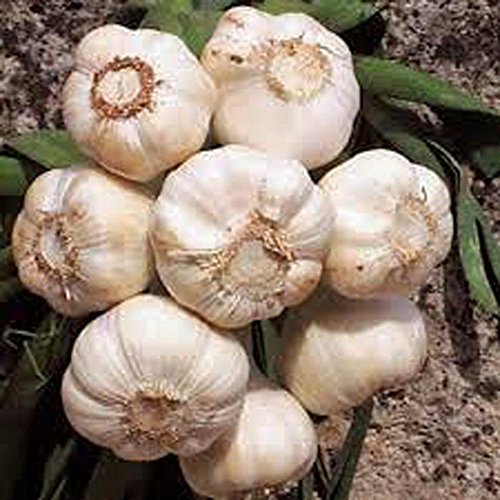
| 3 cloves | garlic | minced for depth |



Preparation Methods
Roasting: Roasting at a high temperature ensures a crispy exterior on the chicken while keeping the inside juicy. Preheat the oven to the correct temperature before placing the sheet pan in for even cooking.
Arranging Ingredients: Arrange the chicken and vegetables in a single layer on the sheet pan to promote even cooking. Overcrowding can lead to steaming rather than roasting, which affects texture.

Step 1: Prepare Ingredients
Wash and dry the vegetables thoroughly.
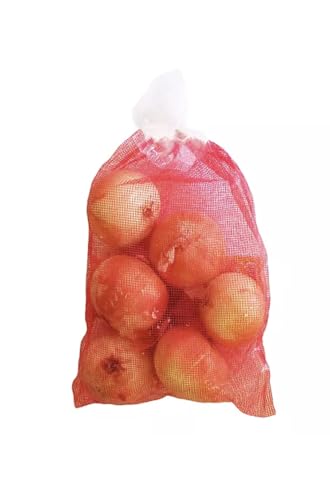
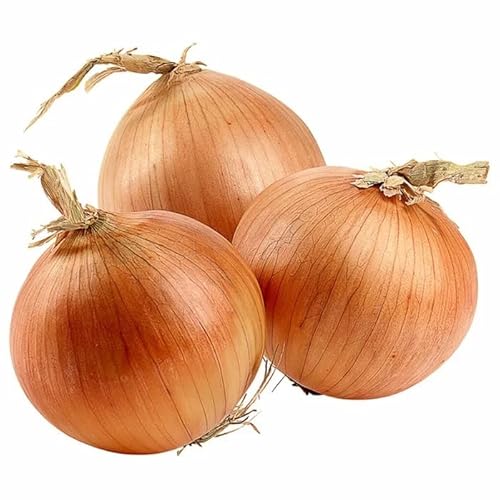
Cut the red bell peppers into strips and quarter the red onion.
Halve the baby potatoes for even cooking.

Step 2: Make the Marinade
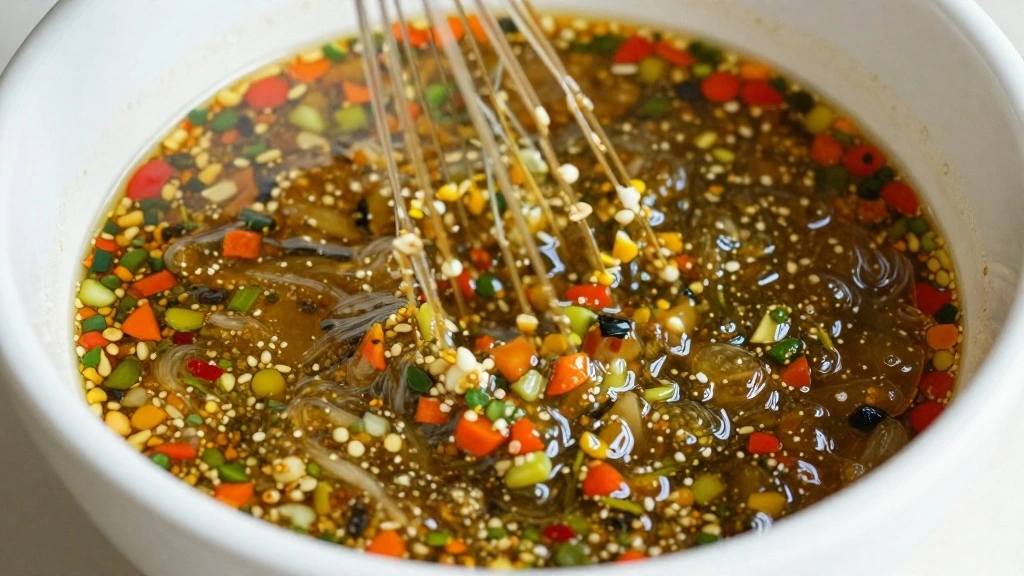
Whisk the ingredients together until well combined.
Ensure the mixture is emulsified for even coating.
Adjust seasoning to taste if necessary.


Step 3: Marinate the Chicken
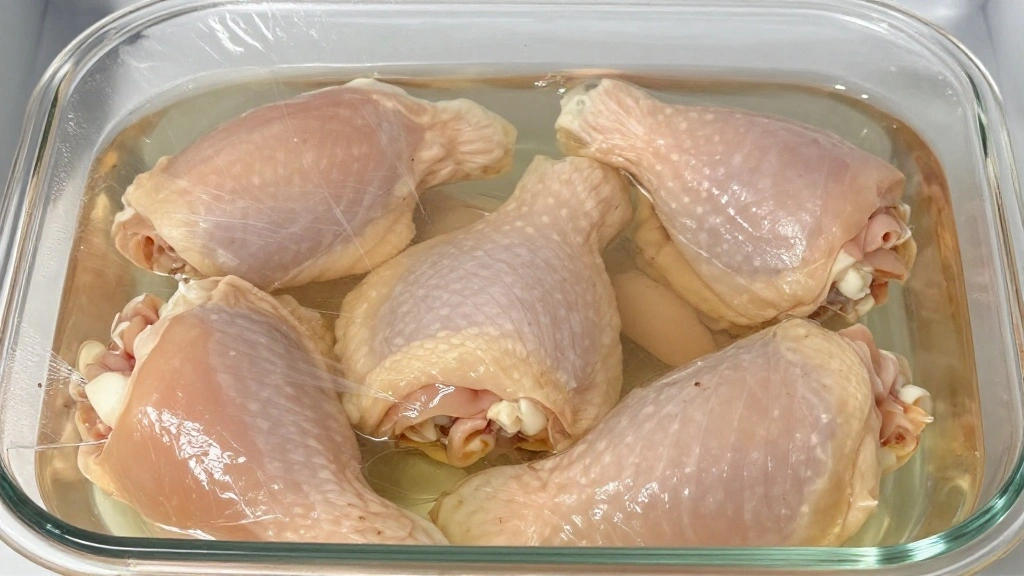
Cover the bowl with plastic wrap and refrigerate for at least 30 minutes.
Allowing the chicken to marinate longer will enhance the flavors.
Stir occasionally to redistribute the marinade.
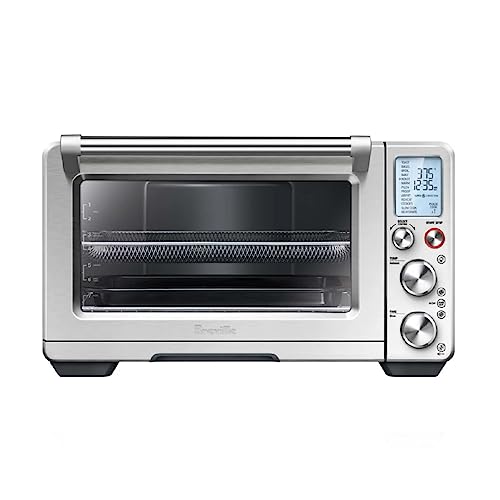
Step 4: Preheat the Oven

Ensure the oven rack is in the middle position for optimal heat circulation.
This temperature will help achieve a crispy skin on the chicken.
Wait until the oven reaches the desired temperature before proceeding.


Step 5: Arrange on Sheet Pan
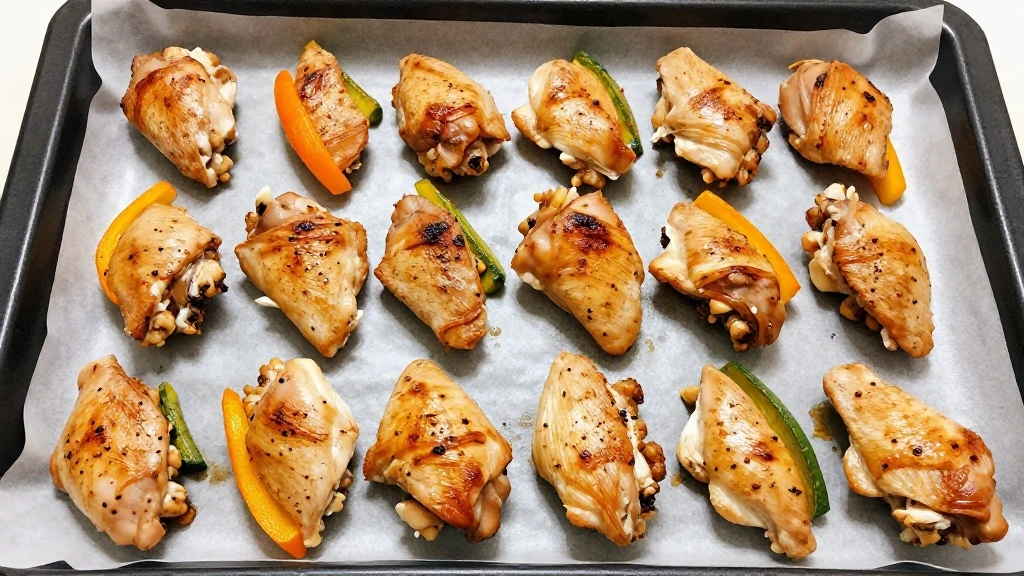
Arrange the marinated chicken thighs skin-side up on the pan.
Distribute the sliced vegetables and potatoes evenly around the chicken.
Ensure everything is in a single layer without crowding.



Step 6: Roast in the Oven
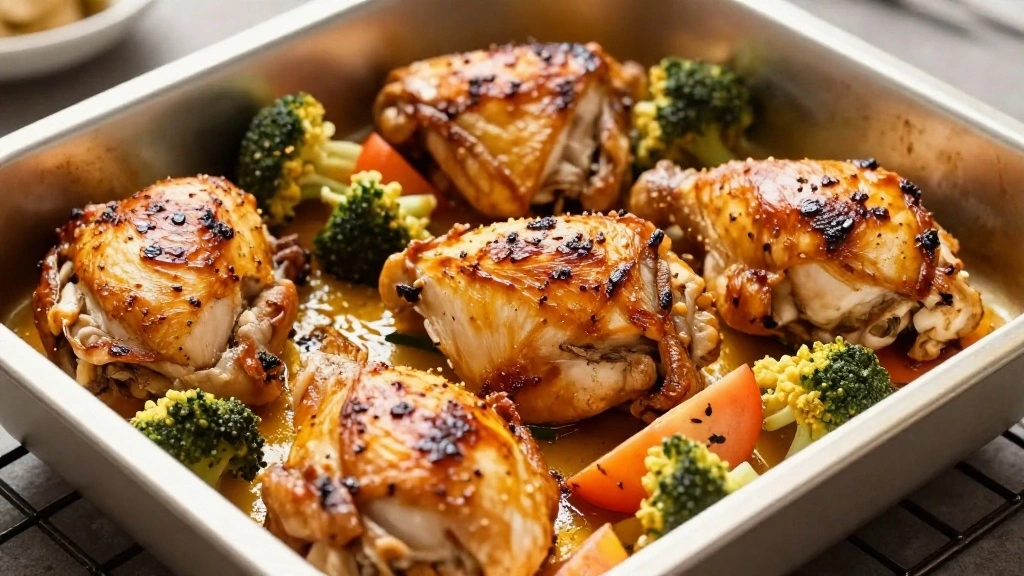
Roast for 40 minutes, checking halfway through to rotate the pan for even cooking.
The chicken should be golden brown and the vegetables tender.
Use a meat thermometer to check that the chicken reaches an internal temperature of 165°F (74°C).

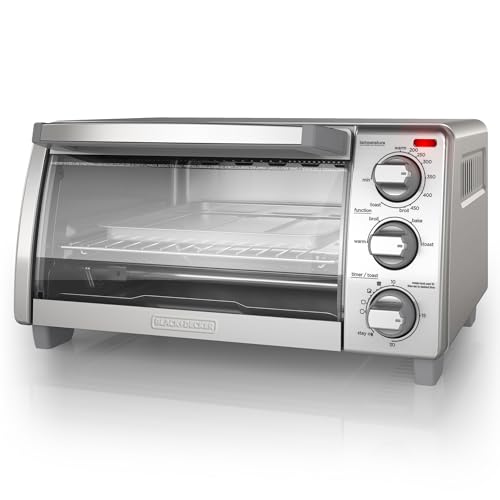

Step 7: Rest the Chicken
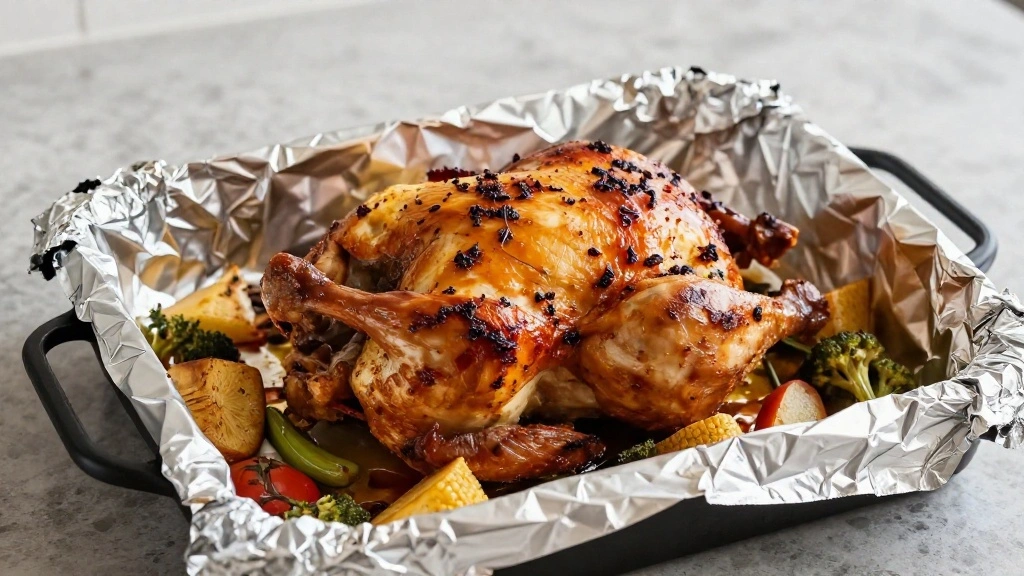
Allow the chicken to rest for 5 minutes before serving.
Resting helps retain juices within the meat.
Cover lightly with foil to keep warm if desired.
Step 8: Serve and Enjoy
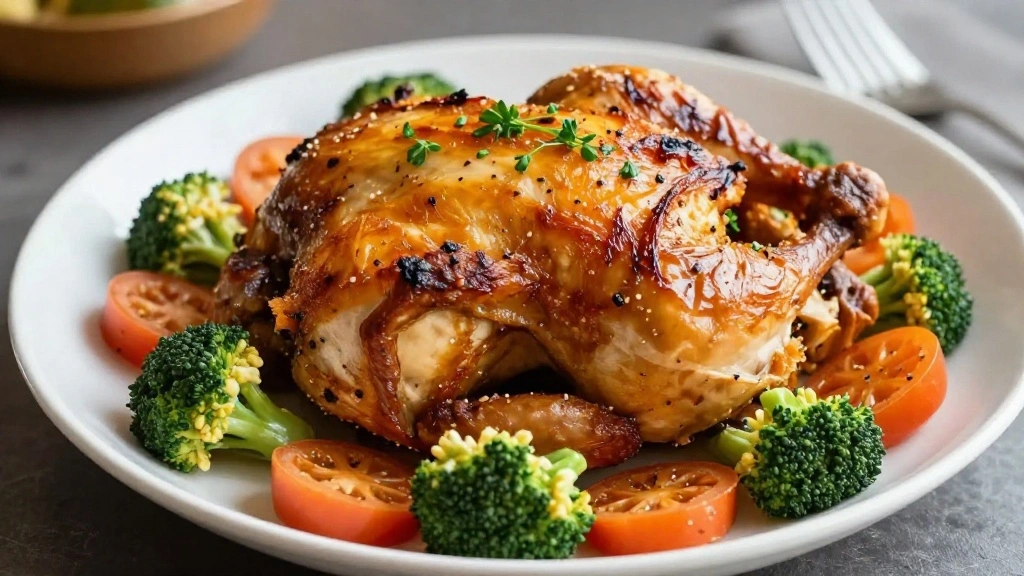
Garnish with fresh herbs like parsley for added color and flavor.
Serve immediately alongside your favorite Greek accompaniments.
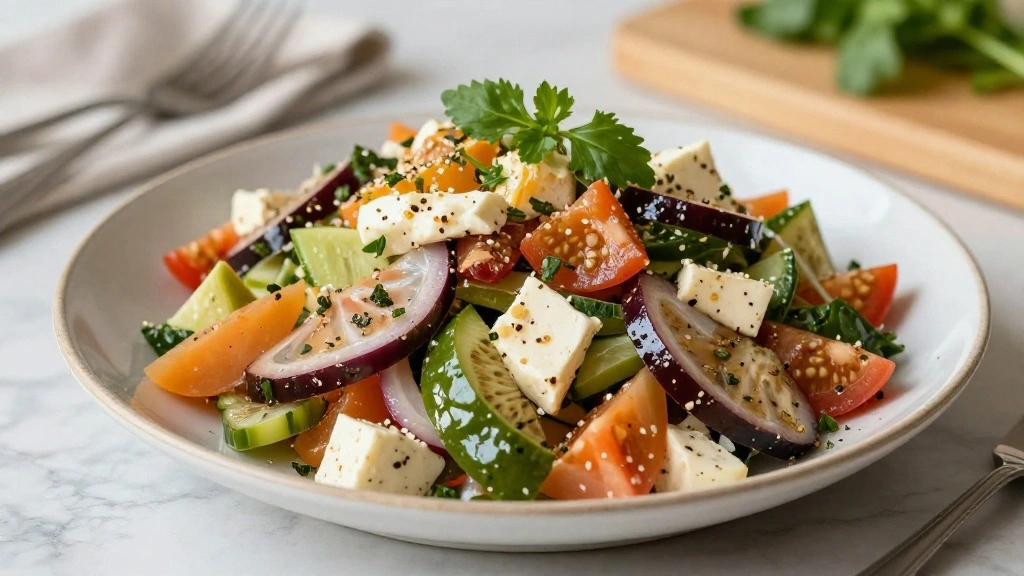
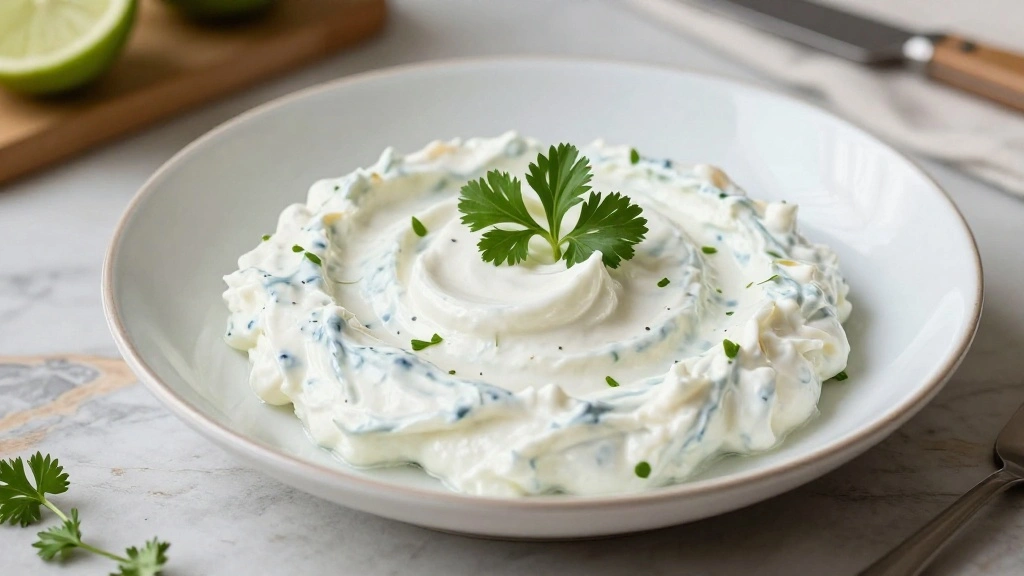
Enjoy your meal with a side of tzatziki or a simple Greek salad.
Critical Timing and Temperature Guide
Cooking Duration: Roast chicken and vegetables for 40 minutes. Visual indicators include golden brown skin and tender vegetables. Avoid overcooking, which can dry out the chicken.
Resting Time: Allow chicken to rest for 5 minutes post-cooking. This step is crucial for juicy meat, as it allows the juices to redistribute.
Pro Tips for Greek Chicken Sheet
• Preparation Secret: Marinate the chicken overnight for deeper flavor penetration, a step often skipped by home cooks.
• Temperature Management: Ensure the chicken is at room temperature before roasting for even cooking.
• Texture Enhancement: Use a hot oven to achieve crispy skin and caramelized vegetables, a hallmark of great sheet pan dinners.
• Flavor Layering: Add lemon zest to the marinade for an extra citrusy punch that enhances the dish.
• Make-Ahead Strategies: Prepare the marinade and chop vegetables a day ahead, storing them separately in the fridge to streamline cooking.
• Restaurant-Quality Finishing Touches: Drizzle with high-quality extra virgin olive oil just before serving for a restaurant-style finish.
• Equipment Optimization: Use a convection setting if available to promote even roasting and browning.


Troubleshooting Common Issues
• Vegetables Under-cooked: Ensure all pieces are similar in size for even cooking, and arrange them in a single layer on the sheet pan.
• Flavors Unbalanced: Adjust seasoning and taste the marinade before using. Balance acidity and salt to preference.
• Uneven Roasting: Rotate the sheet pan halfway through cooking to ensure even heat distribution.
• Skin Not Crispy: Pat the chicken skin dry before marinating to encourage crispiness during roasting.
• Burnt Edges: Check oven temperature accuracy and adjust roasting time if necessary, keeping an eye on progress.
Variations and Regional Differences
• Athenian Variation: Features artichokes and olives for an urban twist, often served during city festivals.
• Spartan Simplicity: Focuses on minimal ingredients, with just olive oil, salt, and herbs, emphasizing simplicity and authenticity.
• Ionian Influence: Adds tomatoes and feta cheese for a richer, more flavorful dish, typical of Ionian culinary preferences.


Food Science Behind the Recipe
• Marinade Chemistry: Acids in the marinade, like lemon juice, help break down protein fibers, tenderizing the chicken while infusing flavor.
• Heat Conduction: The even distribution of heat on a sheet pan ensures that all ingredients cook uniformly, preventing hotspots and uneven cooking.
Frequently Asked Questions
Can I use boneless chicken for this recipe? Yes, but adjust cooking time as boneless pieces cook faster.
How can I make this dish spicier? Add a pinch of red pepper flakes to the marinade for a bit of heat.
Is it necessary to use parchment paper? While not mandatory, parchment paper simplifies cleanup and prevents sticking.
Can I substitute other vegetables? Absolutely, consider using zucchini, cherry tomatoes, or eggplant for variety.
How do I store leftovers? Store in an airtight container in the refrigerator for up to 3 days. Reheat in the oven for best results.
Can I freeze this dish? It’s best to freeze the marinated chicken separately and add fresh vegetables when ready to cook.
What wine pairs well with this dish? A chilled white wine like Assyrtiko complements the flavors beautifully.
Serving and Presentation Guide
• Individual Servings: Plate each piece of chicken with a portion of vegetables, adding a lemon wedge for garnish.
• Rustic Style: Present directly on the sheet pan for an informal, rustic dining experience.
• Elegant Plating: Arrange on white plates with a drizzle of olive oil and a sprinkle of crumbled feta cheese for a gourmet touch.


Conclusion
With its perfect blend of herbs, citrus, and hearty chicken, it’s sure to become a household favorite.
Try this recipe and bring a taste of Greece to your table any night of the week.