
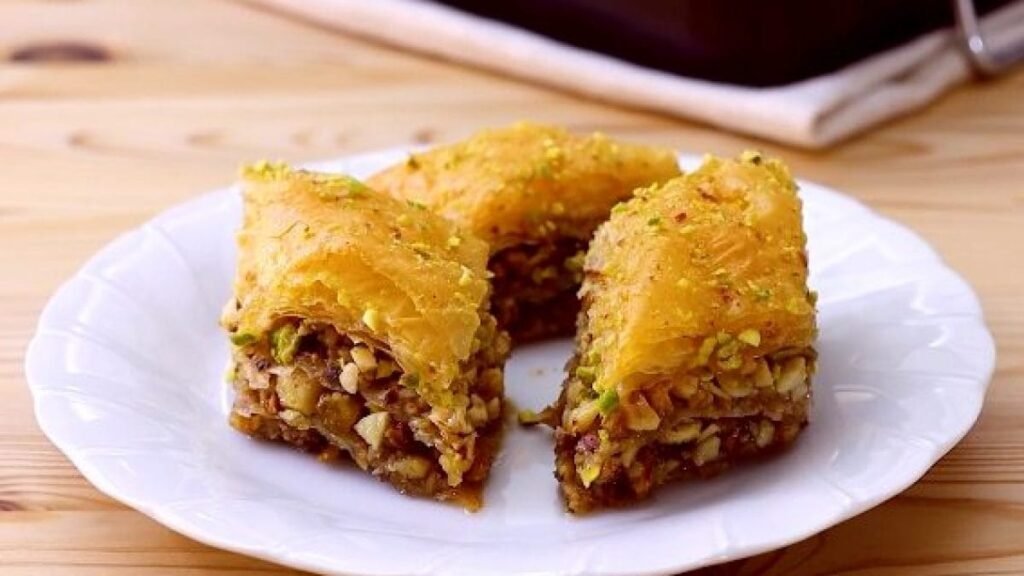
What makes Greek baklava sweet and flaky? This question, often posed by culinary enthusiasts and traditional baklava lovers alike, encapsulates the complex interplay of ingredients, techniques, and regional nuances that define this iconic dessert. Greek baklava’s luscious sweetness coupled with its delicate, flaky layers make it a standout treat in the realm of Middle Eastern and Mediterranean confections. Exploring the foundational elements behind its unique texture and flavor reveals not only culinary mastery but also a cultural story intertwined with centuries of baking traditions.
In this article, we delve deeply into the core factors that contribute to the irresistible qualities of Greek baklava. From the meticulous selection of key ingredients to the intricacies of preparation techniques, we aim to uncover what makes Greek baklava sweet and flaky. Whether you’re a home baker or a seasoned pastry chef, understanding these nuances helps recreate an authentic experience that captures the dessert’s rich heritage. Let’s begin this journey into the art and science of achieving perfect Greek baklava.
The Key Ingredients Contributing to Baklava’s Sweetness and Flakiness
At first glance, baklava’s appeal lies in its sweetness and flaky texture, but these qualities are the result of specific ingredients working harmoniously. The primary ingredients—phyllo (filo) dough, nuts, sweeteners, and butter—each play an essential role. Regarding sweetness, honey and sugar syrups are the traditional sweetening agents, with honey imparting a distinctive floral aroma and richness, while sugar syrups can lend a different, often lighter sweetness. These ingredients’ thoughtful balance enhances flavor without overpowering the nutty core.
The flakiness, on the other hand, hinges significantly on the quality of ingredients like butter and the phyllo dough itself. High-quality, fresh butter creates thin, crisp layers that easily peel apart—key to the characteristic crunch and delicate texture. Nuts such as walnuts, pistachios, or almonds add not only flavor complexity but also contribute to the overall moistness and stability of the layers. The choice and ratio of these ingredients determine whether baklava achieves its iconic sweet, flaky, and melt-in-your-mouth qualities or falls short in texture and taste.


Understanding the Role of Phyllo Dough in Achieving Flaky Baklava
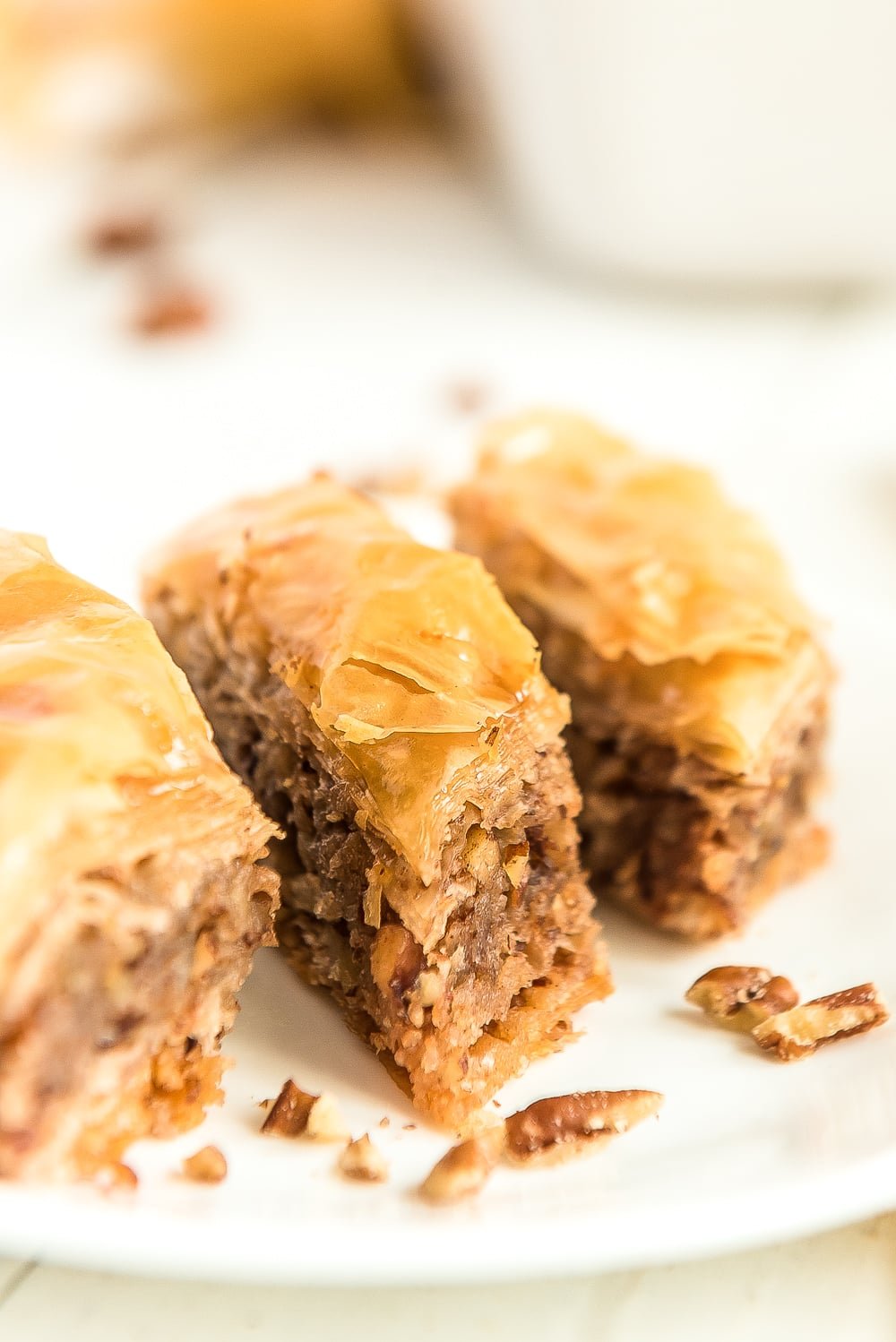
Phyllo dough is the soul of Greek baklava’s flaky texture, serving as the thin, crispy backbone of the pastry. Its translucent, paper-thin sheets are stretched to almost ethereal levels of delicacy, which, when layered correctly and baked, create the signature crispiness that makes baklava so alluring. Mastering phyllo dough preparation and handling is crucial; it requires patience, proper stretching, and careful layering to avoid tearing and to ensure flakiness.
Beyond its physical role, phyllo dough’s unique composition—mainly wheat flour and water—provides a neutral base that absorbs flavors from butter and syrup, underscoring the importance of quality ingredients. The application of melted butter between layers is not only flavor-enhancing but also facilitates the separation of sheets during baking, producing that flaky, layered structure that is quintessential to Greek baklava. The texture results from a delicate balance: too thick a layer, and the pastry becomes heavy; too thin, and it risks tearing or burning. Achieving the perfect consistency and handling of phyllo sheets is a craft that directly influences what makes Greek baklava sweet and flaky.


The Sweetening Agents: Honey vs. Sugar Syrups in Greek Baklava
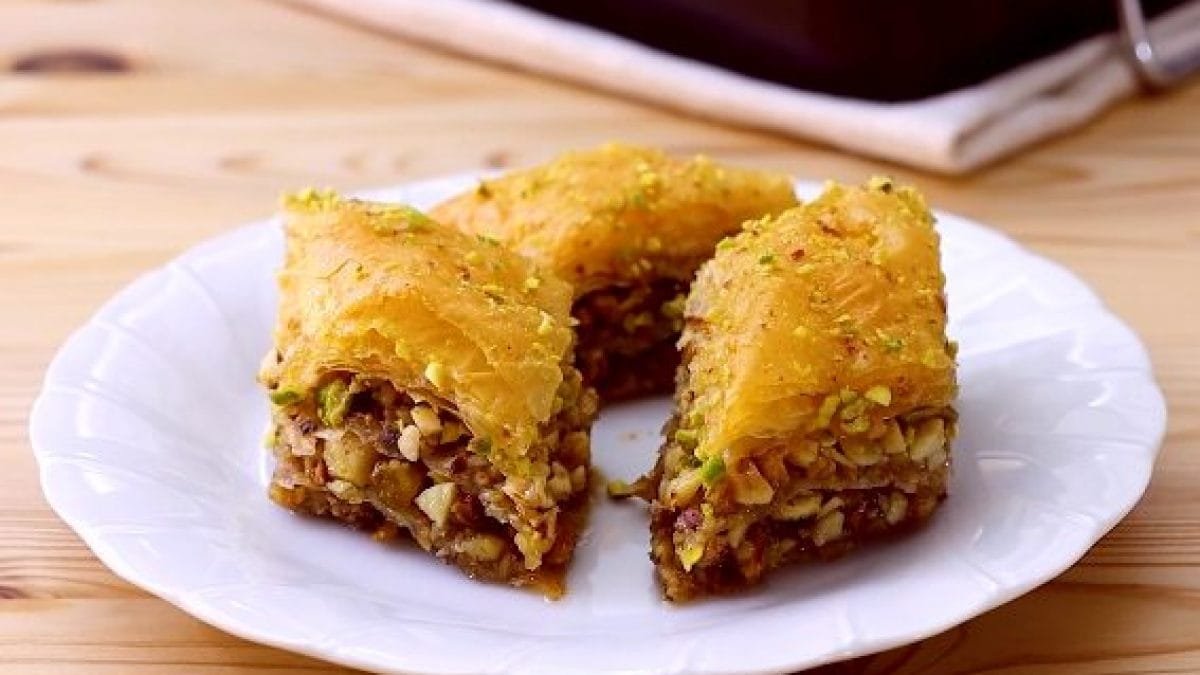
The choice of sweetening agents is one of the most defining aspects determining the aroma and flavor profile of Greek baklava. Traditionally, honey is the favored ingredient, brought into widespread use in Greece for its rich, floral notes and natural preservative qualities. Honey seeping into the layers during the baking process lends a glossy sheen and a complex, aromatic sweetness that elevates the pastry to a premium dessert. Conversely, sugar syrups, often made from simple sugar, water, and lemon juice, are used in regions where honey is less accessible or to create a lighter, more straightforward sweetness.
Both sweetening methods impact the texture and moisture retention in different ways. Honey, with its viscous consistency, penetrates the layers more thoroughly, often making baklava slightly more moist and flavorful long after baking. Sugar syrups tend to produce a crisper, more brittle finish with a cleaner sweetness. The simmering process of the syrup—often infused with cinnamon, cloves, or citrus zest—also introduces complex layers of flavor that further influence what makes Greek baklava sweet and flaky. The method chosen influences not only taste but also the overall mouthfeel and longevity of the dessert.


Preparation Techniques: Mastering the Art of Layering and Cutting Baklava
The craftsmanship behind baking authentic Greek baklava lies in the meticulous technique of layering and cutting. Properly layering thin sheets of phyllo with generously buttered surfaces ensures each fold contributes to the crispness and separation of layers. A critical tip is to work in a breezeless environment, preventing the sheets from sticking or tearing. Once assembled, the dimensions for cutting—often into diamond or square shapes—must be done carefully before baking, as scored markings will guide both the presentation and serving process.
Effective layering also involves timing in butter application; too much butter can make the layers greasy, while too little impairs flakiness. The technique of brushing each sheet with butter or oil—and ensuring even coverage—is an art form that directly affects the final product’s balance between crispness and moistness. When it comes to cutting, the timing during or immediately after baking affects the clean separation of pieces. This artful process, combined with patience and precision, is where baklava’s signature flakiness truly comes alive, revealing what makes Greek baklava sweet and flaky—the layers created with skill and care.


The Importance of Baking Temperature and Time for Optimal Texture
Temperature control is integral to transforming raw layered ingredients into the iconic flaky, golden-brown baklava. Baking at too high a temperature risks burning the phyllo outside while leaving the interior undercooked, whereas too low a temperature may result in a soggy texture with insufficient crunchiness. A steady oven temperature—typically around 325°F to 350°F (160°C to 175°C)—is ideal for allowing the layers to crisp gradually without scorching, fostering even caramelization and the proper browing of buttered sheets.
Timing is equally crucial. A typical bake lasts between 40 to 50 minutes, but this can vary depending on oven calibration and thickness of the layers. The goal is to achieve a deep golden hue that signals readiness, while ensuring the pastry’s interior remains moist and tender. Overbaking can dry out the layers, compromising the flakiness, while underbaking leaves the phyllo dough limp and doughy. Striking the proper balance in baking temperature and time ensures the layers are crisp and tender, and the syrup, when poured hot onto the hot pastry, is absorbed in just the right way—cementing what makes Greek baklava sweet and flaky.


Regional Variations in Ingredients and Techniques Affecting Baklava’s Final Result
Greek baklava, like many traditional recipes, varies regionally across Greece, with each area adding its unique twist influenced by local ingredients, climate, and cultural preferences. In some coastal regions, the use of pistachios may prevail, imparting a distinct flavor and vibrant color, while inland areas favor walnuts for their robustness. These variations influence not only flavor but also the texture profile; nuttier, oilier fillings can affect the moisture content and flakiness.
Furthermore, techniques such as syrup infusion, layering methods, and baking styles differ regionally, creating a rich tapestry of baklava variants. For instance, some regions prefer pouring cold syrup over hot baklava to create a contrast that affects the final texture, while others may bake with sugar syrup already incorporated. Such variations contribute to what makes Greek baklava sweet and flaky, emphasizing how regional practices shape this cherished dessert. This diversity underscores the importance of tradition and local adaptation in crafting each authentic piece.


Conclusion
In understanding what makes Greek baklava sweet and flaky, we recognize the intricate combination of high-quality ingredients, mastery of dough handling, precise baking techniques, and regional influences that come together to produce this celebrated dessert. The use of delicate phyllo sheets layered with butter and nuts, flavored with honey or sugar syrup, baked at just the right temperature, and cut with care all contribute synergistically to its perfect balance of sweetness and flakiness. Each element—whether ingredient selection, preparation methods, or regional variation—adds depth to this culinary masterpiece, making Greek baklava a timeless symbol of tradition, craftsmanship, and indulgence.