
Written by

Edited by

Affiliate Disclosure:
If you buy through links on our site, we may earn a small affiliate commission to help support the blog – at no extra cost to you. It never influences our product selection process. Thank you!
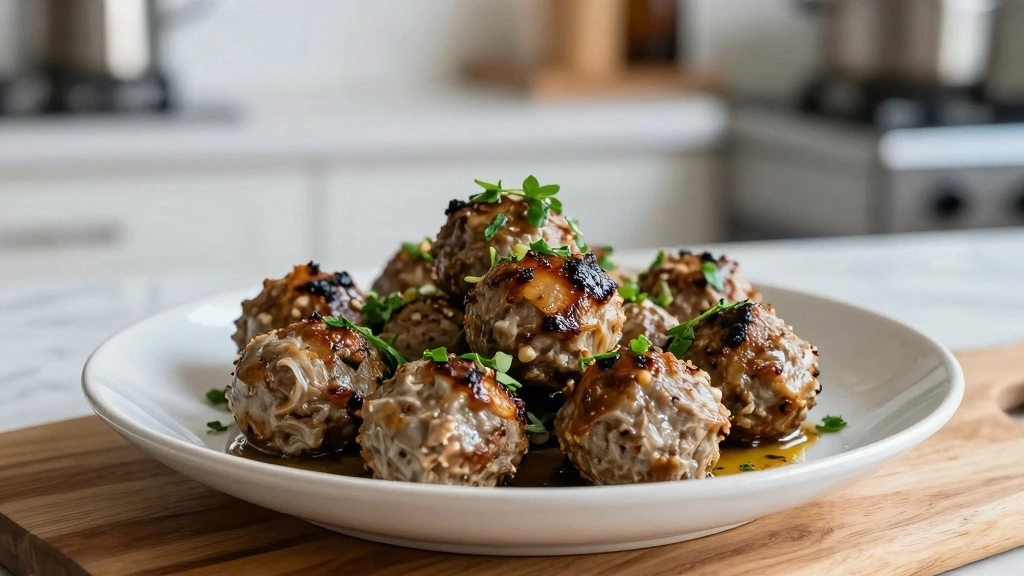
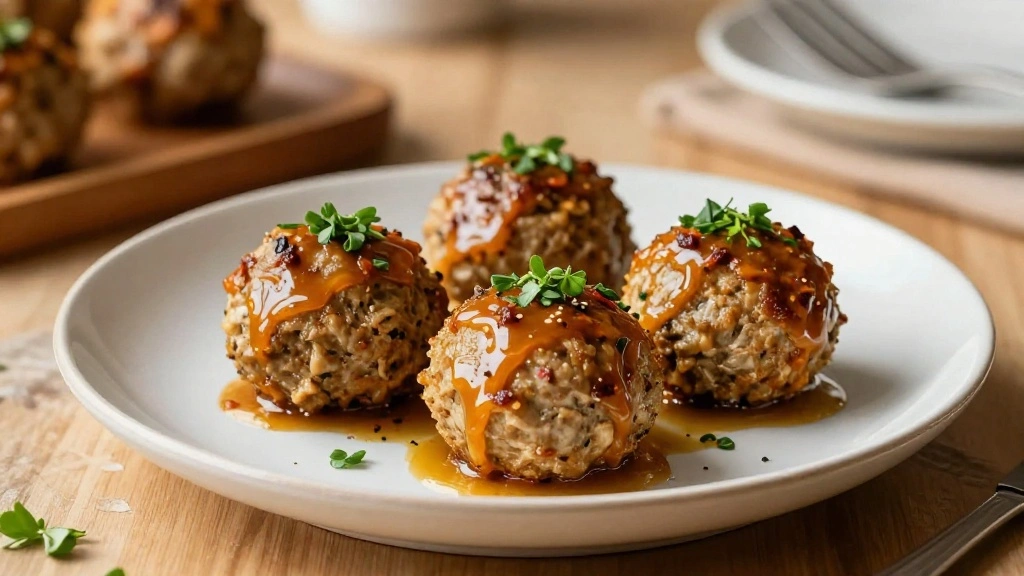
The Greek Turkey Meatballs bring a taste of the Mediterranean into your kitchen with their unique blend of spices and herbs.
These lean yet flavorful morsels offer a healthier twist on traditional meatballs, making them perfect for any health-conscious eater.
I stumbled upon this delightful dish during a summer trip to Greece, where the vibrant flavors mirrored the sunny skies.
These meatballs are versatile enough for a casual dinner yet impressive enough for entertaining guests.
Savory, juicy, and packed with the essence of Greece, they promise to be a crowd-pleaser at any meal.
• The dish evolved over decades as cooks began incorporating locally sourced herbs and spices, eventually becoming the beloved version we know today.
• In Greek culture, this dish traditionally appears at family gatherings and celebrations, symbolizing hospitality and warmth.
• While many variations exist across different regions, the authentic version maintains the use of fresh herbs and a hint of lemon zest that sets it apart from imitations.
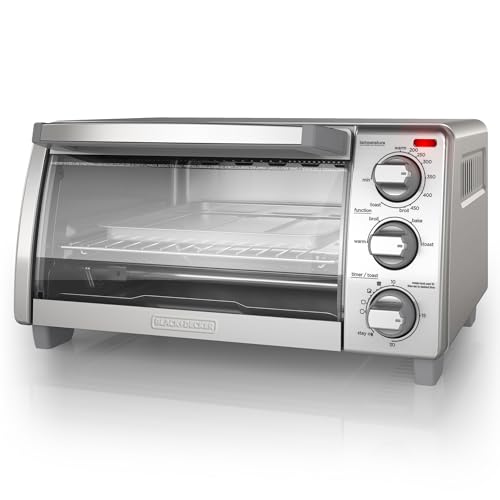
Baking Sheet: A baking sheet ensures the meatballs cook evenly and develop a nice crust. Look for a non-stick surface or line with parchment paper to prevent sticking.
Meat Thermometer: Ensures the meatballs are cooked through to the safe internal temperature of 165°F. An instant-read thermometer is reliable and easy to use.
| Amount | Ingredient | Notes |
|---|---|---|
| 1 pound | ground turkey | lean, for a healthier option |
| 1 cup | bread crumbs | adds texture and helps bind |
| 1 large | egg | acts as a binder |
| 2 tablespoons | olive oil | adds richness and moisture |
| 1 teaspoon | salt | enhances flavor |
| 1 teaspoon | black pepper | adds mild heat |
| 1 tablespoon | dried oregano | classic Greek flavor |
| 1 tablespoon | fresh parsley | chopped, for freshness |
| 1 teaspoon | lemon zest | adds brightness |
| Amount | Ingredient | Notes |
|---|---|---|
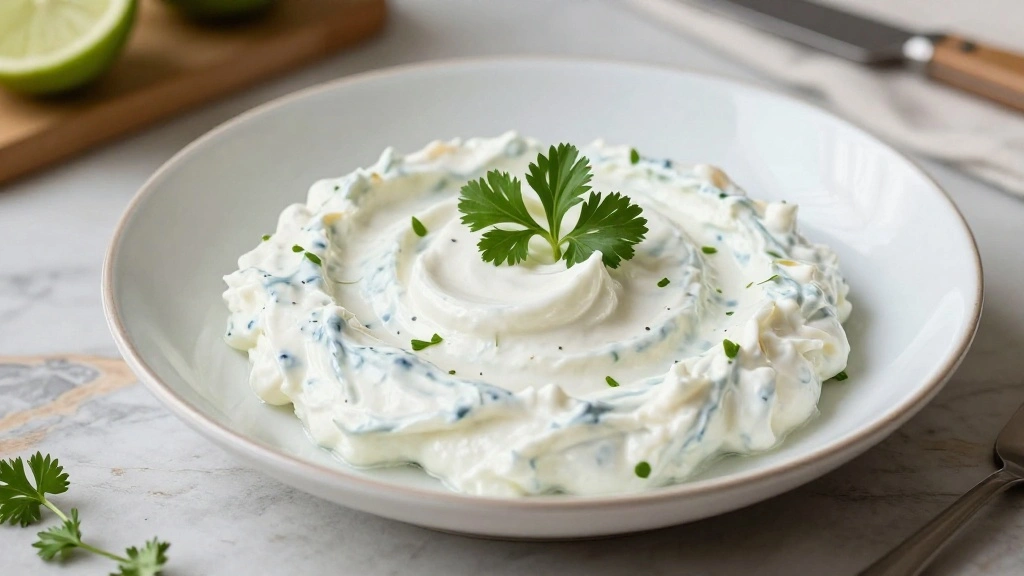
| 1 cup | Greek yogurt | creamy base |
| 1 tablespoon | lemon juice | adds tanginess |
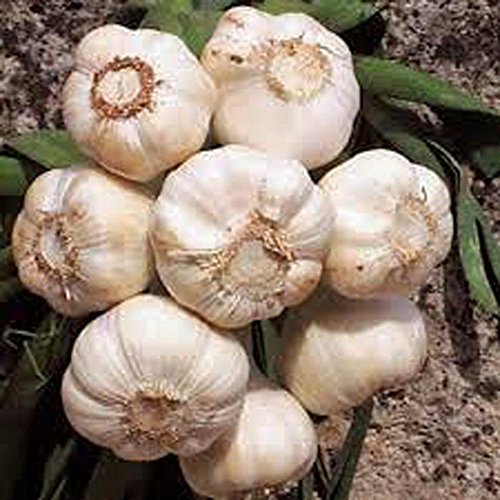
| 1 clove | garlic | minced, for depth |
| 1 tablespoon | dill | chopped, for a fresh taste |
Shaping: Roll the mixture into evenly sized balls using the palm of your hand. Uniform size ensures even cooking. Moisten hands with water to prevent sticking.
Baking: Bake the meatballs on a high temperature to achieve a crisp exterior while keeping the inside juicy. Use a baking sheet lined with parchment to prevent sticking and facilitate easy cleanup.
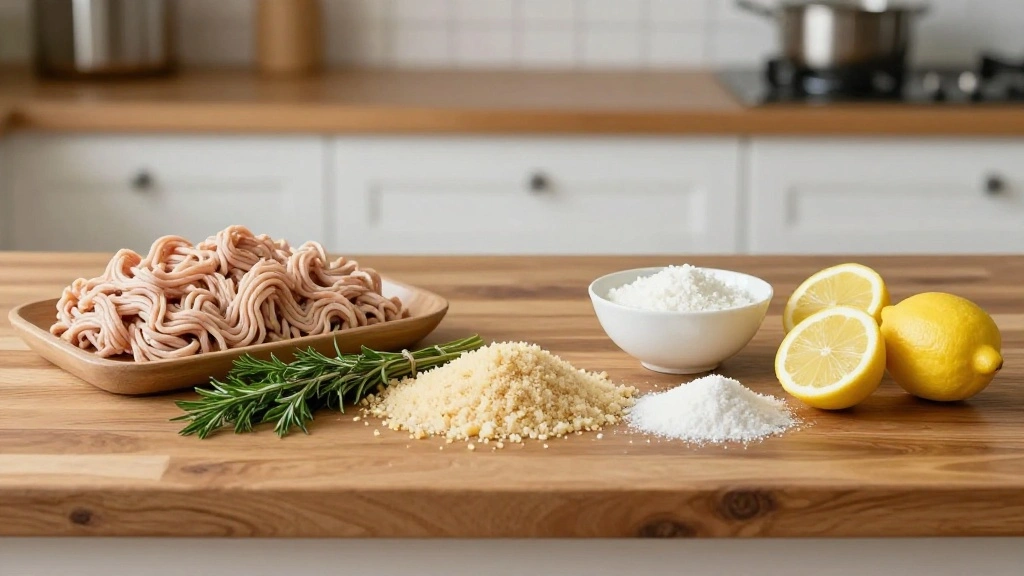
Wash and chop fresh herbs, and zest the lemon.
Ensure the ground turkey is at room temperature for even mixing.
Preheat your oven to 400°F (200°C) to prepare for baking.
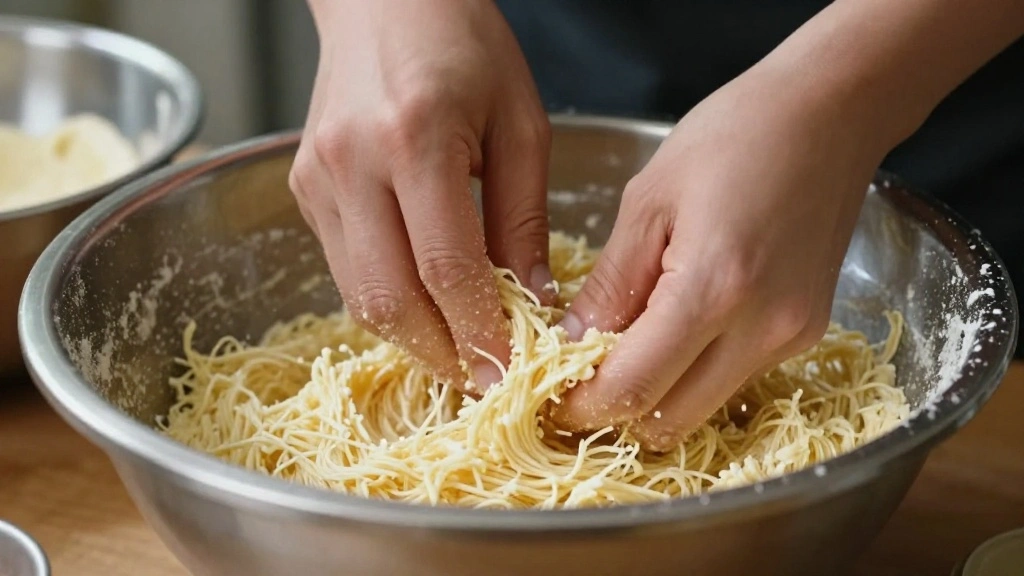
Use your hands to gently mix until just combined.
Avoid overmixing, which can result in tough meatballs.
Ensure all ingredients are evenly distributed throughout the mixture.
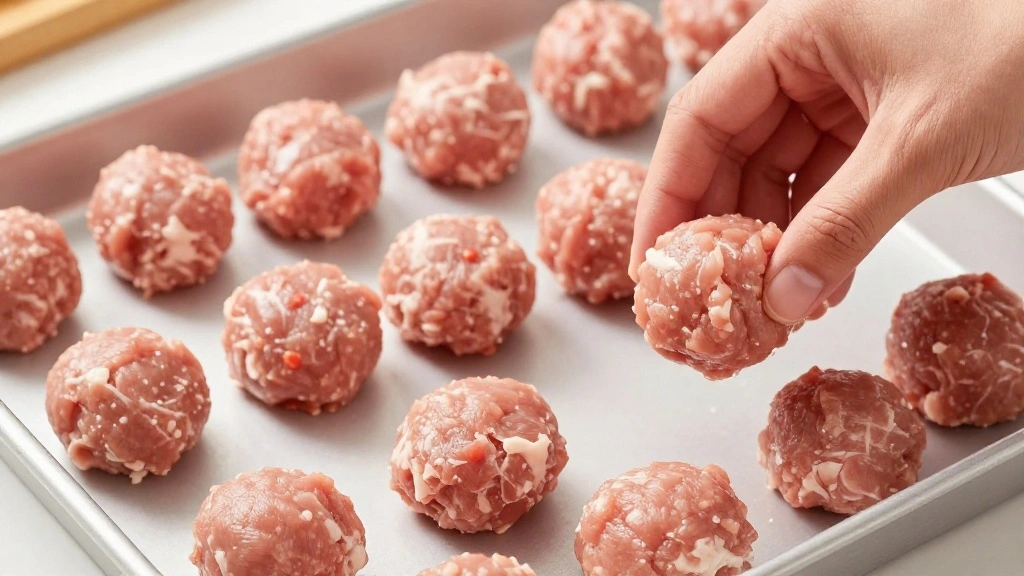
Take a small amount of the mixture and roll it into a ball about 1 inch in diameter.
Place the formed meatball onto a prepared baking sheet.
Repeat until all the mixture is used, ensuring even spacing on the sheet.
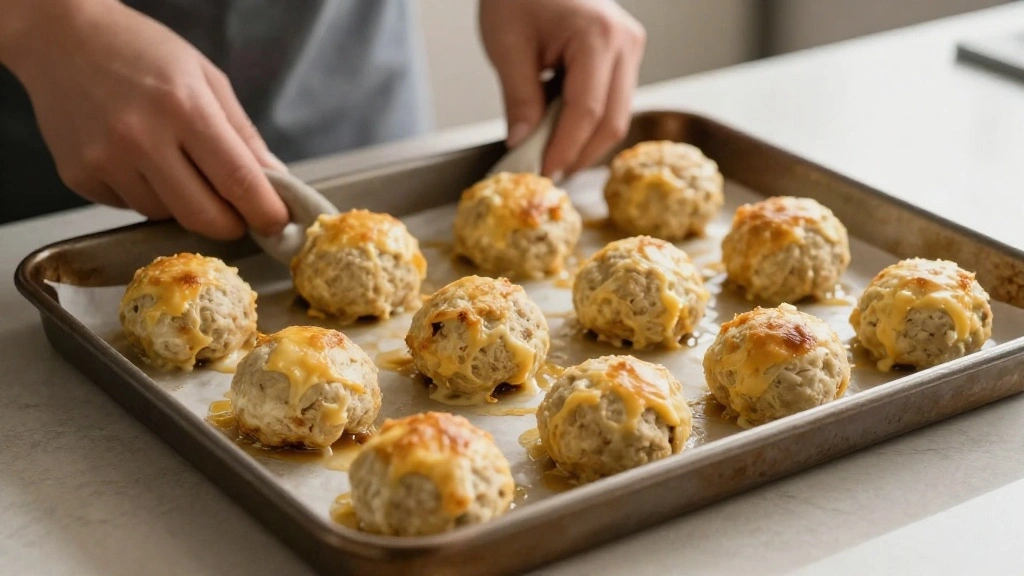
Bake for 15-20 minutes or until the meatballs are browned and cooked through.
Check the internal temperature, which should reach 165°F (74°C).
Remove from the oven and let them rest for a few minutes.
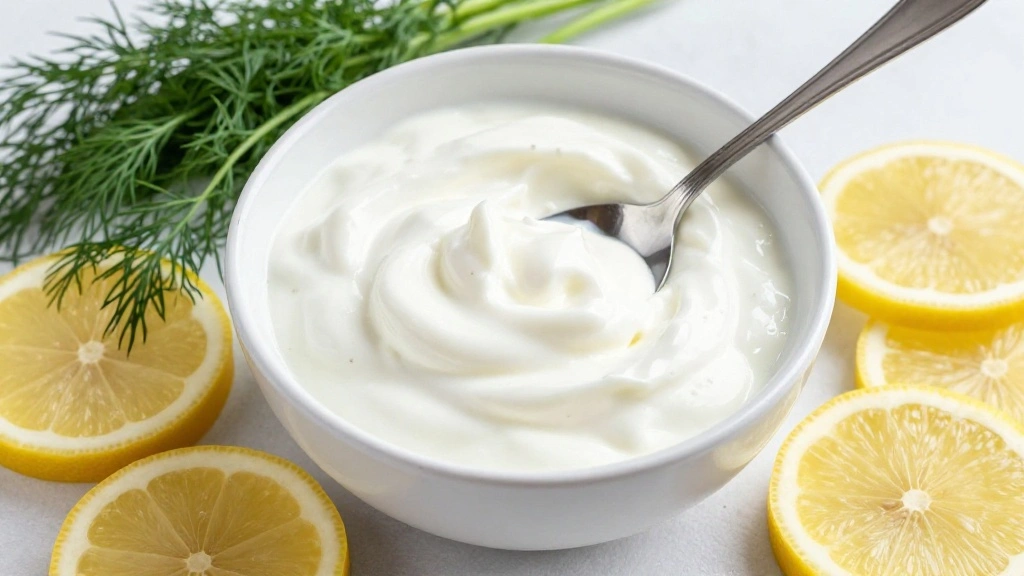
Stir until smooth and well blended.
Taste and adjust seasoning if necessary, adding more lemon juice or dill to taste.
Refrigerate until ready to serve.
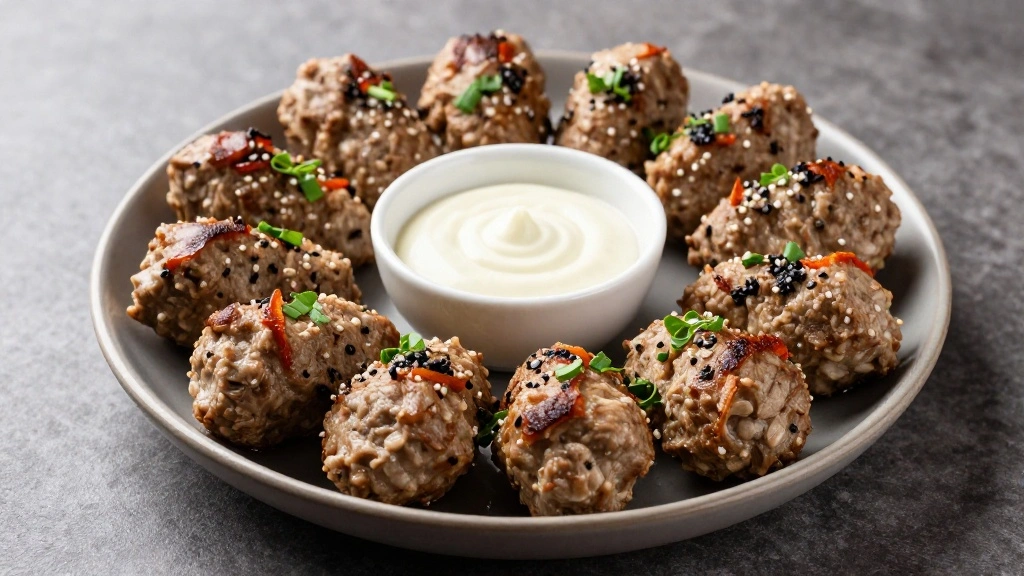
Serve them alongside a bowl of the prepared yogurt sauce.
Garnish with additional chopped parsley and lemon wedges if desired.
Enjoy while warm for the best flavor and texture.
Mixing Temperature: Ingredients should be at room temperature to mix evenly and prevent clumping. Cold ingredients can result in uneven texture.
Resting Time: Allow meatballs to rest for 3-5 minutes after baking to let the juices redistribute, ensuring a moist final product.
• Preparation Secret: Chill the mixture briefly before shaping to make it easier to handle and reduce sticking.
• Temperature Management: Ensure the oven is fully preheated to achieve a crisp exterior on the meatballs.
• Texture Enhancement: Avoid overmixing the meatball mixture to keep them tender.
• Flavor Layering: Incorporate lemon zest and fresh herbs for a vibrant, layered flavor profile.
• Make-Ahead Strategies: Prepare the meatballs in advance and refrigerate for up to 24 hours before cooking.
• Restaurant-Quality Finishing Touches: Finish with a sprinkle of flaky sea salt and a drizzle of olive oil for extra flavor.
• Equipment Optimization: Use a non-stick baking sheet or line with parchment for easy release and cleanup.
• Flavors Unbalanced: Often due to insufficient seasoning. Taste the mixture before shaping and adjust salt and herbs accordingly.
• Meatballs Falling Apart: Usually a result of insufficient binding. Ensure the egg and breadcrumbs are well incorporated.
• Overcooked Exterior: Happens when baking at too high a temperature. Monitor closely and ensure the oven is set correctly.
• Dry Meatballs: Caused by overcooking or using leaner meat without enough fat. Adjust cooking time and consider adding a bit of olive oil.
• Spicy Variation: Incorporates red pepper flakes and a dash of cayenne for added heat, reflecting influences from nearby cuisines.
• Vegetarian Style: Uses chickpeas and feta cheese as a base, offering a unique twist for non-meat eaters.
• Traditional Greek Style: Often served with a tomato-based sauce and a side of rice or orzo, highlighting the dish’s versatility.
• Protein Coagulation: Ensures the meatballs hold their shape and texture, particularly important with lean meats like turkey.
• Emulsification: The process of mixing oil and water-based ingredients, key in creating a smooth and cohesive meatball mixture.
Can I use a different type of meat? Yes, ground chicken or lamb can be used, though flavor and texture will vary.
Is it possible to make these meatballs gluten-free? Absolutely, substitute bread crumbs with gluten-free breadcrumbs or almond flour.
How can I store leftovers? Store in an airtight container in the refrigerator for up to 3 days or freeze for longer storage.
Can I prepare the meatballs in advance? Yes, shape the meatballs and refrigerate them for up to 24 hours before baking.
How do I prevent the meatballs from sticking to the baking sheet? Use parchment paper or a silicone baking mat to ensure easy removal.
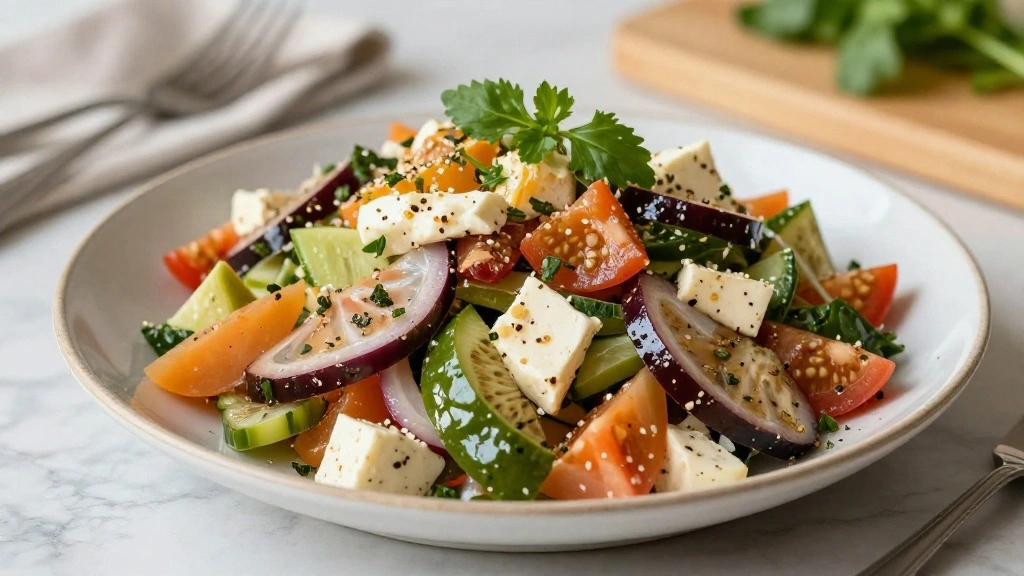
What side dishes pair well with these meatballs? Greek salad, pita bread, or roasted vegetables make excellent accompaniments.
• Family Style: Arrange meatballs in a shallow bowl with sauce drizzled over the top, perfect for sharing.
• Individual Servings: Plate 3-4 meatballs per person with a dollop of sauce and a lemon wedge on the side.
• Appetizer Option: Skewer each meatball with a toothpick for easy serving at parties.
With their bright flavors and satisfying texture, they’re sure to become a favorite staple in your recipe collection.
Try them today and experience the taste of Greece in every bite.

Greek Recipes
Greek Recipes
Greek Recipes
Greek Recipes
Greek Recipes