
Written by

Edited by

Affiliate Disclosure:
If you buy through links on our site, we may earn a small affiliate commission to help support the blog – at no extra cost to you. It never influences our product selection process. Thank you!

Greek Sheet Pan Chicken Dinner offers an aromatic journey through the vibrant flavors of the Mediterranean.
The delightful combination of lemon, oregano, and olive oil creates an unforgettable taste that captures the essence of Greek cuisine.
I first encountered this recipe at a bustling taverna in Athens, where locals gather to enjoy this simple yet delicious meal.
Perfect for busy weeknights, this dish combines ease of preparation with minimal cleanup, making it a favorite among home cooks.
Whether you’re new to Greek cooking or a seasoned pro, this recipe promises a satisfying experience.
• The dish evolved over decades as trade introduced new spices and techniques, eventually becoming the beloved version we know today.
• In Greek culture, this dish traditionally appears at family gatherings, symbolizing hospitality and abundance.
• While many variations exist across different regions, the authentic version maintains the simplicity and freshness of ingredients that sets it apart from imitations.
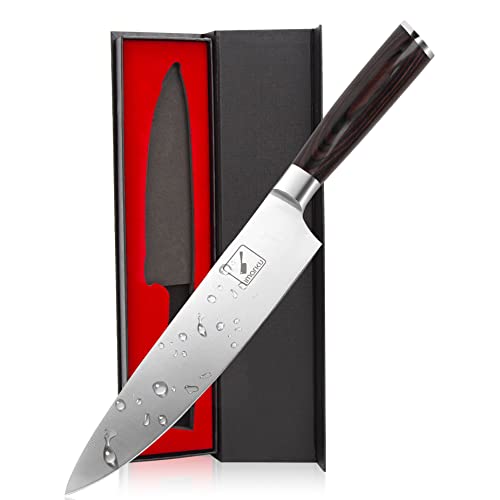
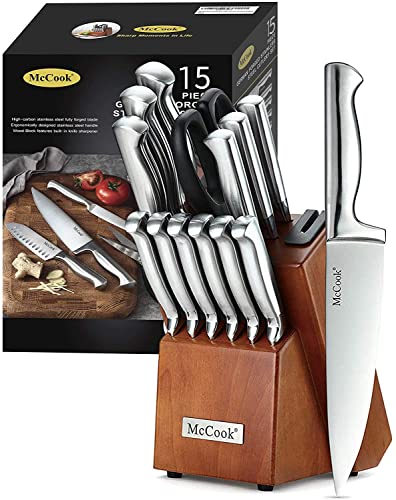
Chef’s Knife: A sharp chef’s knife is crucial for efficiently chopping vegetables and trimming chicken. Alternatives include a santoku knife. Choose a knife that feels balanced and comfortable in your hand.
Mixing Bowls: Various sizes of mixing bowls are important for marinating the chicken and tossing the vegetables. Glass or stainless steel bowls are recommended for easy cleaning and durability.
| Amount | Ingredient | Notes |
|---|---|---|
| 1/4 cup | olive oil | adds richness |
| 2 tablespoons | lemon juice | freshly squeezed for tang |
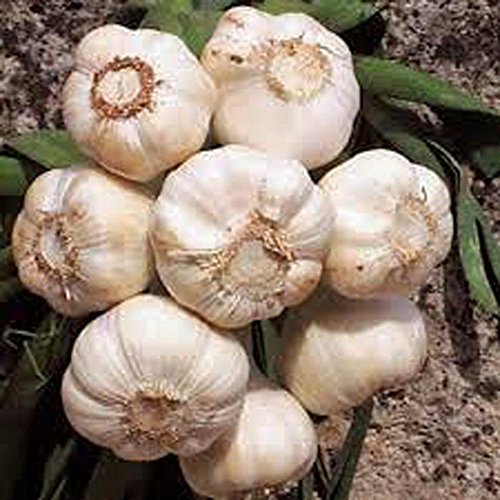
| 2 cloves | garlic | minced for flavor |
| 1 tablespoon | oregano | dried, for aroma |
| 1 teaspoon | salt | enhances flavor |
| 1/2 teaspoon | black pepper | freshly ground for spice |
| Amount | Ingredient | Notes |
|---|---|---|
| 4 pieces | chicken thighs | bone-in, skin-on for flavor |
| Amount | Ingredient | Notes |
|---|---|---|
| 2 medium | red bell peppers | cut into strips |
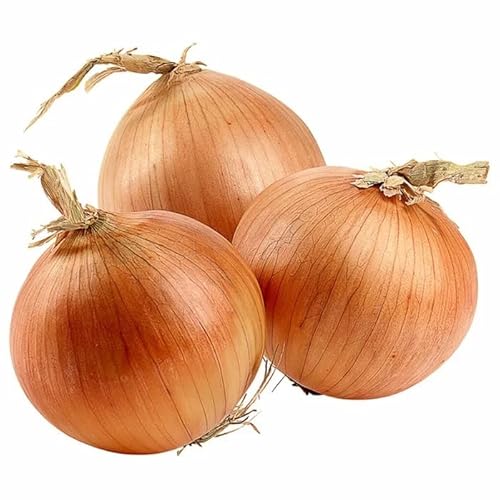
| 1 large | red onion | quartered |
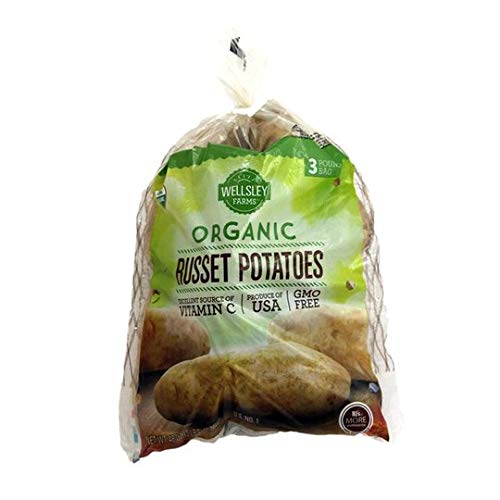
| 2 cups | baby potatoes | halved |
| 1 cup | cherry tomatoes | whole |
| Amount | Ingredient | Notes |
|---|---|---|
| 1 teaspoon | paprika | for color and flavor |
Sheet Pan Roasting: This involves cooking the chicken and vegetables on a single pan in the oven. It allows for even cooking and browning. Ensure all ingredients are spread in a single layer to avoid steaming.
Resting: Allowing the chicken to rest after cooking is crucial for juiciness. This process ensures the juices redistribute throughout the meat, leading to a more succulent bite.
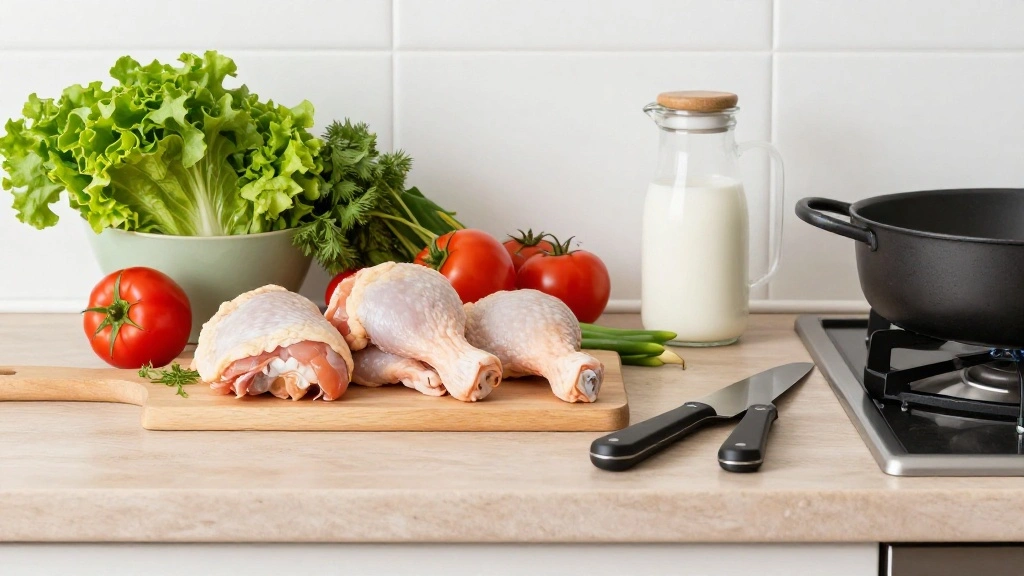
Wash the vegetables thoroughly and pat them dry.
Trim excess fat from the chicken thighs.
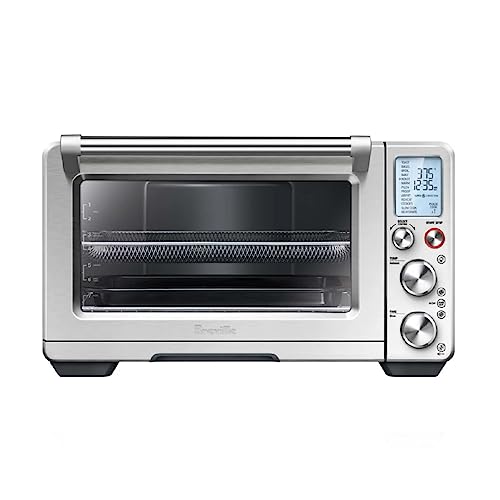
Preheat the oven to 400°F (200°C).
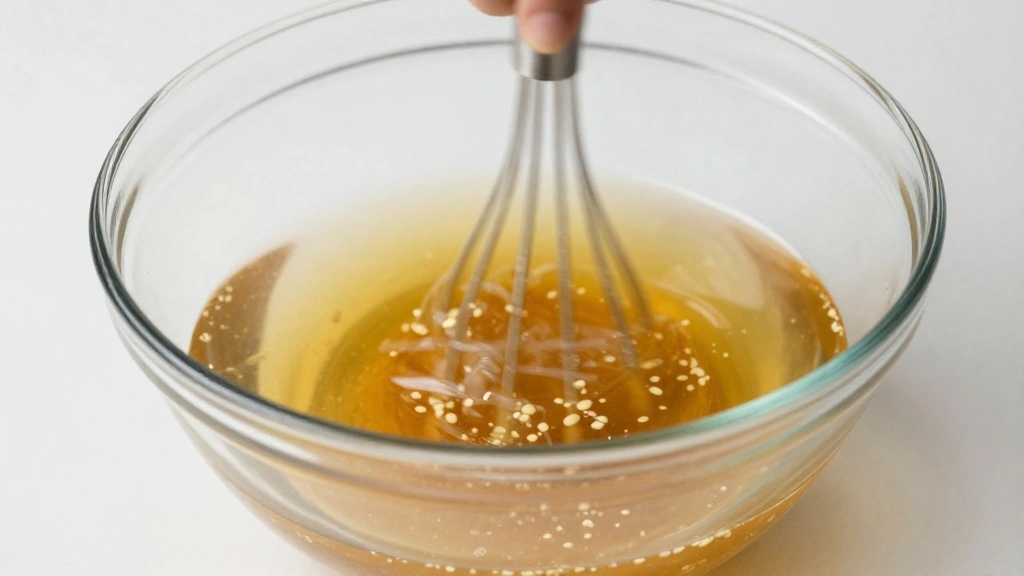
Whisk together until thoroughly blended.
Taste the marinade and adjust seasoning if necessary.
Set aside for marinating the chicken.
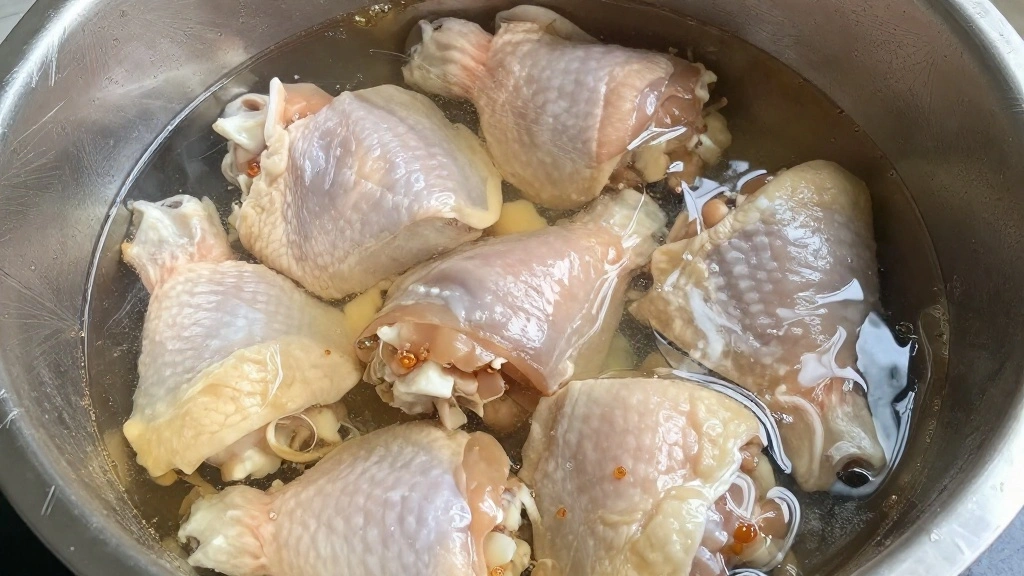
Cover the bowl with plastic wrap and refrigerate for at least 30 minutes.
Turn the chicken occasionally to ensure even marination.
Remove from refrigerator 10 minutes before cooking to allow it to come to room temperature.
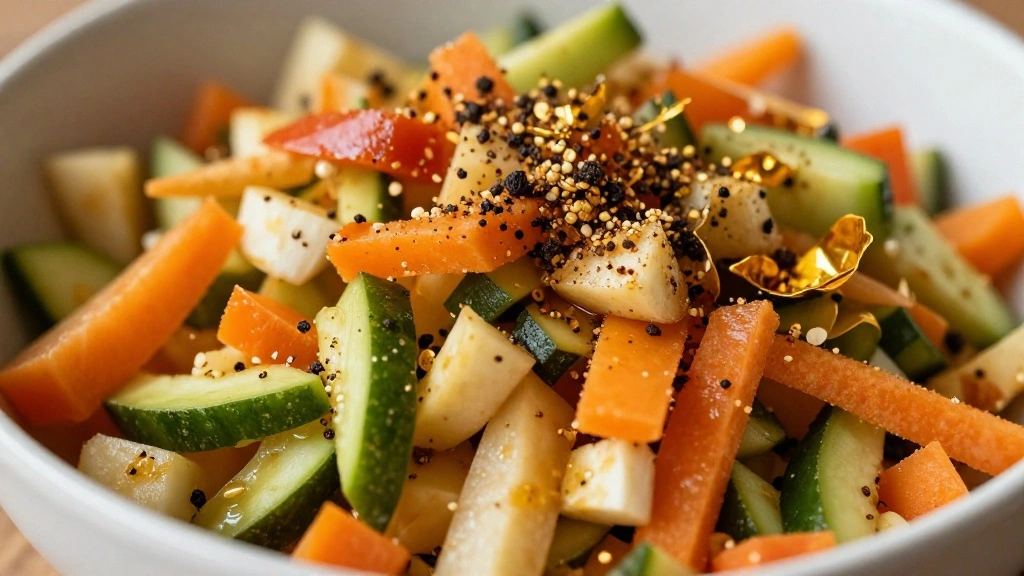
Halve the baby potatoes and keep the cherry tomatoes whole.
Place all the vegetables in a large bowl.
Season with salt, pepper, and paprika, and toss to coat evenly.
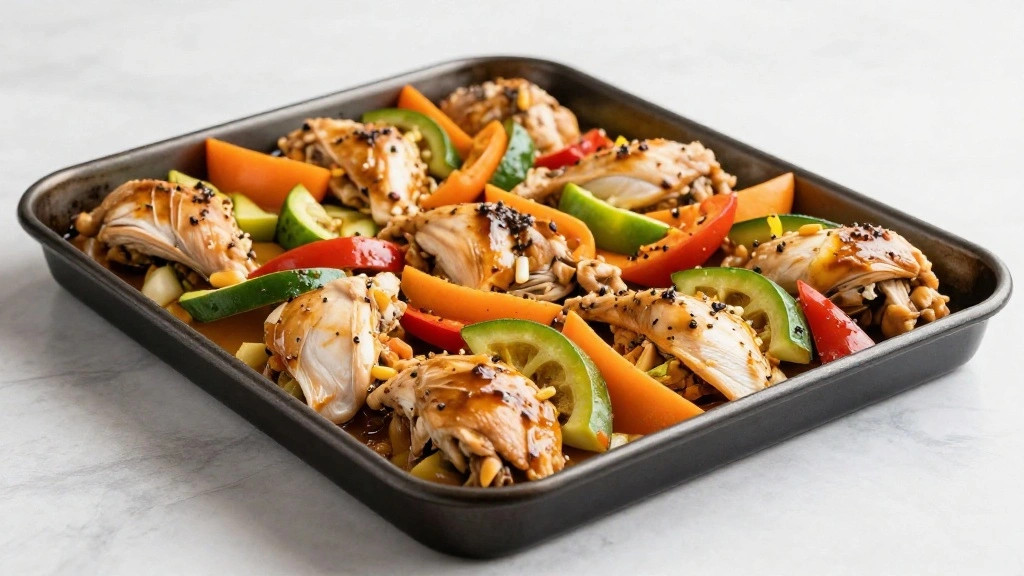
Spread the marinated chicken thighs evenly on the pan.
Arrange the seasoned vegetables around the chicken.
Ensure everything is in a single layer for even cooking.
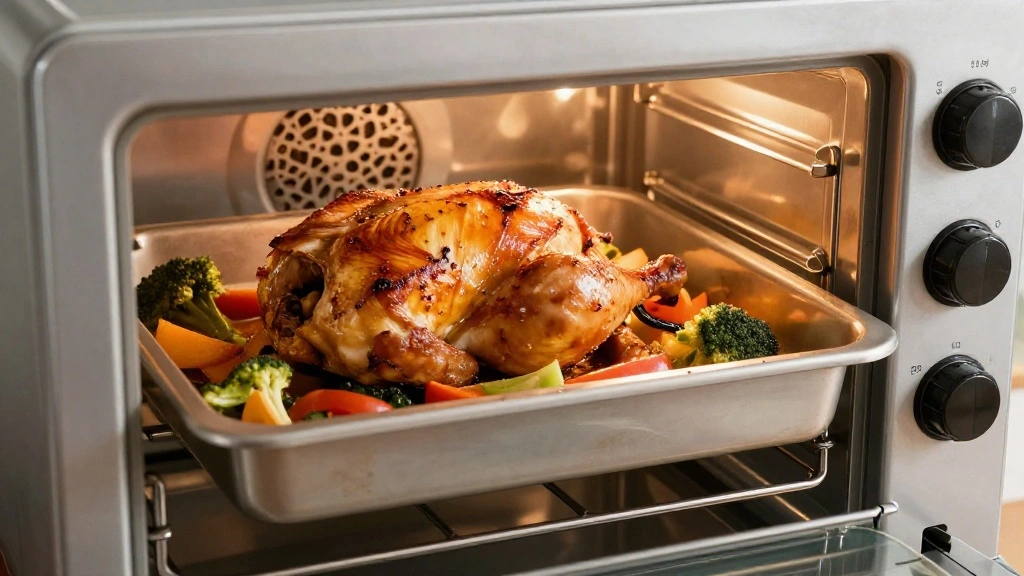
Roast for 45 minutes or until the chicken is cooked through and the skin is crispy.
Check the vegetables to ensure they are tender and slightly caramelized.
Rotate the pan halfway through cooking for even browning.
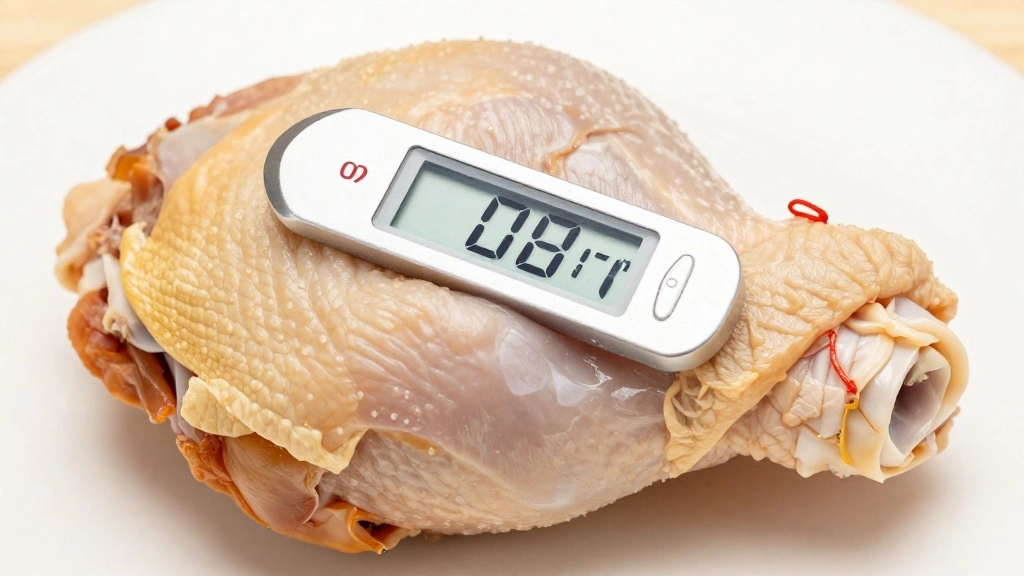
Check that the juices run clear when the chicken is pierced.
Ensure the vegetables are fork-tender and lightly browned.
If needed, roast for an additional 5-10 minutes.
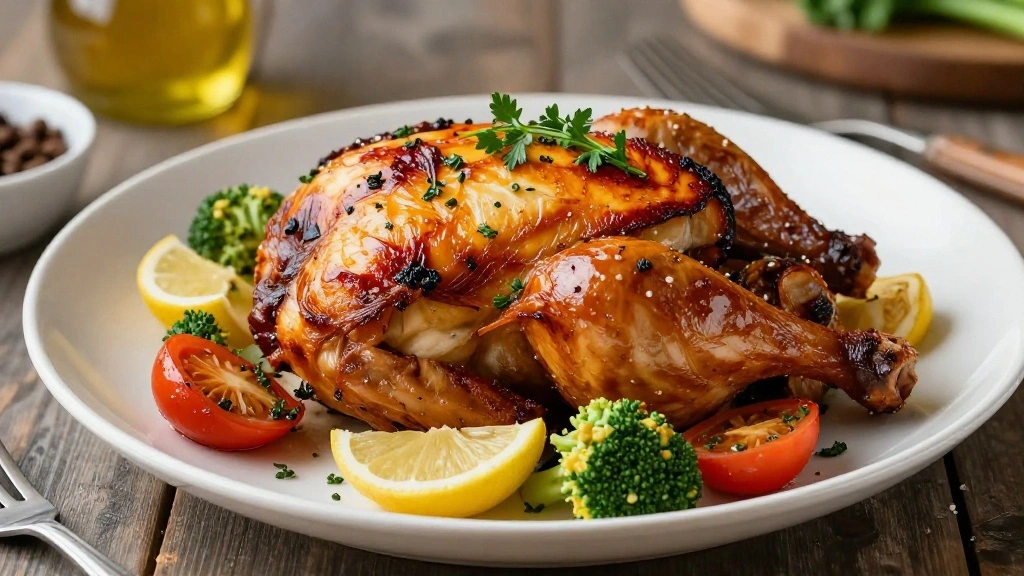
Transfer the chicken and vegetables to a serving platter.
Garnish with fresh herbs like parsley or dill if desired.
Serve warm and enjoy your Greek Sheet Pan Chicken Dinner.
Oven Roasting: Roast at 400°F (200°C) for 45 minutes. Look for crispy skin and caramelized vegetables. Avoid undercooking by checking temperature.
Resting: Rest for 5 minutes after cooking. Juices should redistribute. Cutting too soon can lead to dry meat.
• Preparation Secret: Allow the chicken to reach room temperature before roasting for even cooking.
• Temperature Management: Ensure the oven is fully preheated to maintain consistent cooking.
• Texture Enhancement: Roast vegetables until they develop a slight char for depth of flavor.
• Flavor Layering: Add a squeeze of lemon juice over the dish before serving to enhance freshness.
• Make-Ahead Strategies: Marinate the chicken and chop vegetables a day ahead to save time.
• Restaurant-Quality Finishing Touches: Garnish with fresh parsley or dill for a burst of color and aroma.
• Equipment Optimization: Use a non-stick baking sheet to ensure easy release of the chicken and vegetables.
• Dry Chicken: Ensure proper marinating time and do not overcook. Use a meat thermometer to check doneness.
• Vegetables Too Soft: Cut vegetables uniformly and use firmer varieties like bell peppers and baby potatoes to maintain texture.
• Uneven Cooking: Spread ingredients in a single layer and rotate the pan halfway through cooking.
• Lack of Browning: Increase oven temperature slightly or use the broiler for the last few minutes to achieve a crispy finish.
• Athenian Variation: Features the addition of feta cheese crumbles before serving, enhancing the creamy and tangy profile.
• Spartan Method: Known for its simplicity, focusing on fewer spices and letting the natural flavors of the chicken and vegetables shine.
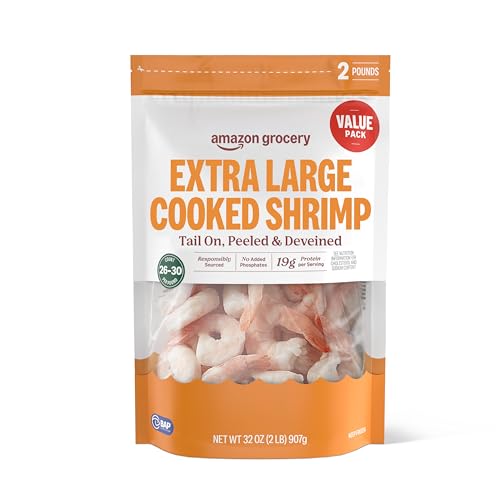
• Ionian Twist: Incorporates seafood like shrimp alongside the chicken, reflecting the coastal influence of the Ionian islands.
• Enzymatic Tenderization: The acidity in the lemon juice breaks down proteins in the chicken, tenderizing it while adding flavor.
• Heat Transfer: Convection in the oven ensures even cooking, while the single-layer arrangement on the sheet pan maximizes surface contact for browning.
Can I use chicken breasts instead of thighs? Yes, but adjust cooking time as breasts cook faster and can dry out if overcooked.
How do I know when the chicken is done? Use a meat thermometer to check for an internal temperature of 165°F (74°C).
Is it possible to add other vegetables? Absolutely, try adding zucchini or eggplant for variety.
Can I prepare this recipe in advance? Yes, marinate the chicken and prep the vegetables a day ahead.
How can I enhance the flavor of the dish? Add a sprinkle of fresh herbs or a drizzle of balsamic glaze before serving.
What should I serve alongside this dish? A simple Greek salad or crusty bread pairs beautifully.
• Family Style: Present in the baking sheet itself, allowing guests to serve themselves directly.
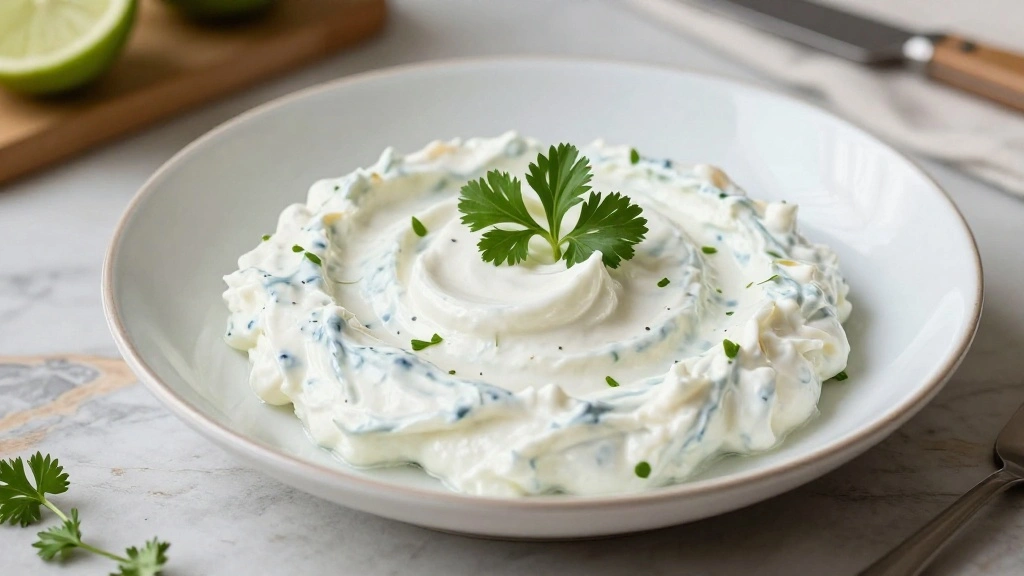
• Individual Plating: Arrange chicken and vegetables aesthetically on individual plates with a side of tzatziki sauce.
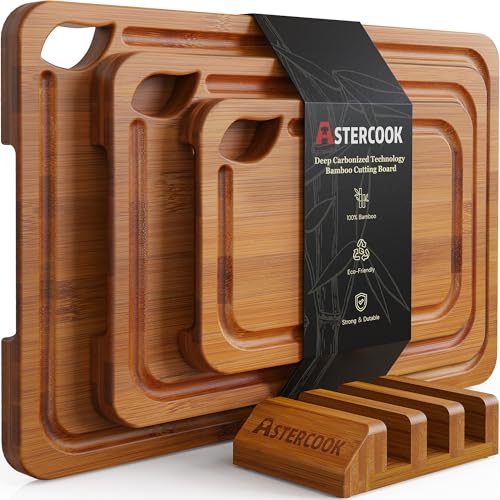
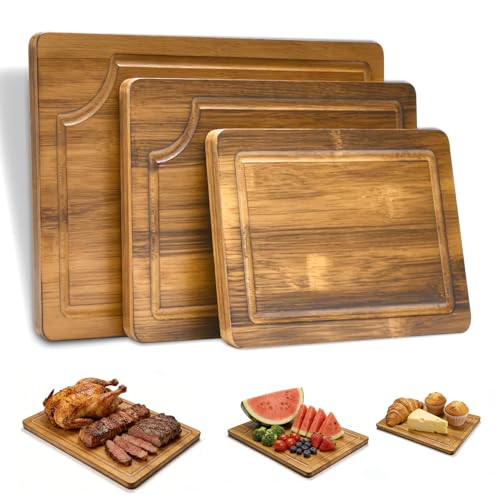
• Rustic Presentation: Use wooden boards or rustic ceramic dishes for an authentic Mediterranean feel.
With its minimal preparation and easy cleanup, it’s a perfect choice for any day of the week.
Try this recipe to bring the essence of Greek cuisine into your home and impress your family or guests.

Greek Recipes
Greek Recipes

Greek Recipes
Greek Recipes
Greek Recipes