
When contemplating the question “Which ingredients make Greek salad fresh and healthy?”, it becomes clear that the true essence of this iconic dish lies in the quality and freshness of its components. A well-prepared Greek salad is a celebration of vibrant flavors, crisp textures, and nourishing nutrients that together create a meal synonymous with Mediterranean vitality. The answer hinges on selecting ingredients that not only enhance the sensory experience but also contribute to overall well-being, making this salad a perfect choice for health-conscious food lovers.
In this detailed exploration, we will delve into the core components that define an authentic Greek salad, identify key ingredients that bolster its freshness, examine the nutritional benefits they confer, understand the pivotal role of olive oil, discuss sourcing tips for high-quality ingredients, and offer practical advice for preparing a refreshingly healthy Greek salad. Whether you’re a seasoned cook or a beginner, understanding which ingredients make Greek salad fresh and healthy will elevate your culinary approach and deepen your appreciation for this Mediterranean classic.
The Core Components of an Authentic Greek Salad
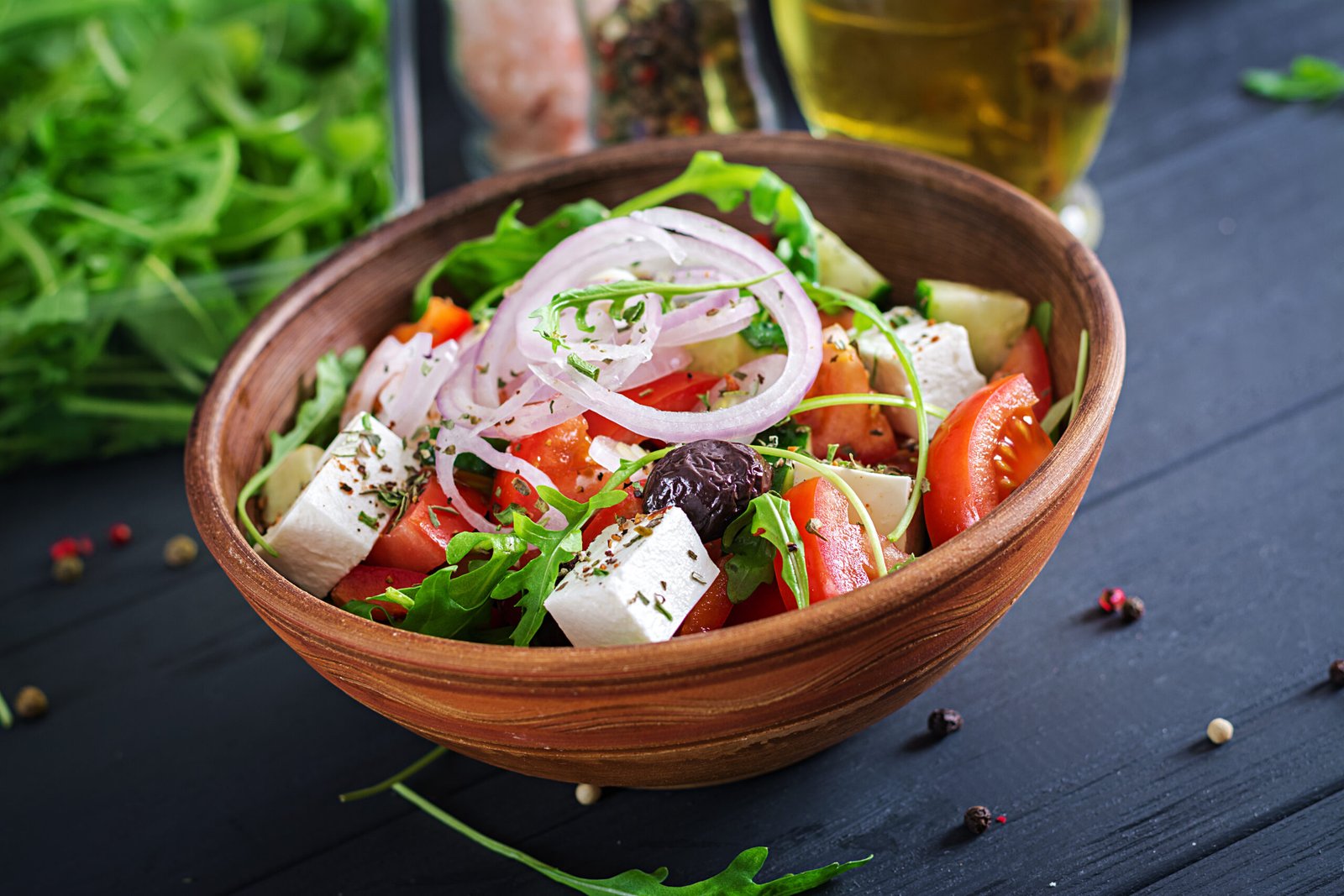
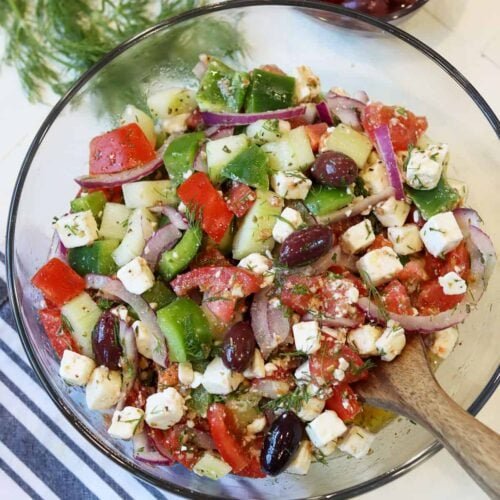
An authentic Greek salad, or “Horiatiki,” is distinguished by its simple yet robust components. At its heart lie fresh vegetables, high-quality dairy, and a harmonious blend of herbs and seasoning that together evoke a taste of the Greek countryside. The crisp cucumbers, juicy tomatoes, sharp red onions, and briny Kalamata olives form the foundational mosaic of textures and flavors. These ingredients are quintessential not only for their taste but also for their nutritional profile, providing an array of vitamins, antioxidants, and fiber.
Beyond the vegetables and olives, a traditional Greek salad is topped with generous blocks of feta cheese, which adds creaminess and a tangy dimension, enriching the overall flavor profile. The saltiness from the cheese and olives balances the acidity of the tomatoes, while the seasoning of oregano and a splash of extra virgin olive oil bring everything together. The key to an authentic Greek salad lies in using ingredients that are as close to their natural state as possible, preferably sourced fresh from local markets or farmers, ensuring each forkful bursts with vitality. Understanding these core components helps reveal which ingredients make Greek salad fresh and healthy and underscores the importance of quality and authenticity.


Key Ingredients That Contribute to Freshness
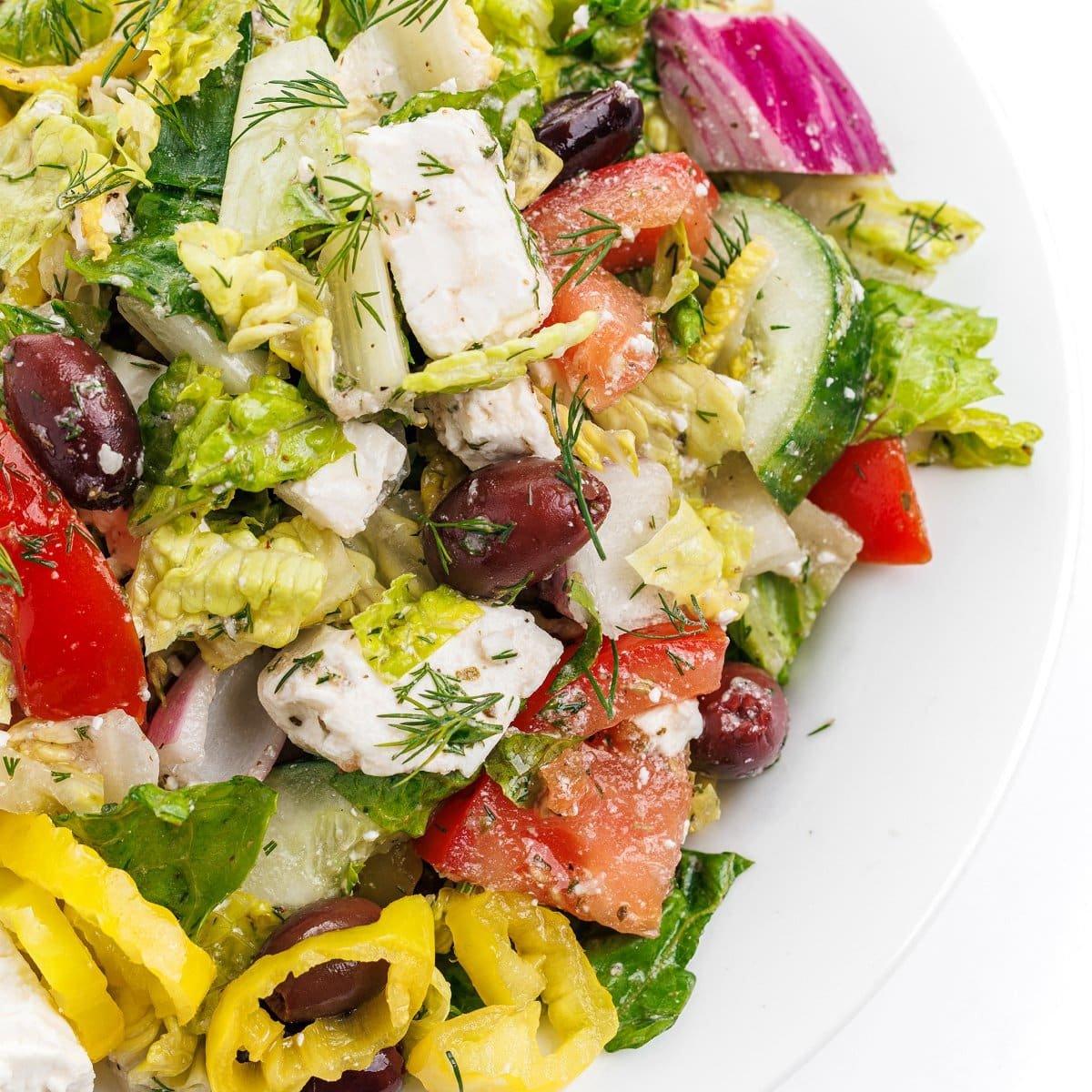
Several ingredients are crucial in giving Greek salad its unmistakable freshness. Crips, ripe vegetables like cucumbers and tomatoes are the backbone, bringing crunch and juiciness that invigorate the palate. Opting for heirloom or vine-ripened tomatoes ensures maximum flavor and nutrient density, enhancing both the sensory and health aspects of the dish. Similarly, the inclusion of fresh red onions provides a mild sweetness and a touch of pungency that complements the other components without overpowering them.
Herbs and seasonings are equally vital in elevating freshness. Dried oregano, often considered the Greek seasoning par excellence, adds aromatic complexity and a warming earthy tone that pairs perfectly with the fresh ingredients. Adding a splash of lemon juice or a sprinkle of fresh herbs like parsley or dill can further brighten the salad, emphasizing freshness and vitality. The choice of ingredients, their freshness, and how they are prepared directly influence the dish’s healthiness; vibrant, minimally processed produce preserves maximum nutrients, making the question “Which ingredients make Greek salad fresh and healthy?” an answer rooted in selecting quality and freshness.


Nutritional Powerhouse: Health Benefits of Greek Salad Ingredients
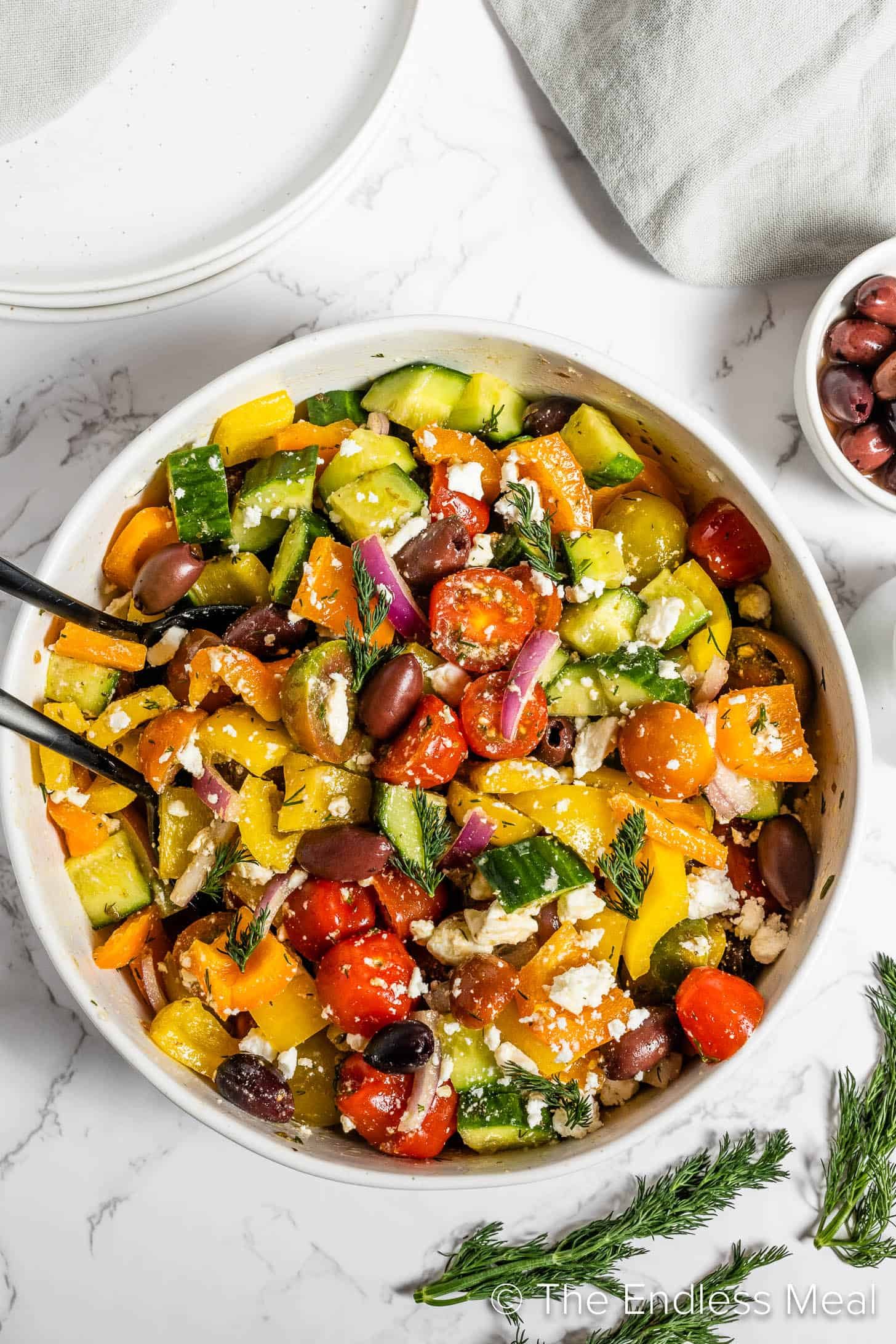
The ingredients found in Greek salad are more than just flavor contributors—they are nutritional powerhouses packed with health benefits. Cucumbers, with their high water content, promote hydration and contain antioxidants that help combat inflammation. Ripe tomatoes provide lycopene, a potent antioxidant linked to reduced risk of chronic diseases, and are rich in vitamins A, C, and K. Red onions contribute sulfur compounds and flavonoids that support cardiovascular health and enhance immune function.
Olives and feta cheese, while seemingly indulgent, offer healthy fats, probiotics, and essential minerals such as calcium and magnesium. Olives are rich in monounsaturated fats that help manage cholesterol levels, while feta cheese provides protein and calcium crucial for bone health. The combined nutritional profile of these ingredients supports digestion, reduces inflammation, and boosts immune defenses, illustrating which ingredients make Greek salad fresh and healthy and highlighting their role in a balanced diet. Incorporating these components in moderation makes Greek salad an effective way to enjoy a flavorful, health-promoting meal.


Olive Oil’s Role in Flavor and Wellness
No discussion of a Greek salad is complete without emphasizing olive oil, often called “liquid gold” in Mediterranean cuisine. Extra virgin olive oil is responsible for the signature flavor, imparting a fruity, peppery note that elevates every bite. Beyond its culinary importance, olive oil is renowned for its health benefits; it is rich in monounsaturated fats, antioxidants, and anti-inflammatory compounds that support cardiovascular health and reduce the risk of chronic disease.
Using high-quality, cold-pressed extra virgin olive oil ensures maximum preservation of antioxidants and nutrients. It acts as a natural preservative, enhancing the freshness of the vegetables and cheese while adding depth to the salad’s texture and flavor. Moreover, olive oil aids in the absorption of fat-soluble vitamins within the produce, making each element of the Greek salad more nutritious. Therefore, which ingredients make Greek salad fresh and healthy is incomplete without recognizing the vital role of olive oil—not just for taste but for wellness as well.
Sourcing High-Quality Ingredients for Optimal Taste and Nutrition
Achieving a Greek salad that is both fresh and healthy relies heavily on sourcing the best possible ingredients. Locally grown produce, like heirloom tomatoes or crisp cucumbers, provides richer flavor and higher nutrient content than their store-bought counterparts. When feasible, visiting farmers’ markets or health food stores allows you to select seasonal, organic vegetables and herbs that are minimally processed and free from preservatives.
For dairy products such as feta, choosing authentic Greek feta or well-made artisan cheeses enhances not only the flavor but also ensures quality. The origin of your olive oil matters immensely; reputable brands that provide cold-pressed, extra virgin olive oil from Greece or other Mediterranean regions guarantee purity and nutritional integrity. Sourcing high-quality ingredients is an investment in the dish’s overall freshness, taste, and health benefits, helping you answer which ingredients make Greek salad fresh and healthy with confidence in quality.

Tips for Preparing a Refreshing and Healthy Greek Salad
To maximize freshness and healthfulness when preparing a Greek salad, handling ingredients carefully is key. Always wash vegetables thoroughly to eliminate residues and preserve nutrients. Cutting cucumbers and tomatoes into uniformly sized pieces ensures even distribution of flavors and textures, making each bite satisfying and balanced. Avoid overdressing the salad; instead, drizzle olive oil sparingly and season with freshly chopped herbs and a squeeze of lemon to keep it light and vibrant.
Another tip is to assemble the salad just before serving, as pre-mixed salads tend to lose their crunch and freshness over time. Incorporating colorful, seasonal vegetables and herbs adds visual appeal and boosts nutrient diversity. Ultimately, the goal is to maintain the natural integrity of each ingredient, ensuring the salad remains energetically fresh and nutritionally rich—affirming that which ingredients make Greek salad fresh and healthy is a mindful selection of quality, freshness, and balance.


Conclusion
In understanding which ingredients make Greek salad fresh and healthy, it becomes evident that the key lies in selecting vibrant, high-quality, and minimally processed components that highlight Mediterranean freshness and nutritional richness. From crisp vegetables such as cucumbers and ripe tomatoes, to the briny punch of Kalamata olives, the creamy tang of feta cheese, and the essential flavor of extra virgin olive oil, each ingredient contributes uniquely to the dish’s health benefits and taste profile. Proper sourcing, careful preparation, and mindful seasoning elevate the salad, ensuring it remains both a delicious and nutritious meal. By prioritizing freshness and quality at every step, anyone can craft a Greek salad that sustains-body and soul—truly exemplifying which ingredients make Greek salad fresh and healthy.