
When pondering culinary delights rooted deeply in tradition, few recipes evoke the freshness and cultural richness of Greek cuisine like tzatziki. This cool, creamy condiment has become a staple not only in Greece but around the world, loved for its refreshing taste and versatile nature. So, you might ask, What is the recipe for authentic Greek tzatziki sauce? Exploring this question takes us beyond simple ingredients to uncover the techniques and nuances that give tzatziki its distinctive flavor and texture.
Understanding what makes tzatziki authentic involves appreciating each component’s role—from the specific type of Greek yogurt to the sharp punch of garlic, the coolness of cucumber, and the aromatic touch of dill. This article dissects the recipe step-by-step, sharing insights and tips to help you create a truly traditional tzatziki that captures Greece’s culinary essence, whether for accompanying grilled meats, serving as a dip, or adding brightness to salads.
The Essential Components of Authentic Greek Tzatziki
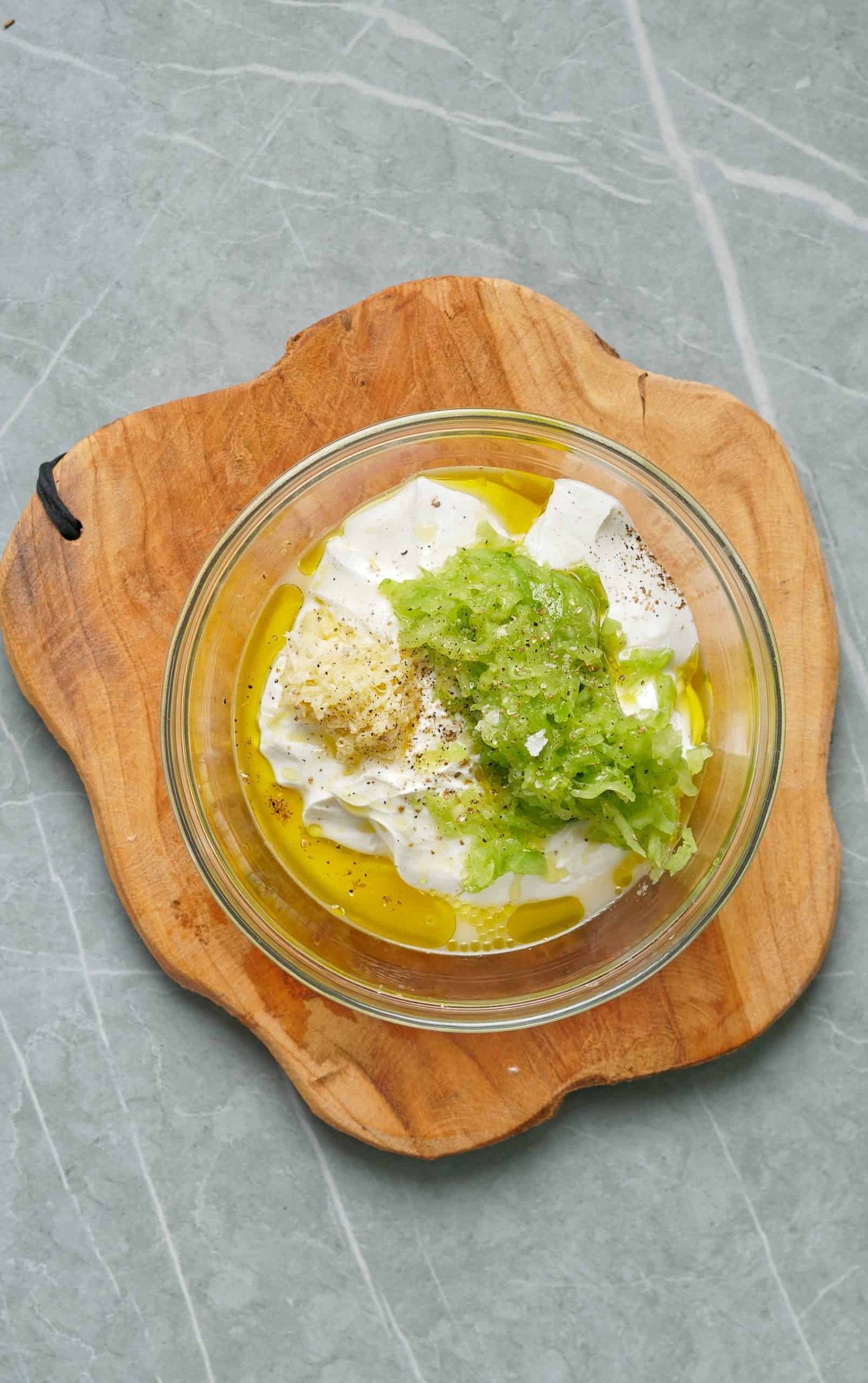
Authentic Greek tzatziki hinges on a handful of key ingredients, each contributing to its signature balance of creamy, tangy, and fresh flavors. Greek yogurt forms the creamy base—preferably full-fat, as it offers richer texture and flavor, essential for capturing the authentic mouthfeel. Fresh cucumber—preferably thick-skinned and crisp—is grated finely to provide both moisture and crunch, but without overwhelming the dish. Fresh garlic adds pungency and depth, so understanding how to balance it is crucial. Lastly, fresh dill infuses aromatic, herbaceous notes that elevate the entire sauce, complemented by a good splash of extra virgin olive oil and a squeeze of lemon juice for brightness.
In crafting an authentic recipe, it’s vital to emphasize quality and freshness. The ingredient choices are deliberate; Greek yogurt’s thick consistency acts as both an emulsion stabilizer and flavor amplifier, providing an unparalleled tang. The fresh cucumber’s watery essence adds lightness, but it must be drained or pressed to prevent a runny final product. Dill, garlic, and lemon are not just seasonings but the defining flavors that distinguish tzatziki from similar dips. Achieving harmony among these elements entails understanding their individual roles in the overall flavor profile.


Selecting and Preparing the Traditional Greek Yogurt Base
The foundation of any authentic tzatziki is high-quality Greek yogurt. Traditionally, full-fat yogurt is favored for its creaminess and rich flavor, which seamlessly melds with the other ingredients. When selecting yogurt, look for varieties labeled as “strained” or “Greek-style,” as these are thicker and contain less whey, resulting in a plush, velvety texture. Avoid using standard, runny yogurt, as it can compromise the consistency of your tzatziki, making it too thin and watery.
Preparation involves patience and attention to detail. Once you’ve chosen the yogurt, strain it further if necessary—using cheesecloth or a fine sieve—to remove excess moisture. This step is crucial, particularly if you’re using store-bought yogurt that isn’t pre-strained. The goal is to achieve a dense, creamy base that maintains its structure when combined with other ingredients. Additionally, warming the yogurt slightly before mixing can help integrate flavors more smoothly, but avoid overheating it, as this can alter its texture. The creaminess of the yogurt anchors the entire dish and should be treated with care to ensure the perfect base.


Achieving the Perfect Cucumber Texture for Tzatziki

Cucumber plays a pivotal role in tzatziki, offering refreshing juiciness and contrasting crisp texture. The key to perfect cucumber preparation lies in selecting the right type—seedless or minimal-seed varieties like English or Persian cucumbers are ideal, as they’re less watery and easier to work with. To prevent your tzatziki from becoming overly liquidy, it’s imperative to grate the cucumber finely and then remove excess moisture thoroughly.
Once grated, squeezing or pressing the cucumber in a clean cloth or cheesecloth is essential to extract as much water as possible. This prevents dilution of the yogurt and results in a thick, luxurious sauce rather than a watery mess. Some cooks prefer to peel the cucumber entirely, especially if it has a thick skin, to achieve a smoother texture and reduce bitterness. Personalizing this step involves balancing the moisture content—while some like a wetter tzatziki, the traditional approach favors a well-drained cucumber that imparts flavor without watering down the dish’s creamy consistency.


The Role of Garlic and Fresh Dill in Authentic Flavor Profiles
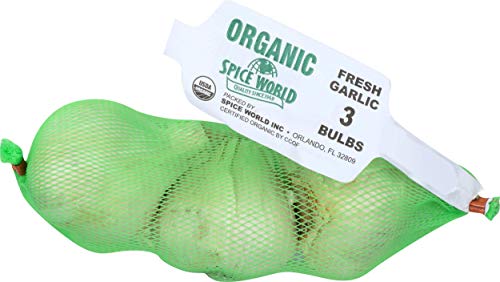
Garlic is a defining ingredient in tzatziki, imparting pungency and depth that balances the cooling cucumber and yogurt. For authentic flavor, fresh garlic cloves should be finely minced or grated, allowing their sharpness to disperse evenly throughout the sauce. The key is to use garlic judiciously—too much can overpower the delicate balance, while too little results in a flat taste. A common mistake is to add raw garlic directly, which can sometimes be overpowering; mild mashing or letting it sit briefly with a drizzle of salt can mellow its intensity.
Fresh dill is what truly elevates tzatziki from simple cucumber-yogurt to a sauce bursting with herbaceous vibrancy. Use tender, bright green fronds—reject the woody stems—and chop them finely to release their aromatic oils. The ideal amount varies depending on personal taste, but a generous handful often works well for a balanced flavor profile. Incorporating dill early into the mixture allows the flavors to meld, creating a cohesive, fragrant sauce. Both garlic and dill are integral to authentic tzatziki, offering a distinct Middle Eastern and Greek character that makes this sauce recognizable and loved worldwide.


Step-by-Step Methodology: Crafting Authentic Tzatziki Sauce
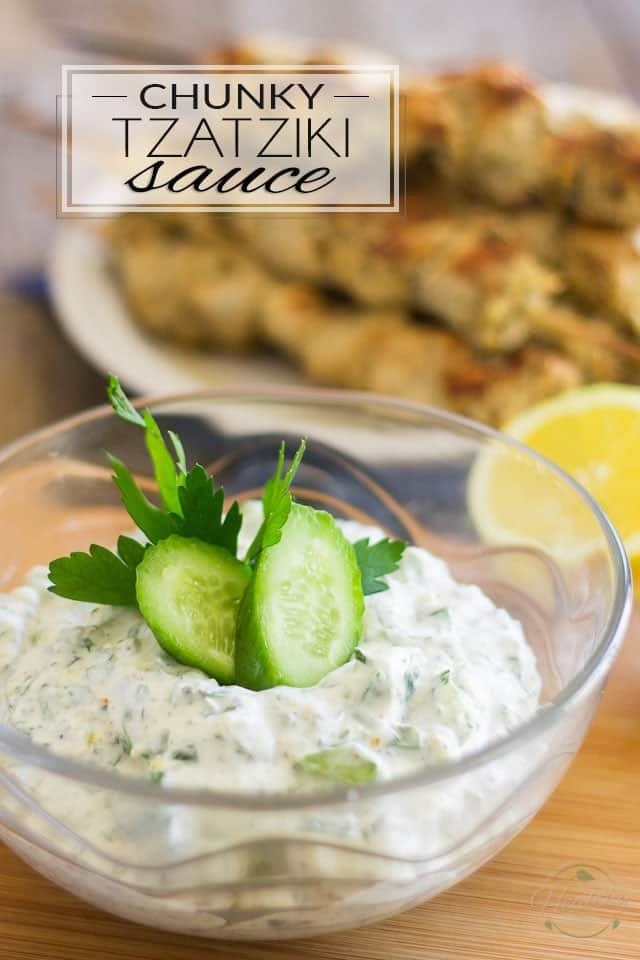
Creating an authentic tzatziki is as much an art as it is a science, requiring attention to detail and patience. Start by preparing your ingredients: strain the Greek yogurt, grate and drain the cucumber, finely mince the garlic, and chop the dill. Once everything is prepped, combine the yogurt with the drained cucumber in a mixing bowl. Add the garlic and dill, then stir gently to incorporate all elements evenly. At this stage, taste and adjust salt, lemon juice, or olive oil, keeping in mind the need for a balanced, harmonious flavor.
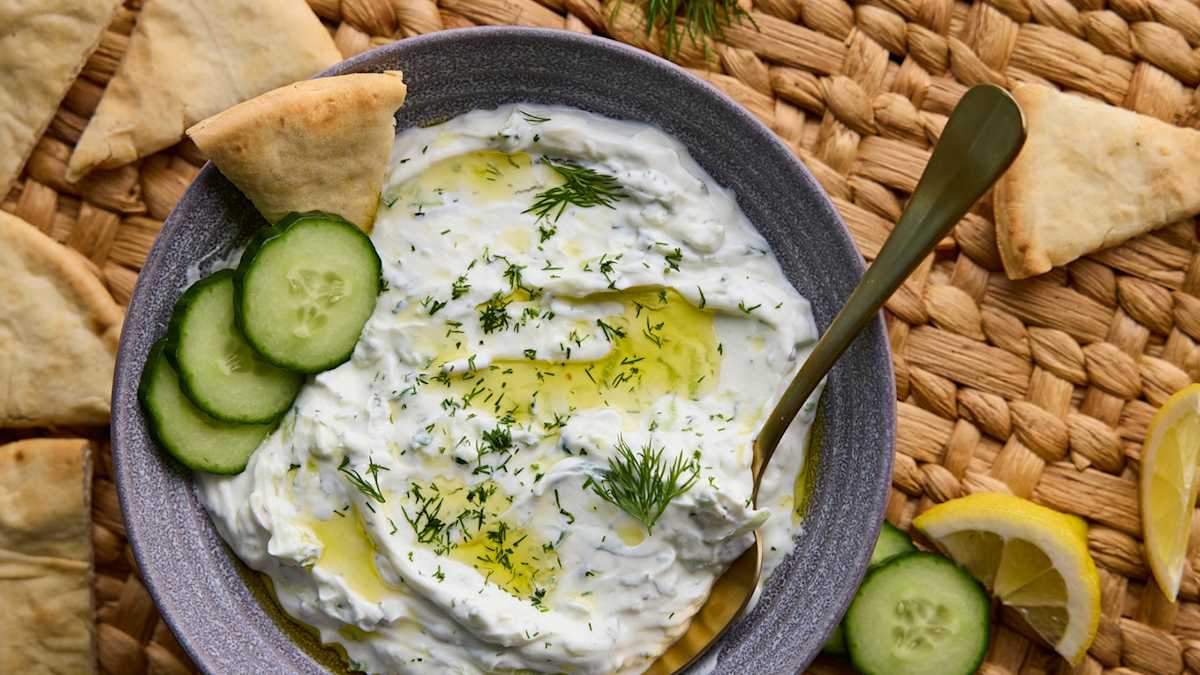
The key to achieving an authentic tzatziki lies in letting the flavors meld—cover the mixture and refrigerate for at least an hour before serving. This resting period allows the garlic and dill to infuse the yogurt, intensifying the complex aromatic profile. Remember, the final texture should be creamy yet thick, so if your tzatziki feels too runny, add a spoonful of strained yogurt or a drizzle of olive oil to improve consistency. Presentation and serving are also important—offer it chilled in a bowl with a sprinkle of dill on top, alongside warm pita bread or grilled meats, to complete the Greek experience.



Tips for Storage and Serving Authentic Greek Tzatziki
Storing tzatziki properly ensures it retains its vibrant flavor and fresh texture. Always keep it refrigerated in an airtight container, ideally consumed within 24 to 48 hours to preserve the brightness of the herbs and the pungency of the garlic. The mixture tends to thicken slightly upon refrigeration, so give it a gentle stir before serving, and if necessary, thin it with a small splash of lemon juice or olive oil. For extended storage, some suggest layering plastic wrap directly on the surface of the tzatziki to prevent oxidation and preserve its color and aroma.
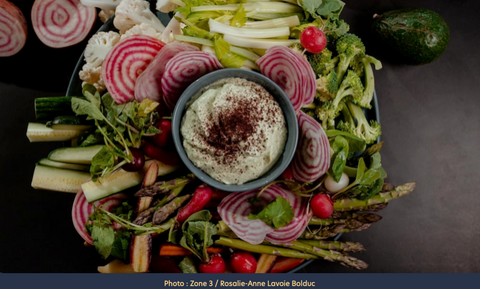
When serving authentic Greek tzatziki, presentation matters—use a shallow dish or bowl, and garnish with a drizzle of extra virgin olive oil, a sprinkle of fresh dill, or even a few thin cucumber slices for visual appeal. The key is to offer it chilled, accentuating its refreshing qualities, whether as a dip for vegetables or bread, a sauce for grilled meats, or an accompaniment to traditional Greek dishes like souvlaki or gyros. Proper storage and mindful serving not only enhance the taste experience but also honor the sauce’s cultural roots and culinary integrity.


Conclusion
In sum, What is the recipe for authentic Greek tzatziki sauce? involves a harmonious blend of high-quality ingredients, precise preparation, and a respect for tradition. Emphasizing thick, strained Greek yogurt as the creamy base, delicately grated cucumber drained thoroughly, and the vibrant aromas of fresh garlic and dill are essential. Crafting tzatziki step-by-step—with patience and attention—results in a thick, flavorful, and cooling sauce that is a true reflection of Greek culinary artistry. Proper storage and thoughtful serving elevate this humble dish into an iconic condiment that beautifully pairs with various Greek and Mediterranean delicacies, offering an authentic taste of Greece in every bite.