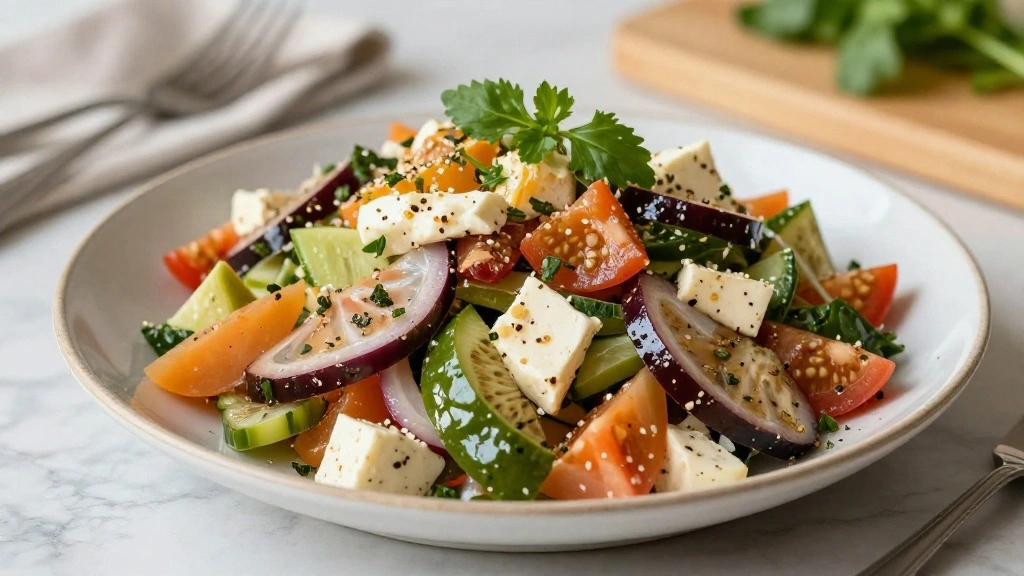

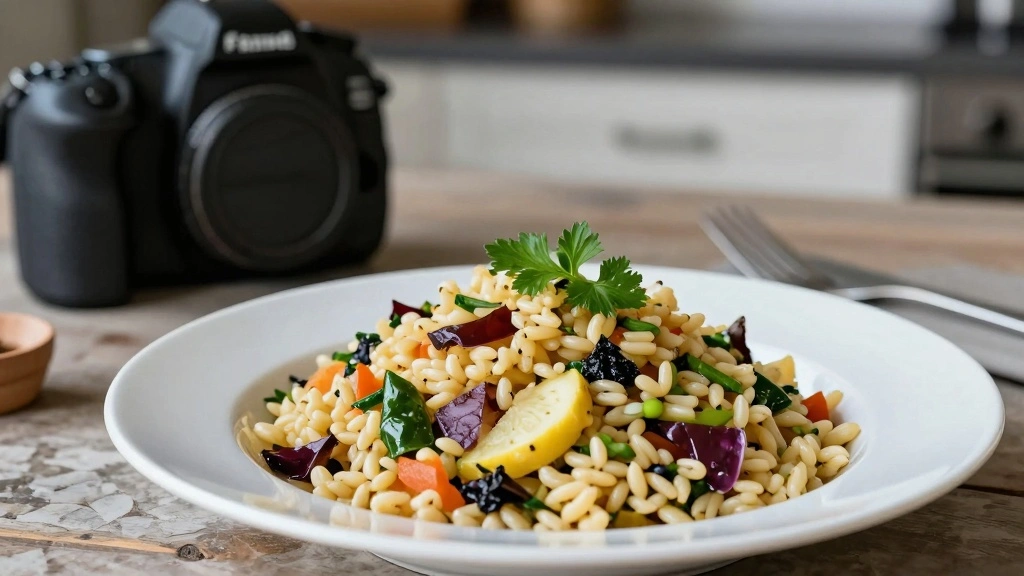


The Greek Orzo Pasta Salad is a vibrant and refreshing dish that perfectly embodies the flavors of the Mediterranean.
With a harmonious blend of tangy feta, crisp vegetables, and zesty lemon, this salad is a delightful explosion of flavors and textures.
I first encountered this recipe during a summer holiday on a quaint Greek island, where the locals served it as a staple in their sun-drenched outdoor feasts.
Whether you’re looking for a light lunch or a side dish for a barbecue, Greek Orzo Pasta Salad is a versatile option that promises to impress with its simplicity and bold taste.
The History and Cultural Significance
• The dish evolved over decades as Mediterranean ingredients like olives, tomatoes, and feta became more accessible, eventually becoming the beloved version we know today.
• In Greek culture, this dish traditionally appears at family gatherings and celebrations, symbolizing hospitality and shared joy.
• While many variations exist across different regions, the authentic version maintains a balance of fresh, vibrant ingredients that sets it apart from imitations.


Recipe Overview
Nutritional Information (per serving)



Essential Equipment Guide
Colander: Draining the orzo thoroughly is crucial to avoid a watery salad. A colander with small holes is ideal to prevent the orzo from slipping through.
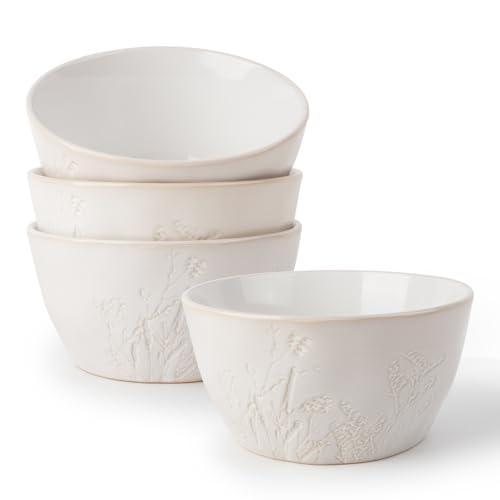
Mixing Bowl: A large mixing bowl allows you to combine all ingredients evenly. Opt for a bowl that is spacious enough to toss without spilling.


Ingredients
For the Base
| Amount | Ingredient | Notes |
|---|---|---|
| 1 cup | orzo pasta | cooked al dente |
Vegetables
| Amount | Ingredient | Notes |
|---|---|---|
| 1 cup | cucumber | chopped into small cubes |
| 1 cup | cherry tomatoes | halved |
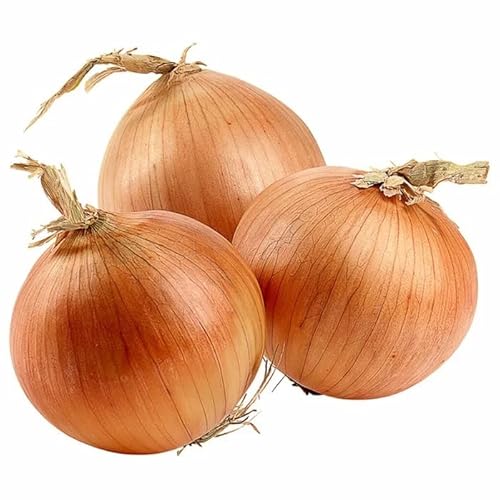
| 1 small | red onion | finely chopped |
Seasonings
| Amount | Ingredient | Notes |
|---|---|---|
| 1 tablespoon | olive oil | extra virgin for rich flavor |
| 1 tablespoon | lemon juice | freshly squeezed |
| 1 teaspoon | dried oregano | adds an earthy aroma |
| 1 pinch | salt | to taste |
| 1 pinch | black pepper | freshly ground |
Toppings
| Amount | Ingredient | Notes |
|---|---|---|
| 1/2 cup | feta cheese | crumbled |
| 1/4 cup | kalamata olives | pitted and sliced |


Preparation Methods
Chopping Vegetables: Uniformly chopping vegetables ensures a consistent texture and flavor distribution. Use a sharp knife and aim for even, small pieces to match the orzo’s size.
Emulsifying Dressing: Whisk the olive oil and lemon juice vigorously to create a cohesive dressing. This emulsification helps the dressing cling to the vegetables and orzo, enhancing flavor.



Step 1: Prepare Ingredients
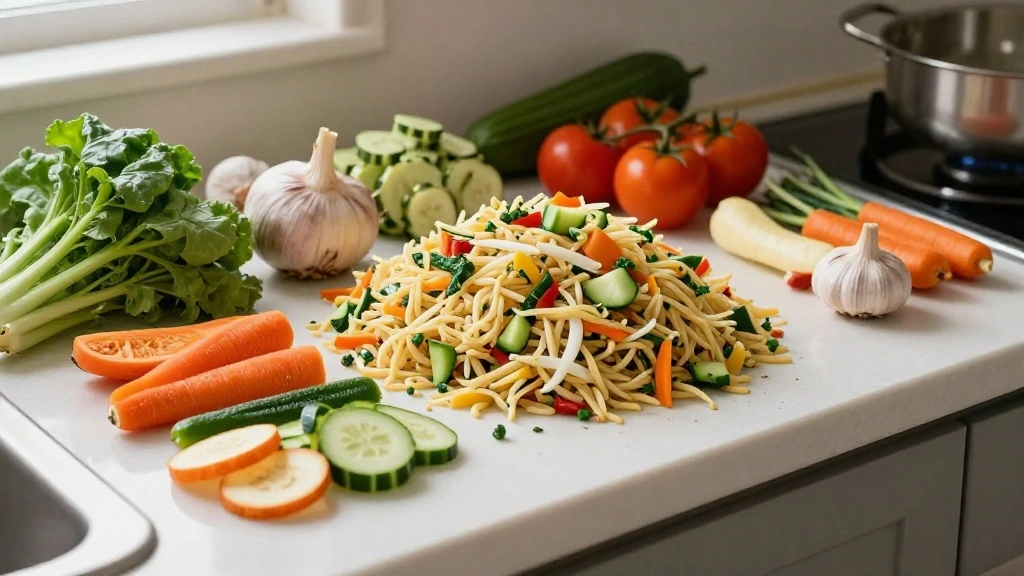
Clean the vegetables thoroughly under running water.
Pat the vegetables dry with a clean towel to remove excess moisture.
This ensures the salad stays crisp and fresh.


Step 2: Cook the Orzo
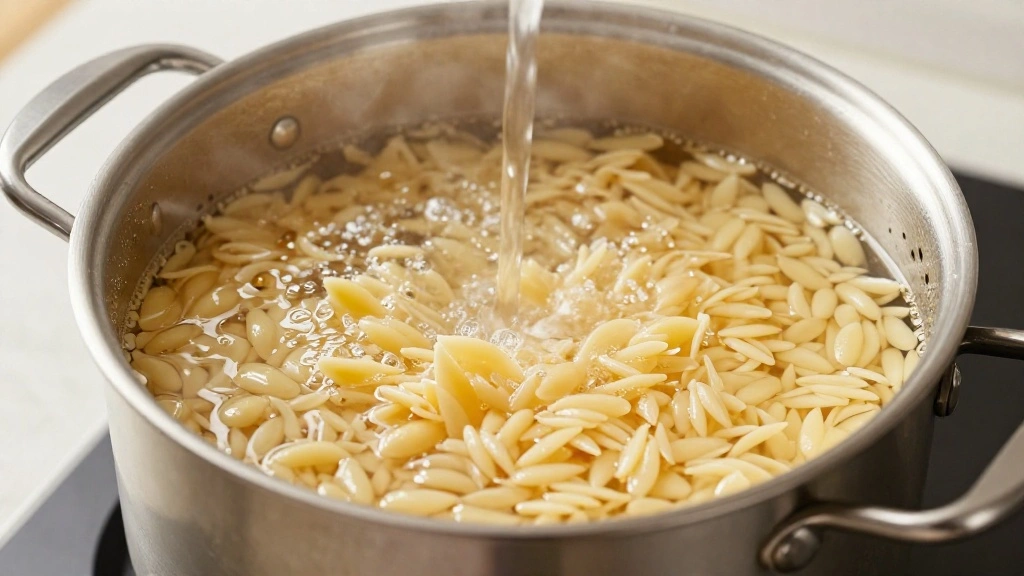
Add the orzo and stir occasionally to prevent sticking.
Cook the orzo until al dente, following the package instructions.
Drain the orzo in a colander and rinse with cold water to stop the cooking process.

Step 3: Chop the Vegetables
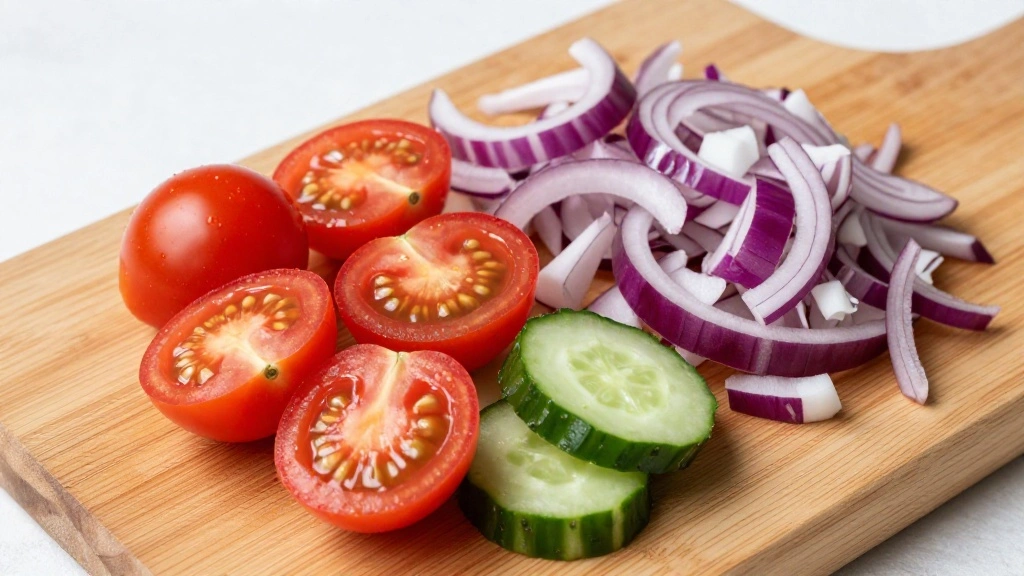
Halve the cherry tomatoes and finely chop the red onion.
Ensure all pieces are uniform for even flavor distribution.
Set the vegetables aside in a large mixing bowl.

Step 4: Prepare the Dressing
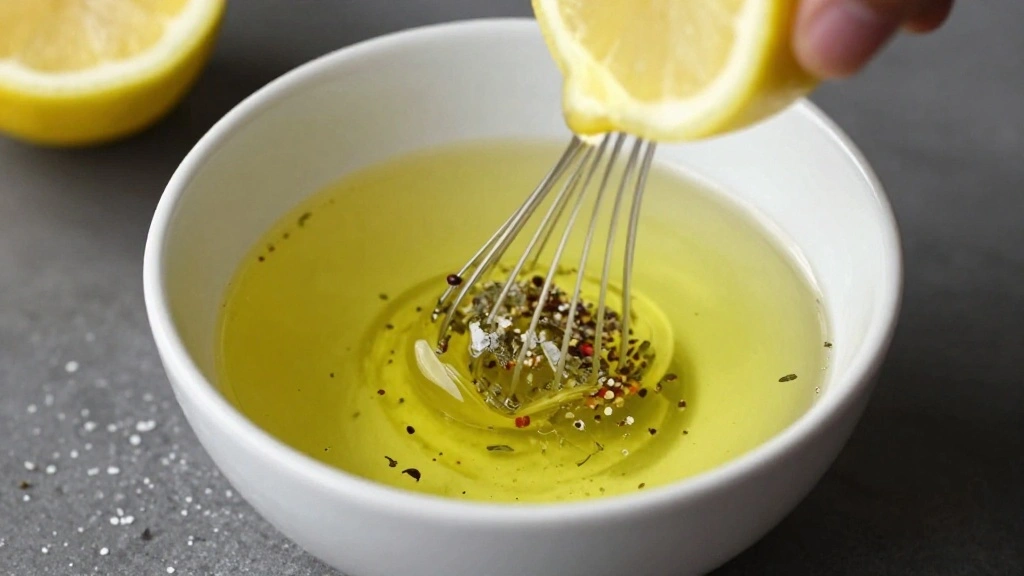
Whisk the ingredients together until well emulsified.
Taste and adjust the seasoning as needed, balancing acidity and saltiness.
Set the dressing aside to allow flavors to meld.


Step 5: Combine Orzo and Vegetables
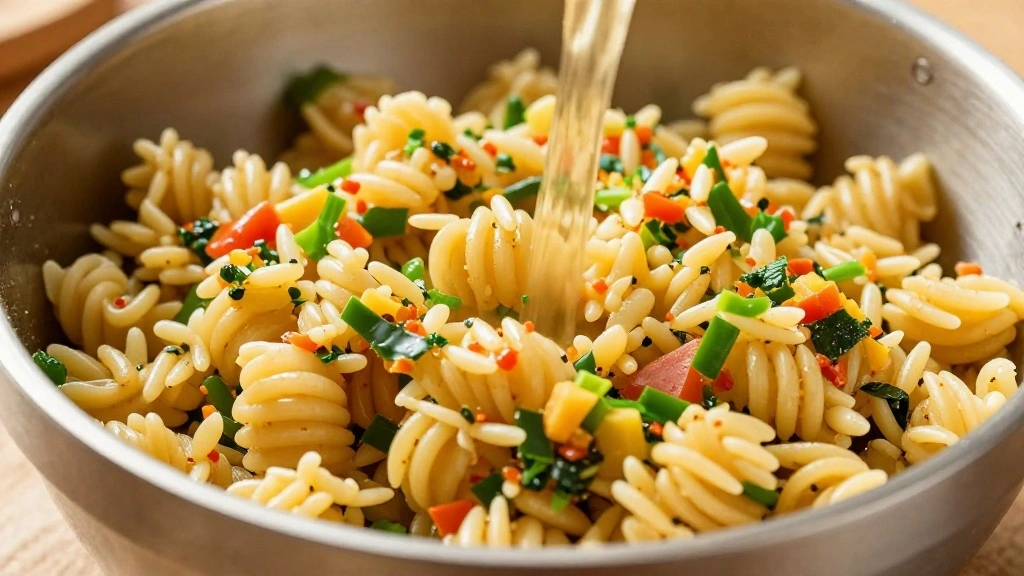
Toss gently to combine, ensuring even distribution of ingredients.
This step integrates the flavors and textures.
Prepare for dressing application.



Step 6: Add Dressing to Salad
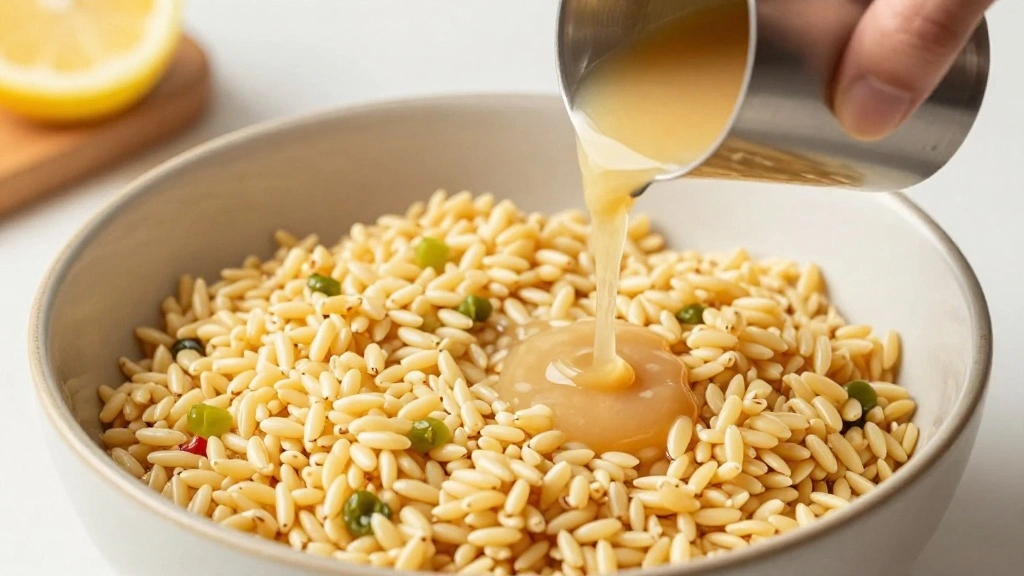
Toss again to coat the ingredients thoroughly with the dressing.
Ensure every component is lightly covered for maximum flavor.
Taste and adjust seasoning if necessary.



Step 7: Add Toppings
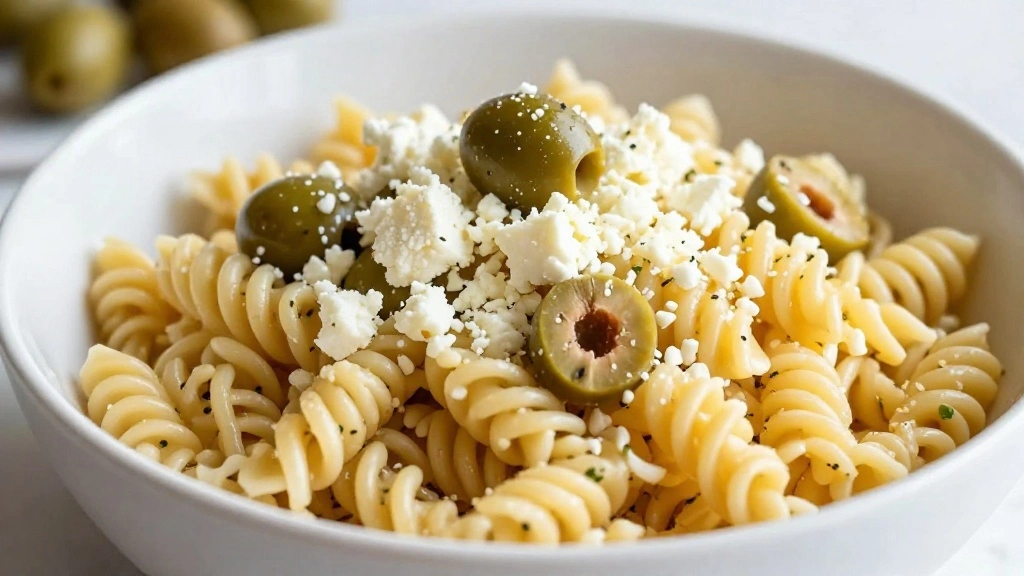
Add the sliced kalamata olives for an extra burst of flavor.
Gently fold the toppings into the salad to avoid crushing the ingredients.
This step finalizes the flavor and visual appeal.


Step 8: Chill and Serve
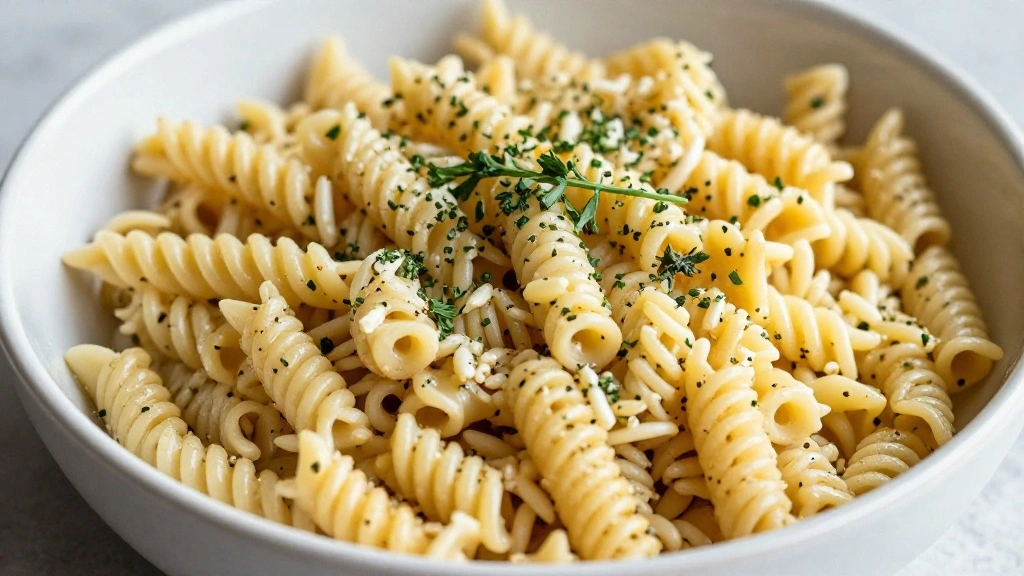
Remove from the fridge and give the salad a final toss before serving.
Serve chilled for the best taste and texture.
Garnish with a sprig of fresh herbs if desired.
Critical Timing and Temperature Guide
Refrigerating Salad: Chill the salad for at least 15 minutes, but no longer than an hour to maintain peak freshness and flavor.
Dressing Emulsification: Whisk dressing until it appears creamy and uniform in color, avoiding separation of oil and lemon juice.


Pro Tips for Greek Orzo Pasta
• Preparation Secret: Rinse the orzo with cold water after cooking to prevent further cooking and clumping.
• Temperature Management: Keep all ingredients at room temperature before combining to ensure even flavor blending.
• Texture Enhancement: Finely chop vegetables to match orzo size for uniform texture.
• Flavor Layering: Use fresh lemon juice instead of bottled for a brighter, more complex flavor.
• Make-Ahead Strategies: Prepare all components separately and mix just before serving for optimal freshness.
• Restaurant-Quality Finishing Touches: Add a sprinkle of fresh herbs like dill or parsley for a professional touch.
• Equipment Optimization: Use a wide-mouthed mixing bowl for easier tossing and even ingredient distribution.


Troubleshooting Common Issues
• Flavor Too Bland: Adjust by adding more lemon juice or salt to enhance the overall taste profile.
• Vegetables Too Soggy: Ensure vegetables are patted dry before mixing to prevent excess moisture.
• Dressing Separating: Re-whisk the dressing vigorously if separation occurs before mixing with the salad.
• Insufficient Coating: If ingredients are not well-coated, gradually add more dressing while tossing.
• Salad Too Oily: If the salad feels greasy, add a bit more lemon juice to balance the oiliness.
Variations and Regional Differences
• Aegean Twist: The Aegean variation might incorporate fresh mint and roasted red peppers for a sweeter note.
• Spartan Version: In Sparta, they add grilled chicken or lamb for a heartier meal.
• Ionian Influence: The Ionian Islands version uses sun-dried tomatoes and a dash of balsamic vinegar for a tangy twist.



Food Science Behind the Recipe
• Texture Management: Cooking pasta al dente and rinsing it in cold water stops further cooking and maintains the ideal texture.
• Flavor Absorption: Allowing the salad to chill enables the flavors to meld, as the orzo absorbs the dressing and enhances taste.
Frequently Asked Questions
Can I make this salad in advance? Yes, you can prepare the components a day ahead and combine them just before serving to maintain freshness.
Is it necessary to rinse the orzo after cooking? Rinsing orzo after cooking is recommended to stop further cooking and prevent clumping.
What can I substitute for feta cheese? You can substitute feta with goat cheese or ricotta salata for a different flavor profile.
How can I add more protein to this dish? Adding grilled chicken, shrimp, or chickpeas can increase the protein content.
What if I don’t have fresh lemon juice? Bottled lemon juice can be used, but fresh lemon juice provides a brighter flavor.
Can I use regular olives instead of kalamata? Yes, you can use any olives, but kalamata olives add a distinct, robust flavor.
How long can I store leftover salad? Store leftovers in an airtight container in the refrigerator for up to 2 days for best quality.
Serving and Presentation Guide
• Modern Touch: Plate the salad individually on small, shallow dishes for an elegant, restaurant-style presentation.
• Family Style: Present the salad in a large platter, allowing guests to serve themselves, perfect for communal dining.
• Picnic Ready: Serve the salad in individual mason jars for easy transport and a fun, casual presentation.
Conclusion
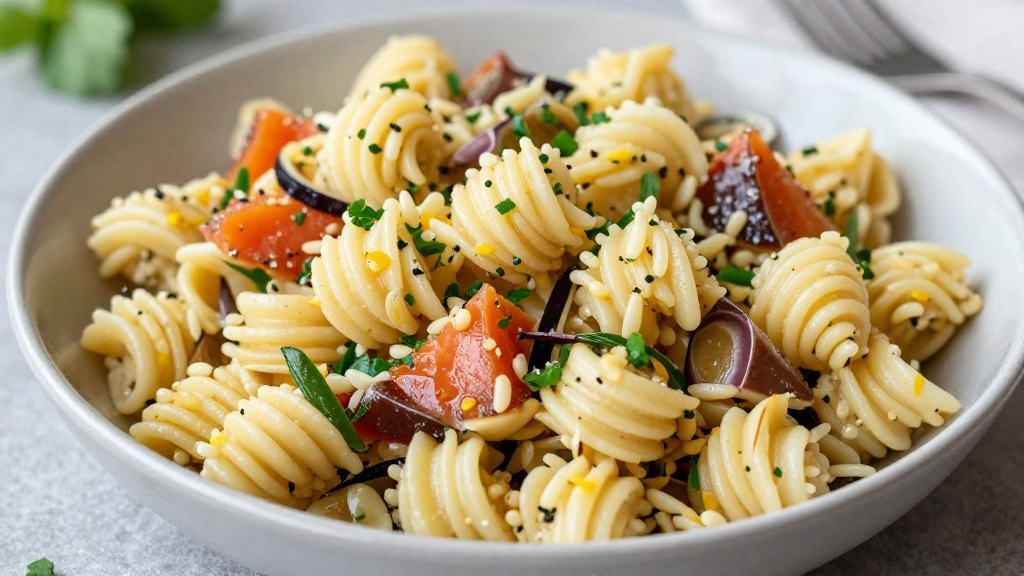
With its simple preparation and vibrant taste, it’s sure to become a favorite in your recipe repertoire.
Give it a try, and let the essence of Greece transport you to a sun-soaked paradise with every bite.