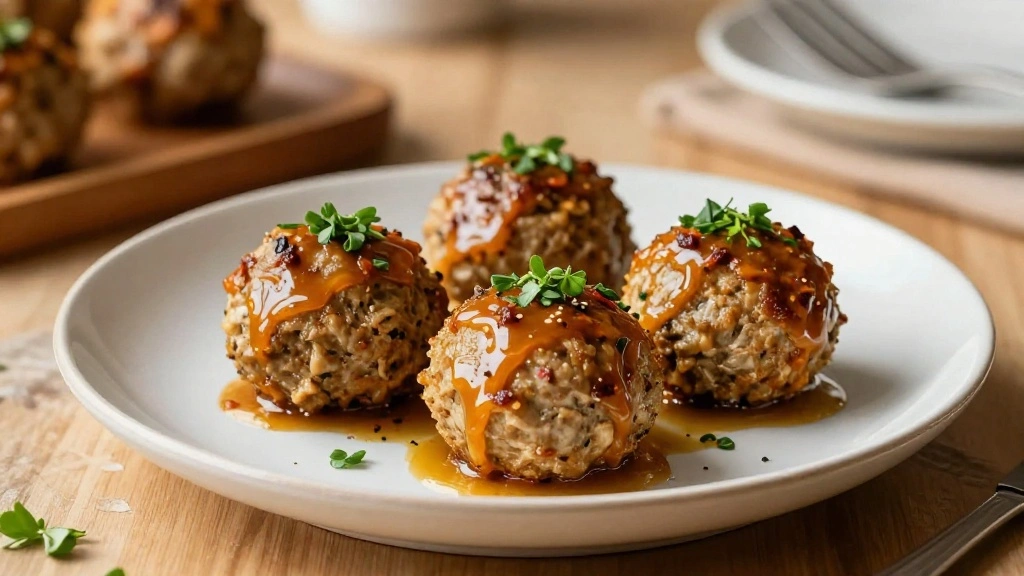

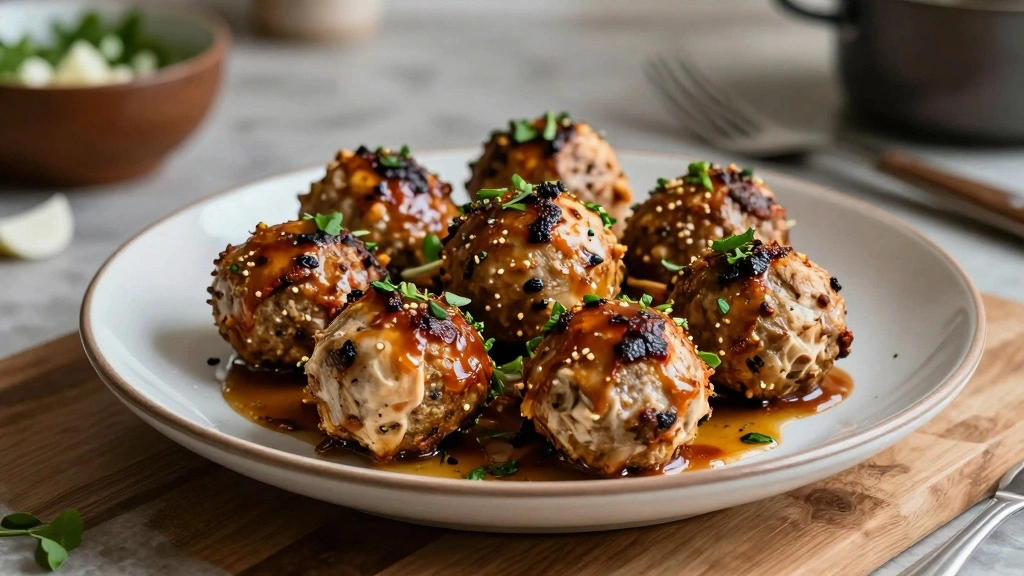


This Greek Chicken Meatballs recipe brings together centuries of Mediterranean culinary tradition with a modern twist.
The harmonious blend of fresh herbs, garlic, and lemon creates a memorable dining experience that will have everyone asking for your secret.
I discovered this recipe during my travels through Greece, where local chefs have perfected it through generations of careful refinement.
Whether you’re preparing a casual family dinner or hosting a special celebration, these meatballs deliver impressive results with straightforward preparation.
The History and Cultural Significance
• The dish evolved over decades as new spices and herbs were introduced, eventually becoming the beloved version we know today.
• In Greek culture, this dish traditionally appears at family gatherings, symbolizing hospitality and warmth.
• While many variations exist across different regions, the authentic version maintains a herbaceous and citrusy flavor profile that sets it apart from imitations.


Recipe Overview
Nutritional Information (per serving)
Essential Equipment Guide
Baking Sheet: A baking sheet lined with parchment paper is crucial for baking the meatballs evenly. Non-stick sheets are ideal, but you can use a regular sheet with a silicone baking mat as an alternative.
Meat Thermometer: Ensures the meatballs are cooked through without overcooking. A digital instant-read thermometer is recommended for quick and accurate readings.
Ingredients
For the Meatballs
| Amount | Ingredient | Notes |
|---|---|---|
| 1 pound | ground chicken | provides a lean base |
| 1 cup | breadcrumbs | adds structure |
| 1 large | egg | binds ingredients |
| 1 tablespoon | olive oil | adds moisture |
Seasonings
| Amount | Ingredient | Notes |
|---|---|---|
| 2 cloves | garlic | minced, adds depth |
| 1 teaspoon | oregano | dried, for authentic flavor |
| 1 teaspoon | lemon zest | adds brightness |
| 1 teaspoon | salt | enhances flavor |
Herbs
| Amount | Ingredient | Notes |
|---|---|---|
| 1/4 cup | parsley | chopped, fresh flavor |
| 1/4 cup | dill | chopped, fresh flavor |


Preparation Methods
Binding Technique: Use your hands to gently combine the ingredients, ensuring the mixture is cohesive without being overworked, which can lead to tough meatballs. Wet your hands slightly to prevent sticking.
Baking for Juiciness: Baking the meatballs at a high temperature seals in moisture while creating a golden crust. Use parchment paper to prevent sticking and promote even cooking.


Step 1: Prepare Ingredients
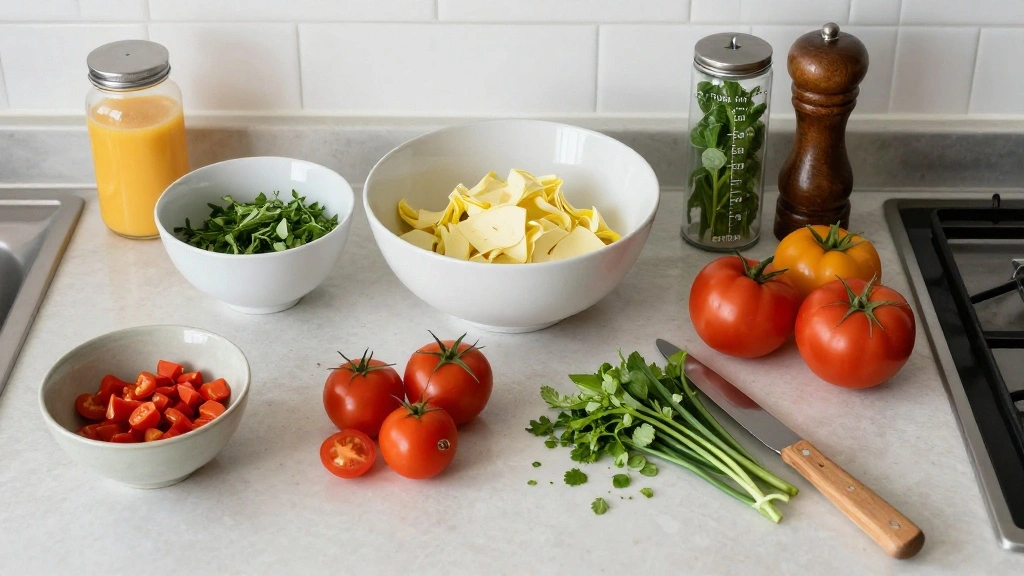
Finely chop the parsley and dill.
Mince the garlic cloves.
Measure out all the spices and seasonings.


Step 2: Mix Meatball Base
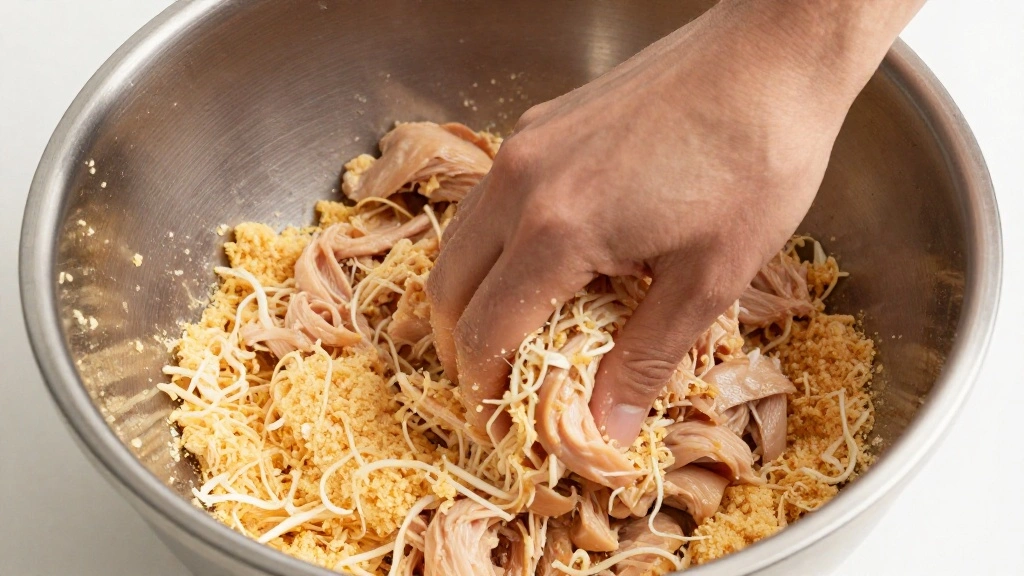
Add olive oil to the mixture.
Use your hands to gently mix until just combined.
Avoid overmixing to prevent toughness.
Step 3: Add Seasonings and Herbs
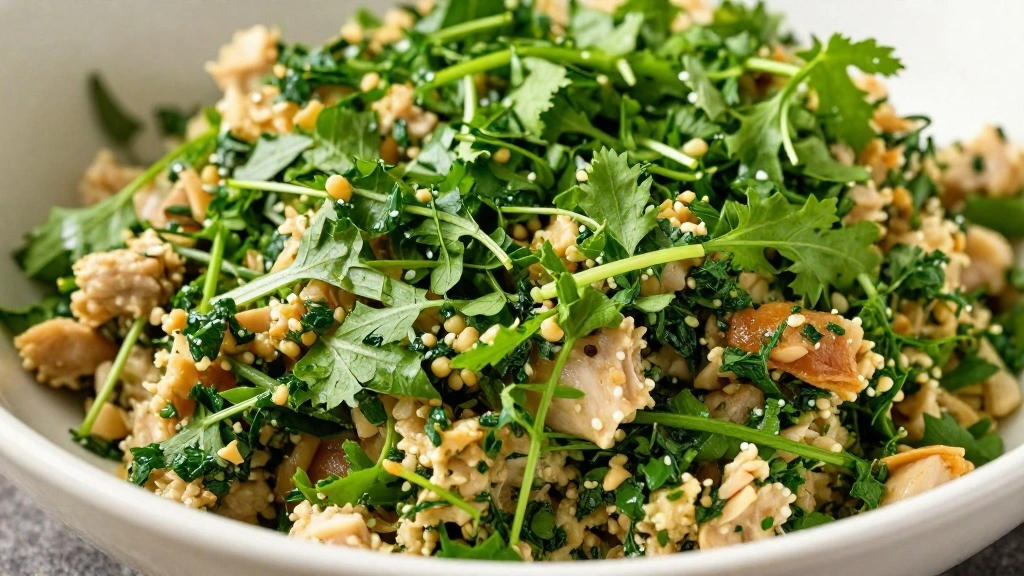
Gently fold the ingredients together.
Ensure even distribution of herbs and spices.
Check the mixture for consistency, it should be slightly sticky but hold together.
Step 4: Shape the Meatballs
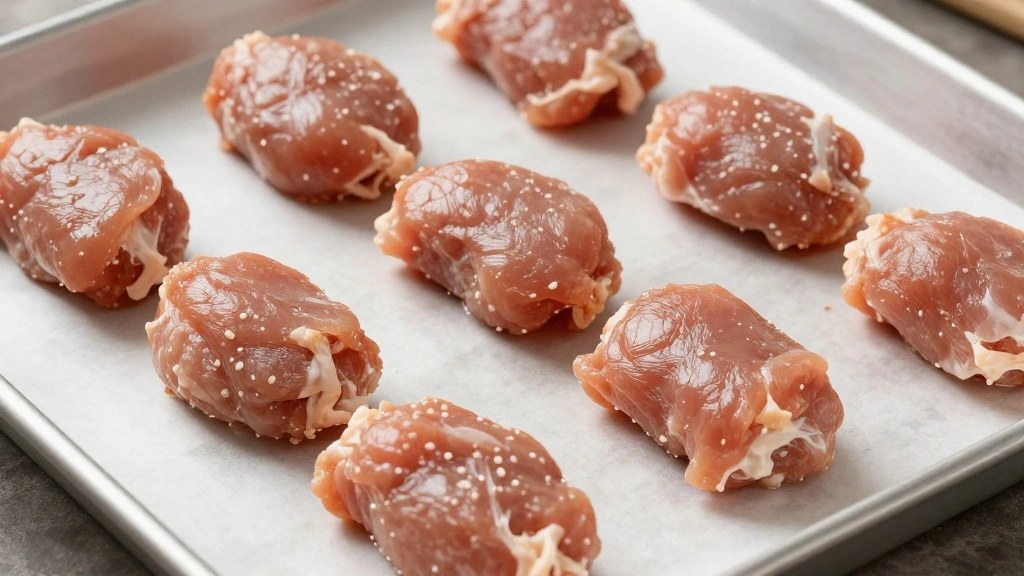
Using a tablespoon, scoop the mixture into uniform balls.
Roll each portion gently between your palms to shape.
Place each meatball on a parchment-lined baking sheet.

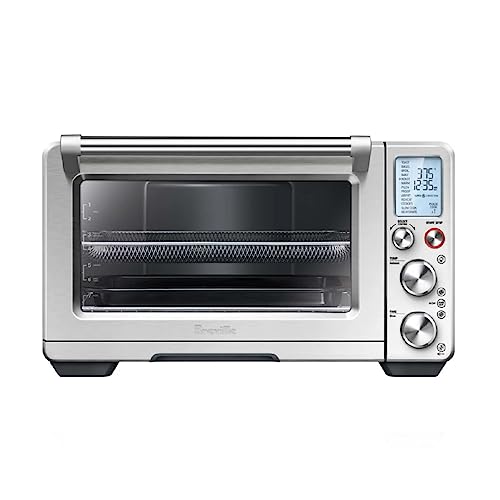

Step 5: Bake the Meatballs
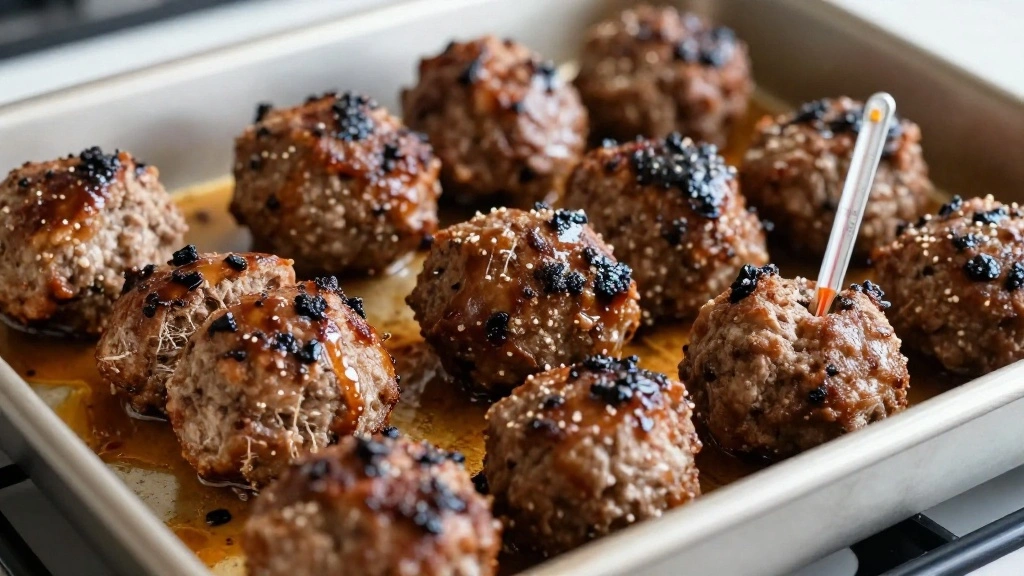
Bake for 20 minutes until golden brown.
Check for doneness with a meat thermometer; it should read 165°F (74°C).
Remove from the oven and let rest briefly.
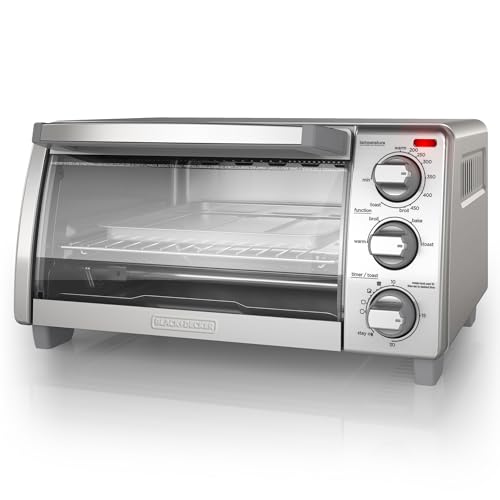

Step 6: Prepare Lemon Sauce
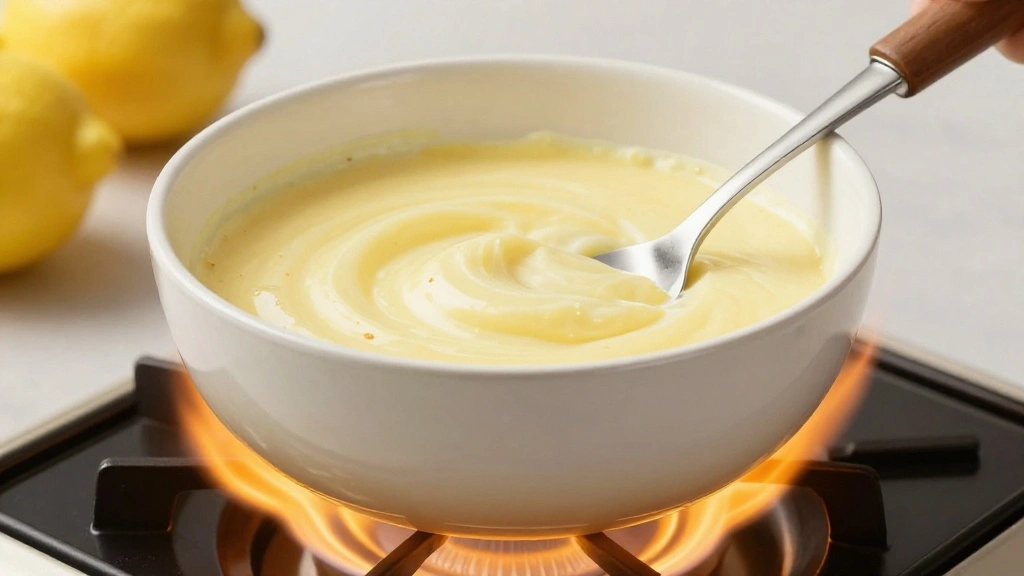
Heat gently over medium heat.
Stir constantly to prevent burning.
Allow sauce to thicken slightly.

Step 7: Serve the Meatballs
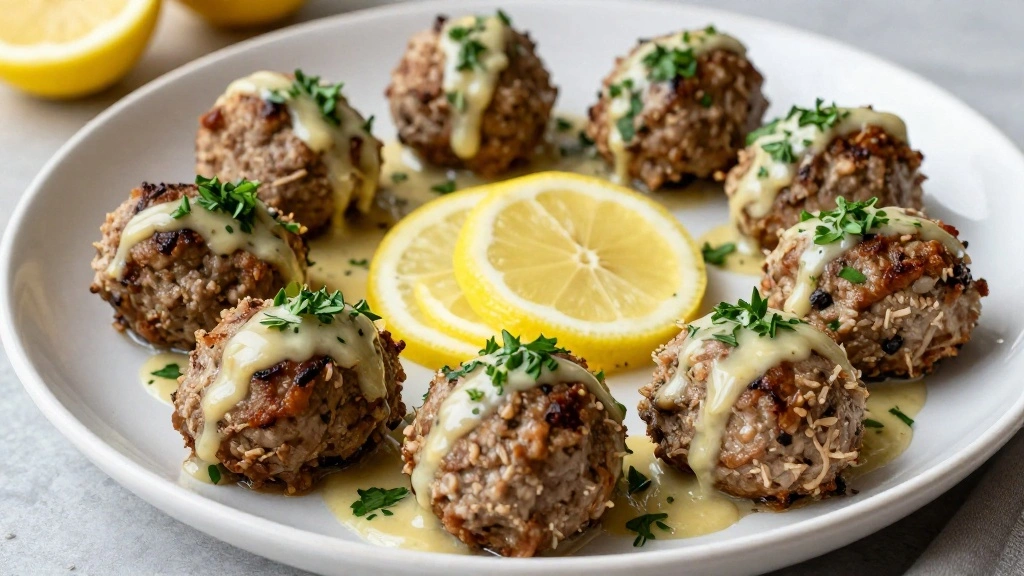
Drizzle lemon sauce over the top.
Garnish with additional fresh herbs if desired.
Serve warm as an appetizer or main dish.


Critical Timing and Temperature Guide
Sauce Preparation: Heat sauce ingredients over medium heat for about 5 minutes until slightly thickened. Stir constantly to avoid burning. If sauce becomes too thick, add a splash of water.
Resting: Let meatballs rest for 5 minutes after baking to allow juices to redistribute. Cutting too soon can lead to loss of moisture.


Pro Tips for Greek Chicken Meatballs
• Preparation Secret: Chilling the meatball mixture for 15 minutes before shaping helps them hold their shape better during cooking.
• Temperature Management: Keep all ingredients at room temperature before mixing to ensure even cooking.
• Texture Enhancement: Gently mix ingredients to avoid compacting the meat, which results in lighter, juicier meatballs.
• Flavor Layering: Toasting the breadcrumbs slightly before mixing adds a nutty flavor that enhances the overall dish.
• Make-Ahead Strategies: Prepare meatballs in advance and freeze them raw. Bake directly from frozen, adding a few extra minutes to the cooking time.
• Restaurant-Quality Finishing Touches: A sprinkle of flaky sea salt just before serving elevates the final dish.
• Equipment Optimization: Use a small ice cream scoop for uniformly sized meatballs, ensuring even cooking.


Troubleshooting Common Issues
• Flavors Unbalanced: If the meatballs taste too bland, ensure adequate seasoning. Taste the mixture before cooking and adjust salt and herbs as needed.
• Meatballs Falling Apart: Insufficient binding can cause this. Ensure the mixture is cohesive by adjusting the amount of breadcrumbs or egg.
• Dry Meatballs: Overbaking or using too lean meat can cause dryness. Check cooking time and consider adding a bit of olive oil for moisture.
• Undercooked Interior: Ensure your oven is properly preheated, and use a thermometer to check internal temperature reaches 165°F (74°C).
• Sticking to the Pan: Use parchment paper or a silicone mat to prevent sticking. Ensure a light coating of oil on the baking sheet.
Variations and Regional Differences
• Athenian Variation: Incorporates feta cheese into the mixture for a richer flavor. Often served with a tomato-based sauce.
• Spartan Twist: Uses a mix of chicken and beef for a heartier meatball, with more pronounced spices like cumin.
• Ionian Islands Version: Features more citrus, with additional lemon and orange zest, giving a bright, fresh profile.


Food Science Behind the Recipe
• Emulsification: The egg acts as an emulsifier, binding the meat and breadcrumbs together, preventing the meatballs from falling apart.
• Heat Transfer: Baking at a high temperature ensures the meatballs cook through quickly, retaining moisture and creating a desirable crust.


Frequently Asked Questions
Can I use turkey instead of chicken? Yes, ground turkey can be used as a substitute, but the flavor and texture may vary slightly.
How do I know when the meatballs are done? Use a meat thermometer to check that the internal temperature has reached 165°F (74°C).
Can I prepare the meatballs in advance? Yes, you can shape the meatballs and refrigerate them for up to 24 hours before baking.
What’s the best way to reheat leftovers? Reheat in the oven at 350°F (175°C) for about 10 minutes to maintain texture and flavor.
Why do my meatballs fall apart? Ensure adequate binding with egg and breadcrumbs, and avoid overhandling the mixture.
Can these be made gluten-free? Substitute regular breadcrumbs with gluten-free breadcrumbs for a gluten-free version.
Serving and Presentation Guide
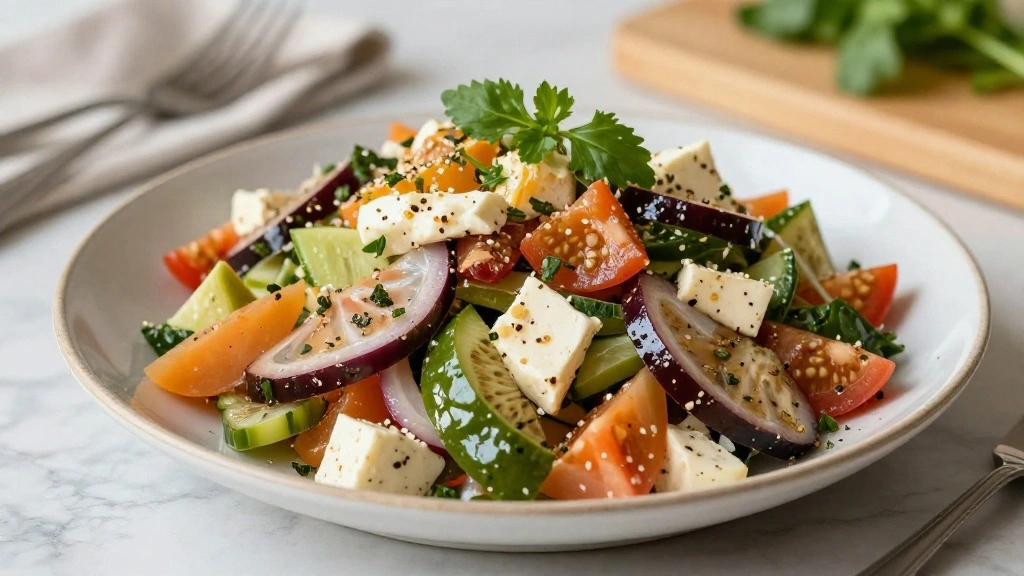
• Bistro Style: Present in a shallow bowl atop a bed of orzo pasta with a drizzle of olive oil.
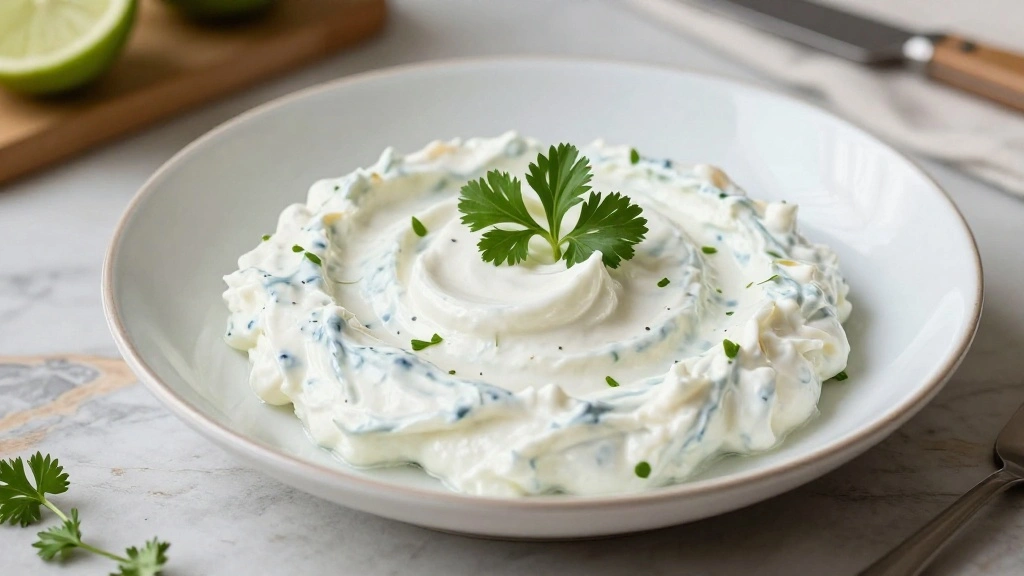
• Family Style: Arrange on a large platter with a variety of dipping sauces for communal dining.
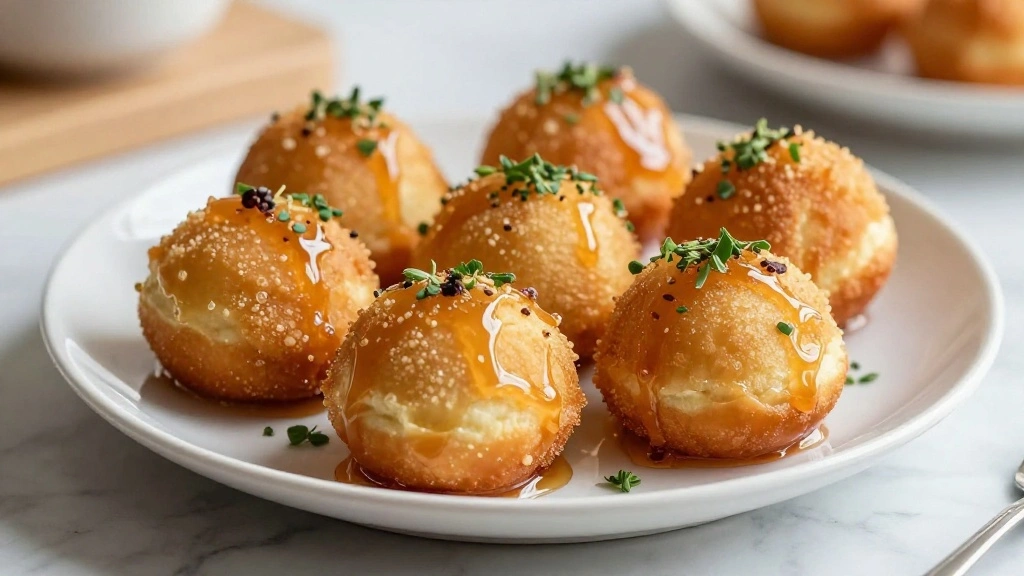
• Appetizer Setting: Skewer each meatball with a toothpick and serve on a wooden board with a variety of small sides.


Conclusion
The simple preparation and delightful taste make it a standout dish for any occasion.
Gather your ingredients and equipment, and enjoy a taste of Greece from your own kitchen.