


Imagine savoring a dish that combines the vibrant flavors of Greece with the comforting familiarity of a home-cooked meal.
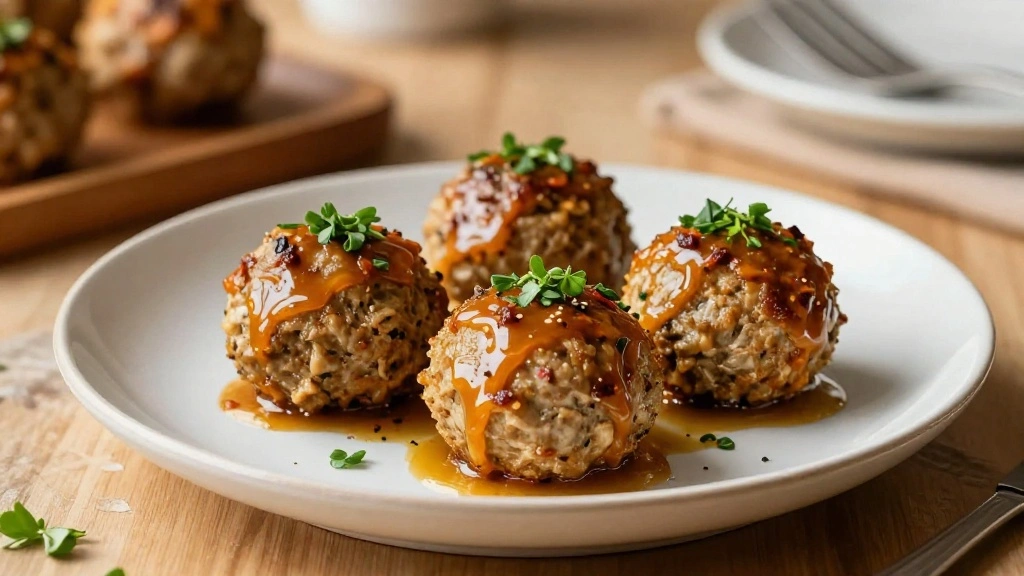
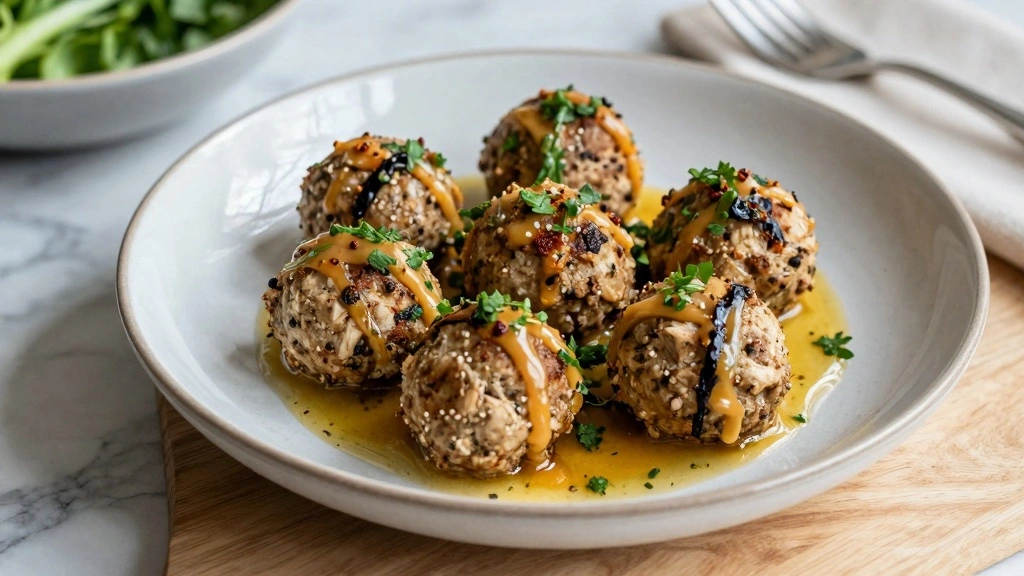
Greek Chicken Meatball Bowls offer a delicious and high-protein option for those seeking a nutritious meal without compromising on taste.
The succulent chicken meatballs are seasoned with traditional Mediterranean spices, creating a symphony of flavors in every bite.
These bowls are perfect for a quick weeknight dinner or a meal prep option to keep you fueled throughout the week.
With a balance of protein, healthy fats, and fresh vegetables, this dish is as wholesome as it is satisfying.
The History and Cultural Significance
• The dish evolved over decades as the addition of herbs and spices changed, eventually becoming the beloved version we know today.
• In Greek culture, this dish traditionally appears at family gatherings and celebrations, symbolizing hospitality and abundance.
• While many variations exist across different regions, the authentic version maintains a focus on fresh herbs and spices that sets it apart from imitations.


Recipe Overview
Nutritional Information (per serving)
Essential Equipment Guide
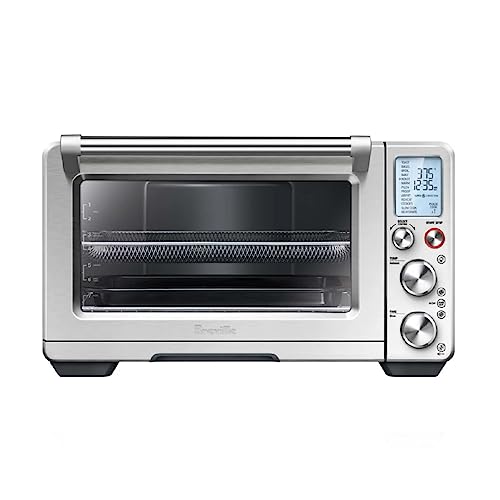
Baking Sheet: A baking sheet is essential for cooking the meatballs evenly in the oven. Non-stick or lined with parchment paper, it helps in achieving a perfect golden brown crust. Alternatives like a skillet might work but require more attention.
Food Processor: A food processor makes chopping herbs and mixing ingredients faster and more efficient. It ensures that the herbs are finely minced and distributed evenly. Hand chopping can be used as an alternative but will require more time and effort.


Ingredients
For the Meatballs
| Amount | Ingredient | Notes |
|---|---|---|
| 1 pound | ground chicken | lean |
| 1 cup | breadcrumbs | helps bind the meatballs |
| 1 large | egg | acts as a binder |
| 2 tablespoons | fresh parsley | chopped, adds freshness |
| 1 teaspoon | oregano | adds depth of flavor |
| 1 teaspoon | cumin | adds warmth |
For the Bowl
| Amount | Ingredient | Notes |
|---|---|---|
| 2 cups | cooked quinoa | provides a nutty base |
| 1 cup | cherry tomatoes | halved, adds brightness |
| 1 medium | cucumber | sliced, adds crunch |
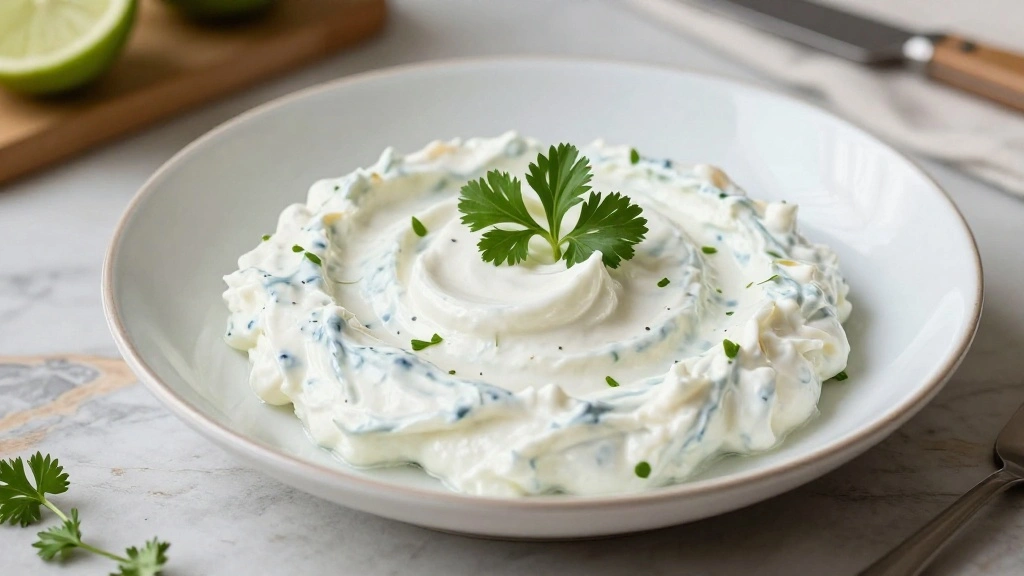
| 1 cup | tzatziki sauce | for drizzling, adds creaminess |


Preparation Methods
Baking for Even Cooking: Baking the meatballs provides a consistent heat source, allowing for even cooking and a uniform texture. Place meatballs on a lined baking sheet to prevent sticking and facilitate easy cleanup.
Chilling Before Cooking: Chilling the meatball mixture before shaping helps the flavors meld and makes the mixture easier to handle. Refrigerate for at least 15 minutes to firm up the mixture.

Step 1: Prepare Ingredients
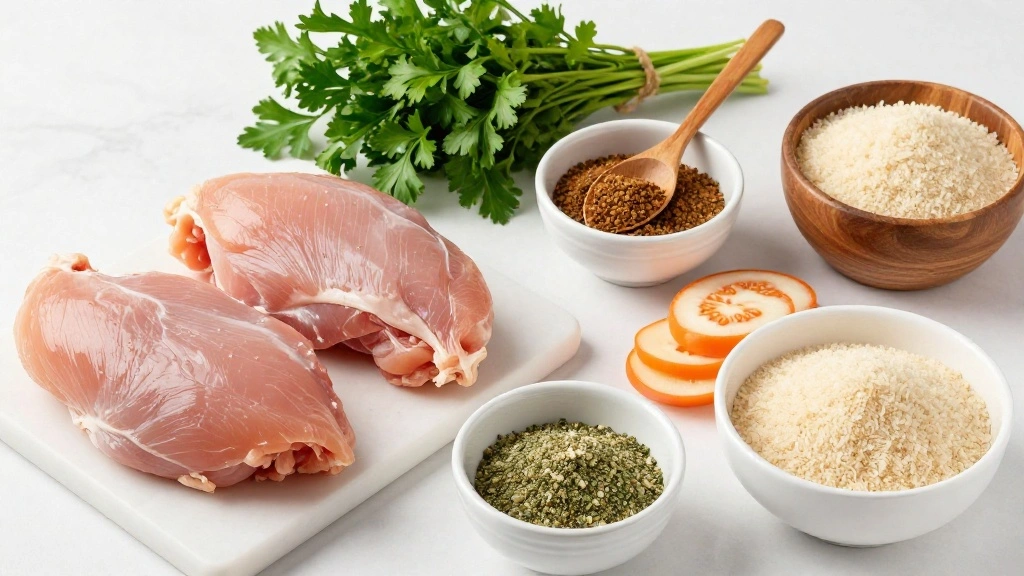
Chop parsley and slice vegetables as needed.
Measure out the spices and keep them handy.
Organize your workspace for efficient cooking.


Step 2: Mix Meatball Ingredients
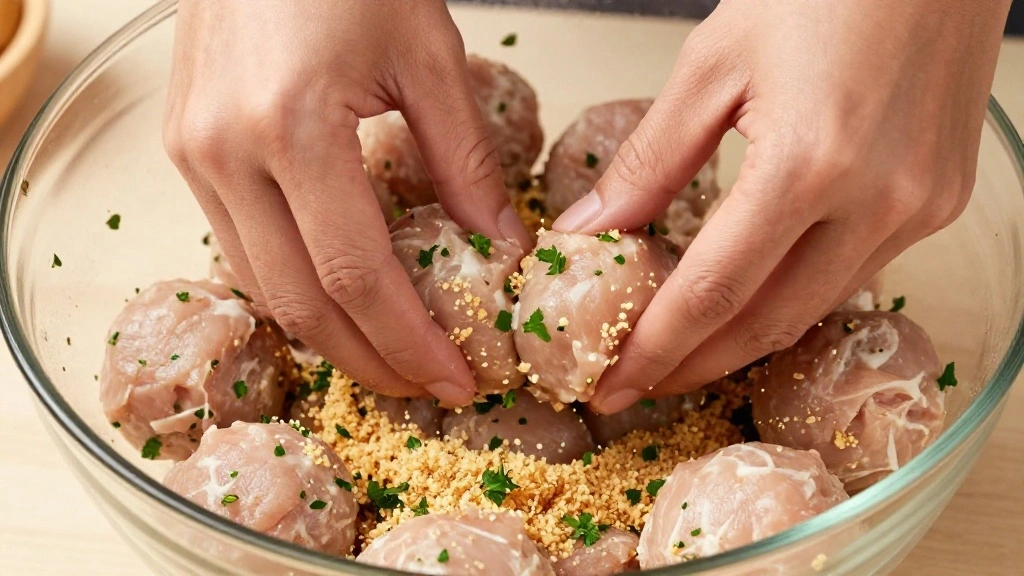
Mix by hand until all ingredients are evenly incorporated.
Be careful not to overmix, as this can make the meatballs tough.
Look for a slightly sticky, cohesive mixture.
Step 3: Chill the Mixture
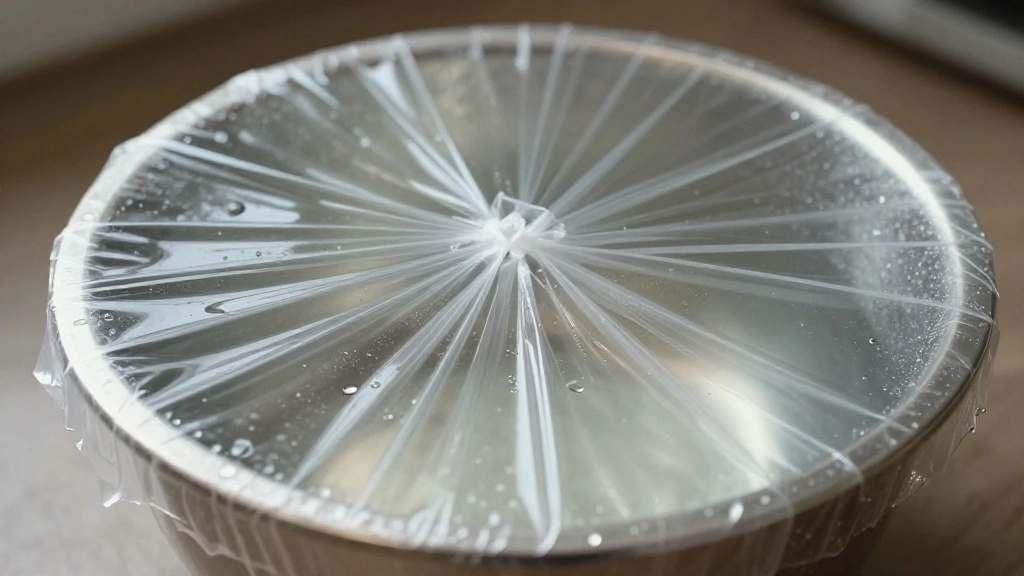
Chill for at least 15 minutes to let the flavors meld.
This step also firms up the mixture, making it easier to shape.
Ensure the bowl is placed on a flat surface in the fridge.
Step 4: Shape the Meatballs
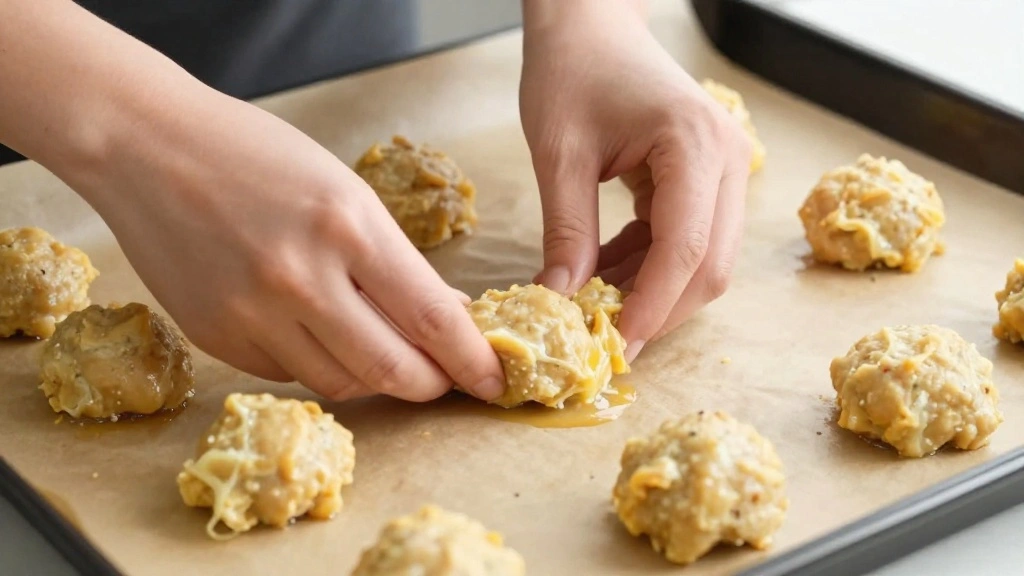
Place each meatball on a lined baking sheet, spacing them evenly apart.
Ensure the balls are uniform in size for even cooking.
If the mixture is sticky, wet your hands slightly to shape the balls.
Step 5: Preheat the Oven
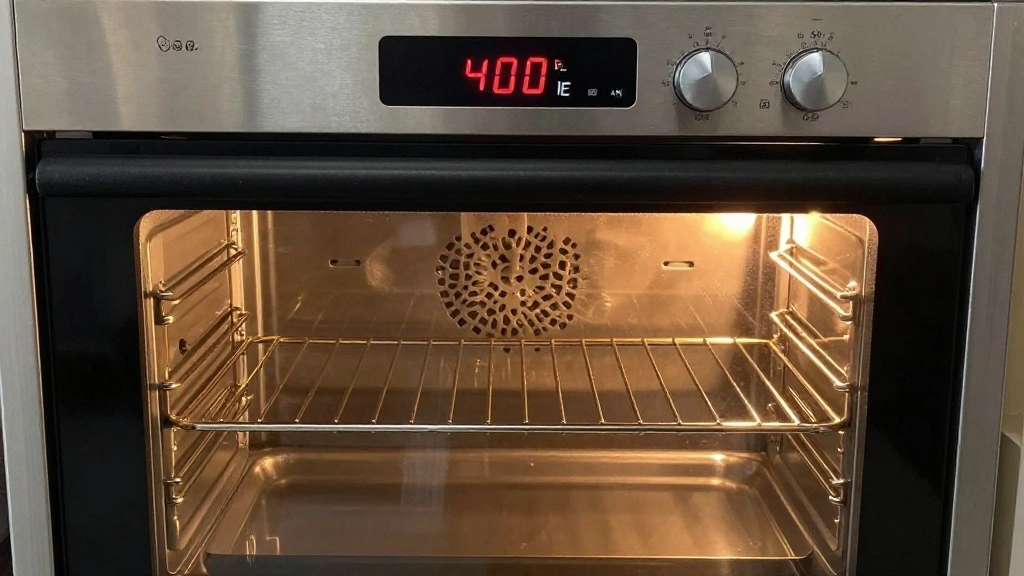
Ensure the oven rack is positioned in the middle for even cooking.
Preheating ensures even baking from the start.
Check the oven thermometer to confirm the correct temperature.

Step 6: Bake the Meatballs
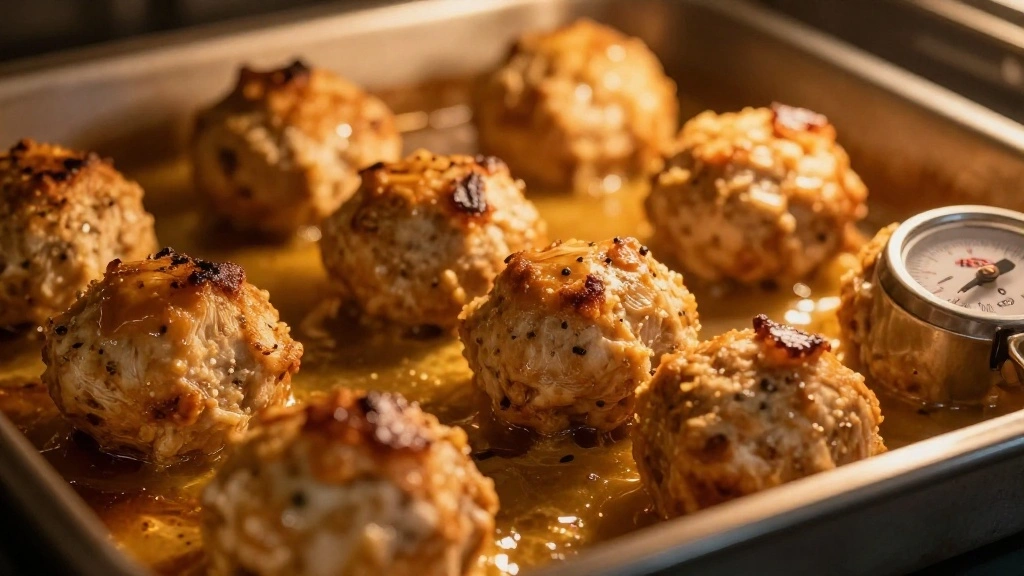
Bake for 18-20 minutes or until the meatballs are golden brown and cooked through.
Check for doneness by ensuring the internal temperature reaches 165°F.
Rotate the pan halfway through if needed for even browning.

Step 7: Prepare the Bowl Base
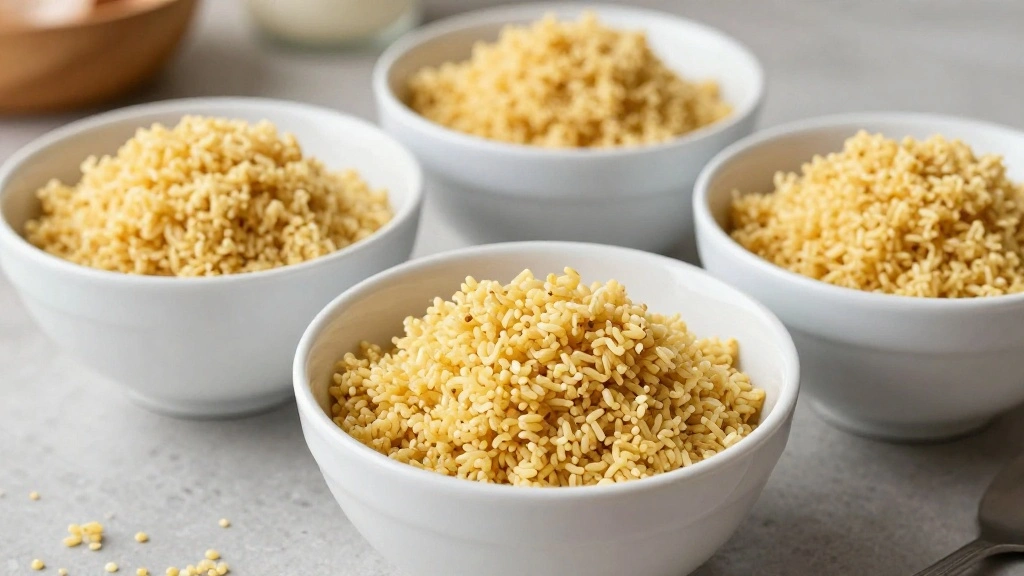
Fluff the cooked quinoa with a fork to separate the grains.
Divide the quinoa evenly into serving bowls.
Ensure each bowl has a generous base to hold the toppings.


Step 8: Assemble the Bowl
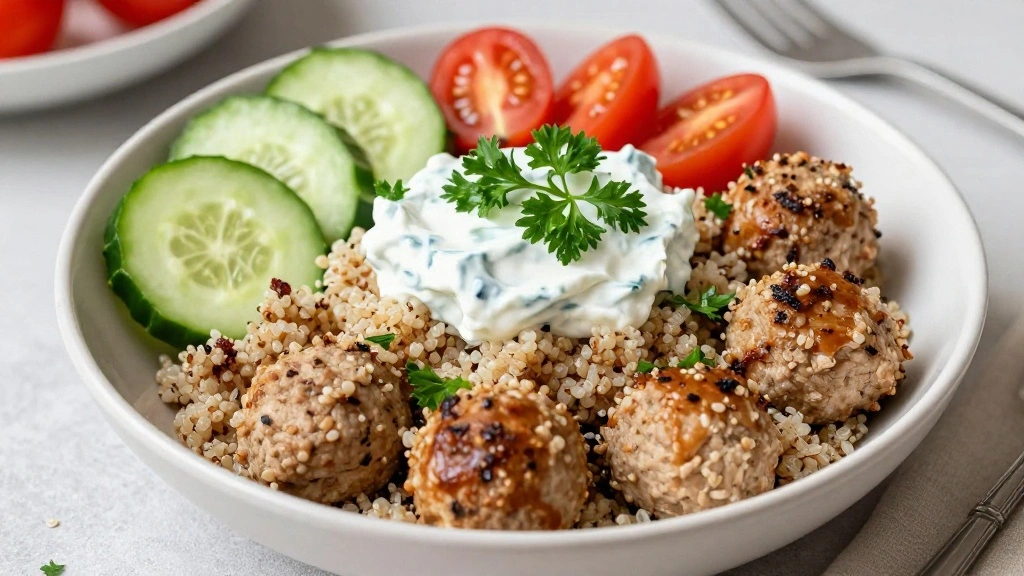
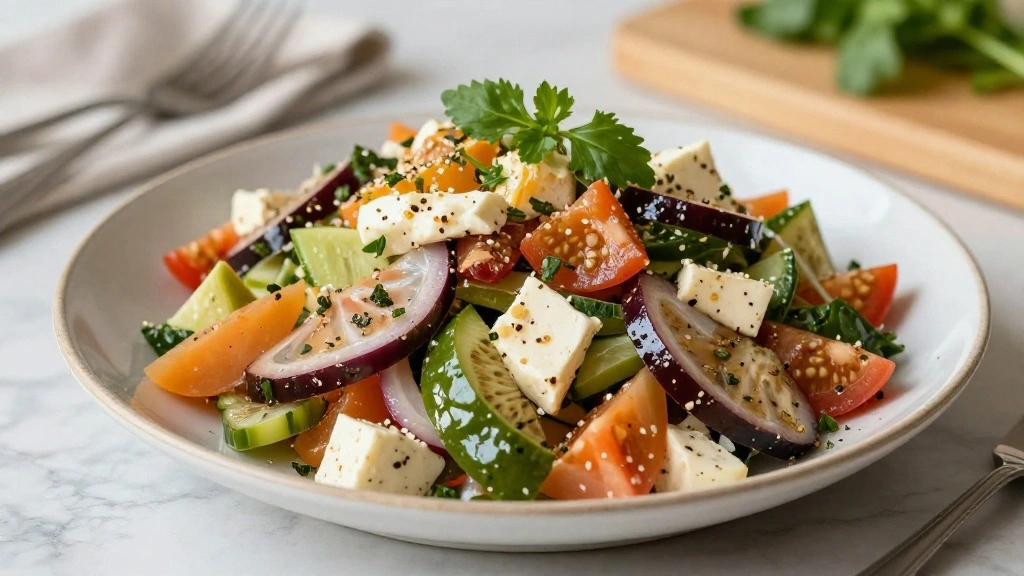
Add sliced cucumber and cherry tomatoes around the meatballs.
Drizzle with tzatziki sauce to taste.
Garnish with additional parsley if desired for a pop of color.


Critical Timing and Temperature Guide
Baking: Bake meatballs at 400°F (200°C) for 18-20 minutes. Look for a golden brown exterior and an internal temperature of 165°F.
Resting: Allow meatballs to rest for 5 minutes after baking. This helps redistribute juices and maintain moisture.
Pro Tips for Greek Chicken Meatball
• Preparation Secret: Letting the mixture chill before shaping helps the flavors meld and makes it easier to handle.
• Temperature Management: Ensure all ingredients are at room temperature before mixing to improve texture and cooking results.
• Texture Enhancement: Gently mixing by hand ensures the meatballs remain tender and juicy.
• Flavor Layering: Incorporate fresh herbs like parsley and oregano to build complex, authentic Greek flavors.
• Make-Ahead Strategies: Prepare the meatball mixture a day in advance and store in the refrigerator. Shape and bake when ready to serve.
• Restaurant-Quality Finishing Touches: Garnish with fresh parsley and a lemon wedge for a burst of freshness and color.
• Equipment Optimization: Using a non-stick baking sheet ensures even cooking and easy cleanup.
Troubleshooting Common Issues
• Flavors Unbalanced: Ensure correct measurements of spices for balanced flavors. Taste and adjust seasonings as needed before cooking.
• Dry Meatballs: If meatballs are dry, check that they are not overbaked. Ensure internal temperature does not exceed 165°F.
• Crumbly Mixture: If the mixture is too crumbly, add another egg or a splash of milk to improve binding.
• Sticking to the Pan: Use parchment paper or a non-stick baking sheet to prevent sticking and ensure easy removal.


Variations and Regional Differences
• Lemon-Herb Style: Incorporate lemon zest and fresh mint for a refreshing twist, often seen in coastal Greek regions.
• Vegetarian Option: Substitute ground chicken with chickpeas and feta for a vegetarian-friendly version, maintaining similar flavors.
• Mediterranean Fusion: Add black olives and sun-dried tomatoes for additional Mediterranean flair, common in fusion recipes.
Food Science Behind the Recipe
• Maillard Reaction: Baking at high temperatures promotes browning, enhancing flavor through the Maillard reaction.
• Emulsion Formation: The egg acts as an emulsifier, helping to bind fat and moisture, creating a cohesive mixture.
Frequently Asked Questions
Can I use another type of ground meat? Yes, ground turkey or beef can be used, but it will alter the flavor profile slightly.
How do I store leftovers? Store leftovers in an airtight container in the refrigerator for up to 3 days.
Can these meatballs be frozen? Yes, freeze cooked meatballs on a baking sheet, then transfer to a bag for up to 3 months.
What can I use instead of tzatziki sauce? A simple yogurt-based sauce with lemon and herbs can be a suitable substitute.
How do I ensure the meatballs are flavorful? Use fresh herbs and adjust seasoning to taste before cooking.
Can the quinoa be replaced with another grain? Yes, rice or couscous can be used as alternative bases, but will change the nutritional profile.
Serving and Presentation Guide
• Family-Style Serving: Present components separately, allowing guests to build their own bowls for a customizable experience.
• Modern Plating: Arrange meatballs in a line over the quinoa, with vegetables in neat segments and a drizzle of sauce for a clean look.
• Picnic-Friendly Option: Pack components separately in a bento box for an on-the-go meal.


Conclusion
This high-protein dish is perfect for any occasion, whether you’re meal prepping or entertaining guests.
Don’t hesitate to try this recipe and enjoy a taste of Greece from the comfort of your kitchen.