
Why is yogurt used in many Greek marinades and dips? This question touches on a fundamental aspect of Greek culinary traditions, where yogurt plays an integral role both in flavor enhancement and culinary technique. Yogurt’s presence in a variety of Greek dishes—from savory marinades to creamy dips—speaks to its versatile nature and historical significance. Its widespread use is not accidental but rooted in the unique combination of its physical properties, flavor profile, and cultural importance, making it an essential ingredient in the Greek kitchen. Understanding the reasons behind the prominence of yogurt in these recipes reveals much about Greek food philosophy and its emphasis on balance, health, and tradition.
In this article, we will explore in-depth why yogurt is used in many Greek marinades and dips, delving into its culinary versatility, physical and chemical properties, and its role in the flavors and textures that define Greek cuisine. From its tenderizing qualities to its cultural significance, the exploration will highlight how this humble fermented dairy product has become a staple for chefs and home cooks alike. Let’s uncover the science and artistry that make yogurt such an indispensable component of Greek culinary heritage.
The Culinary Versatility of Yogurt in Greek Cuisine: A Marinade and Dip Essential
Greek cuisine is renowned worldwide for its bold flavors, fresh ingredients, and healthful approach, with yogurt acting as a key ingredient that bridges these elements seamlessly. Its versatility is evident in the wide range of dishes, from tzatziki to marinades for grilled meats, where it provides both moisture and flavor enhancement. Yogurt’s ability to act as both a tenderizer and flavor carrier makes it invaluable in creating complex, layered dishes that are wholesome yet vibrant. It’s not just a condiment but a fundamental culinary tool that embodies Greek dedication to balanced, fresh, and wholesome eating.
Furthermore, yogurt’s versatility goes beyond taste; its textural qualities allow it to adapt to different preparation methods. In marinades, it not only tenderizes meats but also forms a stable base that can hold herbs, spices, and aromatics. For dips, its creamy, tangy nature provides a luscious consistency that complements the textures of vegetables, meats, and herbs. This adaptability aligns perfectly with Greek cooking principles centered on simplicity, freshness, and healthfulness. The inclusion of yogurt in countless dishes underscores its role as a culinary hitchhiker capable of elevating both rustic and refined recipes to new heights.


Understanding Yogurt’s Unique Properties for Flavor and Texture in Greek Dishes
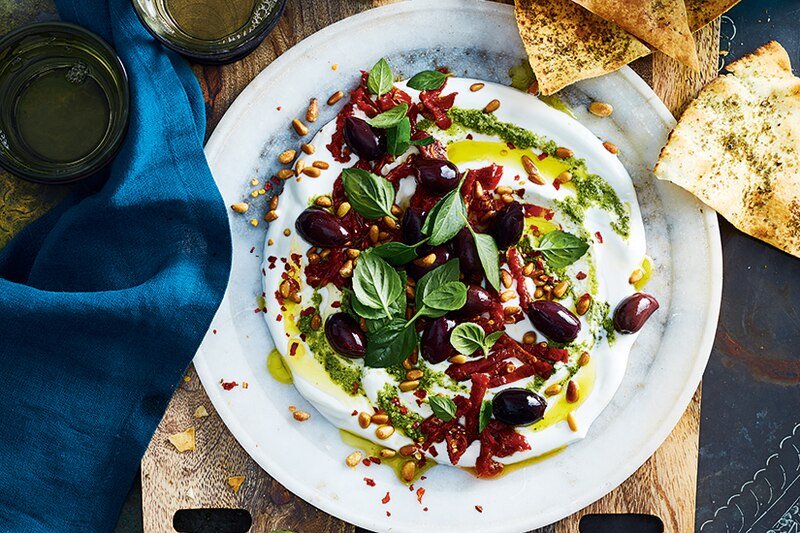
Yogurt’s distinctive properties—its tangy flavor, creamy texture, and fermentative complexity—are what set it apart from other dairy products. Its acidity, stemming from lactic acid bacteria fermentation, imparts a refreshing sharpness that complements savory ingredients, balancing richness with brightness. This acidity also acts as a natural flavor enhancer, intensifying herbs and spices while tempering gamey or fatty elements in meats, fish, and vegetables. Moreover, its smooth, viscous consistency lends a luxurious mouthfeel that holds ingredients together and elevates the overall dish.
The texture of Greek yogurt, especially the strained variety, is thicker and denser than regular yogurt, which makes it ideal for marinades and dips where a stable, creamy consistency is desired. This helps it adhere to proteins during marination, ensuring even coating and better flavor penetration. Additionally, the fermentation process not only produces the characteristic tang but also introduces probiotics and beneficial enzymes that can aid digestion. These unique properties combine to make yogurt a natural, healthful, and flavorful addition to Greek cooking, helping to define its distinct culinary identity.


The Science Behind Yogurt’s Tenderizing Effect in Greek Marinades
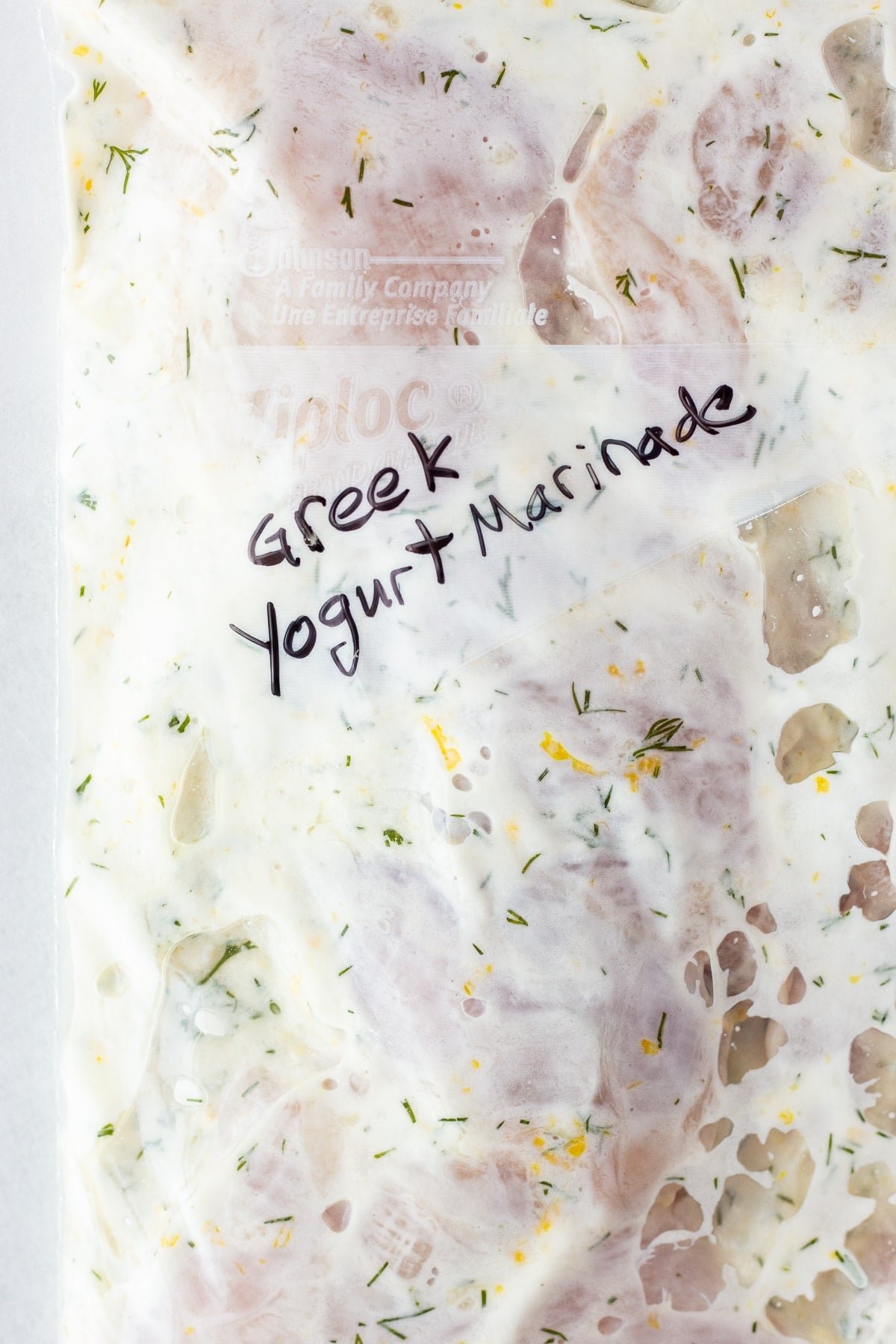
Yogurt’s tenderizing properties are rooted in its enzymatic and acid components, which work synergistically to break down connective tissues in meats. The lactic acid and other organic acids in yogurt partially hydrolyze proteins, softening the muscle fibers and making the meat more succulent and tender. This process is akin to a mild, natural enzyme treatment, but it’s gentle enough to leave the meat moist without over-softening. When used in Greek marinades, yogurt not only enhances flavor but also transforms tougher cuts into culinary delights, making it a practical solution for creating tender grilled lamb, chicken, or beef.
Moreover, the proteins in yogurt form a protective layer around the meat, locking in moisture during cooking. This barrier helps prevent drying out, especially on high-heat grilling or roasting. The acidity also has a flavor-masking effect, reducing any gaminess or animal scent in the meats while allowing the marinade’s herbs and spices to shine through. This scientific interaction explains why yogurt-based marinades produce consistently tender and flavorful results, elevating Greek grilled dishes from ordinary to extraordinary, all while adding health benefits associated with fermented dairy products.


Yogurt as the Creamy Foundation: Exploring its Role in Classic Greek Dips
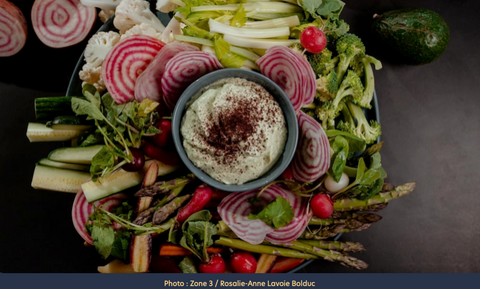
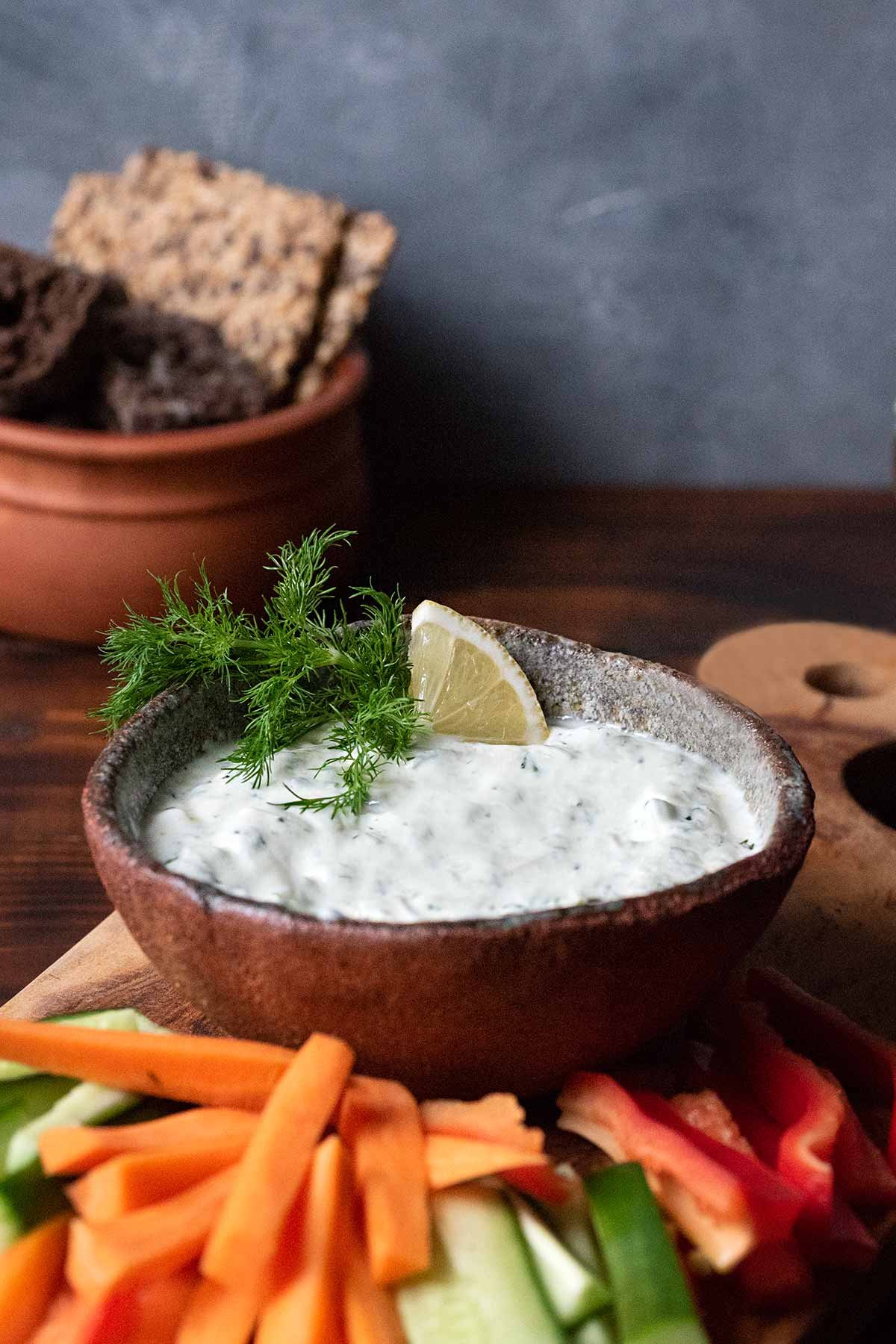
Greek dips are legendary for their richness and depth of flavor, with yogurt serving as the quintessential creamy foundation. Tzatziki, perhaps the most celebrated example, combines yogurt with cucumbers, garlic, olive oil, and herbs to create a cooling, tangy accompaniment that perfectly balances grilled meats, vegetables, or bread. The creaminess of the yogurt provides a smooth, luscious texture that helps meld the flavors of the herbs and aromatics, creating a harmonious profile. Its cooling effect also acts as a palate cleanser, making it a versatile side across diverse Greek dishes.
Beyond tzatziki, yogurt’s role extends to other dips such as taramasalat (fish roe dip) and various yogurt-based sauces that accompany gyros, souvlaki, and salads. Its ability to absorb flavors while maintaining a stable consistency makes it an ideal vessel for herbs, spices, and citrus, allowing each dip to be uniquely flavorful yet consistently creamy. Additionally, since yogurt is a probiotic-rich ingredient, it adds a healthful dimension to these dips, promoting gut health while enriching taste. Yogurt’s creamy simplicity is thus a cornerstone for creating authentic Greek dips layered with flavor and tradition.


A Tangy Symphony: How Yogurt Enhances the Flavor Profile of Greek Marinades
Yogurt imparts more than just texture—it profoundly influences the flavor profile of Greek marinades by introducing a tangy complexity that enhances other ingredients. Its acidity accentuates herbal and spicy components, such as oregano, garlic, and lemon, creating a layered flavor that dances on the palate. This tanginess also acts as a palate balancer, offsetting the richness of meats and cheeses, and lending dishes a refreshing brightness that is characteristic of Greek cuisine. The fermented flavor of yogurt is central to the Mediterranean’s vibrant and balanced approach to flavor.
Furthermore, yogurt’s ability to absorb and amplify flavors during marination means that even simple ingredients become more profound after soaking. The acids in yogurt open up the molecular structure of proteins and flavor compounds, allowing herbs and spices to penetrate more deeply. This results in marinated dishes that are not only tender but also imbued with an intense, layered flavor profile that exemplifies Greek culinary artistry. Yogurt’s role as a flavor enhancer makes it indispensable for creating the zesty, complex taste experiences associated with Greek marinades and dips.


Beyond Tradition: Modern Applications of Yogurt in Greek-Inspired Marinades and Dips
While yogurt has deep-rooted historical importance in traditional Greek recipes, its modern applications extend into contemporary culinary innovation. Chefs and home cooks alike are creatively experimenting with yogurt to develop new marinades and dips inspired by Greek flavors but adapted to modern tastes or dietary preferences. Plant-based yogurts, flavored yogurts, and probiotic-rich variants are now being incorporated into fusion dishes, vegan skewers, or health-focused recipes that retain the essence of Greek cuisine but offer fresh twists. This evolution demonstrates yogurt’s ongoing relevance and flexibility.
Additionally, contemporary Greek-inspired dishes leverage yogurt’s properties to create lighter, gluten-free, or dairy-free options that appeal to global palates. For instance, almond or coconut yogurt can substitute traditional yogurt in marinades and dips, providing the same tenderizing effect and flavor profile while catering to vegan consumers. These modern adaptations expand the culinary landscape, illustrating how the traditional use of yogurt continues to evolve while maintaining its core role in enhancing flavor, texture, and healthfulness in Greek-inspired cuisine.


Conclusion
Yogurt’s profound role in Greek marinades and dips stems from a combination of its physical properties, flavor profile, and cultural significance, making it an indispensable ingredient that enhances taste, tenderness, and texture. Its unique ability to tenderize meats through enzymatic action and acidification, along with its creamy consistency, creates a versatile foundation for numerous traditional and modern dishes. The tangy flavor it imparts elevates the complexity and balance of Greek recipes, while its probiotic qualities add health benefits. As culinary traditions evolve, yogurt remains at the heart of Greek cuisine, symbolizing both time-honored practices and innovative adaptations that continue to delight palettes worldwide. This enduring popularity underscores why “Why is yogurt used in many Greek marinades and dips?”—because it masterfully combines flavor, function, and cultural heritage in a way few ingredients can match.